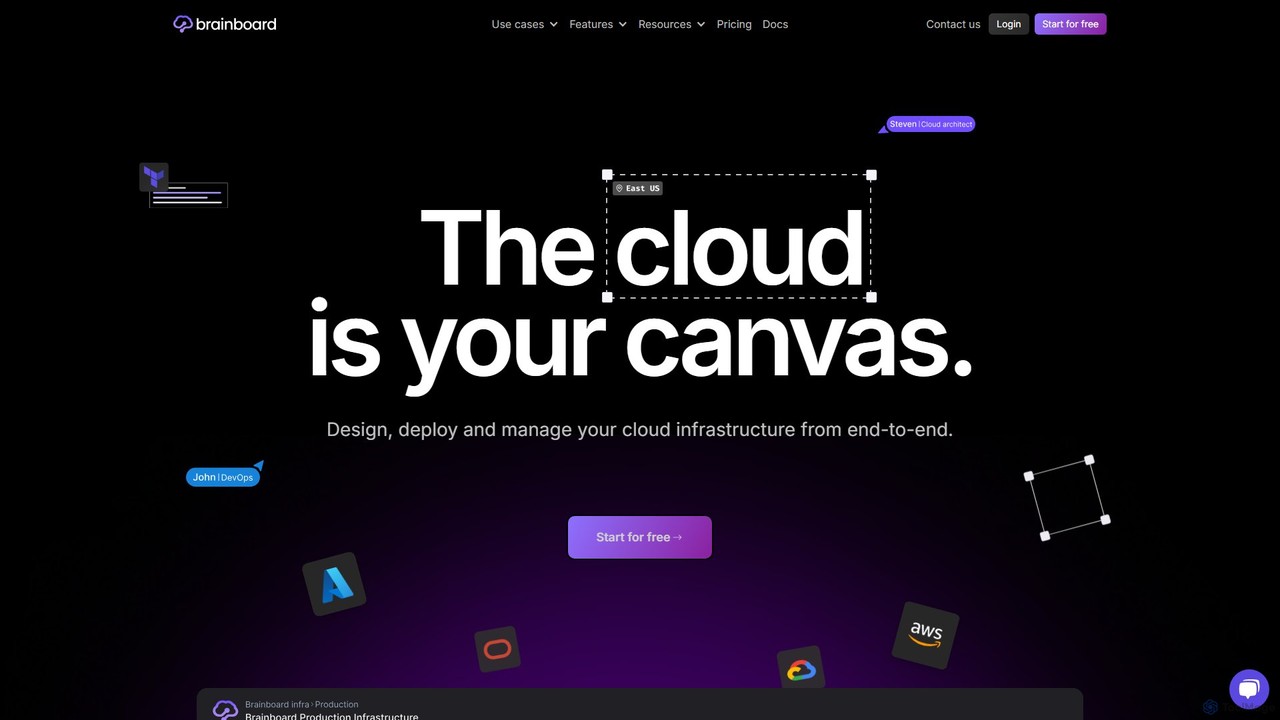
Brainboard ist eine KI-gestützte kollaborative Plattform zum visuellen Entwerfen, Bereitstellen und Verwalten von Cloud-Infrastrukturen. Es generiert automatisch Infrastructure as Code (IaC) aus Diagrammen, unterstützt Multi-Cloud-Umgebungen wie AWS, Azure und GCP und optimiert DevOps-Workflows mit integriertem CI/CD und GitOps.
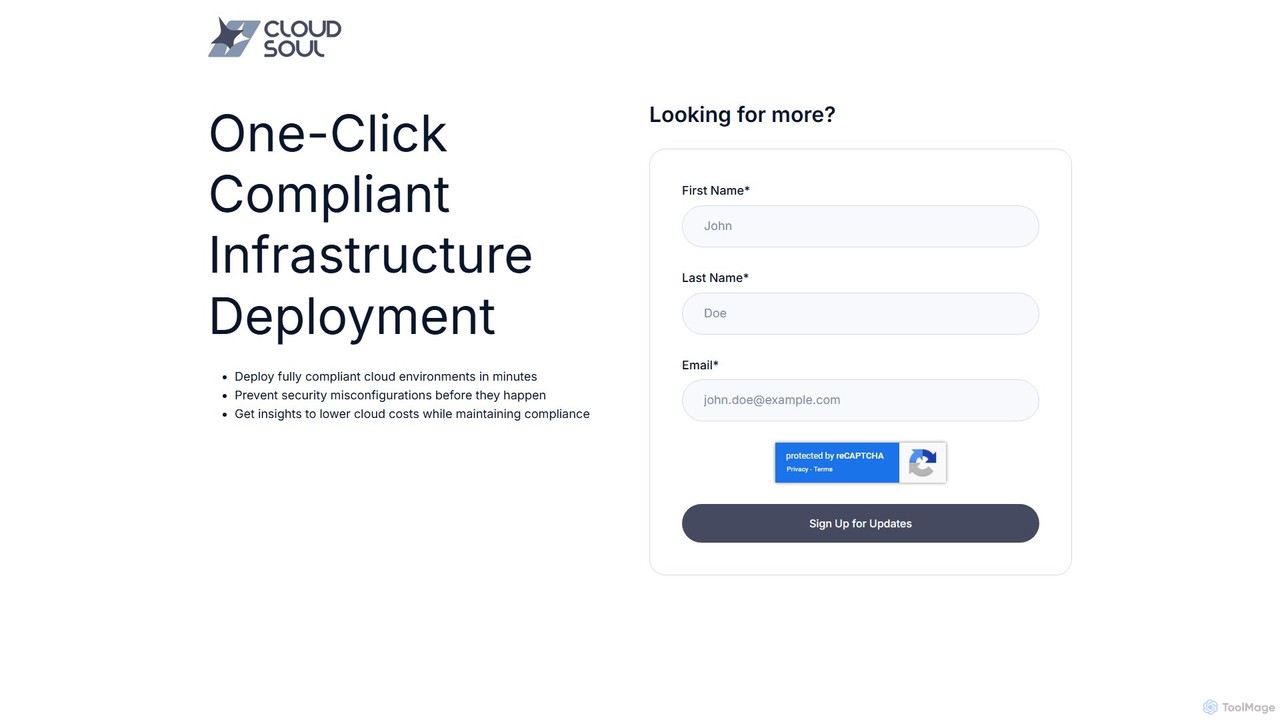
CloudSoul ist eine KI-gestützte Plattform für die Bereitstellung konformer Cloud-Infrastrukturen mit einem Klick. Sie automatisiert die Erstellung sicherer, kostenoptimierter und vollständig konformer Cloud-Umgebungen auf AWS, Azure und GCP in Minuten und verhindert Fehlkonfigurationen, bevor sie auftreten.
Produktübersicht
Brainboard Produktübersicht
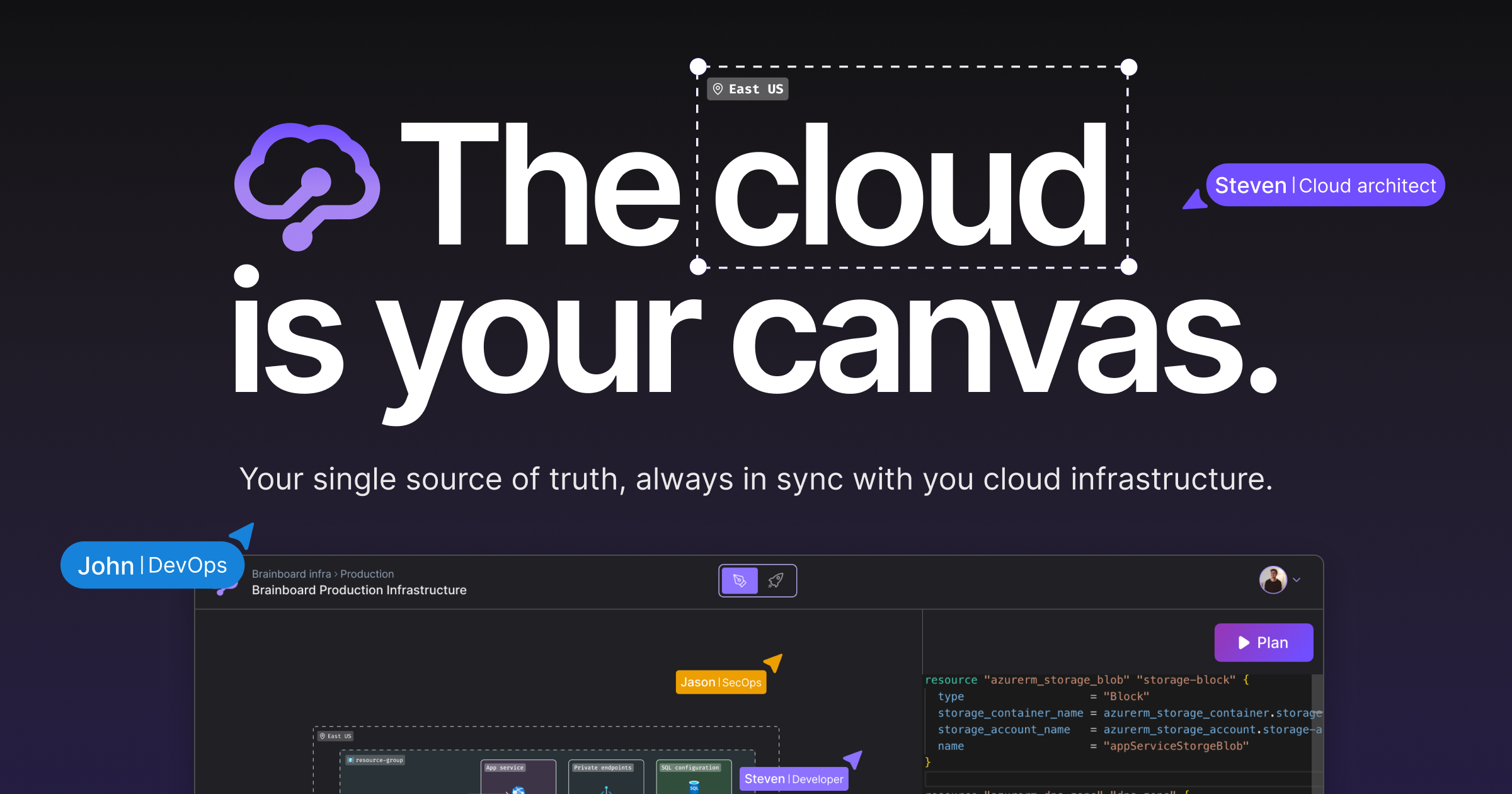
Brainboard ist eine KI-gestützte kollaborative Plattform zum visuellen Entwerfen, Bereitstellen und Verwalten von Cloud-Infrastrukturen. Es generiert automatisch Infrastructure as Code (IaC) aus Diagrammen, unterstützt Multi-Cloud-Umgebungen wie AWS, Azure und GCP und optimiert DevOps-Workflows mit integriertem CI/CD und GitOps.
CloudSoul Produktübersicht
CloudSoul ist eine KI-gestützte Plattform für die Bereitstellung konformer Cloud-Infrastrukturen mit einem Klick. Sie automatisiert die Erstellung sicherer, kostenoptimierter und vollständig konformer Cloud-Umgebungen auf AWS, Azure und GCP in Minuten und verhindert Fehlkonfigurationen, bevor sie auftreten.
Detailed feature comparison
| Feature | Brainboard | CloudSoul |
|---|---|---|
| Hauptkategorie | Infrastruktur als Code | Cloud-Management |
| Hinzugefügt | 2025-08-12 | 2025-08-13 |
| Preismodell | Freemium | Kostenpflichtig |
| Offizielle Website | www.brainboard.co | cloudsoul.net |
| Produkttyp | Website | Website |
| Performance data | ||
| Nutzerbewertung | Nicht verifiziert | Nicht verifiziert |
| Kommentare | 0 | 0 |
| Monatliche Besuche | 17.3K | 1.2K |
| Monatliches Wachstum | 59.4% | 144.2% |
| Favoriten | 122 | 137 |
| Details | Details ansehen | Details ansehen |
Brainboard vs CloudSoul monthly traffic
Compare Brainboard and CloudSoul by monthly reach, traffic trend, visit depth, top regions, and acquisition sources.
How to interpret the traffic data
In the Brainboard vs CloudSoul monthly traffic comparison, Brainboard currently shows 17.3K visits and CloudSoul shows 1.2K; Brainboard has about 15 times the visible traffic of CloudSoul, an absolute difference of about 16.2K visits. This reflects visible reach, not feature quality or paid users.
Both tools provide verified traffic details, so monthly trends, visit depth, regions, and acquisition sources can be compared on the same basis.
Brainboard monthly traffic:
Latest traffic
Monthly traffic trend
- 2025/9: 11.4K Monatliche Besuche
- 2026/1: 11.9K Monatliche Besuche
- 2026/2: 13.8K Monatliche Besuche
- 2026/3: 13.9K Monatliche Besuche
- 2026/4: 10.9K Monatliche Besuche
- 2026/5: 17.3K Monatliche Besuche
Top-Regionen
Top 5 countries/regions
| Country/region | Percentage | Traffic |
|---|---|---|
| 🇺🇸United States | 74.59% | 12.9K |
| 🇮🇳India | 8.38% | 1.5K |
| 🇻🇳Vietnam | 8.03% | 1.4K |
| 🇧🇷Brazil | 4.71% | 817 |
| 🇪🇸Spain | 4.29% | 744 |
Suchbegriffe
CloudSoul monthly traffic:
Latest traffic
Monthly traffic trend
- 2025/9: 332 Monatliche Besuche
- 2026/1: 0 Monatliche Besuche
- 2026/2: 0 Monatliche Besuche
- 2026/3: 791 Monatliche Besuche
- 2026/4: 473 Monatliche Besuche
- 2026/5: 1.2K Monatliche Besuche
Top-Regionen
Top 5 countries/regions
| Country/region | Percentage | Traffic |
|---|---|---|
| 🇺🇸United States | 82.38% | 951 |
| 🇫🇷France | 9.94% | 115 |
| 🇦🇹Austria | 7.68% | 89 |
Suchbegriffe
Usage comparison
Compare the core capabilities of Brainboard and CloudSoul
Brainboard Core features
CloudSoul Core features
Use cases
Brainboard Use cases
CloudSoul Use cases
Brainboard vs CloudSoul:In-depth comparison and selection guidance
First decide whether the products solve the same kind of need
This in-depth Brainboard vs CloudSoul comparison uses only the product records, taxonomy, audience, traffic, and community signals available on this page. Brainboard is primarily listed under “Infrastruktur als Code”, while CloudSoul is primarily listed under “Cloud-Management”, so the first decision is whether your actual task matches their recorded scope.
The structured fields currently show these decision-relevant differences: Primary category (Brainboard: Infrastruktur als Code; CloudSoul: Cloud-Management); Pricing (Brainboard: Freemium; CloudSoul: Paid); Monthly visits (Brainboard: 17.3K; CloudSoul: 1.2K); Monthly growth (Brainboard: 59.4%; CloudSoul: 144.2%); Favorites (Brainboard: 122; CloudSoul: 137). These facts are more useful for selection than brand visibility alone.
What market visibility and monthly traffic mean
In the Brainboard vs CloudSoul monthly traffic comparison, Brainboard currently shows 17.3K visits and CloudSoul shows 1.2K; Brainboard has about 15 times the visible traffic of CloudSoul, an absolute difference of about 16.2K visits. This reflects visible reach, not feature quality or paid users.
Both tools provide verified traffic details, so monthly trends, visit depth, regions, and acquisition sources can be compared on the same basis.
If public market visibility is an important first-pass criterion, investigate Brainboard first. The final choice should still follow taxonomy, use case, and a real trial because higher traffic does not prove broader capabilities or better workflow fit.
Product positioning, use cases, and roles
Brainboard and CloudSoul currently overlap in shared tags: AWS, Azure, gcp und iac. This can place both on the same shortlist, but it does not prove equal implementation, depth, or cost.
Brainboard's unique categories/tags are Infrastruktur als Code, DevOps, Cloud-Management, CI/CD, Cloud-Design, Cloud-Infrastruktur, GitOps und Multi-Cloud; CloudSoul's are Cloud-Management, Infrastruktur als Code, Compliance-Automatisierung, Automatisierung, Cloud-Kostenmanagement, Cloud-Sicherheit, Compliance und CSPM. These unique fields are the strongest differentiators: validate the product whose recorded scope matches the task instead of following traffic alone.
What ratings, comments, and favorites can tell you
Brainboard has no verified rating, 0 comments, 122 favorites, and 119 likes;CloudSoul has no verified rating, 0 comments, 137 favorites, and 118 likes。
Neither product has enough rating or comment samples for a credible reputation ranking.
Selection guidance by actual need
When to evaluate Brainboard first
Put Brainboard on the priority trial list when the task aligns with “Infrastruktur als Code” and especially Infrastruktur als Code, DevOps, Cloud-Management, CI/CD, Cloud-Design und Cloud-Infrastruktur. This follows recorded positioning and does not imply unlisted capabilities are absent.
Brainboard also currently records: pricing is freemium, product type is website, 17.3K verified monthly visits, no verified user rating. Verify any hard requirement around price, platform, or reach before trial, and do not let sparse review data substitute for testing.
When to evaluate CloudSoul first
Put CloudSoul on the priority trial list when the task aligns with “Cloud-Management” and especially Cloud-Management, Infrastruktur als Code, Compliance-Automatisierung, Automatisierung, Cloud-Kostenmanagement und Cloud-Sicherheit. This follows recorded positioning and does not imply unlisted capabilities are absent.
CloudSoul also currently records: pricing is paid, product type is website, 1.2K verified monthly visits, no verified user rating. Verify any hard requirement around price, platform, or reach before trial, and do not let sparse review data substitute for testing.
How to validate the recommendation before deciding
The available data describes positioning, public visibility, and community signals, but it cannot prove output quality, speed, integration effort, privacy, or long-term cost in your workflow. Before deciding, run the same representative tasks in Brainboard and CloudSoul, then record completion time, accuracy, manual corrections, and the real paid threshold. A like-for-like trial turns this comparison into a defensible adoption decision.
Vergleichs-FAQ
How should I choose between Brainboard and CloudSoul?
Where does this comparison data come from?
What do unknown fields mean?
Related AI tools

AIaC by Firefly
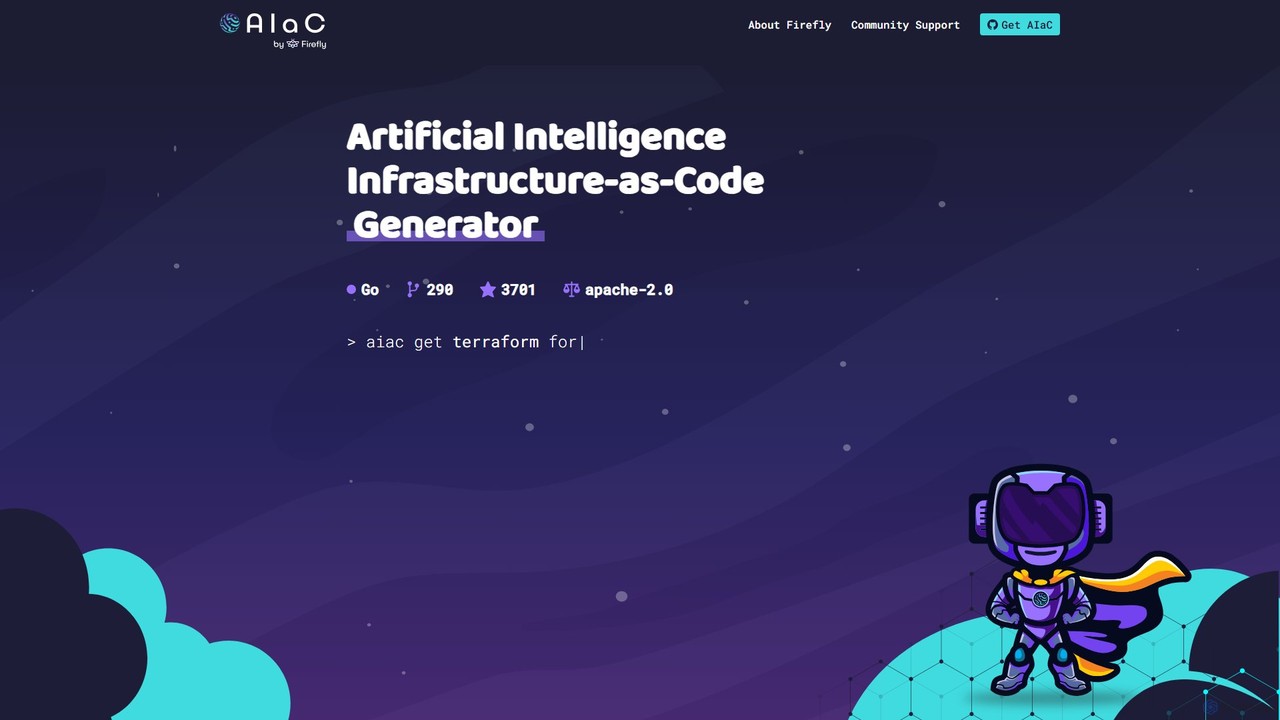
AIaC by Firefly ist ein kostenloses, quelloffenes CLI-Tool, das KI verwendet, um Infrastructure-as-Code (IaC) aus natürlichsprachlichen Anweisungen zu generieren. Es hilft Entwicklern und DevOps-Ingenieuren, schnell Konfigurationscode für verschiedene Cloud-Plattformen und IaC-Frameworks wie Terraform, Pulumi und CloudFormation zu erstellen, was die Entwicklung erheblich beschleunigt und Syntaxfehler reduziert.
DevOps
Pulumi
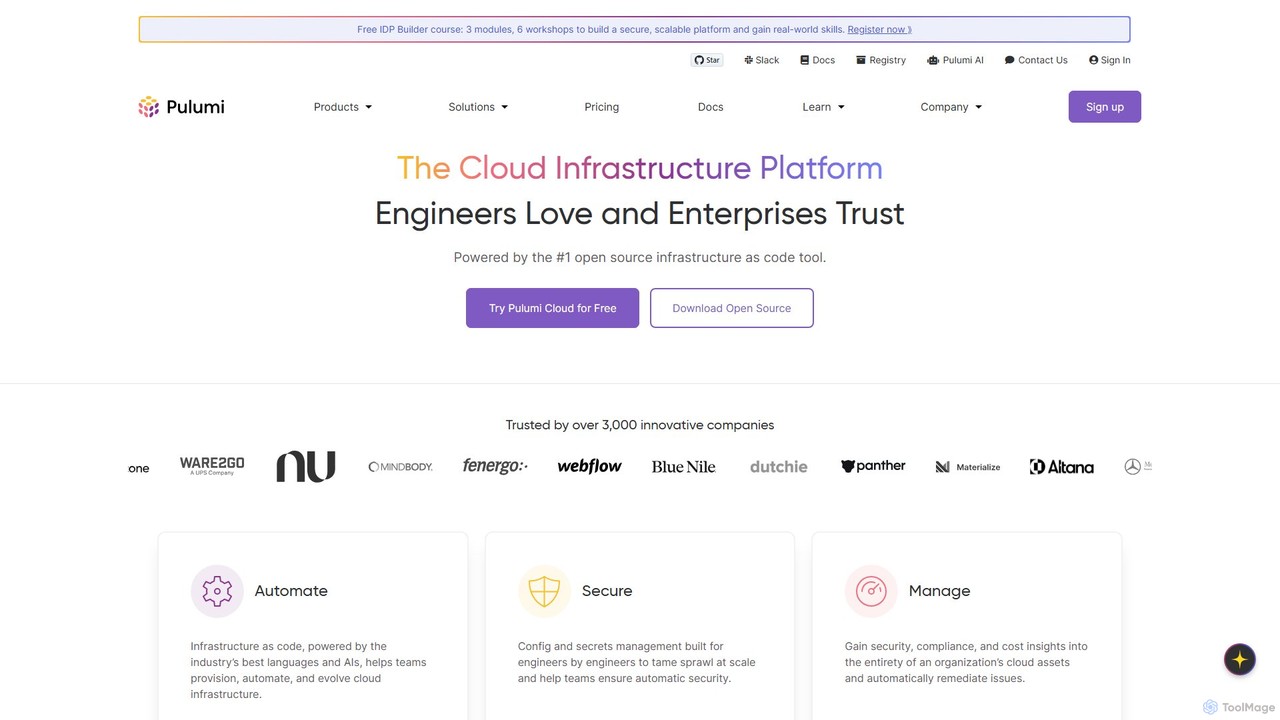
Pulumi ist eine universelle Infrastructure as Code (IaC)-Plattform, die es Entwicklern und Infrastrukturteams ermöglicht, Cloud-Infrastruktur mit vertrauten Programmiersprachen wie Python, TypeScript, Go und C# zu erstellen, bereitzustellen und zu verwalten. Es integriert KI, um Sicherheit, Compliance und betriebliche Effizienz zu verbessern.
Management
Cloudchipr
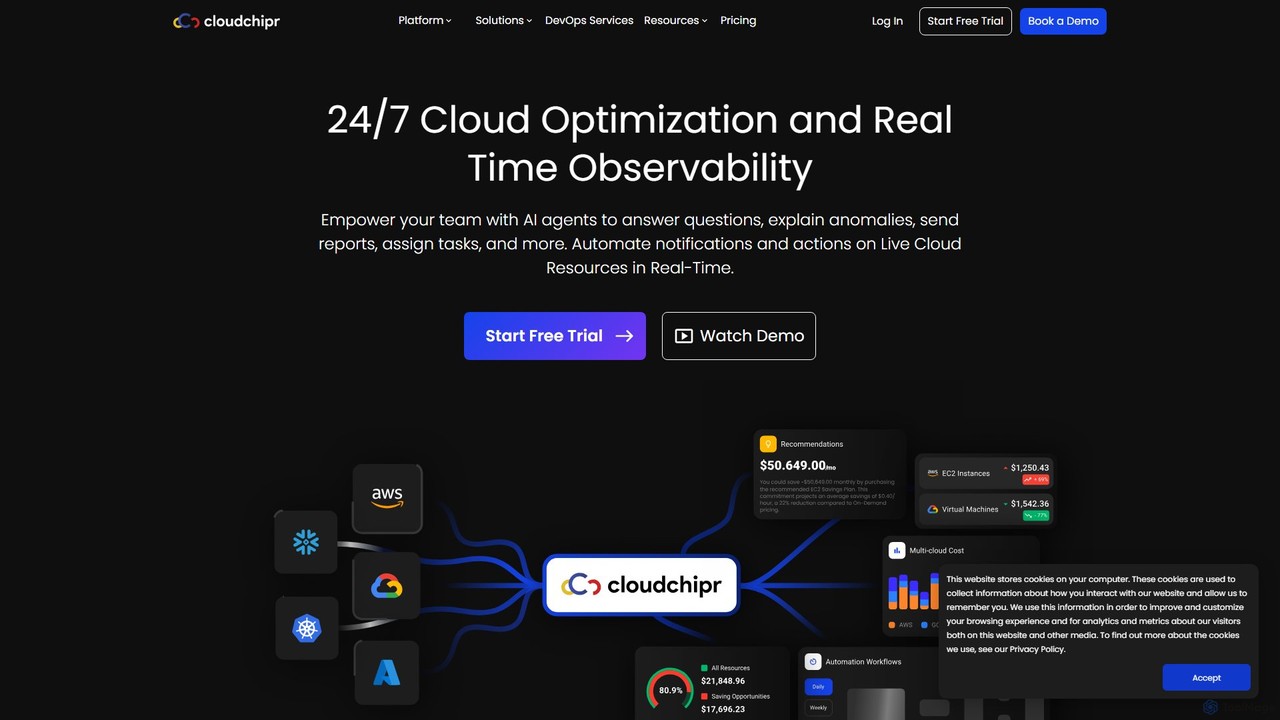
Cloudchipr ist eine umfassende Cloud-Optimierungsplattform für FinOps, Ingenieure und Führungskräfte. Sie bietet eine einheitliche Lösung für Multi-Cloud-Kostentransparenz, automatisierte Einsparungen und Team-Kollaboration über AWS, GCP und Azure hinweg. Die Plattform hilft Unternehmen, Cloud-Verschwendung zu reduzieren, Ingenieurstunden zu sparen und durch Echtzeit-Einblicke und umsetzbare Empfehlungen die volle Kontrolle über ihre Cloud-Ausgaben zu erlangen.
Cloud-Management
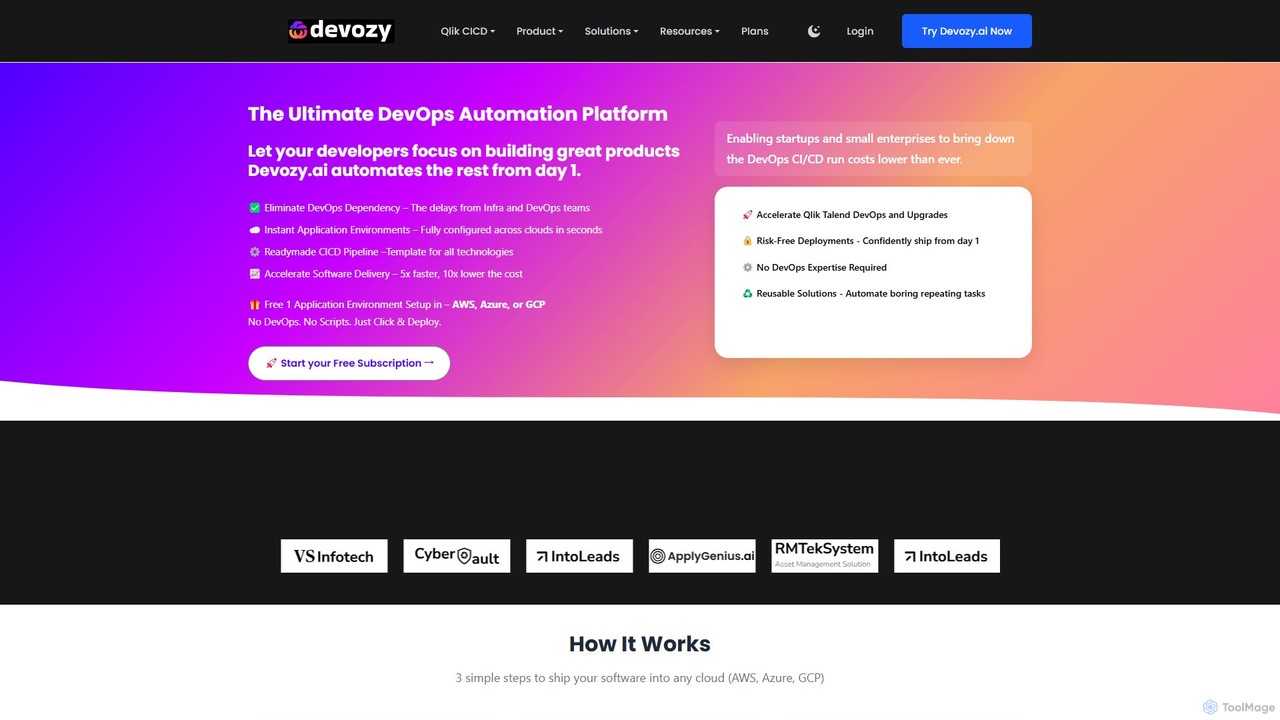
Devozy.ai
Devozy.ai ist eine Self-Service-DevOps-Automatisierungsplattform für IT-Engineering-Teams. Sie optimiert die Bereitstellung von Software in Multi-Cloud-Umgebungen wie AWS, Azure und GCP, indem sie fertige CI/CD-Pipelines und sofortige Anwendungsumgebungen bereitstellt. Dies ermöglicht es Entwicklern, sich auf das Programmieren zu konzentrieren, eliminiert DevOps-Abhängigkeiten, beschleunigt die Auslieferung um das bis zu 5-fache und senkt die Kosten.
Multi-Cloud-Management
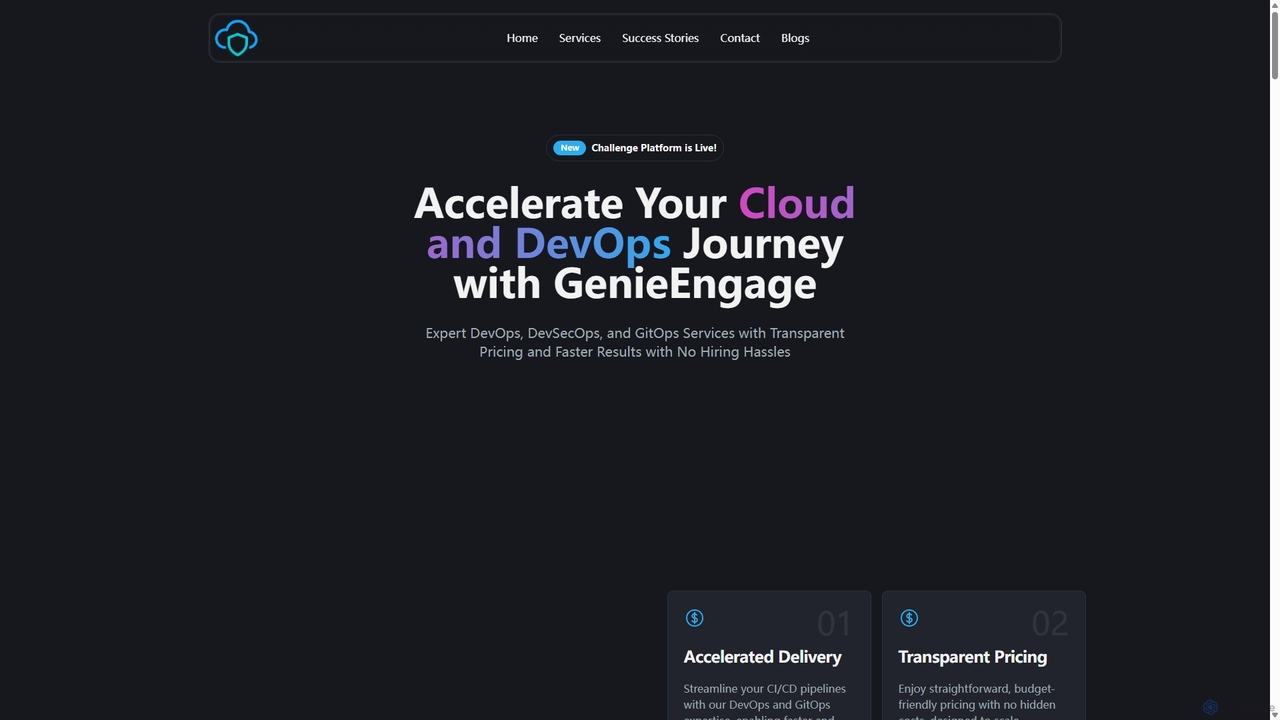
GenieEngage
GenieEngage ist ein DevOps-as-a-Service-Partner, der Expertenlösungen in den Bereichen DevOps, DevSecOps und GitOps anbietet. Es hilft Unternehmen, die Softwarebereitstellung zu beschleunigen, die Sicherheit zu erhöhen und die Infrastruktur in Clouds wie AWS, Azure und GCP zu skalieren, indem es ein komplettes Expertenteam als kostengünstige Alternative zur internen Einstellung bereitstellt.
Infrastrukturmanagement
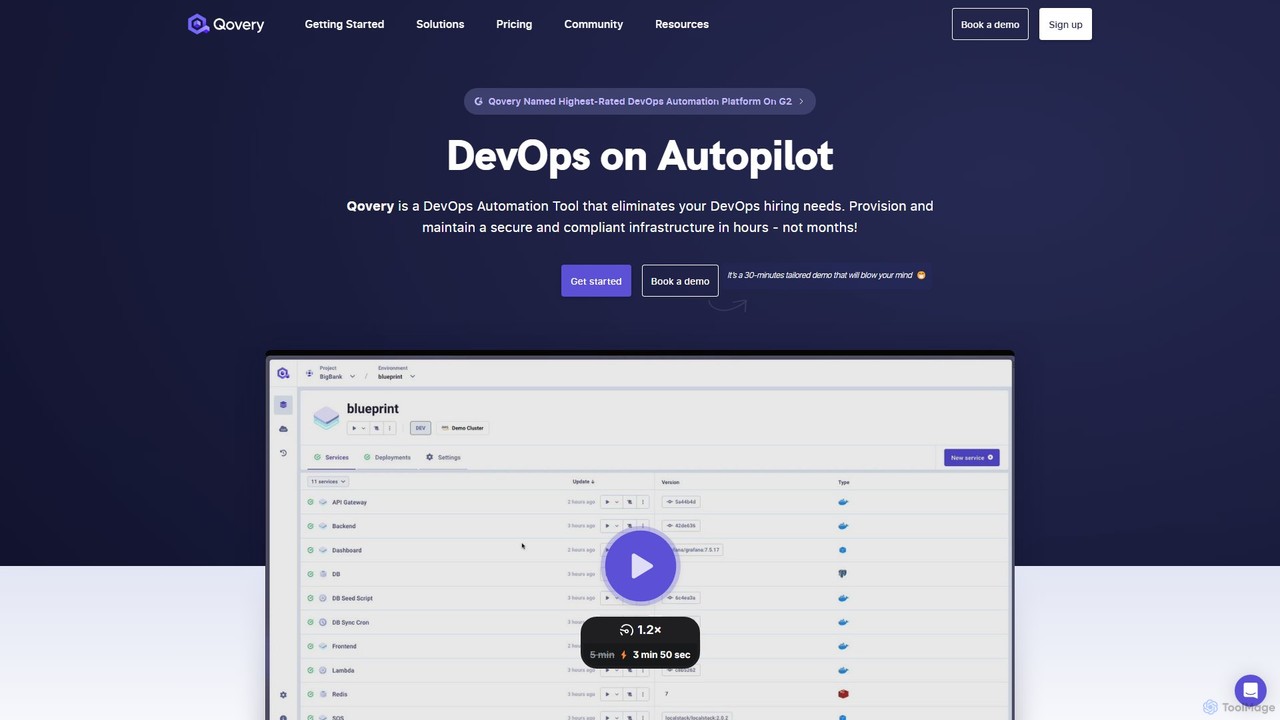
Qovery
Qovery ist eine DevOps-Automatisierungsplattform, die Entwicklern eine Self-Service-Infrastruktur bietet. Sie automatisiert die Bereitstellung von Umgebungen, beschleunigt Bereitstellungszyklen und optimiert die Cloud-Kosten auf AWS, Azure und GCP, wodurch die Notwendigkeit für umfangreiche DevOps-Einstellungen entfällt.
Infrastruktur als Code
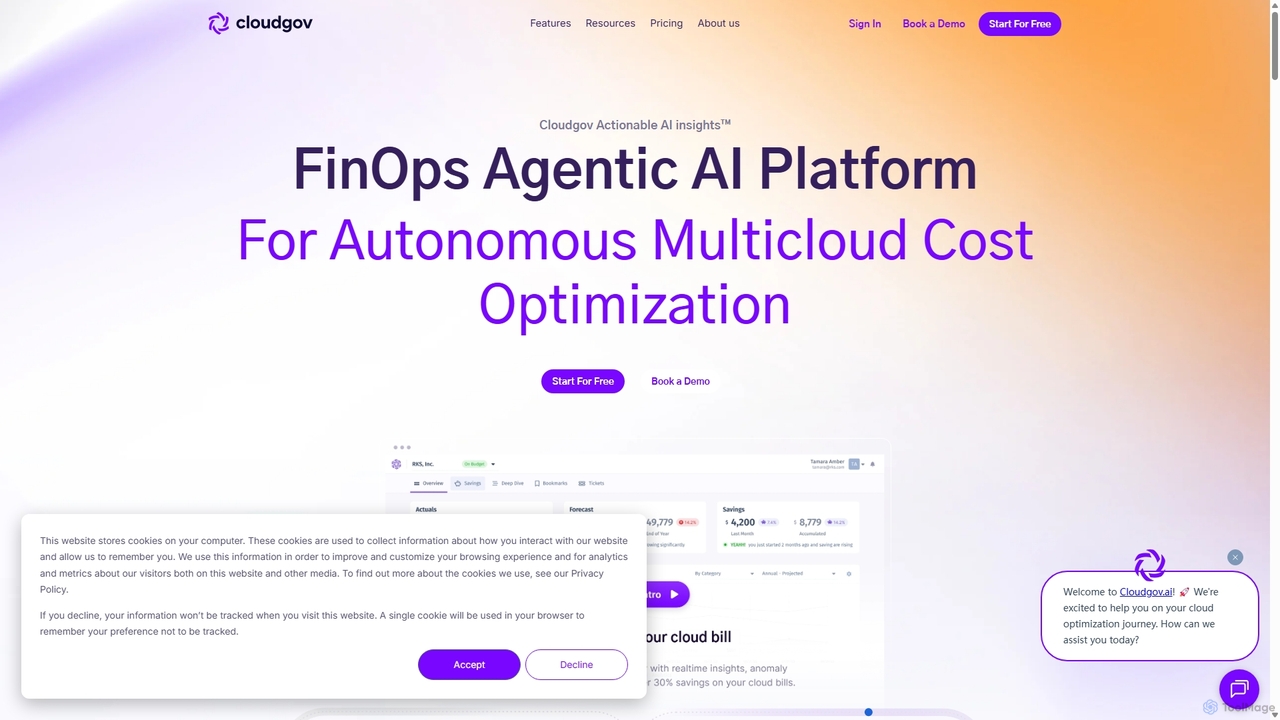
Cloudgov
Cloudgov ist eine agentenbasierte KI-gestützte FinOps-Plattform, die für die autonome Multicloud-Kostenoptimierung entwickelt wurde. Sie bietet eine einheitliche Sichtbarkeit über AWS, Azure und GCP, liefert umsetzbare Einblicke, Echtzeit-Anomalieerkennung und automatisierte Behebung, um Unternehmen dabei zu helfen, ihre Cloud-Ausgaben um über 30 % zu senken und Finanzoperationen zu optimieren.
DevOps
cloudnein
cloudnein ist eine KI-gestützte Cloud-Management-Plattform, die entwickelt wurde, um Kosten zu optimieren, die Sicherheit zu erhöhen und den Betrieb für AWS, GCP und Azure zu automatisieren. Sie bietet intelligente Empfehlungen und proaktive Einblicke, um Unternehmen bei der effizienten und sicheren Verwaltung ihrer Cloud-Infrastruktur zu unterstützen.
Management
Convox
Convox ist eine Platform as a Service (PaaS), die das Management von Cloud-Infrastrukturen automatisiert. Es vereinfacht die Anwendungsbereitstellung, Skalierung, Überwachung und CI/CD auf großen Cloud-Anbietern wie AWS und GCP, sodass sich Entwicklungsteams auf das Schreiben von Code statt auf die Verwaltung komplexer Operationen konzentrieren können.
PaaS
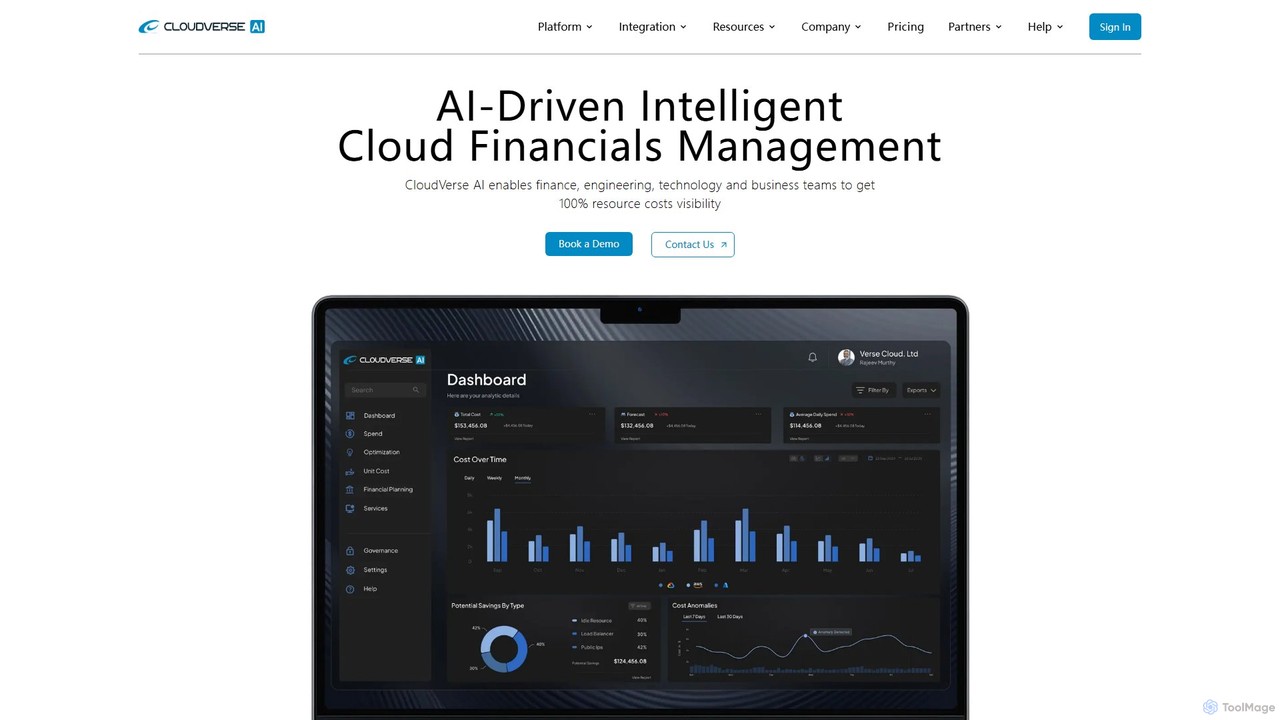
CloudVerse AI
CloudVerse AI ist eine KI-gestützte FinOps-Plattform für umfassendes Cloud-Finanzmanagement. Sie hilft Unternehmen, ihre Ausgaben in Multi-Cloud-Umgebungen wie AWS, Azure und GCP zu steuern, zu verwalten und zu optimieren. Durch den Einsatz intelligenter Algorithmen und Funktionen wie Virtual Tagging ermöglicht sie eine klare Kostenzuordnung, verbessert die Budgetkontrolle und zielt darauf ab, die Cloud-Kosten erheblich zu senken, um die Cloud einfach und kosteneffizient zu machen.
Cloud-Management
Vocareum
Vocareum ist eine umfassende cloudbasierte Lernplattform für Bildungseinrichtungen. Sie bietet sicheren, skalierbaren und budgetkontrollierten Zugriff auf KI-Tools, virtuelle Computerlabore und Cloud-Ressourcen wie AWS, Azure und GCP. Die Plattform erleichtert praxisorientiertes Lernen in den Bereichen KI, Datenwissenschaft und Informatik und lässt sich nahtlos in bestehende Lernmanagementsysteme (LMS) integrieren.
Datenwissenschaft
ProjectPro
ProjectPro ist eine projektbasierte Lernplattform, die Datenexperten dabei unterstützt, ihre Karriere zu beschleunigen. Sie bietet eine umfangreiche Bibliothek mit über 250 durchgängigen, branchenüblichen Projekten in den Bereichen Data Science, Big Data, KI und MLOps. Jedes Projekt enthält verifizierten Lösungscode, detaillierte Erklärvideos, eine Cloud-Laborumgebung und Expertenunterstützung, sodass Benutzer praktische Erfahrungen mit realen Geschäftsproblemen und Spitzentechnologien sammeln können.
Datenwissenschaft
Plural
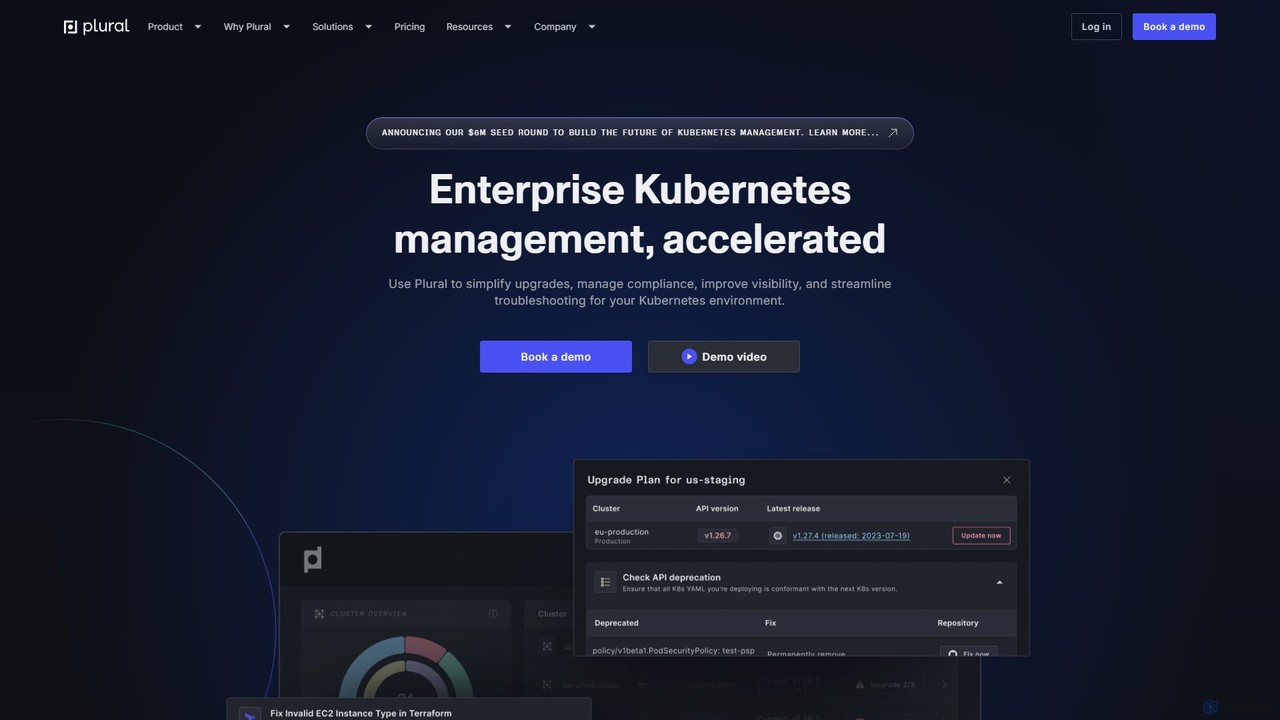
Plural ist eine KI-gestützte Enterprise-Kubernetes-Management-Plattform, die entwickelt wurde, um Operationen zu beschleunigen und zu vereinfachen. Sie bietet Multi-Cloud-Transparenz, automatisiert komplexe Upgrades, ermöglicht KI-gesteuerte Fehlerbehebung und gewährleistet robuste Sicherheit und Compliance. Ideal für DevOps- und Plattform-Engineering-Teams, reduziert Plural Betriebskosten und steigert die Entwicklergeschwindigkeit.
Multi-Cloud-Management
Defang
Defang ist eine KI-gestützte Plattform, die die Cloud-Bereitstellung vereinfacht. Sie ermöglicht es Entwicklern, jedes Docker-Compose-Projekt mit einem einzigen Befehl auf großen Cloud-Anbietern wie AWS und GCP bereitzustellen und automatisiert komplexe Infrastruktur-Setups, Sicherheit und Skalierung.
Plattform als Dienst (PaaS)
Dezyn
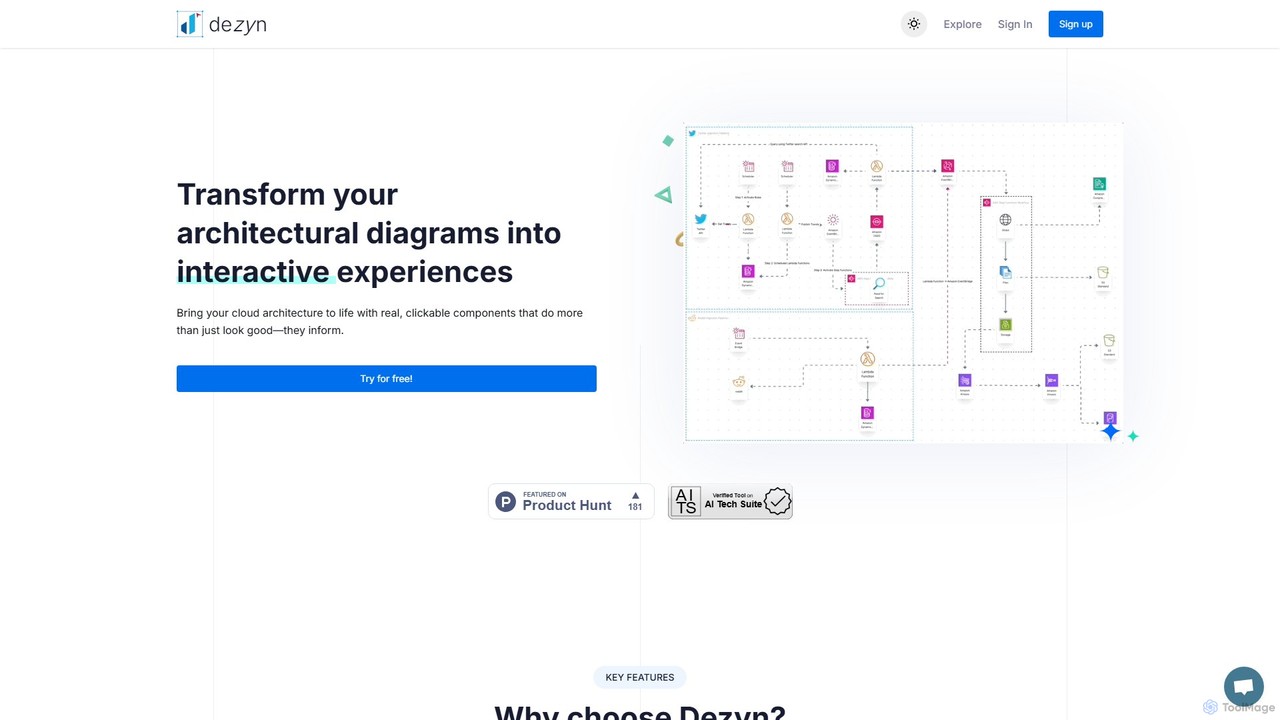
Dezyn ist eine KI-gestützte Plattform zur Erstellung interaktiver, datenreicher Architekturdiagramme und Flussdiagramme. Es wandelt Textaufforderungen, handgezeichnete Skizzen oder Wireframes in professionelle Diagramme um. Ideal für Ingenieure, Entwickler und Tech-Content-Ersteller, um komplexe Cloud-Systeme (AWS, Azure, GCP) zu visualisieren und effektiv zusammenzuarbeiten.
Flussdiagramm