ToolMage
Anmelden
Cleora
Embedding-Modelle · 56.2K monatliche besuche

Cleora ist ein quelloffenes, hochleistungsfähiges Modell zur Erstellung stabiler und induktiver Entitäten-Embeddings aus großen, heterogenen relationalen Daten und Hypergraphen. Es ist in Rust geschrieben und verfügt über eine Python-API, die unübertroffene Geschwindigkeit und Skalierbarkeit für Aufgaben wie Empfehlungssysteme und Graphenanalysen bietet.

VS
Fast.ai
Maschinelles Lernen · 415K monatliche besuche

Fast.ai ist ein Forschungsinstitut, das sich zum Ziel gesetzt hat, Deep Learning für jedermann zugänglich zu machen. Es bietet kostenlose Kurse, eine Open-Source-Softwarebibliothek (fastai), Spitzenforschung und eine lebendige Community, um Programmierer aller Hintergründe zu befähigen, Deep-Learning-Praktiker zu werden.

Cleora vs Fast.ai: Preise, Funktionen und Traffic

Vergleiche Cleora und Fast.ai nach Positionierung, Preis, Funktionen, Traffic und Nutzerfeedback.

Aktualisiert 17.08.2026

Produktübersicht

Cleora Produktübersicht

Cleora ist ein quelloffenes, hochleistungsfähiges Modell zur Erstellung stabiler und induktiver Entitäten-Embeddings aus großen, heterogenen relationalen Daten und Hypergraphen. Es ist in Rust geschrieben und verfügt über eine Python-API, die unübertroffene Geschwindigkeit und Skalierbarkeit für Aufgaben wie Empfehlungssysteme und Graphenanalysen bietet.
Preview

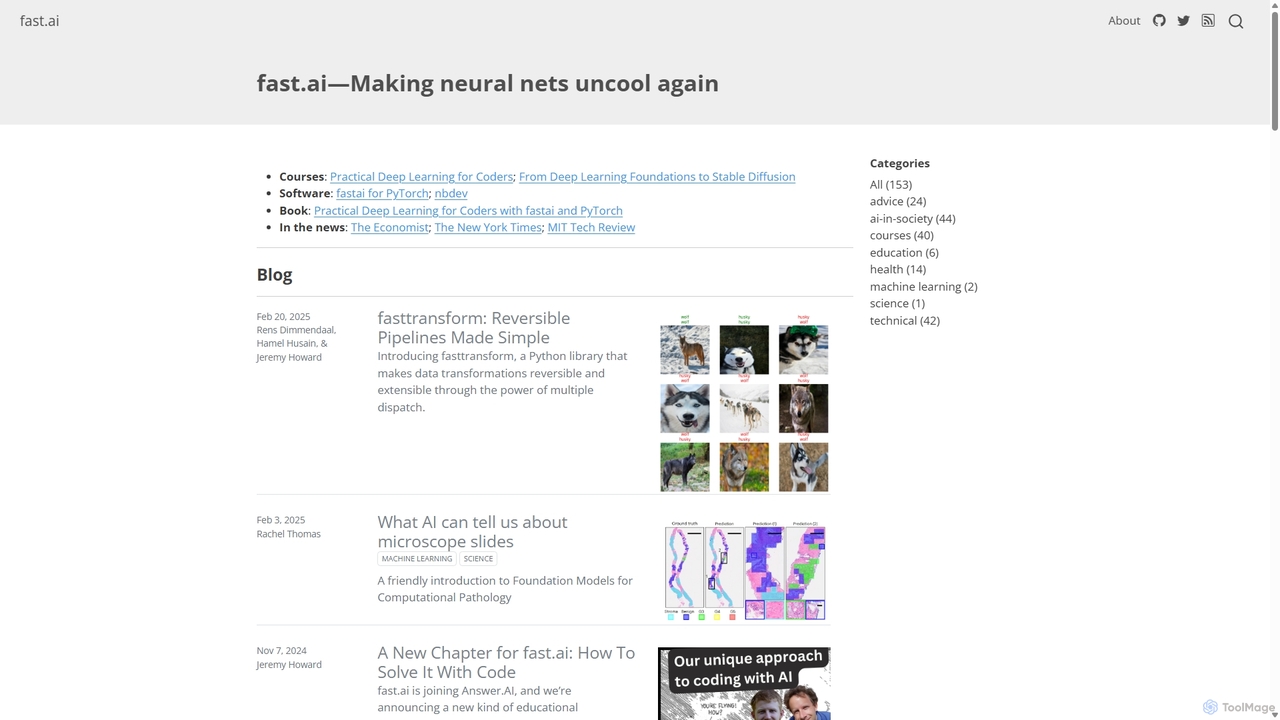
Fast.ai Produktübersicht

Fast.ai ist ein Forschungsinstitut, das sich zum Ziel gesetzt hat, Deep Learning für jedermann zugänglich zu machen. Es bietet kostenlose Kurse, eine Open-Source-Softwarebibliothek (fastai), Spitzenforschung und eine lebendige Community, um Programmierer aller Hintergründe zu befähigen, Deep-Learning-Praktiker zu werden.

Preview

Detailed feature comparison

FeatureCleoraFast.ai
HauptkategorieEmbedding-ModelleMaschinelles Lernen
Hinzugefügt2025-08-122025-09-18
PreismodellKostenlosKostenlos
Offizielle Websitegithub.comfast.ai
ProdukttypWebsiteWebsite
Performance data
NutzerbewertungNicht verifiziertNicht verifiziert
Kommentare00
Monatliche Besuche56.2K415K
Monatliches WachstumNicht verifiziert3.8%
Favoriten92153
DetailsDetails ansehenDetails ansehen

Cleora vs Fast.ai monthly traffic

Compare Cleora and Fast.ai by monthly reach, traffic trend, visit depth, top regions, and acquisition sources.

How to interpret the traffic data

In the Cleora vs Fast.ai monthly traffic comparison, Cleora currently shows 56.2K visits and Fast.ai shows 415K; Fast.ai has about 7.4 times the visible traffic of Cleora, an absolute difference of about 358.8K visits. This reflects visible reach, not feature quality or paid users.

Only Fast.ai has complete third-party traffic details; Cleora uses visits recorded inside ToolMage. These scopes cannot estimate market share directly, and on-site views should not be treated as the product’s total website traffic.

Cleora is registered at the github.com/BaseModelAI/cleora subpage. Because the current data does not state whether other host pages are excluded, treat this as domain-level context rather than independent traffic for one product or project.

Cleora monthly traffic:

Latest traffic

Monatliche Besuche
56.2K

Fast.ai monthly traffic:

Latest traffic

Monatliche Besuche
415K
Ø Besuchsdauer
0:55
Seiten pro Besuch
2.06
Absprungrate
54.17%
Data updated 2026-06-15

Monthly traffic trend

  • 2025/9: 428.4K Monatliche Besuche
  • 2026/1: 417K Monatliche Besuche
  • 2026/2: 396K Monatliche Besuche
  • 2026/3: 428.7K Monatliche Besuche
  • 2026/4: 400K Monatliche Besuche
  • 2026/5: 415K Monatliche Besuche

Top-Regionen

Top 5 countries/regions
Country/regionPercentageTraffic
🇺🇸United States47.6%197.6K
🇮🇳India33.84%140.4K
🇬🇧United Kingdom6.74%28K
🇻🇳Vietnam6.4%26.6K
🇨🇳China5.42%22.5K

Traffic-Quellen

Source typePercentageTraffic
Direkt82.3%341.6K
Verweis13.27%55.1K
E-Mail4.43%18.4K

Suchbegriffe

fastfast aifast.aifastaipractical deep learning for coders
Traffic-based selection guidance: The current traffic scope is not sufficient for a reliable product ranking. Treat monthly visits as a market-interest signal, then decide using taxonomy, use cases, pricing, and a like-for-like trial rather than reading exposure as product capability.

Usage comparison

Compare the core capabilities of Cleora and Fast.ai

Cleora Core features

Embedding-Modelle
Graphenanalyse
Bibliotheken für Maschinelles Lernen

Fast.ai Core features

Maschinelles Lernen
Bibliotheken und Frameworks
Programmierung

Use cases

Cleora Use cases

Datenwissenschaft
maschinelles Lernen
Open Source
Python
Entity Embedding
Graphen-Einbettung
Hypergraph
induktives Lernen
Empfehlungssystem
Rust
Skalierbare KI

Fast.ai Use cases

Datenwissenschaft
maschinelles Lernen
Open Source
Python
Computer Vision
Deep Learning
Entwicklerwerkzeuge
Bildung
kostenlose Kurse
neuronale Netze
NLP
PyTorch

Best suited roles

Cleora Best suited roles

Keine verifizierten Daten

Fast.ai Best suited roles

KI-Entwickler
Datenanalyst
Datenwissenschaftler
Machine Learning Ingenieur
Forscher
Softwareentwickler
Student

Cleora vs Fast.ai:In-depth comparison and selection guidance

First decide whether the products solve the same kind of need

This in-depth Cleora vs Fast.ai comparison uses only the product records, taxonomy, audience, traffic, and community signals available on this page. Cleora is primarily listed under “Embedding-Modelle”, while Fast.ai is primarily listed under “Maschinelles Lernen”, so the first decision is whether your actual task matches their recorded scope.

The structured fields currently show these decision-relevant differences: Primary category (Cleora: Embedding-Modelle; Fast.ai: Maschinelles Lernen); Monthly visits (Cleora: 56.2K; Fast.ai: 415K); Favorites (Cleora: 92; Fast.ai: 153); Website (Cleora: github.com; Fast.ai: fast.ai); Added (Cleora: 2025-08-12; Fast.ai: 2025-09-18). These facts are more useful for selection than brand visibility alone.

What market visibility and monthly traffic mean

In the Cleora vs Fast.ai monthly traffic comparison, Cleora currently shows 56.2K visits and Fast.ai shows 415K; Fast.ai has about 7.4 times the visible traffic of Cleora, an absolute difference of about 358.8K visits. This reflects visible reach, not feature quality or paid users.

Only Fast.ai has complete third-party traffic details; Cleora uses visits recorded inside ToolMage. These scopes cannot estimate market share directly, and on-site views should not be treated as the product’s total website traffic.

Cleora is registered at the github.com/BaseModelAI/cleora subpage. Because the current data does not state whether other host pages are excluded, treat this as domain-level context rather than independent traffic for one product or project.

The current traffic scope is not sufficient for a reliable product ranking. Treat monthly visits as a market-interest signal, then decide using taxonomy, use cases, pricing, and a like-for-like trial rather than reading exposure as product capability.

Product positioning, use cases, and roles

Cleora and Fast.ai currently overlap in shared tags: Datenwissenschaft, maschinelles Lernen, Open Source und Python. This can place both on the same shortlist, but it does not prove equal implementation, depth, or cost.

Cleora's unique categories/tags are Embedding-Modelle, Graphenanalyse, Bibliotheken für Maschinelles Lernen, Entity Embedding, Graphen-Einbettung, Hypergraph, induktives Lernen und Empfehlungssystem; Fast.ai's are Maschinelles Lernen, Bibliotheken und Frameworks, Programmierung, Computer Vision, Deep Learning, Entwicklerwerkzeuge, Bildung und kostenlose Kurse. These unique fields are the strongest differentiators: validate the product whose recorded scope matches the task instead of following traffic alone.

What ratings, comments, and favorites can tell you

Cleora has no verified rating, 0 comments, 92 favorites, and 100 likes;Fast.ai has no verified rating, 0 comments, 153 favorites, and 138 likes。

Neither product has enough rating or comment samples for a credible reputation ranking.

Selection guidance by actual need

When to evaluate Cleora first

Put Cleora on the priority trial list when the task aligns with “Embedding-Modelle” and especially Embedding-Modelle, Graphenanalyse, Bibliotheken für Maschinelles Lernen, Entity Embedding, Graphen-Einbettung und Hypergraph. This follows recorded positioning and does not imply unlisted capabilities are absent.

Cleora also currently records: pricing is free, product type is website, 56.2K on-site monthly views, no verified user rating. Verify any hard requirement around price, platform, or reach before trial, and do not let sparse review data substitute for testing.

When to evaluate Fast.ai first

Put Fast.ai on the priority trial list when the task aligns with “Maschinelles Lernen” and especially Maschinelles Lernen, Bibliotheken und Frameworks, Programmierung, Computer Vision, Deep Learning und Entwicklerwerkzeuge, or the users include KI-Entwickler, Datenanalyst, Datenwissenschaftler und Machine Learning Ingenieur. This follows recorded positioning and does not imply unlisted capabilities are absent.

Fast.ai also currently records: pricing is free, product type is website, 415K verified monthly visits, no verified user rating. Verify any hard requirement around price, platform, or reach before trial, and do not let sparse review data substitute for testing.

How to validate the recommendation before deciding

The available data describes positioning, public visibility, and community signals, but it cannot prove output quality, speed, integration effort, privacy, or long-term cost in your workflow. Before deciding, run the same representative tasks in Cleora and Fast.ai, then record completion time, accuracy, manual corrections, and the real paid threshold. A like-for-like trial turns this comparison into a defensible adoption decision.

Vergleichs-FAQ

How should I choose between Cleora and Fast.ai?
Compare positioning, pricing, taxonomy, and traffic maturity, then verify the latest details on each official website.
Where does this comparison data come from?
The factual baseline is derived from product, taxonomy, traffic, and community data. Reviewed editorial conclusions show their source and verification date.
What do unknown fields mean?
Unknown means there is not enough reliable evidence; the page does not fill gaps with assumptions.

Related AI tools

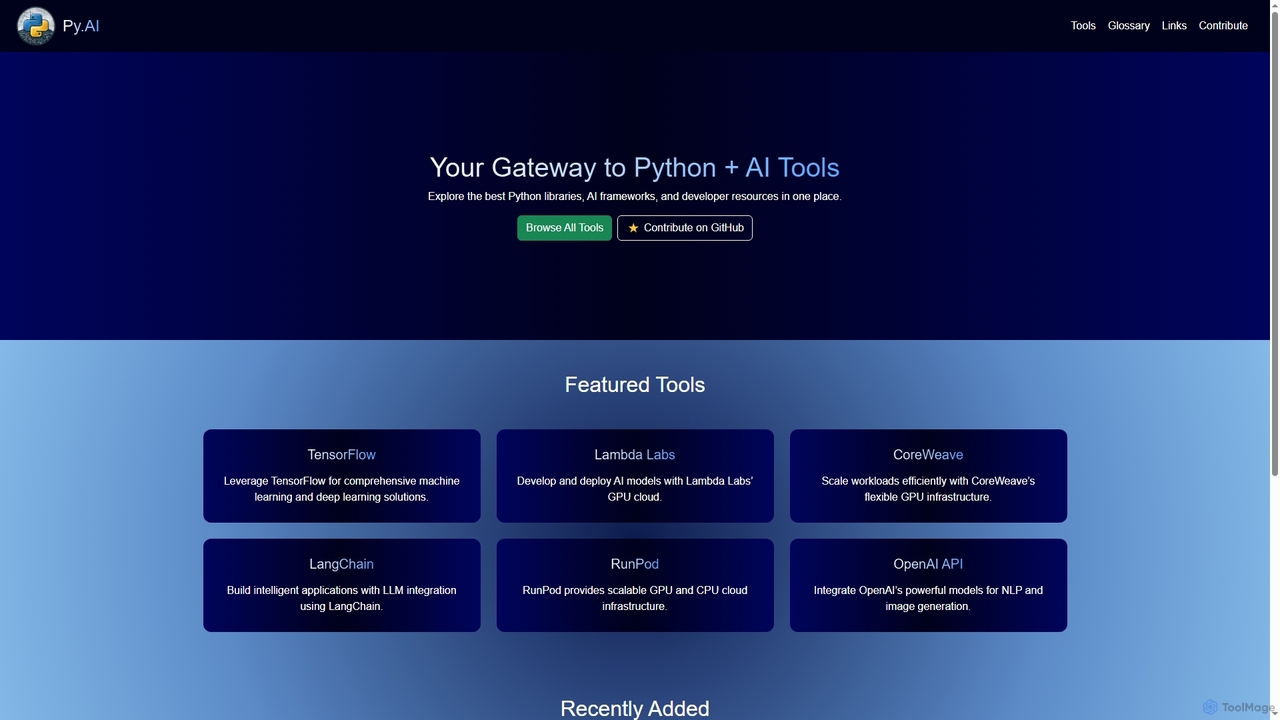
Py
Free

Py

Py ist ein kuratiertes Online-Verzeichnis, das als umfassendes Tor zu den besten Python-Bibliotheken, KI-Frameworks und Entwicklerressourcen dient. Es hilft Benutzern, Tools zu erkunden, zu entdecken und zu finden, um ihre Machine-Learning- und KI-Projekte zu verbessern.

Tool Discovery
Visits 4.5KFavorites 109Likes 122
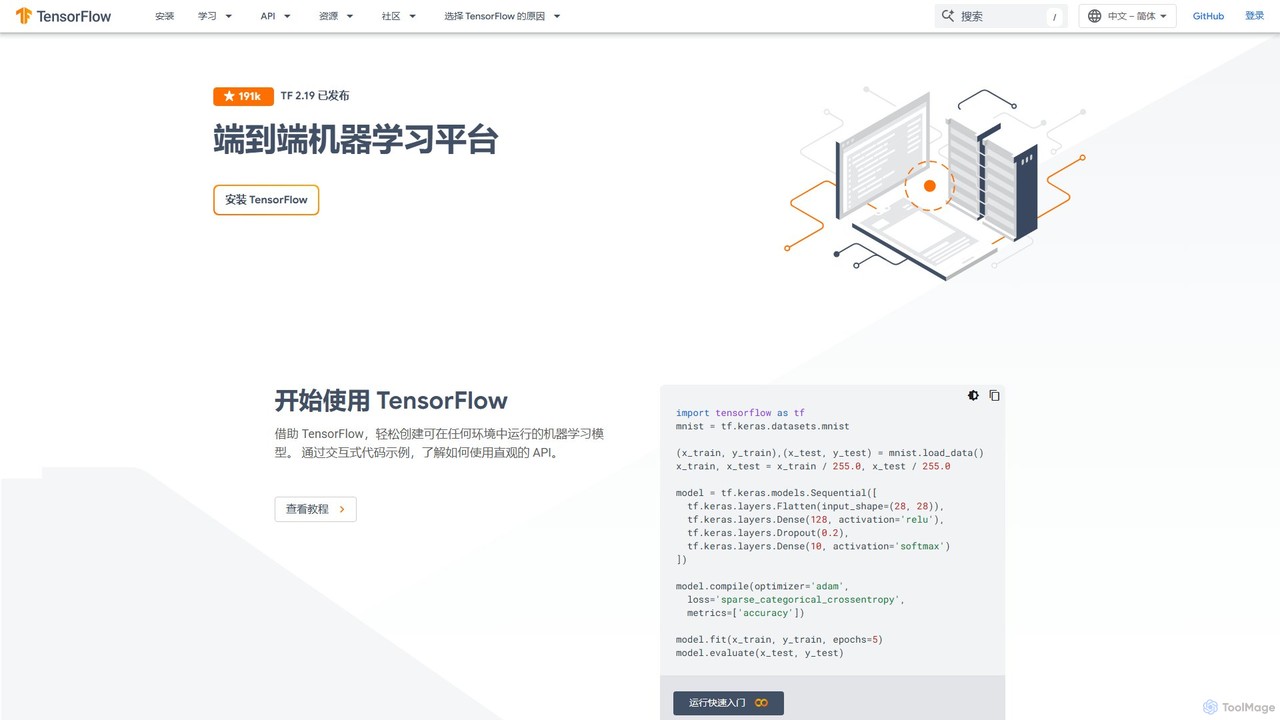
TensorFlow
Free

TensorFlow

TensorFlow ist eine von Google entwickelte End-to-End-Open-Source-Plattform für maschinelles Lernen. Sie bietet ein umfassendes, flexibles Ökosystem aus Tools, Bibliotheken und Community-Ressourcen, mit dem Forscher und Entwickler ML-gestützte Anwendungen erstellen und bereitstellen können. Von Anfängern bis zu Experten bietet TensorFlow intuitive High-Level-APIs für den einfachen Modellaufbau und leistungsstarke Low-Level-APIs für fortgeschrittene Forschung, die eine Bereitstellung auf Servern, Edge-Geräten und in Browsern ermöglichen.

Frameworks
Visits 692.8KFavorites 80Likes 72
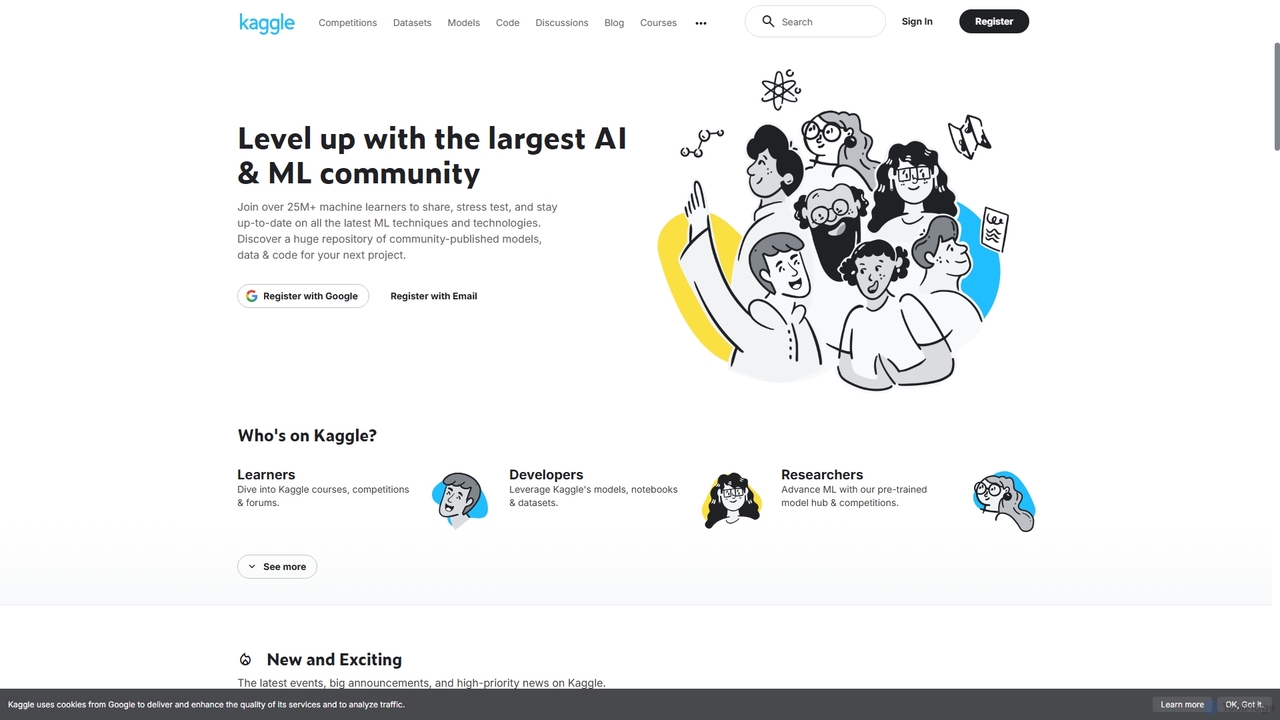
Kaggle
Freemium

Kaggle

Kaggle ist die weltweit größte Online-Community für Datenwissenschaftler und Machine-Learning-Praktiker. Als Teil von Google bietet es eine Plattform zum Erkunden von Datensätzen, Erstellen von Modellen in einer webbasierten Umgebung, zur Teilnahme an Machine-Learning-Wettbewerben und zum Zugriff auf Bildungsressourcen. Es bietet kostenlosen Zugang zu leistungsstarken Rechenressourcen, einschließlich GPUs und TPUs, und ist damit ein unverzichtbares Werkzeug für Anfänger bis hin zu erfahrenen Experten in den Bereichen KI und Datenwissenschaft.

Datensätze
Visits 12.4MFavorites 114Likes 107
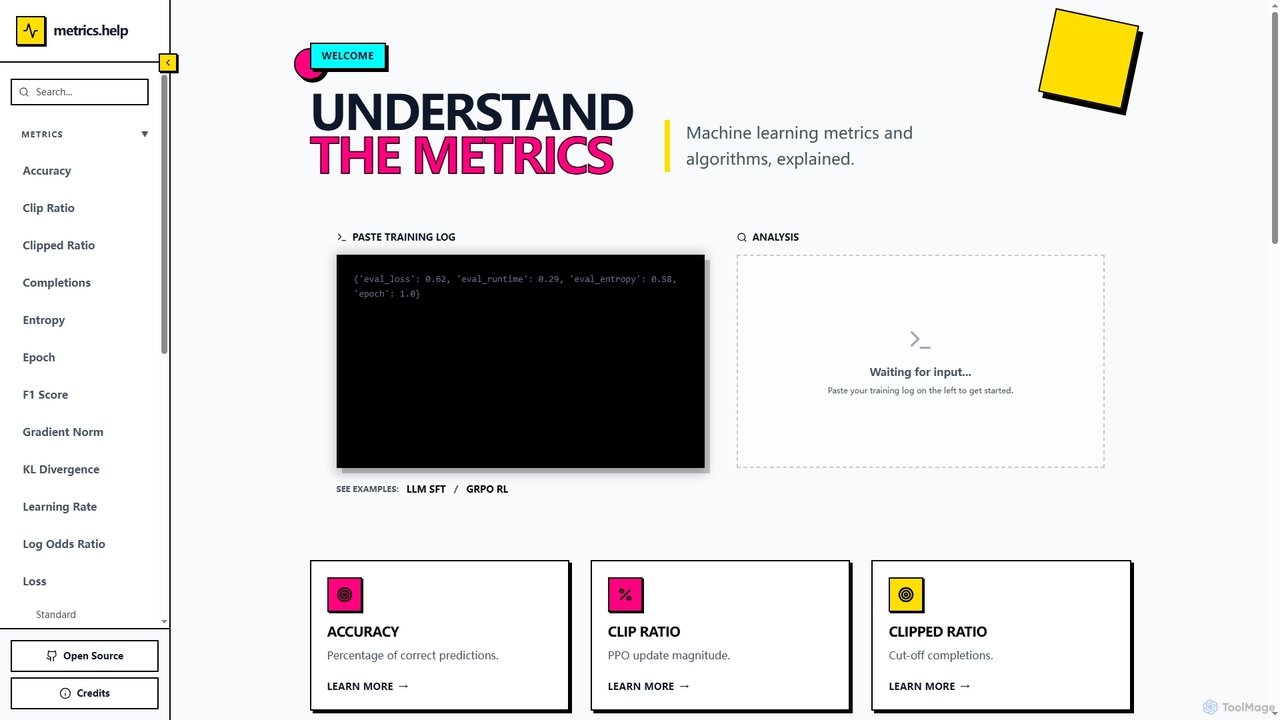
Metrics Help
Free

Metrics Help

Metrics Help ist ein Open-Source-Webtool für Machine-Learning-Praktiker. Es fungiert als umfassender Leitfaden und interaktiver Analysator für ML-Trainingsmetriken. Benutzer können Trainingsprotokolle einfügen, um sofortige Erklärungen für Schlüsselmetriken wie Genauigkeit, Verlust und Perplexität zu erhalten, was die Analyse der Modellleistung und das Debugging unterstützt.

Modelltraining
Visits 4.1KFavorites 106Likes 108
DataCamp
Freemium

DataCamp

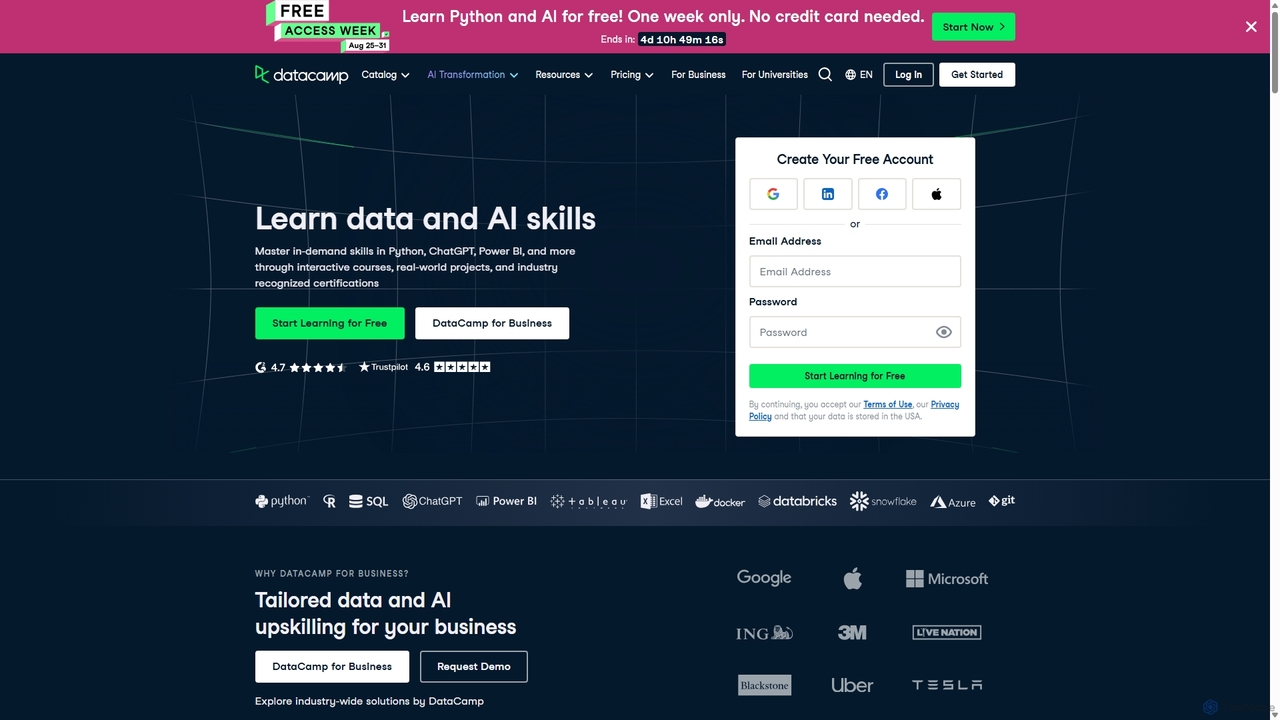
DataCamp ist eine interaktive Online-Lernplattform für Datenwissenschaft und KI. Sie bietet praxisnahe Kurse in Python, R, SQL, Power BI und mehr. Durch einen „Learning-by-Doing“-Ansatz mit In-Browser-Coding, realen Projekten und Karrierepfaden befähigt sie Einzelpersonen und Unternehmen, berufsrelevante Datenkompetenzen vom Anfänger- bis zum Expertenlevel aufzubauen.

Datenwissenschaft
Visits 5.6MFavorites 120Likes 105
PyTorch
Free

PyTorch

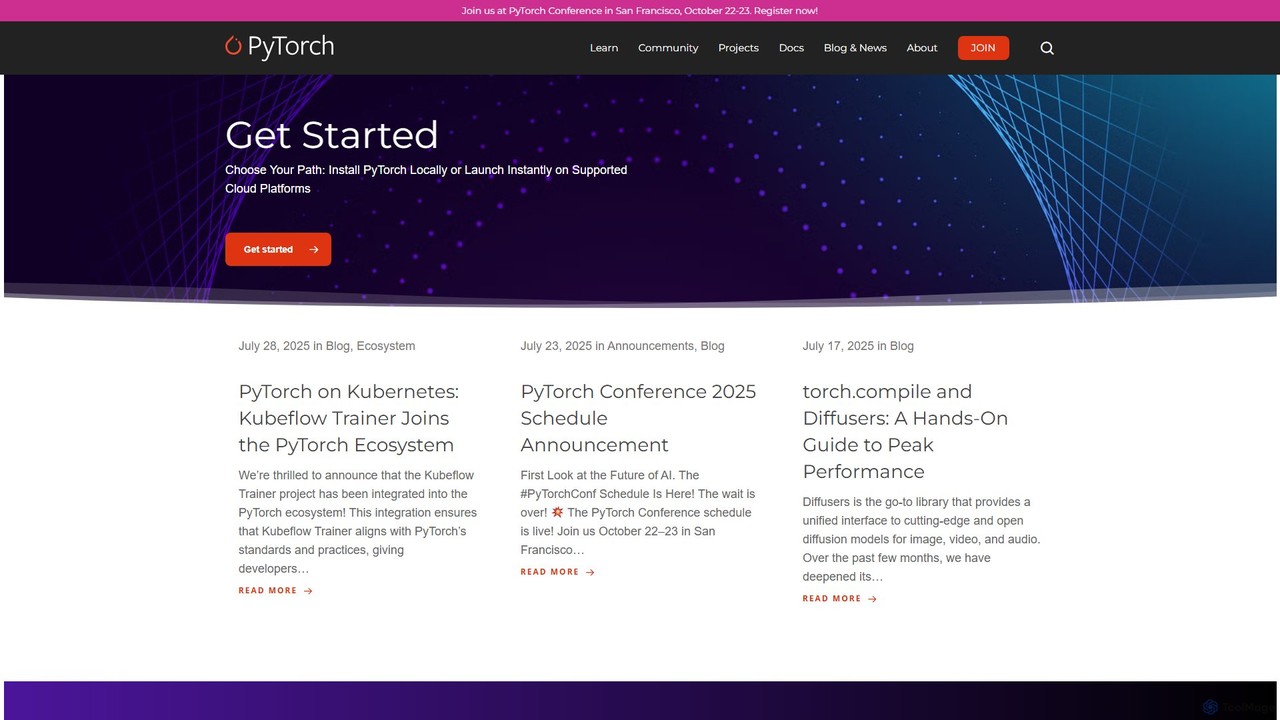
PyTorch ist ein Open-Source-Framework für maschinelles Lernen, das auf der Torch-Bibliothek basiert und für Anwendungen wie Computer Vision und die Verarbeitung natürlicher Sprache verwendet wird. Es bietet eine flexible, Python-first-Umgebung, die den Weg vom Forschungsprototypen zur Produktionsbereitstellung beschleunigt.

Tiefes Lernen
Visits 1.5MFavorites 160Likes 175
PyBrain
Free

PyBrain

PyBrain ist eine modulare und flexible Open-Source Machine Learning Bibliothek für Python. Sie bietet leistungsstarke, einfach zu bedienende Algorithmen für maschinelles Lernen, mit einem besonderen Fokus auf neuronale Netze, Reinforcement Learning und unüberwachtes Lernen. Sie ist so konzipiert, dass sie für Anfänger zugänglich ist und gleichzeitig leistungsstark genug für Forschungszwecke bleibt.

Bibliotheken und Frameworks
Visits 4.1KFavorites 113Likes 114
MOSTLY AI
Freemium

MOSTLY AI

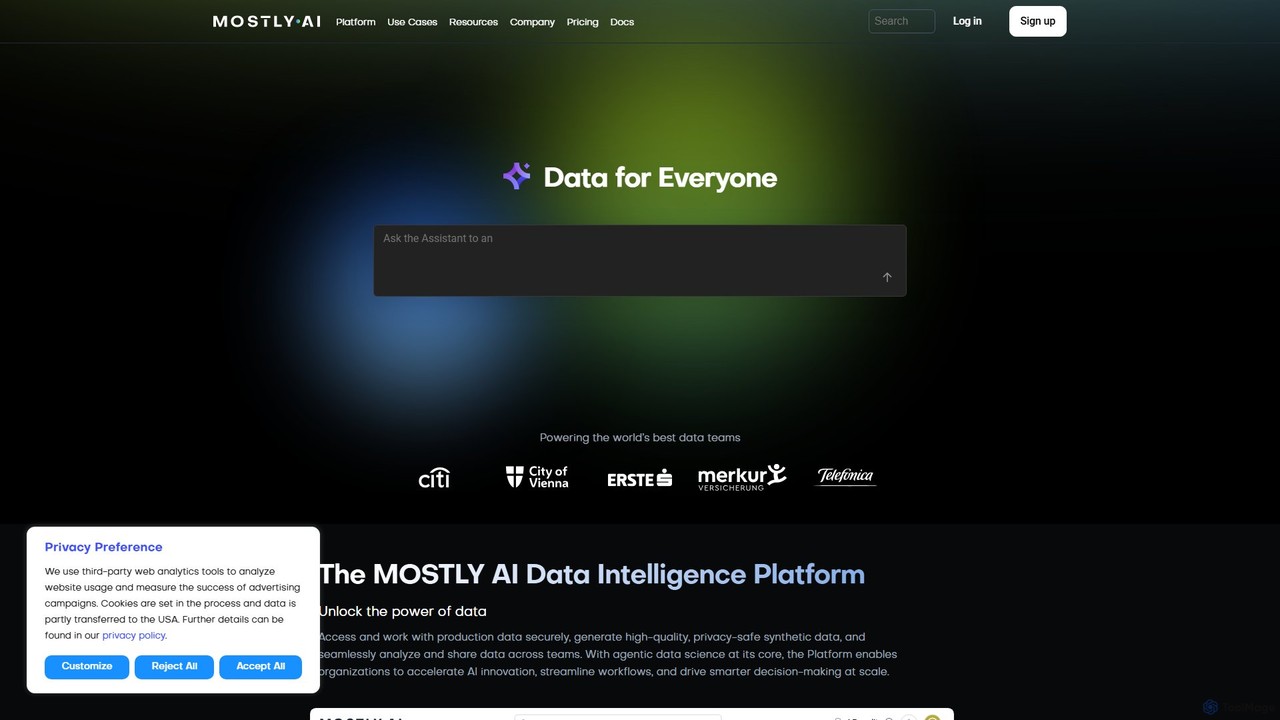
MOSTLY AI ist eine Datenintelligenz-Plattform, die sich auf die Erzeugung hochwertiger, datenschutzkonformer synthetischer Daten spezialisiert hat. Sie ermöglicht es Organisationen, sicher auf Daten zuzugreifen, sie zu analysieren und zu teilen, wodurch die KI-Innovation beschleunigt und Arbeitsabläufe optimiert werden, während die vollständige Einhaltung der Datenschutzbestimmungen gewährleistet ist.

Maschinelles Lernen
Visits 71.3KFavorites 140Likes 137
MindMeld
Free

MindMeld

Eine leistungsstarke, quelloffene Konversations-KI-Plattform von Cisco, die für Entwickler konzipiert wurde. Sie bietet ein umfassendes Python-basiertes Framework zur Erstellung von tiefgreifenden Sprachschnittstellen und Chatbots mit fortschrittlichen Funktionen zur Verarbeitung natürlicher Sprache (NLP) und ermöglicht volle Kontrolle sowie eine On-Premise-Bereitstellung.

Chatbot-Builder
Visits 5.1KFavorites 120Likes 112
Streamlit
Freemium

Streamlit

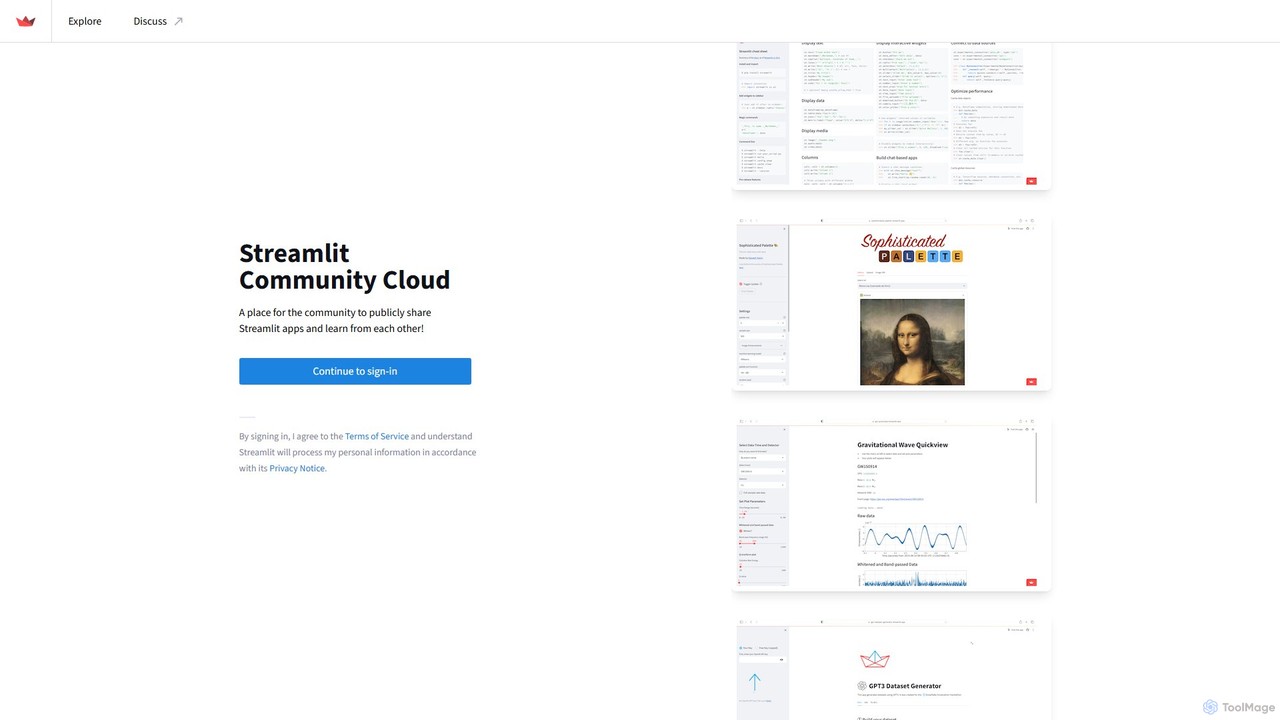
Streamlit ist ein Open-Source-Python-Framework, das es Entwicklern und Datenwissenschaftlern ermöglicht, in wenigen Minuten ansprechende, benutzerdefinierte Web-Apps für maschinelles Lernen und Datenwissenschaft zu erstellen und zu teilen. Die Streamlit Community Cloud bietet eine kostenlose Plattform zum Bereitstellen, Verwalten und Teilen dieser öffentlichen Anwendungen mit der Welt und fördert so eine kollaborative Umgebung für Innovationen.

Datenvisualisierung
Visits 922.7KFavorites 132Likes 128
marimo
Freemium

marimo

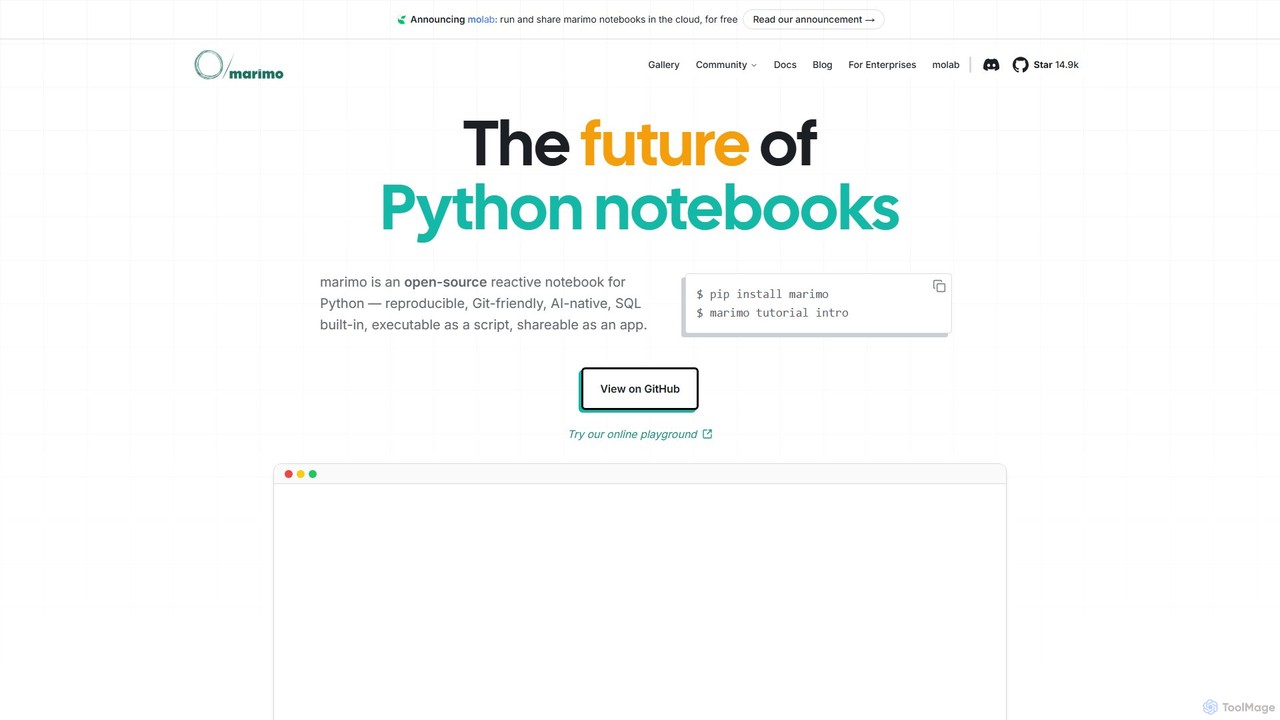
marimo ist ein reaktives Open-Source-Python-Notebook für moderne Datenwissenschaft und KI. Es bietet eine reproduzierbare, Git-freundliche und interaktive Umgebung, in der Notebooks reine Python-Skripte sind. Zu den Funktionen gehören integrierte KI-Unterstützung, SQL-Zellen und die Möglichkeit, Notebooks als Web-Apps zu teilen, was den Arbeitsablauf vom Experiment bis zur Produktion optimiert.

Datenvisualisierung
Visits 160.6KFavorites 103Likes 108
Flower
Free

Flower

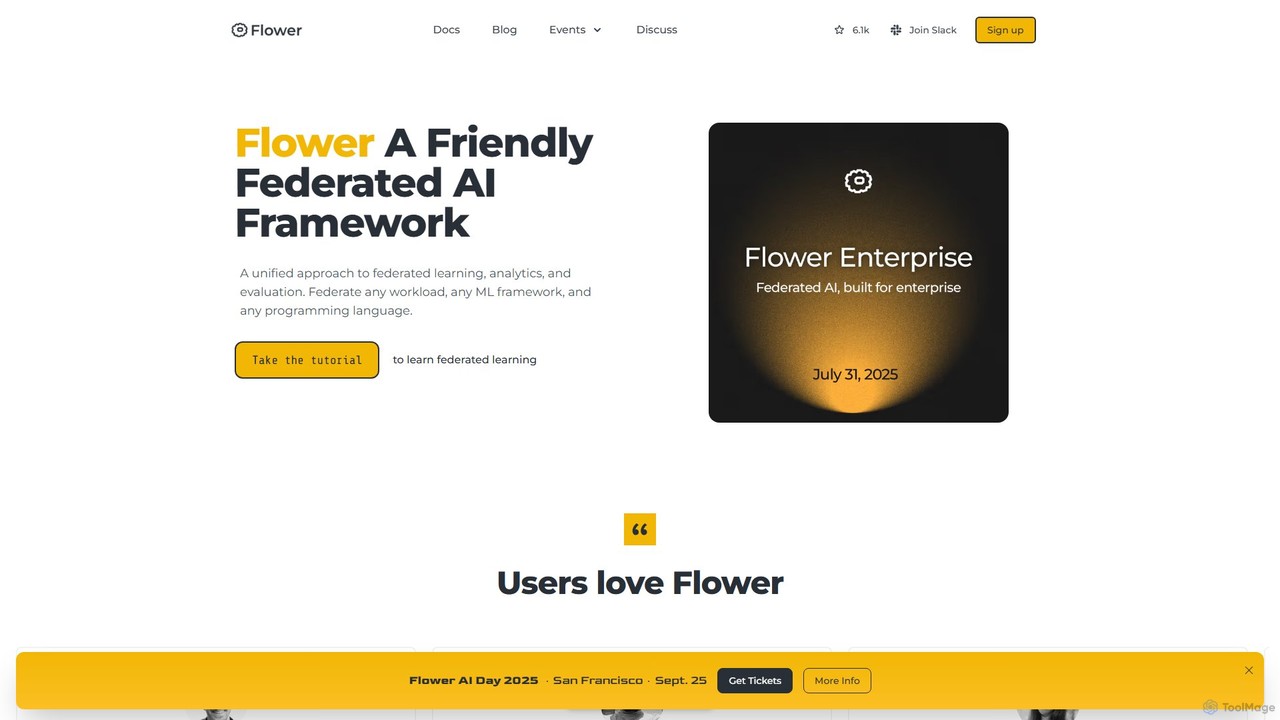
Flower ist ein benutzerfreundliches Open-Source-Framework für föderiertes Lernen, Analytik und Evaluierung. Es ermöglicht das Training von KI-Modellen auf dezentralen Daten über verschiedene Geräte und Plattformen hinweg, ohne die Privatsphäre zu gefährden, und unterstützt zahlreiche ML-Frameworks wie PyTorch, TensorFlow und Hugging Face.

Frameworks
Visits 82.9KFavorites 119Likes 101
MindSpore
Free

MindSpore

MindSpore ist ein Open-Source-KI-Computing-Framework für alle Szenarien, das für Entwickler und Datenwissenschaftler entwickelt wurde. Es bietet eine entwicklerfreundliche Erfahrung mit flexibler Bereitstellung in Cloud-, Edge- und Geräteumgebungen. Es zeichnet sich durch verteiltes Training für große Modelle aus und bietet spezielle Toolkits für wissenschaftliches Rechnen (AI4S), die eine hohe Leistung und Effizienz gewährleisten, insbesondere auf Ascend-Hardware.

Wissenschaftliches Rechnen
Visits 65.7KFavorites 107Likes 106
Captum
Free

Captum

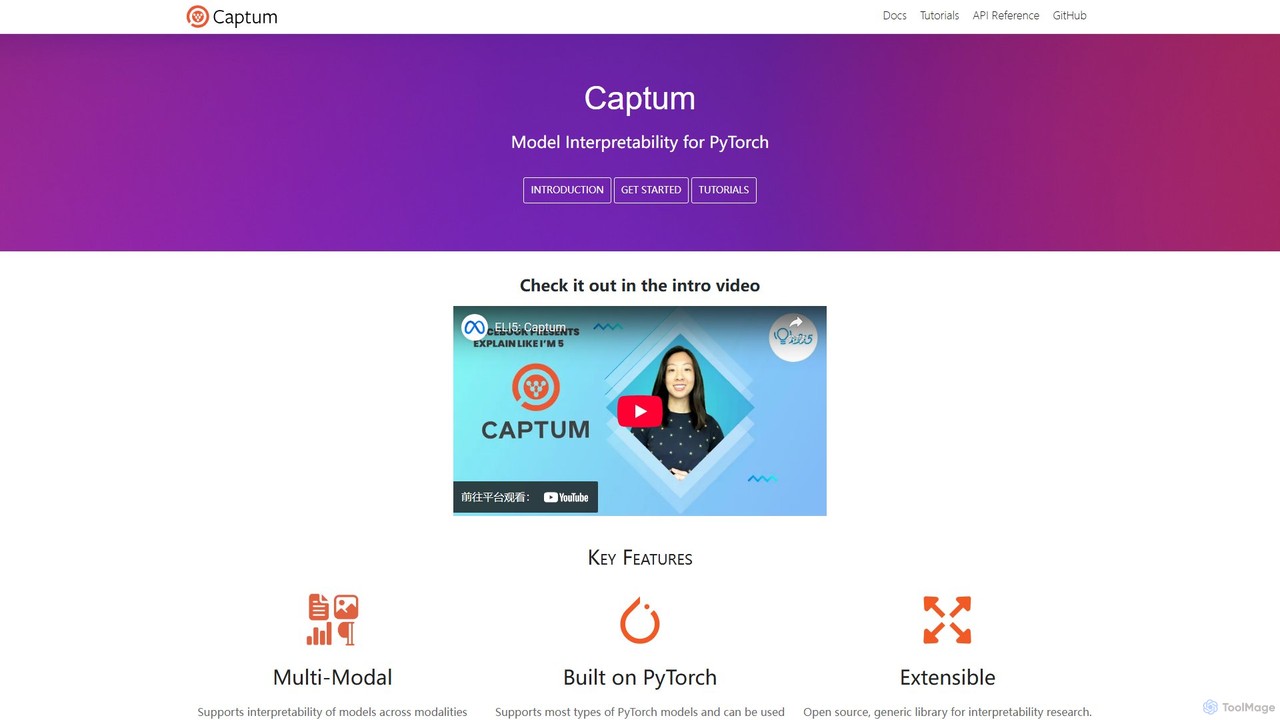
Captum ist eine Open-Source-Bibliothek für Modellinterpretierbarkeit und Erklärbarkeit für PyTorch. Sie bietet hochmoderne Algorithmen, die Entwicklern und Forschern helfen zu verstehen, welche Merkmale die Vorhersagen eines Modells beeinflussen. Captum unterstützt multimodale Daten wie Text, Bild und mehr und erleichtert das Debuggen von Modellen, die Verbesserung der Transparenz und das Benchmarking neuer Interpretierbarkeitstechniken im PyTorch-Ökosystem.

Modellerklärbarkeit
Visits 19KFavorites 71Likes 70
Ludwig
Free

Ludwig

Ludwig ist ein Low-Code, Open-Source Deep-Learning-Framework, das die Erstellung und das Training von benutzerdefinierten KI-Modellen vereinfacht. Mithilfe deklarativer YAML-Konfigurationen können Benutzer problemlos komplexe Modelle, einschließlich LLMs, für multimodales und Multi-Task-Lernen erstellen, ohne umfangreichen Boilerplate-Code schreiben zu müssen. Es ist auf Skalierbarkeit und Produktionsreife ausgelegt und integriert sich in beliebte Tools wie HuggingFace und MLFlow.

Modelltraining
Visits 11.1KFavorites 88Likes 94