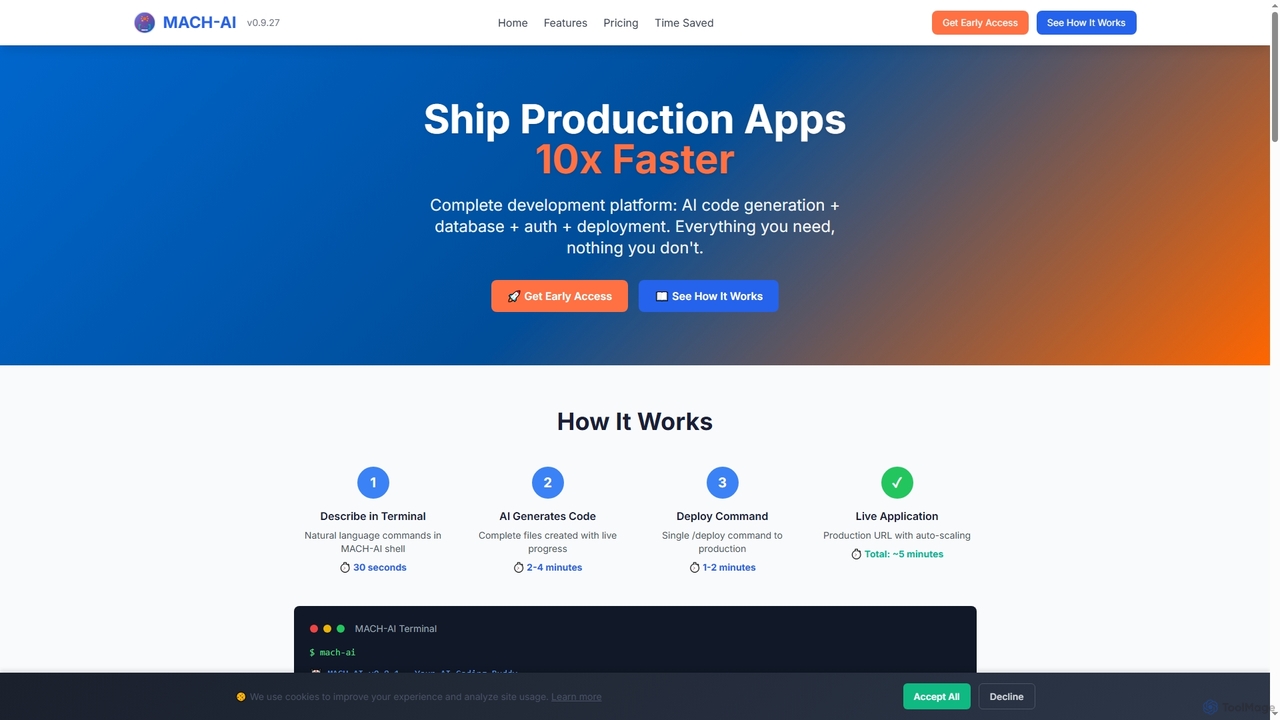
MACH-AI ist ein KI-Codierungsassistent und eine komplette Entwicklungsplattform, die Konzepte innerhalb von Minuten in produktionsreife Cloud-Anwendungen umwandelt. Es integriert KI-Code-Generierung, eine integrierte Datenbank, Authentifizierung und Ein-Befehl-Bereitstellung, wodurch Entwickler skalierbare Webanwendungen 10x schneller in Python, JavaScript und TypeScript erstellen und starten können.

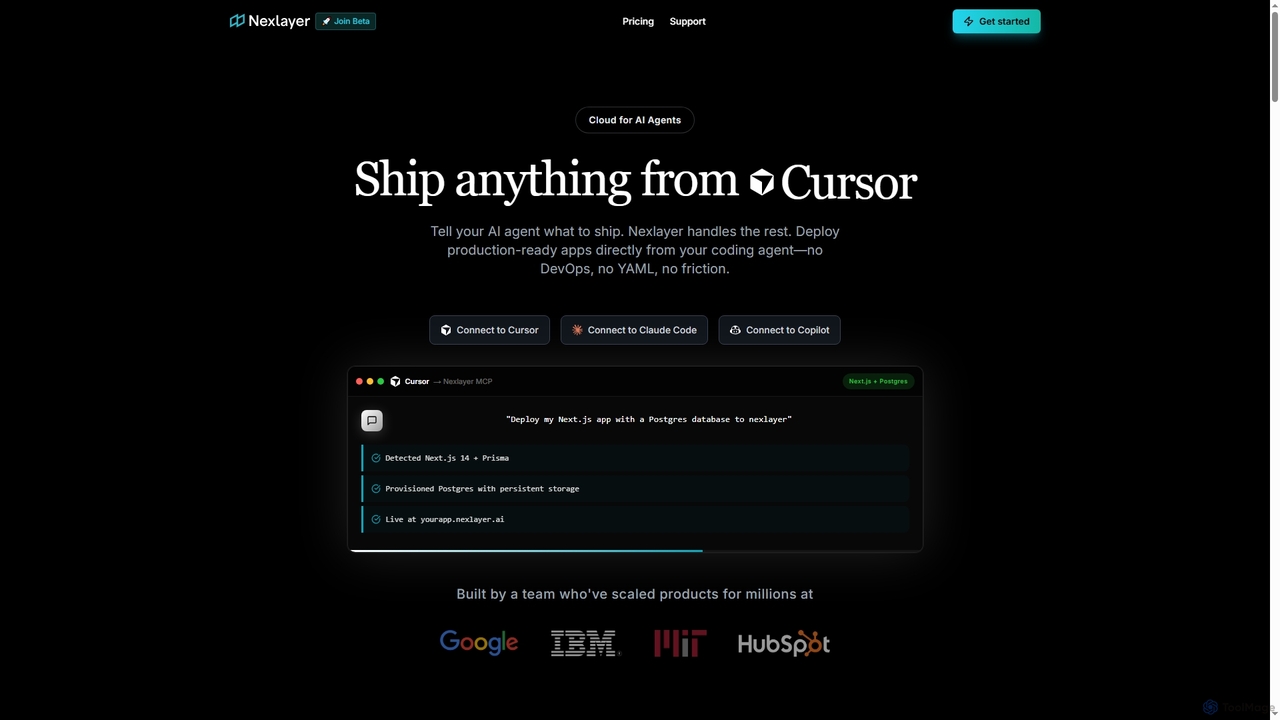
Nexlayer ist die erste agenten-native Cloud-Plattform, die KI-Codierungsagenten befähigt, produktionsreife Anwendungen schnell bereitzustellen. Sie automatisiert komplexe Infrastrukturen und ermöglicht es Entwicklern und Gründern, Full-Stack-Apps, APIs und Datenbanken in Minutenschnelle ohne DevOps-Aufwand zu veröffentlichen.
Produktübersicht
MACH-AI Produktübersicht
MACH-AI ist ein KI-Codierungsassistent und eine komplette Entwicklungsplattform, die Konzepte innerhalb von Minuten in produktionsreife Cloud-Anwendungen umwandelt. Es integriert KI-Code-Generierung, eine integrierte Datenbank, Authentifizierung und Ein-Befehl-Bereitstellung, wodurch Entwickler skalierbare Webanwendungen 10x schneller in Python, JavaScript und TypeScript erstellen und starten können.
Nexlayer Produktübersicht
Nexlayer ist die erste agenten-native Cloud-Plattform, die KI-Codierungsagenten befähigt, produktionsreife Anwendungen schnell bereitzustellen. Sie automatisiert komplexe Infrastrukturen und ermöglicht es Entwicklern und Gründern, Full-Stack-Apps, APIs und Datenbanken in Minutenschnelle ohne DevOps-Aufwand zu veröffentlichen.
Detailed feature comparison
| Feature | MACH-AI | Nexlayer |
|---|---|---|
| Hauptkategorie | Application Deployment | Application Development |
| Hinzugefügt | 2026-01-18 | 2025-12-18 |
| Preismodell | Freemium | Freemium |
| Offizielle Website | www.machai.live | www.nexlayer.com |
| Produkttyp | Website | Website |
| Performance data | ||
| Nutzerbewertung | Nicht verifiziert | Nicht verifiziert |
| Kommentare | 0 | 0 |
| Monatliche Besuche | 5.8K | 768 |
| Monatliches Wachstum | Nicht verifiziert | -71.7% |
| Favoriten | 37 | 51 |
| Details | Details ansehen | Details ansehen |
MACH-AI vs Nexlayer monthly traffic
Compare MACH-AI and Nexlayer by monthly reach, traffic trend, visit depth, top regions, and acquisition sources.
How to interpret the traffic data
In the MACH-AI vs Nexlayer monthly traffic comparison, MACH-AI currently shows 5.8K visits and Nexlayer shows 768; MACH-AI has about 7.5 times the visible traffic of Nexlayer, an absolute difference of about 5K visits. This reflects visible reach, not feature quality or paid users.
Only Nexlayer has complete third-party traffic details; MACH-AI uses visits recorded inside ToolMage. These scopes cannot estimate market share directly, and on-site views should not be treated as the product’s total website traffic.
MACH-AI monthly traffic:
Latest traffic
Nexlayer monthly traffic:
Latest traffic
Monthly traffic trend
- 2026/1: 0 Monatliche Besuche
- 2026/2: 0 Monatliche Besuche
- 2026/3: 2.9K Monatliche Besuche
- 2026/4: 2.7K Monatliche Besuche
- 2026/5: 768 Monatliche Besuche
Top-Regionen
Top 5 countries/regions
| Country/region | Percentage | Traffic |
|---|---|---|
| 🇺🇸United States | 100% | 768 |
Suchbegriffe
Usage comparison
Compare the core capabilities of MACH-AI and Nexlayer
MACH-AI Core features
Nexlayer Core features
Use cases
MACH-AI Use cases
Nexlayer Use cases
Best suited roles
MACH-AI Best suited roles
Nexlayer Best suited roles
MACH-AI vs Nexlayer:In-depth comparison and selection guidance
First decide whether the products solve the same kind of need
This in-depth MACH-AI vs Nexlayer comparison uses only the product records, taxonomy, audience, traffic, and community signals available on this page. MACH-AI is primarily listed under “Application Deployment”, while Nexlayer is primarily listed under “Application Development”, so the first decision is whether your actual task matches their recorded scope.
The structured fields currently show these decision-relevant differences: Primary category (MACH-AI: Application Deployment; Nexlayer: Application Development); Monthly visits (MACH-AI: 5.8K; Nexlayer: 768); Favorites (MACH-AI: 37; Nexlayer: 51); Website (MACH-AI: www.machai.live; Nexlayer: www.nexlayer.com); Added (MACH-AI: 2026-01-18; Nexlayer: 2025-12-18). These facts are more useful for selection than brand visibility alone.
What market visibility and monthly traffic mean
In the MACH-AI vs Nexlayer monthly traffic comparison, MACH-AI currently shows 5.8K visits and Nexlayer shows 768; MACH-AI has about 7.5 times the visible traffic of Nexlayer, an absolute difference of about 5K visits. This reflects visible reach, not feature quality or paid users.
Only Nexlayer has complete third-party traffic details; MACH-AI uses visits recorded inside ToolMage. These scopes cannot estimate market share directly, and on-site views should not be treated as the product’s total website traffic.
The current traffic scope is not sufficient for a reliable product ranking. Treat monthly visits as a market-interest signal, then decide using taxonomy, use cases, pricing, and a like-for-like trial rather than reading exposure as product capability.
Product positioning, use cases, and roles
MACH-AI and Nexlayer currently overlap in shared tags: Autoscaling, Entwicklerwerkzeuge und Infrastruktur als Code; shared roles: Backend-Entwickler, Full-Stack-Entwickler, Produktmanager, Softwareentwickler und Startup-Gründer. This can place both on the same shortlist, but it does not prove equal implementation, depth, or cost.
MACH-AI's unique categories/tags are Application Deployment, KI-Codierassistent, Full Stack Development, Entwickler-Tools, KI-Codierung, API, Authentifizierung und Cloud-Entwicklung; Nexlayer's are Application Development, Deployment, Infrastruktur, Backend As A Service, Native Agent, KI-Agenten, KI-Bereitstellung und KI-Infrastruktur. These unique fields are the strongest differentiators: validate the product whose recorded scope matches the task instead of following traffic alone.
What ratings, comments, and favorites can tell you
MACH-AI has no verified rating, 0 comments, 37 favorites, and 35 likes;Nexlayer has no verified rating, 0 comments, 51 favorites, and 38 likes。
Neither product has enough rating or comment samples for a credible reputation ranking.
Selection guidance by actual need
When to evaluate MACH-AI first
Put MACH-AI on the priority trial list when the task aligns with “Application Deployment” and especially Application Deployment, KI-Codierassistent, Full Stack Development, Entwickler-Tools, KI-Codierung und API, or the users include DevOps-Ingenieur, Frontend-Entwickler, Lösungsarchitekt und Technischer Leiter. This follows recorded positioning and does not imply unlisted capabilities are absent.
MACH-AI also currently records: pricing is freemium, product type is website, 5.8K on-site monthly views, no verified user rating. Verify any hard requirement around price, platform, or reach before trial, and do not let sparse review data substitute for testing.
When to evaluate Nexlayer first
Put Nexlayer on the priority trial list when the task aligns with “Application Development” and especially Application Development, Deployment, Infrastruktur, Backend As A Service, Native Agent und KI-Agenten, or the users include KI-Ingenieur, Chief Technology Officer und Machine Learning Ingenieur. This follows recorded positioning and does not imply unlisted capabilities are absent.
Nexlayer also currently records: pricing is freemium, product type is website, 768 verified monthly visits, no verified user rating. Verify any hard requirement around price, platform, or reach before trial, and do not let sparse review data substitute for testing.
How to validate the recommendation before deciding
The available data describes positioning, public visibility, and community signals, but it cannot prove output quality, speed, integration effort, privacy, or long-term cost in your workflow. Before deciding, run the same representative tasks in MACH-AI and Nexlayer, then record completion time, accuracy, manual corrections, and the real paid threshold. A like-for-like trial turns this comparison into a defensible adoption decision.
Vergleichs-FAQ
How should I choose between MACH-AI and Nexlayer?
Where does this comparison data come from?
What do unknown fields mean?
Related AI tools

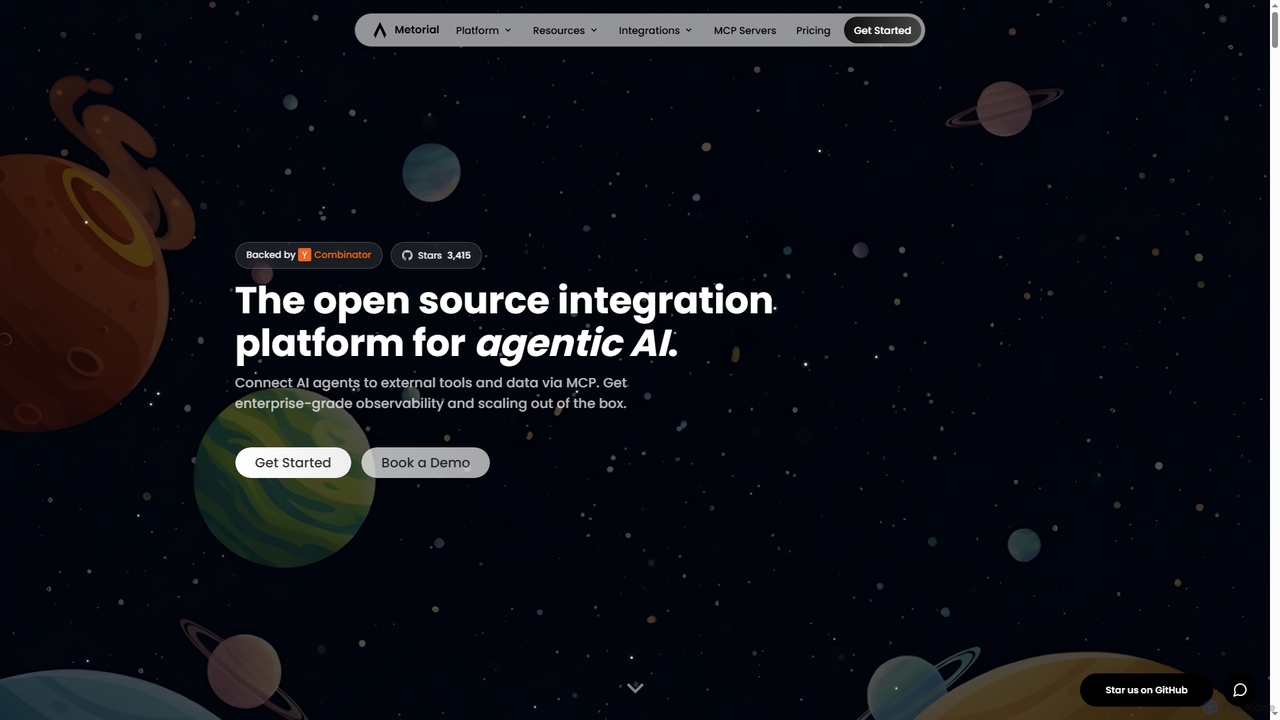
Metorial
Metorial ist eine Integrationsplattform für KI-Agenten, die Entwicklern ermöglicht, leistungsstarke agentische KI-Anwendungen schnell zu erstellen, bereitzustellen und zu überwachen. Sie bietet nahtlose Verbindungen zu Hunderten von Tools, Datenquellen und APIs über ihre serverlose Model Context Protocol (MCP)-Plattform und bietet robuste SDKs, Observability und Sicherheit auf Unternehmensniveau für skalierbare KI-Lösungen.
Agentische KI
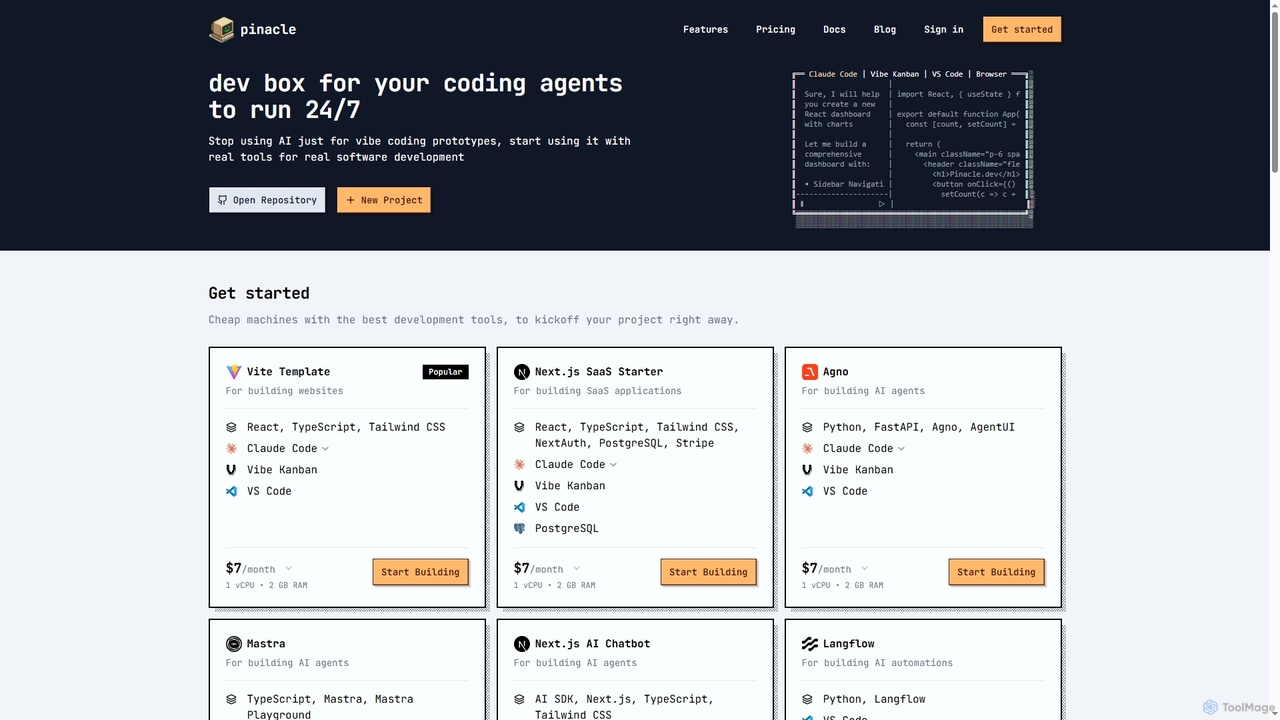
Pinacle
Pinacle bietet sofortige, browserbasierte Cloud-Entwicklungsumgebungen (VMs), die für echte Softwareentwicklung und den 24/7-Betrieb von KI-Agenten konzipiert sind. Es bietet vorkonfigurierte Stacks, Root-Zugriff und integriert beliebte Tools wie VS Code, sodass Entwickler Projekte ohne komplexe lokale Einrichtung erstellen, testen und bereitstellen können.
Code-Kollaboration
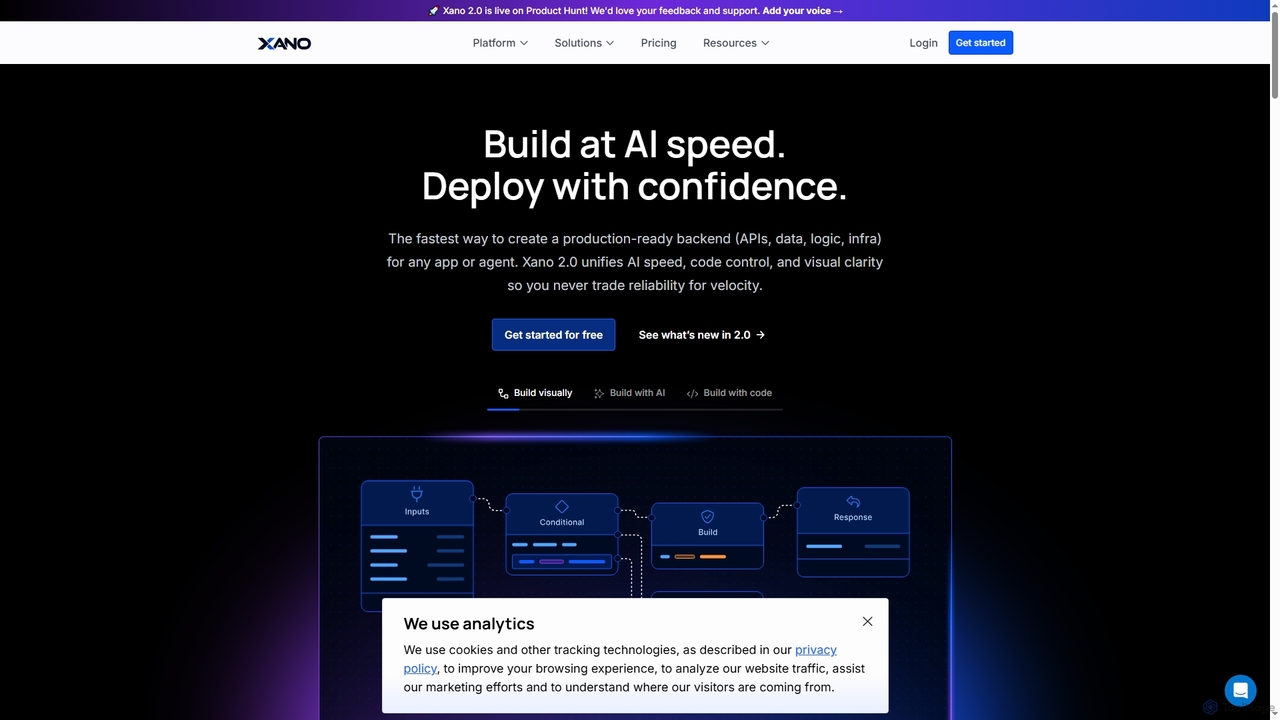
Xano
Xano ist eine skalierbare No-Code-Backend-Plattform, die Entwickler und Teams befähigt, produktionsreife Anwendungen und KI-Agenten in AI-Geschwindigkeit zu erstellen. Sie bietet eine einheitliche Lösung für APIs, eine verwaltete Postgres-Datenbank, visuelle Logik und eine automatisch skalierende Infrastruktur, wodurch komplexe DevOps überflüssig werden.
Agentenentwicklung
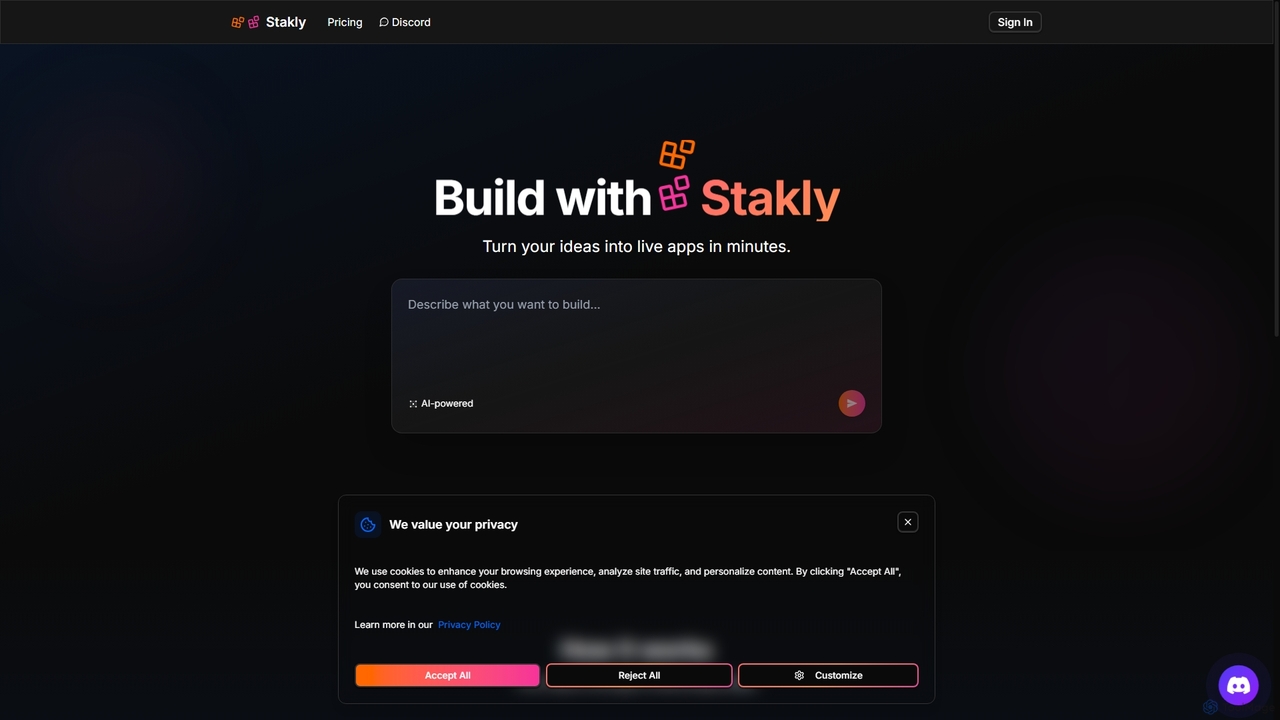
Stakly
Stakly ist eine KI-gestützte Entwicklungsplattform, die Anweisungen in natürlicher Sprache in Minutenschnelle in produktionsreife Full-Stack-Webanwendungen umwandelt. Beschreiben Sie Ihre Idee, und die KI generiert sauberen Code, den Sie mit einem Klick bereitstellen oder exportieren können, um ihn vollständig zu besitzen. Es unterstützt moderne Frameworks wie React, Next.js und Python und ist somit ideal für schnelles Prototyping und Entwicklung.
Code-Assistent
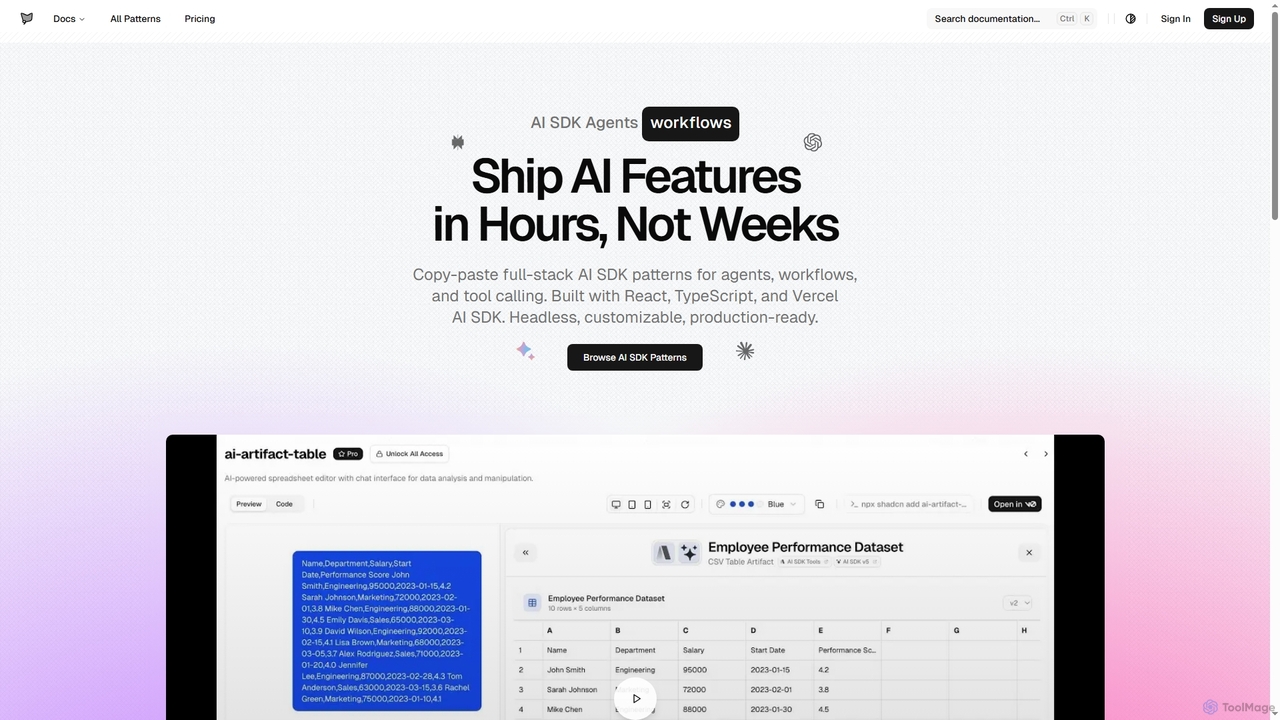
AI SDK Agents
AI SDK Agents bietet produktionsreife React-Komponenten für den schnellen Aufbau von KI-Anwendungen. Nutzen Sie Copy-Paste-Muster für Agenten, Workflows, Tool-Calling und Streaming-Antworten, die mit React, TypeScript und Vercel AI SDK erstellt wurden. Beschleunigen Sie Ihre KI-Funktionsentwicklung von Wochen auf Stunden und gewährleisten Sie eine anpassbare und Headless-Integration in Ihre Projekte.
UI-Komponenten
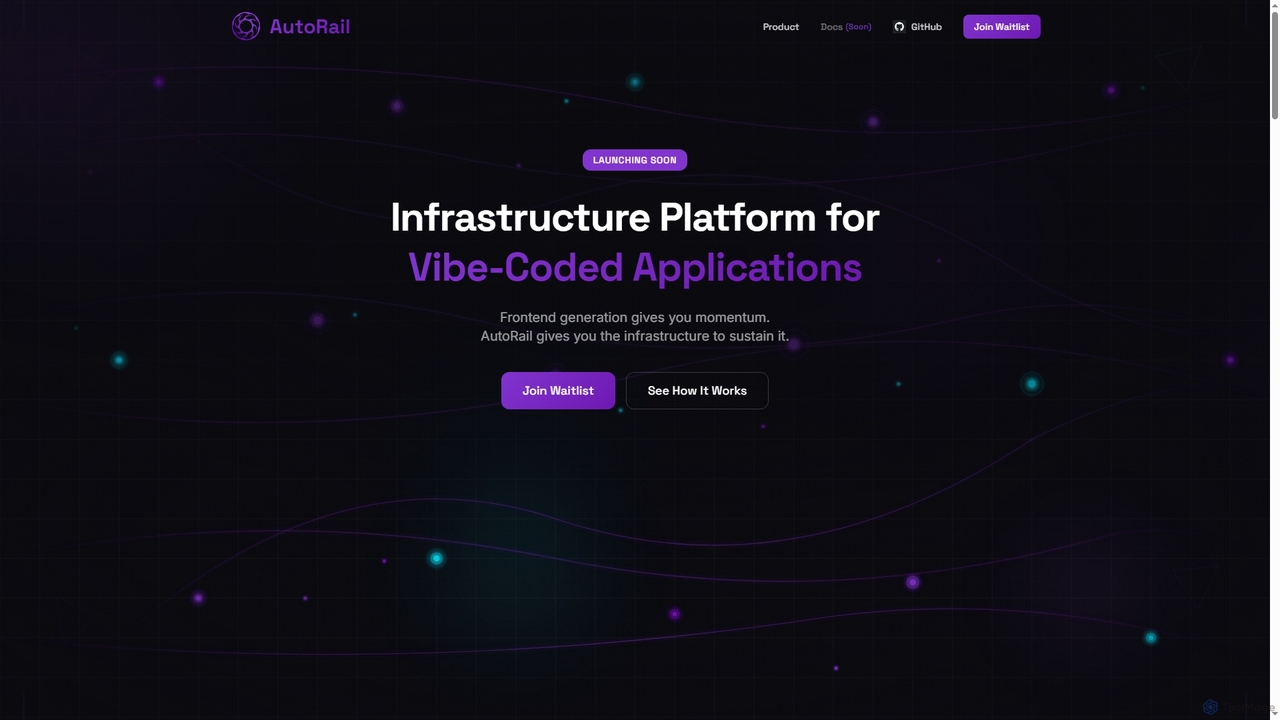
AutoRail
AutoRail ist eine Infrastrukturplattform, die "Vibe-Coded"-Prototypen in produktionsreife Anwendungen umwandelt. Sie provisioniert automatisch wesentliche Backend-Primitive wie zustandsbehafteten Speicher, Workflow-Orchestrierung und Auto-Skalierung, um die kritische Lücke zwischen schneller Frontend-Entwicklung und robusten, skalierbaren Produktionssystemen ohne manuelle Konfiguration zu schließen.
Ai Infrastructure
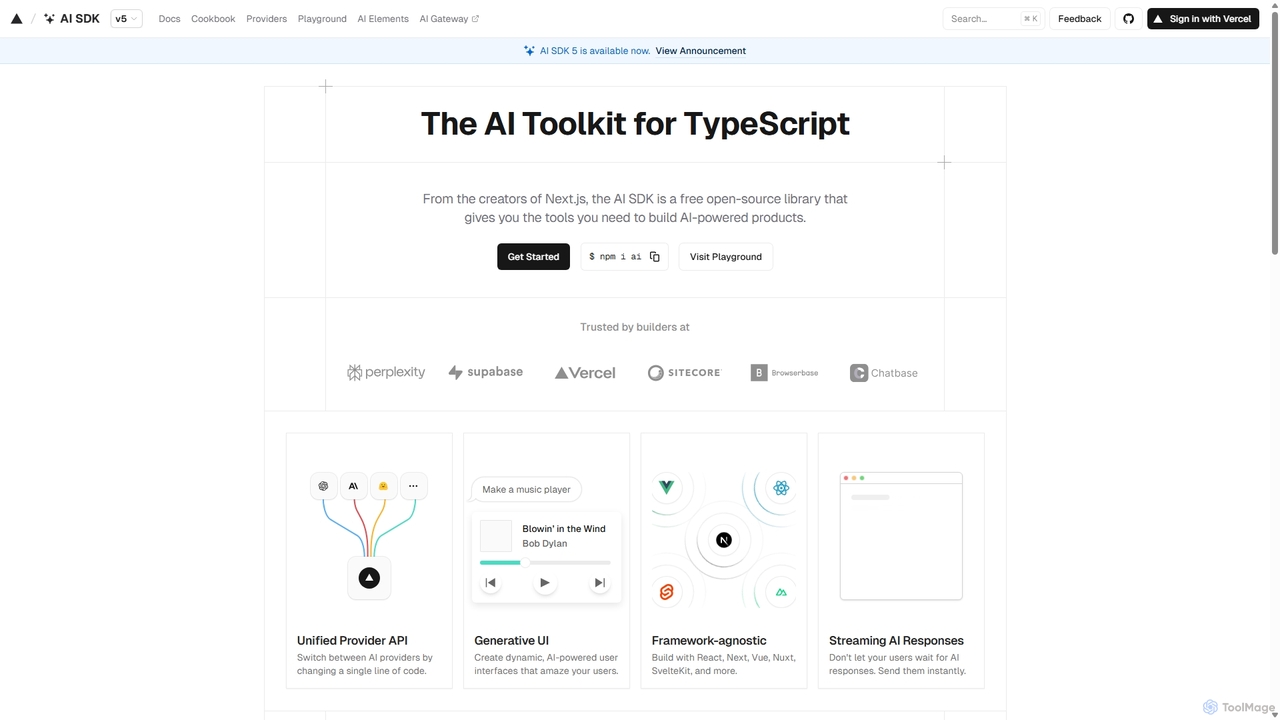
AI SDK
Das AI SDK von Vercel ist ein kostenloses, quelloffenes TypeScript-Toolkit, das Entwicklern helfen soll, KI-gestützte Anwendungen zu erstellen. Es bietet eine einheitliche API zur nahtlosen Integration mit verschiedenen großen Sprachmodellen wie OpenAI, Anthropic und Google Gemini. Das SDK ist Framework-unabhängig, unterstützt React, Next.js, Vue, Svelte und mehr und ermöglicht die Erstellung von Funktionen wie Streaming-Antworten und generativen UIs mit minimalem Aufwand.
Modellintegration
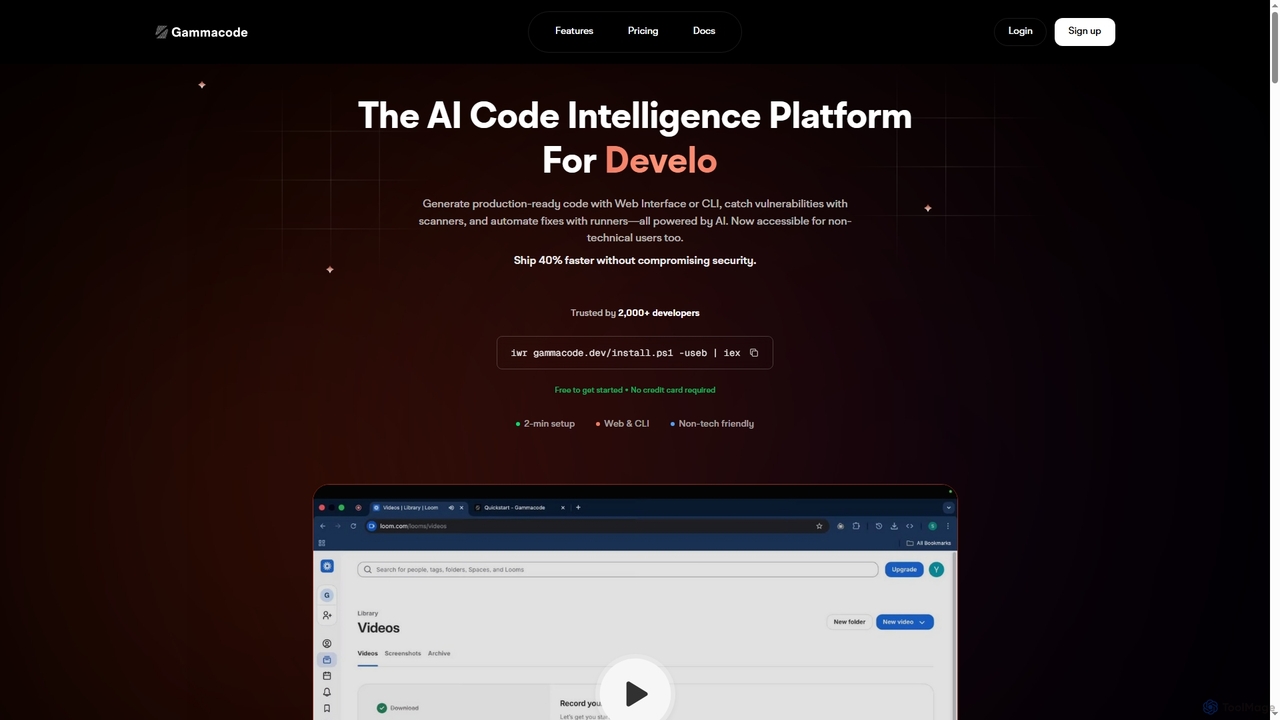
Gammacode
Gammacode ist eine KI-gestützte Code-Intelligenzplattform, die die Softwareentwicklung beschleunigt, indem sie produktionsreifen Code generiert, Schwachstellen erkennt und Korrekturen automatisiert. Sie unterstützt technische und nicht-technische Benutzer über eine Weboberfläche und CLI und legt Wert auf Datenschutz und Sicherheit.
Codegenerierung
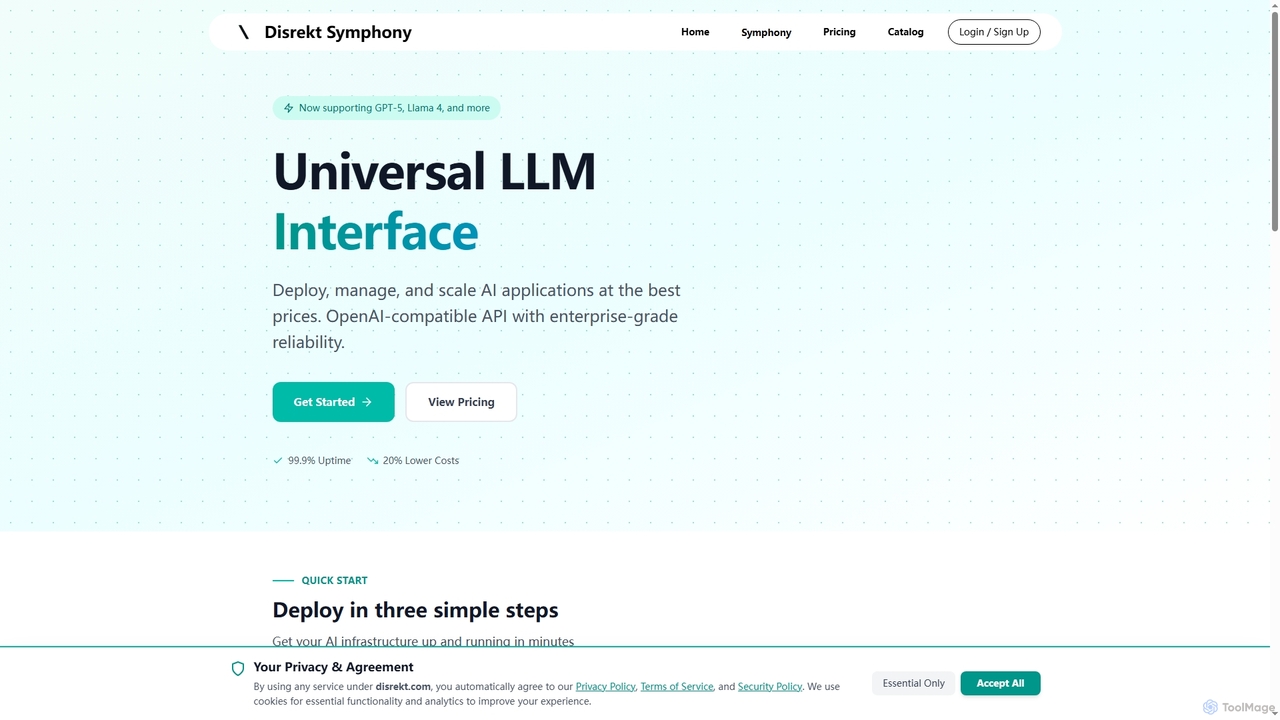
Symphony
Symphony ist eine universelle LLM-Schnittstelle, die eine OpenAI-kompatible API zur Bereitstellung, Verwaltung und Skalierung von KI-Anwendungen bietet. Sie zeichnet sich durch unternehmensgerechte Zuverlässigkeit, bis zu 20 % niedrigere Kosten und die Unterstützung von über 100 wichtigen KI-Modellen wie GPT-5 und Llama 4 aus, was sie zur idealen Lösung für Entwickler und Unternehmen macht, die eine effiziente und robuste KI-Infrastruktur suchen.
API-Verwaltung
Backengine
Backengine ist eine Plattform, die es Entwicklern ermöglicht, skalierbare, LLM-gestützte Backend-APIs in Minuten zu erstellen und bereitzustellen. Definieren Sie Ihre API-Logik mit natürlichsprachlichen Anweisungen und lassen Sie Backengine die gesamte serverlose Infrastruktur von der Bereitstellung bis zur automatischen Skalierung übernehmen.
API
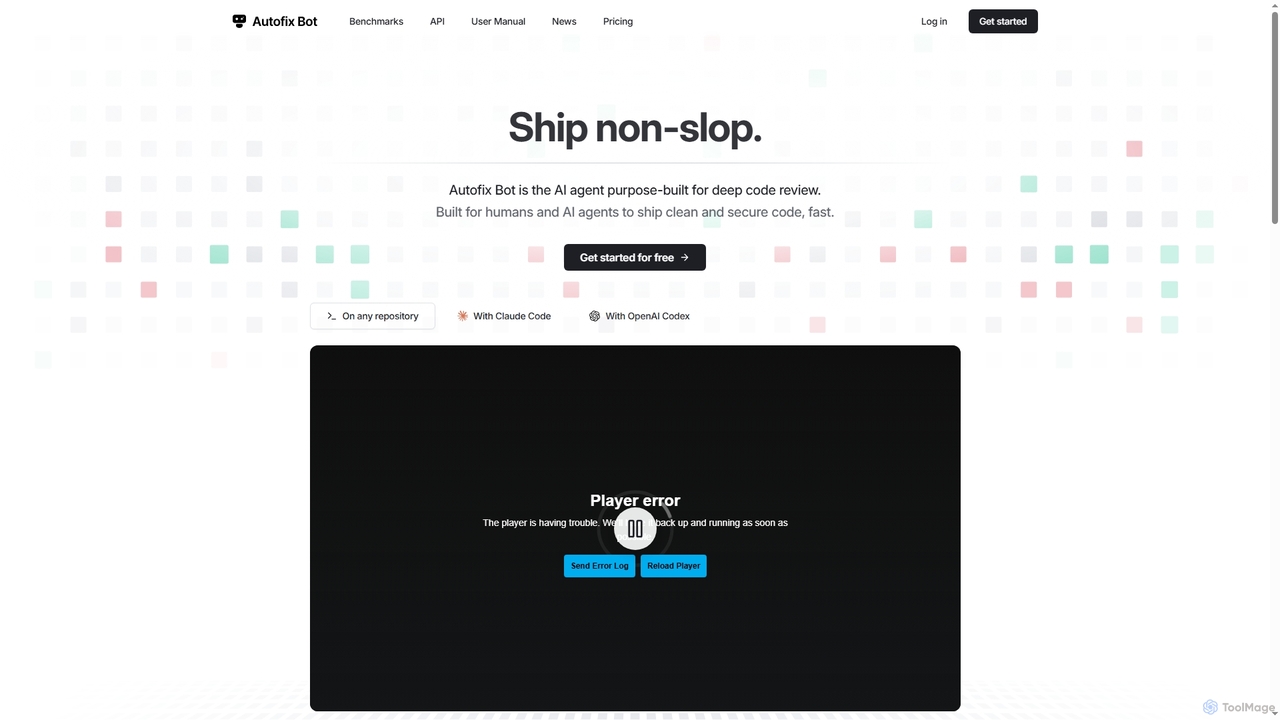
Autofix
Autofix ist ein KI-Agent, der speziell für die tiefe Code-Überprüfung entwickelt wurde, um Sicherheitslücken, hartcodierte Geheimnisse und Code-Qualitätsprobleme zu identifizieren. Es generiert verifizierte Patches, um Entwicklungsteams dabei zu helfen, sauberen und sicheren Code schneller auszuliefern.
Statische Analyse
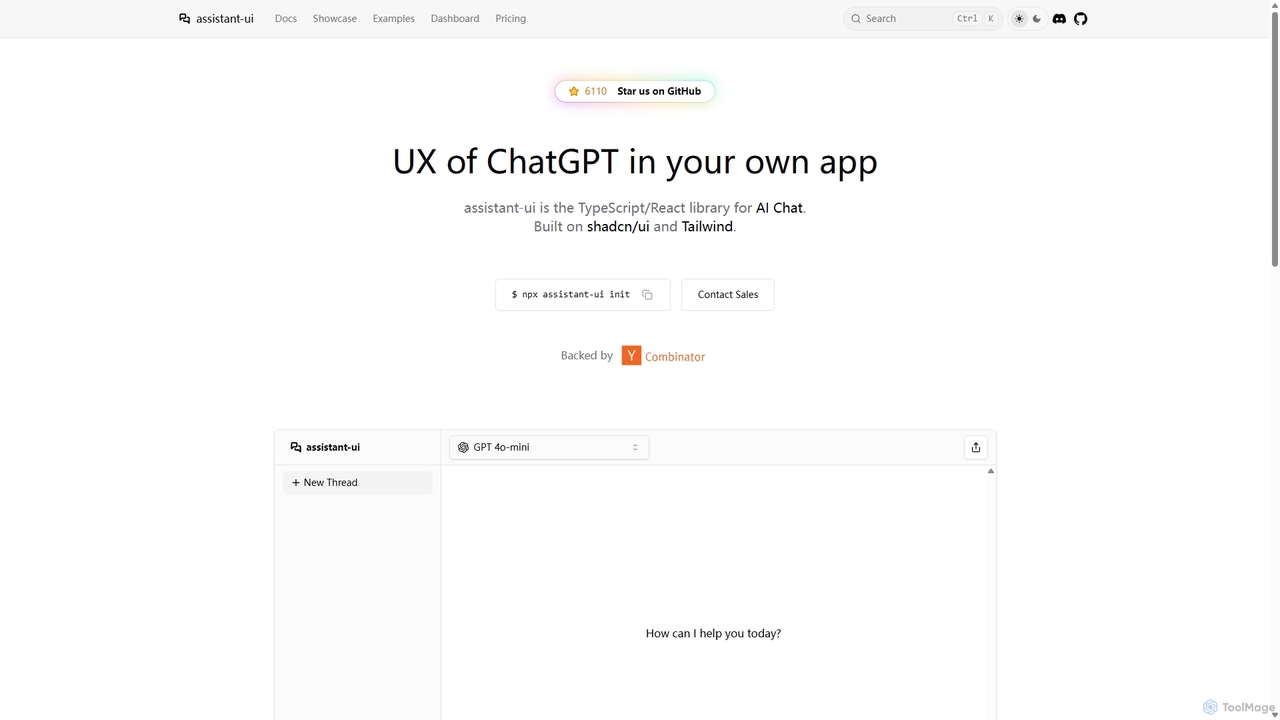
Assistant-ui
Assistant-ui ist eine Open-Source-Bibliothek für TypeScript/React zur schnellen Erstellung hochwertiger, anpassbarer KI-Chat-Oberflächen. Basierend auf shadcn/ui und Tailwind CSS bietet sie Entwicklern vorgefertigte Komponenten, um eine ChatGPT-ähnliche Erfahrung in jede Anwendung zu integrieren, und unterstützt verschiedene Backends und erweiterte Funktionen wie generative UI.
Bibliotheken
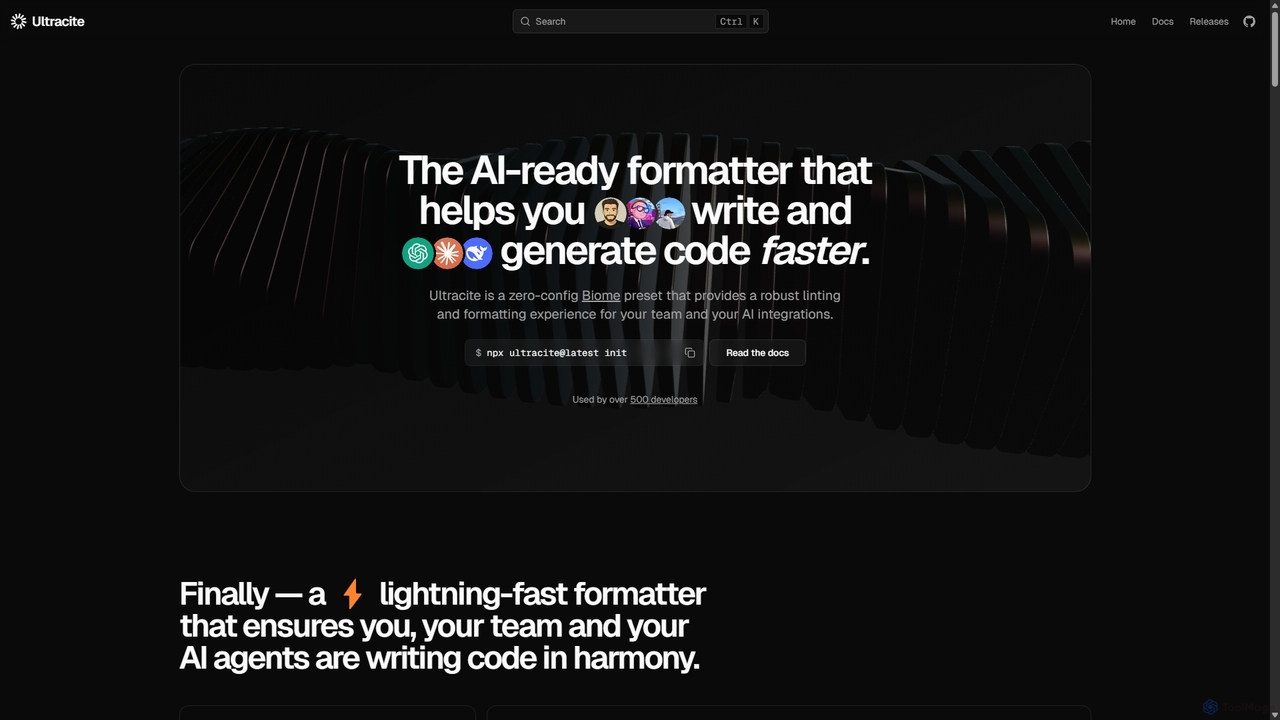
Ultracite
Ultracite ist ein blitzschneller, konfigurationsfreier Code-Formatierer und Linter, der auf Biome basiert. Er wurde entwickelt, um einen konsistenten Code-Stil für menschliche Entwickler und KI-Agenten zu gewährleisten, indem er die Formatierung automatisiert, Probleme beim Speichern behebt und Best Practices für moderne TypeScript-, React- und Next.js-Projekte durchsetzt.
Code-Qualität
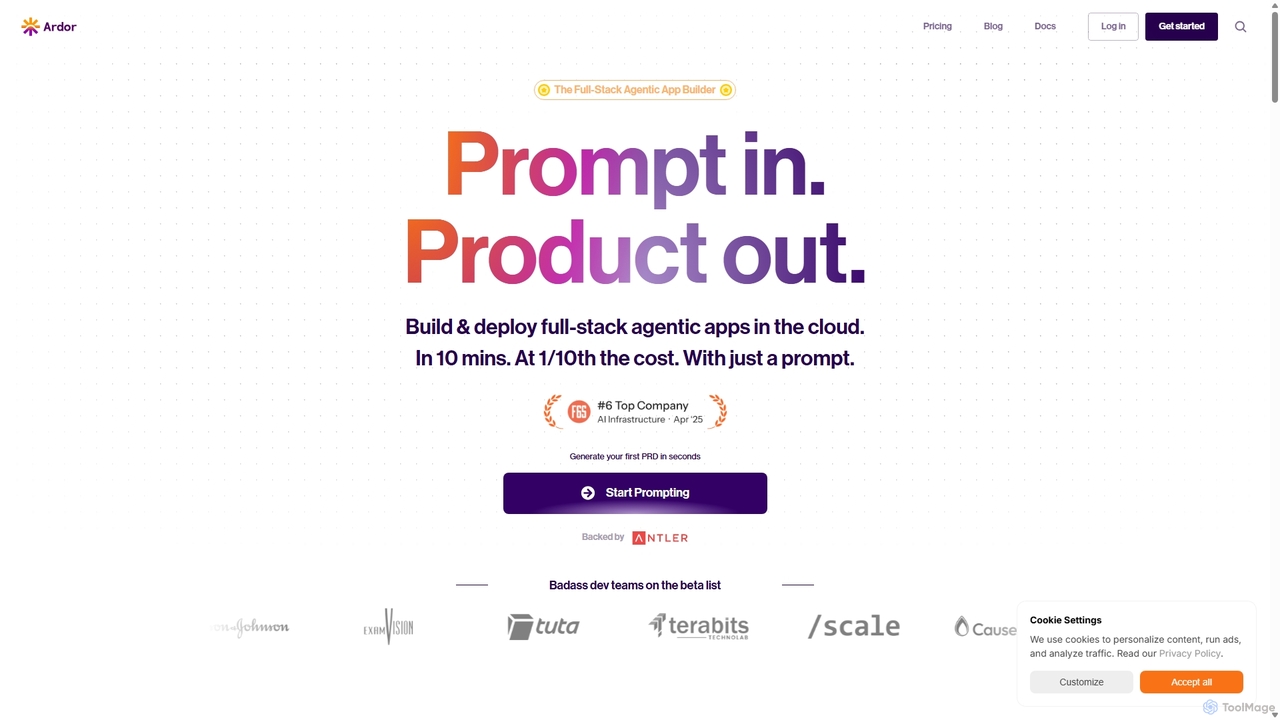
Ardor
Ardor ist eine Full-Stack-, Multi-Agenten-Plattform, die die Softwareentwicklung revolutioniert, indem sie es Benutzern ermöglicht, vollständige agentische KI-Anwendungen aus einem einzigen Prompt zu erstellen, bereitzustellen und zu überwachen. Sie automatisiert den gesamten Softwareentwicklungslebenszyklus (SDLC), verkürzt die Entwicklungszeit drastisch von Monaten auf Minuten und senkt die Kosten um bis zu 90 %. Ideal für Entwickler, Start-ups und Unternehmen, die Innovationen beschleunigen möchten.
Agent Builder
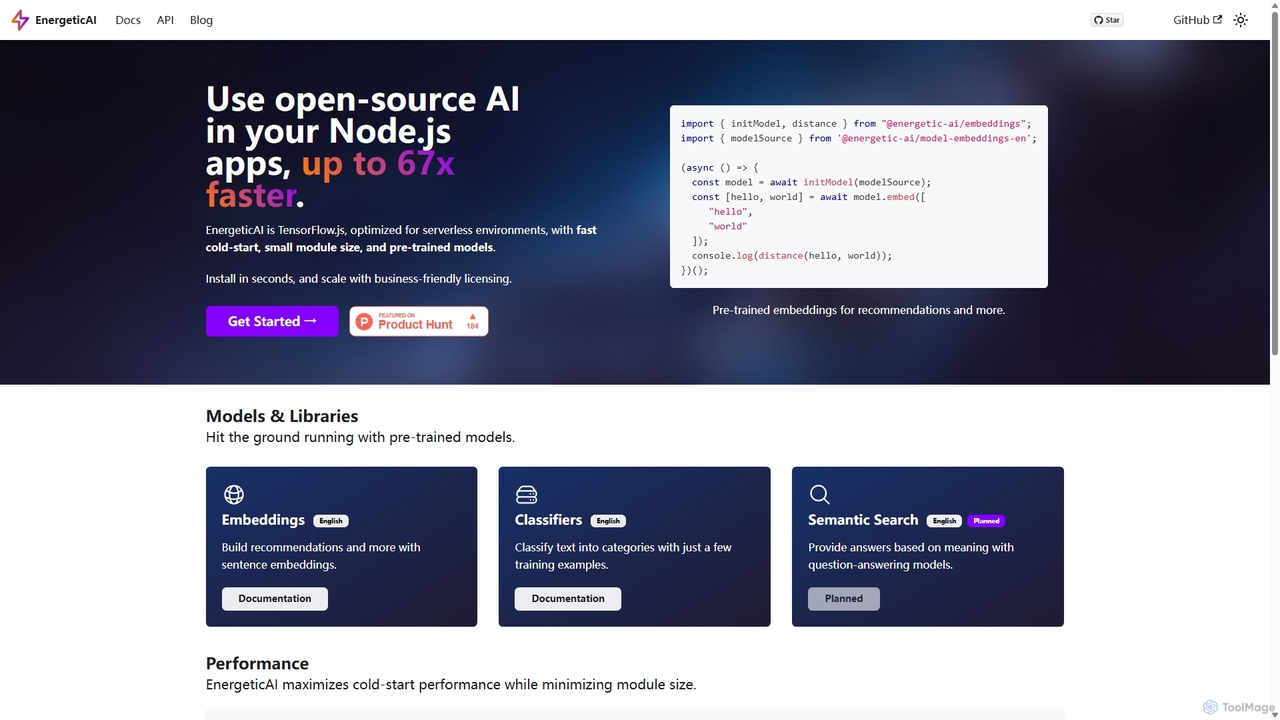
EnergeticAI
EnergeticAI ist eine Open-Source-Node.js-Bibliothek zur Integration von KI-Modellen in Anwendungen, die speziell für serverlose Umgebungen optimiert ist. Sie bietet eine leistungsstarke, latenzarme Alternative zu Standard-TensorFlow.js mit minimaler Modulgröße und schnellen Kaltstartzeiten. Mit vortrainierten Modellen für Embeddings und Few-Shot-Textklassifizierung können Entwickler problemlos Funktionen wie semantische Suche, Empfehlungen und Inhaltskategorisierung erstellen, ohne auf Drittanbieter-APIs angewiesen zu sein, was Datenschutz und Kostenkontrolle gewährleistet.
Bibliotheken und Frameworks