Replyless
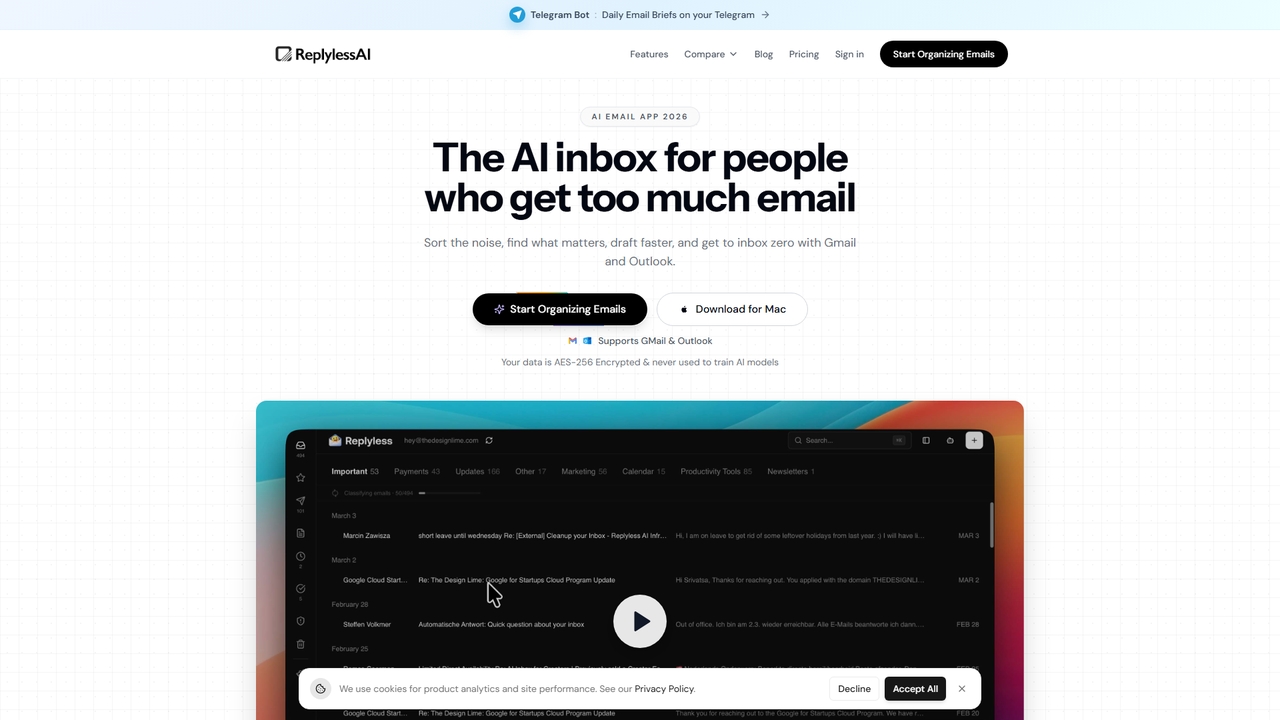
AI-powered email inbox for founders, creators, and teams. Sort, summarize, draft, and clean up Gmail and Outlook with …
AI-powered email inbox for founders, creators, and teams. Sort, summarize, draft, and clean up Gmail and Outlook with one intelligent workflow.
BrowserBook
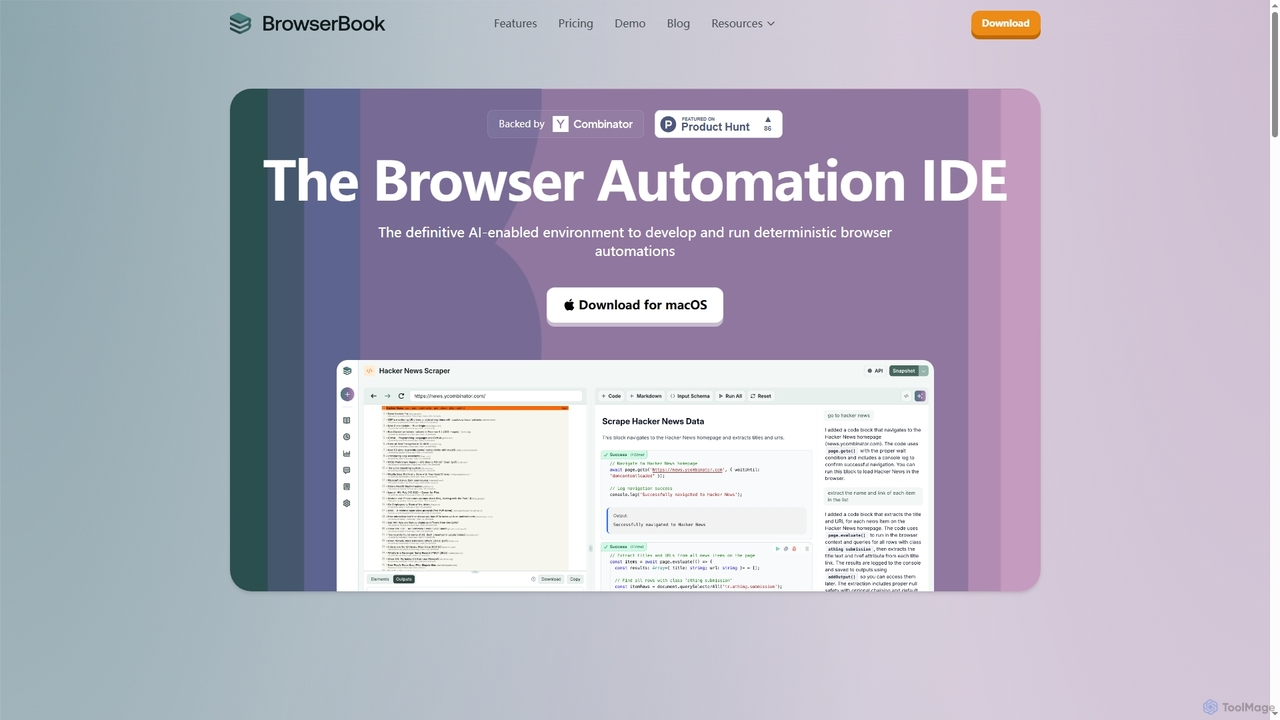
BrowserBook is an AI-powered integrated development environment (IDE) designed for building, deploying, and scaling deterministic browser automations. It …
BrowserBook is an AI-powered integrated development environment (IDE) designed for building, deploying, and scaling deterministic browser automations. It simplifies complex web automation tasks, offering speed, stability, and cost savings by combining AI code generation with reliable scripted execution. Ideal for AI agents, web scraping, UI testing, and industry-specific workflows in healthcare and finance.
Friday
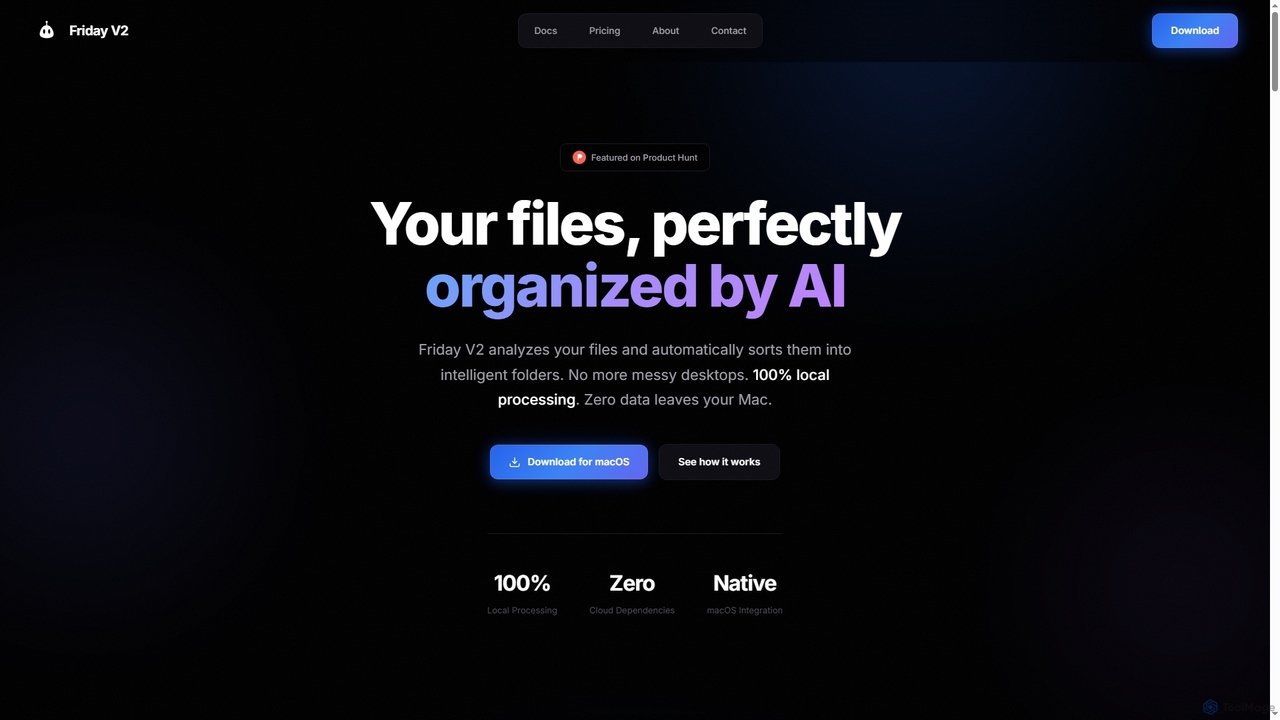
Friday is an AI-powered Mac application designed for intelligent, privacy-first file organization. It scans, classifies, and organizes your …
Friday is an AI-powered Mac application designed for intelligent, privacy-first file organization. It scans, classifies, and organizes your digital files locally on your device, transforming chaotic folders into a clean, logical structure automatically.
Tpflow
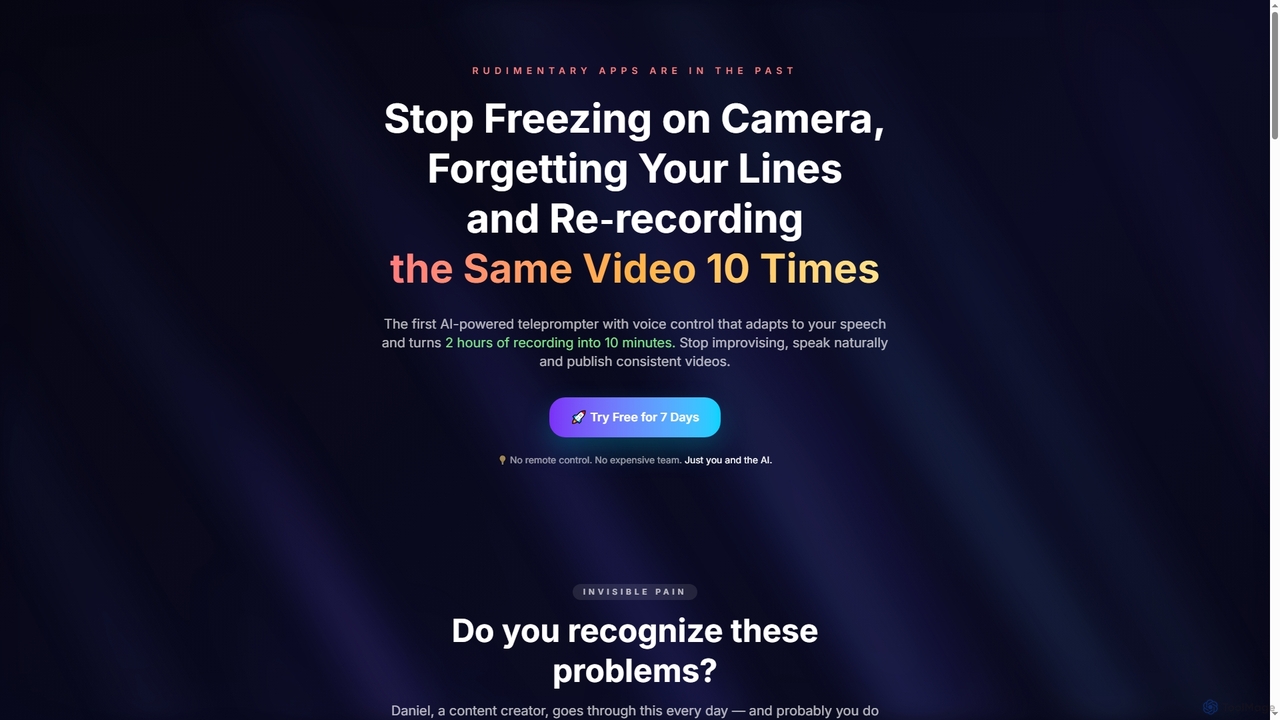
Tpflow is an AI-powered teleprompter that automatically adapts to your speaking pace. It features voice control and multi-device …
Tpflow is an AI-powered teleprompter that automatically adapts to your speaking pace. It features voice control and multi-device sync, designed to help content creators record videos naturally and efficiently, drastically reducing recording and editing time.
Votura
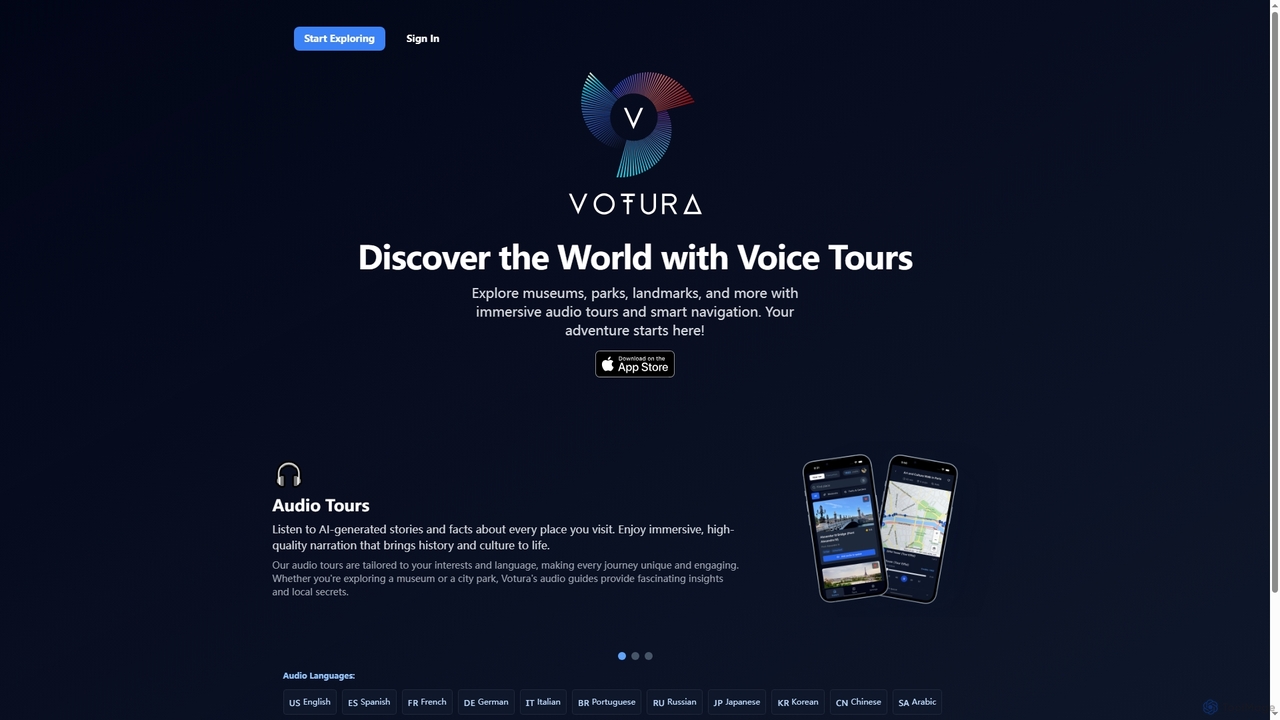
Votura offers AI-generated audio tours that transform your exploration of locations into an immersive and personalized experience. Discover …
Votura offers AI-generated audio tours that transform your exploration of locations into an immersive and personalized experience. Discover fascinating stories, historical facts, and local secrets about diverse sites, from museums to natural wonders, all narrated in your preferred language.
Petalife
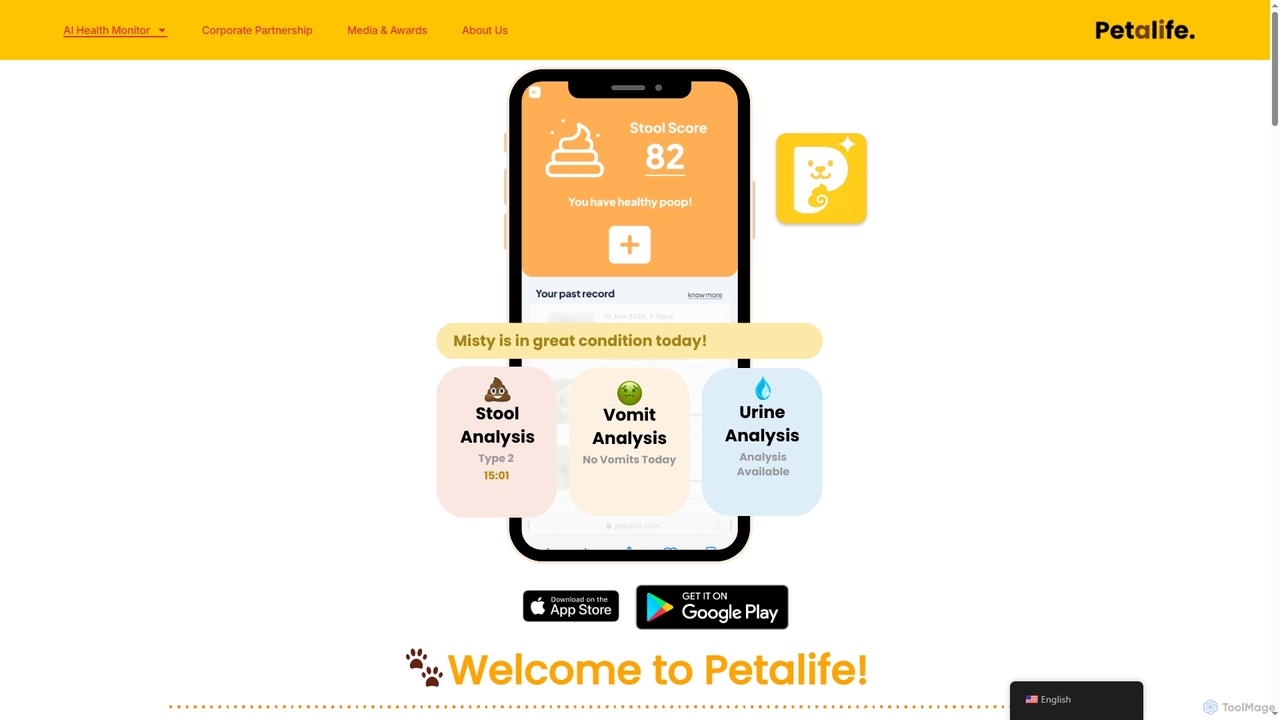
An AI-powered pet health monitoring system that uses your phone's camera to analyze stool, urine, and vomit. It …
An AI-powered pet health monitoring system that uses your phone's camera to analyze stool, urine, and vomit. It detects over 60 common health risks early, providing peace of mind for pet owners and enhancing professional pet care.
Sparkle
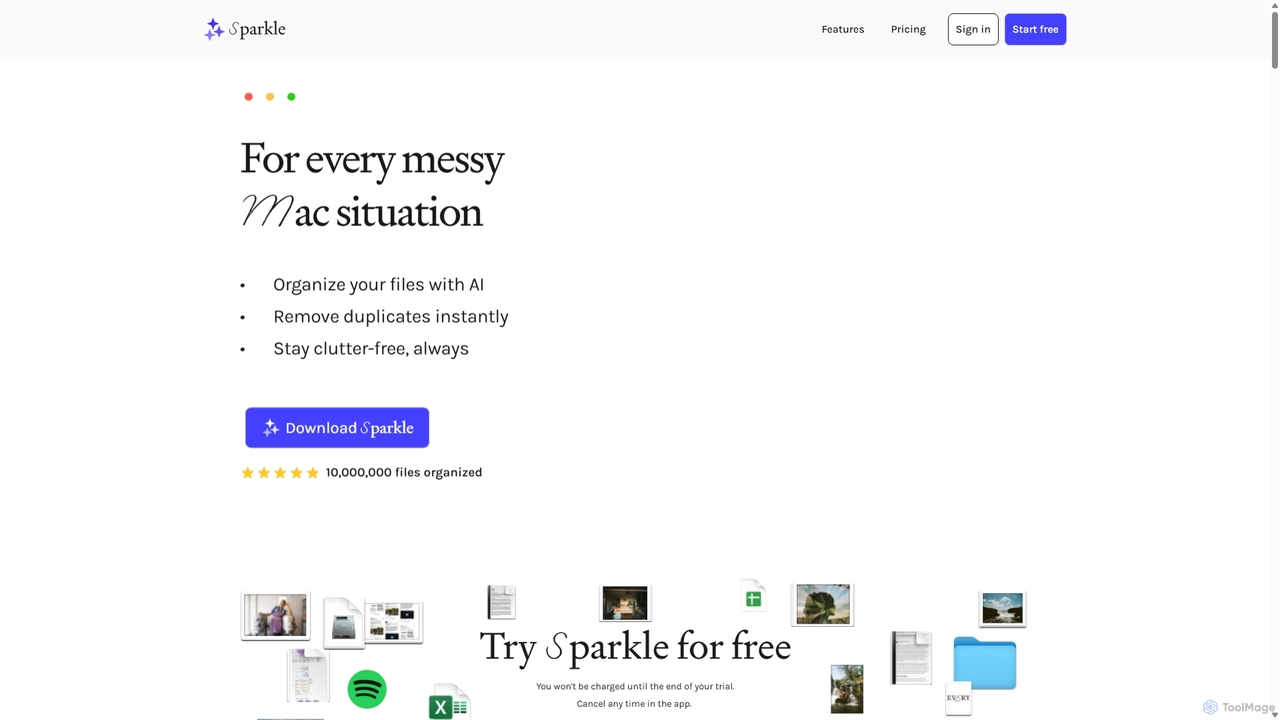
Sparkle is an AI-powered Mac application that automatically organizes your files. It intelligently creates custom folder structures for …
Sparkle is an AI-powered Mac application that automatically organizes your files. It intelligently creates custom folder structures for your Desktop, Downloads, and cloud drives, sorting files into relevant categories. With built-in duplicate detection and a privacy-first approach, Sparkle eliminates digital clutter and saves you hours of manual organization.

AI Localizer
AI Localizer by Wide Angle Software is an AI-powered application designed for iOS and macOS developers to automatically …
AI Localizer by Wide Angle Software is an AI-powered application designed for iOS and macOS developers to automatically translate their apps into over 37 languages. It streamlines the localization process, enabling developers to reach a global audience with just a few clicks, saving significant time and resources compared to manual translation.
Aider
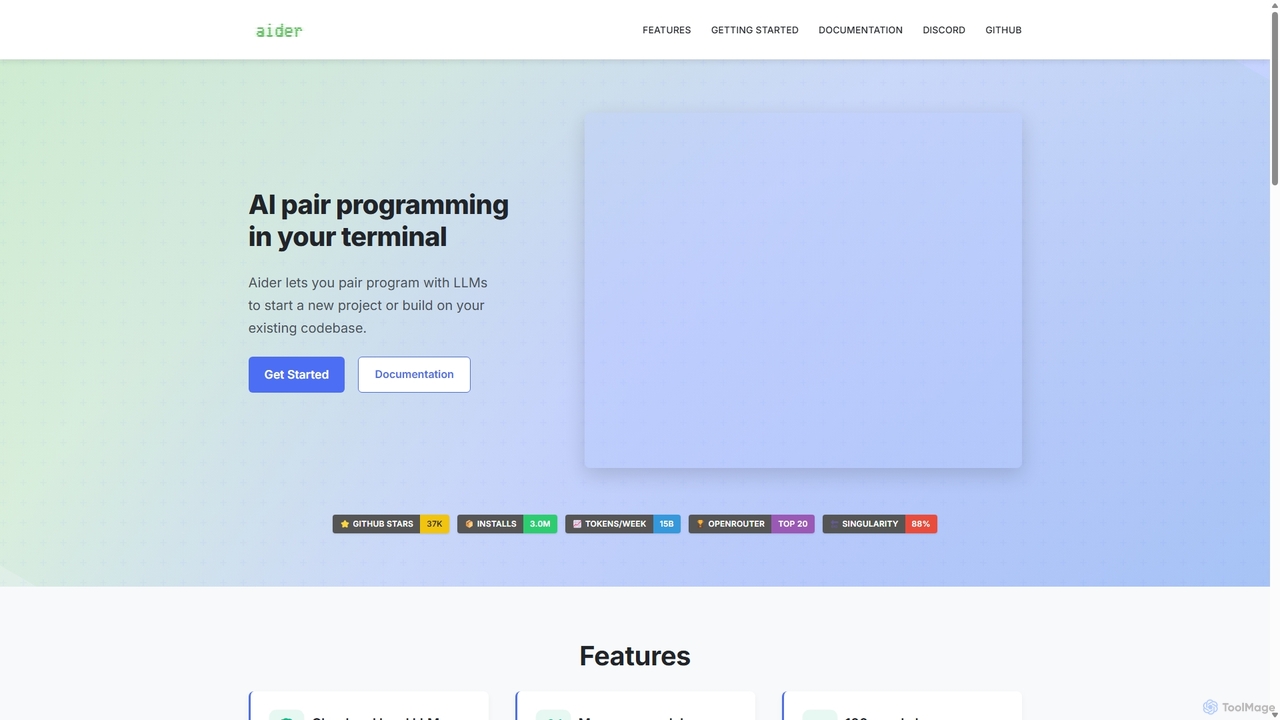
Aider is an AI-powered pair programmer that operates directly in your terminal. It intelligently maps your entire codebase, …
Aider is an AI-powered pair programmer that operates directly in your terminal. It intelligently maps your entire codebase, providing full project context for complex tasks. Seamlessly integrated with Git, it automates commits and allows you to manage AI-driven changes with familiar tools. Aider supports over 100 programming languages, connects to leading cloud and local LLMs, and even accepts voice and image inputs, making it a versatile and powerful assistant for any developer seeking to accelerate their workflow and improve code quality.
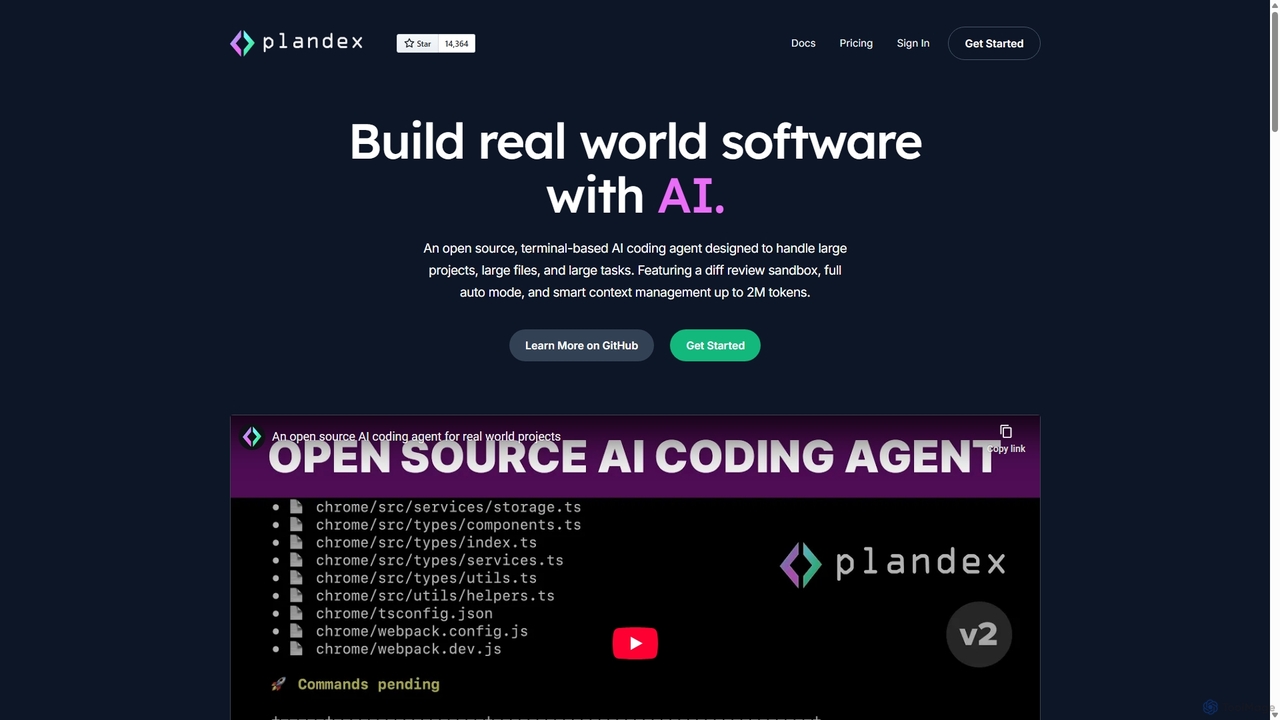
Plandex
Plandex is an open-source, terminal-based AI coding agent designed for complex, large-scale software development tasks. It excels at …
Plandex is an open-source, terminal-based AI coding agent designed for complex, large-scale software development tasks. It excels at handling large projects and files with its 2M token context window. Featuring a diff review sandbox, configurable autonomy, and multi-model support, Plandex empowers developers to build, debug, and refactor entire applications with AI assistance, ensuring control and productivity in a dev-friendly workflow.
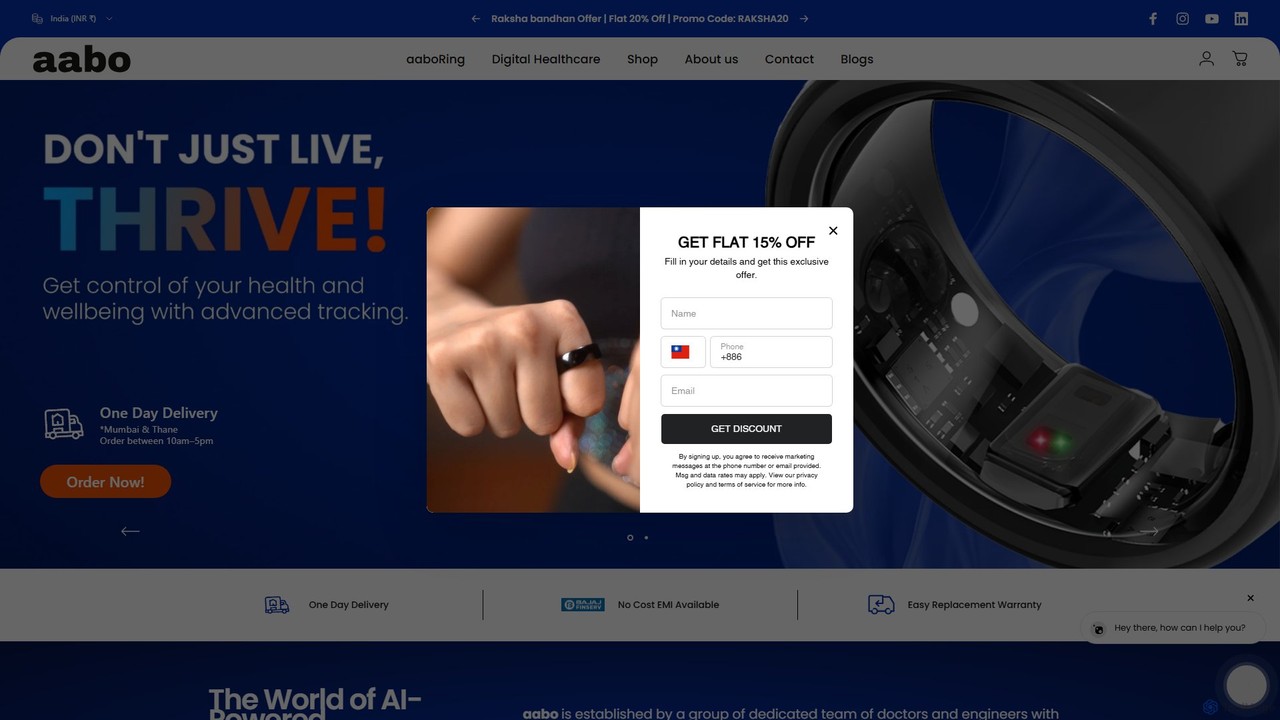
aabo
aabo is an AI-powered health-tech company offering the aaboRing, a smart ring for real-time health monitoring. It tracks …
aabo is an AI-powered health-tech company offering the aaboRing, a smart ring for real-time health monitoring. It tracks key vitals like sleep stages, stress levels, heart rate, and body temperature. The companion app provides personalized, AI-driven insights and recommendations to help users improve sleep, manage stress, and optimize physical activity, making advanced digital healthcare accessible and affordable.
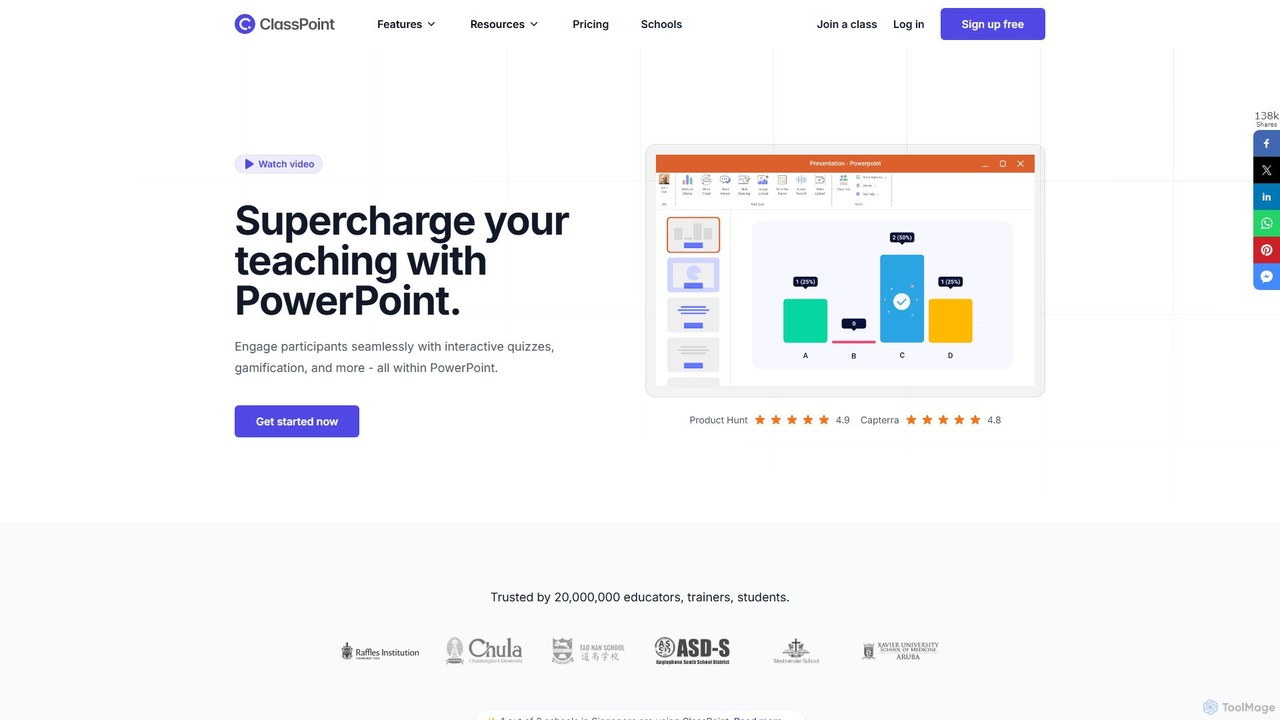
ClassPoint
ClassPoint is an all-in-one student engagement tool seamlessly integrated into Microsoft PowerPoint. It empowers educators and trainers to …
ClassPoint is an all-in-one student engagement tool seamlessly integrated into Microsoft PowerPoint. It empowers educators and trainers to create interactive quizzes, gamify lessons, and leverage AI to generate questions directly from their slides, transforming static presentations into dynamic, engaging experiences without ever leaving the PowerPoint environment.
About Ai
AI tools are advanced software applications that leverage artificial intelligence technologies to perform tasks traditionally requiring human intelligence. These tools are powered by machine learning, deep learning, natural language processing, and computer vision, enabling them to analyze data, learn patterns, make predictions, and generate content. They significantly enhance efficiency, automate complex processes, and unlock new capabilities across various industries.
Core Features
- Natural Language Processing (NLP): Understanding, interpreting, and generating human language for tasks like translation, summarization, and chatbot interactions.
- Computer Vision: Enabling machines to "see" and interpret visual information, used in image recognition, object detection, and video analysis.
- Machine Learning & Predictive Analytics: Identifying patterns in data to make informed predictions and automate decision-making processes.
- Generative AI: Creating new content such as text, images, audio, and video based on learned data patterns.
- Automation & Optimization: Streamlining repetitive tasks, optimizing workflows, and improving operational efficiency across various domains.
Applicable Scenarios
AI tools are indispensable for content creators generating marketing copy or images, businesses seeking to automate customer support with chatbots, data analysts needing to extract insights from large datasets, and developers accelerating code generation. They are also vital in healthcare for diagnostics and drug discovery, and in finance for fraud detection and algorithmic trading.
How to Choose
When selecting an AI tool, consider its specific AI capabilities (e.g., NLP, vision), integration with existing systems, scalability to handle growing demands, data privacy and security protocols, and the level of technical expertise required for implementation and use. Evaluate the accuracy and reliability of its outputs, and compare pricing models to ensure it aligns with your budget and business objectives.
AiUse Cases
Automated Content Creation for Marketing
Marketing teams use AI writing assistants to generate blog posts, social media captions, and ad copy, or AI image generators to create visuals. This accelerates content production, allowing for rapid iteration and personalized messaging across multiple channels, saving significant time and resources.
Enhancing Customer Service with AI Chatbots
Businesses deploy AI-powered chatbots to handle routine customer inquiries 24/7, providing instant support and freeing human agents for complex issues. These chatbots can understand natural language, access knowledge bases, and offer personalized responses, improving customer satisfaction and reducing operational costs.
Data Analysis and Predictive Modeling
Data scientists and business analysts leverage AI tools to process vast datasets, identify hidden trends, and build predictive models for sales forecasts, market behavior, or risk assessment. This enables data-driven decision-making, leading to more strategic planning and competitive advantages.
Personalized Product Recommendations
E-commerce platforms utilize AI algorithms to analyze user browsing history and purchase patterns, offering highly personalized product recommendations. This enhances the shopping experience, increases conversion rates, and drives customer loyalty by presenting relevant items.
Accelerating Software Development
Developers employ AI coding assistants to generate code snippets, debug programs, and refactor existing code. These tools can suggest improvements, automate repetitive coding tasks, and even translate code between languages, significantly boosting productivity and reducing development cycles.
Medical Image Analysis for Diagnostics
Healthcare professionals use AI tools to analyze medical images like X-rays, MRIs, and CT scans, assisting in the early detection of diseases such as cancer or neurological disorders. AI can identify subtle patterns that might be missed by the human eye, leading to more accurate and timely diagnoses.