Seranova
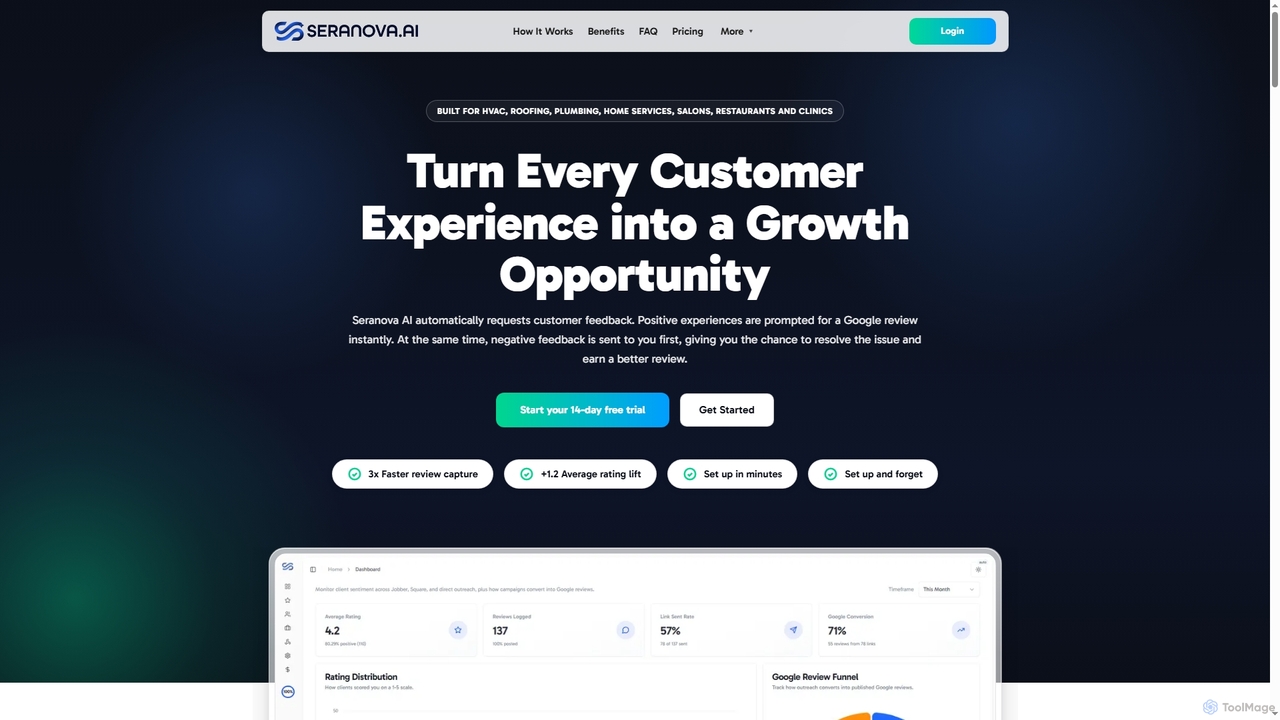
Seranova is an AI-powered reputation management platform designed for local service businesses to automate Google review collection and …
Seranova is an AI-powered reputation management platform designed for local service businesses to automate Google review collection and management. It captures customer feedback, routes positive experiences for public reviews, and handles negative feedback privately, significantly boosting online visibility and trust.
Brand Aware
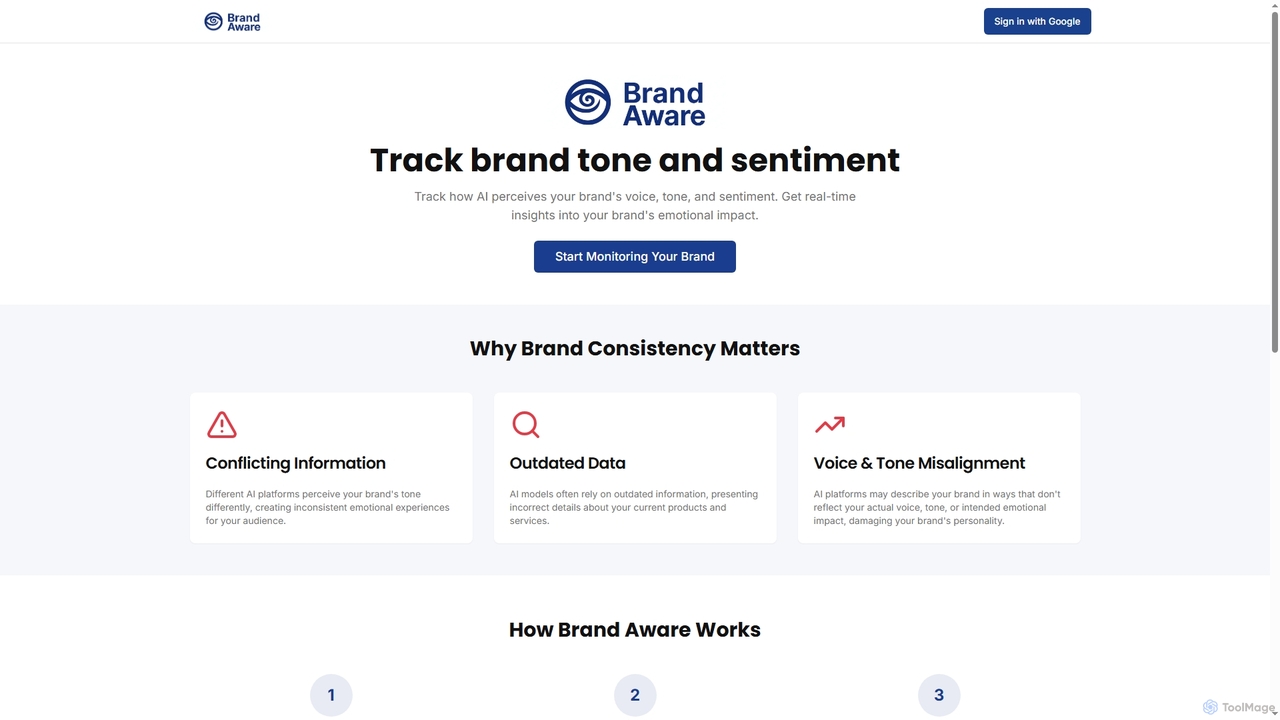
Brand Aware is an AI-powered tracker that monitors how leading AI platforms perceive your brand's tone, sentiment, and …
Brand Aware is an AI-powered tracker that monitors how leading AI platforms perceive your brand's tone, sentiment, and factual accuracy. It provides real-time insights to identify inconsistencies, correct misinformation, and ensure your brand's digital identity remains consistent and on-message across OpenAI, Gemini, and Claude.
About Reputation Management
Reputation Management AI tools are a class of software that leverage artificial intelligence to monitor, analyze, and influence public perception of an entity, whether it's a brand, company, or individual. These tools utilize advanced NLP and machine learning algorithms to scan vast amounts of online data, including social media, news, forums, and review sites. Their primary purpose is to help users understand public sentiment, identify potential threats or opportunities, and proactively manage their online image to maintain trust and credibility.
Core Features
- Brand Monitoring: Continuously track mentions of your brand, products, or keywords across various online platforms.
- Sentiment Analysis: Automatically determine the emotional tone (positive, negative, neutral) of online conversations and mentions.
- Review Management: Aggregate customer reviews from multiple sources and facilitate timely responses to feedback.
- Crisis Detection & Alerting: Identify unusual patterns or spikes in negative sentiment that could signal an emerging PR crisis.
- Competitor Analysis: Monitor the online reputation and public perception of key competitors to gain market insights.
Use Cases
Businesses of all sizes, PR agencies, marketing teams, and public figures utilize these tools to safeguard and enhance their online presence. They are crucial for maintaining brand health, responding to customer feedback, and mitigating potential reputational risks in a fast-paced digital environment.
How to Choose
When selecting a Reputation Management AI tool, consider its monitoring scope (platforms, languages), the accuracy of its sentiment analysis, its alerting and reporting capabilities, and its integration options with your existing marketing or CRM systems. Scalability and ease of use are also important factors for long-term effectiveness.
Reputation ManagementUse Cases
Proactive Brand Health Monitoring
A marketing manager uses AI reputation management tools to continuously scan social media, news outlets, and online forums for mentions of their brand. The AI identifies sentiment shifts, emerging trends, and potential negative discussions in real-time. This allows the manager to proactively address concerns, engage with positive feedback, and maintain a consistent, favorable public image, preventing minor issues from escalating into major reputational damage.
Automated Customer Review Management
An e-commerce business leverages AI reputation tools to aggregate customer reviews from various platforms like Google My Business, Yelp, and product-specific sites. The AI categorizes feedback by topic (e.g., product quality, shipping, customer service) and sentiment, then drafts personalized, context-aware responses. This automation significantly reduces manual effort, improves response times, and enhances overall customer satisfaction, leading to higher online ratings and increased sales.
Early Crisis Detection and Response
A public relations (PR) team employs AI reputation management tools to monitor for unusual spikes in negative mentions or specific keywords related to their company. The AI's anomaly detection capabilities trigger immediate alerts when a potential crisis is brewing, such as a sudden surge in critical news articles or viral negative social media posts. This enables the PR team to swiftly analyze the situation, formulate a strategic response, and mitigate damage before it escalates, protecting the company's image and stakeholder trust.
Competitor Reputation Analysis
A market analyst uses AI reputation management tools to monitor the online sentiment and media coverage of key competitors. By tracking competitor mentions, sentiment scores, and trending topics, the AI provides actionable insights into their public perception, identifying their strengths, weaknesses, and potential vulnerabilities. This intelligence helps the analyst refine their own brand positioning, develop more effective marketing strategies, and capitalize on market opportunities.
Personal Brand Management for Public Figures
A public figure or influencer utilizes AI reputation management tools to track their online presence across blogs, news articles, and social media platforms. The AI helps them monitor mentions, analyze sentiment towards their public statements or activities, and identify any misinformation or negative narratives. This allows them to ensure their digital footprint aligns with their desired image, address inaccuracies promptly, and maintain a positive personal brand, crucial for their career and public trust.
Identifying Influencer Sentiment for Campaigns
A social media marketer planning a new campaign uses AI reputation tools to analyze the sentiment of potential influencers towards their brand or industry. Before engaging in partnerships, the AI can quickly assess an influencer's past posts, comments, and interactions to determine their genuine alignment and potential impact. This ensures that brand collaborations are authentic and effective, selecting influencers who genuinely resonate with the brand's values and audience, thereby maximizing campaign reach and positive brand perception.