
FactGuard
FactGuard is an AI-powered fact-checking and audit tool designed to automatically verify AI-generated content against reliable global sources, …
FactGuard is an AI-powered fact-checking and audit tool designed to automatically verify AI-generated content against reliable global sources, preventing the spread of misinformation and hallucinations.
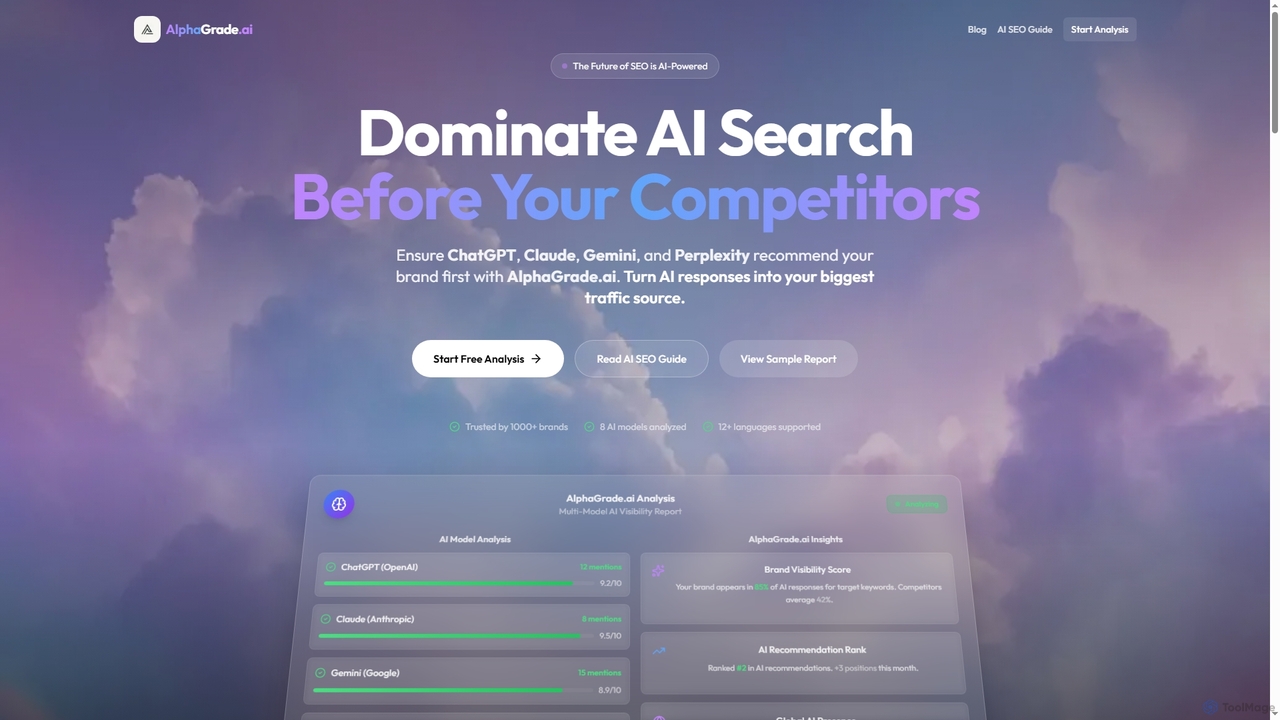
Alphagrade
Alphagrade is an AI visibility analytics platform that tracks and optimizes how your brand appears in responses from …
Alphagrade is an AI visibility analytics platform that tracks and optimizes how your brand appears in responses from major AI models like ChatGPT, Claude, and Gemini. It provides competitor intelligence, sentiment analysis, and actionable insights for AI SEO.
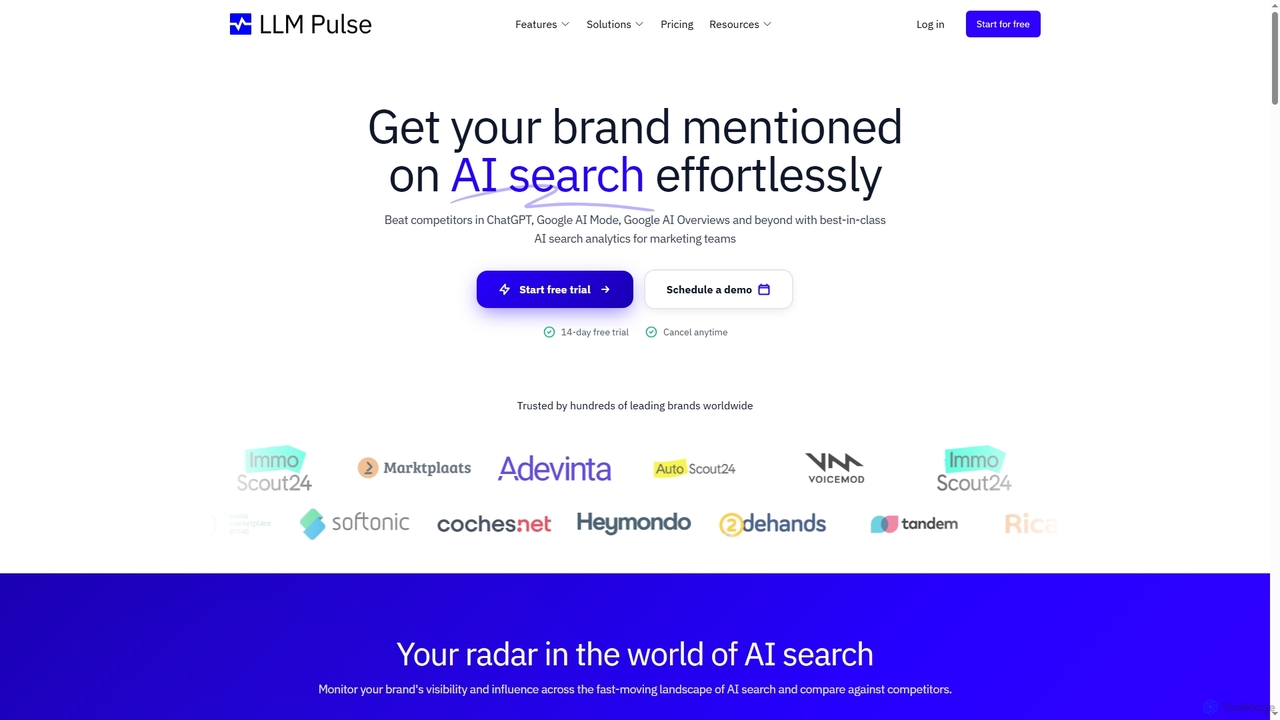
Llmpulse
Llmpulse is an AI search visibility tracker designed for marketing teams. It monitors brand mentions and performance across …
Llmpulse is an AI search visibility tracker designed for marketing teams. It monitors brand mentions and performance across major AI chatbots like ChatGPT, Google AI Overviews, and Perplexity, providing analytics to optimize AI search strategy.
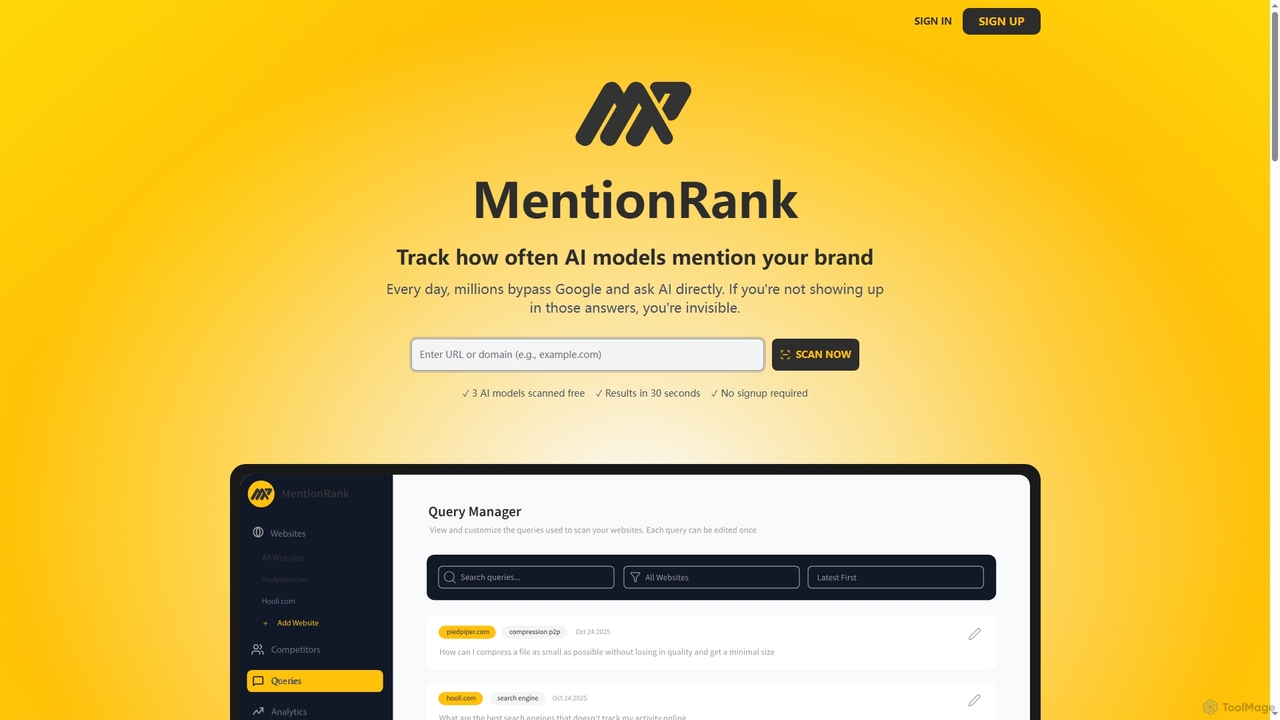
MentionRank
MentionRank is an AI visibility tracking platform that monitors how often your brand is mentioned by major AI …
MentionRank is an AI visibility tracking platform that monitors how often your brand is mentioned by major AI models like ChatGPT, Claude, and Gemini. It helps you analyze your presence in AI-generated answers, benchmark against competitors, and improve your brand's AI visibility with a comprehensive MentionRank Score.
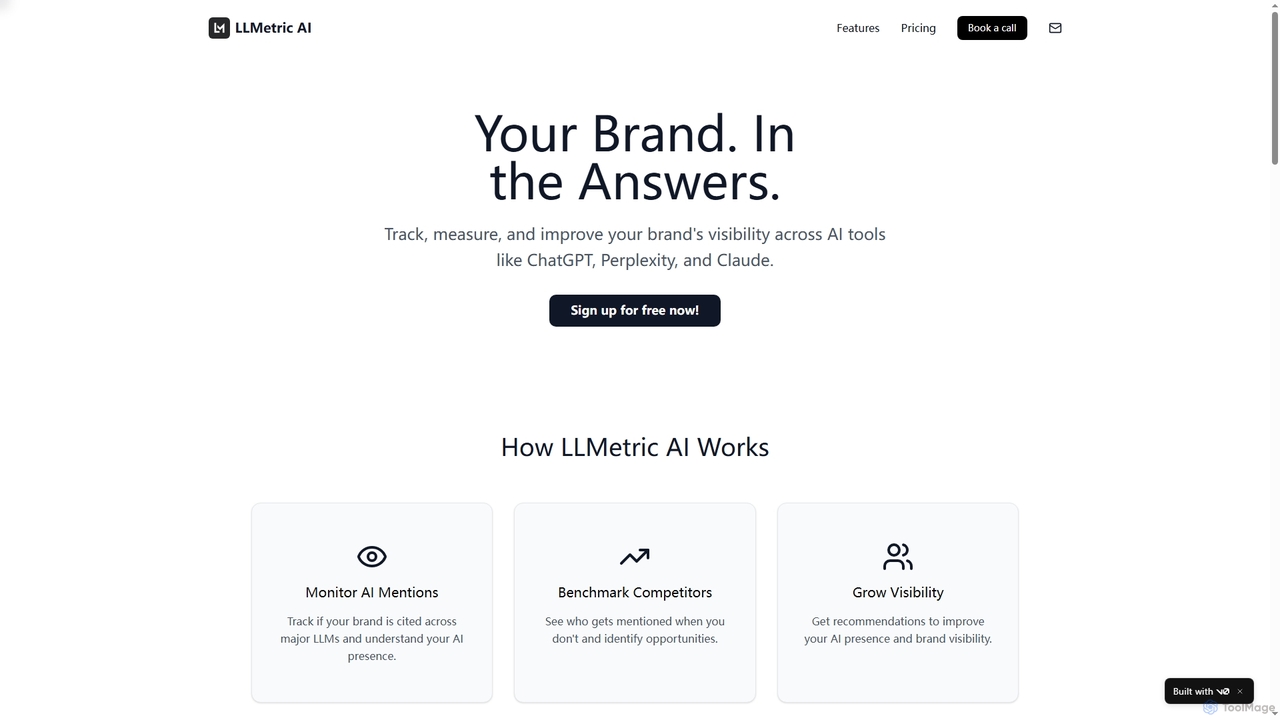
Llmetric
Llmetric is an AI analytics tool to track, measure, and improve your brand's visibility in answers from major …
Llmetric is an AI analytics tool to track, measure, and improve your brand's visibility in answers from major LLMs like ChatGPT, Perplexity, and Claude. It helps you monitor brand mentions, benchmark against competitors, and get actionable recommendations.
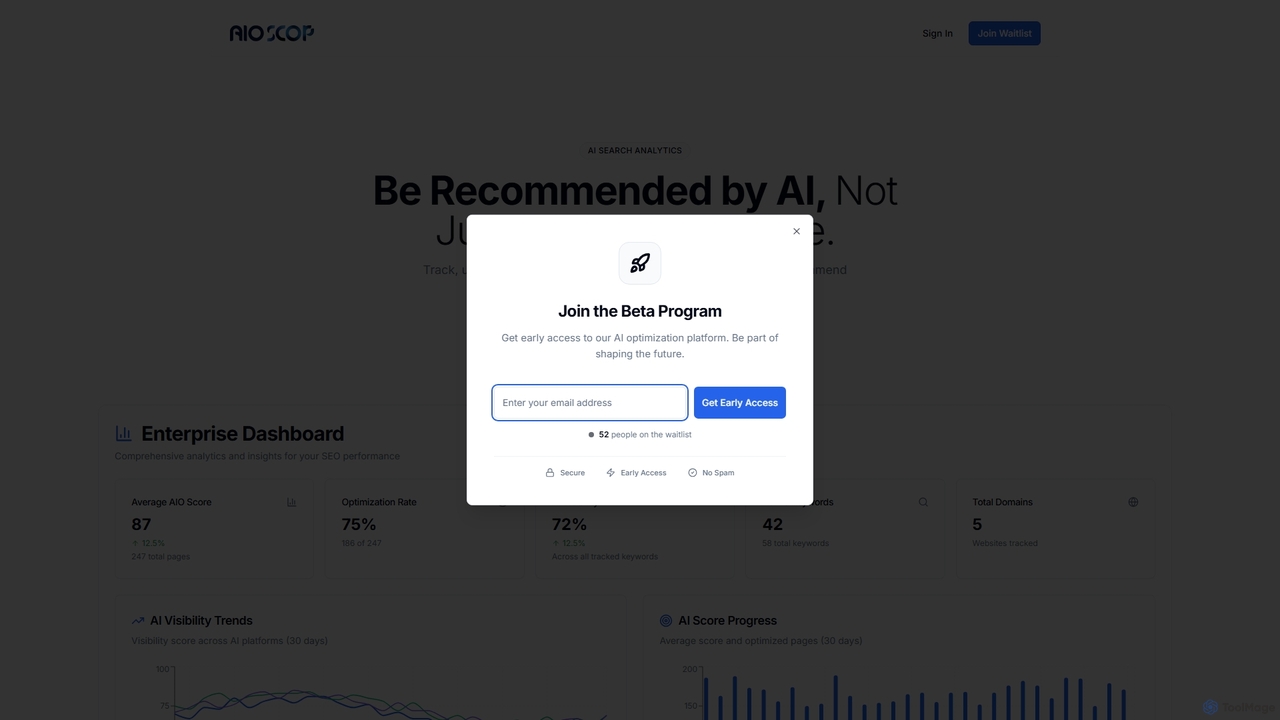
Aioscop
Aioscop is an AI-powered SEO platform designed to track, analyze, and optimize your brand's visibility within AI-generated responses. …
Aioscop is an AI-powered SEO platform designed to track, analyze, and optimize your brand's visibility within AI-generated responses. It monitors mentions and recommendations across major AI platforms like ChatGPT, Claude, and Gemini, helping you adapt your strategy for the new era of AI search.
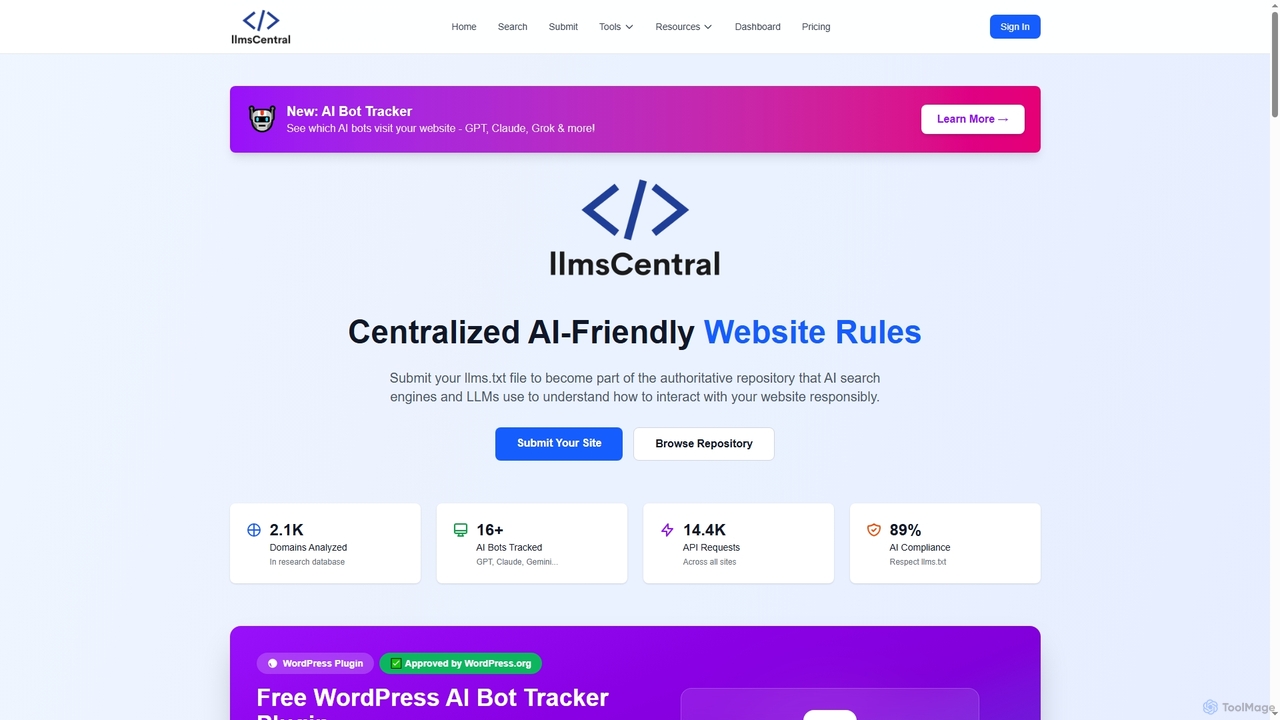
Llms Central
A comprehensive platform for tracking AI bot visits (like GPTBot, Claude) on your website and managing AI training …
A comprehensive platform for tracking AI bot visits (like GPTBot, Claude) on your website and managing AI training policies through a centralized llms.txt repository. Provides real-time analytics, AI-powered insights, and a free WordPress plugin.
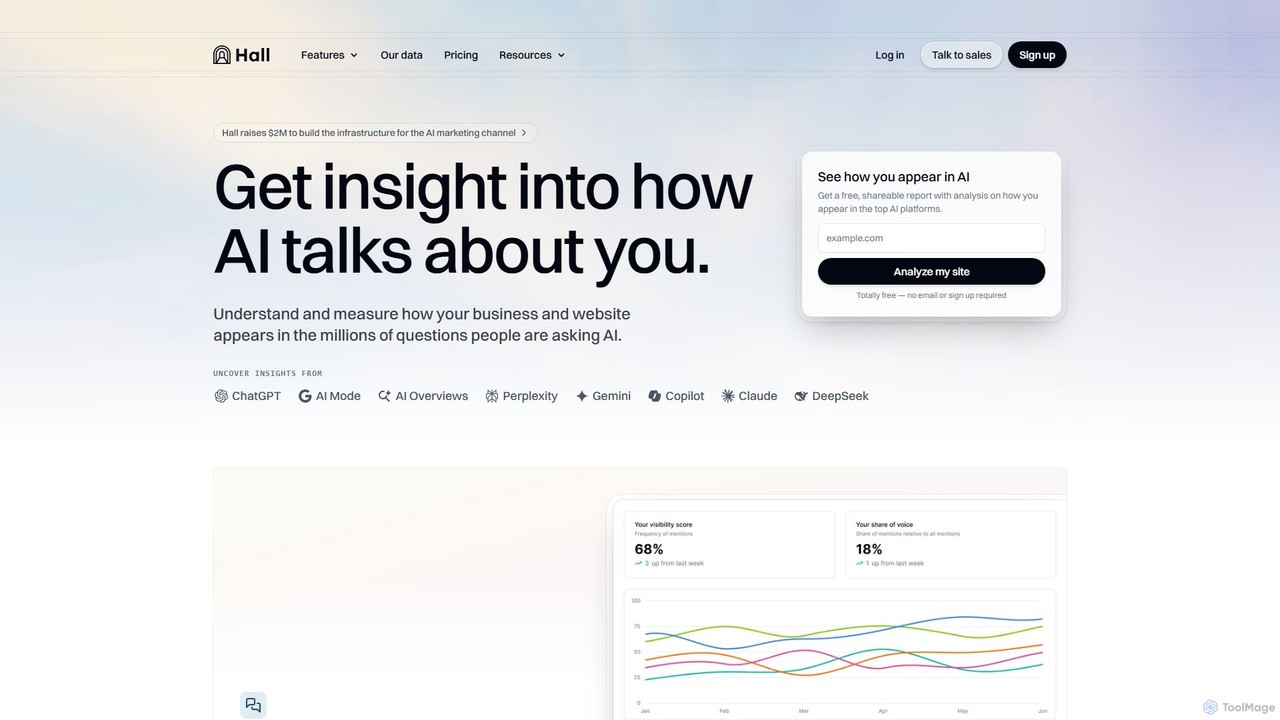
Hall
Hall is a Generative Engine Optimization (GEO) platform that helps businesses understand, measure, and optimize their presence in …
Hall is a Generative Engine Optimization (GEO) platform that helps businesses understand, measure, and optimize their presence in AI-powered search results and conversations. It tracks brand mentions, website citations, and sentiment across platforms like Google AI Overviews, ChatGPT, and Perplexity, providing actionable insights to adapt marketing and SEO strategies for the AI era.
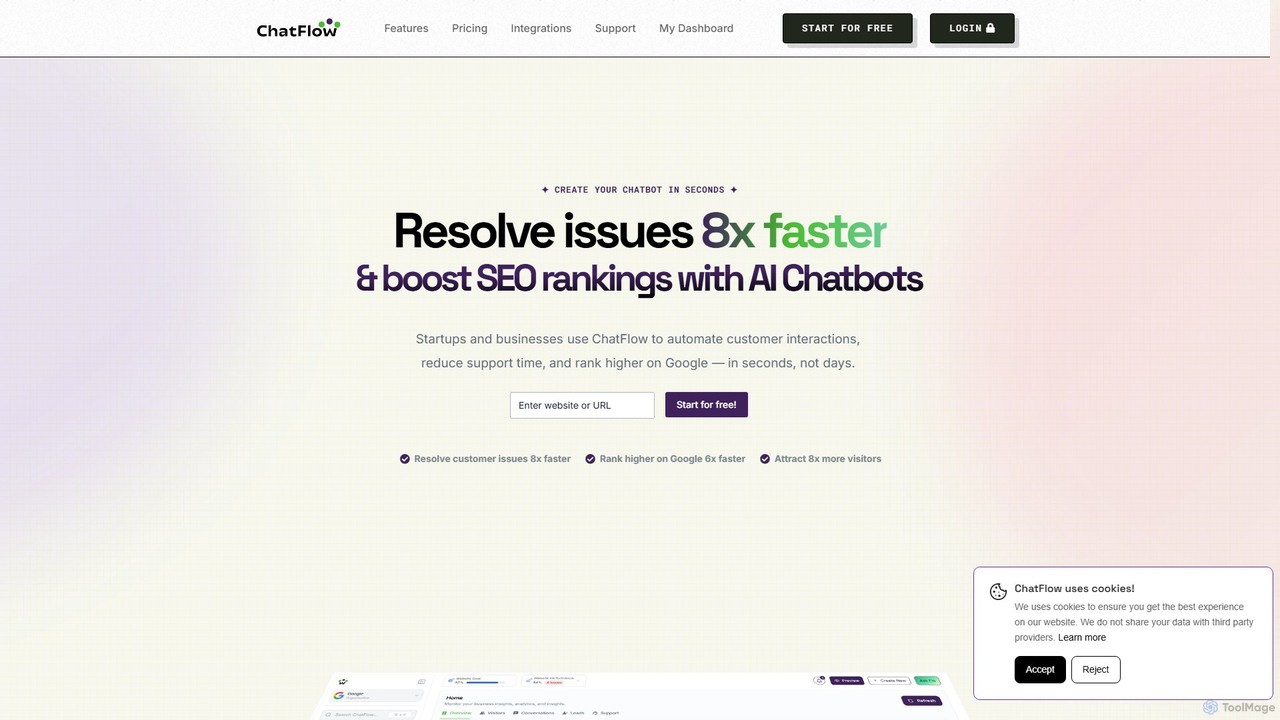
ChatFlow
ChatFlow is an AI-powered chatbot platform designed to automate customer support, enhance SEO, and boost sales. It enables …
ChatFlow is an AI-powered chatbot platform designed to automate customer support, enhance SEO, and boost sales. It enables businesses to create custom chatbots in seconds without code, resolve customer issues 8x faster, generate qualified leads, and gain real-time insights to outrank competitors and improve website engagement.
About Analytics
Analytics tools are AI-powered platforms designed to collect, process, and interpret vast amounts of data related to website performance and user behavior, particularly within the realm of SEO. These tools leverage machine learning to identify patterns, predict trends, and provide actionable insights for optimizing online presence. They help businesses understand their digital footprint, track key metrics, and make data-driven decisions to improve search engine rankings and user engagement.
Core Features
- Keyword Performance Tracking: Monitor keyword rankings, search volume, and SERP features to optimize content strategy.
- Organic Traffic Analysis: Deep dive into traffic sources, user demographics, and on-site behavior from organic search.
- Backlink Profile Monitoring: Analyze backlink quality, quantity, and anchor text for SEO health and link-building efforts.
- Technical SEO Audits: Identify and report on website issues affecting crawlability, indexability, and site speed.
- Competitor Benchmarking: Compare SEO performance against rivals, identifying opportunities and threats in the market.
Applicable Scenarios
SEO professionals use these tools to track campaign effectiveness, content creators analyze audience engagement, and webmasters monitor site health to ensure optimal search visibility. Digital marketing teams leverage them for comprehensive performance reporting and strategic planning.
How to Choose
When selecting an AI Analytics tool, consider its data integration capabilities (e.g., Google Analytics, Search Console), the depth of its reporting features, the accuracy of its AI-driven insights, and its scalability to handle your data volume. User interface, ease of interpretation, and pricing model are also crucial for effective decision-making and team adoption.
AnalyticsUse Cases
Optimizing Content for Search Rankings
Content marketers use AI analytics to identify high-performing keywords, analyze competitor content strategies, and understand user search intent. By tracking keyword rankings and organic traffic for specific articles, they can refine content topics, optimize existing pages, and create new content that directly addresses audience needs, leading to improved visibility and engagement.
Identifying Technical SEO Issues
Webmasters and SEO specialists leverage analytics tools to conduct comprehensive technical audits. These tools automatically scan websites for issues like broken links, crawl errors, duplicate content, slow page load times, and mobile usability problems. Early detection and resolution of these issues are critical for maintaining a healthy site structure and ensuring optimal indexing by search engines.
Monitoring Competitor SEO Strategies
Marketing teams utilize AI analytics to gain insights into competitors' organic search performance. By analyzing competitor keyword portfolios, backlink acquisition strategies, and top-performing content, businesses can identify market gaps, discover new opportunities, and refine their own SEO tactics to gain a competitive edge in search engine results pages.
Tracking Organic Traffic & User Behavior
Digital marketers employ analytics platforms to deeply understand how users interact with their website after arriving from organic search. They track metrics like bounce rate, time on page, conversion paths, and user flow to identify areas for website improvement, optimize landing pages, and enhance the overall user experience, directly impacting conversion rates.
Analyzing Backlink Profile Health
SEO agencies and link builders use analytics tools to monitor and manage their clients' backlink profiles. These tools help identify high-quality backlinks, detect potentially harmful or spammy links that could negatively impact rankings, and track the progress of link-building campaigns. A healthy backlink profile is crucial for establishing domain authority and improving search visibility.
Predicting SEO Trends and Opportunities
Advanced SEO strategists use AI analytics to forecast future search trends and uncover emerging keyword opportunities. By analyzing historical data, search query patterns, and industry shifts, these tools can provide predictive insights, allowing businesses to proactively adapt their content and SEO strategies to capitalize on new market demands before competitors.