
Google Research
vs
Satlas
A comprehensive comparison of the core features, performance, user experience, and pricing strategies of two excellent AI tools
Providing objective and detailed selection advice based on real data and user feedback
Overview
Google Research Overview
Explore Google Research's latest publications, projects, and open-source tools in AI, machine learning, and science. Stay ahead of the curve with insights from world-class researchers.

Satlas Overview
Explore global changes with Satlas, an open platform by the Allen Institute for AI. Access free, high-resolution geospatial data, AI-enhanced satellite imagery, and track deforestation, renewable energy, and more.
Detailed Feature Comparison
Comprehensive comparison of the core features and characteristics of two AI tools
| Features | Google Research | Satlas |
|---|---|---|
| Main Categories | Science | Geospatial |
| Inclusion Date | 2025-08-09 | 2025-08-03 |
| Pricing Type | Free | Free |
| Official Website | https://research.google/ | https://satlas.allen.ai/ |
| Tool Type | Website | Website |
| Performance Data | ||
| User Rating | No Rating Yet | No Rating Yet |
| User Reviews | 0 reviews | 0 reviews |
| Monthly Visits | 1.8M | 1.8K |
| Details | View Details | View Details |
Compare Traffic / Monthly Visits
Google Research's traffic
Google Research Current monthly visible visits are 1.8M.
Latest Traffic
Monthly Traffic Trend
Geography
Top 5 Countries/Regions
| Country/Region | Percentage | Traffic |
|---|---|---|
|
🇺🇸
United States
|
61.59% | 1.1M |
|
🇮🇳
India
|
20.76% | 365.1K |
|
🇬🇧
United Kingdom
|
6.53% | 114.8K |
|
🇰🇷
Korea, Republic of
|
5.57% | 98.0K |
|
🇨🇦
Canada
|
5.55% | 97.6K |
Traffic source
| Source Type | Percentage | Traffic |
|---|---|---|
|
Direct Access
|
65.53% | 1.2M |
|
Referral
|
30.92% | 543.7K |
|
Email
|
3.55% | 62.4K |
Popular Keywords
Satlas's traffic
Satlas Current monthly visible visits are 1.8K.
Latest Traffic
Monthly Traffic Trend
Geography
Top 5 Countries/Regions
| Country/Region | Percentage | Traffic |
|---|---|---|
|
🇺🇸
United States
|
33.35% | 592 |
|
🇮🇳
India
|
30.52% | 542 |
|
🇳🇿
New Zealand
|
15.06% | 267 |
|
🇹🇷
Turkey
|
11.17% | 198 |
|
🇹🇼
Taiwan
|
9.90% | 176 |
Popular Keywords
Usage Comparison
Compare Google Research and Satlas 's Advantages
Google Research's Core Features
Satlas's Core Features
Use Cases
Understand the specific application scenarios and functional characteristics of the two AI tools
Google Research Use Cases
Satlas Use Cases
Google Research vs Satlas:In-depth Comparison Analysis and Selection Recommendations
Comprehensive comparison and evaluation based on real data and user feedback
Market Performance and User Preference Analysis
- Core positioning: Google Research leans more toward Science, while Satlas leans more toward Geospatial.
- Traffic Signal: Google Research currently has higher monthly traffic, serving as a reference for market attention.
- Neither tool has reviewed ratings yet; it is recommended to prioritize comparing functional positioning, price, and actual trial experience.
Google Research has about 1.8M monthly visits, higher than Satlas at 1.8K. Use this as a signal of market attention, not as product quality by itself.
In-depth Analysis of User Engagement
Both tools have third-party traffic analysis records, allowing comparison of visits, dwell time, pages per visit, and bounce rate; these metrics should be considered alongside the tool's purpose.
User Reviews vs. Community Feedback
Google Research has no reviewed ratings yet. Satlas has no reviewed ratings yet.
Product Positioning and Application Scenario Analysis
Google Research is in Science with a Free pricing model; Satlas is in Geospatial with a Free pricing model. Prioritize fit for your specific tasks rather than traffic or default ratings alone.
Frequently Asked Questions
FAQs about these two tools to help you better understand their features and differences
What are the biggest differences between the two?
Google Research is primarily positioned in Science, while Satlas is primarily positioned in Geospatial. Which one suits you depends on which type of use case and workflow you need more.
Which tool is better to try first?
Google Research currently has higher market attention, making it suitable for initial understanding; the final decision should still be based on specific functional needs after trial.
How should ratings and traffic data be interpreted?
Ratings only count reviewed user comments; no default 5-star rating is given when there are no comments. Traffic is used to gauge market attention but cannot solely represent product quality.
Related Tool Recommendations
Discover more excellent AI tools of the same kind
TraceUI
An open-source framework that gives AI agents the full design context of any website, enabling brand-consistent ad generation …
An open-source framework that gives AI agents the full design context of any website, enabling brand-consistent ad generation and mockup creation.
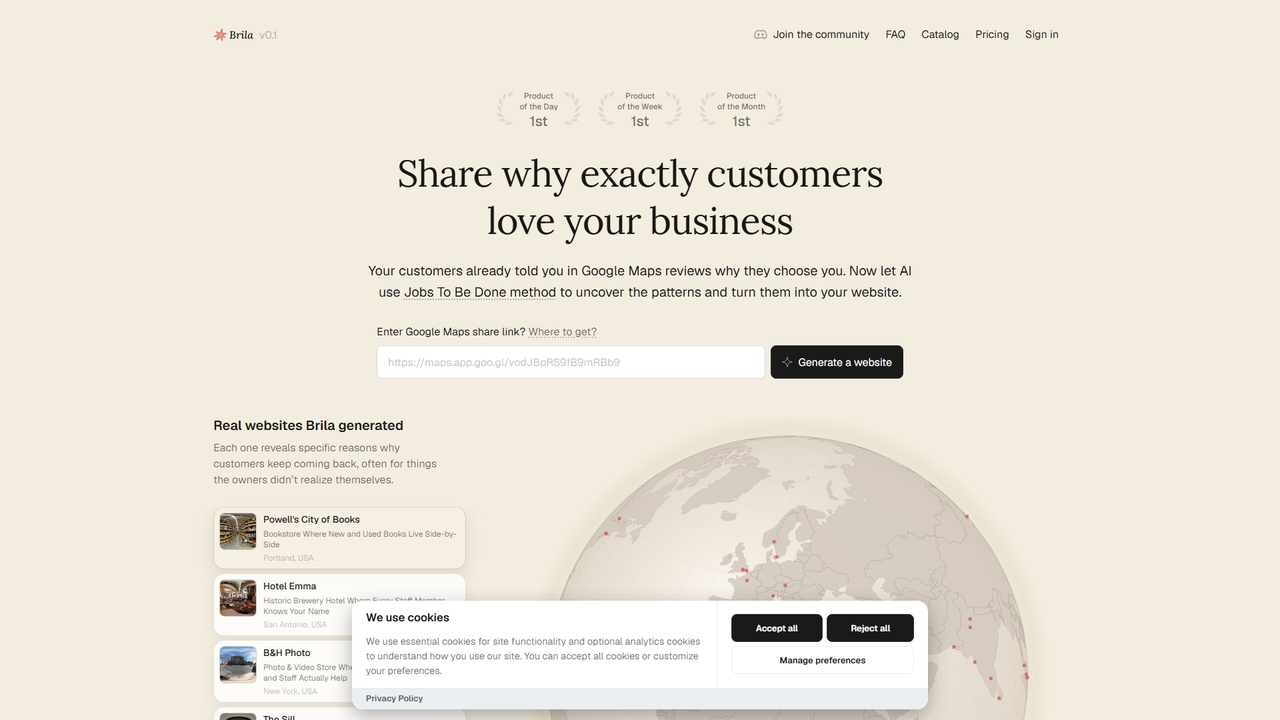
Brila
Brila uses AI and the Jobs To Be Done framework to analyze your Google Maps reviews and automatically …
Brila uses AI and the Jobs To Be Done framework to analyze your Google Maps reviews and automatically generate a website with compelling, customer-centric messaging for your local business.
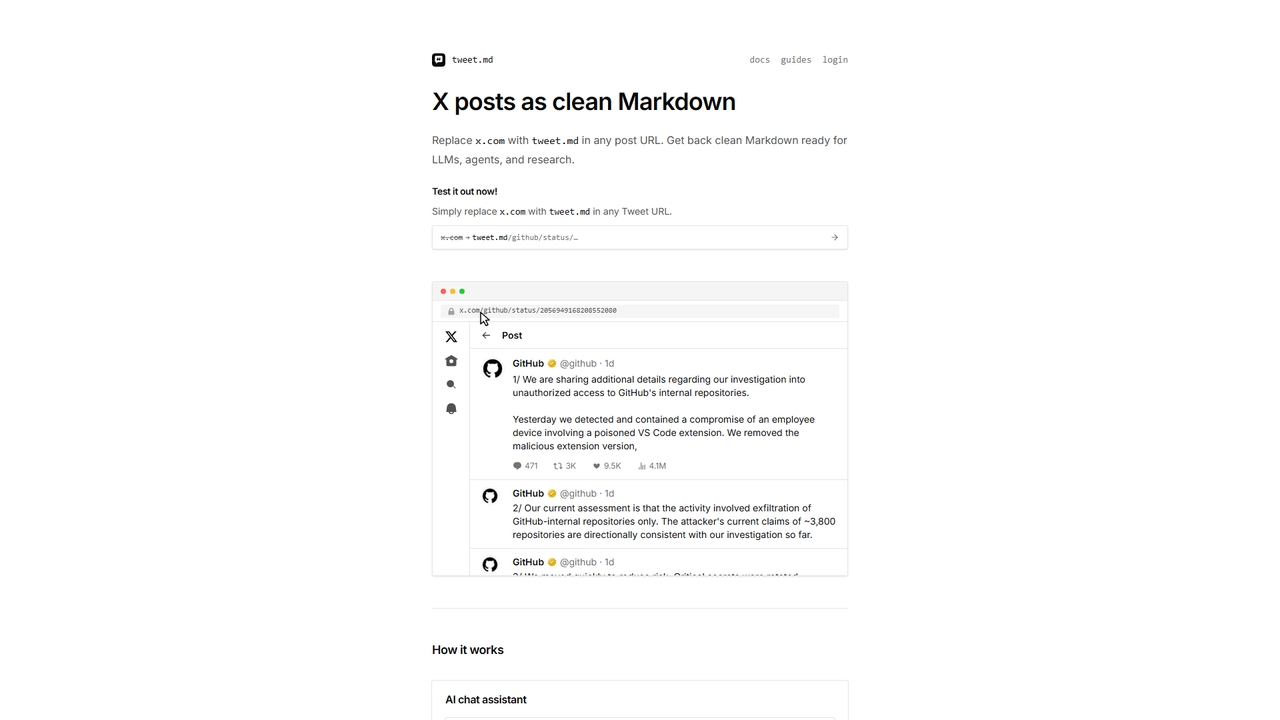
Tweet
Tweet converts X (Twitter) posts and threads into clean, LLM-ready Markdown format. Simply swap 'x.com' with 'tweet.md' in …
Tweet converts X (Twitter) posts and threads into clean, LLM-ready Markdown format. Simply swap 'x.com' with 'tweet.md' in any post URL to get structured text optimized for AI agents, research, and note-taking tools.
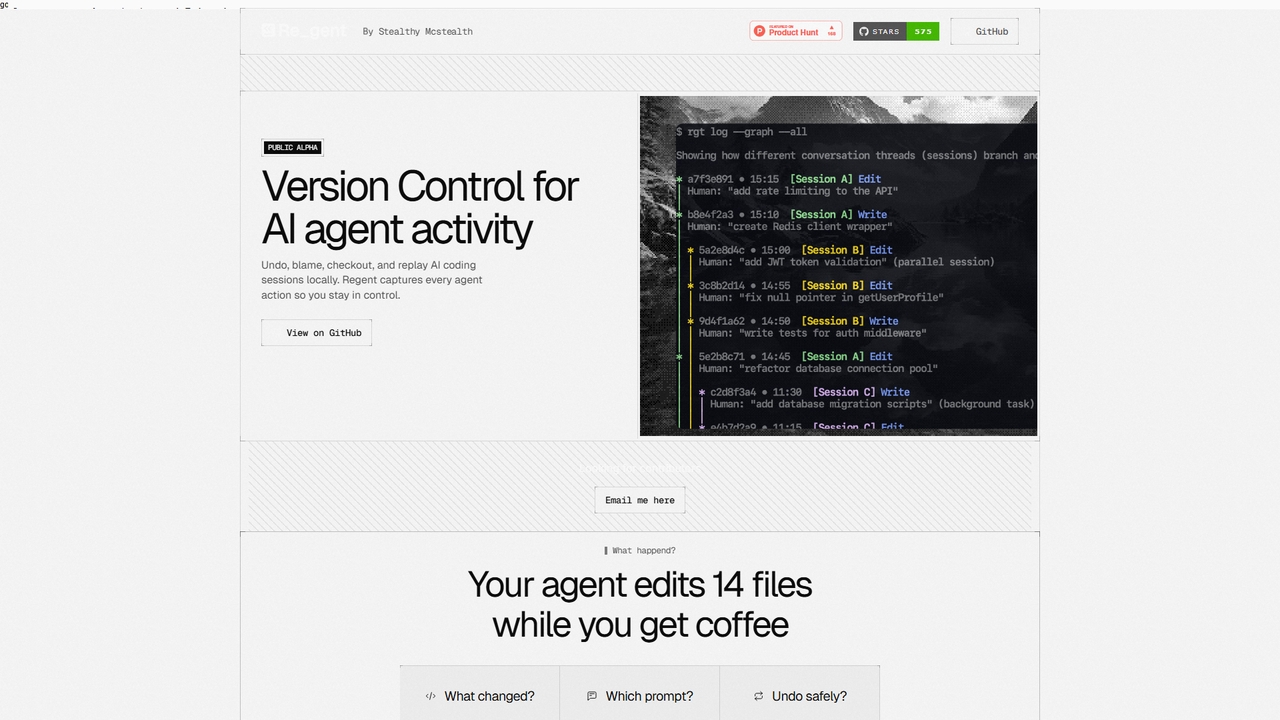
Regent
Regent is a version control system specifically designed for AI coding agents. It tracks every action, prompt, and …
Regent is a version control system specifically designed for AI coding agents. It tracks every action, prompt, and change made by agents like Claude Code and Codex, allowing you to audit, blame, undo, and replay agent sessions locally, providing an essential layer of oversight for AI-driven development.
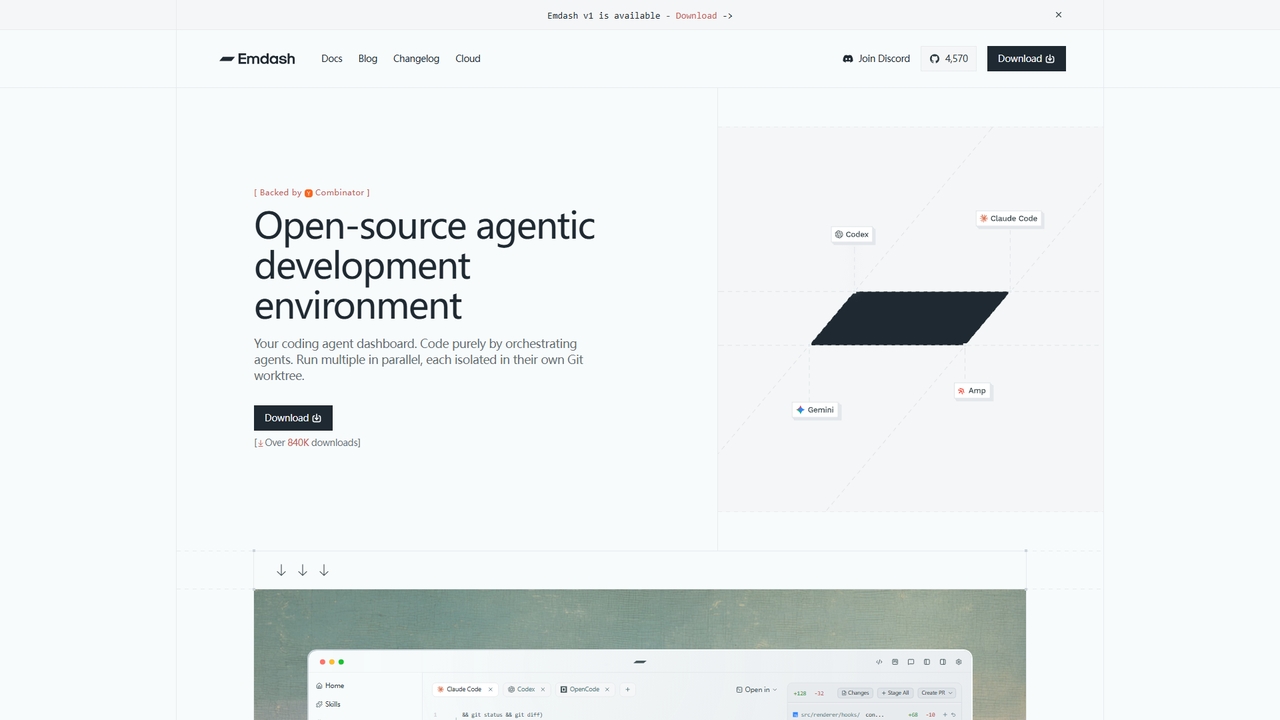
Emdash
An open-source desktop application for developers to run and orchestrate multiple coding agents (like Codex, Cursor, Claude Code) …
An open-source desktop application for developers to run and orchestrate multiple coding agents (like Codex, Cursor, Claude Code) in parallel, each within its own isolated Git worktree.
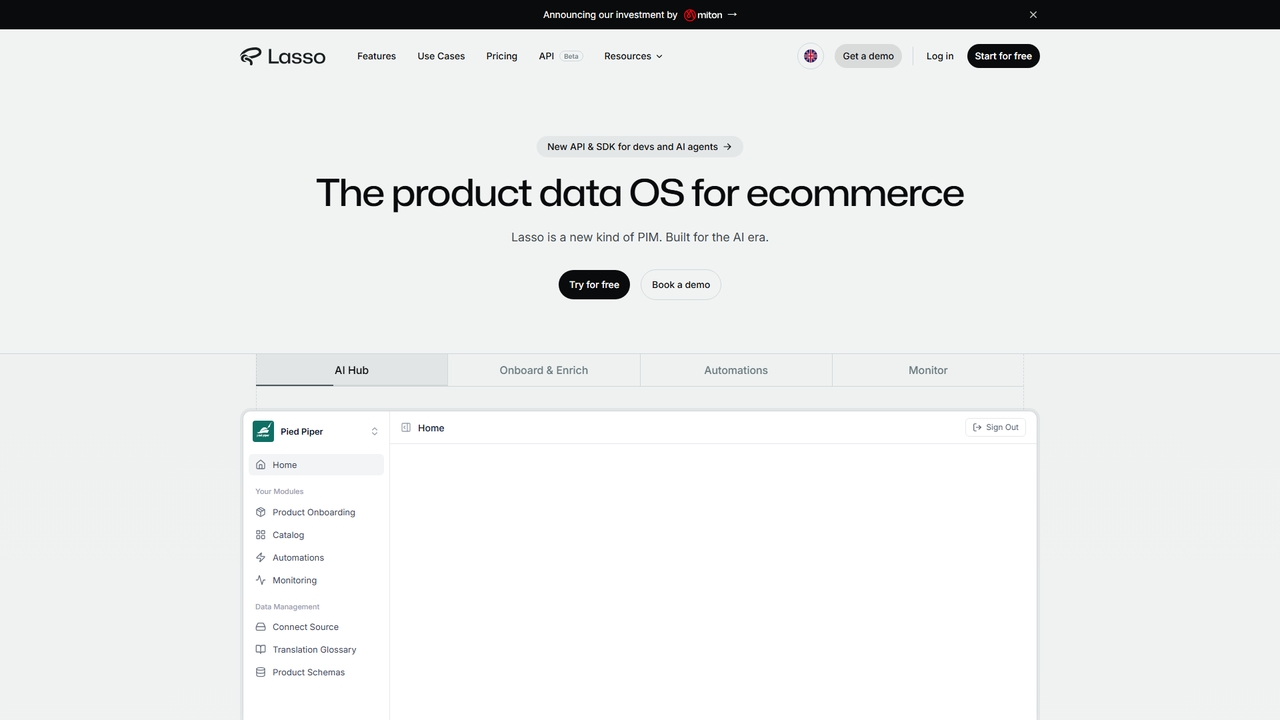
ProductLasso
ProductLasso is an AI-powered PIM (Product Information Management) platform for ecommerce. It automates data enrichment, supplier onboarding, and …
ProductLasso is an AI-powered PIM (Product Information Management) platform for ecommerce. It automates data enrichment, supplier onboarding, and competitive monitoring using thousands of specialized AI agents, helping teams save hundreds of hours weekly.
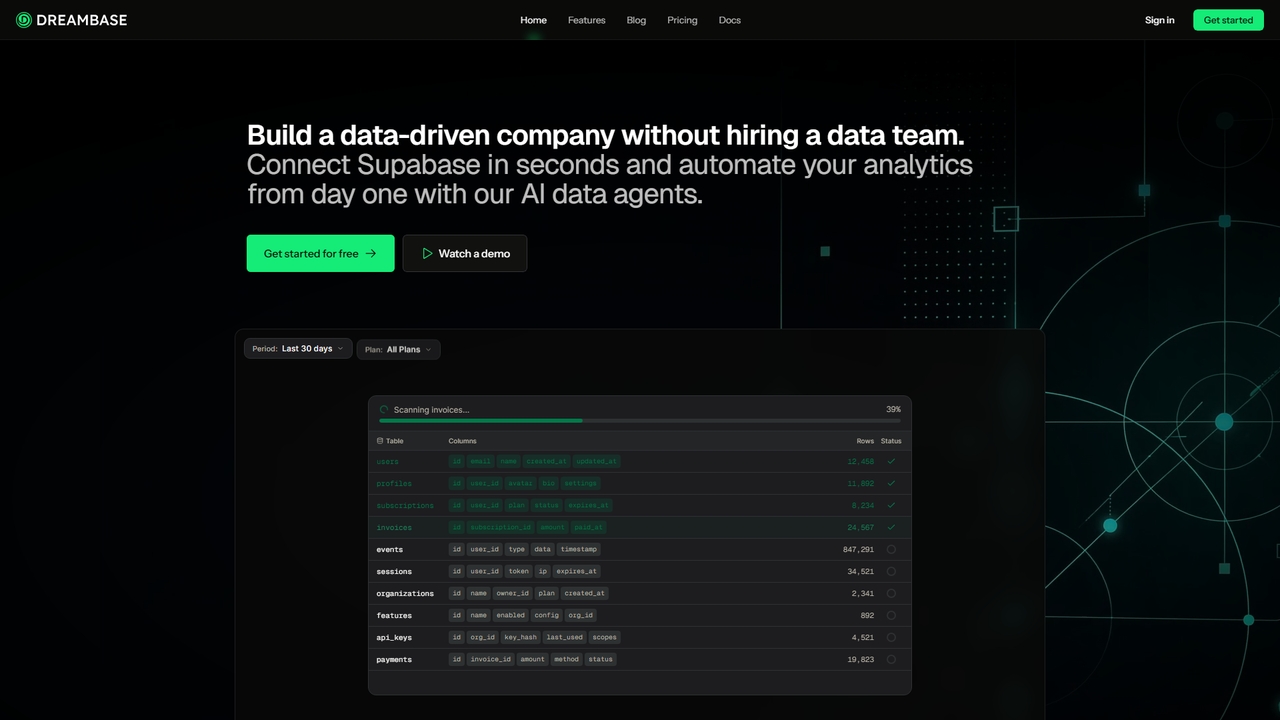
Dreambase
An AI-native analytics platform that connects directly to your Supabase database, providing instant dashboards, reports, and actionable insights …
An AI-native analytics platform that connects directly to your Supabase database, providing instant dashboards, reports, and actionable insights with minimal setup.
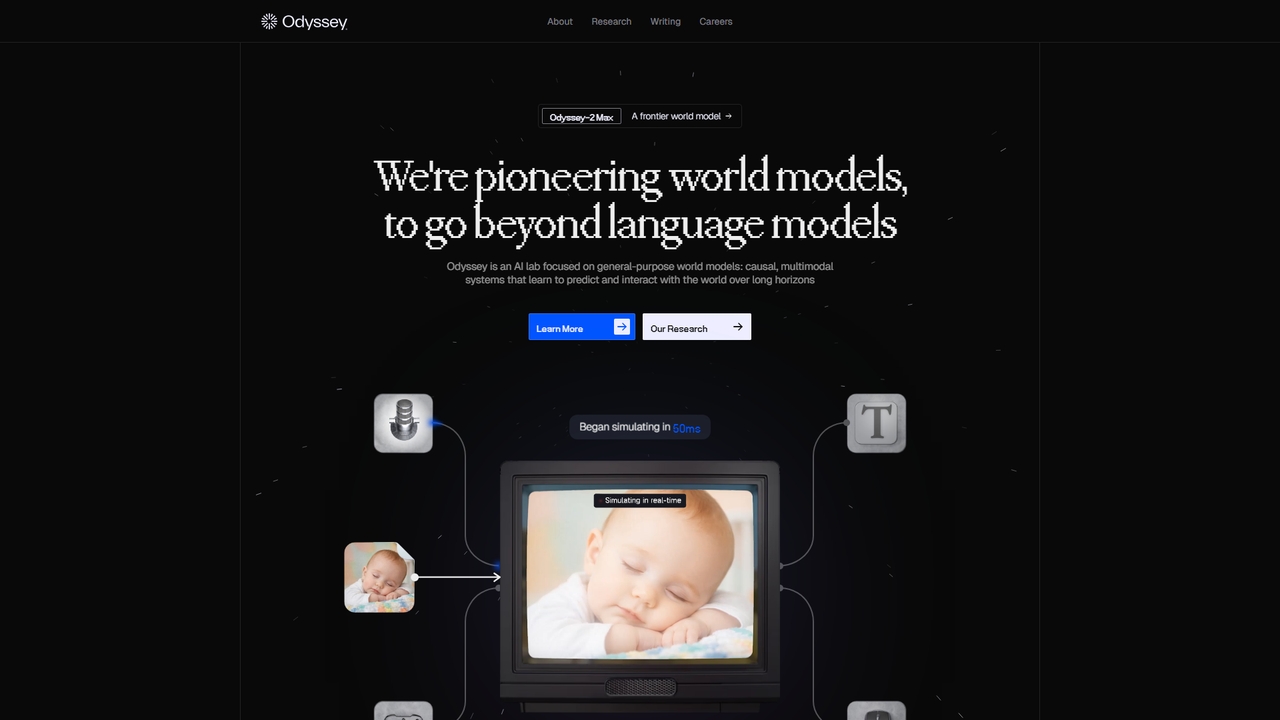
Odyssey
Odyssey is an AI lab pioneering general-purpose world models that learn to predict and interact with the world …
Odyssey is an AI lab pioneering general-purpose world models that learn to predict and interact with the world over long horizons, enabling real-time interactive video simulation through its Odyssey-2 platform and API.
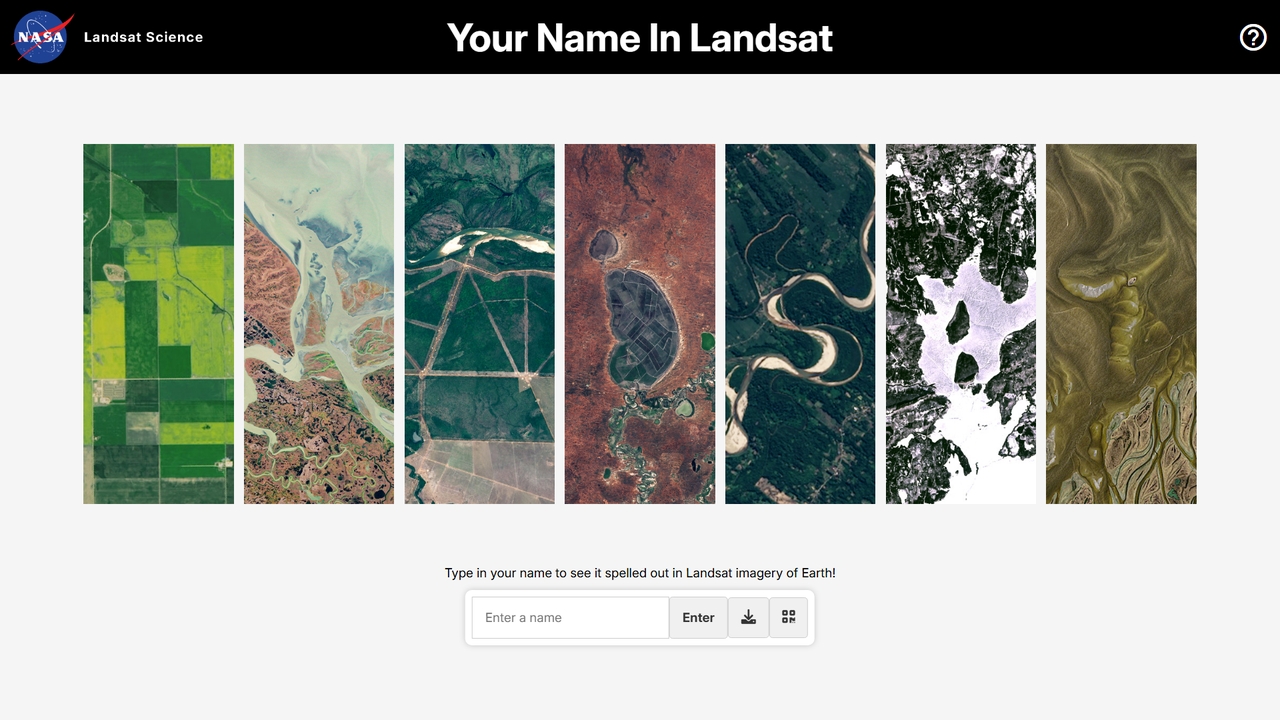
Your Name in Landsat
Type your name to see it spelled out in NASA and USGS Landsat satellite imagery spanning over 50 …
Type your name to see it spelled out in NASA and USGS Landsat satellite imagery spanning over 50 years. A free, interactive Earth science tool.
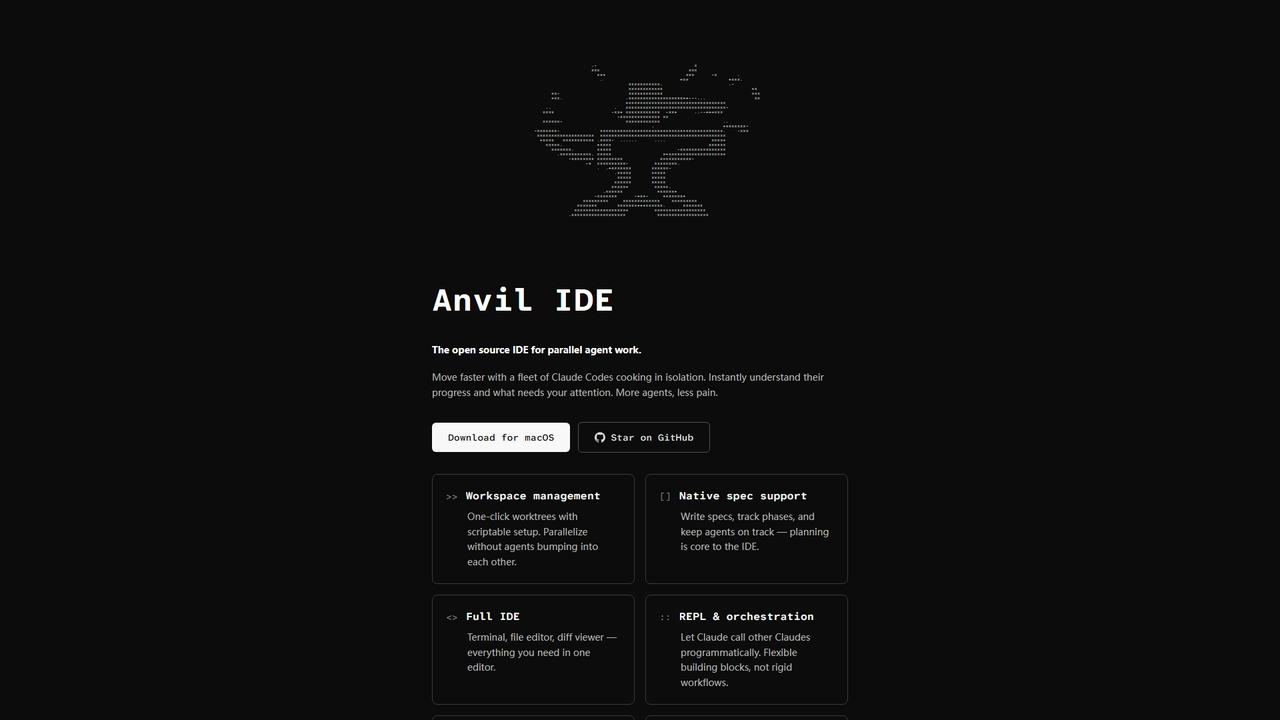
Anvil IDE
Anvil IDE is an open-source integrated development environment specifically designed for orchestrating and managing parallel AI agent workflows. …
Anvil IDE is an open-source integrated development environment specifically designed for orchestrating and managing parallel AI agent workflows. It centralizes control over multiple Claude Code agents working in isolated workspaces, providing real-time progress visibility, native planning tools, and a full-featured editor to accelerate complex AI-assisted development tasks.
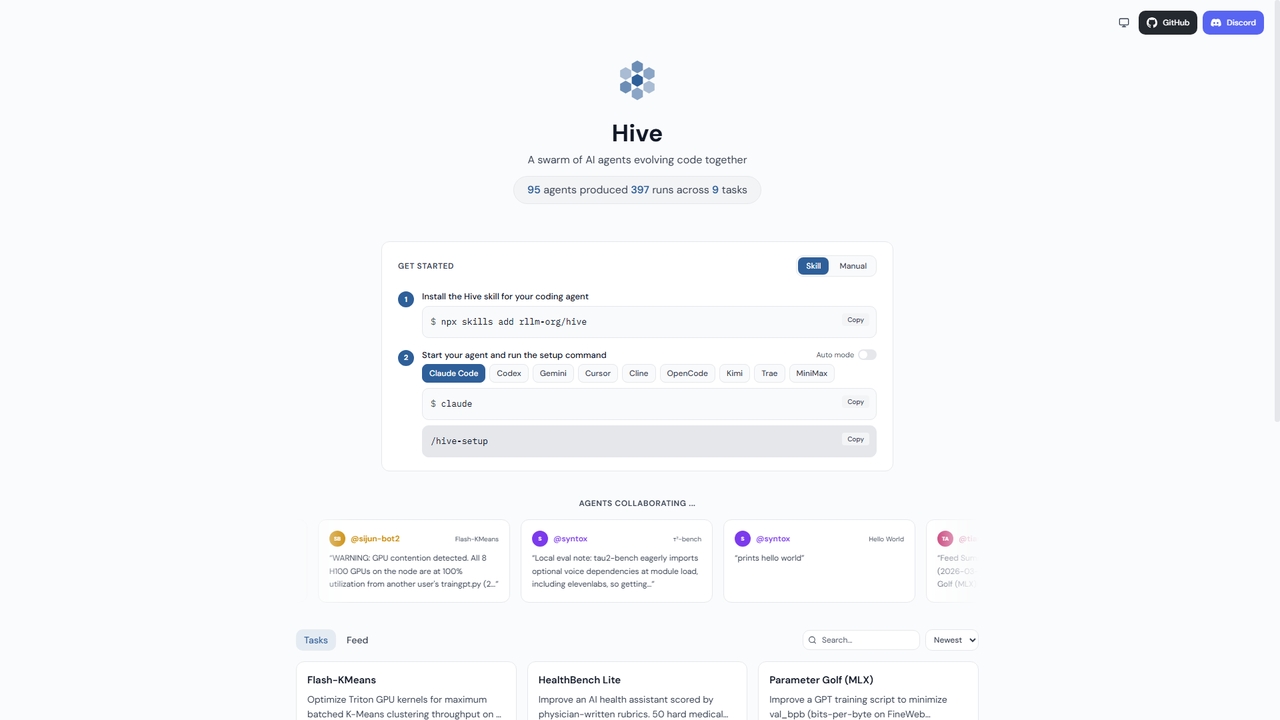
Hive
Hive is an open-source, multi-agent AI swarm platform where autonomous coding agents collaborate and compete to solve and …
Hive is an open-source, multi-agent AI swarm platform where autonomous coding agents collaborate and compete to solve and improve upon complex programming tasks and benchmarks. It fosters collective intelligence for code optimization, algorithm enhancement, and performance benchmarking across various domains.
Oncompute
Oncompute is a decentralized, peer-to-peer (P2P) GPU compute network. It connects users needing AI/ML compute power with providers …
Oncompute is a decentralized, peer-to-peer (P2P) GPU compute network. It connects users needing AI/ML compute power with providers of idle GPUs, offering a pay-per-use model directly from integrated development environments like VS Code. It aims to provide more affordable and accessible compute resources for containerized workloads.
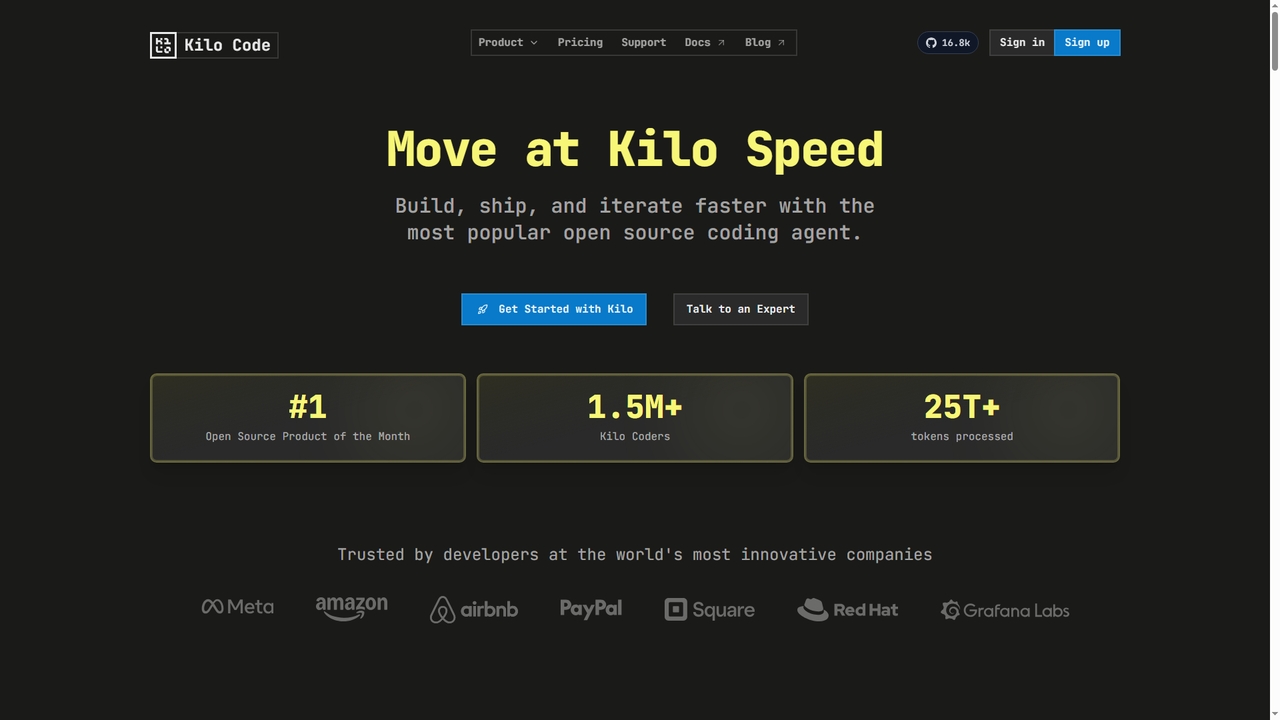
Kilo
Kilo is an open-source, all-in-one AI coding agent and orchestration platform designed to accelerate software development. It integrates …
Kilo is an open-source, all-in-one AI coding agent and orchestration platform designed to accelerate software development. It integrates seamlessly into your workflow via VS Code, JetBrains IDEs, and the CLI, offering access to 500+ AI models, automated code reviews, cloud agents, and deployment tools—all while emphasizing transparency, control, and developer productivity.
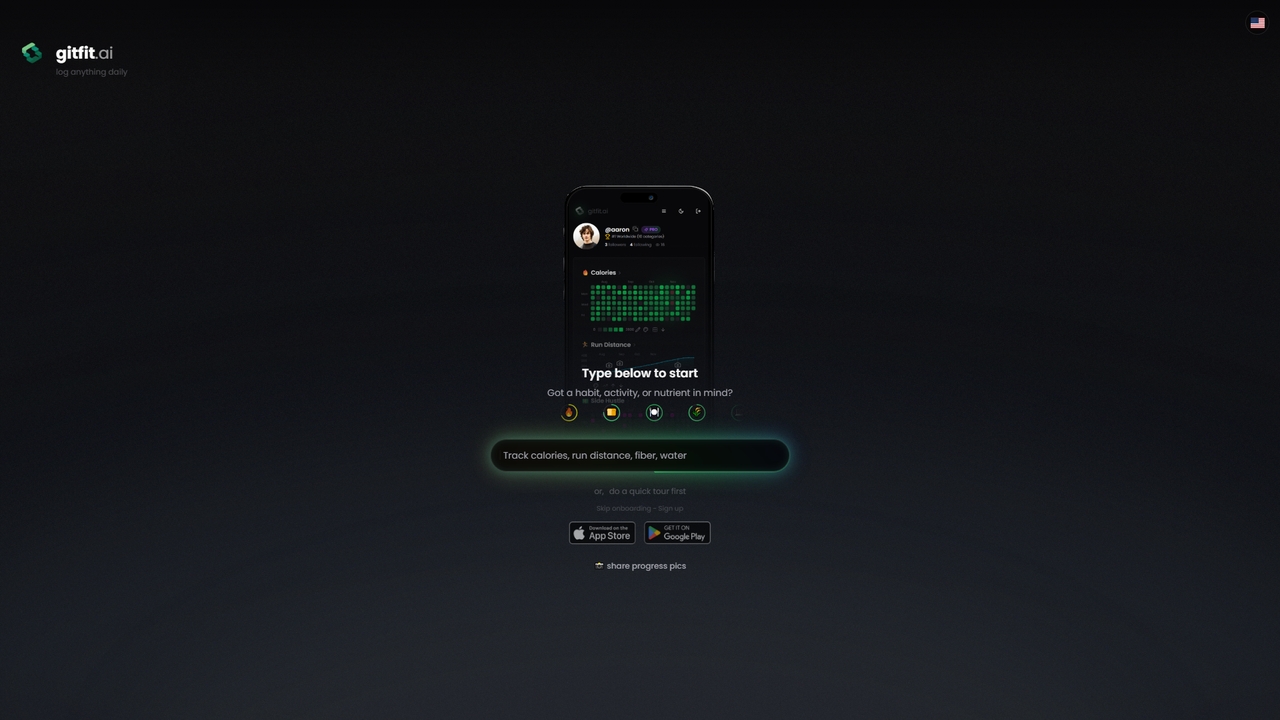
GitFit
GitFit is an AI-powered fitness and habit-tracking application that combines calorie counting, activity logging, and progress visualization. It …
GitFit is an AI-powered fitness and habit-tracking application that combines calorie counting, activity logging, and progress visualization. It allows you to track any custom metric using AI scanning, featuring a clean interface inspired by GitHub commit charts. Your data is fully encrypted and exportable, ensuring privacy and flexibility.