
ToolMage
Connexion
PixelFree Studio
Du Design au Code · 7.2K visites mensuelles

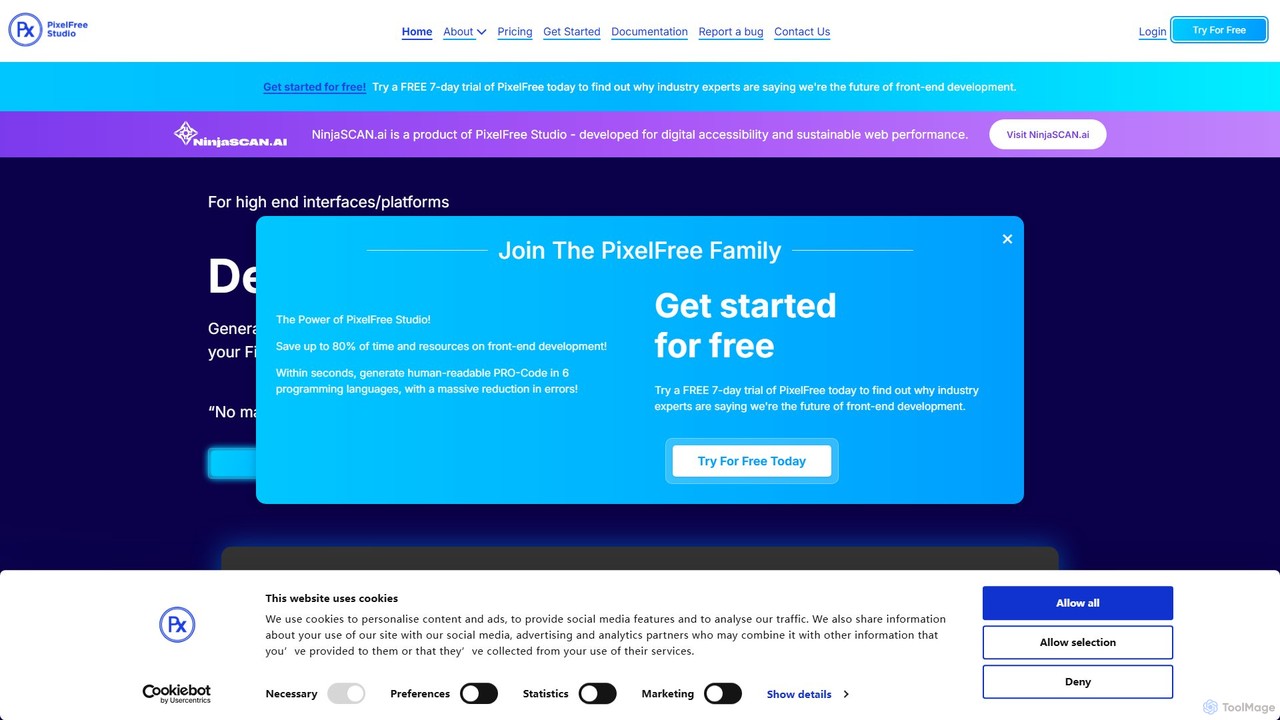
PixelFree Studio est un constructeur d'applications low-code qui transforme les designs d'interface utilisateur en code propre et prêt pour la production. Il se spécialise dans l'importation de designs Figma et leur exportation vers de multiples frameworks comme React, Vue, Angular et C#, rationalisant ainsi le flux de travail de la conception au développement et accélérant la création d'applications.

VS
PolymorphApp
Low-Code No-Code · 4.2K visites mensuelles

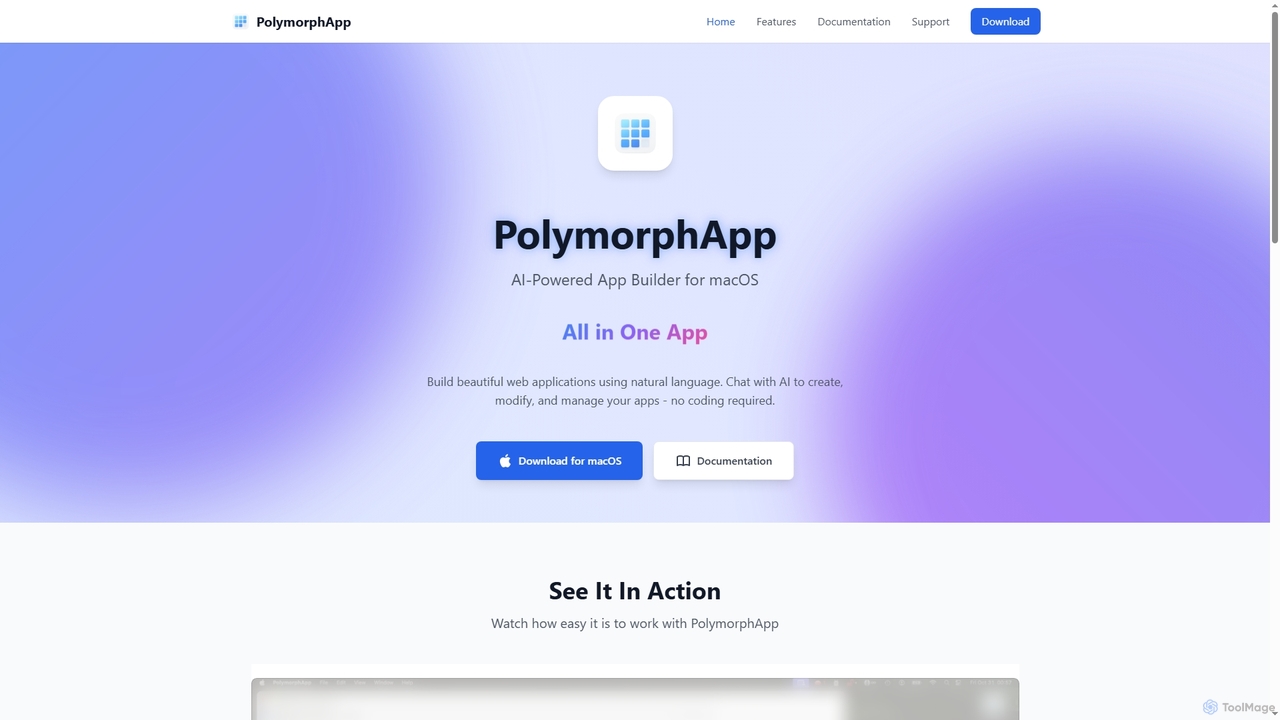
PolymorphApp est un constructeur d'applications pour macOS alimenté par l'IA qui permet aux utilisateurs de créer des applications web, des backends Node.js, des interfaces graphiques de bureau Python et des outils CLI en utilisant le langage naturel. Aucune programmation n'est requise ; discutez simplement avec l'IA pour construire, modifier et gérer vos projets.

PixelFree Studio vs PolymorphApp : prix, fonctions et trafic

Comparez PixelFree Studio et PolymorphApp selon leur positionnement, prix, fonctions, trafic et avis.

Mis à jour 5 août 2026

Aperçu du produit

PixelFree Studio Aperçu du produit

PixelFree Studio est un constructeur d'applications low-code qui transforme les designs d'interface utilisateur en code propre et prêt pour la production. Il se spécialise dans l'importation de designs Figma et leur exportation vers de multiples frameworks comme React, Vue, Angular et C#, rationalisant ainsi le flux de travail de la conception au développement et accélérant la création d'applications.
Preview

PolymorphApp Aperçu du produit

PolymorphApp est un constructeur d'applications pour macOS alimenté par l'IA qui permet aux utilisateurs de créer des applications web, des backends Node.js, des interfaces graphiques de bureau Python et des outils CLI en utilisant le langage naturel. Aucune programmation n'est requise ; discutez simplement avec l'IA pour construire, modifier et gérer vos projets.

Preview

Detailed feature comparison

FeaturePixelFree StudioPolymorphApp
Catégorie principaleDu Design au CodeLow-Code No-Code
Ajouté2025-08-032025-11-04
TarificationFreemiumFreemium
Site officielpixelfreestudio.comgetpolymorph.org
Type de produitApplicationApplication
Performance data
Note utilisateurNon vérifiéNon vérifié
Commentaires00
Visites mensuelles7.2K4.2K
Croissance mensuelle-37.8%Non vérifié
Favoris103137
DetailsVoir les détailsVoir les détails

PixelFree Studio vs PolymorphApp monthly traffic

Compare PixelFree Studio and PolymorphApp by monthly reach, traffic trend, visit depth, top regions, and acquisition sources.

How to interpret the traffic data

In the PixelFree Studio vs PolymorphApp monthly traffic comparison, PixelFree Studio currently shows 7.2K visits and PolymorphApp shows 4.2K; PixelFree Studio has about 1.7 times the visible traffic of PolymorphApp, an absolute difference of about 3K visits. This reflects visible reach, not feature quality or paid users.

Only PixelFree Studio has complete third-party traffic details; PolymorphApp uses visits recorded inside ToolMage. These scopes cannot estimate market share directly, and on-site views should not be treated as the product’s total website traffic.

PixelFree Studio monthly traffic:

Latest traffic

Visites mensuelles
7.2K
Durée moyenne
0:17
Pages par visite
2.01
Taux de rebond
45.83%
Data updated 2026-06-15

Monthly traffic trend

  • 2025/9: 57.6K Visites mensuelles
  • 2026/1: 53.8K Visites mensuelles
  • 2026/2: 22.6K Visites mensuelles
  • 2026/3: 15.5K Visites mensuelles
  • 2026/4: 11.5K Visites mensuelles
  • 2026/5: 7.2K Visites mensuelles

Principales régions

Top 5 countries/regions
Country/regionPercentageTraffic
🇩🇪Germany25.96%1.9K
🇺🇸United States25.56%1.8K
🇮🇳India21.4%1.5K
🇧🇷Brazil16.06%1.2K
🇲🇽Mexico11.02%790

Mots-clés

brutalist webdesigndegrade button effecthow to manage real-time collection of data in appsssr web componentsui binding

PolymorphApp monthly traffic:

Latest traffic

Visites mensuelles
4.2K
Traffic-based selection guidance: The current traffic scope is not sufficient for a reliable product ranking. Treat monthly visits as a market-interest signal, then decide using taxonomy, use cases, pricing, and a like-for-like trial rather than reading exposure as product capability.

Usage comparison

Compare the core capabilities of PixelFree Studio and PolymorphApp

PixelFree Studio Core features

Low-Code No-Code
Outils pour les développeurs
Du Design au Code

PolymorphApp Core features

Low-Code No-Code
Outils pour les développeurs
Développement de logiciels

Use cases

PixelFree Studio Use cases

Créateur d'applications
low-code
No-code
développement web
Angular
Design vers Code
Créateur d'applications de bureau
Figma vers Code
Développement frontend
React
Constructeur d'UI
Vue

PolymorphApp Use cases

Créateur d'applications
low-code
No-code
développement web
Développement de l'IA
Outil CLI
application de bureau
macOS
Node.js
Python

Best suited roles

PixelFree Studio Best suited roles

Aucune donnée vérifiée

PolymorphApp Best suited roles

Développeur Amateur
Chef de Produit
Développeur de logiciels
étudiant
Développeur web

PixelFree Studio vs PolymorphApp:In-depth comparison and selection guidance

First decide whether the products solve the same kind of need

This in-depth PixelFree Studio vs PolymorphApp comparison uses only the product records, taxonomy, audience, traffic, and community signals available on this page. PixelFree Studio is primarily listed under “Du Design au Code”, while PolymorphApp is primarily listed under “Low-Code No-Code”, so the first decision is whether your actual task matches their recorded scope.

The structured fields currently show these decision-relevant differences: Primary category (PixelFree Studio: Du Design au Code; PolymorphApp: Low-Code No-Code); Monthly visits (PixelFree Studio: 7.2K; PolymorphApp: 4.2K); Favorites (PixelFree Studio: 103; PolymorphApp: 137); Website (PixelFree Studio: pixelfreestudio.com; PolymorphApp: getpolymorph.org); Added (PixelFree Studio: 2025-08-03; PolymorphApp: 2025-11-04). These facts are more useful for selection than brand visibility alone.

What market visibility and monthly traffic mean

In the PixelFree Studio vs PolymorphApp monthly traffic comparison, PixelFree Studio currently shows 7.2K visits and PolymorphApp shows 4.2K; PixelFree Studio has about 1.7 times the visible traffic of PolymorphApp, an absolute difference of about 3K visits. This reflects visible reach, not feature quality or paid users.

Only PixelFree Studio has complete third-party traffic details; PolymorphApp uses visits recorded inside ToolMage. These scopes cannot estimate market share directly, and on-site views should not be treated as the product’s total website traffic.

The current traffic scope is not sufficient for a reliable product ranking. Treat monthly visits as a market-interest signal, then decide using taxonomy, use cases, pricing, and a like-for-like trial rather than reading exposure as product capability.

Product positioning, use cases, and roles

PixelFree Studio and PolymorphApp currently overlap in shared categories: Low-Code No-Code et Outils pour les développeurs; shared tags: Créateur d'applications, low-code, No-code et développement web. This can place both on the same shortlist, but it does not prove equal implementation, depth, or cost.

PixelFree Studio's unique categories/tags are Du Design au Code, Angular, Design vers Code, Créateur d'applications de bureau, Figma vers Code, Développement frontend, React et Constructeur d'UI; PolymorphApp's are Développement de logiciels, Développement de l'IA, Outil CLI, application de bureau, macOS, Node.js et Python. These unique fields are the strongest differentiators: validate the product whose recorded scope matches the task instead of following traffic alone.

What ratings, comments, and favorites can tell you

PixelFree Studio has no verified rating, 0 comments, 103 favorites, and 101 likes;PolymorphApp has no verified rating, 0 comments, 137 favorites, and 137 likes。

Neither product has enough rating or comment samples for a credible reputation ranking.

Selection guidance by actual need

When to evaluate PixelFree Studio first

Put PixelFree Studio on the priority trial list when the task aligns with “Du Design au Code” and especially Du Design au Code, Angular, Design vers Code, Créateur d'applications de bureau, Figma vers Code et Développement frontend. This follows recorded positioning and does not imply unlisted capabilities are absent.

PixelFree Studio also currently records: pricing is freemium, product type is app, 7.2K verified monthly visits, no verified user rating. Verify any hard requirement around price, platform, or reach before trial, and do not let sparse review data substitute for testing.

When to evaluate PolymorphApp first

Put PolymorphApp on the priority trial list when the task aligns with “Low-Code No-Code” and especially Développement de logiciels, Développement de l'IA, Outil CLI, application de bureau, macOS et Node.js, or the users include Développeur Amateur, Chef de Produit, Développeur de logiciels et étudiant. This follows recorded positioning and does not imply unlisted capabilities are absent.

PolymorphApp also currently records: pricing is freemium, product type is app, 4.2K on-site monthly views, no verified user rating. Verify any hard requirement around price, platform, or reach before trial, and do not let sparse review data substitute for testing.

How to validate the recommendation before deciding

The available data describes positioning, public visibility, and community signals, but it cannot prove output quality, speed, integration effort, privacy, or long-term cost in your workflow. Before deciding, run the same representative tasks in PixelFree Studio and PolymorphApp, then record completion time, accuracy, manual corrections, and the real paid threshold. A like-for-like trial turns this comparison into a defensible adoption decision.

FAQ comparative

How should I choose between PixelFree Studio and PolymorphApp?
Compare positioning, pricing, taxonomy, and traffic maturity, then verify the latest details on each official website.
Where does this comparison data come from?
The factual baseline is derived from product, taxonomy, traffic, and community data. Reviewed editorial conclusions show their source and verification date.
What do unknown fields mean?
Unknown means there is not enough reliable evidence; the page does not fill gaps with assumptions.