EcoSemantic
研究助手 · 3.6K 月間訪問数
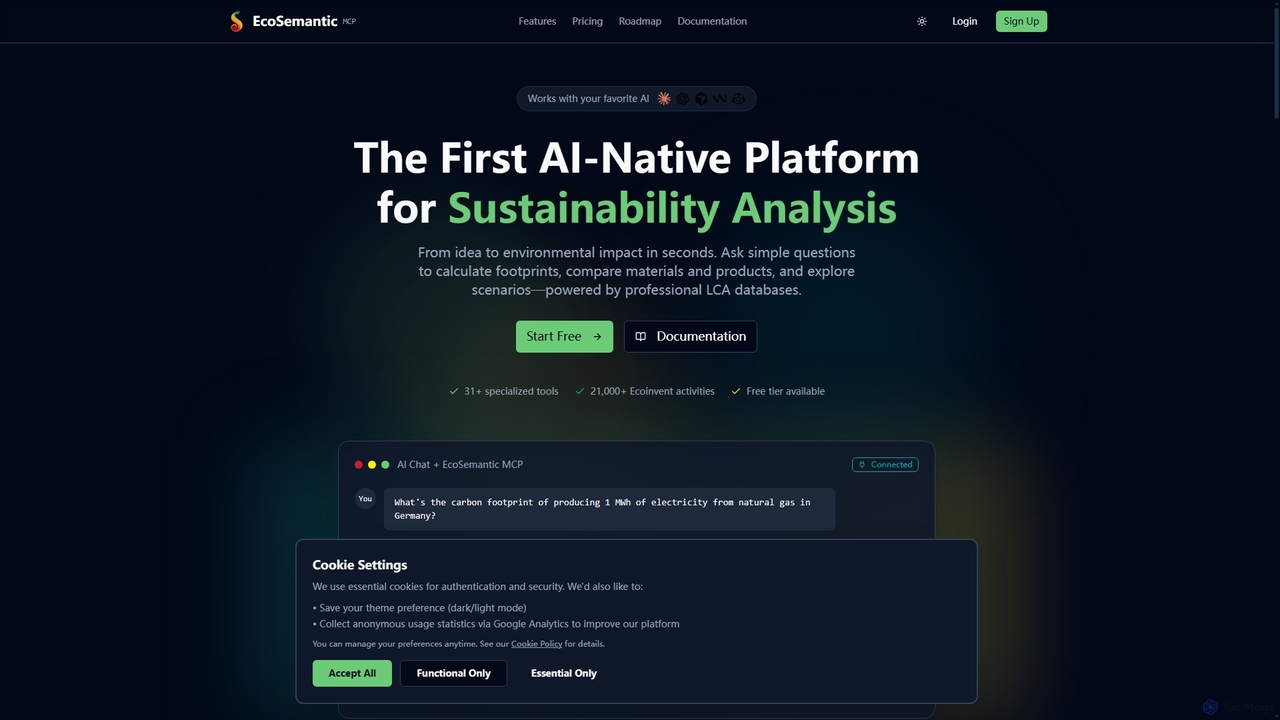
EcoSemanticは、複雑なライフサイクルアセスメント(LCA)分析を会話型体験に変えるAIネイティブプラットフォームです。ユーザーは自然言語を使用してEcoinventデータベースの専門的な環境データを照会し、数秒でフットプリントを計算し、材料を比較し、持続可能性シナリオを探索できます。
EcoSemanticは、複雑なライフサイクルアセスメント(LCA)分析を会話型体験に変えるAIネイティブプラットフォームです。ユーザーは自然言語を使用してEcoinventデータベースの専門的な環境データを照会し、数秒でフットプリントを計算し、材料を比較し、持続可能性シナリオを探索できます。
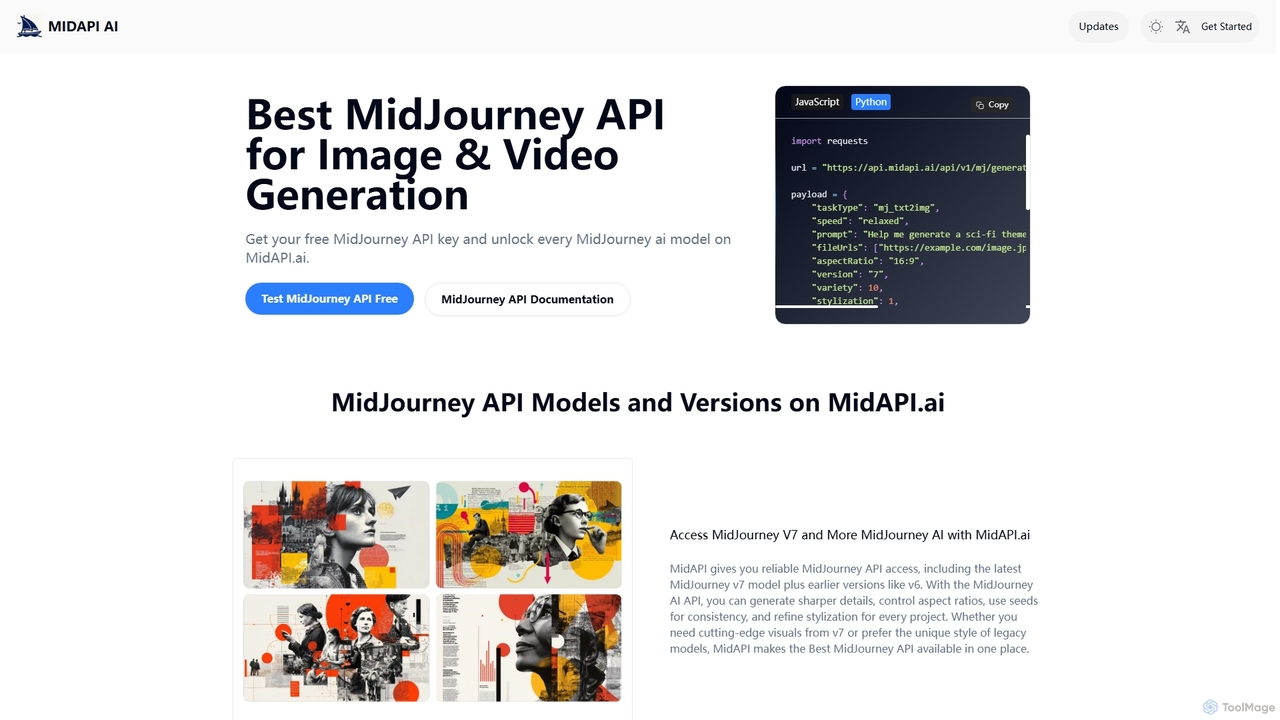
MidAPIは、画像生成用の最新V7およびビデオ作成用のV1モデルを含む、MidJourneyの強力なAIモデルへの信頼性の高いAPIアクセスを提供します。開発者やクリエイターがプログラムで高品質な画像やアニメーションクリップを生成できるようにし、テスト用の無料プレイグラウンドも提供しています。
EcoSemanticは、複雑なライフサイクルアセスメント(LCA)分析を会話型体験に変えるAIネイティブプラットフォームです。ユーザーは自然言語を使用してEcoinventデータベースの専門的な環境データを照会し、数秒でフットプリントを計算し、材料を比較し、持続可能性シナリオを探索できます。
MidAPIは、画像生成用の最新V7およびビデオ作成用のV1モデルを含む、MidJourneyの強力なAIモデルへの信頼性の高いAPIアクセスを提供します。開発者やクリエイターがプログラムで高品質な画像やアニメーションクリップを生成できるようにし、テスト用の無料プレイグラウンドも提供しています。
Compare EcoSemantic and MidAPI by monthly reach, traffic trend, visit depth, top regions, and acquisition sources.
In the EcoSemantic vs MidAPI monthly traffic comparison, EcoSemantic currently shows 3.6K visits and MidAPI shows 3.5K; the two products have similar visible traffic, an absolute difference of about 122 visits. This reflects visible reach, not feature quality or paid users.
Both values come from visits recorded inside ToolMage. They can indicate relative interest on this site, but not total website traffic or global market share.
This in-depth EcoSemantic vs MidAPI comparison uses only the product records, taxonomy, audience, traffic, and community signals available on this page. EcoSemantic is primarily listed under “研究助手”, while MidAPI is primarily listed under “APIと統合”, so the first decision is whether your actual task matches their recorded scope.
The structured fields currently show these decision-relevant differences: Primary category (EcoSemantic: 研究助手; MidAPI: APIと統合); Monthly visits (EcoSemantic: 3.6K; MidAPI: 3.5K); Favorites (EcoSemantic: 48; MidAPI: 170); Website (EcoSemantic: ecosemantic.com; MidAPI: midapi.ai); Added (EcoSemantic: 2025-12-17; MidAPI: 2025-10-26). These facts are more useful for selection than brand visibility alone.
In the EcoSemantic vs MidAPI monthly traffic comparison, EcoSemantic currently shows 3.6K visits and MidAPI shows 3.5K; the two products have similar visible traffic, an absolute difference of about 122 visits. This reflects visible reach, not feature quality or paid users.
Both values come from visits recorded inside ToolMage. They can indicate relative interest on this site, but not total website traffic or global market share.
The current traffic scope is not sufficient for a reliable product ranking. Treat monthly visits as a market-interest signal, then decide using taxonomy, use cases, pricing, and a like-for-like trial rather than reading exposure as product capability.
EcoSemantic and MidAPI currently overlap in shared categories: APIと統合; shared roles: プロダクトデザイナー. This can place both on the same shortlist, but it does not prove equal implementation, depth, or cost.
EcoSemantic's unique categories/tags are 研究助手、Environmental Data、Life Cycle Assessment、AI、人工知能、カーボンフットプリント、エコデザイン、Ecoinvent; MidAPI's are API、AI画像生成、AI動画生成、APIキー、クリエイティブAI、開発者ツール、画像から画像へ、画像アップスケール. These unique fields are the strongest differentiators: validate the product whose recorded scope matches the task instead of following traffic alone.
EcoSemantic has no verified rating, 0 comments, 48 favorites, and 35 likes;MidAPI has no verified rating, 0 comments, 170 favorites, and 154 likes。
Neither product has enough rating or comment samples for a credible reputation ranking.
Put EcoSemantic on the priority trial list when the task aligns with “研究助手” and especially 研究助手、Environmental Data、Life Cycle Assessment、AI、人工知能、カーボンフットプリント, or the users include データサイエンティスト、環境エンジニア、ESGコンサルタント、研究開発スペシャリスト. This follows recorded positioning and does not imply unlisted capabilities are absent.
EcoSemantic also currently records: pricing is freemium, product type is website, 3.6K on-site monthly views, no verified user rating. Verify any hard requirement around price, platform, or reach before trial, and do not let sparse review data substitute for testing.
Put MidAPI on the priority trial list when the task aligns with “APIと統合” and especially API、AI画像生成、AI動画生成、APIキー、クリエイティブAI、開発者ツール, or the users include AI研究者、コンテンツクリエイター、グラフィックデザイナー、マーケティングマネージャー. This follows recorded positioning and does not imply unlisted capabilities are absent.
MidAPI also currently records: pricing is freemium, product type is website, 3.5K on-site monthly views, no verified user rating. Verify any hard requirement around price, platform, or reach before trial, and do not let sparse review data substitute for testing.
The available data describes positioning, public visibility, and community signals, but it cannot prove output quality, speed, integration effort, privacy, or long-term cost in your workflow. Before deciding, run the same representative tasks in EcoSemantic and MidAPI, then record completion time, accuracy, manual corrections, and the real paid threshold. A like-for-like trial turns this comparison into a defensible adoption decision.