fsck.ai
코드 어시스턴트 · 798 월 방문
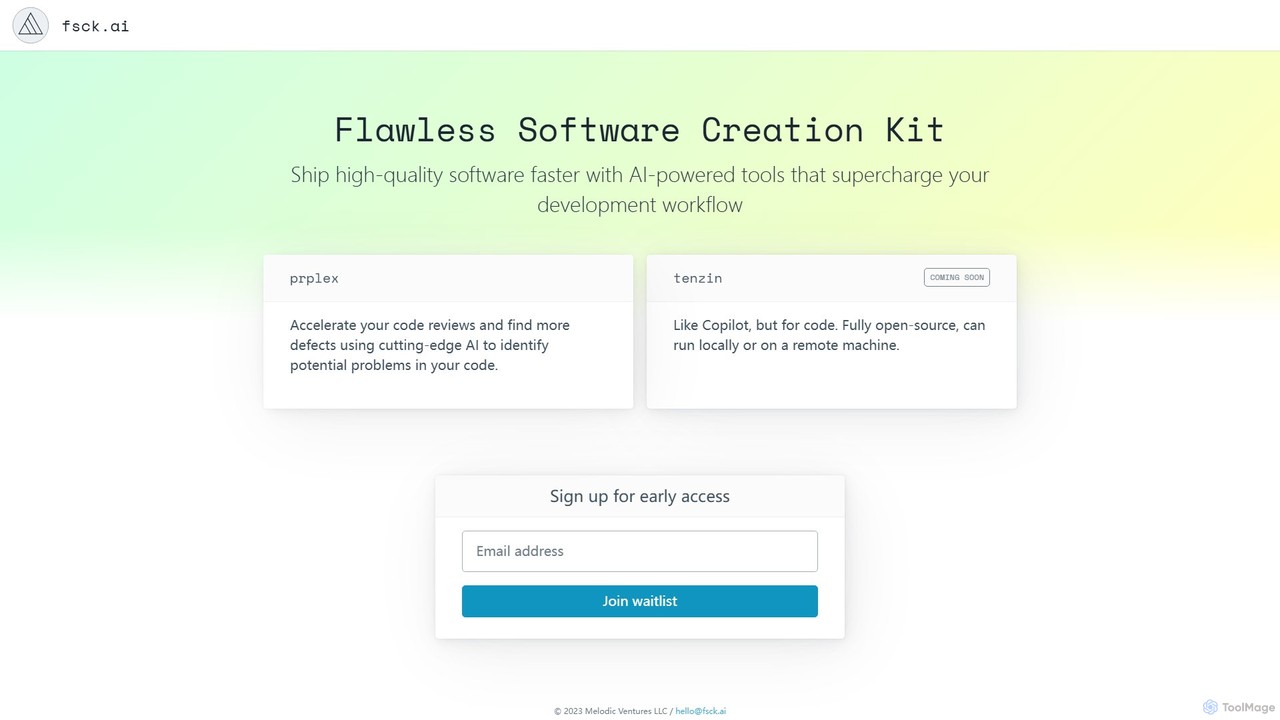
fsck.ai는 개발 워크플로우를 가속화하기 위해 설계된 오픈소스 AI 기반 코드 리뷰 어시스턴트입니다. 풀 리퀘스트를 자동으로 분석하고 잠재적인 결함과 버그를 식별하며, GitHub 내에서 직접 피드백을 제공하여 코드 품질을 위한 Copilot처럼 작동합니다.
fsck.ai는 개발 워크플로우를 가속화하기 위해 설계된 오픈소스 AI 기반 코드 리뷰 어시스턴트입니다. 풀 리퀘스트를 자동으로 분석하고 잠재적인 결함과 버그를 식별하며, GitHub 내에서 직접 피드백을 제공하여 코드 품질을 위한 Copilot처럼 작동합니다.
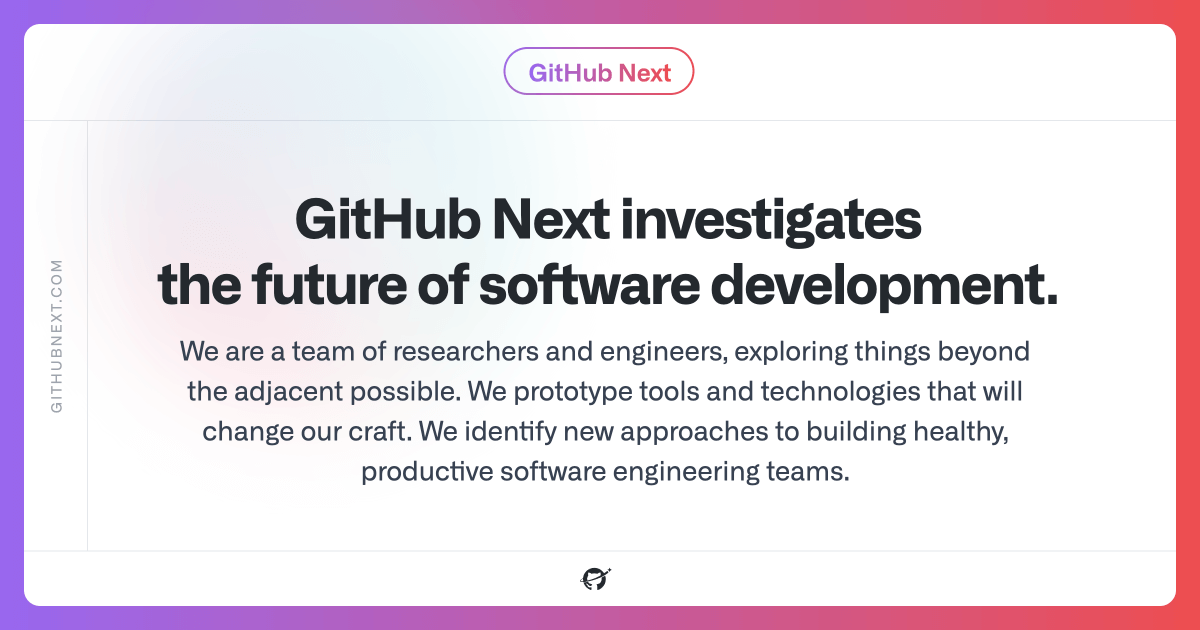
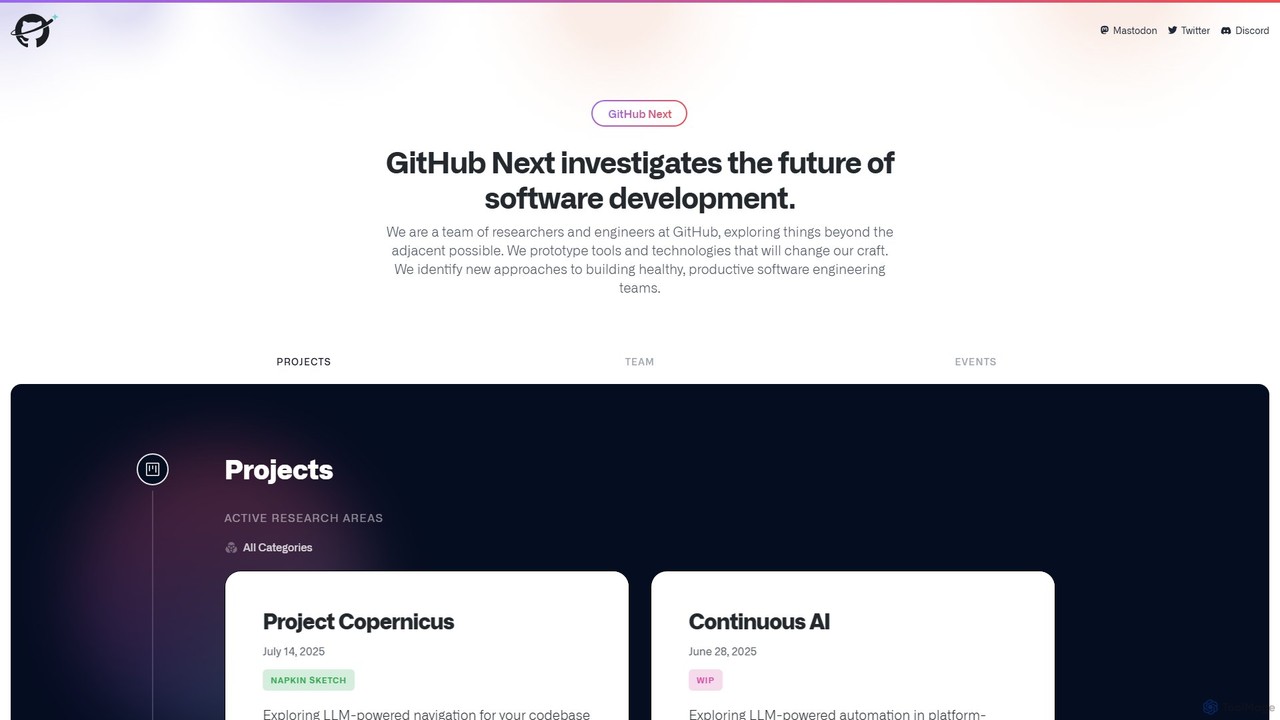
GitHub Next는 소프트웨어 개발의 미래를 탐구하는 GitHub의 연구 및 혁신 연구소입니다. AI에 중점을 둔 새로운 도구와 기술을 개척하여 개발자 생산성, 협업 및 전반적인 경험을 향상시킵니다.
fsck.ai는 개발 워크플로우를 가속화하기 위해 설계된 오픈소스 AI 기반 코드 리뷰 어시스턴트입니다. 풀 리퀘스트를 자동으로 분석하고 잠재적인 결함과 버그를 식별하며, GitHub 내에서 직접 피드백을 제공하여 코드 품질을 위한 Copilot처럼 작동합니다.
GitHub Next는 소프트웨어 개발의 미래를 탐구하는 GitHub의 연구 및 혁신 연구소입니다. AI에 중점을 둔 새로운 도구와 기술을 개척하여 개발자 생산성, 협업 및 전반적인 경험을 향상시킵니다.
Compare fsck.ai and GitHub Next by monthly reach, traffic trend, visit depth, top regions, and acquisition sources.
In the fsck.ai vs GitHub Next monthly traffic comparison, fsck.ai currently shows 798 visits and GitHub Next shows 188.1K; GitHub Next has about 235.7 times the visible traffic of fsck.ai, an absolute difference of about 187.3K visits. This reflects visible reach, not feature quality or paid users.
Both tools provide verified traffic details, so monthly trends, visit depth, regions, and acquisition sources can be compared on the same basis.
| Country/region | Percentage | Traffic |
|---|---|---|
| 🇫🇷France | 100% | 798 |
| Country/region | Percentage | Traffic |
|---|---|---|
| 🇺🇸United States | 28.87% | 54.3K |
| 🇮🇳India | 19.79% | 37.2K |
| 🇻🇳Vietnam | 19.47% | 36.6K |
| 🇷🇺Russia | 16.47% | 31K |
| 🇩🇪Germany | 15.4% | 29K |
| Source type | Percentage | Traffic |
|---|---|---|
| 직접 | 71.7% | 134.8K |
| 리퍼럴 | 27.53% | 51.8K |
| 이메일 | 0.77% | 1.4K |
This in-depth fsck.ai vs GitHub Next comparison uses only the product records, taxonomy, audience, traffic, and community signals available on this page. fsck.ai is primarily listed under “코드 어시스턴트”, while GitHub Next is primarily listed under “코드 어시스턴트”, so the first decision is whether your actual task matches their recorded scope.
The structured fields currently show these decision-relevant differences: Pricing (fsck.ai: Not disclosed; GitHub Next: Freemium); Monthly visits (fsck.ai: 798; GitHub Next: 188.1K); Monthly growth (fsck.ai: 147.8%; GitHub Next: 15.5%); Favorites (fsck.ai: 111; GitHub Next: 100); Website (fsck.ai: fsck.ai; GitHub Next: githubnext.com). These facts are more useful for selection than brand visibility alone.
In the fsck.ai vs GitHub Next monthly traffic comparison, fsck.ai currently shows 798 visits and GitHub Next shows 188.1K; GitHub Next has about 235.7 times the visible traffic of fsck.ai, an absolute difference of about 187.3K visits. This reflects visible reach, not feature quality or paid users.
Both tools provide verified traffic details, so monthly trends, visit depth, regions, and acquisition sources can be compared on the same basis.
If public market visibility is an important first-pass criterion, investigate GitHub Next first. The final choice should still follow taxonomy, use case, and a real trial because higher traffic does not prove broader capabilities or better workflow fit.
fsck.ai and GitHub Next currently overlap in shared categories: 코드 어시스턴트 및 자동화; shared tags: AI, 개발자 도구, GitHub 및 오픈 소스. This can place both on the same shortlist, but it does not prove equal implementation, depth, or cost.
fsck.ai's unique categories/tags are 코드 검토, 버그 탐지, 코드 분석, 코드 리뷰, 풀 리퀘스트, 자가 호스팅 및 정적 분석; GitHub Next's are 혁신 연구소, 코드 생성, 코파일럿, 혁신, 프로그래밍 보조, 연구 및 소프트웨어 개발. These unique fields are the strongest differentiators: validate the product whose recorded scope matches the task instead of following traffic alone.
fsck.ai has no verified rating, 0 comments, 111 favorites, and 116 likes;GitHub Next has no verified rating, 0 comments, 100 favorites, and 102 likes。
Neither product has enough rating or comment samples for a credible reputation ranking.
Put fsck.ai on the priority trial list when the task aligns with “코드 어시스턴트” and especially 코드 검토, 버그 탐지, 코드 분석, 코드 리뷰, 풀 리퀘스트 및 자가 호스팅. This follows recorded positioning and does not imply unlisted capabilities are absent.
fsck.ai also currently records: pricing is not verified, product type is website, 798 verified monthly visits, no verified user rating. Verify any hard requirement around price, platform, or reach before trial, and do not let sparse review data substitute for testing.
Put GitHub Next on the priority trial list when the task aligns with “코드 어시스턴트” and especially 혁신 연구소, 코드 생성, 코파일럿, 혁신, 프로그래밍 보조 및 연구. This follows recorded positioning and does not imply unlisted capabilities are absent.
GitHub Next also currently records: pricing is freemium, product type is website, 188.1K verified monthly visits, no verified user rating. Verify any hard requirement around price, platform, or reach before trial, and do not let sparse review data substitute for testing.
The available data describes positioning, public visibility, and community signals, but it cannot prove output quality, speed, integration effort, privacy, or long-term cost in your workflow. Before deciding, run the same representative tasks in fsck.ai and GitHub Next, then record completion time, accuracy, manual corrections, and the real paid threshold. A like-for-like trial turns this comparison into a defensible adoption decision.