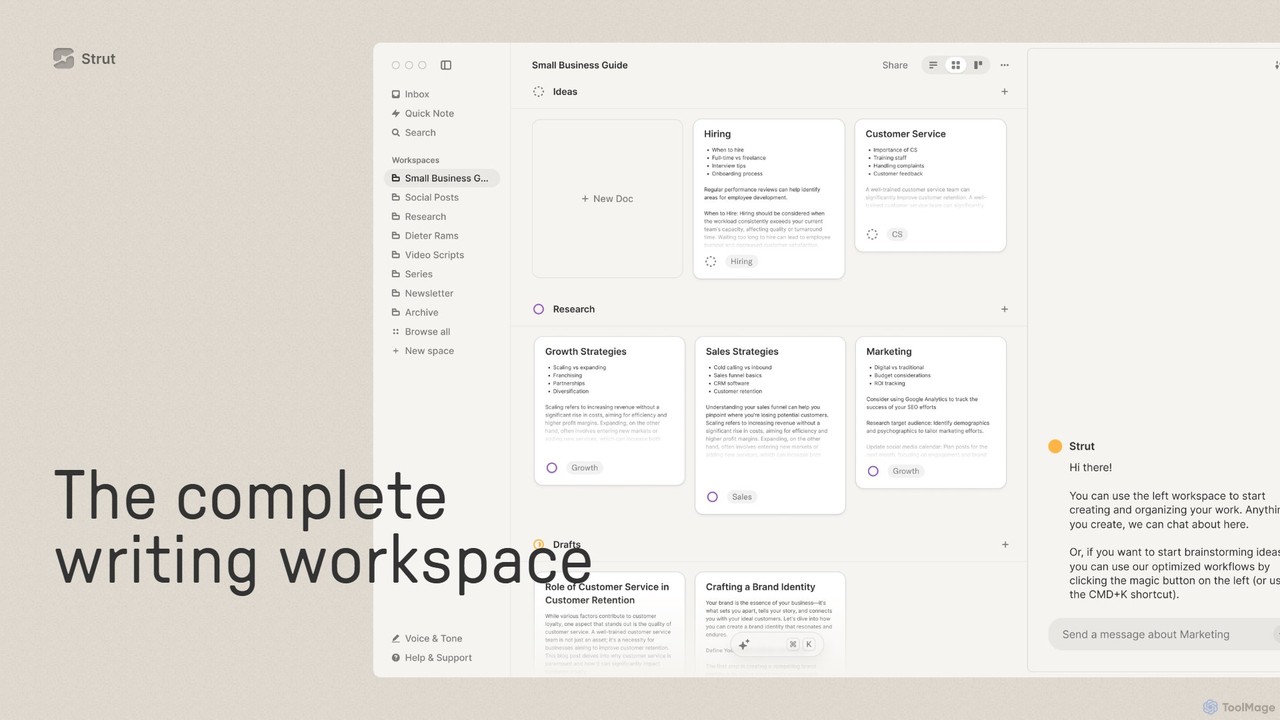
Learnitive는 학생, 연구원, 작가를 위한 올인원 AI 기반 플랫폼입니다. 독창적인 Copyscape 검사 콘텐츠를 생성하는 고급 AI 작성기와 연구 도구, 코드 생성기, 자동 인용 기능을 결합했습니다. 또한 칸반 프로젝트 관리자, AI 강화 메모장, 전자책 생성기와 같은 통합 생산성 도구도 포함되어 있습니다. 브라우저 확장 프로그램과 API 액세스를 통해 Learnitive는 연구, 기획부터 최종 창작까지 전체 워크플로우를 간소화하여 생산성을 높이고 학습을 향상시킵니다.
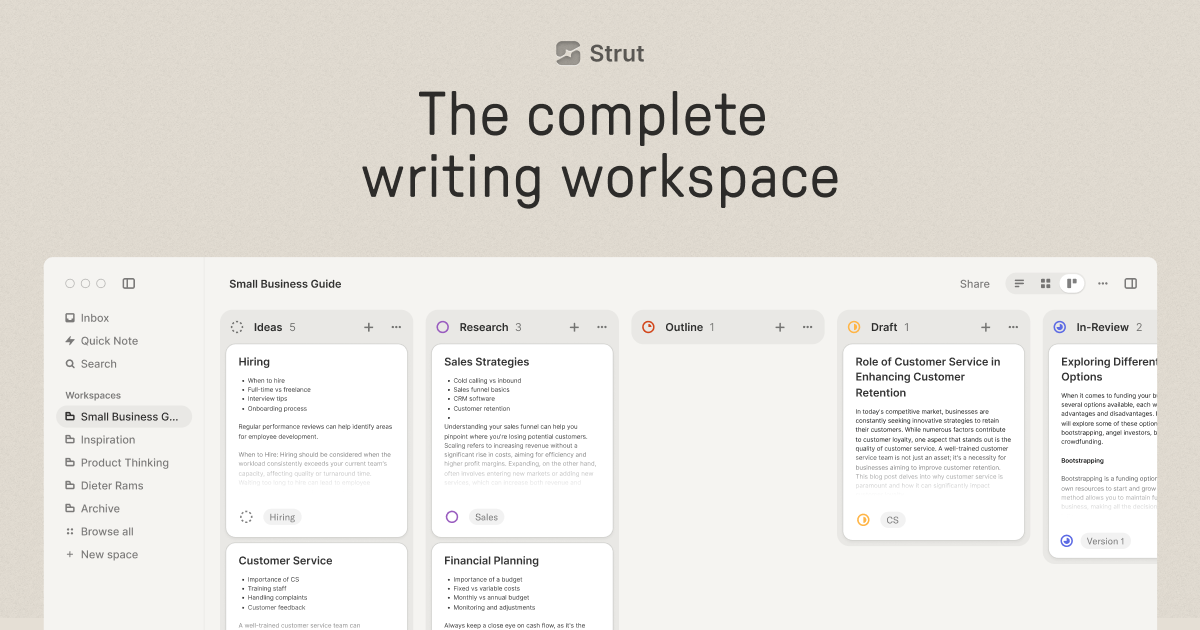
Strut는 노트, 문서, 프로젝트 관리를 하나의 협업 플랫폼으로 통합한 포괄적인 AI 기반 글쓰기 작업 공간입니다. 초기 아이디어 구상부터 최종 출판까지 전체 글쓰기 과정을 간소화하도록 설계되었으며, 연구, 편집, 영감 제공을 돕는 AI 파트너가 함께합니다.
제품 개요
Learnitive 제품 개요
Learnitive는 학생, 연구원, 작가를 위한 올인원 AI 기반 플랫폼입니다. 독창적인 Copyscape 검사 콘텐츠를 생성하는 고급 AI 작성기와 연구 도구, 코드 생성기, 자동 인용 기능을 결합했습니다. 또한 칸반 프로젝트 관리자, AI 강화 메모장, 전자책 생성기와 같은 통합 생산성 도구도 포함되어 있습니다. 브라우저 확장 프로그램과 API 액세스를 통해 Learnitive는 연구, 기획부터 최종 창작까지 전체 워크플로우를 간소화하여 생산성을 높이고 학습을 향상시킵니다.
Strut 제품 개요
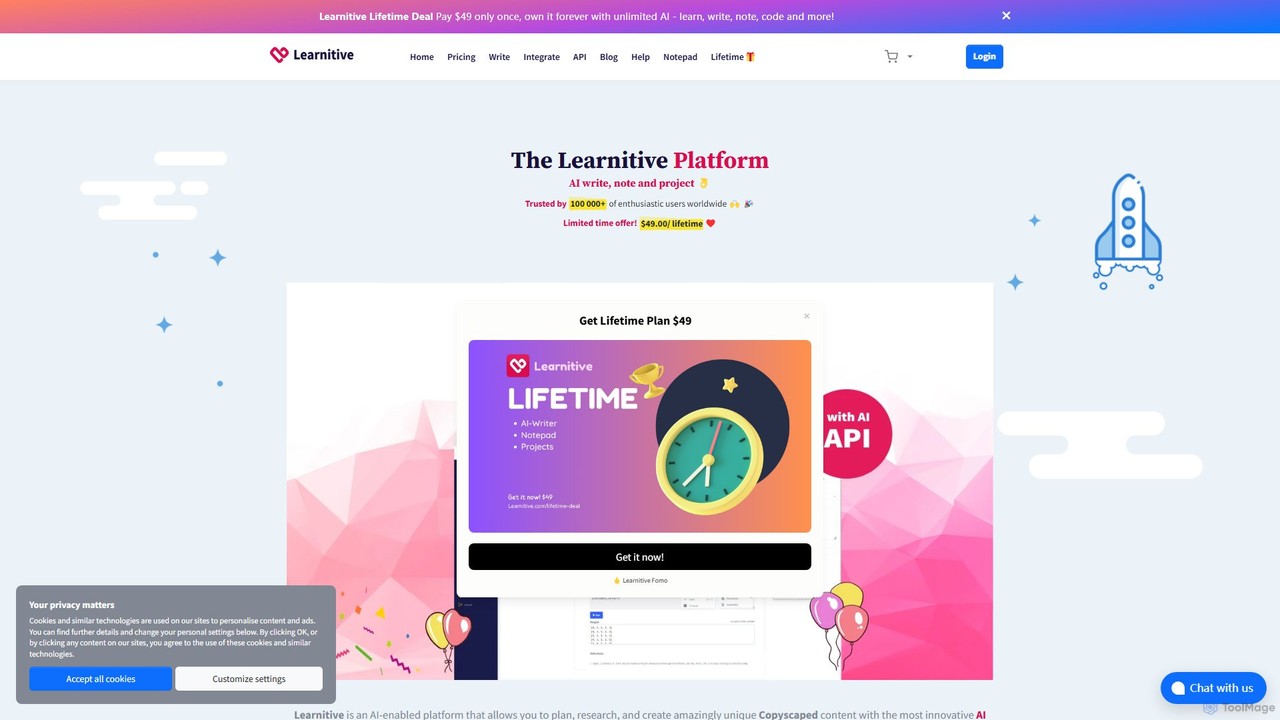
Strut는 노트, 문서, 프로젝트 관리를 하나의 협업 플랫폼으로 통합한 포괄적인 AI 기반 글쓰기 작업 공간입니다. 초기 아이디어 구상부터 최종 출판까지 전체 글쓰기 과정을 간소화하도록 설계되었으며, 연구, 편집, 영감 제공을 돕는 AI 파트너가 함께합니다.
Detailed feature comparison
Learnitive vs Strut monthly traffic
Compare Learnitive and Strut by monthly reach, traffic trend, visit depth, top regions, and acquisition sources.
How to interpret the traffic data
In the Learnitive vs Strut monthly traffic comparison, Learnitive currently shows 4.1K visits and Strut shows 5.2K; Strut has about 1.3 times the visible traffic of Learnitive, an absolute difference of about 1.1K visits. This reflects visible reach, not feature quality or paid users.
Only Strut has complete third-party traffic details; Learnitive uses visits recorded inside ToolMage. These scopes cannot estimate market share directly, and on-site views should not be treated as the product’s total website traffic.
Learnitive monthly traffic:
Latest traffic
Strut monthly traffic:
Latest traffic
Monthly traffic trend
- 2025/9: 10.4K 월 방문
- 2026/1: 10.7K 월 방문
- 2026/2: 12.7K 월 방문
- 2026/3: 12.2K 월 방문
- 2026/4: 9.2K 월 방문
- 2026/5: 5.2K 월 방문
주요 지역
Top 5 countries/regions
| Country/region | Percentage | Traffic |
|---|---|---|
| 🇮🇳India | 27.84% | 1.4K |
| 🇺🇸United States | 24.64% | 1.3K |
| 🇻🇳Vietnam | 23.55% | 1.2K |
| 🇵🇱Poland | 14.53% | 753 |
| 🇪🇬Egypt | 9.44% | 489 |
검색 키워드
Usage comparison
Compare the core capabilities of Learnitive and Strut
Learnitive Core features
Strut Core features
Use cases
Learnitive Use cases
Strut Use cases
Learnitive vs Strut:In-depth comparison and selection guidance
First decide whether the products solve the same kind of need
This in-depth Learnitive vs Strut comparison uses only the product records, taxonomy, audience, traffic, and community signals available on this page. Learnitive is primarily listed under “코드 어시스턴트”, while Strut is primarily listed under “프로젝트 관리”, so the first decision is whether your actual task matches their recorded scope.
The structured fields currently show these decision-relevant differences: Primary category (Learnitive: 코드 어시스턴트; Strut: 프로젝트 관리); Monthly visits (Learnitive: 4.1K; Strut: 5.2K); Favorites (Learnitive: 76; Strut: 91); Website (Learnitive: www.learnitive.com; Strut: strut.so); Added (Learnitive: 2025-08-06; Strut: 2025-08-16). These facts are more useful for selection than brand visibility alone.
What market visibility and monthly traffic mean
In the Learnitive vs Strut monthly traffic comparison, Learnitive currently shows 4.1K visits and Strut shows 5.2K; Strut has about 1.3 times the visible traffic of Learnitive, an absolute difference of about 1.1K visits. This reflects visible reach, not feature quality or paid users.
Only Strut has complete third-party traffic details; Learnitive uses visits recorded inside ToolMage. These scopes cannot estimate market share directly, and on-site views should not be treated as the product’s total website traffic.
The current traffic scope is not sufficient for a reliable product ranking. Treat monthly visits as a market-interest signal, then decide using taxonomy, use cases, pricing, and a like-for-like trial rather than reading exposure as product capability.
Product positioning, use cases, and roles
Learnitive and Strut currently overlap in shared categories: 프로젝트 관리 및 글쓰기; shared tags: AI 작가, 콘텐츠 제작, 필기, 생산성 및 프로젝트 관리. This can place both on the same shortlist, but it does not prove equal implementation, depth, or cost.
Learnitive's unique categories/tags are 코드 어시스턴트, 연구, 학술 글쓰기, 인용 생성기, 코드 생성기, 전자책 생성기, 표절 검사기 및 연구 보조; Strut's are AI 작가, 협업, 문서 편집기, gpt-4o 및 글쓰기 도우미. These unique fields are the strongest differentiators: validate the product whose recorded scope matches the task instead of following traffic alone.
What ratings, comments, and favorites can tell you
Learnitive has no verified rating, 0 comments, 76 favorites, and 69 likes;Strut has no verified rating, 0 comments, 91 favorites, and 86 likes。
Neither product has enough rating or comment samples for a credible reputation ranking.
Selection guidance by actual need
When to evaluate Learnitive first
Put Learnitive on the priority trial list when the task aligns with “코드 어시스턴트” and especially 코드 어시스턴트, 연구, 학술 글쓰기, 인용 생성기, 코드 생성기 및 전자책 생성기. This follows recorded positioning and does not imply unlisted capabilities are absent.
Learnitive also currently records: pricing is freemium, product type is website, 4.1K on-site monthly views, no verified user rating. Verify any hard requirement around price, platform, or reach before trial, and do not let sparse review data substitute for testing.
When to evaluate Strut first
Put Strut on the priority trial list when the task aligns with “프로젝트 관리” and especially AI 작가, 협업, 문서 편집기, gpt-4o 및 글쓰기 도우미. This follows recorded positioning and does not imply unlisted capabilities are absent.
Strut also currently records: pricing is freemium, product type is website, 5.2K verified monthly visits, no verified user rating. Verify any hard requirement around price, platform, or reach before trial, and do not let sparse review data substitute for testing.
How to validate the recommendation before deciding
The available data describes positioning, public visibility, and community signals, but it cannot prove output quality, speed, integration effort, privacy, or long-term cost in your workflow. Before deciding, run the same representative tasks in Learnitive and Strut, then record completion time, accuracy, manual corrections, and the real paid threshold. A like-for-like trial turns this comparison into a defensible adoption decision.