ToolMage
Đăng nhập
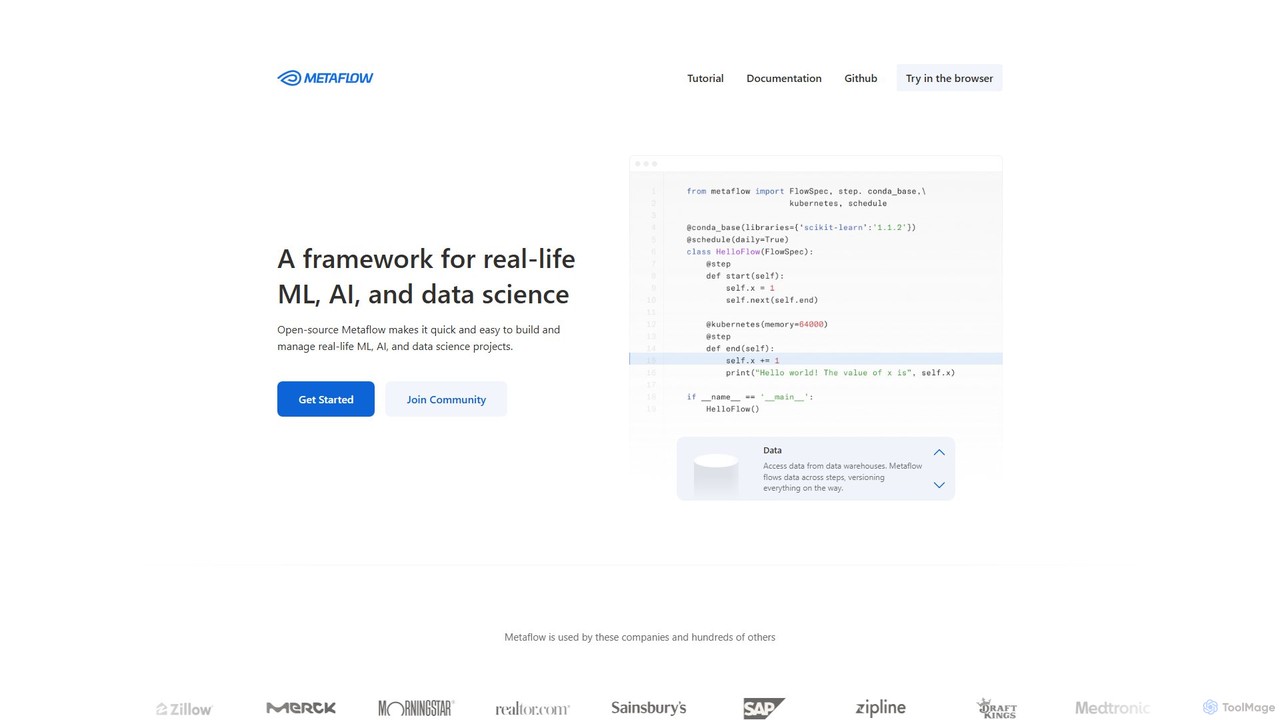
MLflow
Khoa học dữ liệu · 233K lượt truy cập tháng

MLflow là một nền tảng mã nguồn mở để quản lý vòng đời học máy từ đầu đến cuối. Nó cho phép các nhà phát triển và nhà khoa học dữ liệu theo dõi các thử nghiệm, đóng gói mã thành các lần chạy có thể tái tạo, phiên bản và chia sẻ mô hình, và triển khai chúng vào sản xuất, hỗ trợ cả ML truyền thống và các ứng dụng GenAI hiện đại.

VS
TensorFlow
Framework · 688.6K lượt truy cập tháng

TensorFlow là một nền tảng mã nguồn mở toàn diện cho học máy được phát triển bởi Google. Nó cung cấp một hệ sinh thái toàn diện, linh hoạt gồm các công cụ, thư viện và tài nguyên cộng đồng cho phép các nhà nghiên cứu và nhà phát triển xây dựng và triển khai các ứng dụng dựa trên ML. Từ người mới bắt đầu đến chuyên gia, TensorFlow cung cấp các API cấp cao trực quan để xây dựng mô hình dễ dàng và các API cấp thấp mạnh mẽ cho nghiên cứu nâng cao, cho phép triển khai trên các máy chủ, thiết bị biên và trình duyệt.

MLflow vs TensorFlow: giá, tính năng và lưu lượng

So sánh MLflow và TensorFlow theo định vị, giá, khả năng, lưu lượng và phản hồi người dùng.

Cập nhật 5 thg 8, 2026

Tổng quan sản phẩm

MLflow Tổng quan sản phẩm

MLflow là một nền tảng mã nguồn mở để quản lý vòng đời học máy từ đầu đến cuối. Nó cho phép các nhà phát triển và nhà khoa học dữ liệu theo dõi các thử nghiệm, đóng gói mã thành các lần chạy có thể tái tạo, phiên bản và chia sẻ mô hình, và triển khai chúng vào sản xuất, hỗ trợ cả ML truyền thống và các ứng dụng GenAI hiện đại.
Preview

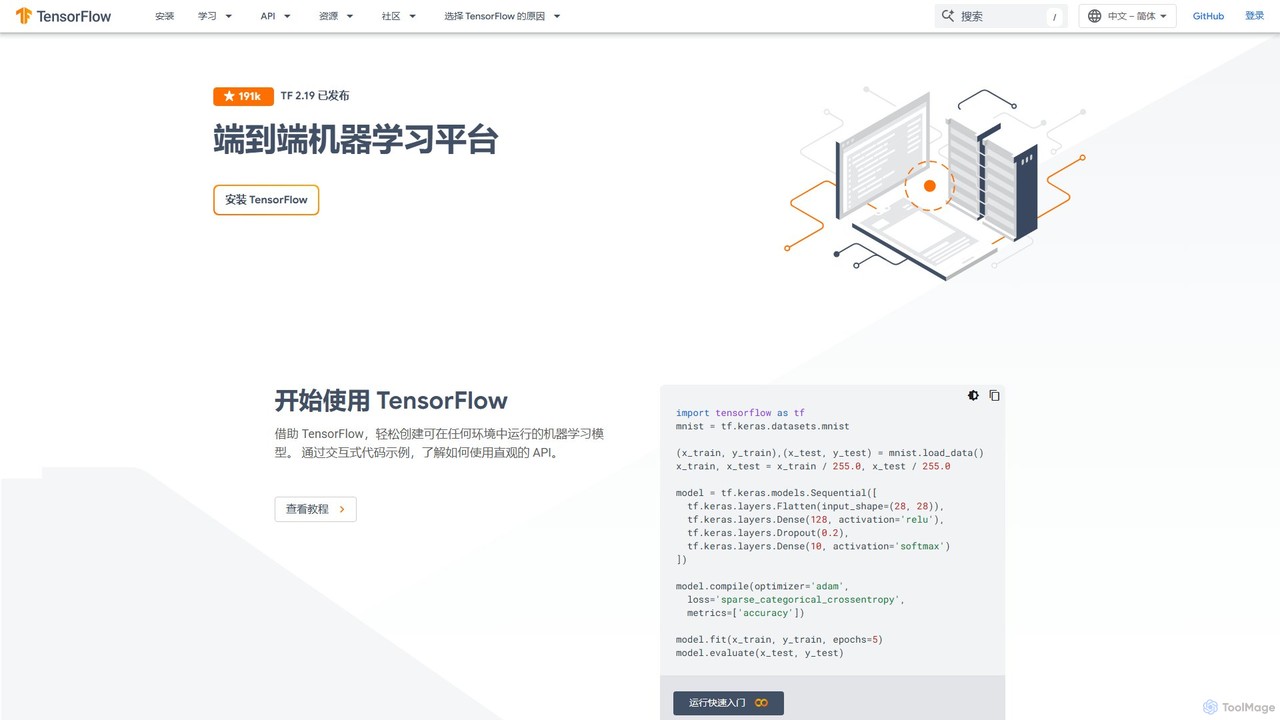
TensorFlow Tổng quan sản phẩm

TensorFlow là một nền tảng mã nguồn mở toàn diện cho học máy được phát triển bởi Google. Nó cung cấp một hệ sinh thái toàn diện, linh hoạt gồm các công cụ, thư viện và tài nguyên cộng đồng cho phép các nhà nghiên cứu và nhà phát triển xây dựng và triển khai các ứng dụng dựa trên ML. Từ người mới bắt đầu đến chuyên gia, TensorFlow cung cấp các API cấp cao trực quan để xây dựng mô hình dễ dàng và các API cấp thấp mạnh mẽ cho nghiên cứu nâng cao, cho phép triển khai trên các máy chủ, thiết bị biên và trình duyệt.

Preview

Detailed feature comparison

FeatureMLflowTensorFlow
Danh mục chínhKhoa học dữ liệuFramework
Ngày thêm2025-08-042025-08-11
GiáFreemiumMiễn phí
Trang chính thứcmlflow.orgwww.tensorflow.org
Loại sản phẩmTrang webTrang web
Performance data
Đánh giá người dùngChưa xác minhChưa xác minh
Bình luận00
Lượt truy cập tháng233K688.6K
Tăng trưởng tháng-0.6%-6.3%
Yêu thích9474
DetailsXem chi tiếtXem chi tiết

MLflow vs TensorFlow monthly traffic

Compare MLflow and TensorFlow by monthly reach, traffic trend, visit depth, top regions, and acquisition sources.

How to interpret the traffic data

In the MLflow vs TensorFlow monthly traffic comparison, MLflow currently shows 233K visits and TensorFlow shows 688.6K; TensorFlow has about 3 times the visible traffic of MLflow, an absolute difference of about 455.7K visits. This reflects visible reach, not feature quality or paid users.

Both tools provide verified traffic details, so monthly trends, visit depth, regions, and acquisition sources can be compared on the same basis.

MLflow monthly traffic:

Latest traffic

Lượt truy cập tháng
233K
Thời lượng trung bình
1:08
Trang mỗi lượt
2.09
Tỷ lệ thoát
46.09%
Data updated 2026-06-15

Monthly traffic trend

  • 2025/9: 233.2K Lượt truy cập tháng
  • 2026/1: 245.2K Lượt truy cập tháng
  • 2026/2: 254.1K Lượt truy cập tháng
  • 2026/3: 238.4K Lượt truy cập tháng
  • 2026/4: 234.3K Lượt truy cập tháng
  • 2026/5: 233K Lượt truy cập tháng

Khu vực hàng đầu

Top 5 countries/regions
Country/regionPercentageTraffic
🇺🇸United States33.31%77.6K
🇮🇳India29.36%68.4K
🇻🇳Vietnam16.63%38.7K
🇩🇪Germany10.89%25.4K
🇮🇩Indonesia9.81%22.9K

Nguồn lưu lượng

Source typePercentageTraffic
Trực tiếp75.04%174.8K
Giới thiệu22.88%53.3K
Email2.08%4.8K

Từ khóa tìm kiếm

how to load models form mlflowml flowmlflowmlfowoptuna and mlflow

TensorFlow monthly traffic:

Latest traffic

Lượt truy cập tháng
688.6K
Thời lượng trung bình
1:55
Trang mỗi lượt
7.28
Tỷ lệ thoát
50.17%
Data updated 2026-06-15

Monthly traffic trend

  • 2025/9: 894.8K Lượt truy cập tháng
  • 2026/1: 811K Lượt truy cập tháng
  • 2026/2: 769.2K Lượt truy cập tháng
  • 2026/3: 803.4K Lượt truy cập tháng
  • 2026/4: 735.1K Lượt truy cập tháng
  • 2026/5: 688.6K Lượt truy cập tháng

Khu vực hàng đầu

Top 5 countries/regions
Country/regionPercentageTraffic
🇺🇸United States40.89%281.6K
🇮🇳India36.17%249.1K
🇩🇪Germany9.26%63.8K
🇳🇬Nigeria6.94%47.8K
🇨🇳China6.74%46.4K

Nguồn lưu lượng

Source typePercentageTraffic
Trực tiếp63.62%438.1K
Giới thiệu33.53%230.9K
Email2.85%19.6K

Từ khóa tìm kiếm

tensorboardtensor flowtensorflowtensorflow playgroundword2vec
Traffic-based selection guidance: If public market visibility is an important first-pass criterion, investigate TensorFlow first. The final choice should still follow taxonomy, use case, and a real trial because higher traffic does not prove broader capabilities or better workflow fit.

Usage comparison

Compare the core capabilities of MLflow and TensorFlow

MLflow Core features

Học máy
Công cụ dành cho nhà phát triển
Khoa học dữ liệu

TensorFlow Core features

Học máy
Công cụ dành cho nhà phát triển
Framework

Use cases

MLflow Use cases

khoa học dữ liệu
học máy
Mã nguồn mở
Công cụ dành cho nhà phát triển
Theo dõi thử nghiệm
AI tạo sinh
Mô hình ngôn ngữ lớn
MLOps
Triển khai mô hình
Đăng ký mô hình
PyTorch
Khả năng tái tạo
TensorFlow

TensorFlow Use cases

khoa học dữ liệu
học máy
Mã nguồn mở
thị giác máy tính
Học sâu
Triển khai
Google
Đào tạo mô hình
mạng nơ-ron
NLP
Python

MLflow vs TensorFlow:In-depth comparison and selection guidance

First decide whether the products solve the same kind of need

This in-depth MLflow vs TensorFlow comparison uses only the product records, taxonomy, audience, traffic, and community signals available on this page. MLflow is primarily listed under “Khoa học dữ liệu”, while TensorFlow is primarily listed under “Framework”, so the first decision is whether your actual task matches their recorded scope.

The structured fields currently show these decision-relevant differences: Primary category (MLflow: Khoa học dữ liệu; TensorFlow: Framework); Pricing (MLflow: Freemium; TensorFlow: Free); Monthly visits (MLflow: 233K; TensorFlow: 688.6K); Monthly growth (MLflow: -0.6%; TensorFlow: -6.3%); Favorites (MLflow: 94; TensorFlow: 74). These facts are more useful for selection than brand visibility alone.

What market visibility and monthly traffic mean

In the MLflow vs TensorFlow monthly traffic comparison, MLflow currently shows 233K visits and TensorFlow shows 688.6K; TensorFlow has about 3 times the visible traffic of MLflow, an absolute difference of about 455.7K visits. This reflects visible reach, not feature quality or paid users.

Both tools provide verified traffic details, so monthly trends, visit depth, regions, and acquisition sources can be compared on the same basis.

If public market visibility is an important first-pass criterion, investigate TensorFlow first. The final choice should still follow taxonomy, use case, and a real trial because higher traffic does not prove broader capabilities or better workflow fit.

Product positioning, use cases, and roles

MLflow and TensorFlow currently overlap in shared categories: Học máy và Công cụ dành cho nhà phát triển; shared tags: khoa học dữ liệu, học máy và Mã nguồn mở. This can place both on the same shortlist, but it does not prove equal implementation, depth, or cost.

MLflow's unique categories/tags are Khoa học dữ liệu, Công cụ dành cho nhà phát triển, Theo dõi thử nghiệm, AI tạo sinh, Mô hình ngôn ngữ lớn, MLOps, Triển khai mô hình và Đăng ký mô hình; TensorFlow's are Framework, thị giác máy tính, Học sâu, Triển khai, Google, Đào tạo mô hình, mạng nơ-ron và NLP. These unique fields are the strongest differentiators: validate the product whose recorded scope matches the task instead of following traffic alone.

What ratings, comments, and favorites can tell you

MLflow has no verified rating, 0 comments, 94 favorites, and 93 likes;TensorFlow has no verified rating, 0 comments, 74 favorites, and 68 likes。

Neither product has enough rating or comment samples for a credible reputation ranking.

Selection guidance by actual need

When to evaluate MLflow first

Put MLflow on the priority trial list when the task aligns with “Khoa học dữ liệu” and especially Khoa học dữ liệu, Công cụ dành cho nhà phát triển, Theo dõi thử nghiệm, AI tạo sinh, Mô hình ngôn ngữ lớn và MLOps. This follows recorded positioning and does not imply unlisted capabilities are absent.

MLflow also currently records: pricing is freemium, product type is website, 233K verified monthly visits, no verified user rating. Verify any hard requirement around price, platform, or reach before trial, and do not let sparse review data substitute for testing.

When to evaluate TensorFlow first

Put TensorFlow on the priority trial list when the task aligns with “Framework” and especially Framework, thị giác máy tính, Học sâu, Triển khai, Google và Đào tạo mô hình. This follows recorded positioning and does not imply unlisted capabilities are absent.

TensorFlow also currently records: pricing is free, product type is website, 688.6K verified monthly visits, no verified user rating. Verify any hard requirement around price, platform, or reach before trial, and do not let sparse review data substitute for testing.

How to validate the recommendation before deciding

The available data describes positioning, public visibility, and community signals, but it cannot prove output quality, speed, integration effort, privacy, or long-term cost in your workflow. Before deciding, run the same representative tasks in MLflow and TensorFlow, then record completion time, accuracy, manual corrections, and the real paid threshold. A like-for-like trial turns this comparison into a defensible adoption decision.

Câu hỏi thường gặp

How should I choose between MLflow and TensorFlow?
Compare positioning, pricing, taxonomy, and traffic maturity, then verify the latest details on each official website.
Where does this comparison data come from?
The factual baseline is derived from product, taxonomy, traffic, and community data. Reviewed editorial conclusions show their source and verification date.
What do unknown fields mean?
Unknown means there is not enough reliable evidence; the page does not fill gaps with assumptions.