
免费增值
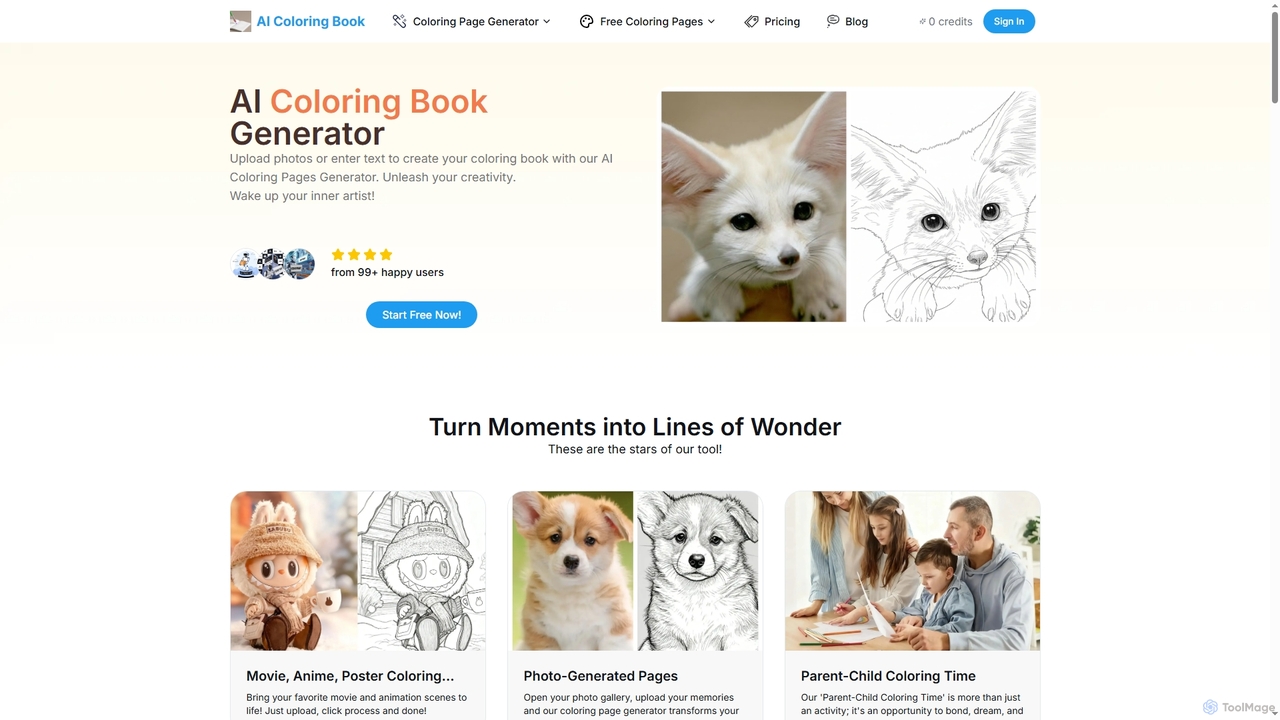
Coloringbook
一款由AI驱动的工具,可将文本提示和个人照片转换为独特的可打印涂色页。它提供数字绘画工具、庞大的预制模板库,以及适用于个人和商业用途的计划。非常适合业余爱好者、创作者、教育工作者和希望生成定制涂色书用于放松、送礼或销售的企业家。
生成艺术Visits 10.9KFavorites 158Likes 141
爱好领域的工艺热门 AI 工具包括 BestColoringPages AI、Coloringbook、Pileometer、ColorJoyful 等,帮助您快速提升效率。
一款由AI驱动的工具,可将文本提示和个人照片转换为独特的可打印涂色页。它提供数字绘画工具、庞大的预制模板库,以及适用于个人和商业用途的计划。非常适合业余爱好者、创作者、教育工作者和希望生成定制涂色书用于放松、送礼或销售的企业家。
生成艺术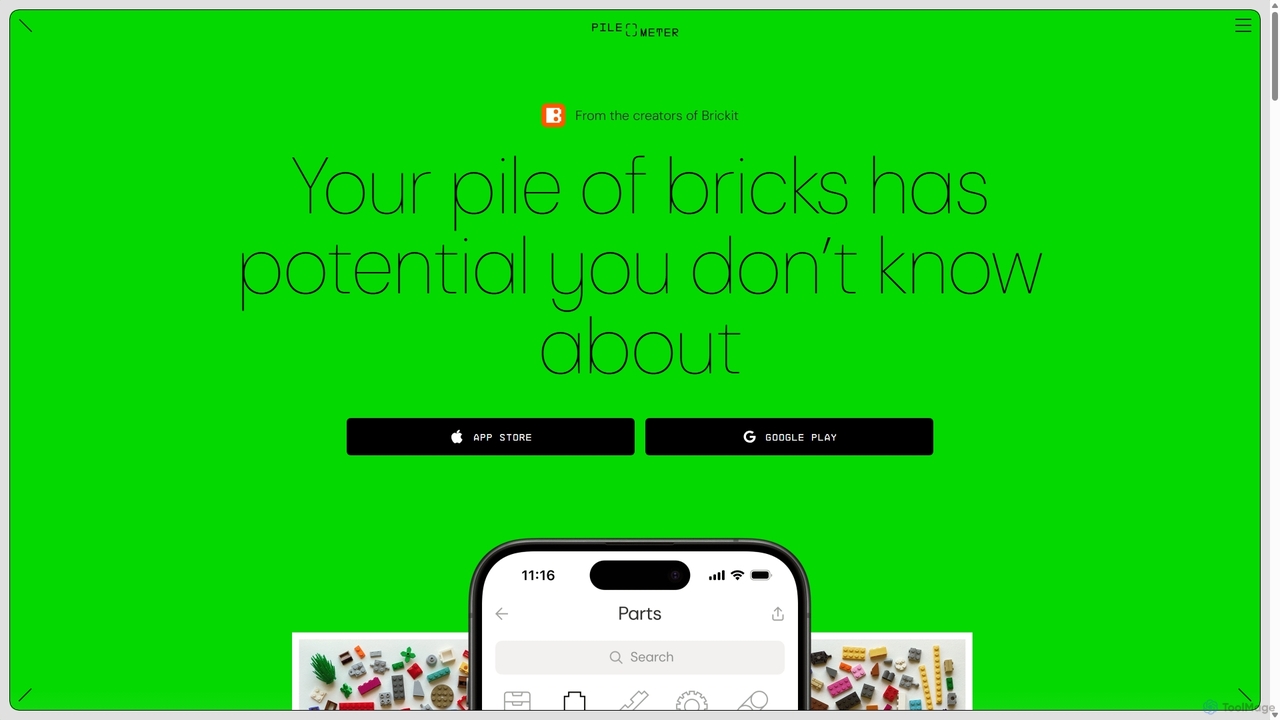
Pileometer 是一款由人工智能驱动的应用程序,彻底改变了乐高爱好者的积木管理方式。通过扫描您的积木,它能创建一个完整的数字库存,无需繁琐的手动分类。该应用可以帮助您找到特定零件,发现您可以用现有积木拼搭什么,并轻松管理您的库存。
计算机视觉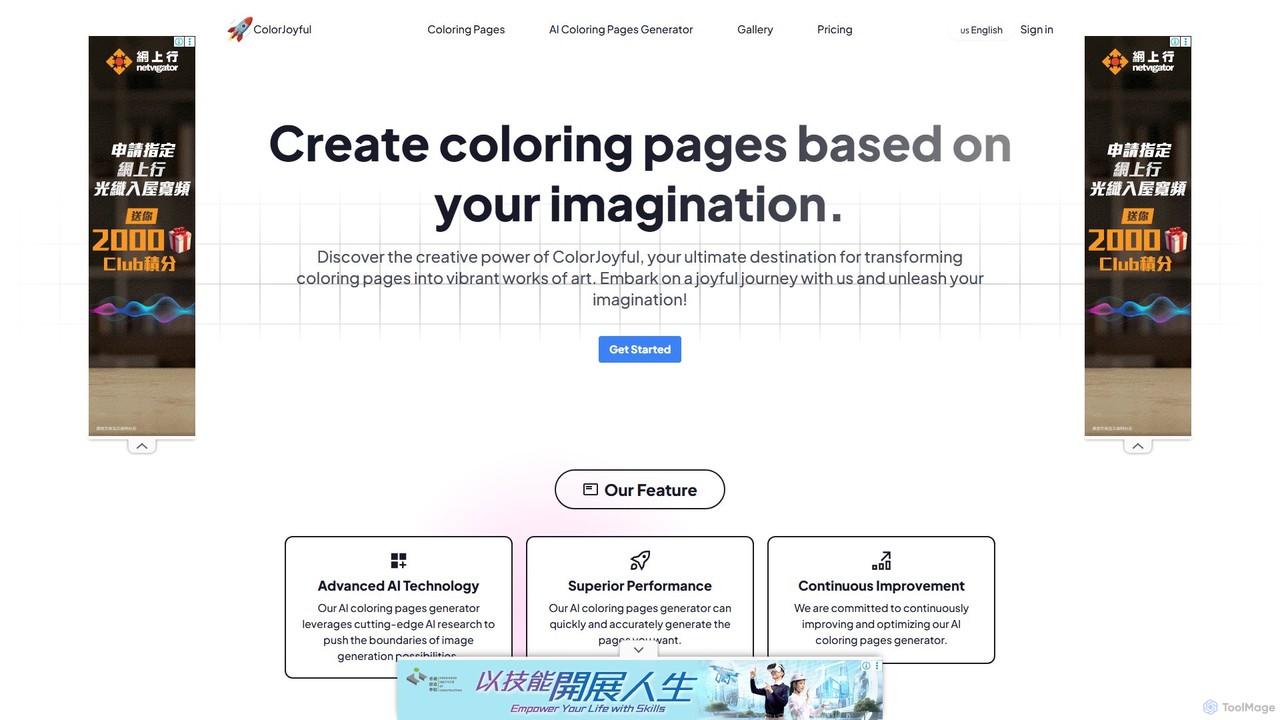
ColorJoyful 是一款由 AI 驱动的生成器,可将您的文本描述转化为独特、可打印的涂色页。它非常适合父母、教育工作者、爱好者和创作者,让您能以各种艺术风格即时设计自定义页面。该平台还提供一个免费的预制页面库,并为大用量和商业用途提供订阅计划,让每个人都能享受创作的乐趣。
图像生成
一个功能强大的AI平台,可在几秒钟内将照片和文本提示转换成独特、可打印的涂色页。它还提供AI艺术上色器、线稿增强工具,以及一个包含2000多张免费涂色页的庞大图库,适合所有年龄段。
图像生成AI工艺工具是一类专门利用人工智能技术,旨在辅助和增强创意手工制作各个环节的应用。这些工具运用生成式AI、计算机视觉和机器学习,将创意转化为具体的图案、设计乃至制作说明。它们赋能手工艺人、艺术家和爱好者进行创新、个性化定制并简化创作流程,使复杂设计更易实现,并减少重复性手工劳动。
手工艺人和小型企业主利用这些工具快速制作新产品线的原型,为纺织品、陶器或珠宝生成独特设计。教育工作者可用于为工艺工作坊创建个性化学习材料,而爱好者则发现它们在克服创意瓶颈和探索新艺术方向方面价值非凡。
选择AI工艺工具时,需考虑您专注的特定工艺类型(如纺织、木工、珠宝)、工具提供的设计控制程度,以及与现有设计软件或设备的兼容性。评估工具生成多样化输出的能力、非技术用户的易用性,以及其材料模拟或指令生成功能的质量。
珠宝设计师利用AI工艺工具,根据顾客对诞生石、姓名首字母或抽象主题等偏好,生成独特的个性化吊坠或耳环设计。通过输入关键词和风格参数,AI能迅速生成多种设计变体,使设计师能够展示多样化选择并快速迭代,将初步设计时间从数小时大幅缩短至数分钟,从而提升顾客对定制化作品的满意度。
A textile artist or fashion designer employs AI craft tools to create novel and intricate patterns for fabrics. Instead of manually drawing or repeating motifs, they can input a concept, mood, or even an image, and the AI generates endless variations of seamless patterns. This accelerates the design phase for clothing lines, home decor, or custom fabric prints, allowing for greater creative exploration and faster market entry with distinctive designs.
A woodworker or DIY enthusiast uses AI craft tools to generate detailed plans and cut lists for custom furniture or decorative items. By providing basic dimensions and desired styles, the AI can suggest optimal joint types, material usage, and even create 3D mock-ups. This helps in visualizing the final product, minimizing material waste, and ensuring structural integrity, making complex woodworking projects more manageable for all skill levels.
A ceramic artist leverages AI craft tools to experiment with countless glaze combinations and pottery forms without physical trial and error. By inputting desired colors, textures, and basic shapes, the AI can simulate how different glazes will appear on various forms under specific firing conditions. This allows for rapid visual exploration of aesthetic possibilities, saving significant time and material costs associated with traditional kiln tests and manual sculpting iterations.
A hobbyist or content creator uses AI craft tools to generate clear, concise, and visually supported step-by-step instructions for complex DIY projects. After uploading a design or describing a project, the AI can break it down into manageable steps, suggest necessary tools and materials, and even create accompanying diagrams or images. This makes sharing projects easier and helps beginners successfully complete intricate crafts, fostering a wider crafting community.
A scrapbooker or paper artist uses AI craft tools to generate unique and intricate templates for paper cutting, origami, or card making. By specifying themes, complexity levels, and desired dimensions, the AI can produce ready-to-print patterns, score lines, and assembly guides. This significantly expands creative possibilities beyond pre-made templates, enabling personalized and highly detailed paper crafts for special occasions or artistic expression, while saving hours of manual design work.
AI Craft tools are applications that utilize artificial intelligence to assist and enhance various stages of creative craft production. They leverage generative AI and machine learning to automate design processes, create unique patterns, simulate materials, and even generate step-by-step instructions. These tools empower crafters to explore new creative avenues, personalize projects, and streamline repetitive tasks, bridging traditional craftsmanship with modern technology.
Choosing the right AI Craft tool involves considering several key factors. First, identify the specific craft you're working on (e.g., jewelry, textiles, woodworking) as tools are often specialized. Evaluate the tool's core features, such as its generative capabilities, personalization options, and material simulation accuracy. Consider its ease of use for your technical skill level, the quality and diversity of its output, and its compatibility with any existing design software or equipment you own. Finally, assess the pricing model and community support.
AI craft tools are versatile and can assist with a wide range of crafts. This includes textile arts (generating patterns for weaving, knitting, embroidery), jewelry design (creating unique forms, simulating gem settings), pottery and ceramics (exploring glaze effects, designing vessel shapes), woodworking (generating plans, optimizing cuts), paper crafts (designing intricate templates for origami, scrapbooking), and even digital art for printables. Their generative capabilities extend to any craft requiring design, pattern creation, or instructional guidance.
AI Craft tools primarily differ from traditional design software through their generative and predictive capabilities. While traditional software requires manual input and manipulation of every element, AI tools can autonomously generate designs, patterns, or variations based on high-level prompts or existing data. They can simulate material behaviors, suggest optimal solutions, and even learn from user preferences, significantly reducing the manual effort and time required for creative exploration and iteration, offering a more automated and intelligent design assistant.
The main benefits of using AI in crafting are innovation, personalization, efficiency, and accessibility. AI tools enable crafters to generate novel designs and patterns that might be difficult to conceive manually, fostering greater creativity. They allow for deep personalization, tailoring projects to individual tastes or specific requirements. Efficiency is boosted by automating repetitive tasks like pattern generation or material calculation. Finally, AI makes complex crafts more accessible to beginners by providing guided instructions and simplifying intricate design processes, lowering the barrier to entry for many.