ToolMage
Anmelden
Ansible
DevOps · 525.2K monatliche besuche

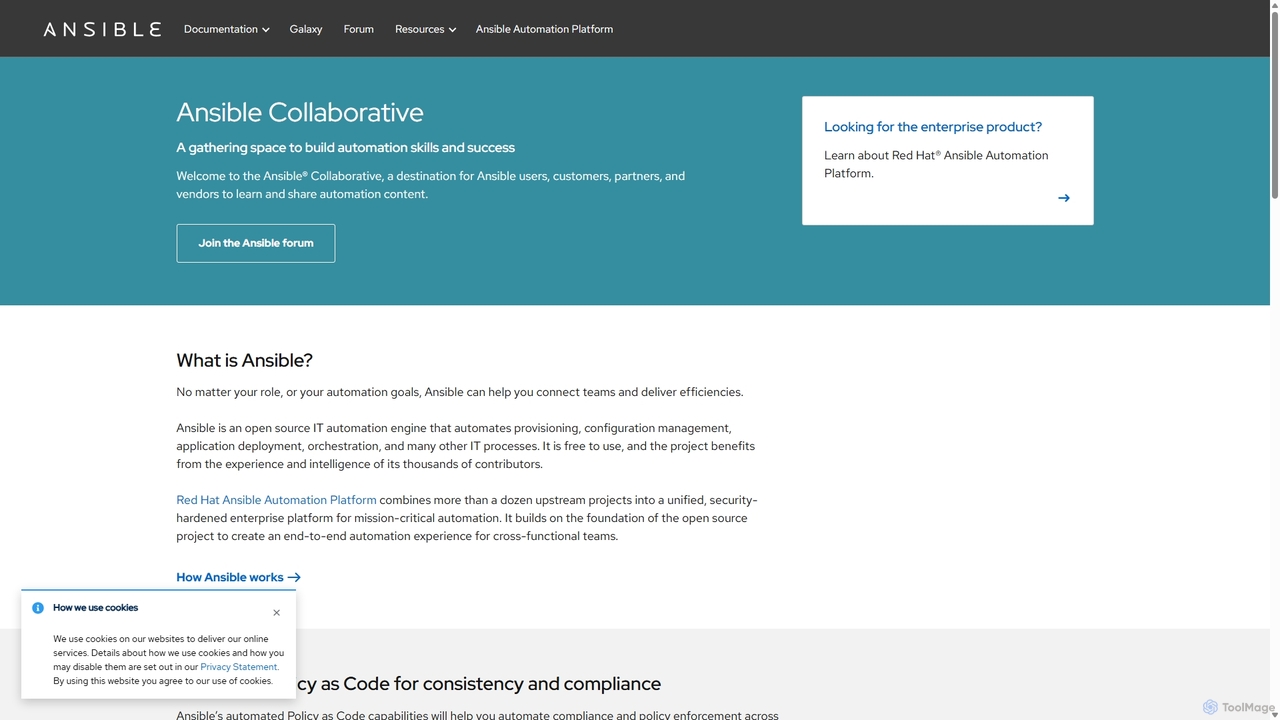
Ansible ist eine leistungsstarke Open-Source-IT-Automatisierungs-Engine, die die Bereitstellung von Anwendungen, das Konfigurationsmanagement und die Orchestrierung vereinfacht. Mit menschenlesbarem YAML automatisiert es komplexe IT-Prozesse, ohne Agenten auf verwalteten Knoten zu benötigen, was es für DevOps, Systemadministratoren und Entwickler einfach, effizient und sicher macht.
VS
Pump
Startups · 64.5K monatliche besuche

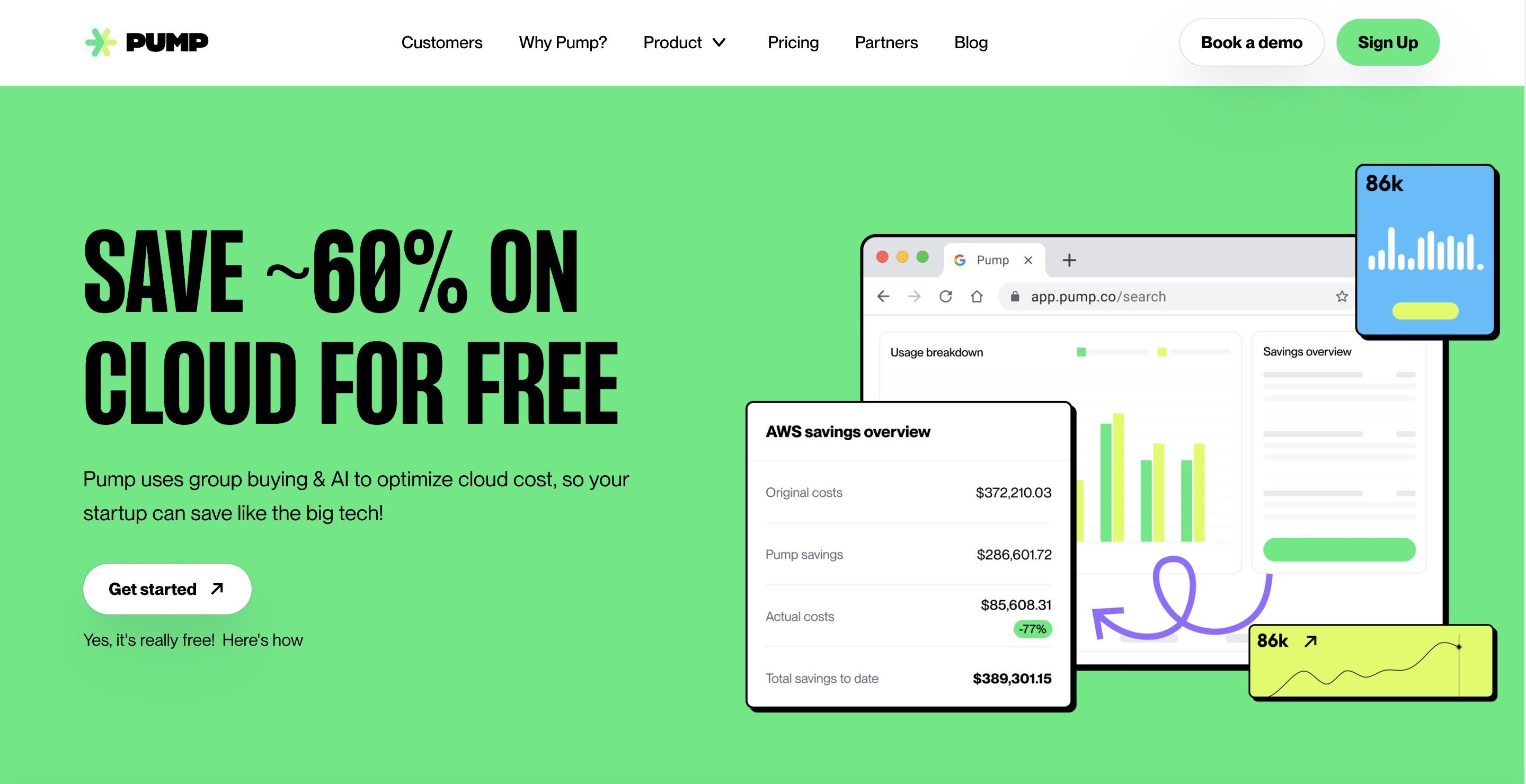
Pump ist ein kostenloses KI-gestütztes Tool, das Startups hilft, automatisch bis zu 60 % ihrer Cloud-Kosten, hauptsächlich bei AWS, zu sparen. Es nutzt die Kraft des Gruppeneinkaufs, um Mengenrabatte zu sichern und die Einsparungen direkt an die Nutzer weiterzugeben, ohne Gebühren oder Risiken.

Ansible vs Pump: Preise, Funktionen und Traffic

Vergleiche Ansible und Pump nach Positionierung, Preis, Funktionen, Traffic und Nutzerfeedback.

Aktualisiert 17.08.2026

Produktübersicht

Ansible Produktübersicht

Ansible ist eine leistungsstarke Open-Source-IT-Automatisierungs-Engine, die die Bereitstellung von Anwendungen, das Konfigurationsmanagement und die Orchestrierung vereinfacht. Mit menschenlesbarem YAML automatisiert es komplexe IT-Prozesse, ohne Agenten auf verwalteten Knoten zu benötigen, was es für DevOps, Systemadministratoren und Entwickler einfach, effizient und sicher macht.
Preview

Pump Produktübersicht

Pump ist ein kostenloses KI-gestütztes Tool, das Startups hilft, automatisch bis zu 60 % ihrer Cloud-Kosten, hauptsächlich bei AWS, zu sparen. Es nutzt die Kraft des Gruppeneinkaufs, um Mengenrabatte zu sichern und die Einsparungen direkt an die Nutzer weiterzugeben, ohne Gebühren oder Risiken.

Preview

Detailed feature comparison

FeatureAnsiblePump
HauptkategorieDevOpsStartups
Hinzugefügt2025-09-212025-08-15
PreismodellFreemiumKostenlos
Offizielle Websiteansible.comwww.pump.co
ProdukttypWebsiteWebsite
Performance data
NutzerbewertungNicht verifiziertNicht verifiziert
Kommentare00
Monatliche Besuche525.2K64.5K
Monatliches Wachstum-4.3%0.6%
Favoriten12988
DetailsDetails ansehenDetails ansehen

Ansible vs Pump monthly traffic

Compare Ansible and Pump by monthly reach, traffic trend, visit depth, top regions, and acquisition sources.

How to interpret the traffic data

In the Ansible vs Pump monthly traffic comparison, Ansible currently shows 525.2K visits and Pump shows 64.5K; Ansible has about 8.1 times the visible traffic of Pump, an absolute difference of about 460.8K visits. This reflects visible reach, not feature quality or paid users.

Both tools provide verified traffic details, so monthly trends, visit depth, regions, and acquisition sources can be compared on the same basis.

Ansible monthly traffic:

Latest traffic

Monatliche Besuche
525.2K
Ø Besuchsdauer
2:29
Seiten pro Besuch
2.82
Absprungrate
46.73%
Data updated 2026-06-15

Monthly traffic trend

  • 2025/9: 637.1K Monatliche Besuche
  • 2026/1: 587.5K Monatliche Besuche
  • 2026/2: 539.2K Monatliche Besuche
  • 2026/3: 596.2K Monatliche Besuche
  • 2026/4: 549K Monatliche Besuche
  • 2026/5: 525.2K Monatliche Besuche

Top-Regionen

Top 5 countries/regions
Country/regionPercentageTraffic
🇻🇳Vietnam32.05%168.3K
🇺🇸United States24.32%127.7K
🇩🇪Germany18.41%96.7K
🇷🇺Russia18.14%95.3K
🇫🇷France7.08%37.2K

Traffic-Quellen

Source typePercentageTraffic
Direkt62.94%330.6K
Verweis34.87%183.2K
E-Mail2.19%11.5K

Suchbegriffe

ansibleansible *ansible copyansible documentationansible galaxy

Pump monthly traffic:

Latest traffic

Monatliche Besuche
64.5K
Ø Besuchsdauer
0:39
Seiten pro Besuch
2.09
Absprungrate
40.03%
Data updated 2026-06-15

Monthly traffic trend

  • 2025/9: 83.4K Monatliche Besuche
  • 2026/1: 63.3K Monatliche Besuche
  • 2026/2: 59.7K Monatliche Besuche
  • 2026/3: 68.9K Monatliche Besuche
  • 2026/4: 64.1K Monatliche Besuche
  • 2026/5: 64.5K Monatliche Besuche

Top-Regionen

Top 5 countries/regions
Country/regionPercentageTraffic
🇺🇸United States47.45%30.6K
🇮🇳India15.85%10.2K
🇳🇬Nigeria14.42%9.3K
🇫🇷France12.62%8.1K
🇻🇳Vietnam9.66%6.2K

Traffic-Quellen

Source typePercentageTraffic
Direkt90.14%58.1K
E-Mail6.1%3.9K
Verweis3.76%2.4K

Suchbegriffe

aws cli verison checkaws contact charges how to stopdirect connect cost awspumppump co
Traffic-based selection guidance: If public market visibility is an important first-pass criterion, investigate Ansible first. The final choice should still follow taxonomy, use case, and a real trial because higher traffic does not prove broader capabilities or better workflow fit.

Usage comparison

Compare the core capabilities of Ansible and Pump

Ansible Core features

DevOps
Automatisierung
Infrastrukturmanagement

Pump Core features

DevOps
Automatisierung
Startups
Cloud-Kostenmanagement

Use cases

Ansible Use cases

DevOps
Agentenlos
Anwendungsbereitstellung
Konfigurationsmanagement
Infrastruktur als Code
IT-Automatisierung
Open Source
Orchestrierung
Red Hat
YAML

Pump Use cases

DevOps
KI-Finanzen
AWS
AWS-Abrechnung
Cloud-Kosten
Cloud-Management
Kostenoptimierung
FinOps
Kostenloses Tool
Ersparnisse
Startup

Best suited roles

Ansible Best suited roles

Cloud-Ingenieur
DevOps-Ingenieur
Spezialist für IT-Automatisierung
Netzwerk-Ingenieur
Sicherheitsingenieur
Site Reliability Engineer
Softwareentwickler
Systemadministrator

Pump Best suited roles

Keine verifizierten Daten

Ansible vs Pump:In-depth comparison and selection guidance

First decide whether the products solve the same kind of need

This in-depth Ansible vs Pump comparison uses only the product records, taxonomy, audience, traffic, and community signals available on this page. Ansible is primarily listed under “DevOps”, while Pump is primarily listed under “Startups”, so the first decision is whether your actual task matches their recorded scope.

The structured fields currently show these decision-relevant differences: Primary category (Ansible: DevOps; Pump: Startups); Pricing (Ansible: Freemium; Pump: Free); Monthly visits (Ansible: 525.2K; Pump: 64.5K); Monthly growth (Ansible: -4.3%; Pump: 0.6%); Favorites (Ansible: 129; Pump: 88). These facts are more useful for selection than brand visibility alone.

What market visibility and monthly traffic mean

In the Ansible vs Pump monthly traffic comparison, Ansible currently shows 525.2K visits and Pump shows 64.5K; Ansible has about 8.1 times the visible traffic of Pump, an absolute difference of about 460.8K visits. This reflects visible reach, not feature quality or paid users.

Both tools provide verified traffic details, so monthly trends, visit depth, regions, and acquisition sources can be compared on the same basis.

If public market visibility is an important first-pass criterion, investigate Ansible first. The final choice should still follow taxonomy, use case, and a real trial because higher traffic does not prove broader capabilities or better workflow fit.

Product positioning, use cases, and roles

Ansible and Pump currently overlap in shared categories: DevOps und Automatisierung; shared tags: DevOps. This can place both on the same shortlist, but it does not prove equal implementation, depth, or cost.

Ansible's unique categories/tags are Infrastrukturmanagement, Agentenlos, Anwendungsbereitstellung, Konfigurationsmanagement, Infrastruktur als Code, IT-Automatisierung, Open Source und Orchestrierung; Pump's are Startups, Cloud-Kostenmanagement, KI-Finanzen, AWS, AWS-Abrechnung, Cloud-Kosten, Cloud-Management und Kostenoptimierung. These unique fields are the strongest differentiators: validate the product whose recorded scope matches the task instead of following traffic alone.

What ratings, comments, and favorites can tell you

Ansible has no verified rating, 0 comments, 129 favorites, and 124 likes;Pump has no verified rating, 0 comments, 88 favorites, and 85 likes。

Neither product has enough rating or comment samples for a credible reputation ranking.

Selection guidance by actual need

When to evaluate Ansible first

Put Ansible on the priority trial list when the task aligns with “DevOps” and especially Infrastrukturmanagement, Agentenlos, Anwendungsbereitstellung, Konfigurationsmanagement, Infrastruktur als Code und IT-Automatisierung, or the users include Cloud-Ingenieur, DevOps-Ingenieur, Spezialist für IT-Automatisierung und Netzwerk-Ingenieur. This follows recorded positioning and does not imply unlisted capabilities are absent.

Ansible also currently records: pricing is freemium, product type is website, 525.2K verified monthly visits, no verified user rating. Verify any hard requirement around price, platform, or reach before trial, and do not let sparse review data substitute for testing.

When to evaluate Pump first

Put Pump on the priority trial list when the task aligns with “Startups” and especially Startups, Cloud-Kostenmanagement, KI-Finanzen, AWS, AWS-Abrechnung und Cloud-Kosten. This follows recorded positioning and does not imply unlisted capabilities are absent.

Pump also currently records: pricing is free, product type is website, 64.5K verified monthly visits, no verified user rating. Verify any hard requirement around price, platform, or reach before trial, and do not let sparse review data substitute for testing.

How to validate the recommendation before deciding

The available data describes positioning, public visibility, and community signals, but it cannot prove output quality, speed, integration effort, privacy, or long-term cost in your workflow. Before deciding, run the same representative tasks in Ansible and Pump, then record completion time, accuracy, manual corrections, and the real paid threshold. A like-for-like trial turns this comparison into a defensible adoption decision.

Vergleichs-FAQ

How should I choose between Ansible and Pump?
Compare positioning, pricing, taxonomy, and traffic maturity, then verify the latest details on each official website.
Where does this comparison data come from?
The factual baseline is derived from product, taxonomy, traffic, and community data. Reviewed editorial conclusions show their source and verification date.
What do unknown fields mean?
Unknown means there is not enough reliable evidence; the page does not fill gaps with assumptions.

Related AI tools

Praxis
Freemium

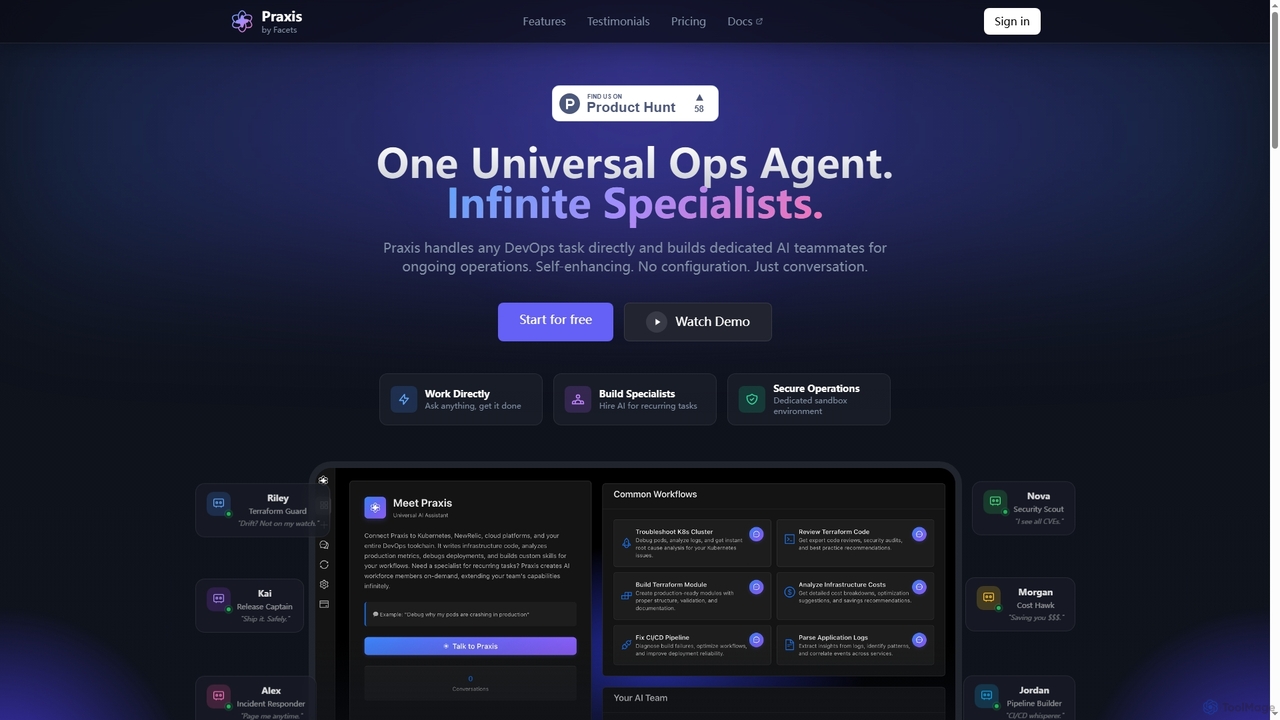
Praxis

Praxis ist eine universelle KI-Agentenplattform für DevOps, die es Teams ermöglicht, spezialisierte KI-Teamkollegen durch Konversation zu erstellen. Sie automatisiert die Infrastruktur, beschleunigt die Fehlerbehebung und optimiert komplexe Arbeitsabläufe ohne manuelle Konfiguration.

Debugging
Visits 4KFavorites 118Likes 114
Ansible Collaborative
Freemium

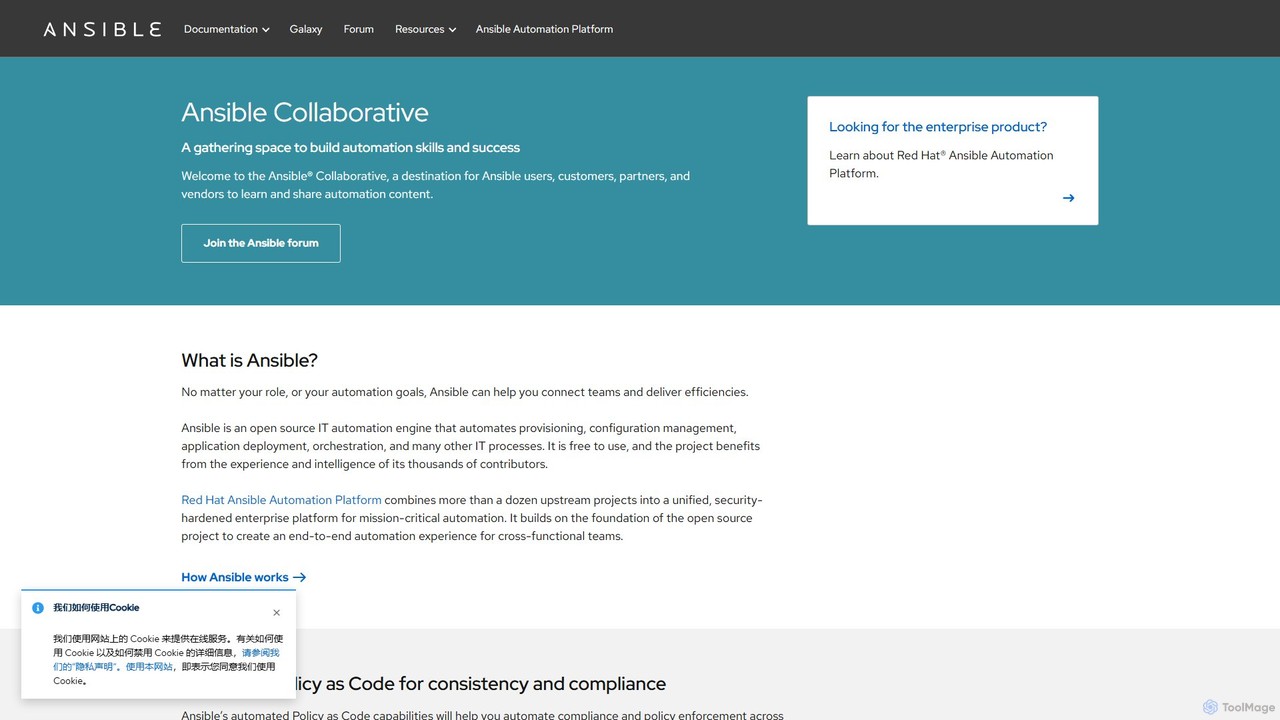
Ansible Collaborative

Ansible Collaborative ist ein zentraler Knotenpunkt für die Ansible Open-Source-Community und bietet Ressourcen für die IT-Automatisierung. Es bietet Dokumentation, Foren und Zugriff auf Ansible Galaxy für vorgefertigte Inhalte. Benutzer können lernen, die Bereitstellung, das Konfigurationsmanagement und die Anwendungsbereitstellung zu automatisieren. Während das Kernprojekt von Ansible kostenlos ist, dient es als Grundlage für die unternehmenstaugliche Red Hat Ansible Automation Platform, die erweiterte Funktionen wie generative KI und ereignisgesteuerte Automatisierung hinzufügt.

Infrastruktur als Code
Visits 3.5MFavorites 110Likes 113
GenieEngage
Paid

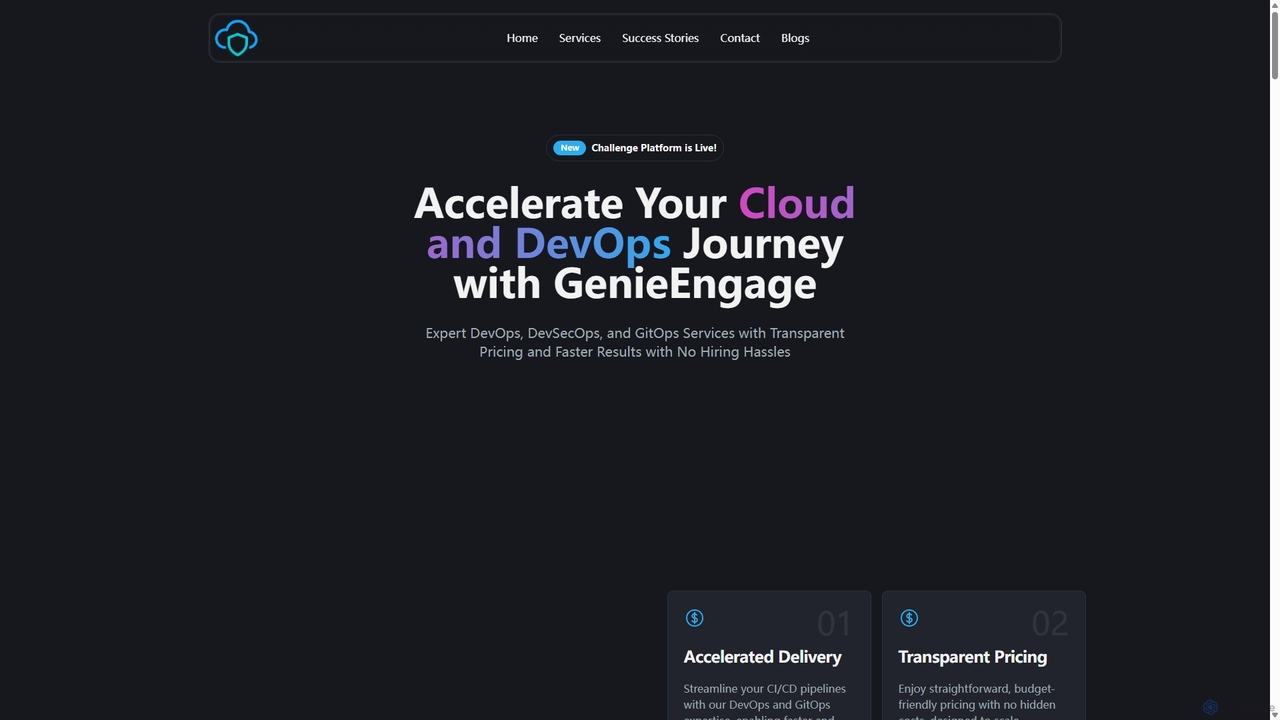
GenieEngage

GenieEngage ist ein DevOps-as-a-Service-Partner, der Expertenlösungen in den Bereichen DevOps, DevSecOps und GitOps anbietet. Es hilft Unternehmen, die Softwarebereitstellung zu beschleunigen, die Sicherheit zu erhöhen und die Infrastruktur in Clouds wie AWS, Azure und GCP zu skalieren, indem es ein komplettes Expertenteam als kostengünstige Alternative zur internen Einstellung bereitstellt.

Infrastrukturmanagement
Visits 4KFavorites 128Likes 129
Cloudgov
Freemium

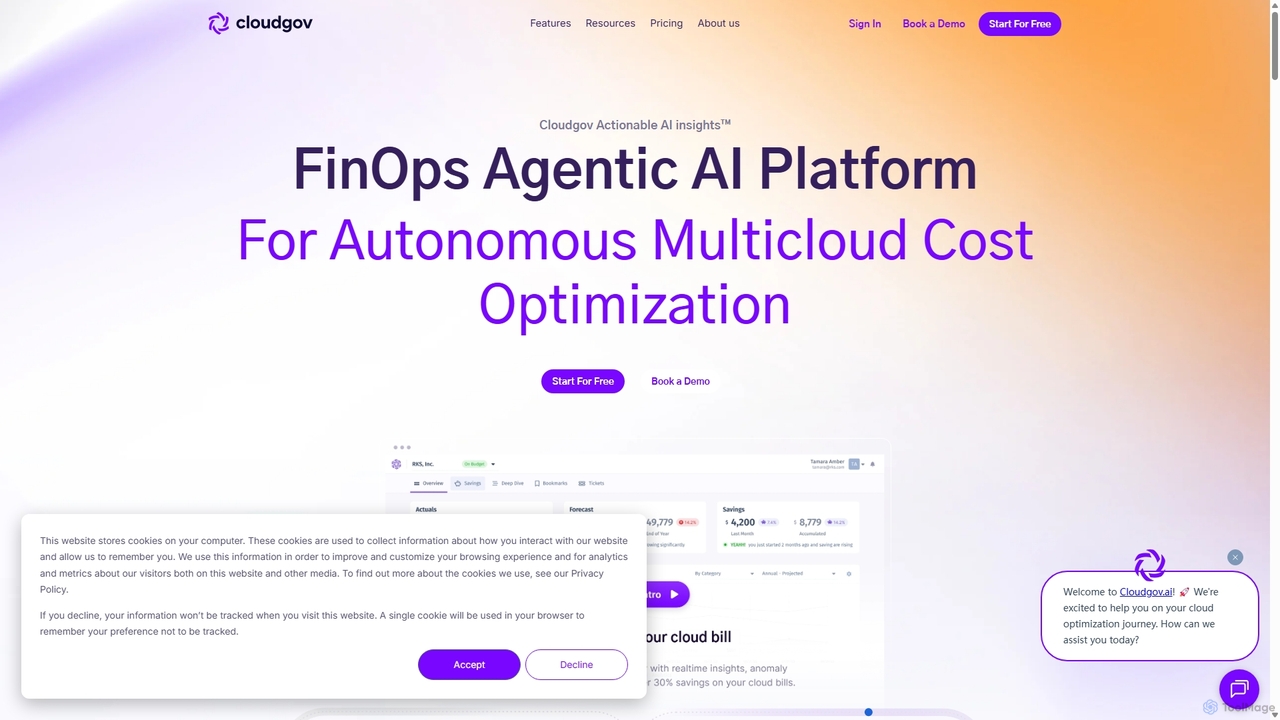
Cloudgov

Cloudgov ist eine agentenbasierte KI-gestützte FinOps-Plattform, die für die autonome Multicloud-Kostenoptimierung entwickelt wurde. Sie bietet eine einheitliche Sichtbarkeit über AWS, Azure und GCP, liefert umsetzbare Einblicke, Echtzeit-Anomalieerkennung und automatisierte Behebung, um Unternehmen dabei zu helfen, ihre Cloud-Ausgaben um über 30 % zu senken und Finanzoperationen zu optimieren.

DevOps
Visits 6.7KFavorites 101Likes 100
Cloud1
Freemium

Cloud1

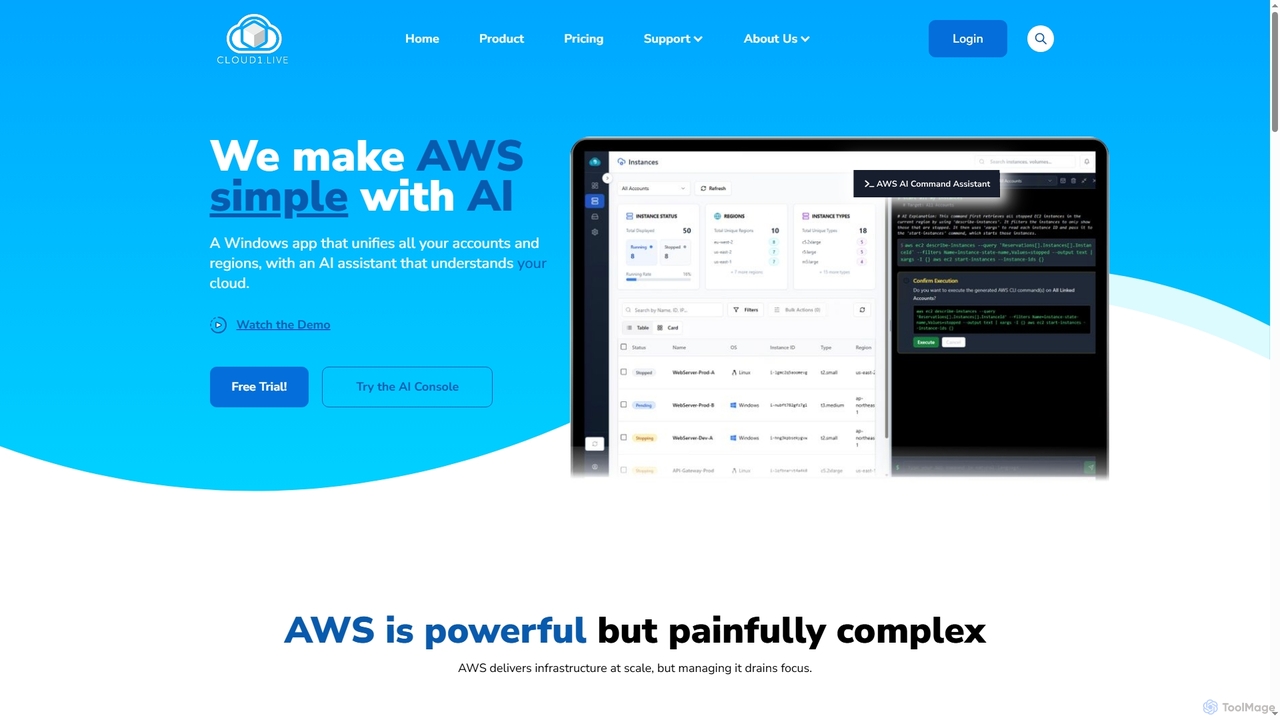
Cloud1 ist eine KI-gestützte Windows-Desktop-Anwendung, die das AWS EC2-Management über mehrere Konten und Regionen hinweg vereinfacht. Sie vereinheitlicht Instanzen, ermöglicht natürliche Sprachbefehle über einen KI-Assistenten und bietet leistungsstarke Massenaktionen sowie Einblicke in die Kostenoptimierung.

Aws
Visits 4KFavorites 14Likes 17
Lumlax
Freemium

Lumlax

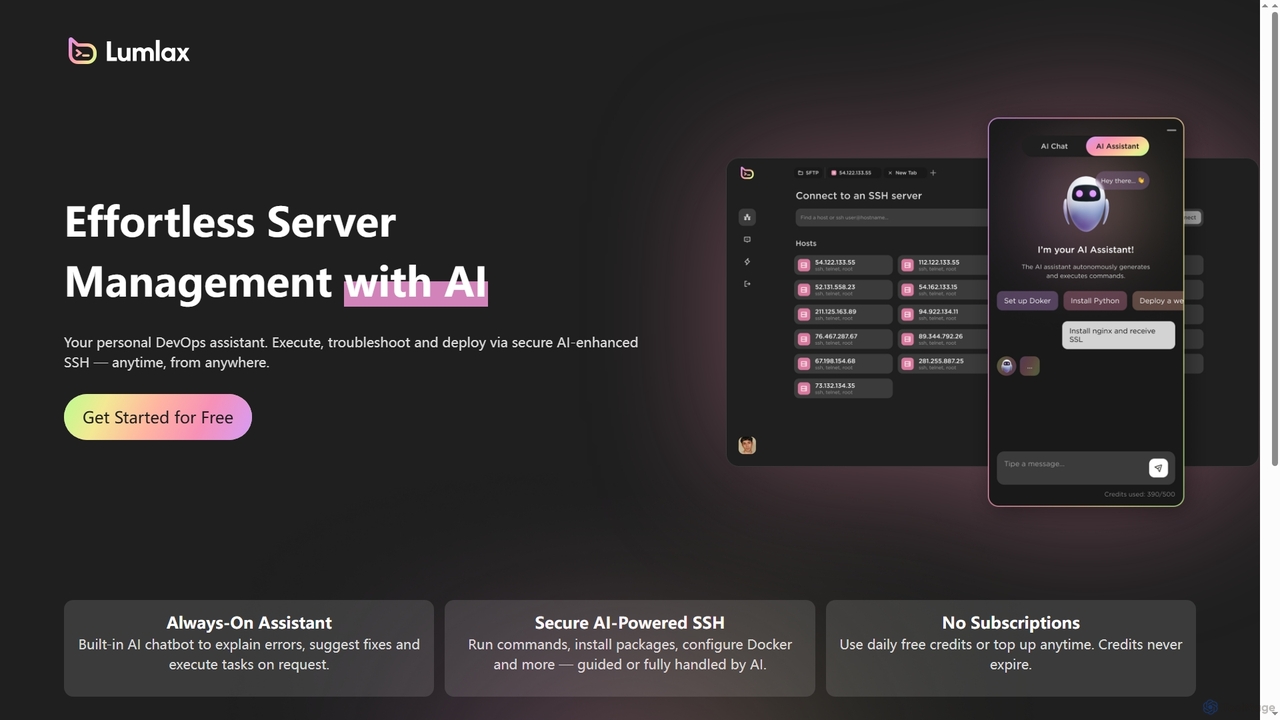
Lumlax ist eine KI-gestützte SSH-Anwendung für mühelose Serververwaltung. Sie fungiert als persönlicher DevOps-Assistent, der Entwicklern ermöglicht, Befehle auszuführen, Probleme zu beheben und Anwendungen sicher von überall aus bereitzustellen. Mit seinem integrierten KI-Chatbot erklärt Lumlax Fehler, schlägt Lösungen vor und automatisiert Aufgaben, wodurch Abläufe optimiert und die Produktivität gesteigert werden.

DevOps
Visits 4KFavorites 110Likes 110
Shuttle
Freemium

Shuttle

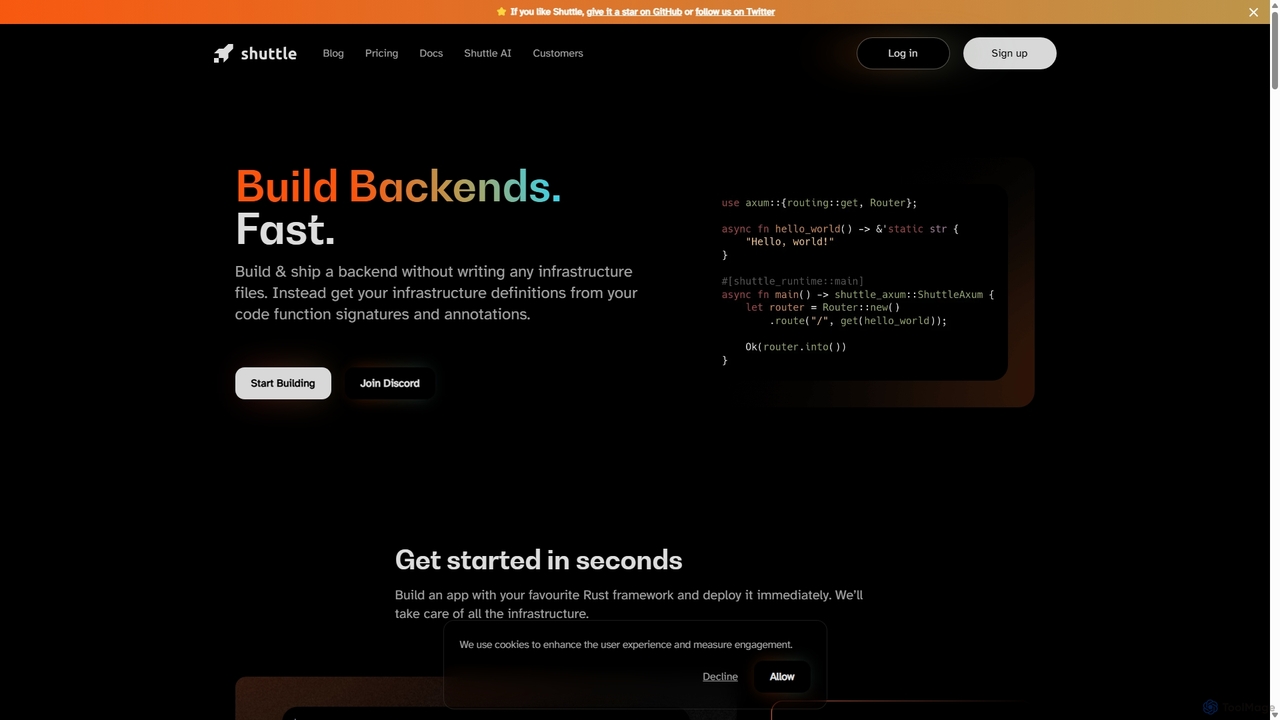
Shuttle ist eine Open-Source-Cloud-Plattform, die entwickelt wurde, um die Backend-Entwicklung in Rust zu beschleunigen. Sie eliminiert das Infrastrukturmanagement, indem sie Entwicklern ermöglicht, Ressourcen wie Datenbanken und Geheimnisse direkt in ihrem Code mit einfachen Annotationen bereitzustellen. Konzentrieren Sie sich auf die Erstellung Ihrer Anwendung und überlassen Sie Shuttle die Bereitstellung und Skalierung.

Backend-Entwicklung
Visits 39.1KFavorites 155Likes 153
cloudnein
Freemium

cloudnein

cloudnein ist eine KI-gestützte Cloud-Management-Plattform, die entwickelt wurde, um Kosten zu optimieren, die Sicherheit zu erhöhen und den Betrieb für AWS, GCP und Azure zu automatisieren. Sie bietet intelligente Empfehlungen und proaktive Einblicke, um Unternehmen bei der effizienten und sicheren Verwaltung ihrer Cloud-Infrastruktur zu unterstützen.

Management
Visits 3.9KFavorites 124Likes 149
Pulumi
Freemium

Pulumi

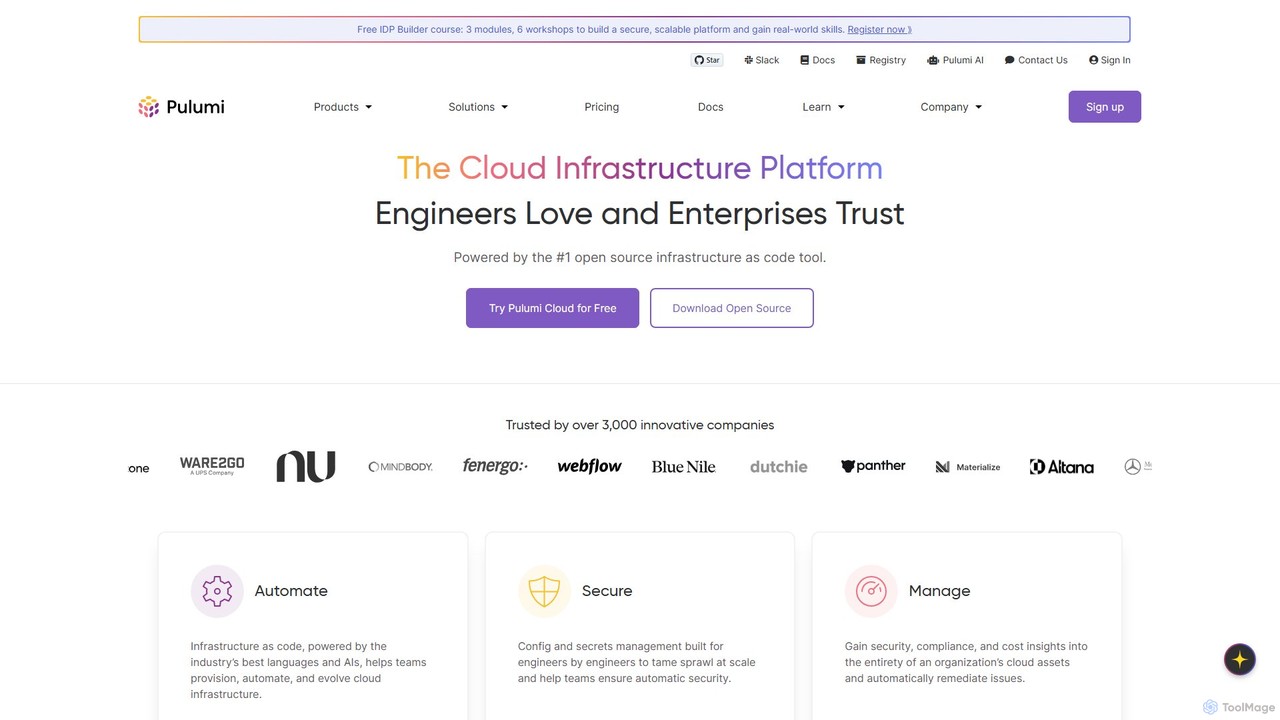
Pulumi ist eine universelle Infrastructure as Code (IaC)-Plattform, die es Entwicklern und Infrastrukturteams ermöglicht, Cloud-Infrastruktur mit vertrauten Programmiersprachen wie Python, TypeScript, Go und C# zu erstellen, bereitzustellen und zu verwalten. Es integriert KI, um Sicherheit, Compliance und betriebliche Effizienz zu verbessern.

Management
Visits 185.8KFavorites 127Likes 131
Waveterm
Free

Waveterm

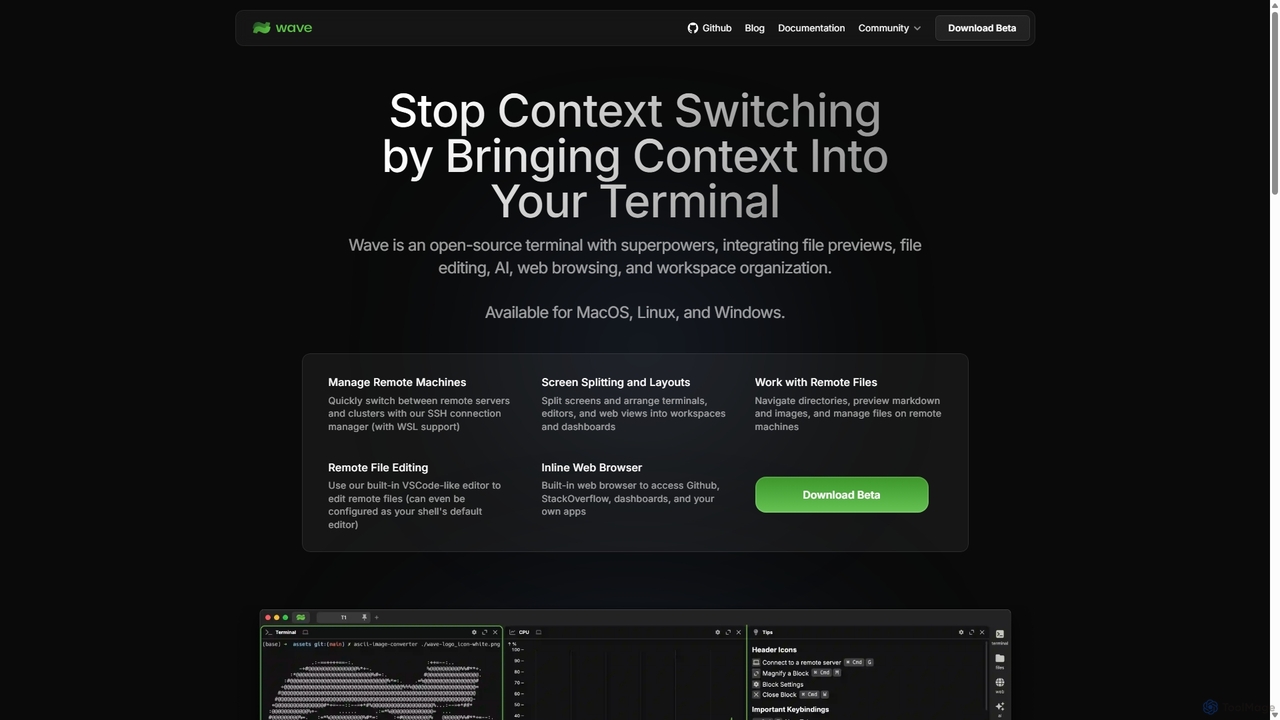
Waveterm ist ein modernes Open-Source-Terminal, das für Entwickler und DevOps-Ingenieure entwickelt wurde. Es verbessert die Kommandozeilenerfahrung durch die Integration von KI-gestützter Unterstützung, einem VSCode-ähnlichen Editor, Inline-Dateivorschauen, einem Webbrowser und anpassbaren Dashboards. Dieser All-in-One-Arbeitsbereich reduziert den Kontextwechsel und steigert die Produktivität auf macOS, Windows und Linux.

Code-Assistent
Visits 133.9KFavorites 164Likes 164
Rebolt
Freemium

Rebolt

Rebolt ist eine KI-gestützte Plattform, die den gesamten Softwareentwicklungs-Lebenszyklus automatisiert. Sie hilft Entwickler- und DevOps-Teams, Anwendungen schneller und zuverlässiger zu erstellen, zu testen und bereitzustellen, indem sie KI für die Optimierung von CI/CD-Pipelines, die Codegenerierung und intelligentes Monitoring nutzt.

Code-Assistent
Visits 4.1KFavorites 126Likes 115
Hoop.dev
Freemium

Hoop.dev

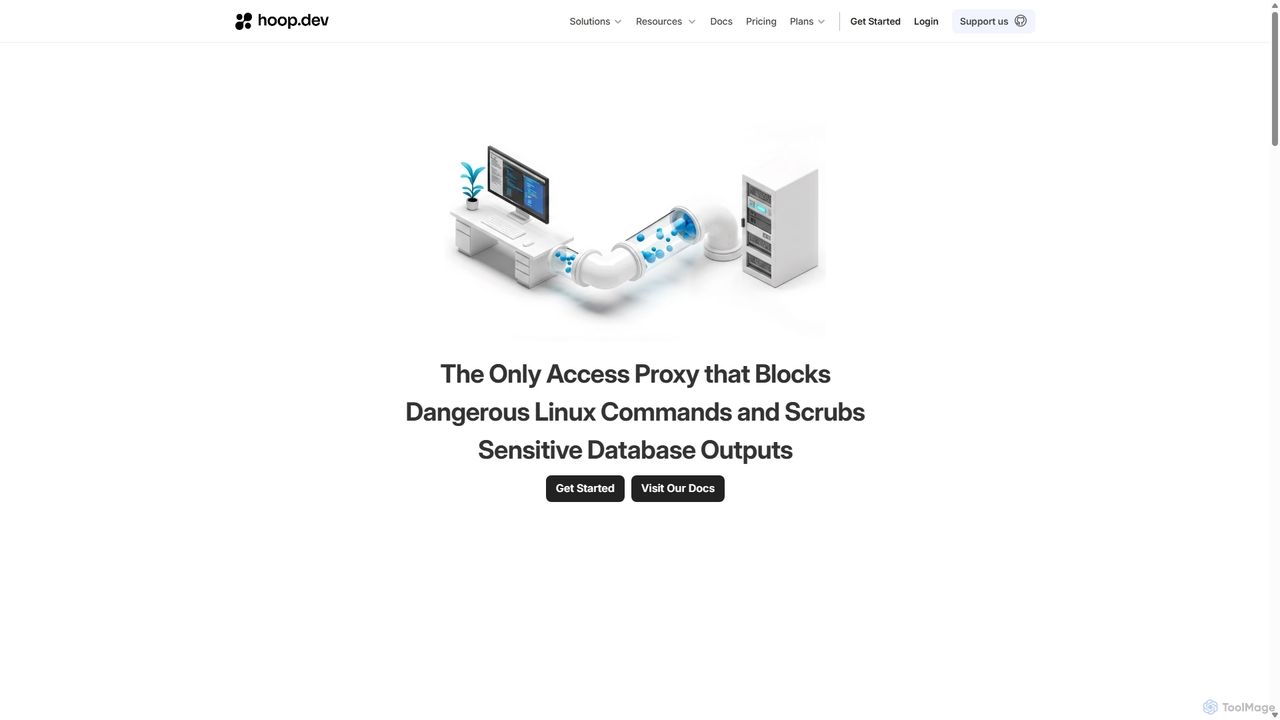
Hoop.dev ist ein KI-gestütztes Zugangs-Gateway, das Entwicklern unsichtbare Sicherheit und Administratoren Kommandozeilen-Kontrolle bietet. Es ermöglicht sicheren, auditierbaren Zugriff auf Datenbanken und Server mit Echtzeit-KI-Datenmaskierung, Sitzungsaufzeichnung und optimierten Genehmigungsworkflows, um die Sicherheit zu erhöhen, ohne die Produktivität zu beeinträchtigen.

Sicherheit
Visits 85.8KFavorites 139Likes 140
Metoro
Freemium

Metoro

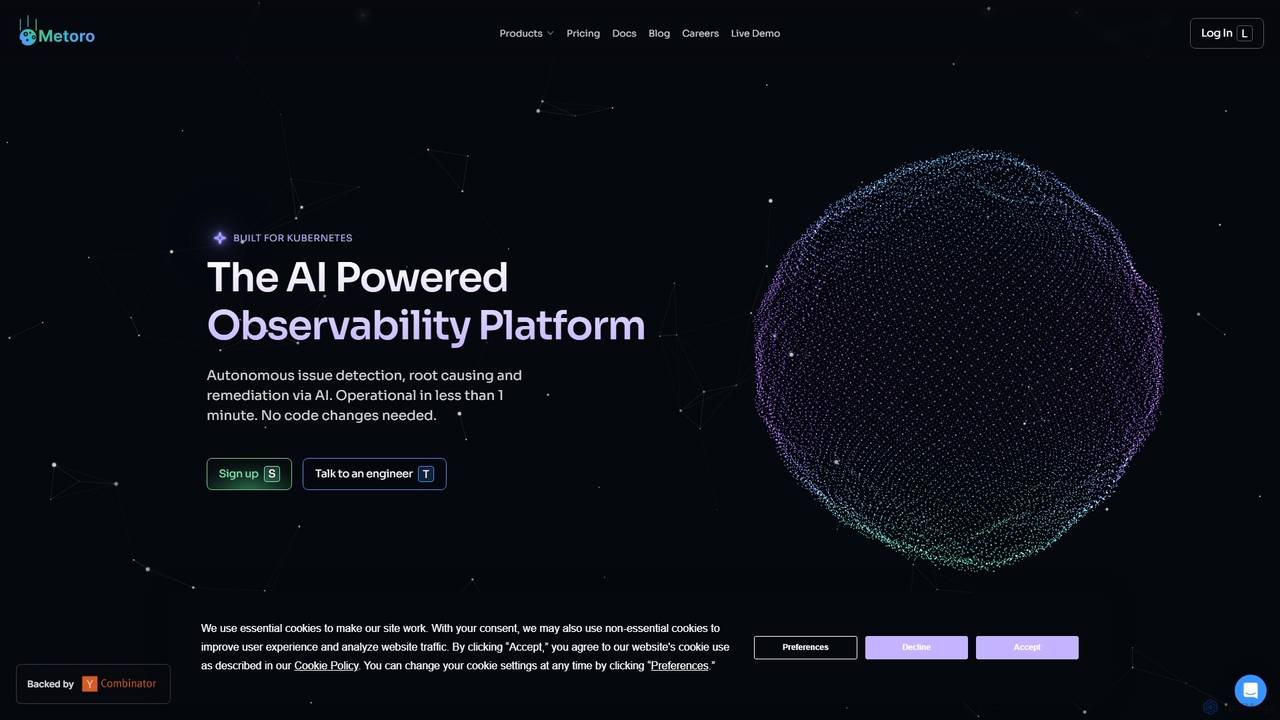
Metoro ist eine KI-gestützte Observability-Plattform für Kubernetes. Sie nutzt eBPF-Technologie für eine instrumentierungsfreie Überwachung, die eine autonome Problemerkennung, Ursachenanalyse und automatisierte Code-Korrekturen über Pull-Requests ermöglicht. In weniger als einer Minute einsatzbereit, bietet sie eine umfassende und kostengünstige Alternative zu herkömmlichen Monitoring-Tools.

Beobachtbarkeit
Visits 12.9KFavorites 89Likes 107
Warestack

Warestack

Warestack bietet agentenbasierte Leitplanken für Softwareentwicklungsteams, um sichere und konforme Releases zu ermöglichen. Es verwendet kontextsensitive Regeln in natürlicher Sprache, um DevOps-Workflows zu überwachen, riskante Operationen zu kennzeichnen und den Schutz zu automatisieren, und integriert sich mit Tools wie Slack und Linear, um Produktionsvorfälle zu verhindern.

Code-Qualität
Visits 4.5KFavorites 137Likes 139
Qovery
Freemium

Qovery

Qovery ist eine DevOps-Automatisierungsplattform, die Entwicklern eine Self-Service-Infrastruktur bietet. Sie automatisiert die Bereitstellung von Umgebungen, beschleunigt Bereitstellungszyklen und optimiert die Cloud-Kosten auf AWS, Azure und GCP, wodurch die Notwendigkeit für umfangreiche DevOps-Einstellungen entfällt.

Infrastruktur als Code
Visits 72.2KFavorites 114Likes 114