ToolMage
Anmelden
SiliconFlow
KI und Maschinelles Lernen · 434.2K monatliche besuche

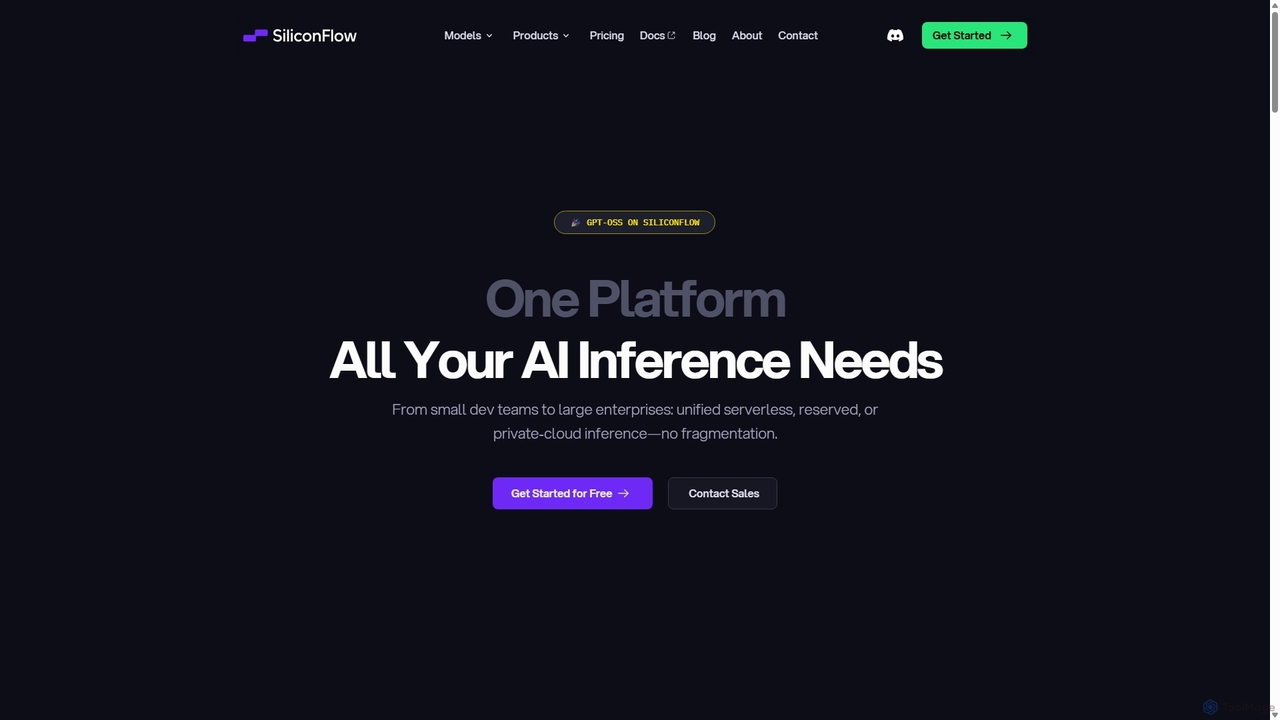
SiliconFlow ist eine einheitliche KI-Infrastrukturplattform, die für die hochleistungsfähige Inferenz von Großen Sprachmodellen (LLMs) und multimodalen Modellen entwickelt wurde. Sie bietet Entwicklern und Unternehmen skalierbare, kostengünstige und flexible Bereitstellungsoptionen, einschließlich serverloser APIs, reservierter GPUs und Feinabstimmungsfunktionen, die alle über eine einzige, OpenAI-kompatible API zugänglich sind.

VS
Unify
LLMOps · 11.4K monatliche besuche

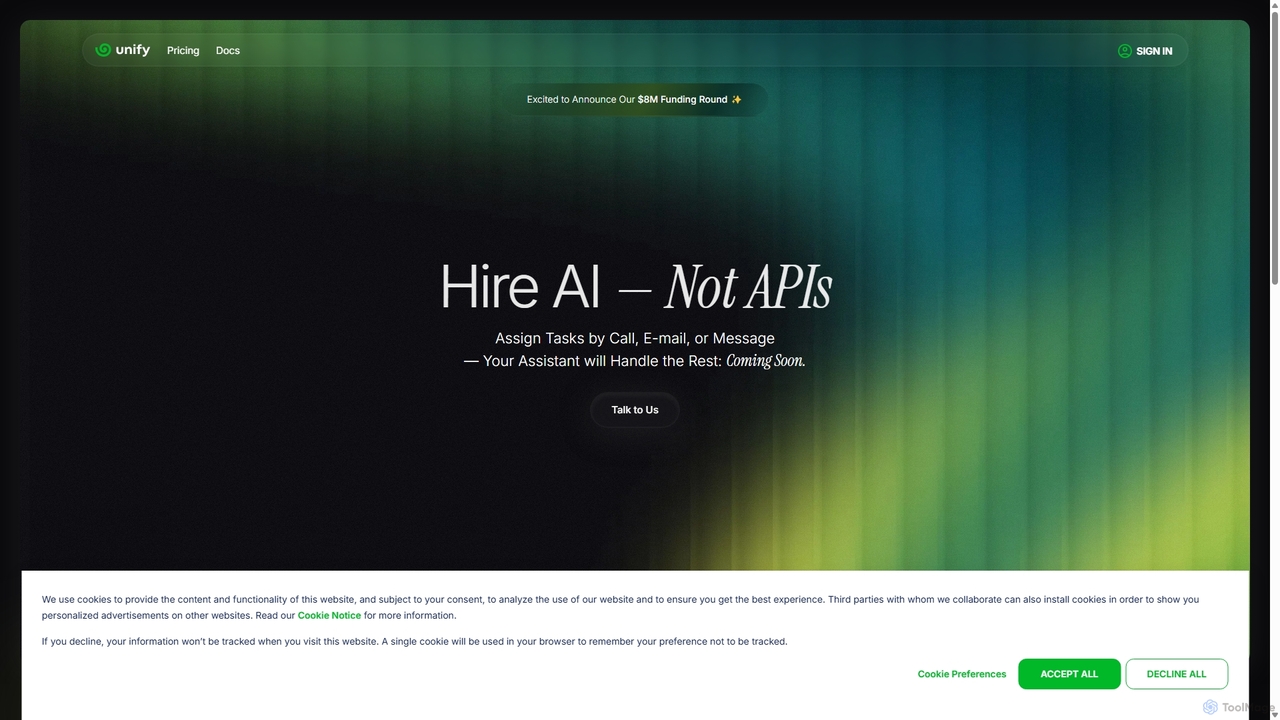
Unify ist eine entwicklerzentrierte LLMOps-Plattform, die entwickelt wurde, um die Erstellung, Überwachung und Optimierung von KI-Anwendungen zu vereinfachen. Sie bietet eine universelle API und ein anpassbares Framework für Protokollierung, Evaluierung, Tracing und die Verwaltung von KI-Agenten, das es Entwicklern ermöglicht, mühelos benutzerdefinierte Workflows und Schnittstellen zu erstellen.

SiliconFlow vs Unify: Preise, Funktionen und Traffic

Vergleiche SiliconFlow und Unify nach Positionierung, Preis, Funktionen, Traffic und Nutzerfeedback.

Aktualisiert 18.08.2026

Produktübersicht

SiliconFlow Produktübersicht

SiliconFlow ist eine einheitliche KI-Infrastrukturplattform, die für die hochleistungsfähige Inferenz von Großen Sprachmodellen (LLMs) und multimodalen Modellen entwickelt wurde. Sie bietet Entwicklern und Unternehmen skalierbare, kostengünstige und flexible Bereitstellungsoptionen, einschließlich serverloser APIs, reservierter GPUs und Feinabstimmungsfunktionen, die alle über eine einzige, OpenAI-kompatible API zugänglich sind.
Preview

Unify Produktübersicht

Unify ist eine entwicklerzentrierte LLMOps-Plattform, die entwickelt wurde, um die Erstellung, Überwachung und Optimierung von KI-Anwendungen zu vereinfachen. Sie bietet eine universelle API und ein anpassbares Framework für Protokollierung, Evaluierung, Tracing und die Verwaltung von KI-Agenten, das es Entwicklern ermöglicht, mühelos benutzerdefinierte Workflows und Schnittstellen zu erstellen.

Preview

Detailed feature comparison

FeatureSiliconFlowUnify
HauptkategorieKI und Maschinelles LernenLLMOps
Hinzugefügt2025-09-092025-09-16
PreismodellFreemiumFreemium
Offizielle Websitesiliconflow.comunify.ai
ProdukttypWebsiteWebsite
Performance data
NutzerbewertungNicht verifiziertNicht verifiziert
Kommentare00
Monatliche Besuche434.2K11.4K
Monatliches Wachstum-7.2%6.9%
Favoriten151116
DetailsDetails ansehenDetails ansehen

SiliconFlow vs Unify monthly traffic

Compare SiliconFlow and Unify by monthly reach, traffic trend, visit depth, top regions, and acquisition sources.

How to interpret the traffic data

In the SiliconFlow vs Unify monthly traffic comparison, SiliconFlow currently shows 434.2K visits and Unify shows 11.4K; SiliconFlow has about 38.1 times the visible traffic of Unify, an absolute difference of about 422.8K visits. This reflects visible reach, not feature quality or paid users.

Both tools provide verified traffic details, so monthly trends, visit depth, regions, and acquisition sources can be compared on the same basis.

SiliconFlow monthly traffic:

Latest traffic

Monatliche Besuche
434.2K
Ø Besuchsdauer
1:47
Seiten pro Besuch
3.1
Absprungrate
43.39%
Data updated 2026-06-15

Monthly traffic trend

  • 2025/9: 96.9K Monatliche Besuche
  • 2026/1: 286.8K Monatliche Besuche
  • 2026/2: 302.2K Monatliche Besuche
  • 2026/3: 406K Monatliche Besuche
  • 2026/4: 468.1K Monatliche Besuche
  • 2026/5: 434.2K Monatliche Besuche

Top-Regionen

Top 5 countries/regions
Country/regionPercentageTraffic
🇨🇳China38.26%166.1K
🇺🇸United States29.75%129.2K
🇻🇳Vietnam11.82%51.3K
🇮🇳India10.94%47.5K
🇹🇼Taiwan9.23%40.1K

Traffic-Quellen

Source typePercentageTraffic
Direkt83.02%360.5K
Verweis15.99%69.4K
E-Mail0.99%4.3K

Suchbegriffe

silicon flowsiliconflowsiliconflow api key支持rag的大模型硅基流动

Unify monthly traffic:

Latest traffic

Monatliche Besuche
11.4K
Ø Besuchsdauer
0:17
Seiten pro Besuch
1.61
Absprungrate
43.82%
Data updated 2026-06-15

Monthly traffic trend

  • 2025/9: 24.2K Monatliche Besuche
  • 2026/1: 13.8K Monatliche Besuche
  • 2026/2: 8.5K Monatliche Besuche
  • 2026/3: 9.9K Monatliche Besuche
  • 2026/4: 10.7K Monatliche Besuche
  • 2026/5: 11.4K Monatliche Besuche

Top-Regionen

Top 5 countries/regions
Country/regionPercentageTraffic
🇺🇸United States52.28%6K
🇮🇳India28.37%3.2K
🇬🇧United Kingdom11.49%1.3K
🇫🇷France4.14%472
🇦🇪United Arab Emirates3.72%424

Suchbegriffe

unifyunify aiunify appsunifyed aiunofy
Traffic-based selection guidance: If public market visibility is an important first-pass criterion, investigate SiliconFlow first. The final choice should still follow taxonomy, use case, and a real trial because higher traffic does not prove broader capabilities or better workflow fit.

Usage comparison

Compare the core capabilities of SiliconFlow and Unify

SiliconFlow Core features

KI und Maschinelles Lernen
API & Infrastruktur
Modellverwaltung

Unify Core features

LLMOps
Workflow-Automatisierung

Use cases

SiliconFlow Use cases

KI-Entwicklung
API
KI-Infrastruktur
Deep Learning
GPU-Computing
Bilderzeugung
LLM-Inferenz
maschinelles Lernen
Multimodale Modelle
OpenAI-kompatibel
Serverloses KI
Videogenerierung

Unify Use cases

KI-Entwicklung
API
KI-Agenten
KI-Bewertung
KI-Überwachung
Entwicklerwerkzeuge
Große Sprachmodelle
LLMOps
Python
Workflow-Automatisierung

Best suited roles

SiliconFlow Best suited roles

KI-Ingenieur
Datenwissenschaftler
DevOps-Ingenieur
Machine Learning Ingenieur
Produktmanager
Softwareentwickler
Content Creator
Technischer Leiter

Unify Best suited roles

KI-Ingenieur
Datenwissenschaftler
DevOps-Ingenieur
Machine Learning Ingenieur
Produktmanager
Softwareentwickler

SiliconFlow vs Unify:In-depth comparison and selection guidance

First decide whether the products solve the same kind of need

This in-depth SiliconFlow vs Unify comparison uses only the product records, taxonomy, audience, traffic, and community signals available on this page. SiliconFlow is primarily listed under “KI und Maschinelles Lernen”, while Unify is primarily listed under “LLMOps”, so the first decision is whether your actual task matches their recorded scope.

The structured fields currently show these decision-relevant differences: Primary category (SiliconFlow: KI und Maschinelles Lernen; Unify: LLMOps); Monthly visits (SiliconFlow: 434.2K; Unify: 11.4K); Monthly growth (SiliconFlow: -7.2%; Unify: 6.9%); Favorites (SiliconFlow: 151; Unify: 116); Website (SiliconFlow: siliconflow.com; Unify: unify.ai). These facts are more useful for selection than brand visibility alone.

What market visibility and monthly traffic mean

In the SiliconFlow vs Unify monthly traffic comparison, SiliconFlow currently shows 434.2K visits and Unify shows 11.4K; SiliconFlow has about 38.1 times the visible traffic of Unify, an absolute difference of about 422.8K visits. This reflects visible reach, not feature quality or paid users.

Both tools provide verified traffic details, so monthly trends, visit depth, regions, and acquisition sources can be compared on the same basis.

If public market visibility is an important first-pass criterion, investigate SiliconFlow first. The final choice should still follow taxonomy, use case, and a real trial because higher traffic does not prove broader capabilities or better workflow fit.

Product positioning, use cases, and roles

SiliconFlow and Unify currently overlap in shared tags: KI-Entwicklung und API; shared roles: KI-Ingenieur, Datenwissenschaftler, DevOps-Ingenieur, Machine Learning Ingenieur, Produktmanager und Softwareentwickler. This can place both on the same shortlist, but it does not prove equal implementation, depth, or cost.

SiliconFlow's unique categories/tags are KI und Maschinelles Lernen, API & Infrastruktur, Modellverwaltung, KI-Infrastruktur, Deep Learning, GPU-Computing, Bilderzeugung und LLM-Inferenz; Unify's are LLMOps, Workflow-Automatisierung, KI-Agenten, KI-Bewertung, KI-Überwachung, Entwicklerwerkzeuge, Große Sprachmodelle und Python. These unique fields are the strongest differentiators: validate the product whose recorded scope matches the task instead of following traffic alone.

What ratings, comments, and favorites can tell you

SiliconFlow has no verified rating, 0 comments, 151 favorites, and 145 likes;Unify has no verified rating, 0 comments, 116 favorites, and 121 likes。

Neither product has enough rating or comment samples for a credible reputation ranking.

Selection guidance by actual need

When to evaluate SiliconFlow first

Put SiliconFlow on the priority trial list when the task aligns with “KI und Maschinelles Lernen” and especially KI und Maschinelles Lernen, API & Infrastruktur, Modellverwaltung, KI-Infrastruktur, Deep Learning und GPU-Computing, or the users include Content Creator und Technischer Leiter. This follows recorded positioning and does not imply unlisted capabilities are absent.

SiliconFlow also currently records: pricing is freemium, product type is website, 434.2K verified monthly visits, no verified user rating. Verify any hard requirement around price, platform, or reach before trial, and do not let sparse review data substitute for testing.

When to evaluate Unify first

Put Unify on the priority trial list when the task aligns with “LLMOps” and especially LLMOps, Workflow-Automatisierung, KI-Agenten, KI-Bewertung, KI-Überwachung und Entwicklerwerkzeuge. This follows recorded positioning and does not imply unlisted capabilities are absent.

Unify also currently records: pricing is freemium, product type is website, 11.4K verified monthly visits, no verified user rating. Verify any hard requirement around price, platform, or reach before trial, and do not let sparse review data substitute for testing.

How to validate the recommendation before deciding

The available data describes positioning, public visibility, and community signals, but it cannot prove output quality, speed, integration effort, privacy, or long-term cost in your workflow. Before deciding, run the same representative tasks in SiliconFlow and Unify, then record completion time, accuracy, manual corrections, and the real paid threshold. A like-for-like trial turns this comparison into a defensible adoption decision.

Vergleichs-FAQ

How should I choose between SiliconFlow and Unify?
Compare positioning, pricing, taxonomy, and traffic maturity, then verify the latest details on each official website.
Where does this comparison data come from?
The factual baseline is derived from product, taxonomy, traffic, and community data. Reviewed editorial conclusions show their source and verification date.
What do unknown fields mean?
Unknown means there is not enough reliable evidence; the page does not fill gaps with assumptions.

Related AI tools

Replicate
Paid

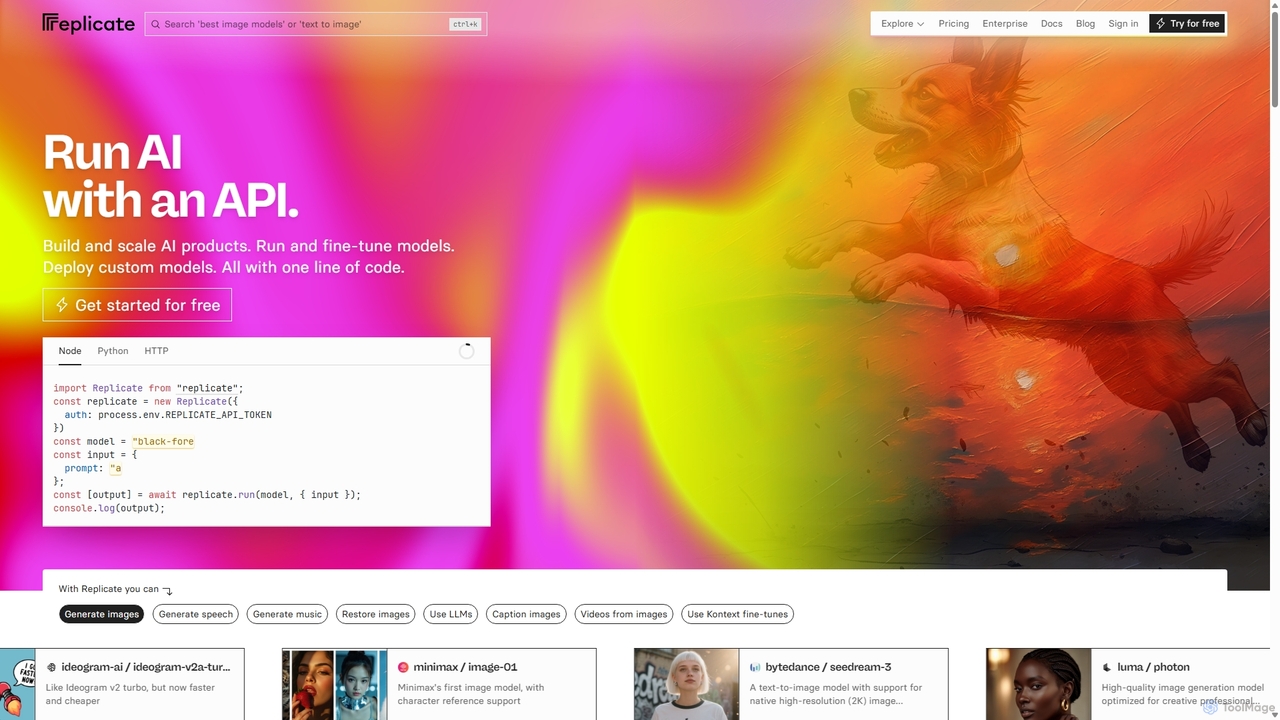
Replicate

Replicate ist eine Cloud-Plattform für Entwickler, um KI-Modelle über eine einfache API auszuführen, zu optimieren und bereitzustellen. Sie eliminiert die Notwendigkeit, komplexe Infrastrukturen zu verwalten, und bietet Zugriff auf Tausende von Modellen mit Pay-per-Use-Preisen und automatischer Skalierung.

Maschinelles Lernen
Visits 1.3MFavorites 102Likes 89
Metorial
Freemium

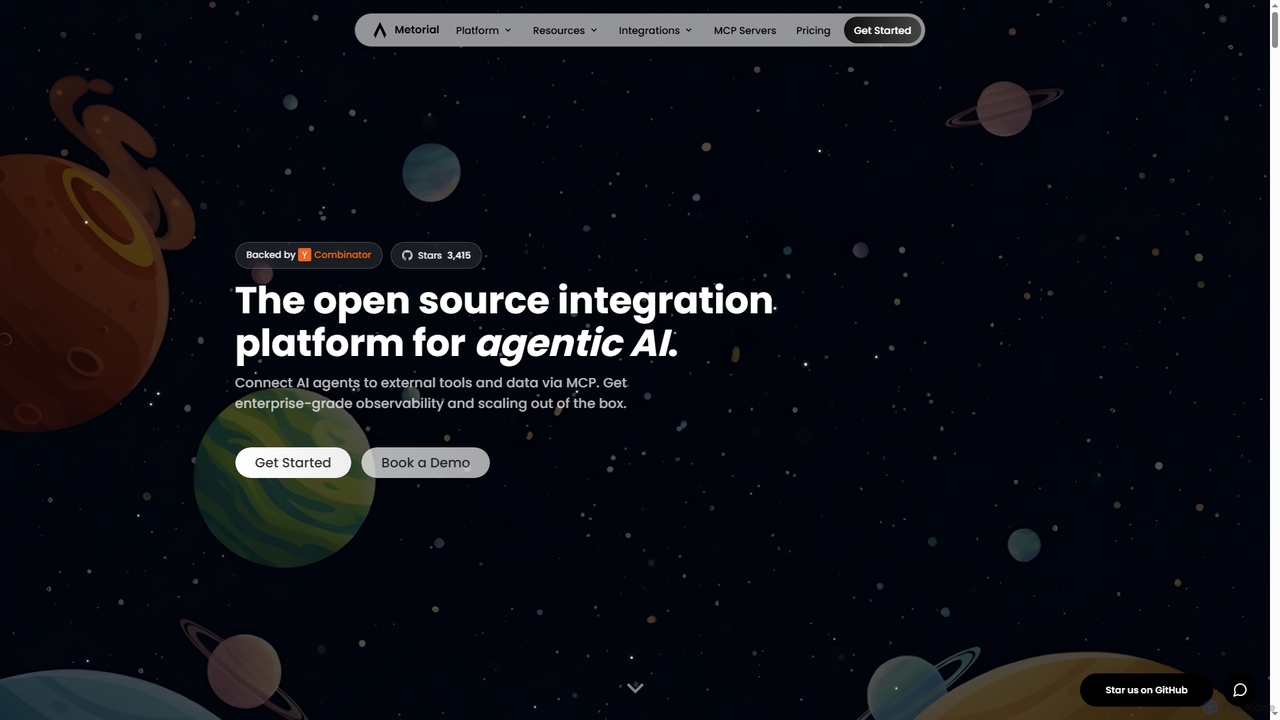
Metorial

Metorial ist eine Integrationsplattform für KI-Agenten, die Entwicklern ermöglicht, leistungsstarke agentische KI-Anwendungen schnell zu erstellen, bereitzustellen und zu überwachen. Sie bietet nahtlose Verbindungen zu Hunderten von Tools, Datenquellen und APIs über ihre serverlose Model Context Protocol (MCP)-Plattform und bietet robuste SDKs, Observability und Sicherheit auf Unternehmensniveau für skalierbare KI-Lösungen.

Agentische KI
Visits 11.8KFavorites 120Likes 121
XMOX
Paid

XMOX

XMOX ist eine führende Plattform für verwaltete KI-Agenten, die eine unternehmensgerechte Infrastruktur und Dienste für die Bereitstellung, Skalierung und Verwaltung intelligenter Agenten bietet. Sie eliminiert die betriebliche Komplexität und ermöglicht es Unternehmen, die Leistung multimodaler KI-Agenten – einschließlich Sprache, Code und Stimme – mit fortschrittlicher RAG-Integration, Zero-Touch-Operationen und intelligentem Auto-Scaling zu nutzen.

Plattform als Dienst
Visits 4.1KFavorites 108Likes 89
AIGoMarket
Paid

AIGoMarket

AIGoMarket ist eine Edge AI Foundry und ein Marktplatz, der darauf abzielt, die Edge AI-Entwicklung zu demokratisieren. Er ermöglicht es Entwicklern, ihre optimierten KI-Modelle hochzuladen und zu monetarisieren, während er Entwicklern eine Plattform bietet, um leistungsstarke KI-Lösungen für verschiedene Edge-Geräte und -Anwendungen zu entdecken, zu lizenzieren und bereitzustellen.

Model Marketplace
Visits 4.2KFavorites 20Likes 18
Plano

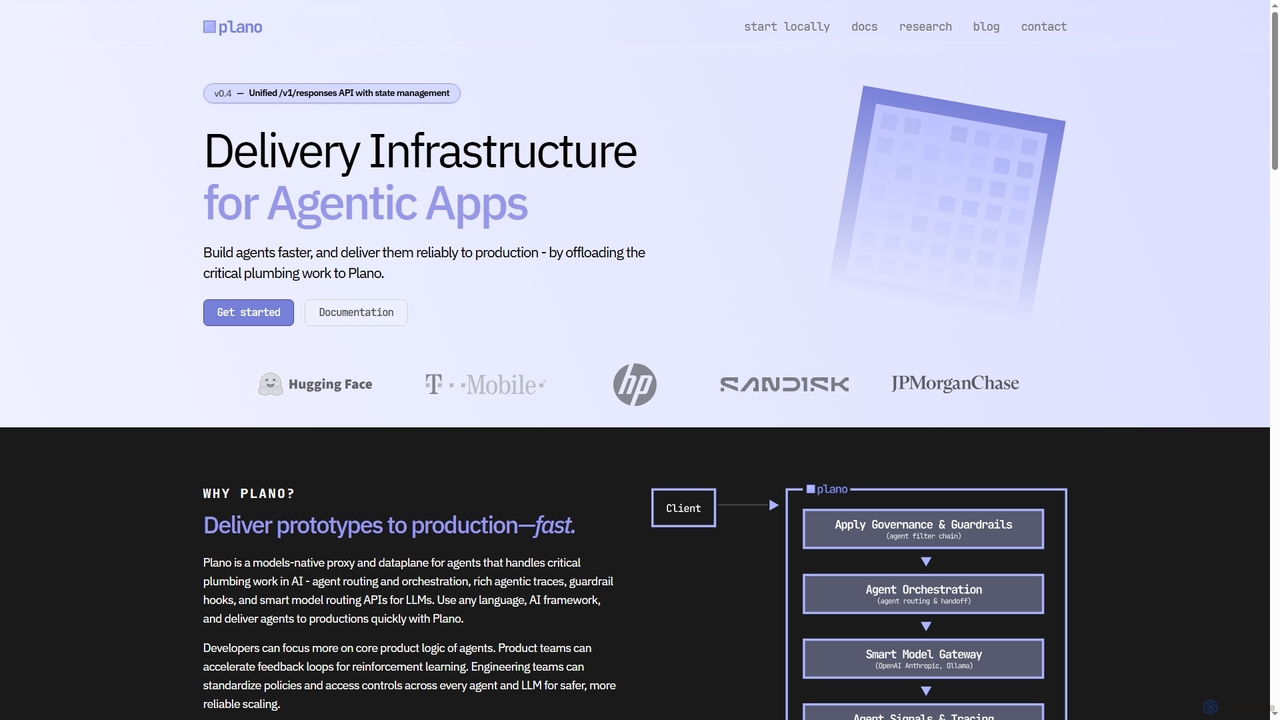
Plano

Plano ist eine modellnative Bereitstellungsinfrastruktur für agentenbasierte KI-Anwendungen, die kritische „Klempnerarbeiten“ wie Agenten-Routing, Orchestrierung, umfassende Agenten-Traces und Guardrail-Hooks auslagert. Es beschleunigt die Entwicklung und zuverlässige Bereitstellung von KI-Agenten in der Produktion und ermöglicht es Entwicklern, sich auf die Kernproduktlogik zu konzentrieren. Plano wurde für Geschwindigkeit und Zuverlässigkeit entwickelt und vereinfacht komplexe KI-Infrastrukturherausforderungen.

Agent Orchestration
Visits 6.9KFavorites 6Likes 11
Prompteams
Freemium

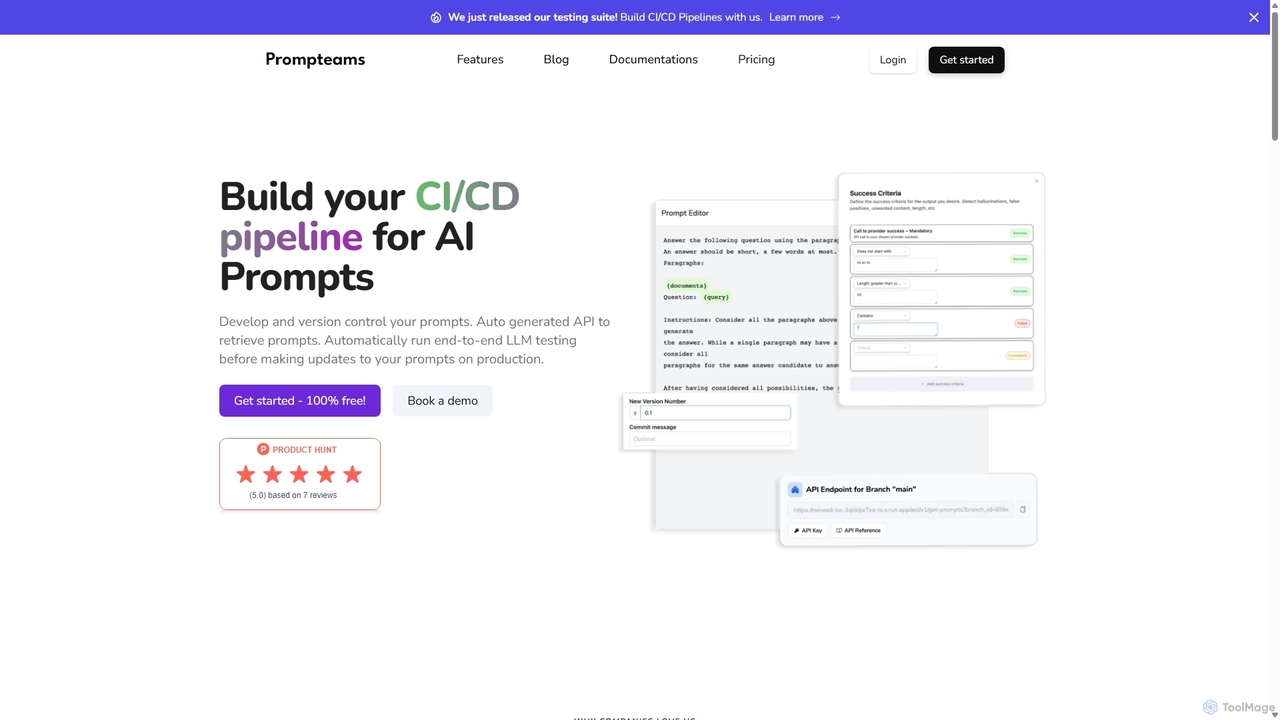
Prompteams

Prompteams ist ein umfassendes KI-Prompt-Management-System, das für Teams entwickelt wurde. Es bietet einen Git-ähnlichen Workflow mit Versionierung, Branching und Commits zur Verwaltung und Iteration von LLM-Prompts. Die Plattform verfügt über eine robuste Testsuite zur Qualitätssicherung, Echtzeit-APIs für eine sofortige Bereitstellung und Kollaborationstools, die die Lücke zwischen Ingenieuren und Branchenexperten schließen. Es ist eine Komplettlösung für den Aufbau einer CI/CD-Pipeline für KI-Prompts, die Qualität, Konsistenz und schnelle Entwicklung gewährleistet.

Modellverwaltung
Visits 4.6KFavorites 104Likes 85
Symphony
Paid

Symphony

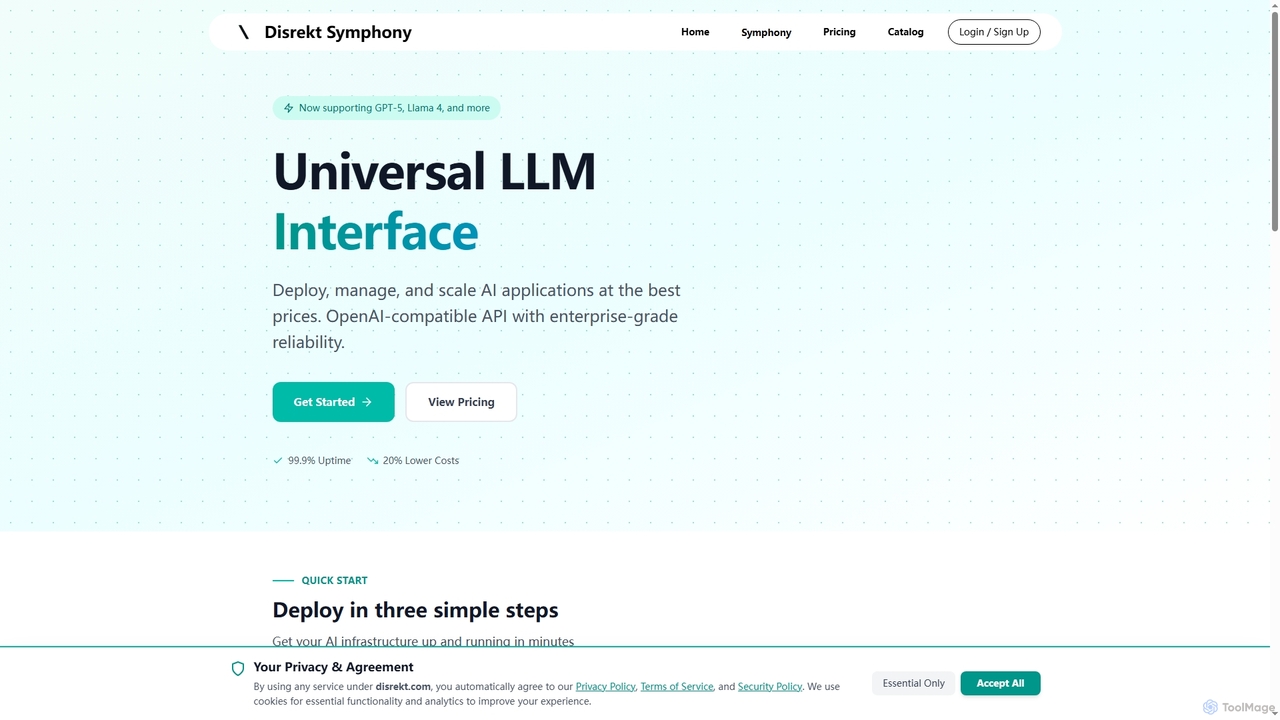
Symphony ist eine universelle LLM-Schnittstelle, die eine OpenAI-kompatible API zur Bereitstellung, Verwaltung und Skalierung von KI-Anwendungen bietet. Sie zeichnet sich durch unternehmensgerechte Zuverlässigkeit, bis zu 20 % niedrigere Kosten und die Unterstützung von über 100 wichtigen KI-Modellen wie GPT-5 und Llama 4 aus, was sie zur idealen Lösung für Entwickler und Unternehmen macht, die eine effiziente und robuste KI-Infrastruktur suchen.

API-Verwaltung
Visits 4.1KFavorites 118Likes 115
Orq.ai
Freemium

Orq.ai

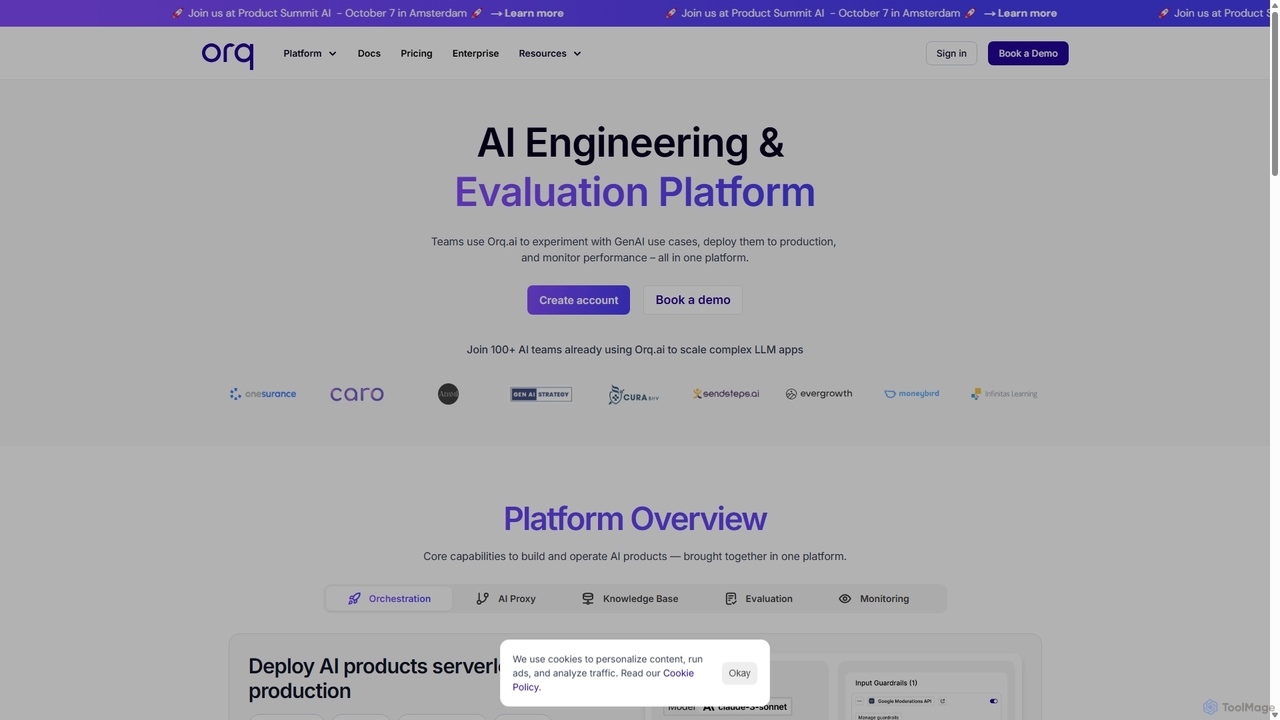
Orq.ai ist eine End-to-End-Kollaborationsplattform für Generative KI für Ingenieur- und Produktteams. Sie ermöglicht es Benutzern, mit GenAI-Anwendungsfällen zu experimentieren, sie in die Produktion zu überführen und die Leistung zu überwachen – alles in einer einzigen, einheitlichen Umgebung, die den gesamten Lebenszyklus von LLM-Anwendungen unterstützt.

Modellbereitstellung
Visits 4KFavorites 151Likes 144
Xano
Freemium

Xano

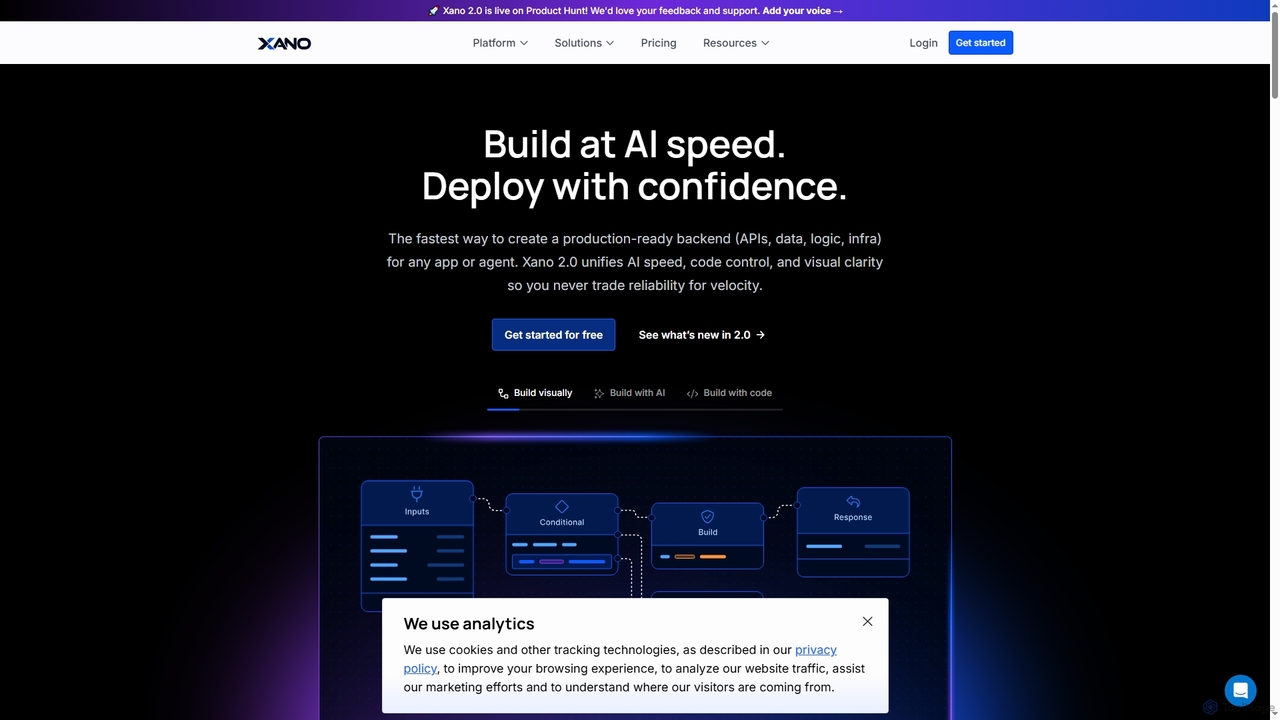
Xano ist eine skalierbare No-Code-Backend-Plattform, die Entwickler und Teams befähigt, produktionsreife Anwendungen und KI-Agenten in AI-Geschwindigkeit zu erstellen. Sie bietet eine einheitliche Lösung für APIs, eine verwaltete Postgres-Datenbank, visuelle Logik und eine automatisch skalierende Infrastruktur, wodurch komplexe DevOps überflüssig werden.

Agentenentwicklung
Visits 176.1KFavorites 140Likes 149
Vaultic
Freemium

Vaultic

Vaultic ist eine zentralisierte Prompt-Management-Plattform für KI-Entwicklungsteams. Sie ermöglicht es Benutzern, KI-Prompts in großem Maßstab zu versionieren, zu testen, gemeinsam daran zu arbeiten und bereitzustellen, wodurch hartcodierte Prompts eliminiert und der gesamte KI-Logik-Workflow über eine einzige, organisierte Oberfläche optimiert wird.

Prompt-Management
Visits 4.5KFavorites 58Likes 63
Google AI for Developers
Freemium

Google AI for Developers

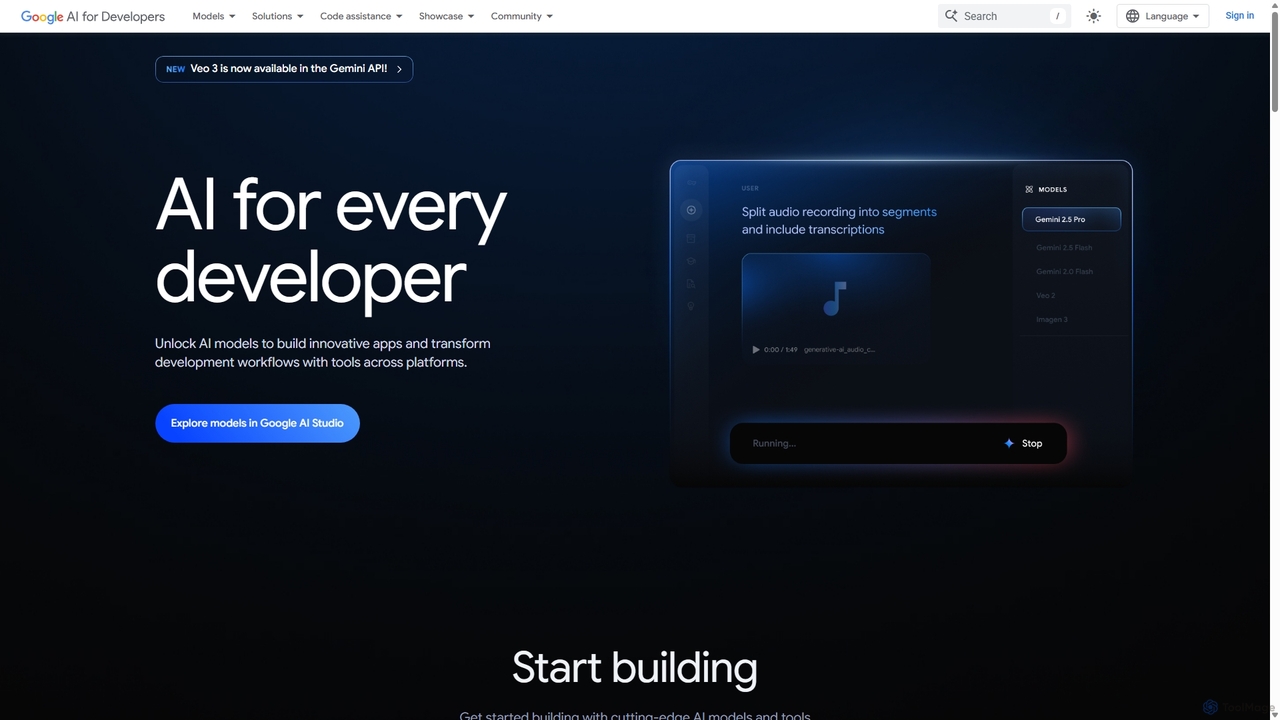
Eine umfassende Plattform von Google, die Entwicklern über eine API Zugang zu hochmodernen KI-Modellen wie Gemini, Imagen und Veo sowie zu den Open-Source-Modellen von Gemma bietet. Sie umfasst Tools wie Google AI Studio für Prototyping, AI Edge für die Bereitstellung auf Geräten und integrierte Code-Unterstützung, um innovative Anwendungen zu erstellen und Entwicklungsworkflows verantwortungsvoll zu optimieren.

Große Sprachmodelle
Visits 9.7MFavorites 125Likes 128
Cogniz

Cogniz

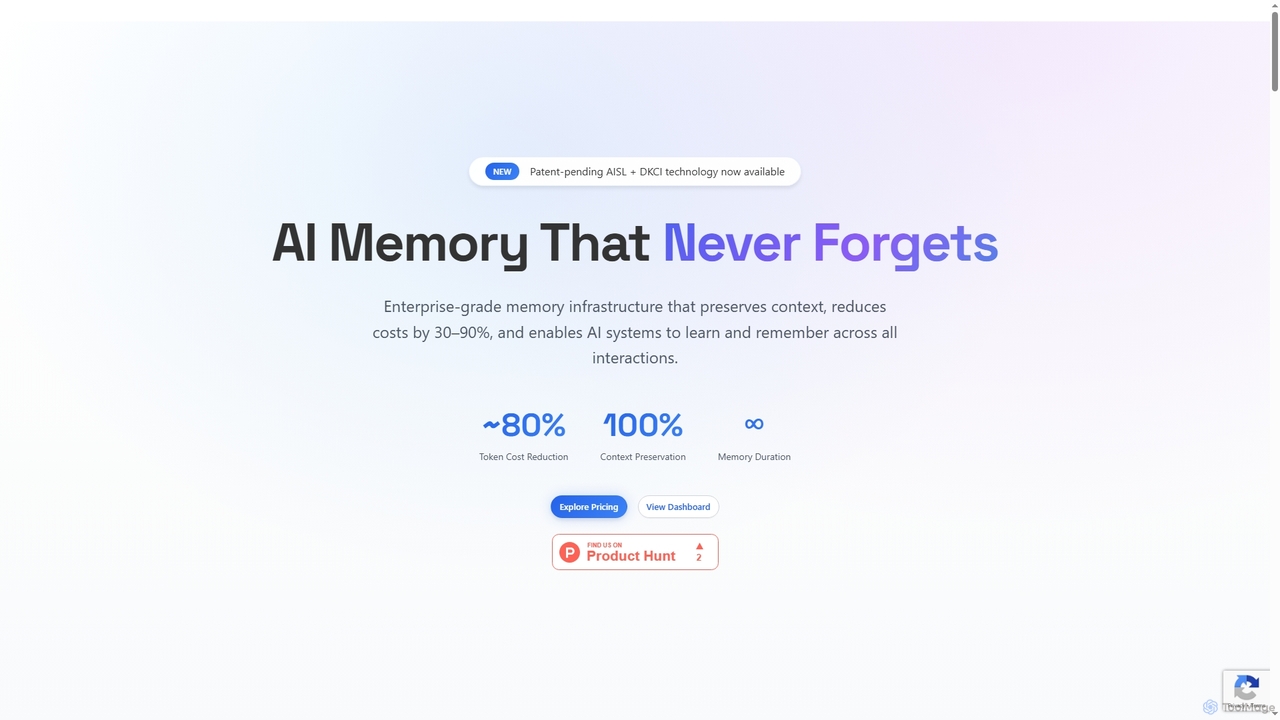
Cogniz ist eine unternehmensgerechte KI-Speicherinfrastruktur mit zum Patent angemeldeter AISL + DKCI-Technologie. Sie ermöglicht es KI-Systemen, in allen Interaktionen unbegrenzt zu lernen und sich zu erinnern, gewährleistet 100% Kontextkonservierung und reduziert die Token-Kosten um durchschnittlich 80%.

Speicherverwaltung
Visits 8.9KFavorites 44Likes 54
Substrate
Freemium

Substrate

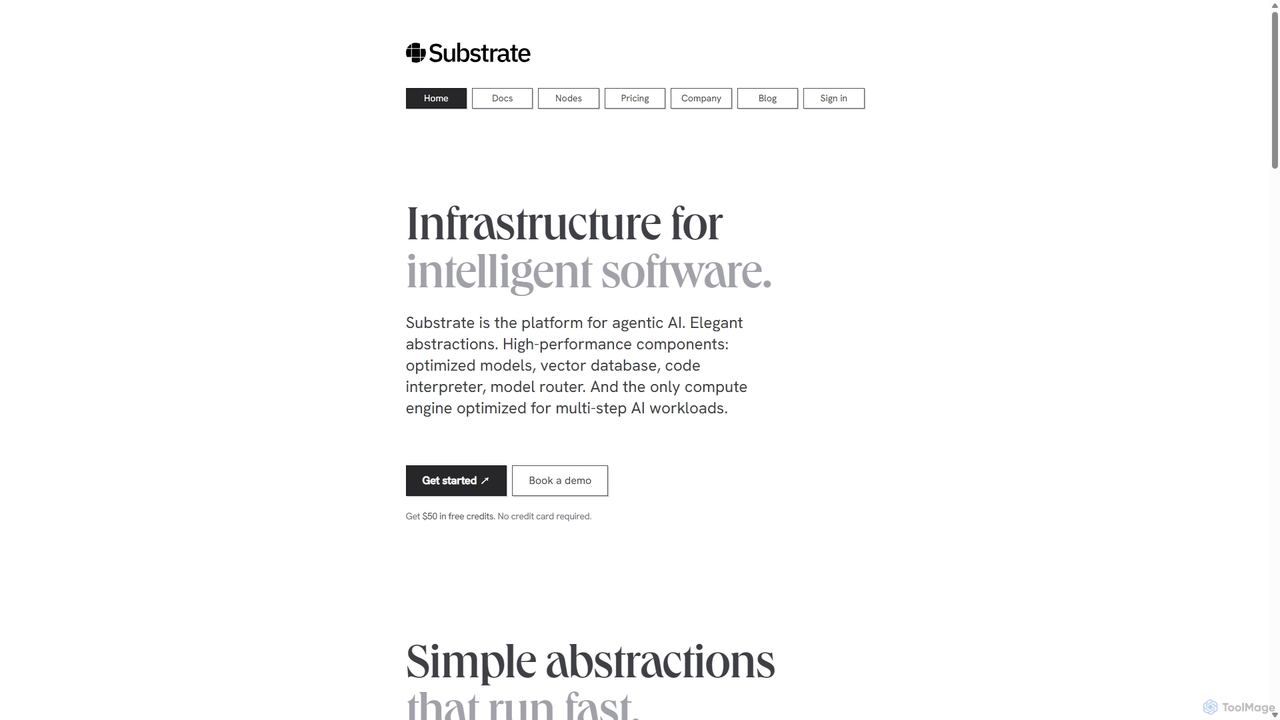
Substrate ist eine Entwicklerplattform zum Erstellen von hochleistungsfähigen, agentenbasierten KI-Anwendungen. Es bietet elegante SDKs, eine umfassende Bibliothek optimierter Modelle und eine einzigartige Compute-Engine, die komplexe, mehrstufige KI-Workflows für maximale Geschwindigkeit und Effizienz orchestriert.

API & SDK
Visits 6.9KFavorites 122Likes 108
Gabber
Paid

Gabber

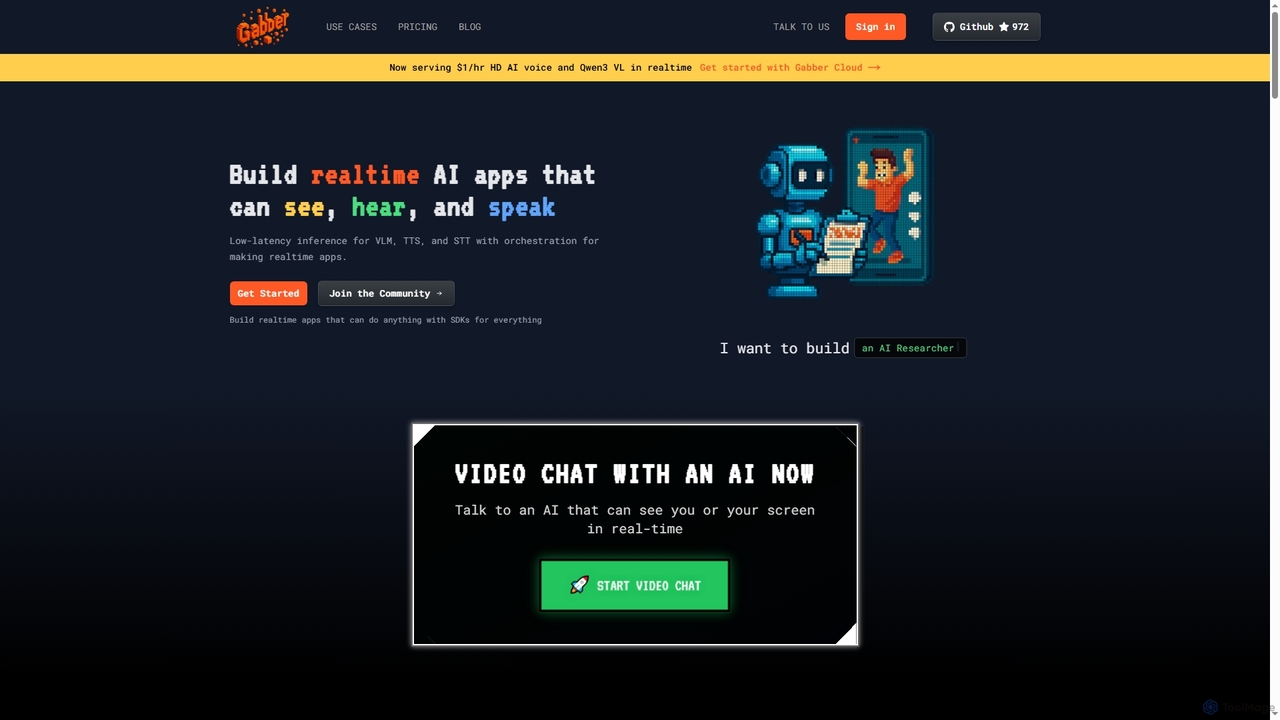
Gabber ist eine leistungsstarke Plattform zum Erstellen von multimodalen Echtzeit-KI-Anwendungen, die sehen, hören und sprechen können. Es bietet geringe Latenz bei der Inferenz für Vision Language Models (VLM), Text-to-Speech (TTS) und Speech-to-Text (STT, kombiniert mit einem graphenbasierten Orchestrierungssystem für schnelle Entwicklung und Bereitstellung.

Konversationelle KI
Visits 6.7KFavorites 128Likes 143
AI News Hub

AI News Hub

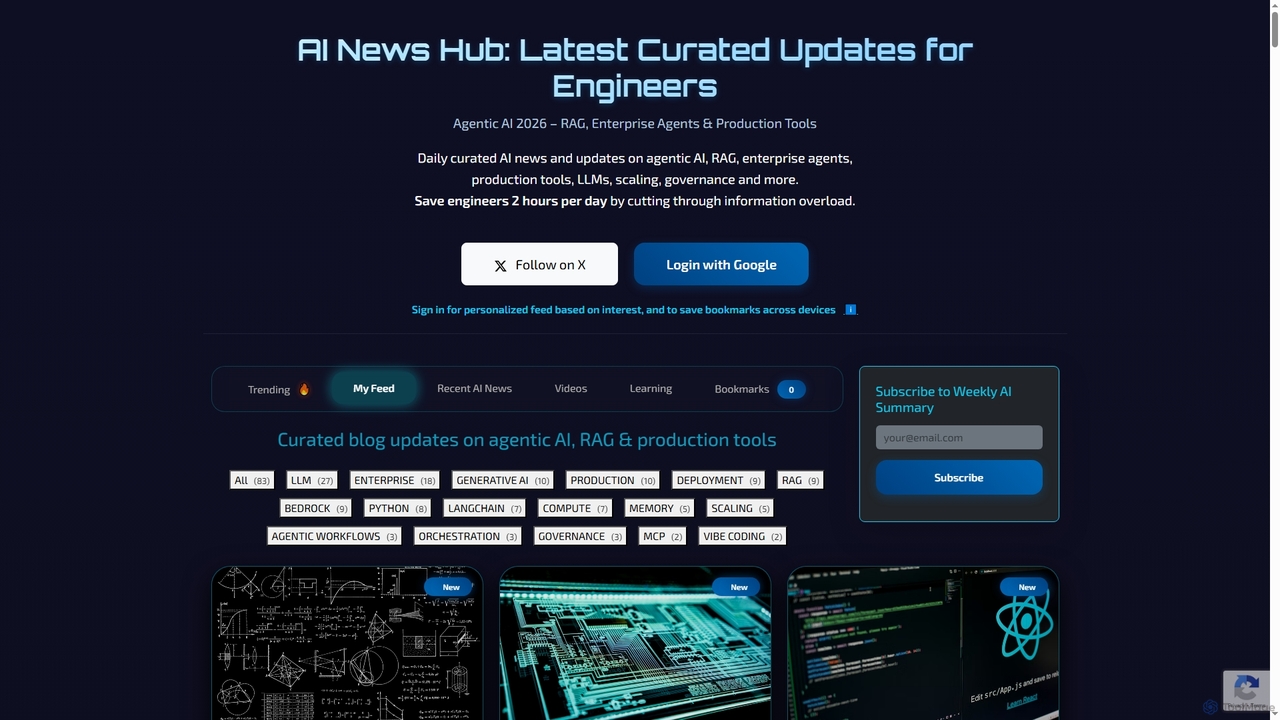
AI News Hub ist eine umfassende Plattform, die Echtzeit-KI-Ankündigungen, kuratierte Blog-Updates zu agentischer KI, RAG und Produktionstools bereitstellt. Sie bietet einen personalisierten Feed, Lesezeichenfunktionen und eine reichhaltige Sammlung von Lernressourcen, einschließlich Roadmaps, Kursen und Videos, um Entwickler und Enthusiasten in der sich schnell entwickelnden KI-Landschaft auf dem Laufenden und kompetent zu halten.

Aggregation
Visits 4.1KFavorites 27Likes 31