Pydantic ist eine umfassende Plattform für Entwickler, die leistungsstarke Datenvalidierung, KI-Entwicklungstools und eine Full-Stack-Observability-Lösung bietet. Sie ermöglicht eine schnellere und robustere Anwendungsentwicklung in Python und anderen Sprachen, indem sie Typ-Hinweise für die Laufzeit-Datenvalidierung nutzt und tiefe Einblicke von der lokalen Entwicklung bis zur Produktion liefert.
VisActor ist eine Open-Source, narrativ orientierte intelligente Visualisierungslösung von ByteDance. Es bietet eine umfassende Suite von Tools, einschließlich VChart und VTable, um Daten in fesselnde visuelle Geschichten zu verwandeln. Mit seiner KI-gestützten Komponente VMind vereinfacht es die Erstellung von Diagrammen und ermöglicht dynamische, plattformübergreifende Datenpräsentationen.
Produktübersicht
Pydantic Produktübersicht
Pydantic ist eine umfassende Plattform für Entwickler, die leistungsstarke Datenvalidierung, KI-Entwicklungstools und eine Full-Stack-Observability-Lösung bietet. Sie ermöglicht eine schnellere und robustere Anwendungsentwicklung in Python und anderen Sprachen, indem sie Typ-Hinweise für die Laufzeit-Datenvalidierung nutzt und tiefe Einblicke von der lokalen Entwicklung bis zur Produktion liefert.

VisActor Produktübersicht
VisActor ist eine Open-Source, narrativ orientierte intelligente Visualisierungslösung von ByteDance. Es bietet eine umfassende Suite von Tools, einschließlich VChart und VTable, um Daten in fesselnde visuelle Geschichten zu verwandeln. Mit seiner KI-gestützten Komponente VMind vereinfacht es die Erstellung von Diagrammen und ermöglicht dynamische, plattformübergreifende Datenpräsentationen.
Detailed feature comparison
| Feature | Pydantic | VisActor |
|---|---|---|
| Hauptkategorie | Debugging & Tests | Bibliotheken und Frameworks |
| Hinzugefügt | 2025-08-15 | 2025-08-12 |
| Preismodell | Freemium | Kostenlos |
| Offizielle Website | pydantic.dev | visactor.io |
| Produkttyp | Website | Website |
| Performance data | ||
| Nutzerbewertung | Nicht verifiziert | Nicht verifiziert |
| Kommentare | 0 | 0 |
| Monatliche Besuche | 535K | 22.3K |
| Monatliches Wachstum | -0.5% | -27.7% |
| Favoriten | 109 | 126 |
| Details | Details ansehen | Details ansehen |
Pydantic vs VisActor monthly traffic
Compare Pydantic and VisActor by monthly reach, traffic trend, visit depth, top regions, and acquisition sources.
How to interpret the traffic data
In the Pydantic vs VisActor monthly traffic comparison, Pydantic currently shows 535K visits and VisActor shows 22.3K; Pydantic has about 24 times the visible traffic of VisActor, an absolute difference of about 512.7K visits. This reflects visible reach, not feature quality or paid users.
Both tools provide verified traffic details, so monthly trends, visit depth, regions, and acquisition sources can be compared on the same basis.
Pydantic monthly traffic:
Latest traffic
Monthly traffic trend
- 2025/9: 686K Monatliche Besuche
- 2026/1: 670.4K Monatliche Besuche
- 2026/2: 699.1K Monatliche Besuche
- 2026/3: 727.8K Monatliche Besuche
- 2026/4: 537.6K Monatliche Besuche
- 2026/5: 535K Monatliche Besuche
Top-Regionen
Top 5 countries/regions
| Country/region | Percentage | Traffic |
|---|---|---|
| 🇺🇸United States | 49.52% | 264.9K |
| 🇮🇳India | 15.84% | 84.7K |
| 🇬🇧United Kingdom | 13.1% | 70.1K |
| 🇨🇳China | 12.38% | 66.2K |
| 🇨🇦Canada | 9.16% | 49K |
Traffic-Quellen
| Source type | Percentage | Traffic |
|---|---|---|
| Direkt | 81.08% | 433.7K |
| Verweis | 18.15% | 97.1K |
| 0.77% | 4.1K |
Suchbegriffe
VisActor monthly traffic:
Latest traffic
Monthly traffic trend
- 2025/9: 44.3K Monatliche Besuche
- 2026/1: 35.6K Monatliche Besuche
- 2026/2: 36K Monatliche Besuche
- 2026/3: 34.8K Monatliche Besuche
- 2026/4: 30.8K Monatliche Besuche
- 2026/5: 22.3K Monatliche Besuche
Top-Regionen
Top 5 countries/regions
| Country/region | Percentage | Traffic |
|---|---|---|
| 🇨🇳China | 84.12% | 18.7K |
| 🇺🇸United States | 6.91% | 1.5K |
| 🇰🇷Korea, Republic of | 3.07% | 684 |
| 🇧🇷Brazil | 2.99% | 666 |
| 🇭🇰Hong Kong | 2.91% | 648 |
Traffic-Quellen
| Source type | Percentage | Traffic |
|---|---|---|
| Direkt | 79.43% | 17.7K |
| Verweis | 20.57% | 4.6K |
Suchbegriffe
Usage comparison
Compare the core capabilities of Pydantic and VisActor
Pydantic Core features
VisActor Core features
Use cases
Pydantic Use cases
VisActor Use cases
Pydantic vs VisActor:In-depth comparison and selection guidance
First decide whether the products solve the same kind of need
This in-depth Pydantic vs VisActor comparison uses only the product records, taxonomy, audience, traffic, and community signals available on this page. Pydantic is primarily listed under “Debugging & Tests”, while VisActor is primarily listed under “Bibliotheken und Frameworks”, so the first decision is whether your actual task matches their recorded scope.
The structured fields currently show these decision-relevant differences: Primary category (Pydantic: Debugging & Tests; VisActor: Bibliotheken und Frameworks); Pricing (Pydantic: Freemium; VisActor: Free); Monthly visits (Pydantic: 535K; VisActor: 22.3K); Monthly growth (Pydantic: -0.5%; VisActor: -27.7%); Favorites (Pydantic: 109; VisActor: 126). These facts are more useful for selection than brand visibility alone.
What market visibility and monthly traffic mean
In the Pydantic vs VisActor monthly traffic comparison, Pydantic currently shows 535K visits and VisActor shows 22.3K; Pydantic has about 24 times the visible traffic of VisActor, an absolute difference of about 512.7K visits. This reflects visible reach, not feature quality or paid users.
Both tools provide verified traffic details, so monthly trends, visit depth, regions, and acquisition sources can be compared on the same basis.
If public market visibility is an important first-pass criterion, investigate Pydantic first. The final choice should still follow taxonomy, use case, and a real trial because higher traffic does not prove broader capabilities or better workflow fit.
Product positioning, use cases, and roles
Pydantic and VisActor currently overlap in shared categories: Bibliotheken und Frameworks; shared tags: Entwicklerwerkzeuge und Open Source. This can place both on the same shortlist, but it does not prove equal implementation, depth, or cost.
Pydantic's unique categories/tags are Debugging & Tests, Entwicklung, KI-Entwicklung, Datenvalidierung, Debugging, FastAPI, Großes Sprachmodell und Überwachung; VisActor's are Business Intelligence, KI-Diagramm-Generator, Diagramme, Daten-Storytelling, Datenvisualisierung, Graphen, JavaScript-Bibliothek und Narrative Visualisierung. These unique fields are the strongest differentiators: validate the product whose recorded scope matches the task instead of following traffic alone.
What ratings, comments, and favorites can tell you
Pydantic has no verified rating, 0 comments, 109 favorites, and 104 likes;VisActor has no verified rating, 0 comments, 126 favorites, and 120 likes。
Neither product has enough rating or comment samples for a credible reputation ranking.
Selection guidance by actual need
When to evaluate Pydantic first
Put Pydantic on the priority trial list when the task aligns with “Debugging & Tests” and especially Debugging & Tests, Entwicklung, KI-Entwicklung, Datenvalidierung, Debugging und FastAPI. This follows recorded positioning and does not imply unlisted capabilities are absent.
Pydantic also currently records: pricing is freemium, product type is website, 535K verified monthly visits, no verified user rating. Verify any hard requirement around price, platform, or reach before trial, and do not let sparse review data substitute for testing.
When to evaluate VisActor first
Put VisActor on the priority trial list when the task aligns with “Bibliotheken und Frameworks” and especially Business Intelligence, KI-Diagramm-Generator, Diagramme, Daten-Storytelling, Datenvisualisierung und Graphen. This follows recorded positioning and does not imply unlisted capabilities are absent.
VisActor also currently records: pricing is free, product type is website, 22.3K verified monthly visits, no verified user rating. Verify any hard requirement around price, platform, or reach before trial, and do not let sparse review data substitute for testing.
How to validate the recommendation before deciding
The available data describes positioning, public visibility, and community signals, but it cannot prove output quality, speed, integration effort, privacy, or long-term cost in your workflow. Before deciding, run the same representative tasks in Pydantic and VisActor, then record completion time, accuracy, manual corrections, and the real paid threshold. A like-for-like trial turns this comparison into a defensible adoption decision.
Vergleichs-FAQ
How should I choose between Pydantic and VisActor?
Where does this comparison data come from?
What do unknown fields mean?
Related AI tools
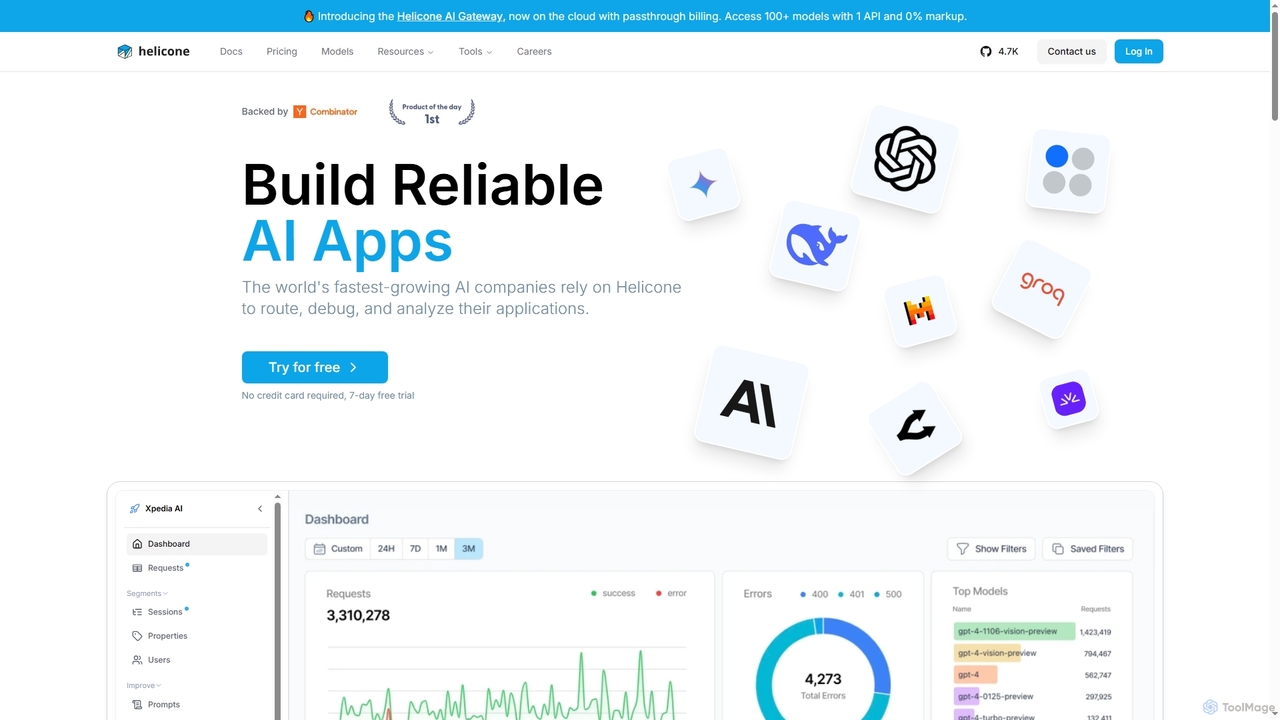
Helicone
Helicone ist eine Open-Source-Plattform, die ein KI-Gateway und LLM-Observability für Entwickler bietet. Sie hilft bei der Erstellung zuverlässiger KI-Anwendungen durch Tools zum Routen, Überwachen, Debuggen und Analysieren der LLM-Nutzung. Zu den Hauptmerkmalen gehören eine einheitliche API für über 100 Modelle, intelligentes Caching, Ratenbegrenzung, Prompt-Management und detaillierte Leistungsanalysen.
API-Management
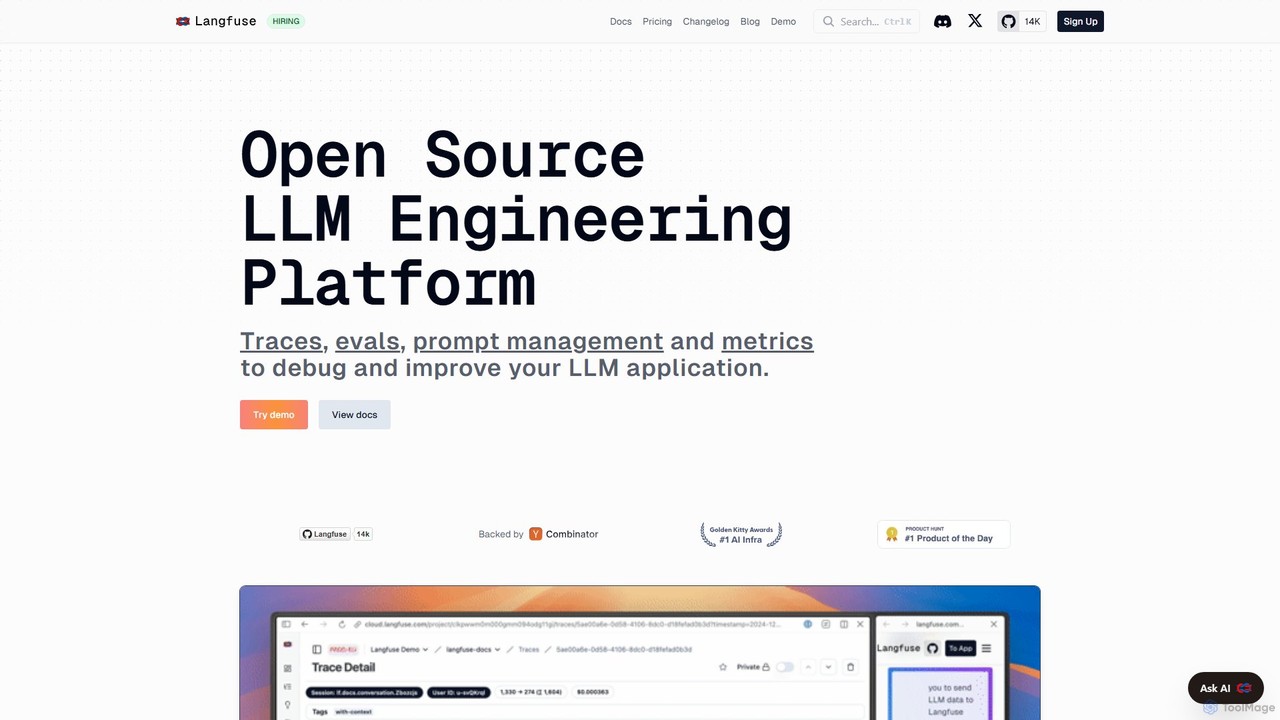
Langfuse
Langfuse ist eine Open-Source LLM-Engineering-Plattform, die umfassende Werkzeuge zum Debuggen, Evaluieren und Verbessern von LLM-Anwendungen bietet. Sie umfasst Funktionen wie Tracing, Prompt-Management, Evaluierungs-Frameworks und Metriken, um den gesamten Entwicklungszyklus für Teams, die mit großen Sprachmodellen arbeiten, zu optimieren.
Analysen
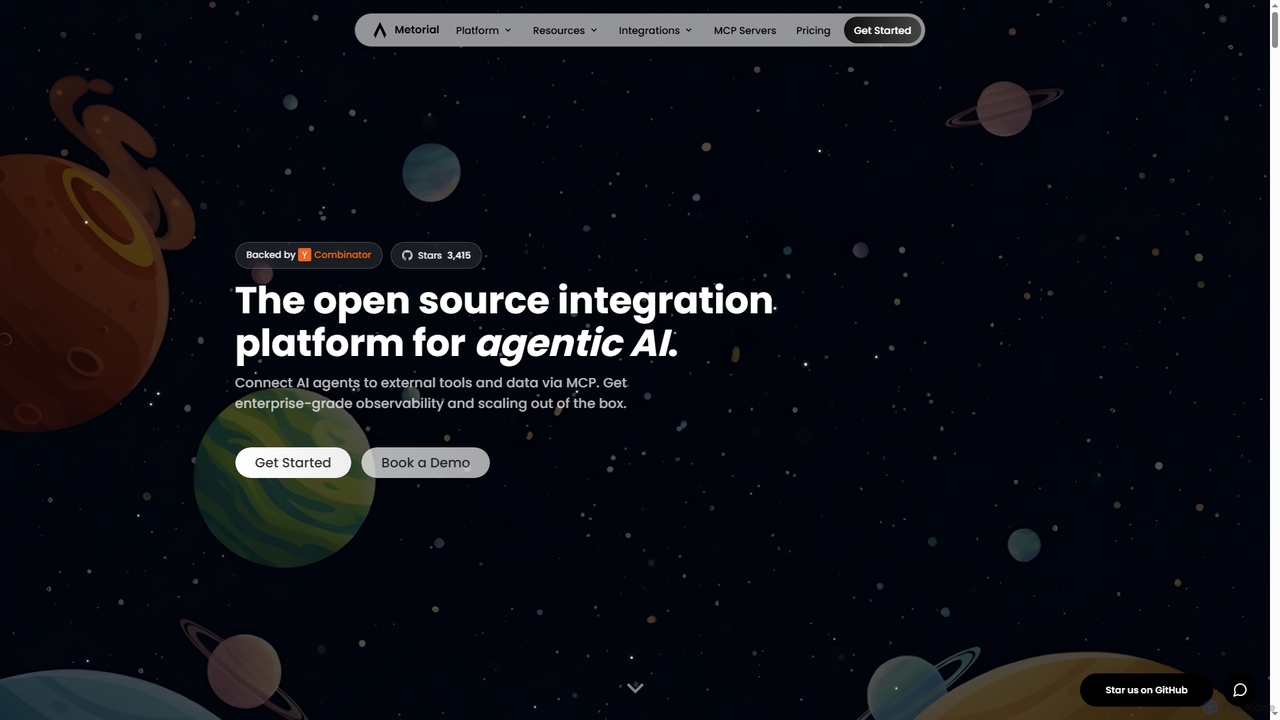
Metorial
Metorial ist eine Integrationsplattform für KI-Agenten, die Entwicklern ermöglicht, leistungsstarke agentische KI-Anwendungen schnell zu erstellen, bereitzustellen und zu überwachen. Sie bietet nahtlose Verbindungen zu Hunderten von Tools, Datenquellen und APIs über ihre serverlose Model Context Protocol (MCP)-Plattform und bietet robuste SDKs, Observability und Sicherheit auf Unternehmensniveau für skalierbare KI-Lösungen.
Agentische KI
Valyr
Valyr (ehemals Helicone) ist eine Open-Source-Plattform für LLM-Observability und ein KI-Gateway. Es hilft Entwicklern, ihre KI-Anwendungen zu überwachen, zu debuggen und zu analysieren, bietet eine einzige Integration für den Zugriff auf über 100 Modelle, Kostenmanagement und verbesserte Zuverlässigkeit durch Funktionen wie Caching und Ratenbegrenzung.
API-Management
marimo
marimo ist ein reaktives Open-Source-Python-Notebook für moderne Datenwissenschaft und KI. Es bietet eine reproduzierbare, Git-freundliche und interaktive Umgebung, in der Notebooks reine Python-Skripte sind. Zu den Funktionen gehören integrierte KI-Unterstützung, SQL-Zellen und die Möglichkeit, Notebooks als Web-Apps zu teilen, was den Arbeitsablauf vom Experiment bis zur Produktion optimiert.
Datenvisualisierung
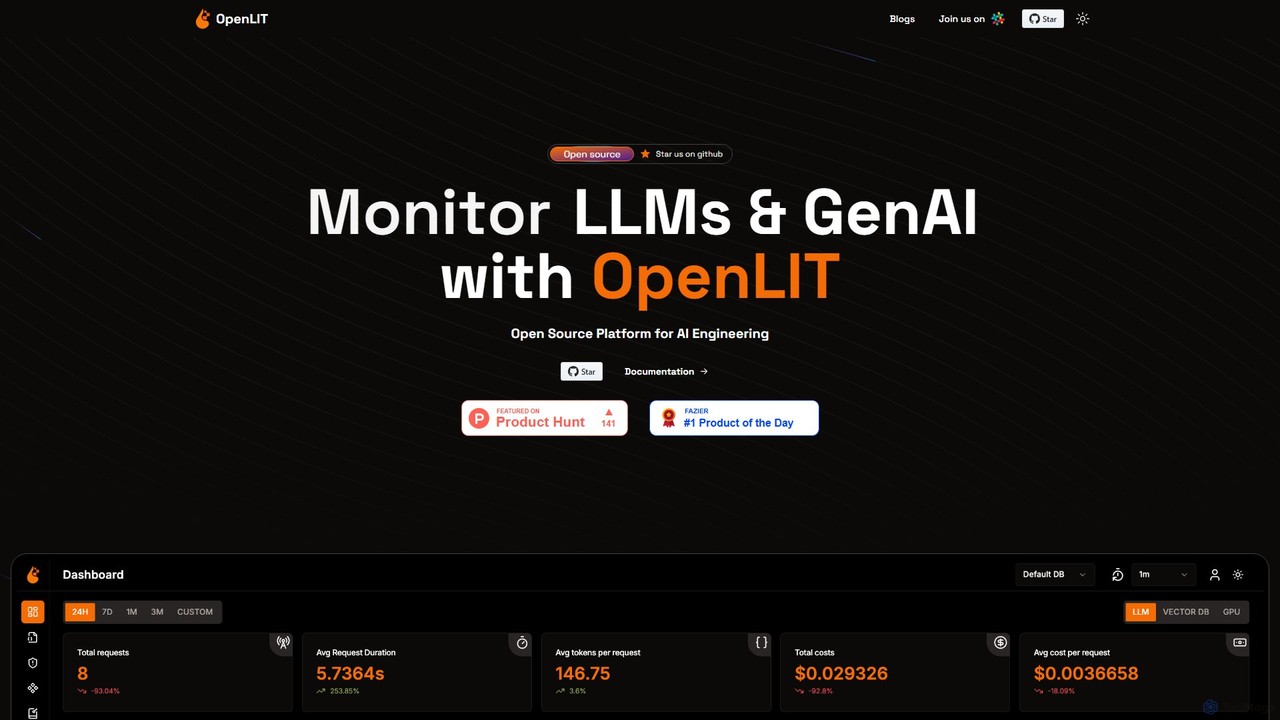
OpenLIT
OpenLIT ist eine Open-Source, OpenTelemetry-native Observability-Plattform für Generative KI- und LLM-Anwendungen. Sie vereinfacht die Entwicklung mit Werkzeugen für Request-Tracing, Kostenverfolgung, Ausnahmeüberwachung und Leistungsanalyse. Mit einem zentralen Prompt-Repository, einem sicheren Tresor für Geheimnisse und einem Playground zum Vergleich von LLMs bietet OpenLIT eine umfassende Lösung zur effizienten Überwachung und Skalierung von KI-Anwendungen.
Modellverwaltung
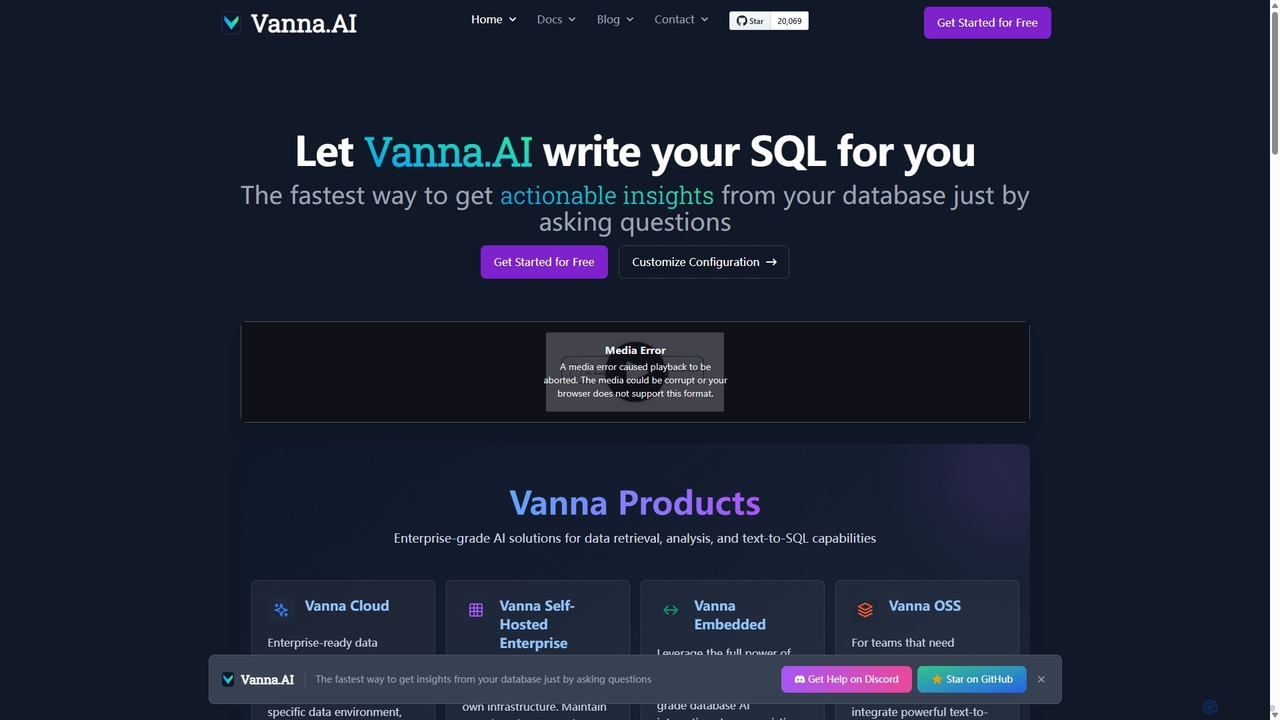
Vanna.AI
Vanna.AI ist ein personalisierter Open-Source-KI-SQL-Agent, der Fragen in natürlicher Sprache in präzise SQL-Abfragen umwandelt. Es verwendet ein Retrieval-Augmented Generation (RAG)-Modell, das auf Ihrem spezifischen Datenbankschema, Ihrer Dokumentation und früheren Abfragen trainiert wurde, um eine hohe Genauigkeit bei komplexen Datensätzen zu erzielen. Es ist auf Sicherheit, Flexibilität und einfache Integration in jede Anwendung ausgelegt und befähigt sowohl technische als auch nicht-technische Benutzer, mühelos Einblicke aus ihren Daten zu gewinnen.
Business Intelligence
Chainlit
Chainlit ist ein Open-Source-Python-Framework für Entwickler, um schnell produktionsreife Konversations-KI-Anwendungen zu erstellen und bereitzustellen. Es bietet eine sofortige, anpassbare Chat-Oberfläche, sodass Sie sich auf Ihre Backend-Logik und LLM-Interaktionen konzentrieren können. Mit tiefen Integrationen für LangChain, LlamaIndex und wichtige LLM-Anbieter vereinfacht Chainlit die Erstellung von einfachen Chatbots bis hin zu komplexen, datengesteuerten Copilots.
Rahmenwerk
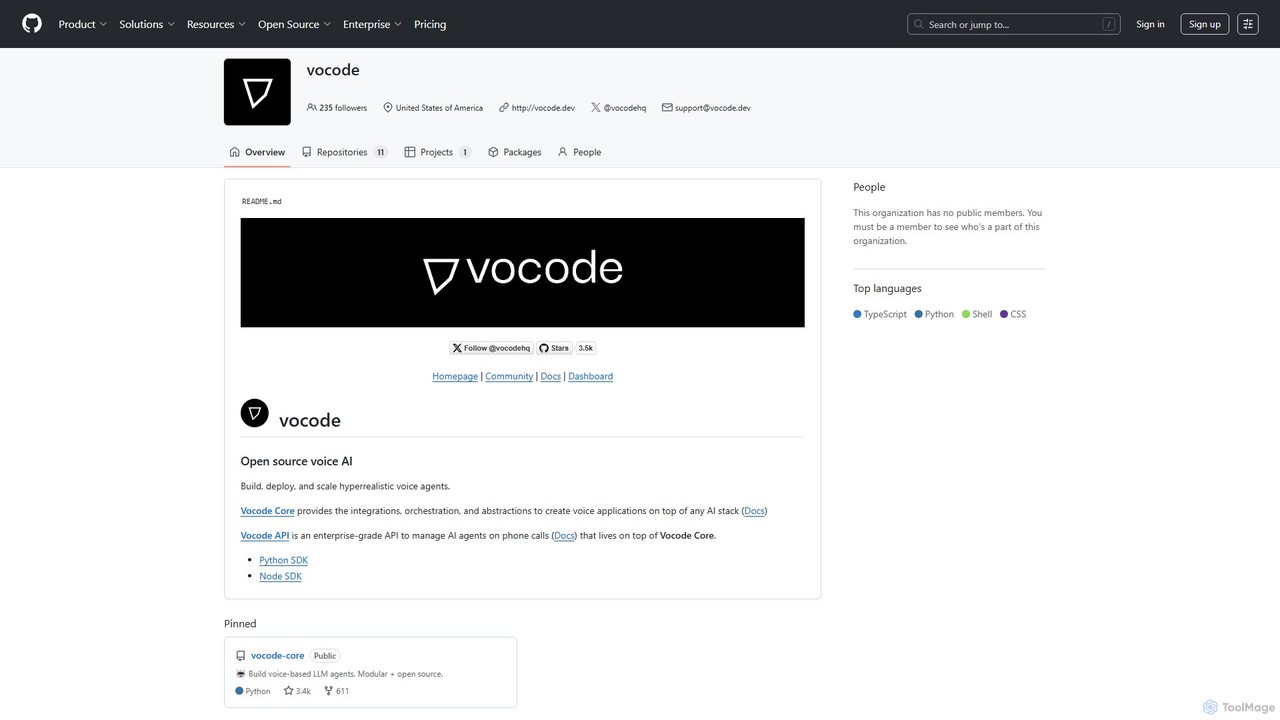
vocode
Vocode ist eine Open-Source-Plattform zum Erstellen, Bereitstellen und Skalieren von hyperrealistischen Sprach-KI-Agenten. Sie bietet Entwicklern ein Kern-Framework und eine unternehmenstaugliche API zur Erstellung anspruchsvoller sprachbasierter LLM-Anwendungen für Aufgaben wie automatisierten Kundenservice, Verkaufsanrufe und interaktive Sprachdialogsysteme (IVR).
Sprachbot
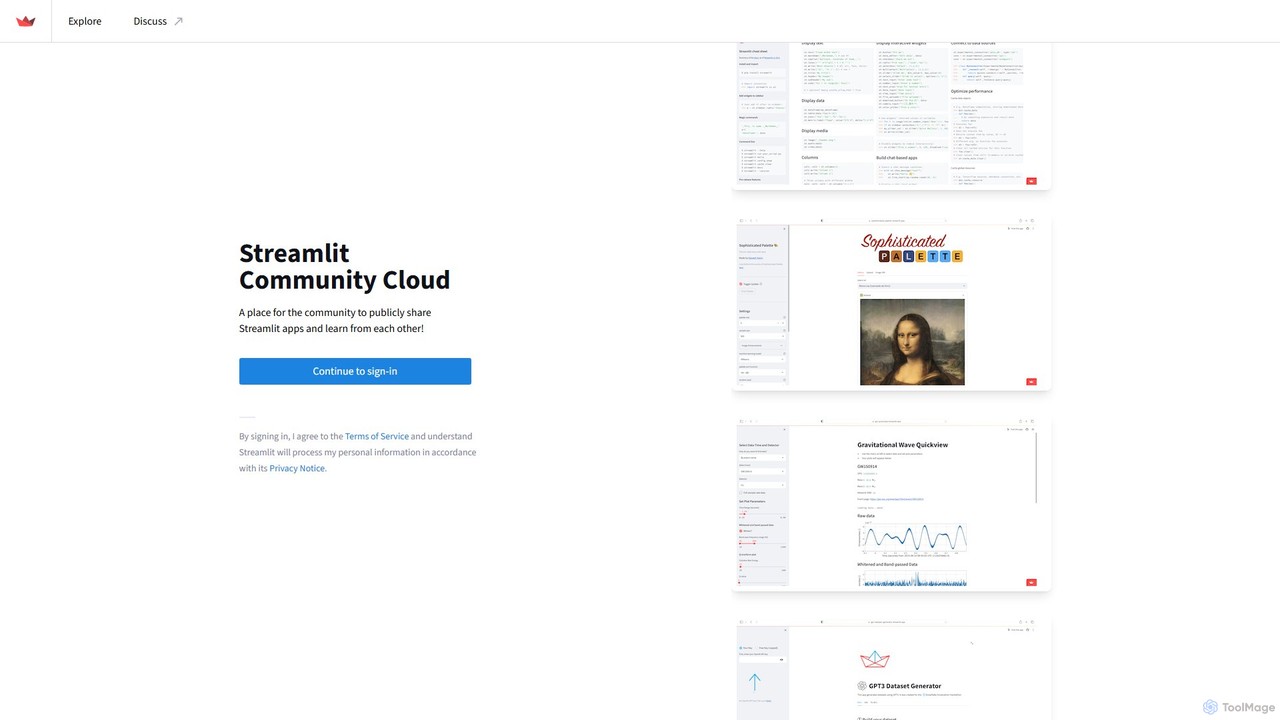
Streamlit
Streamlit ist ein Open-Source-Python-Framework, das es Entwicklern und Datenwissenschaftlern ermöglicht, in wenigen Minuten ansprechende, benutzerdefinierte Web-Apps für maschinelles Lernen und Datenwissenschaft zu erstellen und zu teilen. Die Streamlit Community Cloud bietet eine kostenlose Plattform zum Bereitstellen, Verwalten und Teilen dieser öffentlichen Anwendungen mit der Welt und fördert so eine kollaborative Umgebung für Innovationen.
Datenvisualisierung
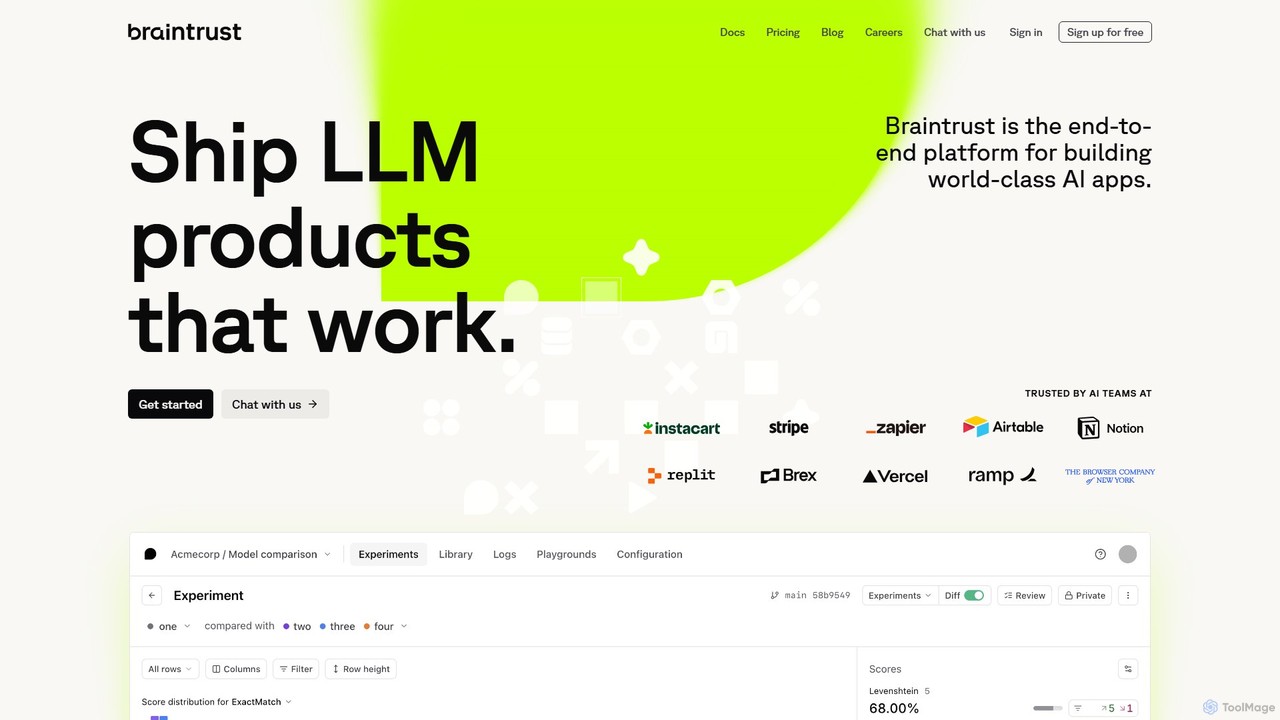
Braintrust
Braintrust ist eine End-to-End-Plattform für die Entwicklung, Evaluierung und Bereitstellung robuster LLM-Anwendungen. Es bietet eine umfassende Suite von Werkzeugen für Prompt-Engineering, Modell-Evaluierung, Echtzeit-Tracing und Produktionsüberwachung. Braintrust wurde sowohl für technische als auch für nicht-technische Teammitglieder entwickelt und hilft, den KI-Entwicklungszyklus zu optimieren, um sicherzustellen, dass KI-Produkte zuverlässig, effektiv und produktionsreif sind.
Evaluierung und Tests
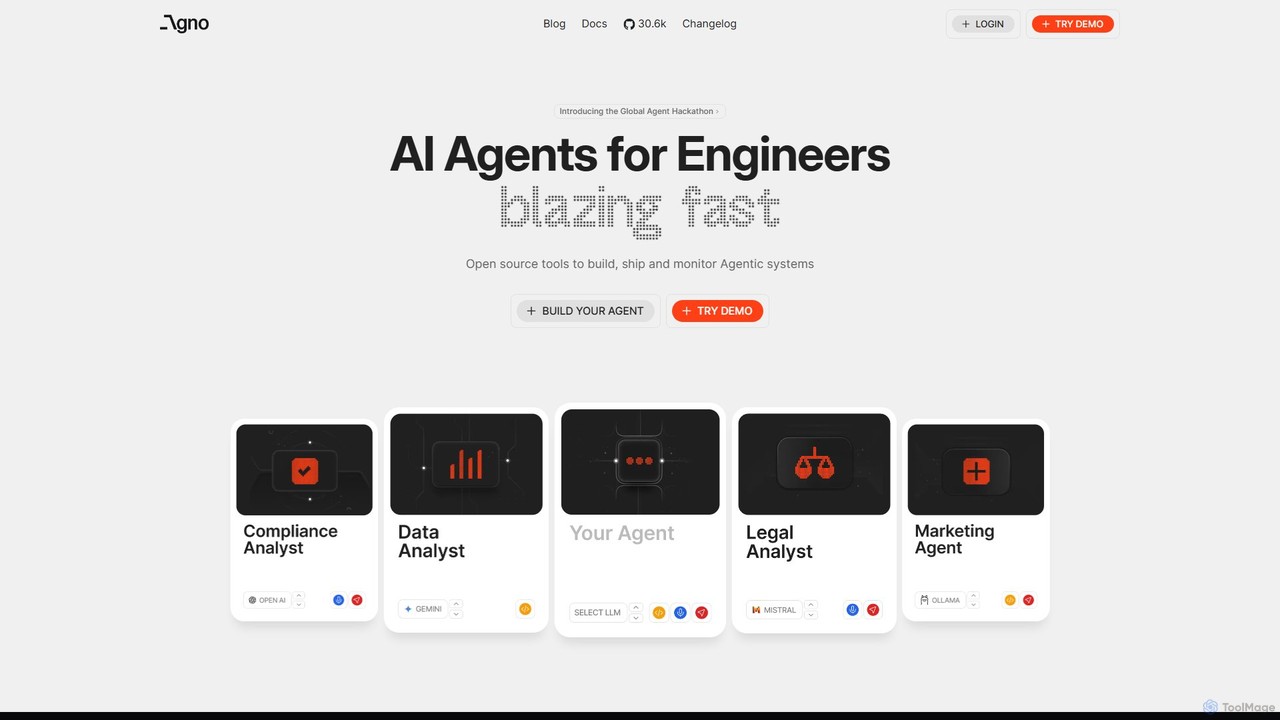
phidata
phidata ist ein Open-Source-Python-Framework zum Erstellen autonomer KI-Assistenten. Es vereinfacht die Integration von LLMs mit Gedächtnis, Wissensdatenbanken und externen Tools und ermöglicht es Entwicklern, mühelos leistungsstarke, zustandsbehaftete KI-Anwendungen zu erstellen.
Frameworks
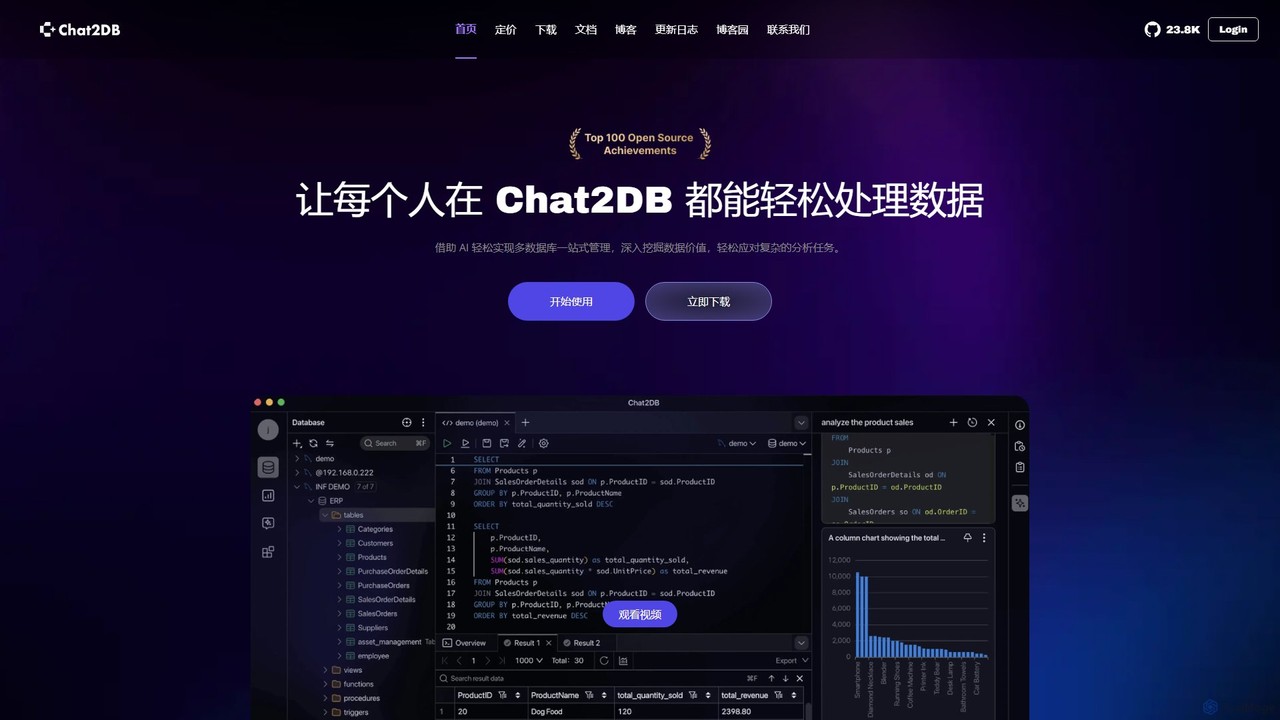
Chat2DB
Chat2DB ist ein intelligentes, KI-gestütztes All-in-One-Datenbankverwaltungstool. Es unterstützt über 30 Datenbanken, einschließlich MySQL, PostgreSQL und MongoDB, und ermöglicht es Benutzern, Daten in natürlicher Sprache zu verwalten, abzufragen und zu analysieren. Zu den Funktionen gehören KI-SQL-Generierung, Datenvisualisierung, No-Code-Dashboard-Erstellung und robuste Sicherheitsprotokolle, was es ideal für Entwickler, Analysten und Geschäftsanwender macht.
Business Intelligence
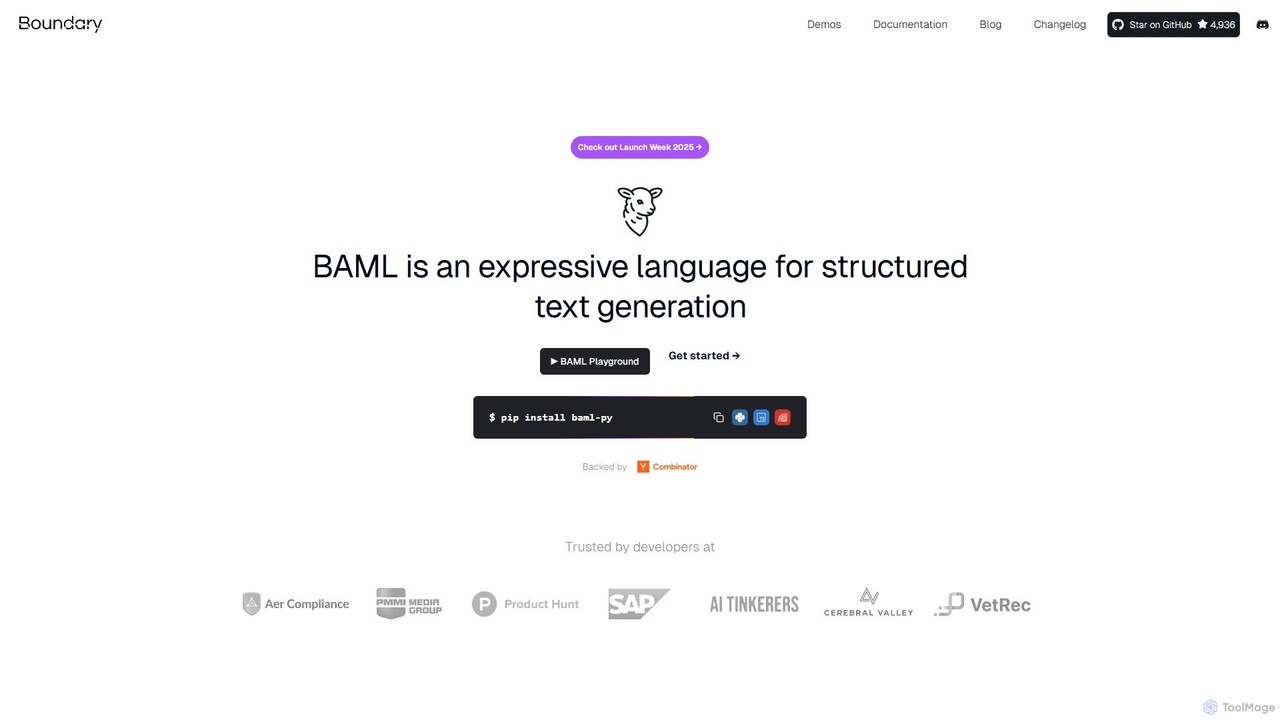
boundaryml
boundaryml (BAML) ist eine spezialisierte Programmiersprache und ein Toolkit für Entwickler, um zuverlässig strukturierte Daten aus großen Sprachmodellen (LLMs) zu extrahieren. Es verwandelt komplexes Prompt-Engineering in einen optimierten, codeähnlichen Prozess und gewährleistet typsichere, fehlerkorrigierte Ausgaben über verschiedene LLMs und Programmiersprachen wie Python und TypeScript hinweg. Es wurde entwickelt, um die Zuverlässigkeit zu erhöhen, Kosten zu senken und Entwicklungszyklen für KI-Anwendungen zu beschleunigen.
API
PandasAI
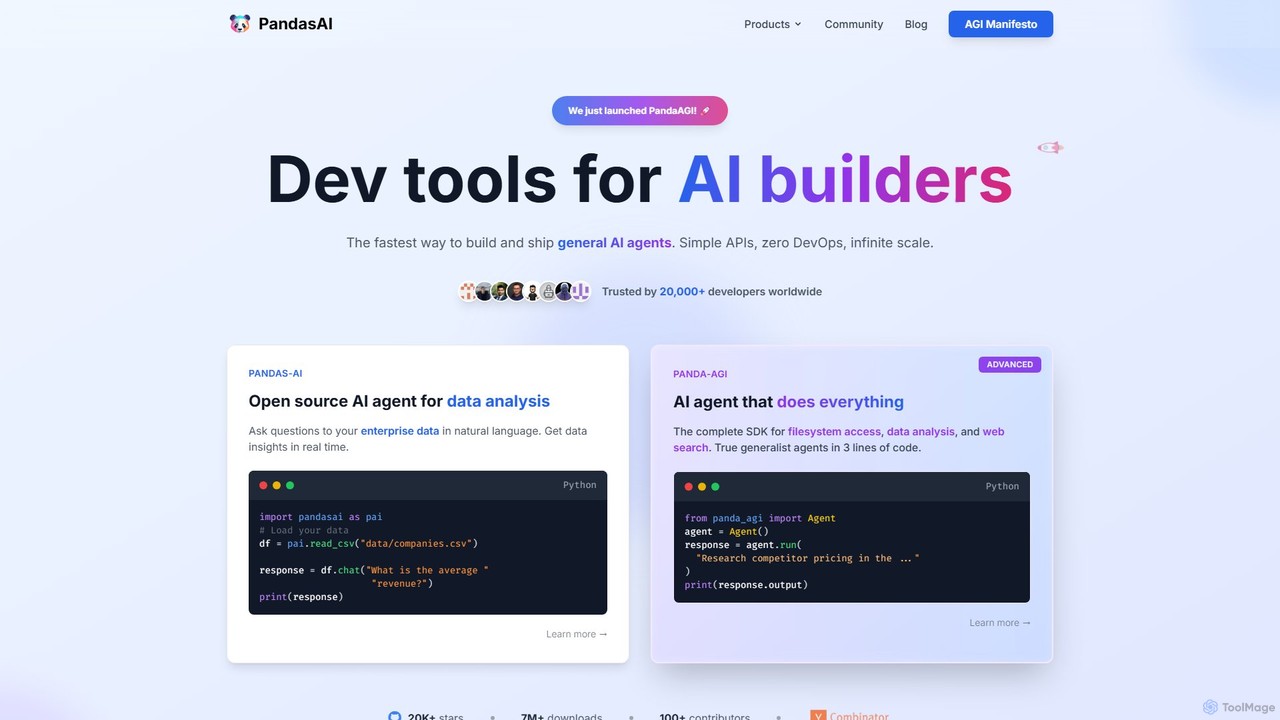
PandasAI bietet eine Suite von Entwickler-Tools zum Erstellen von KI-Anwendungen. Es umfasst eine Open-Source-Bibliothek für die konversationelle Datenanalyse mittels natürlicher Sprache und PandaAGI, ein fortschrittliches SDK zur Erstellung generalistischer KI-Agenten, die komplexe Aufgaben wie Websuchen und Dateisystemzugriffe durchführen können.
Datenanalyse