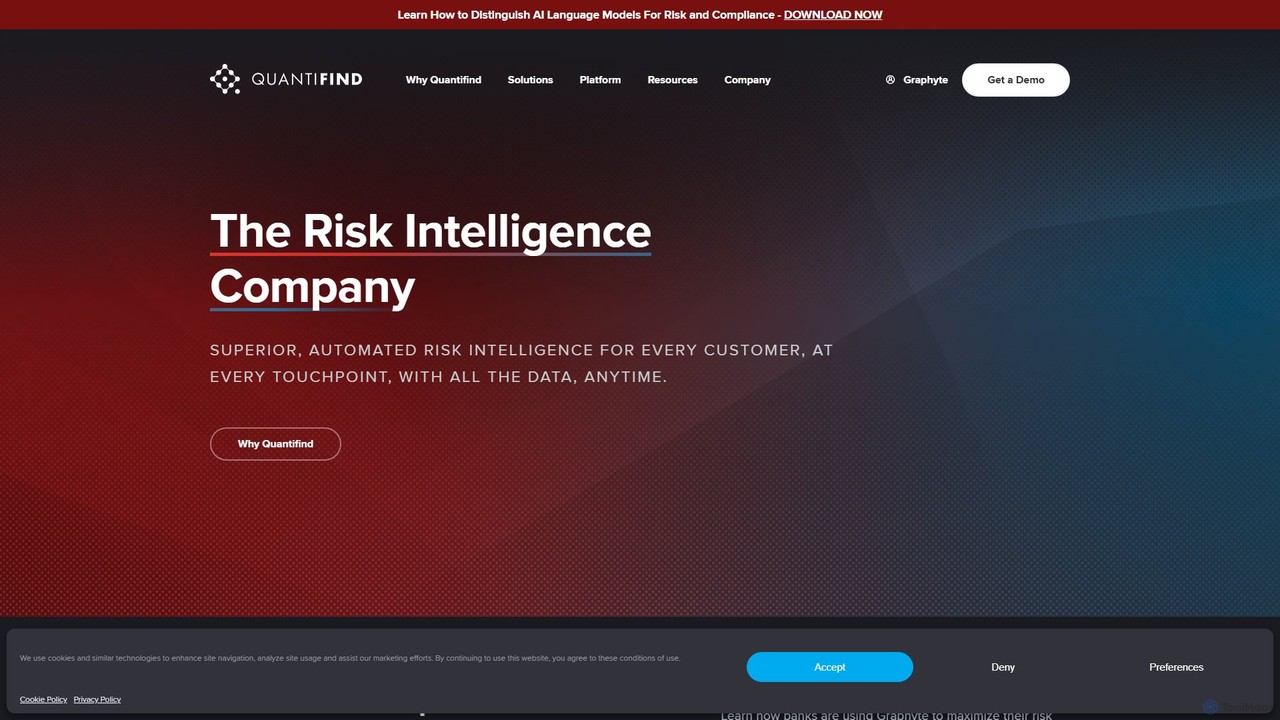
Quantifind là một nền tảng thông tin rủi ro do AI cung cấp, được thiết kế để tự động hóa tội phạm tài chính. Giải pháp Graphyte™ của nó giúp các ngân hàng, tổ chức tài chính và cơ quan chính phủ tự động hóa các quy trình Chống rửa tiền (AML) và Nhận biết khách hàng (KYC). Bằng cách tận dụng khoa học dữ liệu tiên tiến, nó hợp lý hóa việc sàng lọc và điều tra, giảm đáng kể các kết quả dương tính giả và nâng cao độ chính xác phát hiện rủi ro trên các bộ dữ liệu khổng lồ.

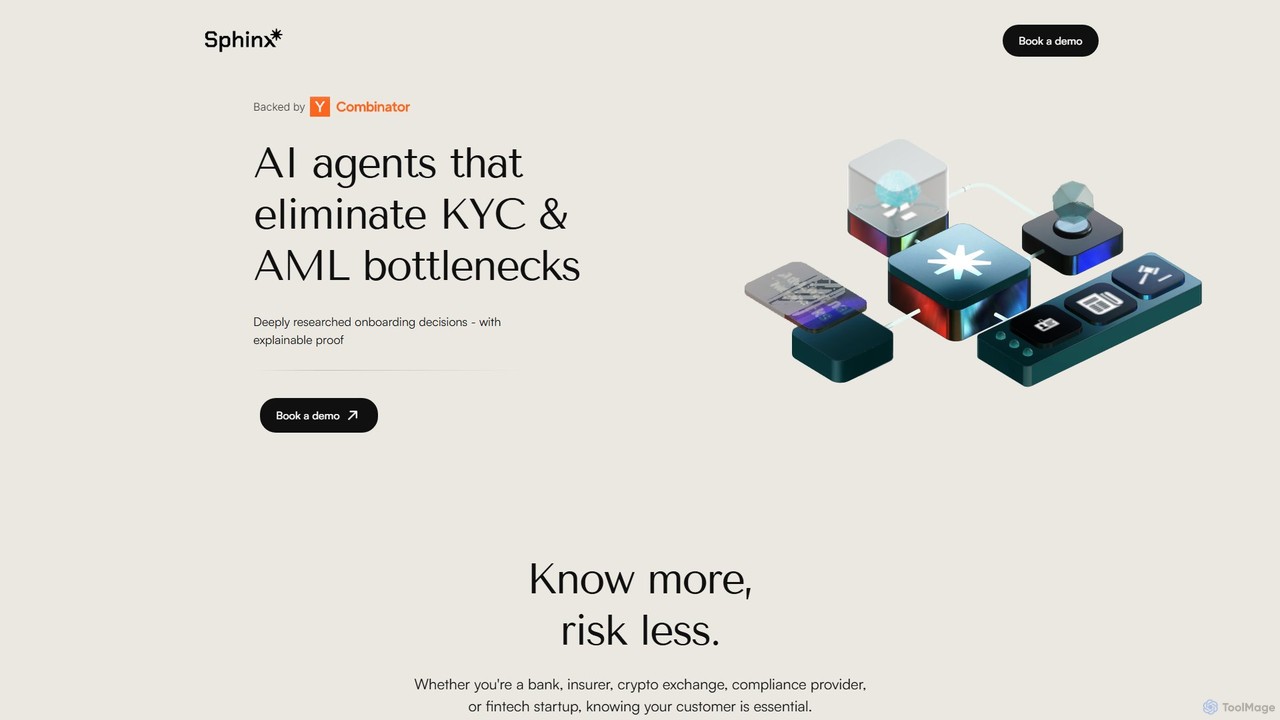
Sphinx là một nền tảng tuân thủ do AI cung cấp, được thiết kế cho các tổ chức tài chính và fintech. Nó tự động hóa và tinh giản các quy trình KYC, AML và phát hiện gian lận bằng cách cung cấp sàng lọc phương tiện truyền thông bất lợi theo thời gian thực, kiểm tra PEP và lệnh trừng phạt, và xác minh chủ sở hữu hưởng lợi cuối cùng (UBO). Nền tảng sử dụng các tác nhân AI để loại bỏ các nút thắt tuân thủ, giảm thiểu rủi ro và đảm bảo tuân thủ quy định với những hiểu biết sâu sắc, có thể giải thích được.
Tổng quan sản phẩm
Quantifind Tổng quan sản phẩm
Quantifind là một nền tảng thông tin rủi ro do AI cung cấp, được thiết kế để tự động hóa tội phạm tài chính. Giải pháp Graphyte™ của nó giúp các ngân hàng, tổ chức tài chính và cơ quan chính phủ tự động hóa các quy trình Chống rửa tiền (AML) và Nhận biết khách hàng (KYC). Bằng cách tận dụng khoa học dữ liệu tiên tiến, nó hợp lý hóa việc sàng lọc và điều tra, giảm đáng kể các kết quả dương tính giả và nâng cao độ chính xác phát hiện rủi ro trên các bộ dữ liệu khổng lồ.
Sphinx Tổng quan sản phẩm
Sphinx là một nền tảng tuân thủ do AI cung cấp, được thiết kế cho các tổ chức tài chính và fintech. Nó tự động hóa và tinh giản các quy trình KYC, AML và phát hiện gian lận bằng cách cung cấp sàng lọc phương tiện truyền thông bất lợi theo thời gian thực, kiểm tra PEP và lệnh trừng phạt, và xác minh chủ sở hữu hưởng lợi cuối cùng (UBO). Nền tảng sử dụng các tác nhân AI để loại bỏ các nút thắt tuân thủ, giảm thiểu rủi ro và đảm bảo tuân thủ quy định với những hiểu biết sâu sắc, có thể giải thích được.
Detailed feature comparison
| Feature | Quantifind | Sphinx |
|---|---|---|
| Danh mục chính | Phân tích dữ liệu | Tuân thủ |
| Ngày thêm | 2025-08-03 | 2025-08-03 |
| Giá | Trả phí | Trả phí |
| Trang chính thức | www.quantifind.com | sphinxlabs.ai |
| Loại sản phẩm | Trang web | Trang web |
| Performance data | ||
| Đánh giá người dùng | Chưa xác minh | Chưa xác minh |
| Bình luận | 0 | 0 |
| Lượt truy cập tháng | 10.3K | 3.4K |
| Tăng trưởng tháng | 6.3% | Chưa xác minh |
| Yêu thích | 123 | 138 |
| Details | Xem chi tiết | Xem chi tiết |
Quantifind vs Sphinx monthly traffic
Compare Quantifind and Sphinx by monthly reach, traffic trend, visit depth, top regions, and acquisition sources.
How to interpret the traffic data
In the Quantifind vs Sphinx monthly traffic comparison, Quantifind currently shows 10.3K visits and Sphinx shows 3.4K; Quantifind has about 3 times the visible traffic of Sphinx, an absolute difference of about 6.8K visits. This reflects visible reach, not feature quality or paid users.
Only Quantifind has complete third-party traffic details; Sphinx uses visits recorded inside ToolMage. These scopes cannot estimate market share directly, and on-site views should not be treated as the product’s total website traffic.
Quantifind monthly traffic:
Latest traffic
Monthly traffic trend
- 2025/9: 5.9K Lượt truy cập tháng
- 2026/1: 12.5K Lượt truy cập tháng
- 2026/2: 16.5K Lượt truy cập tháng
- 2026/3: 15.3K Lượt truy cập tháng
- 2026/4: 9.7K Lượt truy cập tháng
- 2026/5: 10.3K Lượt truy cập tháng
Khu vực hàng đầu
Top 5 countries/regions
| Country/region | Percentage | Traffic |
|---|---|---|
| 🇺🇸United States | 84.63% | 8.7K |
| 🇮🇳India | 9.41% | 966 |
| 🇦🇺Australia | 3.83% | 393 |
| 🇬🇧United Kingdom | 2% | 205 |
| 🇩🇪Germany | 0.13% | 13 |
Nguồn lưu lượng
| Source type | Percentage | Traffic |
|---|---|---|
| Trực tiếp | 78.45% | 8.1K |
| Giới thiệu | 21.55% | 2.2K |
Từ khóa tìm kiếm
Sphinx monthly traffic:
Latest traffic
Usage comparison
Compare the core capabilities of Quantifind and Sphinx
Quantifind Core features
Sphinx Core features
Use cases
Quantifind Use cases
Sphinx Use cases
Quantifind vs Sphinx:In-depth comparison and selection guidance
First decide whether the products solve the same kind of need
This in-depth Quantifind vs Sphinx comparison uses only the product records, taxonomy, audience, traffic, and community signals available on this page. Quantifind is primarily listed under “Phân tích dữ liệu”, while Sphinx is primarily listed under “Tuân thủ”, so the first decision is whether your actual task matches their recorded scope.
The structured fields currently show these decision-relevant differences: Primary category (Quantifind: Phân tích dữ liệu; Sphinx: Tuân thủ); Monthly visits (Quantifind: 10.3K; Sphinx: 3.4K); Favorites (Quantifind: 123; Sphinx: 138); Website (Quantifind: www.quantifind.com; Sphinx: sphinxlabs.ai). These facts are more useful for selection than brand visibility alone.
What market visibility and monthly traffic mean
In the Quantifind vs Sphinx monthly traffic comparison, Quantifind currently shows 10.3K visits and Sphinx shows 3.4K; Quantifind has about 3 times the visible traffic of Sphinx, an absolute difference of about 6.8K visits. This reflects visible reach, not feature quality or paid users.
Only Quantifind has complete third-party traffic details; Sphinx uses visits recorded inside ToolMage. These scopes cannot estimate market share directly, and on-site views should not be treated as the product’s total website traffic.
The current traffic scope is not sufficient for a reliable product ranking. Treat monthly visits as a market-interest signal, then decide using taxonomy, use cases, pricing, and a like-for-like trial rather than reading exposure as product capability.
Product positioning, use cases, and roles
Quantifind and Sphinx currently overlap in shared categories: Tự động hóa; shared tags: AML, Tuân thủ, tội phạm tài chính, Phát hiện gian lận, KYC, Regtech và quản lý rủi ro. This can place both on the same shortlist, but it does not prove equal implementation, depth, or cost.
Quantifind's unique categories/tags are Phân tích dữ liệu, Quản lý Rủi ro, Tuân thủ, Kiểm tra lý lịch, phân tích dữ liệu, Điều tra và học máy; Sphinx's are Tuân thủ, Phát hiện Gian lận, Fintech, Sàng lọc PEP, Sàng lọc lệnh trừng phạt và Xác minh UBO. These unique fields are the strongest differentiators: validate the product whose recorded scope matches the task instead of following traffic alone.
What ratings, comments, and favorites can tell you
Quantifind has no verified rating, 0 comments, 123 favorites, and 129 likes;Sphinx has no verified rating, 0 comments, 138 favorites, and 154 likes。
Neither product has enough rating or comment samples for a credible reputation ranking.
Selection guidance by actual need
When to evaluate Quantifind first
Put Quantifind on the priority trial list when the task aligns with “Phân tích dữ liệu” and especially Phân tích dữ liệu, Quản lý Rủi ro, Tuân thủ, Kiểm tra lý lịch, phân tích dữ liệu và Điều tra. This follows recorded positioning and does not imply unlisted capabilities are absent.
Quantifind also currently records: pricing is paid, product type is website, 10.3K verified monthly visits, no verified user rating. Verify any hard requirement around price, platform, or reach before trial, and do not let sparse review data substitute for testing.
When to evaluate Sphinx first
Put Sphinx on the priority trial list when the task aligns with “Tuân thủ” and especially Tuân thủ, Phát hiện Gian lận, Fintech, Sàng lọc PEP, Sàng lọc lệnh trừng phạt và Xác minh UBO. This follows recorded positioning and does not imply unlisted capabilities are absent.
Sphinx also currently records: pricing is paid, product type is website, 3.4K on-site monthly views, no verified user rating. Verify any hard requirement around price, platform, or reach before trial, and do not let sparse review data substitute for testing.
How to validate the recommendation before deciding
The available data describes positioning, public visibility, and community signals, but it cannot prove output quality, speed, integration effort, privacy, or long-term cost in your workflow. Before deciding, run the same representative tasks in Quantifind and Sphinx, then record completion time, accuracy, manual corrections, and the real paid threshold. A like-for-like trial turns this comparison into a defensible adoption decision.