Best of the Year 2 results Ai Integration AI Tools

Popular AI tools in the Ai Integration field include MCP Showcase、Modernwebseo, etc., helping you quickly improve efficiency.

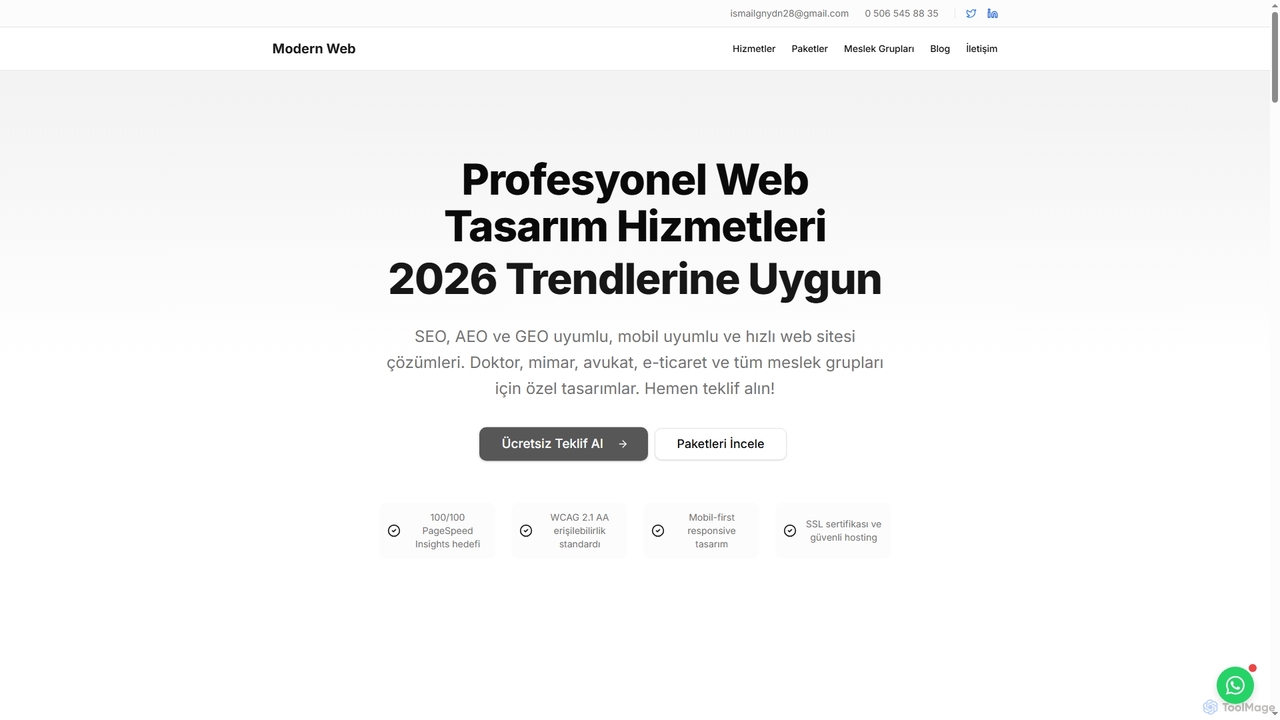
Modernwebseo

Modernwebseo

Modernwebseo is a professional web design service specializing in creating high-performance, SEO-optimized, and AI-integrated websites. They offer custom-developed …

2.3K
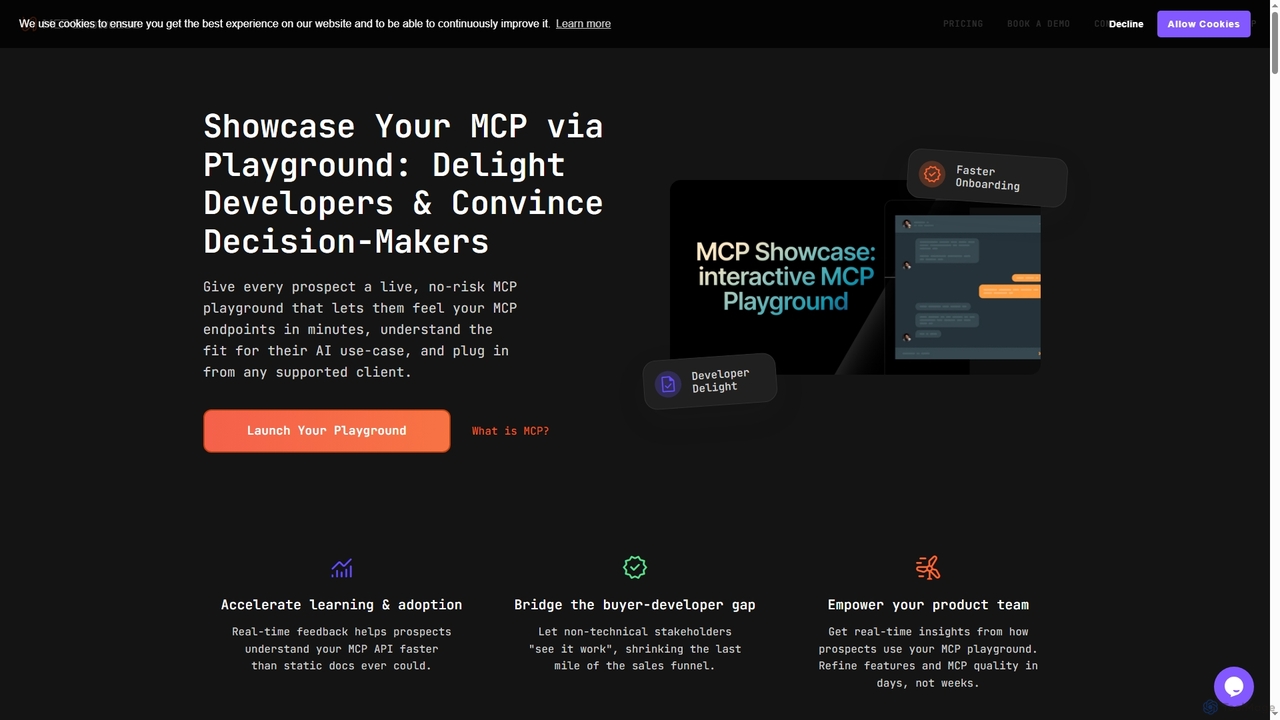
MCP Showcase

MCP Showcase

MCP Showcase is a pioneering platform demonstrating the Model Context Protocol (MCP), an open standard enabling AI assistants …

3.2K

About Ai Integration

AI Integration tools are platforms and services designed to embed artificial intelligence capabilities into existing software, applications, and business workflows. They function by using APIs, SDKs, and low-code interfaces to connect pre-trained AI models with systems like CRMs, ERPs, or websites. This enables businesses to automate complex tasks, personalize user experiences, and derive intelligent insights without building AI infrastructure from scratch. The primary value of AI Integration lies in enhancing current systems with smart features, rather than replacing them entirely.

Core Features

  • API & SDK Access: Provides developer-friendly interfaces to programmatically call AI models for custom solutions.
  • Pre-built Connectors: Offers a library of ready-to-use integrations for popular third-party applications like Salesforce, Slack, and Google Workspace.
  • Workflow Automation Builder: Allows users to design multi-step automated processes that trigger AI actions based on events in other apps.
  • Low-Code/No-Code Interface: Enables non-technical users to build and deploy AI-powered automations using visual drag-and-drop editors.
  • Model Management: Facilitates the deployment, monitoring, and versioning of both third-party and custom-built AI models.

Use Cases

AI Integration tools are valuable across various sectors. In e-commerce, they power personalized recommendation engines within online stores. Customer support teams use them to integrate intelligent chatbots into helpdesk software to automate responses. Marketing departments leverage them to connect generative AI with their CMS for automated content creation, while finance teams can automate invoice processing by linking OCR models to their accounting software.

How to Choose

When selecting an AI Integration tool, first evaluate its library of pre-built connectors to ensure it supports your existing software stack. Consider the platform's scalability and performance to handle your expected data volume. Assess whether you need a developer-focused API/SDK or a user-friendly low-code platform. Finally, verify that it supports the specific AI capabilities you require, such as natural language processing, computer vision, or predictive analytics.

Ai IntegrationUse Cases

1

Automate Customer Support Ticket Routing

A customer support manager for a SaaS company needs to reduce manual effort and improve response times. They use an AI integration platform to connect their helpdesk system (e.g., Zendesk) with a natural language processing (NLP) model. When a new support ticket arrives, the platform automatically analyzes the text to determine its topic (e.g., 'billing issue', 'technical bug') and sentiment. Based on this analysis, the ticket is automatically tagged and routed to the correct specialized agent or department. This eliminates manual triage, reduces human error, and ensures customers receive faster, more accurate support.

2

Enhance CRM with Predictive Lead Scoring

A sales operations team wants to help their sales representatives prioritize high-potential leads. Using an AI integration tool, they connect their CRM (e.g., Salesforce) to a machine learning model. The integration automatically pulls data for new leads—such as company size, industry, job title, and website activity—and sends it to the model. The model returns a predictive score indicating the likelihood of conversion. This score is then written back into the lead's record in the CRM. Sales reps can now easily filter and focus on leads with the highest scores, increasing their efficiency and conversion rates.

3

Personalize E-commerce Product Recommendations

An e-commerce manager aims to increase average order value and customer retention. They use an AI integration platform to connect their e-commerce site (e.g., Shopify) with a recommendation engine API. The integration tracks user behavior in real-time, such as products viewed, items added to the cart, and past purchases. This data is sent to the AI model, which then generates personalized product recommendations. These recommendations are displayed on the homepage, product pages, and in checkout, encouraging customers to discover relevant items and add more to their cart, leading to higher sales and improved engagement.

4

Streamline Content Creation with Generative AI

A content marketing team needs to scale their content production without sacrificing quality. They use an AI integration platform to embed a large language model (LLM) directly into their content management system (CMS). Now, when creating a new blog post, a writer can input a topic or outline, and the integrated AI can generate a first draft, suggest headlines, or create a summary. This process happens within their existing workflow, eliminating the need to switch between different applications. The writer then edits and refines the AI-generated text, significantly speeding up the drafting phase and allowing the team to publish more content.

5

Automate Financial Data Entry from Invoices

A finance department spends significant time manually entering data from PDF invoices into their accounting software. To automate this, they use an AI integration platform to create a workflow. When a new invoice is received in a designated email inbox, the workflow is triggered. The platform sends the PDF attachment to an Optical Character Recognition (OCR) AI model, which extracts key information like vendor name, invoice number, date, and total amount. This structured data is then automatically mapped and entered into the correct fields in their accounting system (e.g., QuickBooks), saving hours of manual work and reducing data entry errors.

6

Add Semantic Search to an Internal Knowledge Base

A developer is tasked with improving the search functionality of their company's internal wiki. The existing keyword-based search often fails to find relevant documents. Using an AI integration platform's SDK, the developer embeds a semantic search model into the knowledge base. This integration processes all documents to understand their meaning and context, not just keywords. Now, when an employee searches for 'how to request time off', the system can return the official 'Vacation Policy' document, even if it doesn't contain the exact search phrase. This provides more accurate and context-aware search results, helping employees find information faster.

Ai IntegrationFrequently Asked Questions