Free trial
Construct
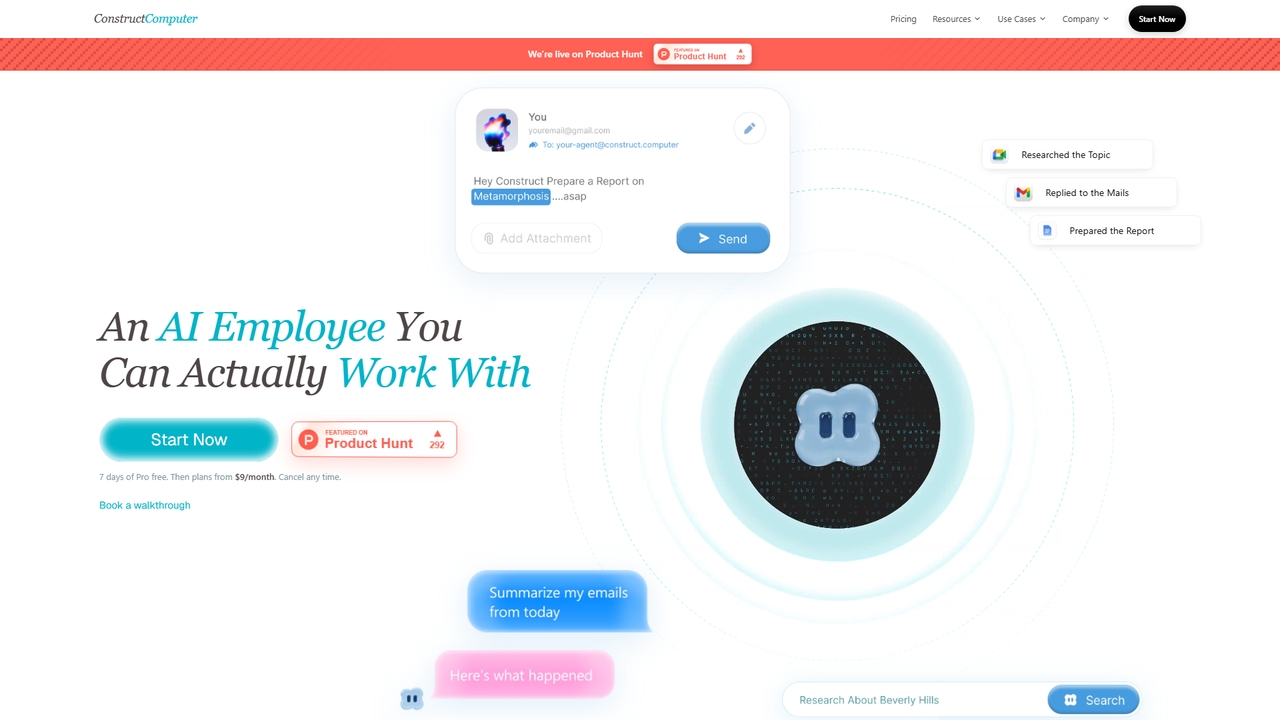
An AI employee with its own cloud computer for solo founders and small teams: workflows, memory, research, scheduling, and internal tools.
Team OperationsVisits 2.9KFavorites 28Likes 25
Popular Business AI tools include DefinedCrowd, Shopify, Google Workspace, Dropbox, Slack, DeepL, Salesforce, Zoom, Box, and Trello, helping you work more efficiently.
An AI employee with its own cloud computer for solo founders and small teams: workflows, memory, research, scheduling, and internal tools.
Team Operations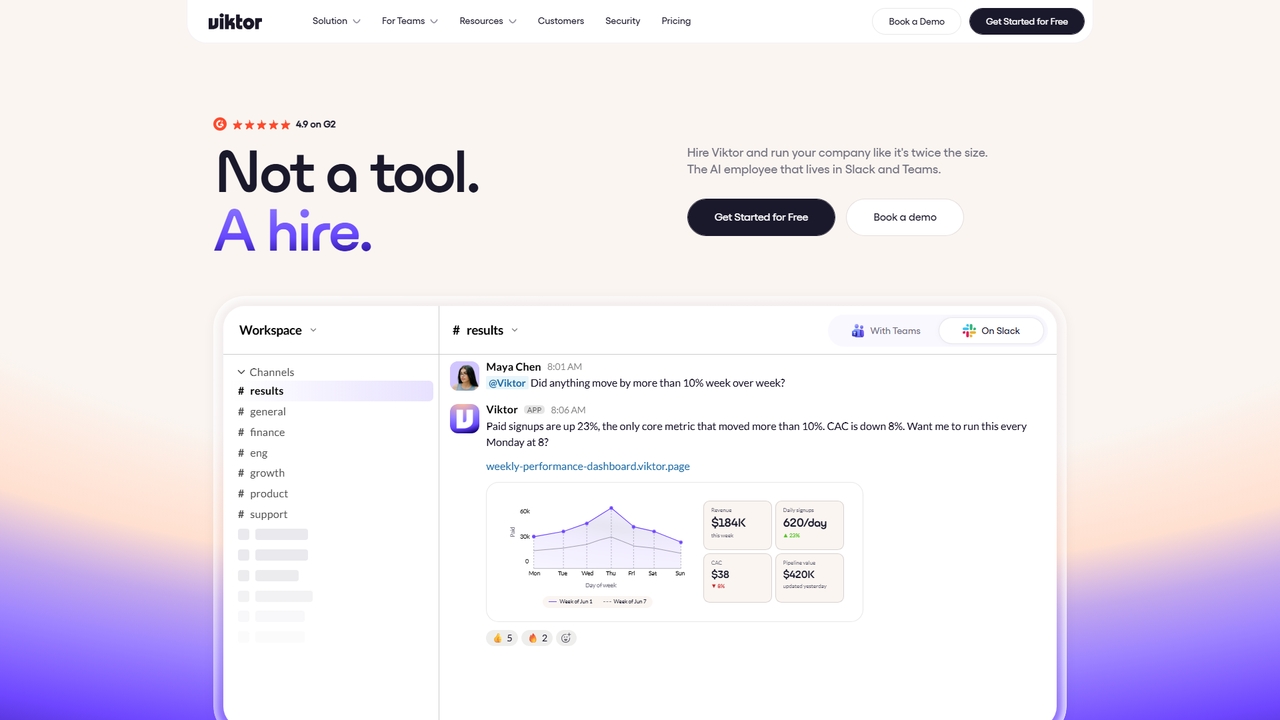
Viktor is an AI employee that lives in Slack and Microsoft Teams, connects to 3,200+ tools, and delivers finished work, not just text.
Team Collaboration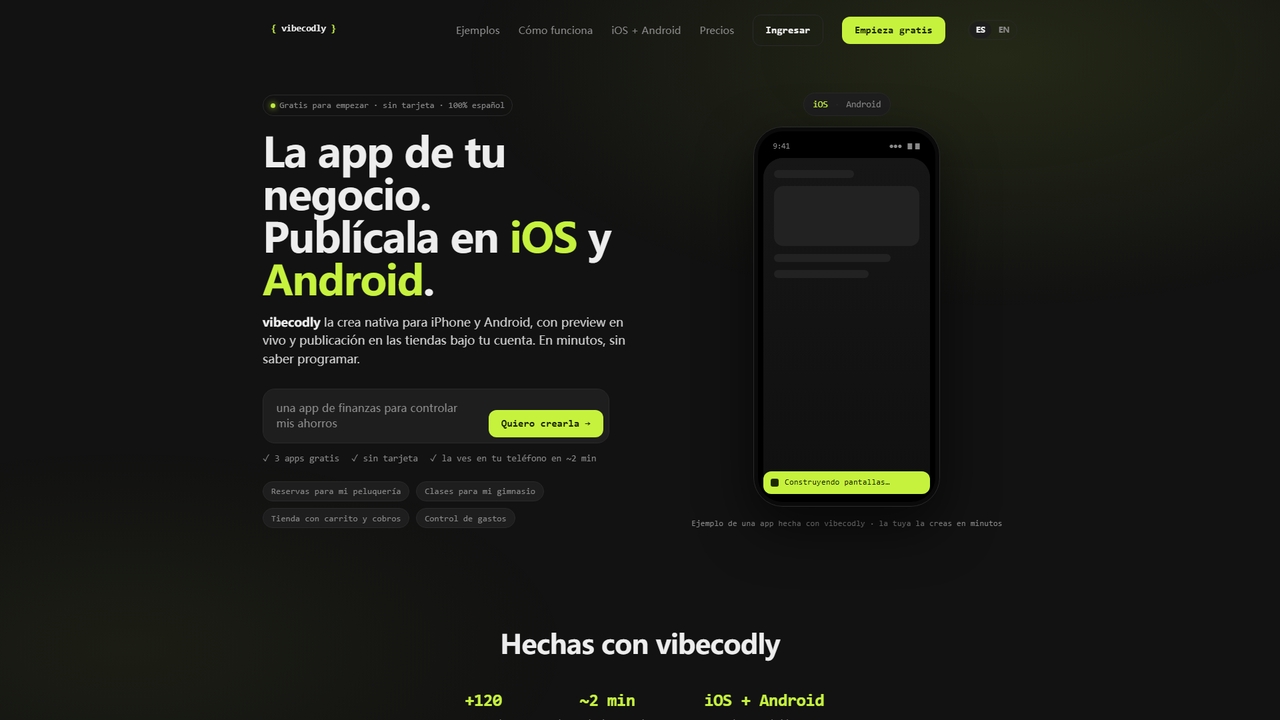
Vibecodly is a no-code platform that turns your ideas into native iOS and Android apps in minutes. Describe your app in plain language, preview it live on your phone, and publish to the App Store and Google Play — no programming required. Free to start, no credit card needed.
Mobile Commerce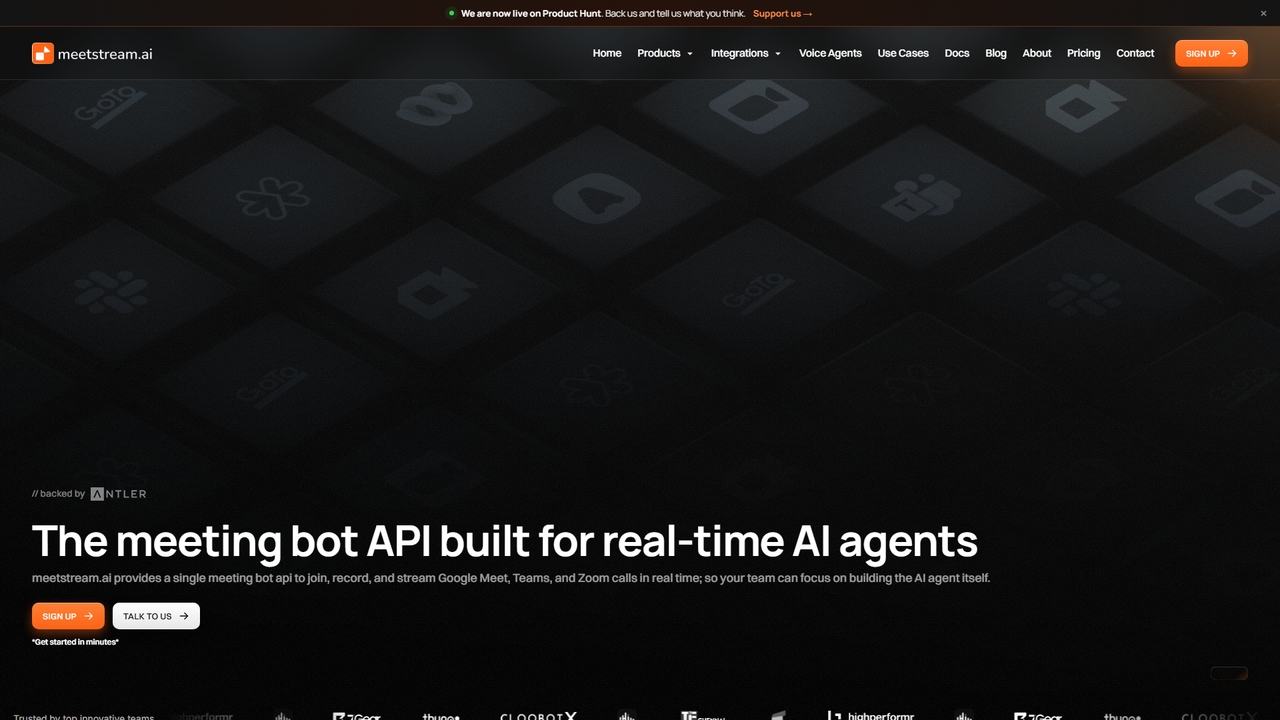
MeetStream is a meeting bot API for Zoom, Google Meet, and Microsoft Teams. Build AI agents that join, record, stream, and transcribe calls in real time.
Conversation Intelligence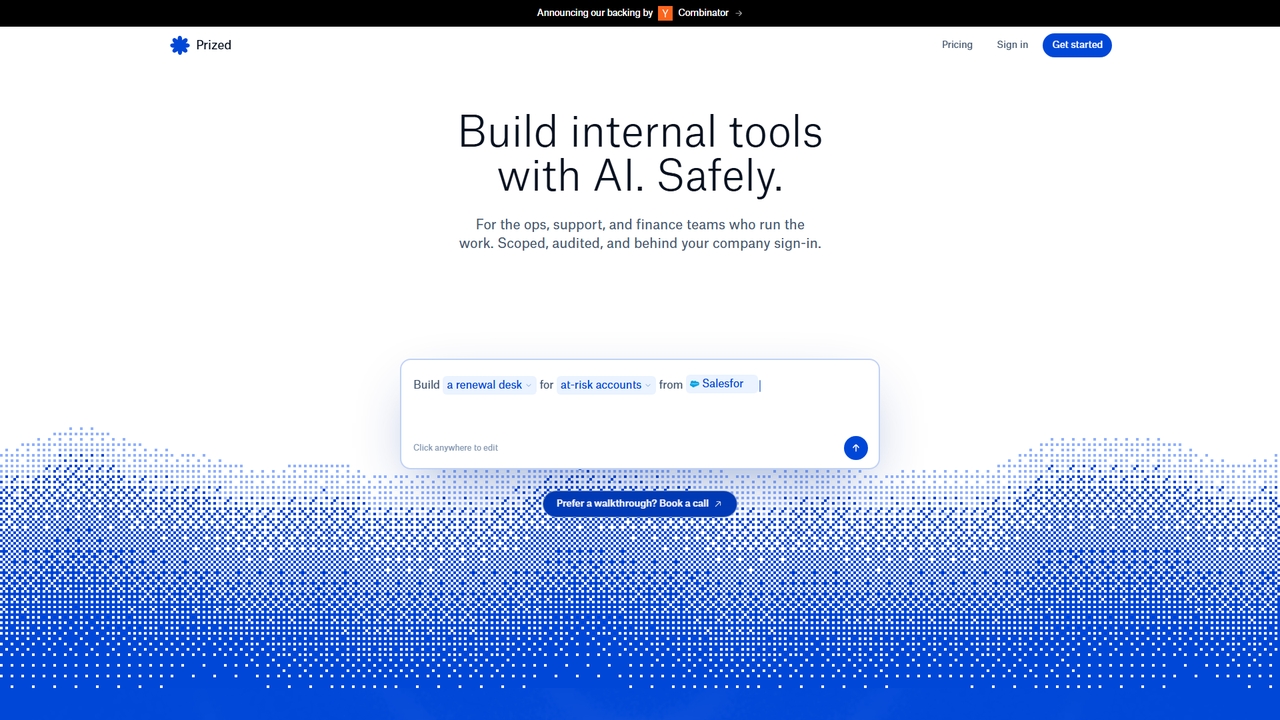
Prized is a safe AI internal-tool builder for ops, support, and finance teams. It turns natural-language requests into deployed, role-scoped tools on admin-approved company data, with an audit trail on every access.
Operations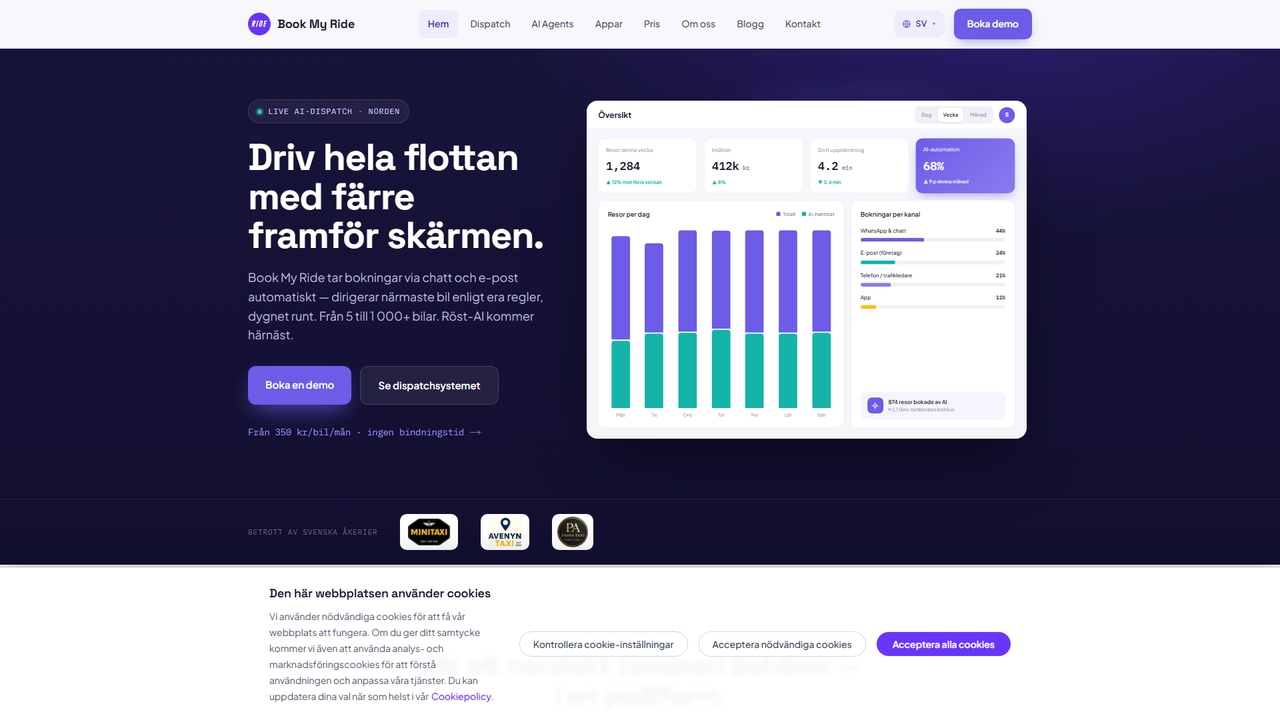
Book My Ride is an AI-powered taxi dispatch platform built for Nordic operators. It automatically turns WhatsApp, web chat and email bookings into structured rides, assigns the nearest vehicle, and gives dispatchers a single live cockpit for fleets from 5 to 1,000+ cars.
Taxi Dispatch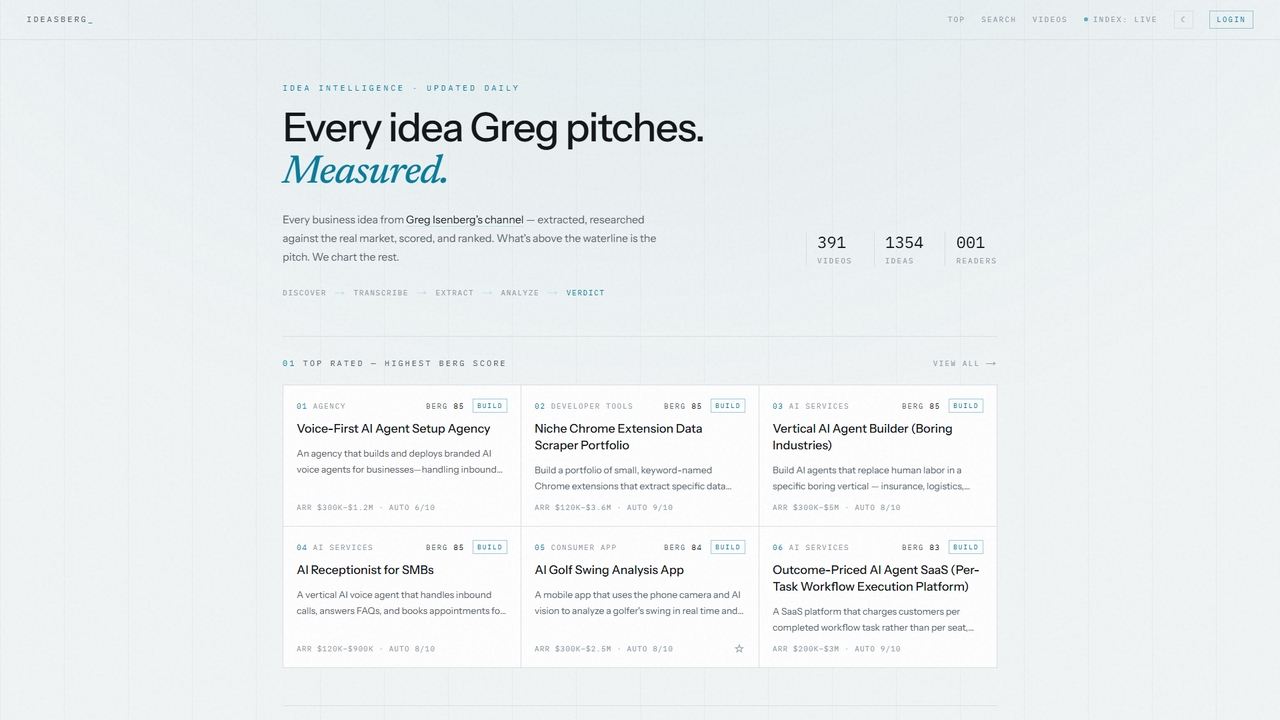
A curated database and research tool that extracts, scores, and ranks business ideas from Greg Isenberg's channel, providing market analysis and actionable insights for entrepreneurs.
Startup Ideas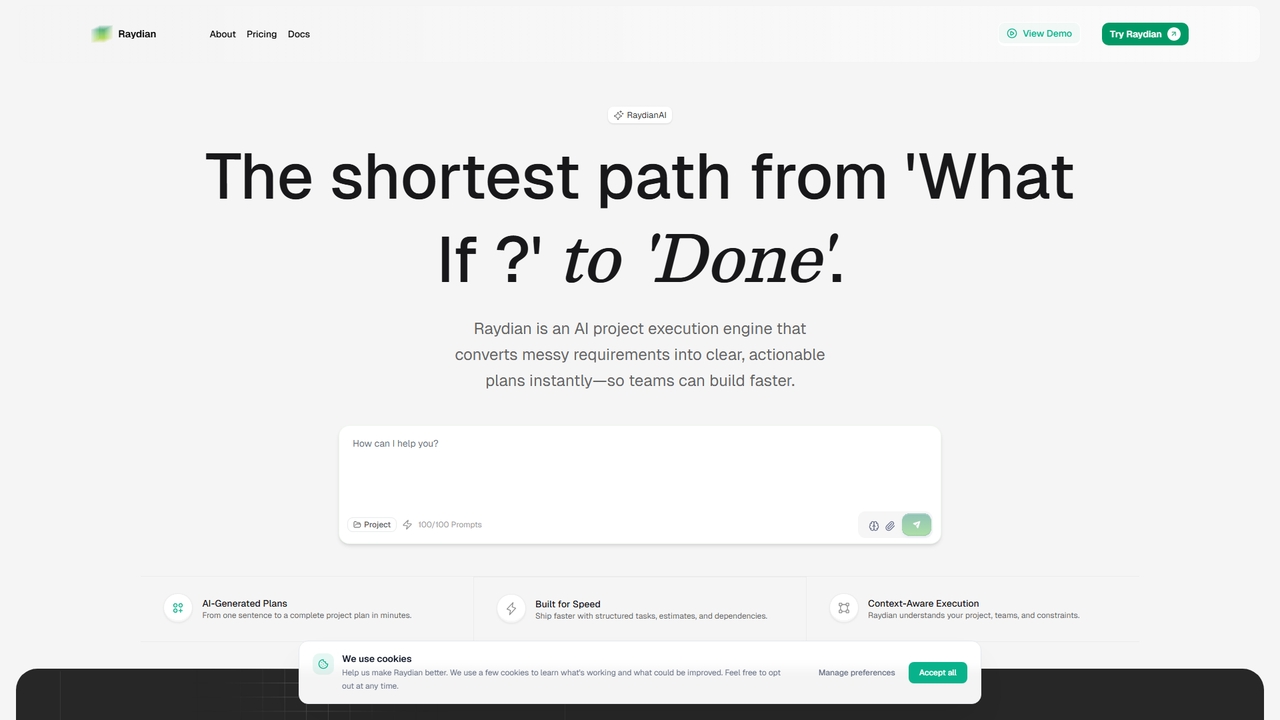
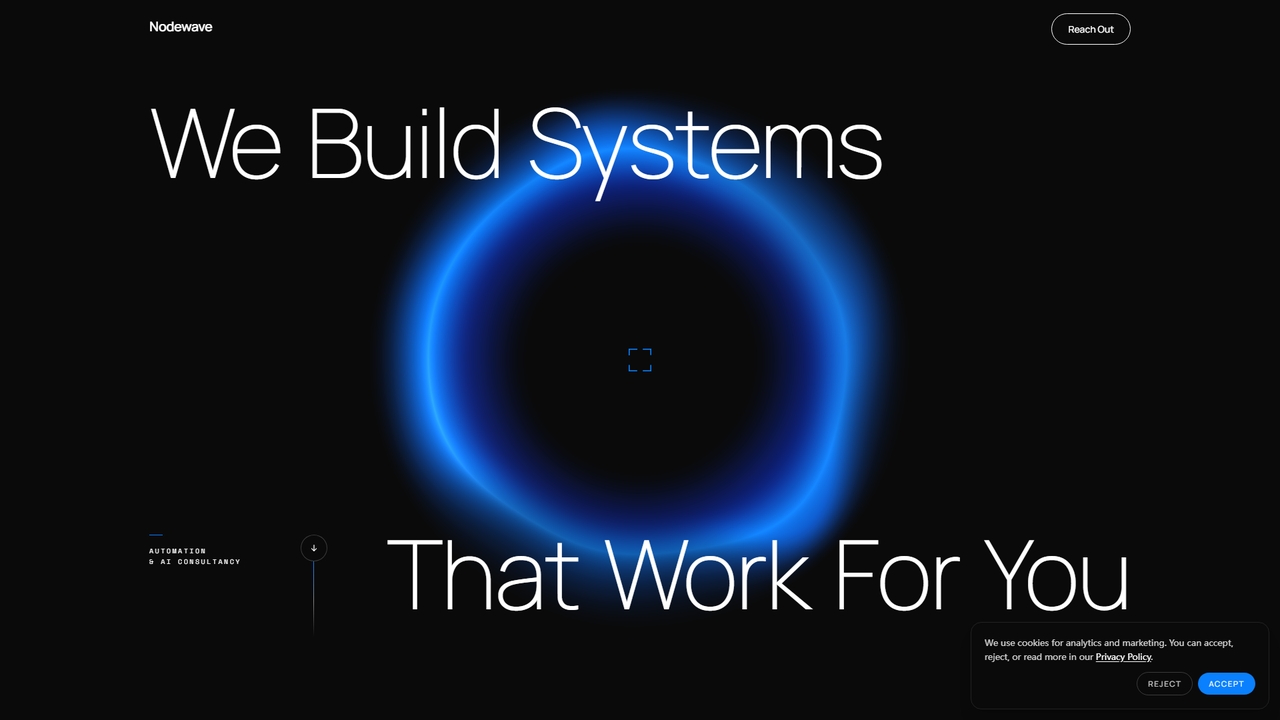
A consultancy specializing in custom AI automation, web apps, and workflow solutions for businesses. They build bespoke systems that integrate AI into real workflows to save time and boost efficiency.
Consulting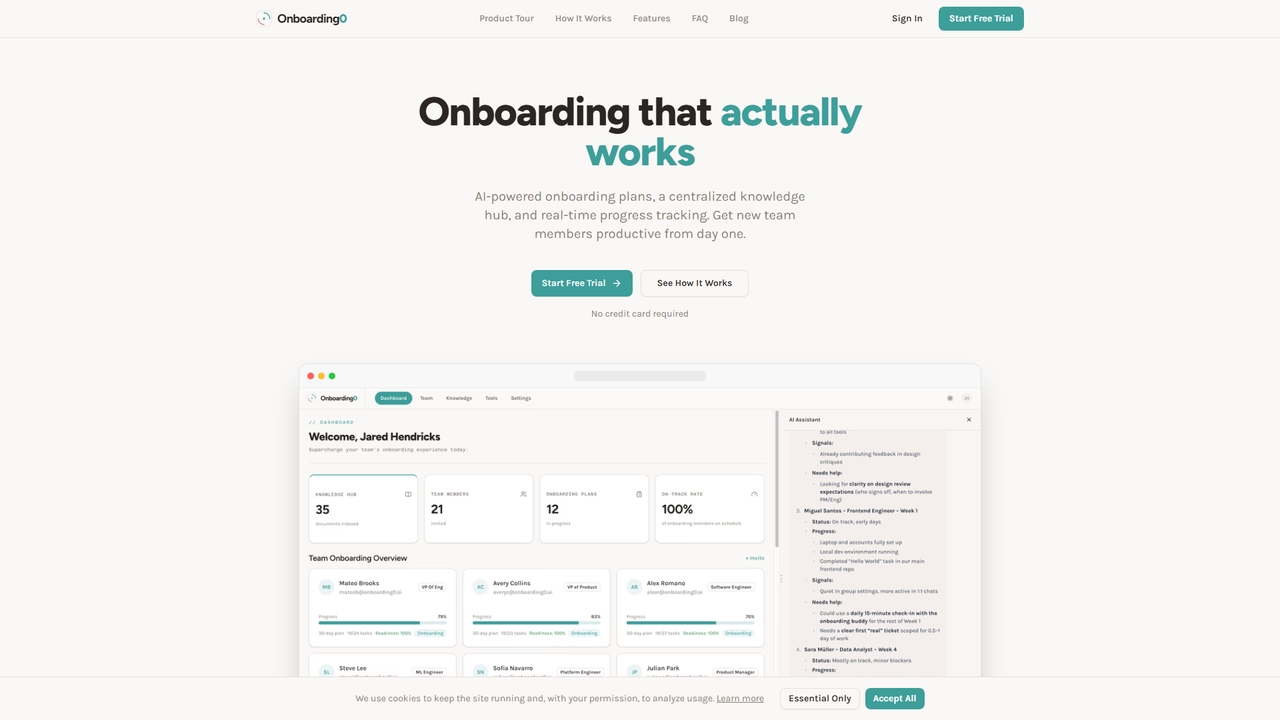
AI-powered employee onboarding platform that creates personalized plans, centralizes knowledge, and tracks progress to get new hires productive from day one.
Knowledge Management
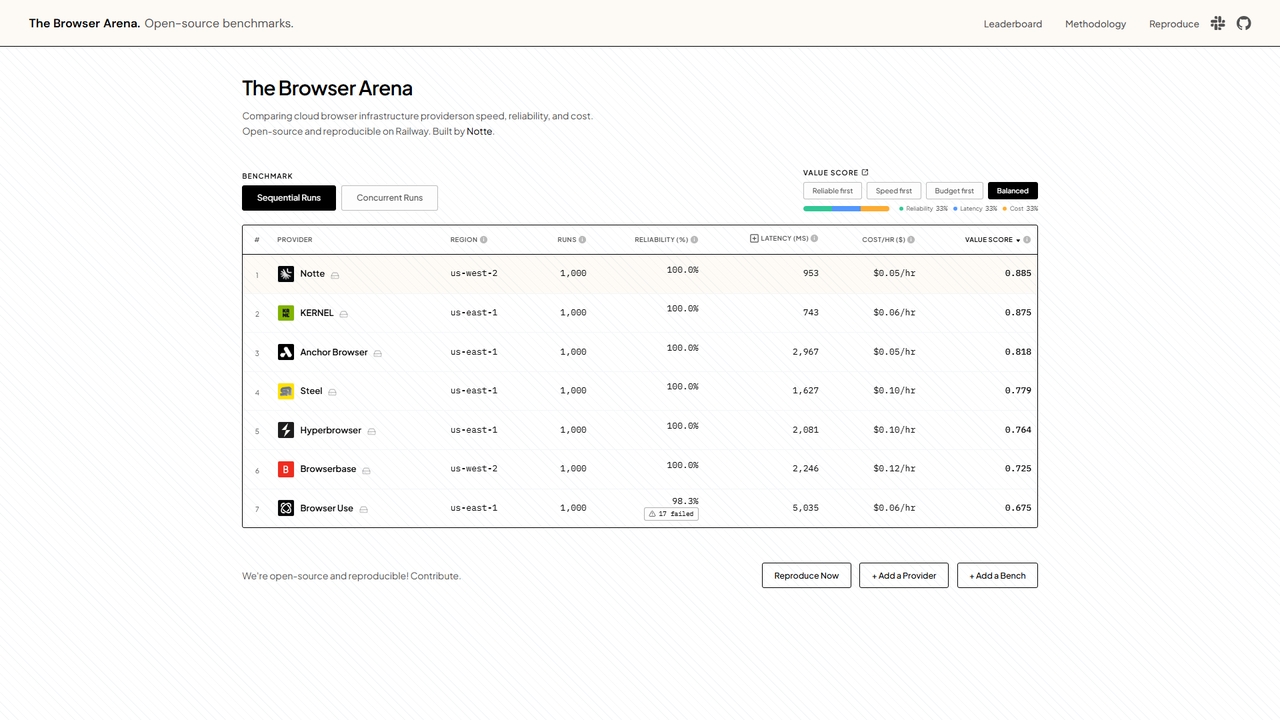
Browserarena is an open-source benchmarking and comparison platform for cloud browser infrastructure providers. It objectively evaluates and ranks providers based on key performance metrics including speed (latency), reliability (success rate), and cost per hour, helping developers and businesses make data-driven decisions for their browser automation and testing needs.
Infrastructure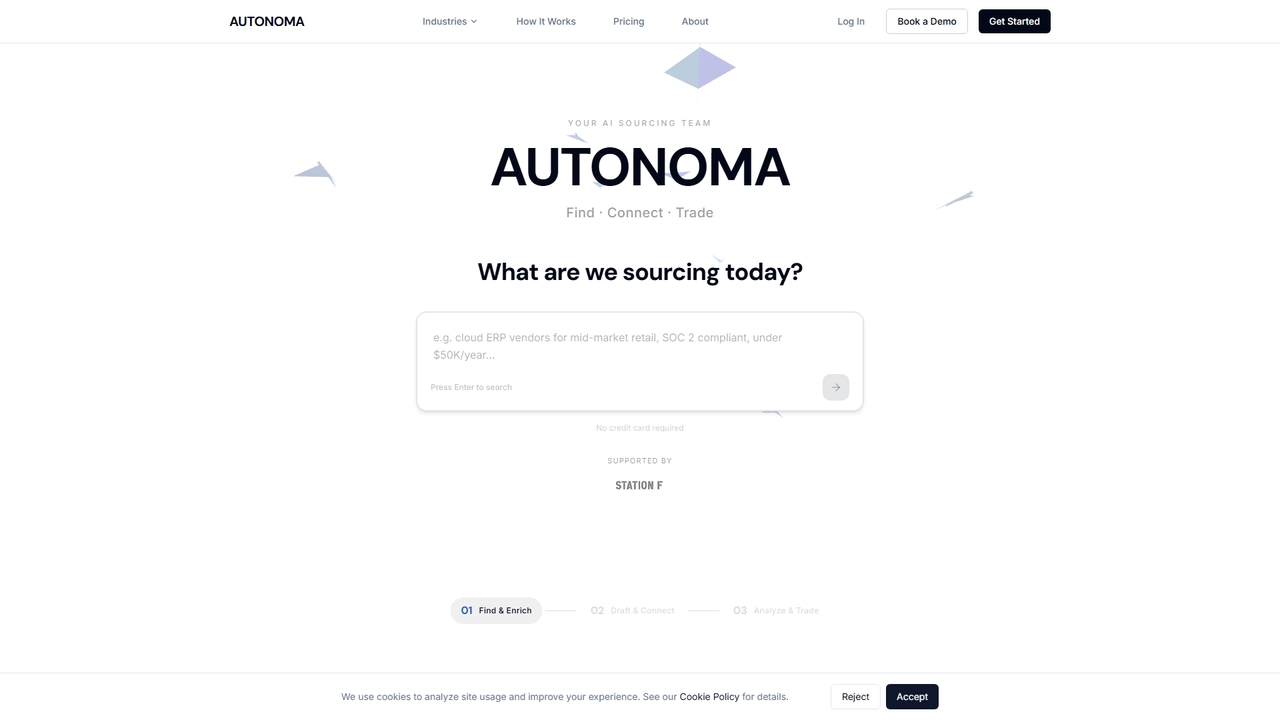
Autonoma is an AI-powered supplier discovery and procurement platform that automates the entire sourcing workflow. Describe your needs in plain language, and its AI agents find verified global suppliers, draft personalized RFIs, manage outreach campaigns, and analyze proposals—reducing manual research from weeks to minutes.
Automation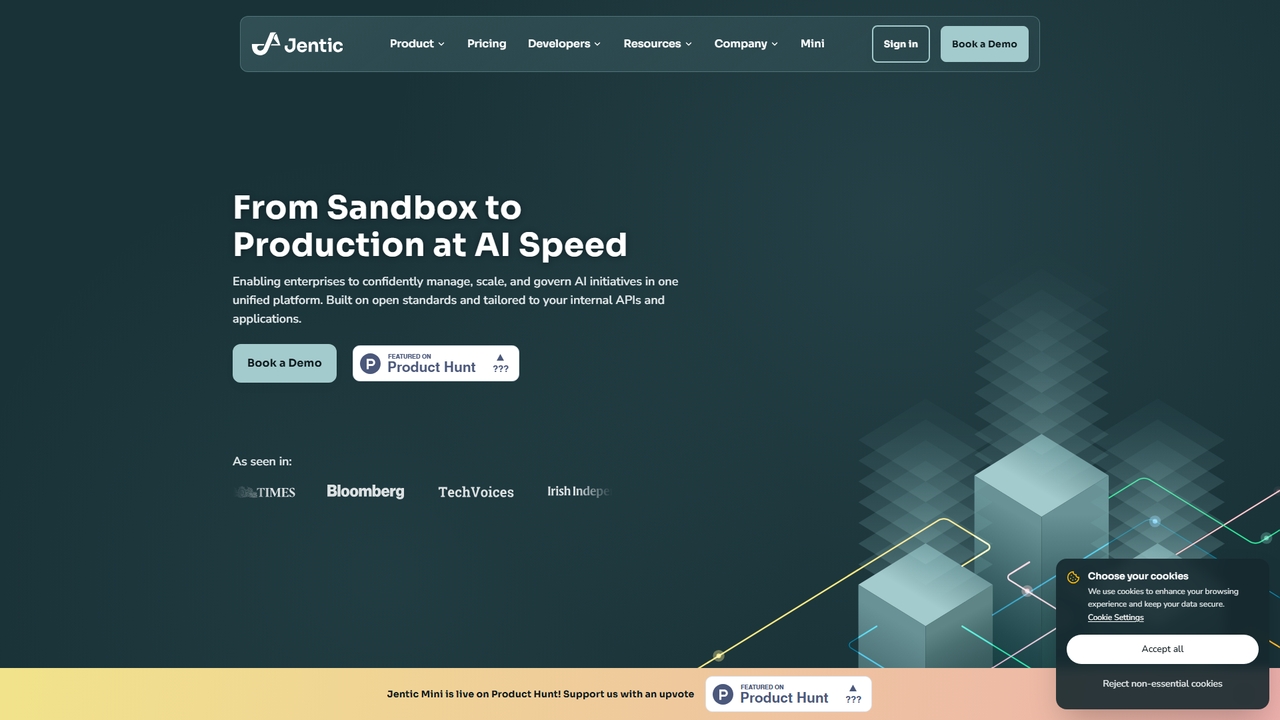
Jentic is an enterprise AI automation platform that provides the secure execution layer between AI agents and internal APIs. It enables organizations to safely manage, scale, and govern AI initiatives by unifying API integration, workflow orchestration, and centralized governance within a single, vendor-neutral platform built on open standards like OpenAPI and Arazzo.
Enterprise Software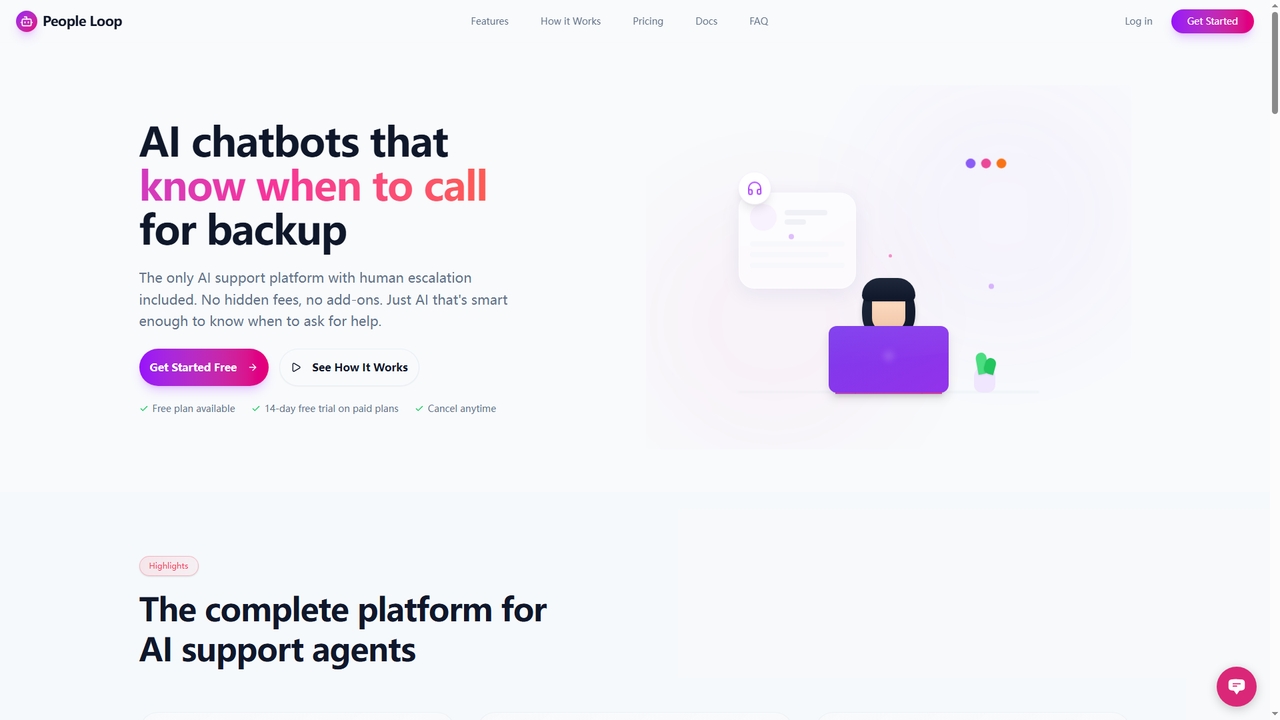
People Loop is a comprehensive AI support platform featuring chatbots smart enough to escalate complex issues to humans. It automates customer support, internal knowledge retrieval, lead generation, and data analysis. With built-in human handoff, seamless integrations, and a focus on security, it's designed for businesses to deploy conversational AI agents without technical expertise.
Automation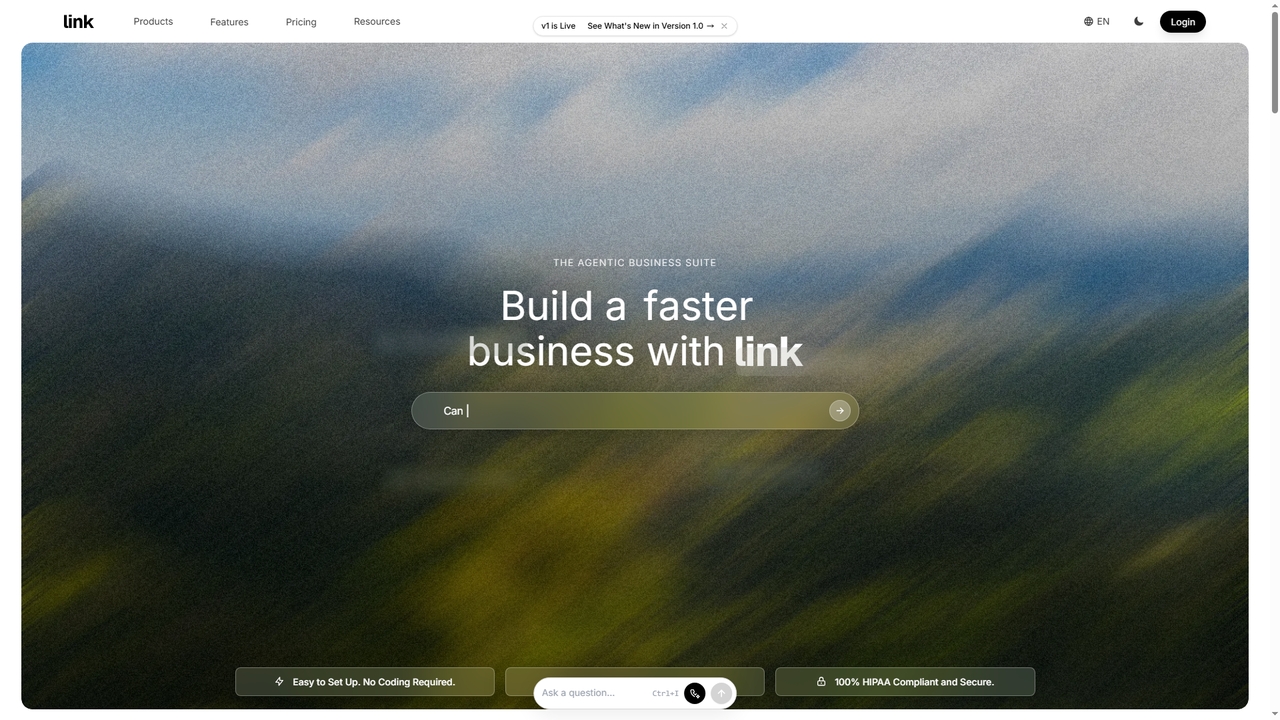
Getlinkai is an AI Agentic Business Suite designed to automate and accelerate business operations. It enables businesses to build, deploy, and manage conversational AI agents across multiple channels (web, WhatsApp, Instagram, phone) without coding. Core offerings include workflow automation, voice agents, order management, and a personal assistant (Ally), all accessible through a unified dashboard.
Automation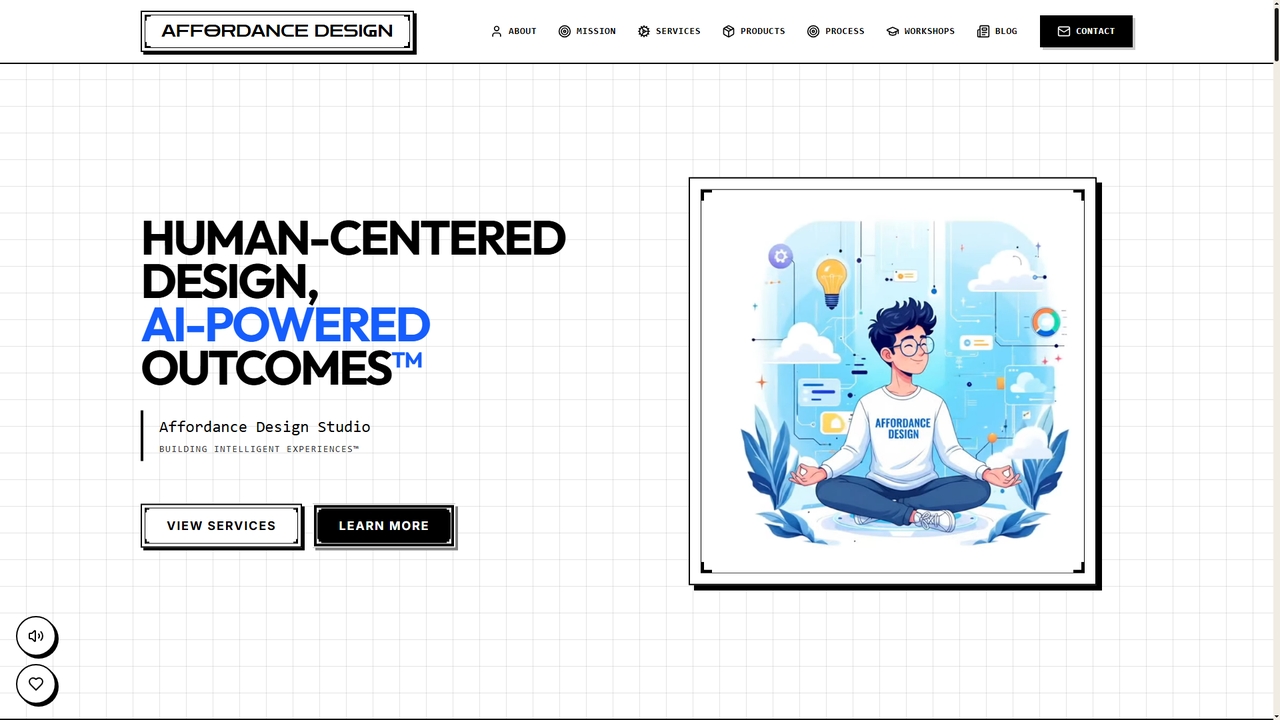
Affordance is a premier UX and AI consulting studio founded by expert Shandar Junaid. It bridges human-centered design with applied artificial intelligence to build "Intelligent Experiences" (IX). The studio offers strategic consulting, product engineering, and training to help businesses integrate AI pragmatically, ensuring technology enhances user experience and delivers measurable outcomes. It also develops innovative AI-powered products like the timeline generator TimeLineX.
Ai Consulting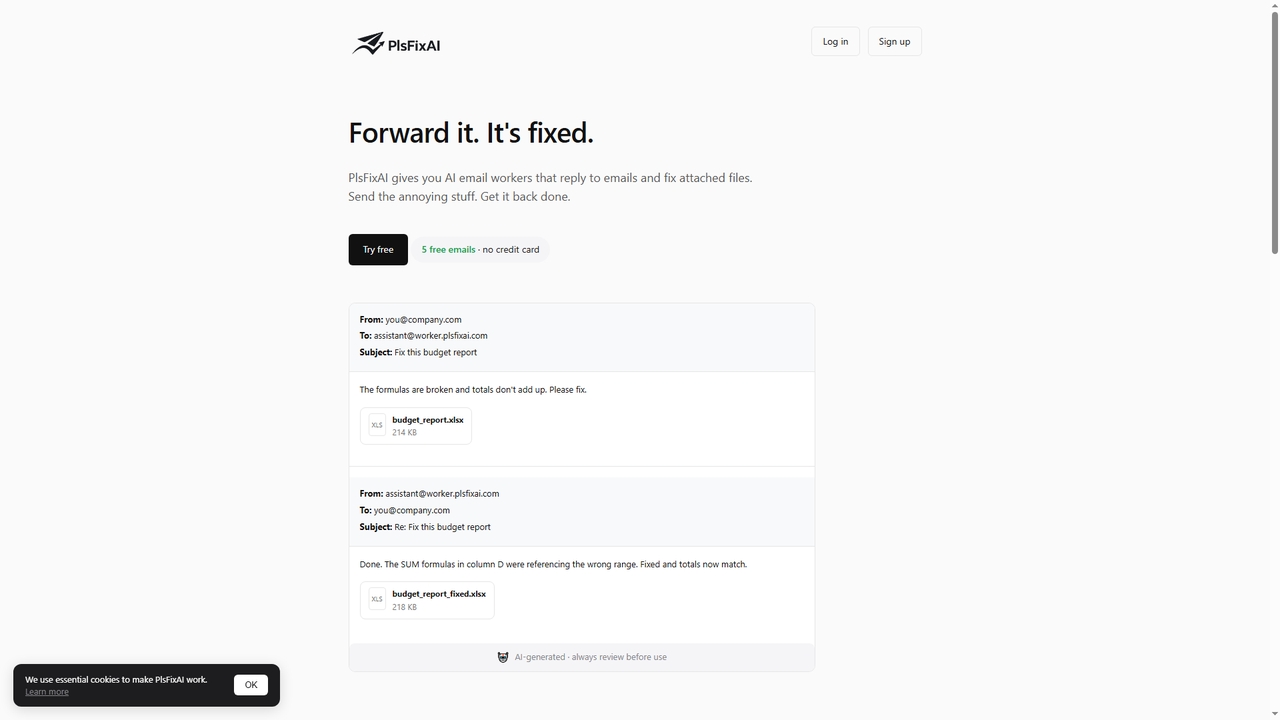
PlsFixAI is an AI-powered email assistant that automates tedious email tasks. Forward emails or CC your dedicated AI worker, and it will reply with drafts, fix errors in attached documents (PDFs, Word, Excel), summarize reports, and proofread text. It's designed to handle routine work so you can focus on what matters.
Office Automation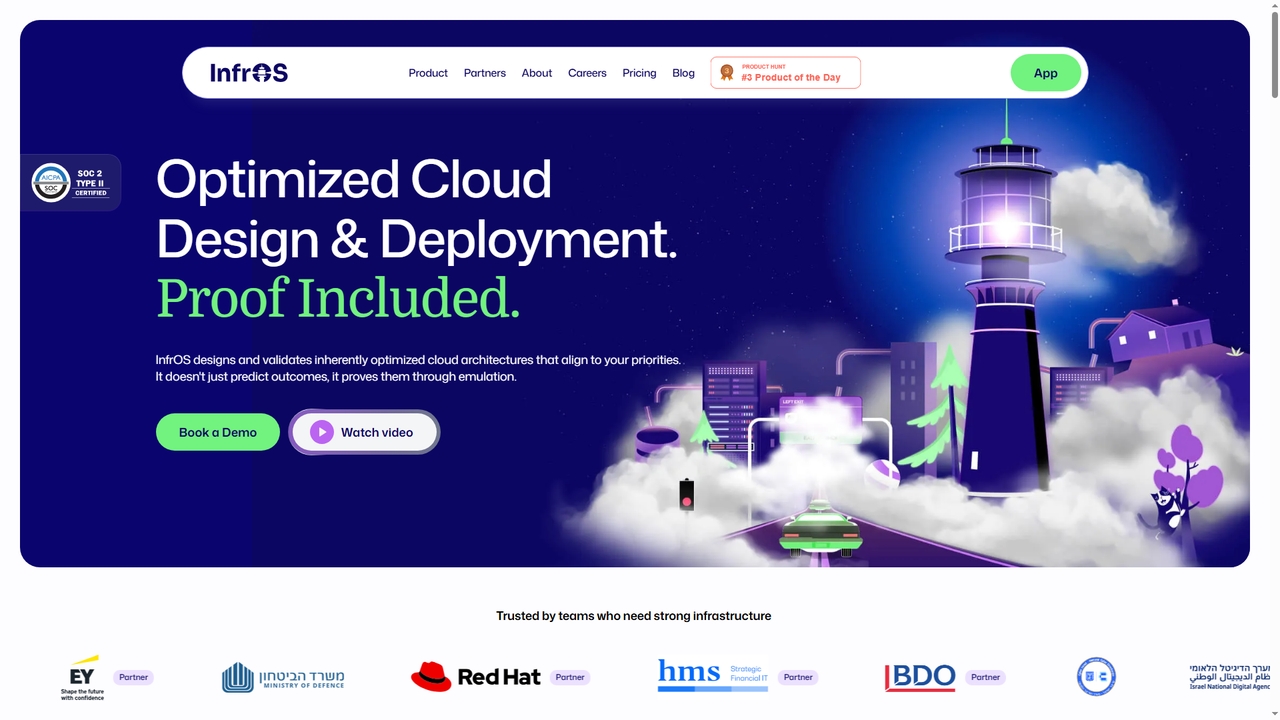
Infros is an AI-powered IT Infrastructure Operating System that designs, validates, and deploys optimized cloud architectures. It uses emulation to prove performance and cost outcomes before deployment, helping teams eliminate technical debt and reduce cloud spend by an average of 43%.
Finops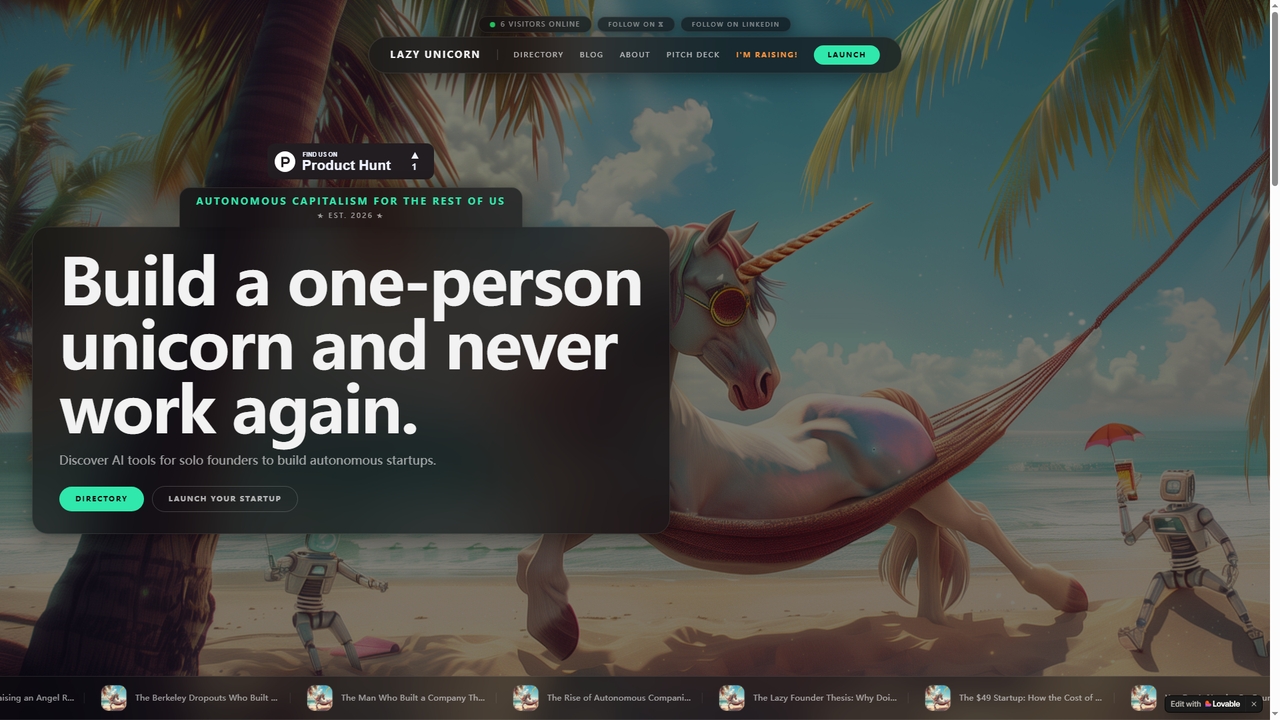
Lazyunicorn is the definitive, self-building directory for discovering tools and platforms that enable anyone to launch, run, and scale a business with minimal manual effort. It serves as a curated hub focused on the emerging paradigm of autonomous capitalism, connecting founders with the AI agents and systems that can automate entire companies.
Entrepreneurship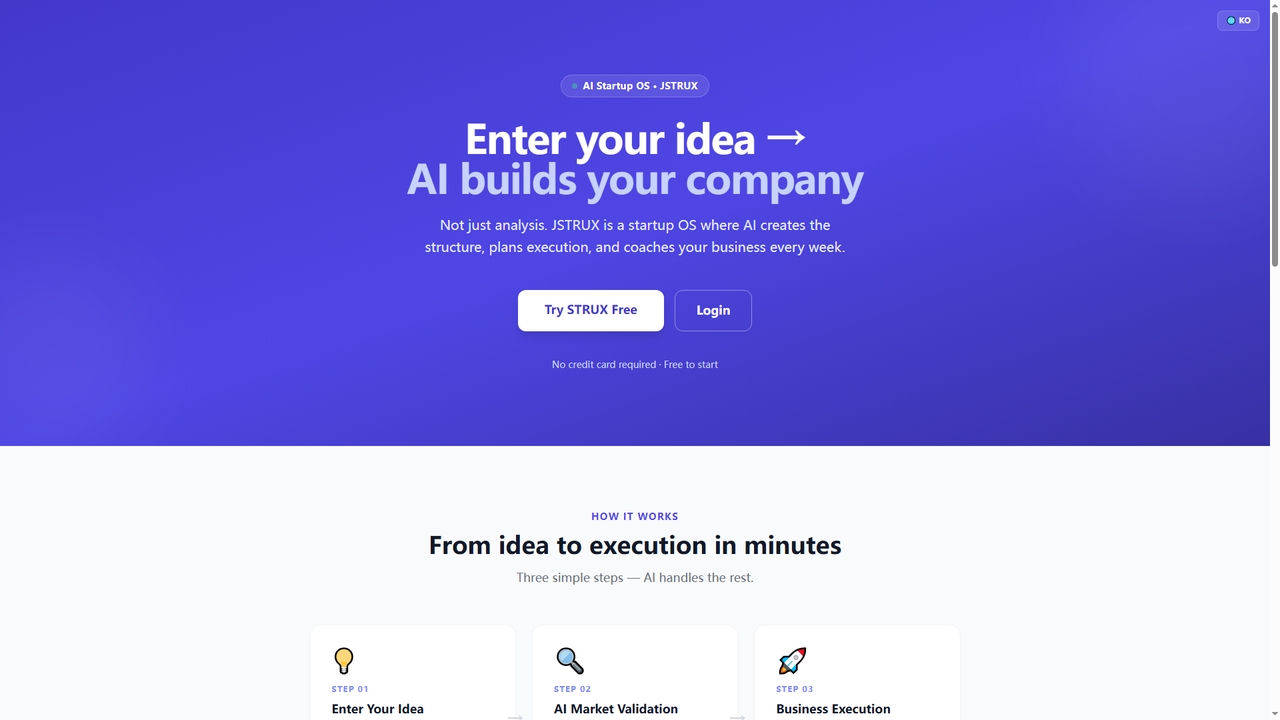
Jstrux is an AI-powered Startup Operating System that transforms business ideas into actionable companies. It validates market fit, generates complete business plans, execution roadmaps, financial models, and provides ongoing AI coaching, enabling entrepreneurs to go from concept to structured execution in minutes.
Analytics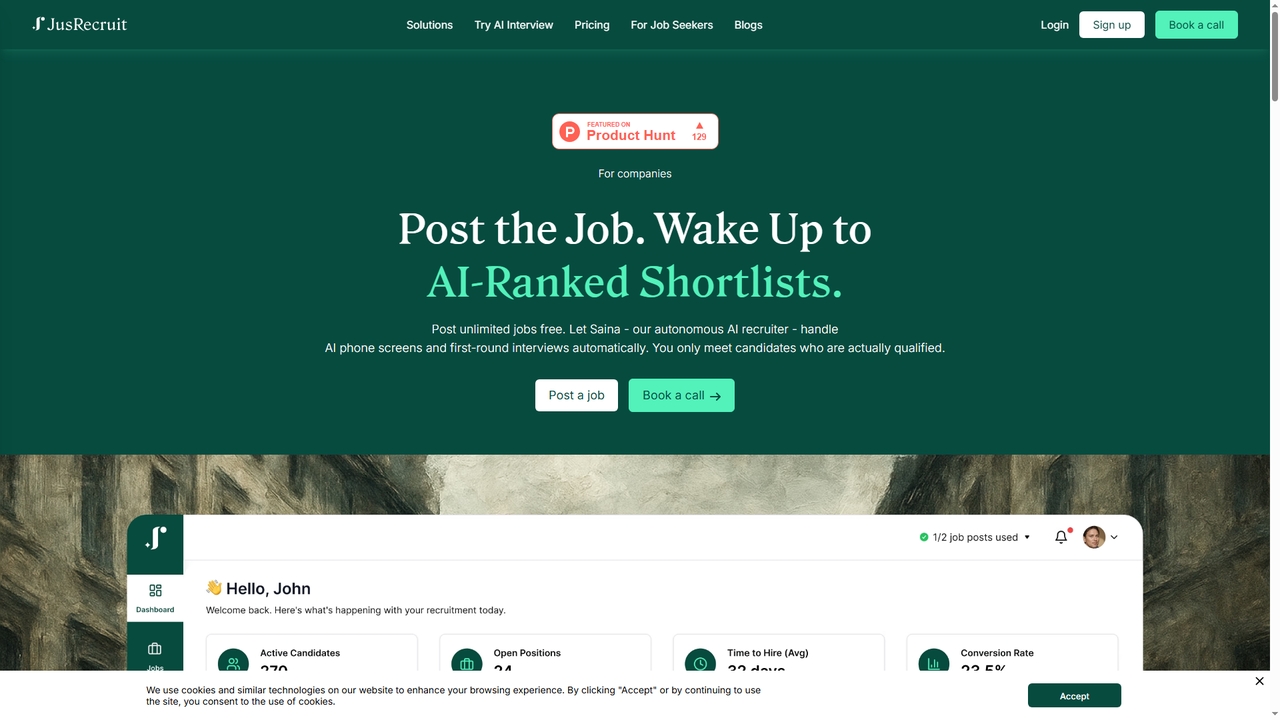
JusRecruit is an AI-powered recruiting platform that automates the early stages of hiring. Its autonomous AI interviewer, Saina, conducts phone screens and first-round interviews, providing companies with ranked shortlists of qualified candidates. It includes a lightweight ATS to manage the entire pipeline in one place, aiming to save recruiters time and improve hiring efficiency.
Productivity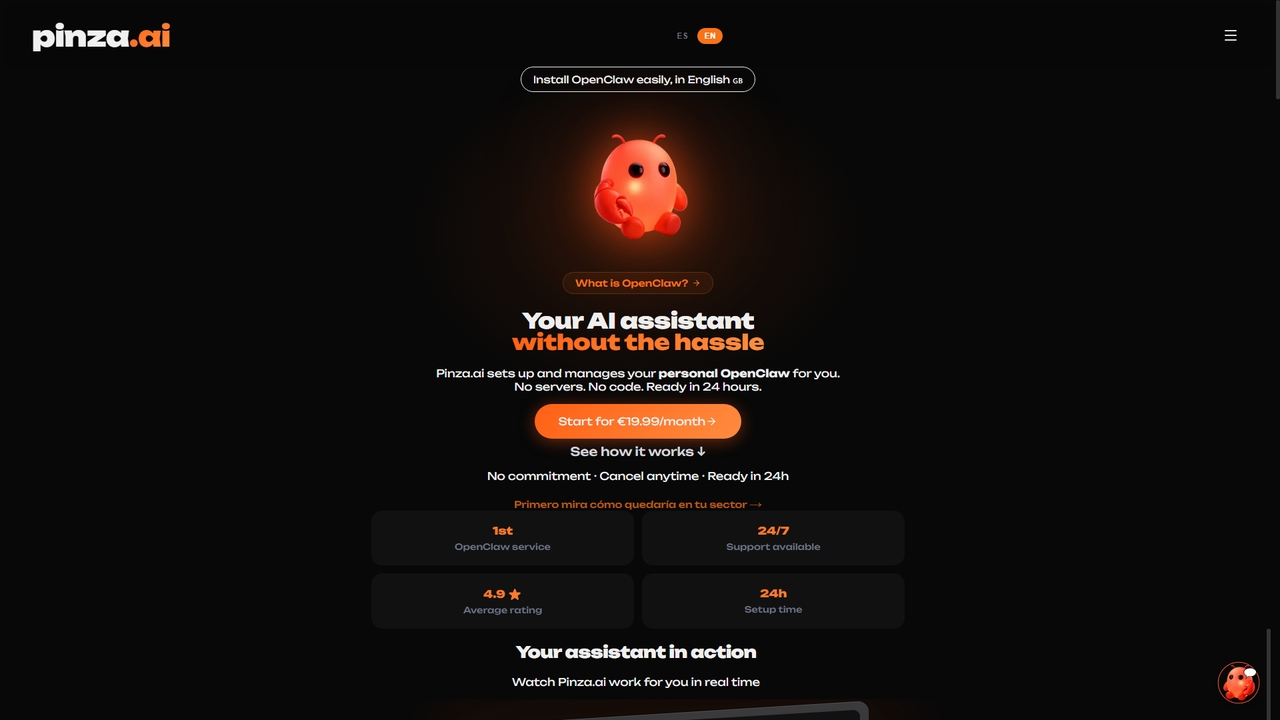
Pinza is a managed service that sets up and hosts a personal OpenClaw AI assistant for you within 24 hours, without requiring any technical knowledge or server management. It connects to your tools (like email and calendar) to automate tasks such as meeting scheduling, email summarization, and lead management, allowing freelancers and small businesses to leverage advanced AI effortlessly.
CrmBusiness AI tools are a class of software that leverages artificial intelligence to automate processes, analyze data, and enhance decision-making across various business functions. They utilize technologies like machine learning, natural language processing (NLP), and predictive analytics to handle tasks from customer support to financial forecasting. These tools help organizations improve efficiency, gain deeper market insights, personalize customer experiences, and optimize operational workflows. By integrating AI, businesses can shift from reactive problem-solving to proactive strategy development, creating a significant competitive advantage.
Business AI tools are applicable across nearly all sectors, including e-commerce, finance, healthcare, and manufacturing. They are used by marketing managers to optimize campaigns, financial analysts to assess risk, HR specialists to accelerate hiring, and operations directors to refine supply chains. For example, a retail company might use AI to predict inventory needs, while a financial firm uses it to detect fraudulent transactions in real-time.
When selecting a business AI tool, first assess its functional specificity—does it solve a niche problem or offer a broad platform? Evaluate its integration capabilities with your existing systems like CRM or ERP. Consider the tool's scalability and pricing model to ensure it aligns with your growth plans and budget. Finally, examine the user interface's ease of use and the quality of customer support provided, as these factors heavily influence adoption and long-term value.
A customer service manager for an e-commerce brand implements an AI chatbot on their website and social media channels. The chatbot is trained on the company's product information, FAQs, and return policies. It instantly handles over 70% of incoming customer queries, such as order status checks, product questions, and shipping information, around the clock. This frees up human agents to focus on complex, high-value interactions like handling disputes or providing detailed product recommendations. The result is a 40% reduction in response time and a significant increase in customer satisfaction scores.
A sales director at a B2B software company uses an AI-powered forecasting tool to improve accuracy. The tool analyzes historical sales data, CRM activity, market trends, and even macroeconomic indicators. It generates dynamic, data-driven sales forecasts that are significantly more reliable than manual spreadsheets. The sales team uses these insights to prioritize high-potential leads, allocate resources more effectively, and set realistic sales targets. This leads to a 15% increase in forecast accuracy, better inventory management, and more strategic planning for upcoming quarters.
An HR department at a fast-growing tech company is overwhelmed with thousands of applications for each open position. They adopt an AI tool that automatically screens and ranks resumes based on predefined criteria like skills, experience, and qualifications. The system can process hundreds of resumes in minutes, identifying the top 10% of candidates who are the best fit. This reduces the time-to-hire by 50% and allows recruiters to spend more time interviewing qualified candidates rather than manually sifting through applications. It also helps reduce unconscious bias in the initial screening phase.
A marketing team for a consumer goods company uses an AI platform to analyze customer data from various sources, including social media, purchase history, and website behavior. The AI identifies distinct customer segments and predicts which marketing messages and channels will be most effective for each group. The team uses these insights to launch highly targeted advertising campaigns, resulting in a 30% increase in click-through rates and a 20% higher conversion rate compared to previous, broader campaigns. The tool also provides real-time performance feedback, allowing for on-the-fly campaign adjustments.
The finance team in a mid-sized corporation uses an AI-powered accounting tool to automate its month-end closing process. The tool automatically ingests data from bank statements, invoices, and expense reports, matching transactions and identifying discrepancies in real-time. It flags potential errors for human review, drastically reducing manual data entry and reconciliation time. The system then generates comprehensive financial reports, including profit and loss statements and balance sheets, in a fraction of the time it previously took. This allows the finance team to focus on strategic analysis rather than tedious data processing.
An operations manager for a large retail chain uses an AI platform to optimize inventory and logistics. The tool analyzes historical sales data, seasonality, promotional events, and external factors like weather patterns to generate highly accurate demand forecasts for thousands of products across hundreds of stores. Based on these forecasts, the system recommends optimal inventory levels and automates purchase orders to prevent stockouts and reduce overstocking. This leads to a 25% reduction in carrying costs and a significant improvement in product availability, directly boosting sales and customer satisfaction.
AI Business tools are software applications that use artificial intelligence technologies like machine learning and natural language processing to automate tasks, analyze data, and support decision-making. They are designed to improve efficiency and provide insights across various business functions, including marketing, sales, finance, and human resources. Unlike general AI models, these tools are often purpose-built for specific business processes, such as managing customer relationships (CRM), automating accounting, or optimizing supply chains.
To choose the right AI tool, follow these steps:
The main difference lies in their application and design. General AI tools, like large language models, are versatile and can perform a wide range of tasks but often require significant customization and prompt engineering to be effective for business use. Business AI tools, on the other hand, are purpose-built to solve specific commercial problems. They come with pre-built workflows, integrations for common business software (like Salesforce or QuickBooks), and user interfaces designed for non-technical users in roles like marketing, finance, or HR.
AI can significantly enhance nearly every business function. Key areas include:
It is becoming increasingly easier. Many modern AI business tools are delivered as Software-as-a-Service (SaaS), which means they are cloud-based, require no complex installation, and are managed by the provider. They often feature user-friendly interfaces that don't require coding or data science expertise. Furthermore, many providers offer scalable pricing models, such as monthly subscriptions based on usage or number of users, making powerful AI capabilities accessible and affordable even for small businesses and startups.