Business Best in category 2 results Agency AI Tool

Popular AI tools in the Agency field of Business include Duda、Zeroqode, etc., helping you quickly improve efficiency.

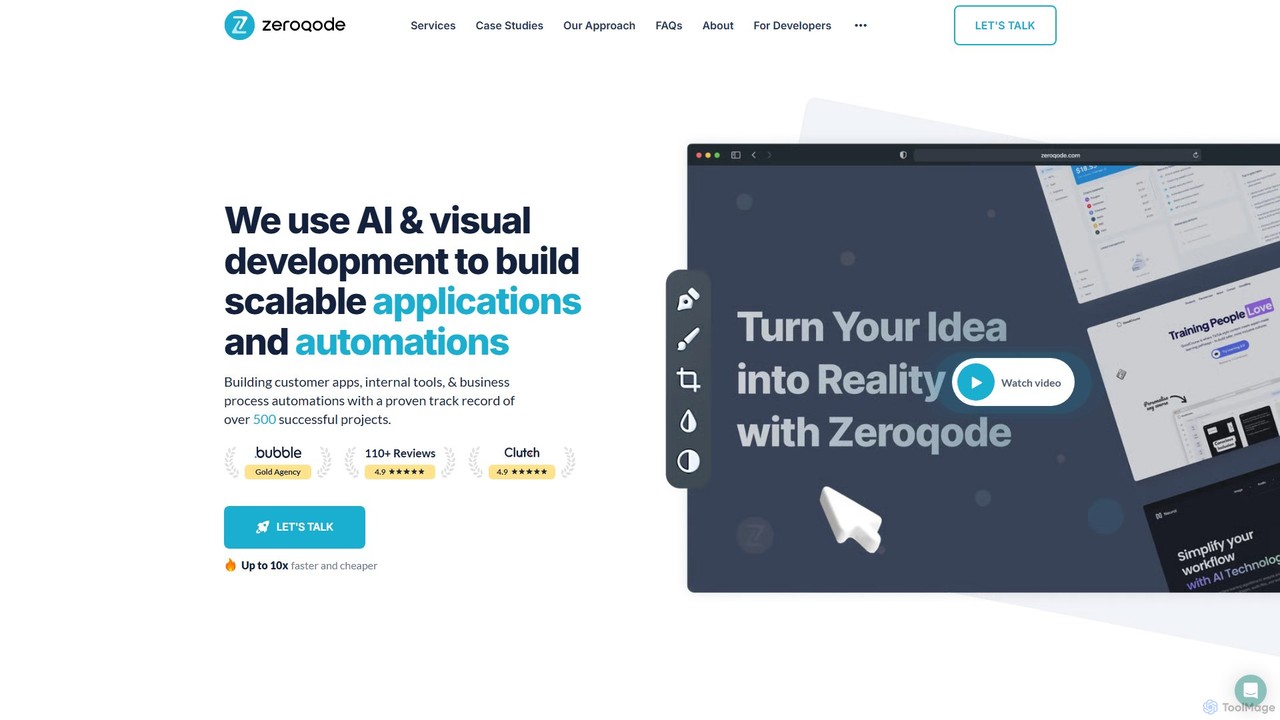
Zeroqode

Zeroqode

Zeroqode is a leading no-code and AI development agency that builds scalable web and mobile applications, SaaS products, …

54.3K
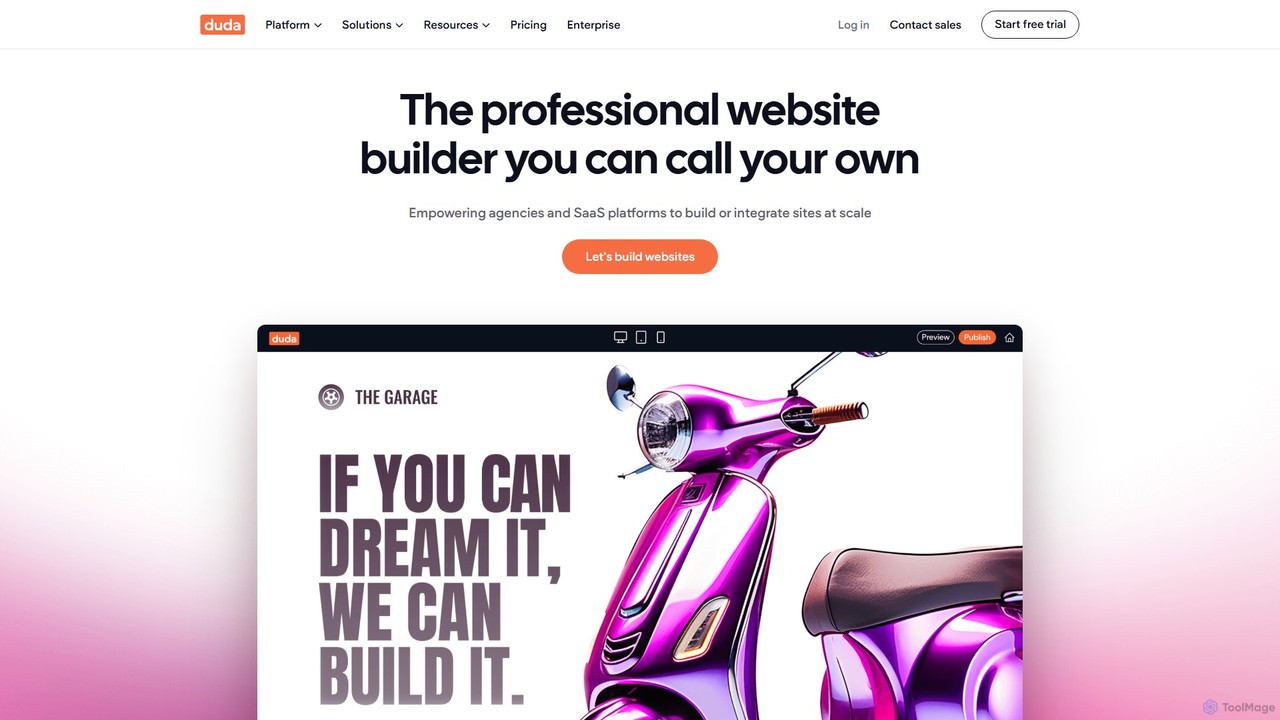
Duda

Duda

Duda is a professional website builder designed for digital agencies and SaaS platforms. It leverages AI to streamline …

393.6K

About Agency

AI Agency tools are integrated platforms designed to help marketing, creative, and digital agencies automate and scale their client services. These tools bundle multiple AI functionalities, such as content generation, SEO analysis, social media management, and client reporting, into a unified dashboard. This enables agencies to streamline complex workflows, efficiently manage numerous client accounts, and deliver consistent, high-quality results. Key features often include white-labeling options and collaborative tools tailored for the agency-client relationship, setting them apart from general business software.

Core Features

  • Multi-Client Management: A centralized dashboard to oversee projects, campaigns, and data for all clients simultaneously.
  • White-Label Reporting: Generate professional, customizable reports with the agency's own branding for client delivery.
  • Automated Service Delivery: Use AI to scale core services like content creation, SEO audits, or social media posting across accounts.
  • Team Collaboration Tools: Features designed for internal teams to collaborate on client projects, assign tasks, and track progress.
  • Performance Analytics: AI-driven insights and analytics to monitor campaign performance and identify optimization opportunities for clients.

Use Cases

These tools are primarily used by digital marketing agencies, SEO consultancies, social media management firms, and content creation agencies. Common applications include scheduling social media content across dozens of client profiles, generating bulk blog posts tailored to different client brand voices, and creating automated monthly performance reports that are ready for client presentation.

How to Choose

When selecting an AI Agency tool, first consider its alignment with your core service offerings (e.g., SEO, PPC, content). Evaluate the depth of its white-labeling and customization capabilities to ensure it reflects your brand. Check for essential integrations with platforms like Google Analytics, CRM systems, and social media networks. Finally, analyze the pricing model to ensure it scales effectively with your agency's growth, whether based on clients, users, or feature sets.

AgencyUse Cases

1

Scale SEO Content Production for Multiple Clients

An SEO agency's content manager is tasked with creating over 20 blog posts weekly for ten different clients, each with a unique brand voice and industry focus. Using an AI Agency tool, they create distinct brand profiles for each client. The manager inputs keyword briefs, and the AI generates multiple drafts that match each client's specific tone and style. This process reduces initial drafting time by over 70%, allowing the team to focus on strategic editing, optimization, and adding expert insights, thereby scaling high-quality content delivery without increasing headcount.

2

Automate White-Label Client Reporting

An account manager at a digital marketing agency spends 8-10 hours per client each month manually compiling performance data from Google Ads, Analytics, and social media into reports. By integrating these accounts into an AI Agency platform, the process becomes automated. The tool pulls data in real-time, populates pre-designed templates branded with the agency's logo, and even adds AI-generated summaries of key performance trends. The manager can now generate comprehensive, professional reports for all clients in under an hour, freeing up time for strategic planning and client communication.

3

Centralize Social Media Management Across Accounts

A social media agency manages 30+ client accounts across platforms like Instagram, Facebook, and LinkedIn. Juggling different logins and scheduling tools is inefficient and prone to error. They adopt an AI Agency tool with a unified social media dashboard. Now, they can view all client content calendars in one place, schedule posts in bulk, and use AI to suggest optimal posting times for each account's audience. The platform's centralized inbox also allows them to manage comments and messages for all clients without constantly switching accounts, improving response times and team efficiency.

4

Streamline New Client Onboarding and Setup

An agency's operations team struggles with a slow and inconsistent client onboarding process. They implement an AI Agency platform that standardizes this workflow. For each new client, they create a dedicated workspace, use a checklist template to gather necessary assets (logos, brand guidelines, account access), and assign team members. The platform's AI can even analyze a new client's website to automatically populate a brand kit with colors and fonts. This reduces onboarding time from days to hours and ensures every project starts with all necessary information centralized and accessible to the team.

5

Conduct AI-Powered Competitor Analysis for Clients

A strategy team at a marketing agency needs to provide quarterly competitive analysis reports to their clients. Manually tracking competitors' SEO rankings, ad spend, and social media content is extremely time-consuming. They use their AI Agency tool's analysis module to automate this. The tool continuously monitors a list of competitors for each client, tracking keyword movements, new backlinks, and top-performing social content. It then generates a report highlighting key threats and opportunities, allowing the agency to deliver deeper, data-driven strategic advice with a fraction of the manual effort.

6

Optimize Ad Campaigns with AI-Generated Variations

A performance marketing agency manages PPC campaigns for several e-commerce clients. To combat ad fatigue and improve ROI, they need to constantly test new ad copy and headlines. Using their AI Agency tool, a PPC specialist inputs the product details and target audience for a client. The AI then generates dozens of variations of ad headlines and descriptions. The specialist can quickly launch A/B tests with these variations across multiple client accounts, identifying winning combinations much faster and more efficiently than manual brainstorming would allow.

AgencyFrequently Asked Questions