Freemium
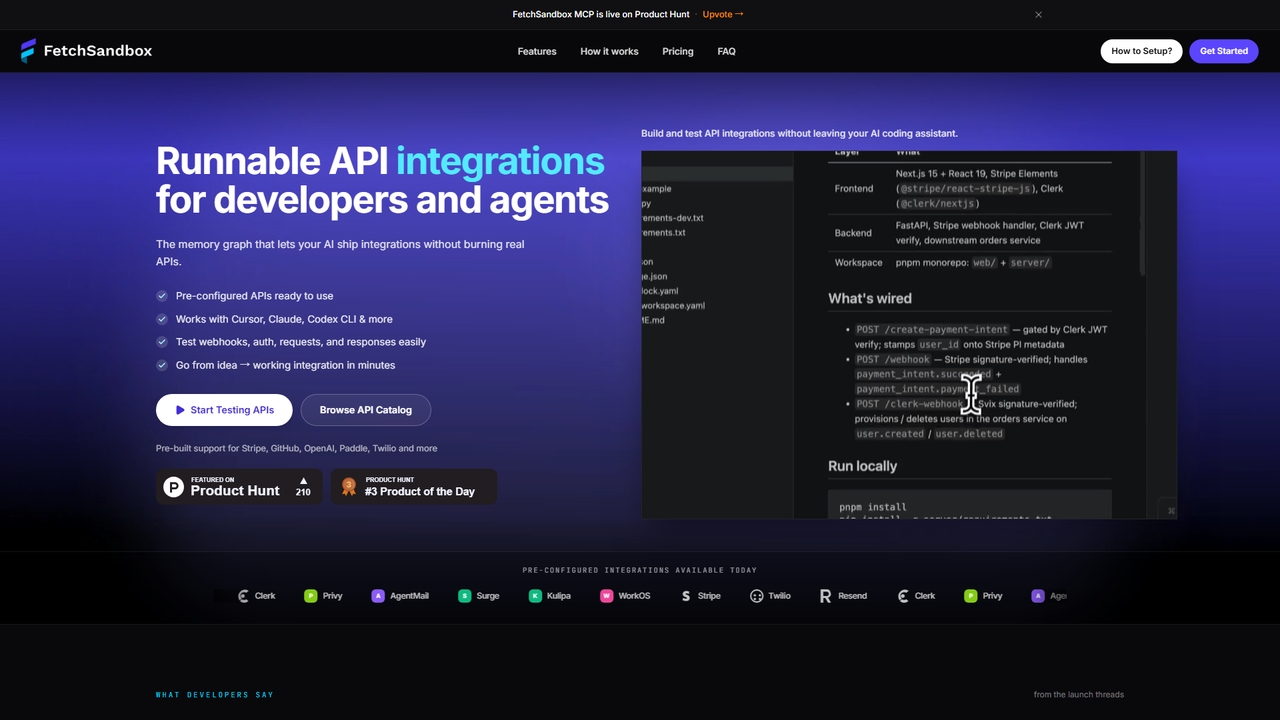
FetchSandbox
Test API integrations, webhooks, and workflows via MCP in your IDE without real API keys or quota.
API DevelopmentVisits 2.8KFavorites 30Likes 29
Popular Developer Tools include Google Gemini, vocode, Papers with Code, codegate, GitHub, DeepSeek, Telegram Messenger, Steam, OpenAI, and doubao, helping you work more efficiently.
Test API integrations, webhooks, and workflows via MCP in your IDE without real API keys or quota.
API Development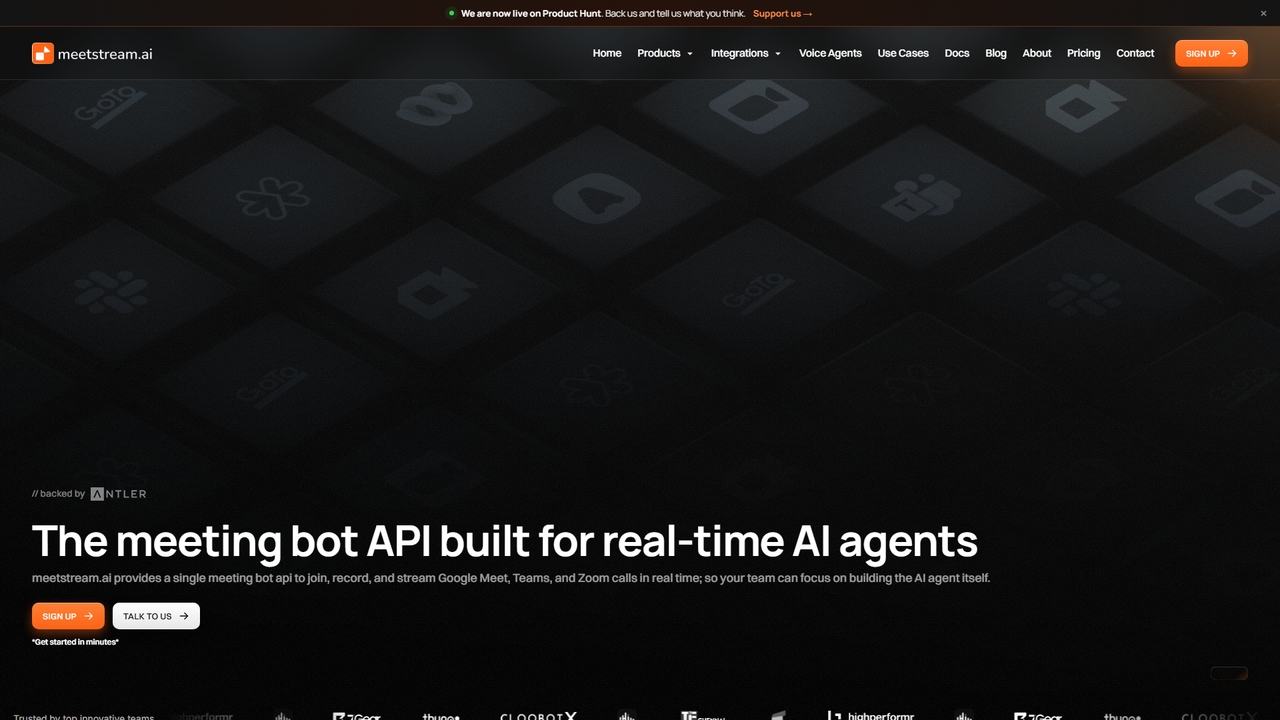
MeetStream is a meeting bot API for Zoom, Google Meet, and Microsoft Teams. Build AI agents that join, record, stream, and transcribe calls in real time.
Conversation Intelligence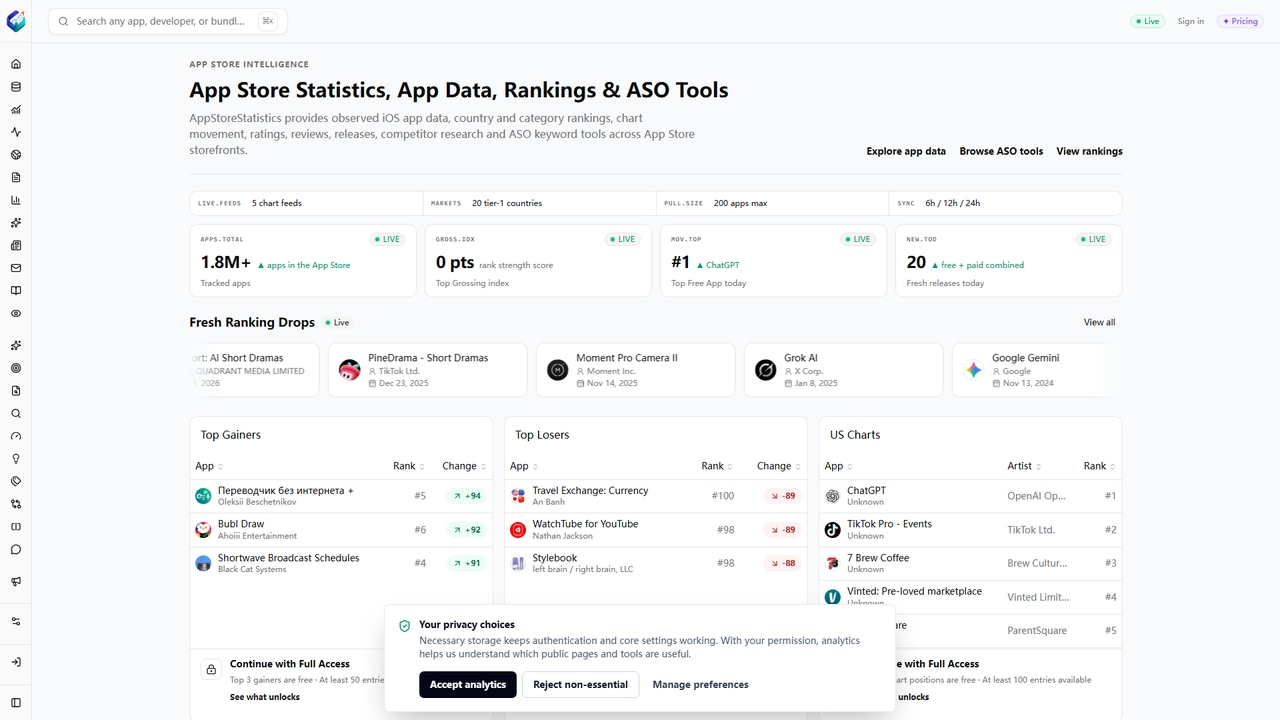
AppStoreStatistics is a focused App Store intelligence and ASO platform offering real-time ranking tracking, keyword research, competitor analysis, and affordable pricing for indie developers and lean marketing teams.
App Store Intelligence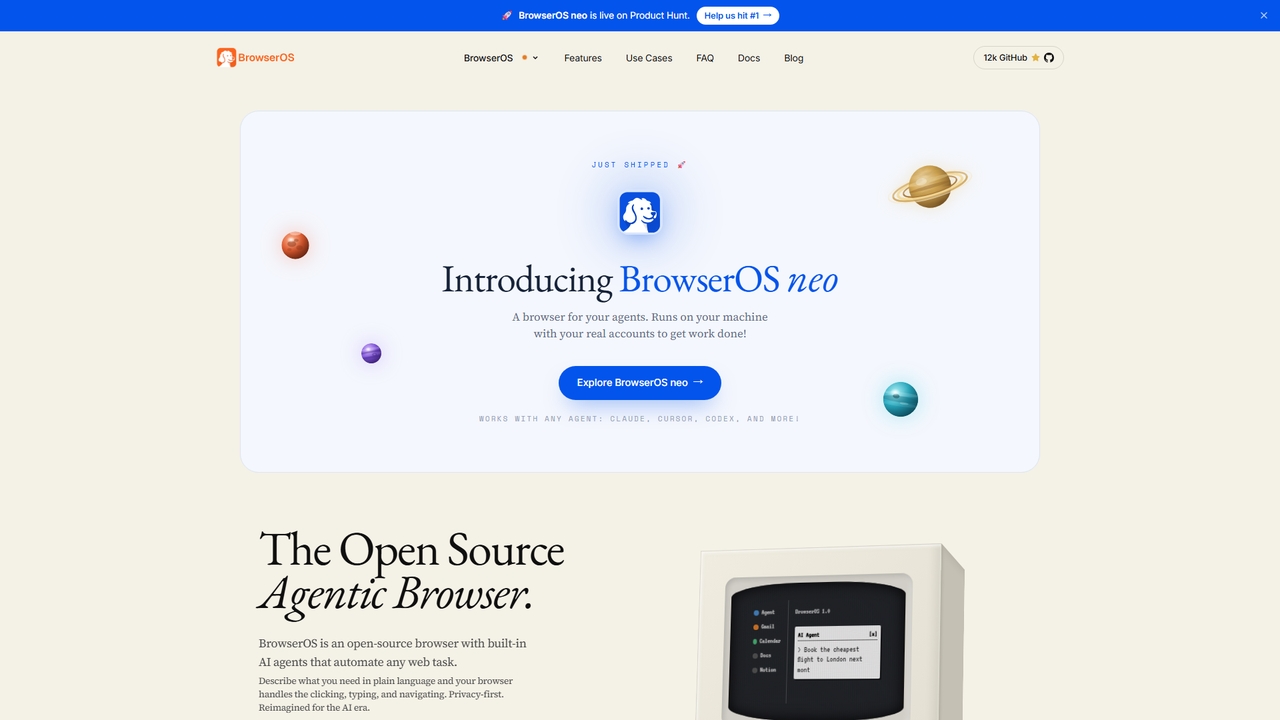
BrowserOS is an open-source, privacy-first AI browser with built-in AI agents that automate web tasks through natural language. It supports 13 AI providers, 40+ app integrations, and runs locally on macOS, Windows, and Linux.
Web Automation
Record, point, speak, and hand off to Cursor, Claude Code, or Codex. Free, local-only macOS app.
UI Annotation
Memoriq is a private, encrypted memory vault for AI conversations. It saves and organizes chats from platforms like ChatGPT, Claude, and Gemini into a searchable archive under your control.
Open Source
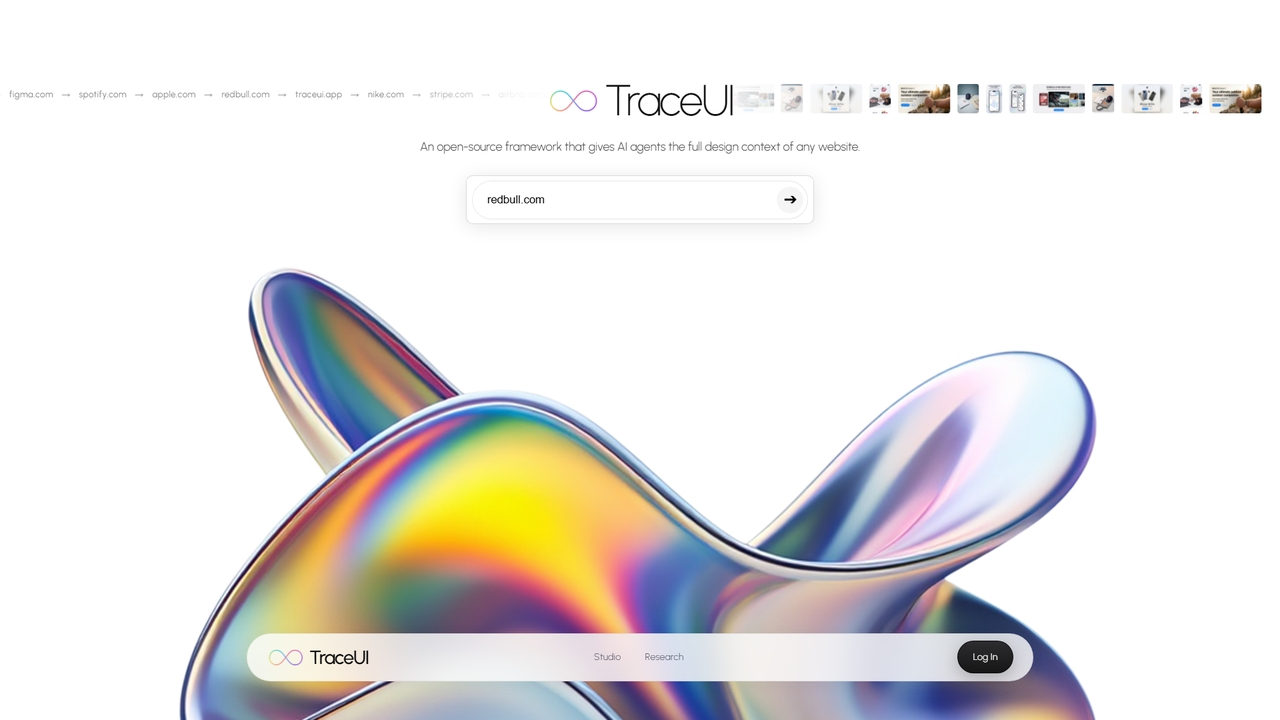
An open-source framework that gives AI agents the full design context of any website, enabling brand-consistent ad generation and mockup creation.
Design Tools

A minimal, highly customizable terminal coding agent that adapts to your workflows. Pi leverages multiple AI providers and models, offers extensive extension capabilities, and provides various interaction modes for developers.
Code Assistant
A browser-based tool that packages a local code repository into a single structured text file, enabling AI models like ChatGPT and Claude to navigate and understand the codebase as a virtual project for enhanced analysis.
Ai Workflow Enhancements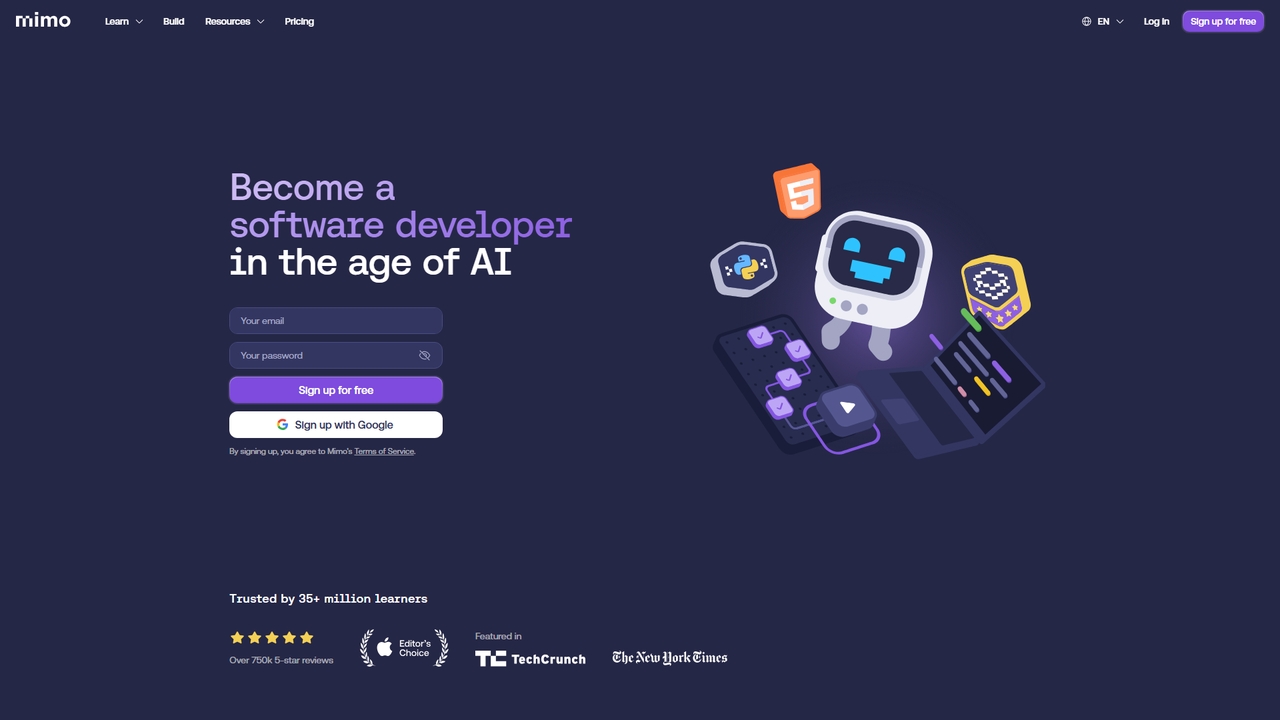
An interactive, AI-powered coding learning platform trusted by over 35 million learners. It offers structured career paths in full-stack, Python, front-end, and back-end development through step-by-step lessons, hands-on practice, and real-world projects.
Code Learning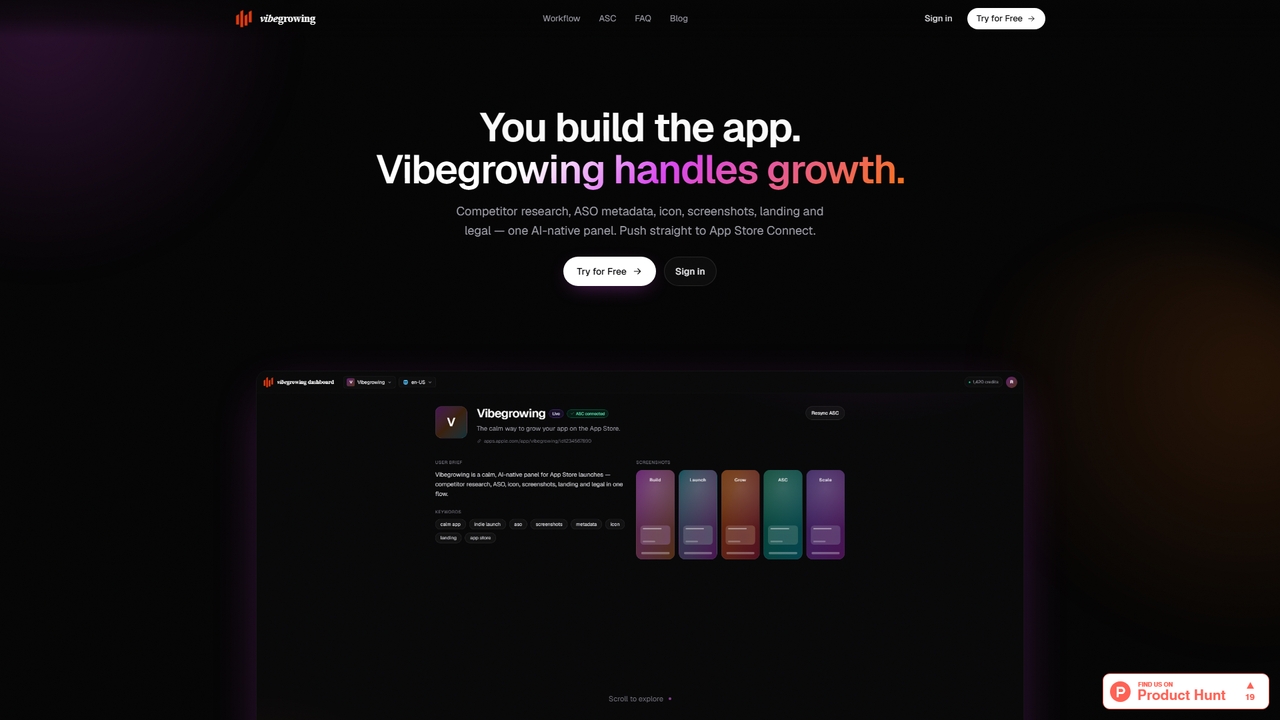
Vibegrowing is an AI-native growth platform for app developers that automates competitor research, ASO metadata creation, icon and screenshot generation, landing page building, and legal document creation, all integrated with App Store Connect.
Asset Generation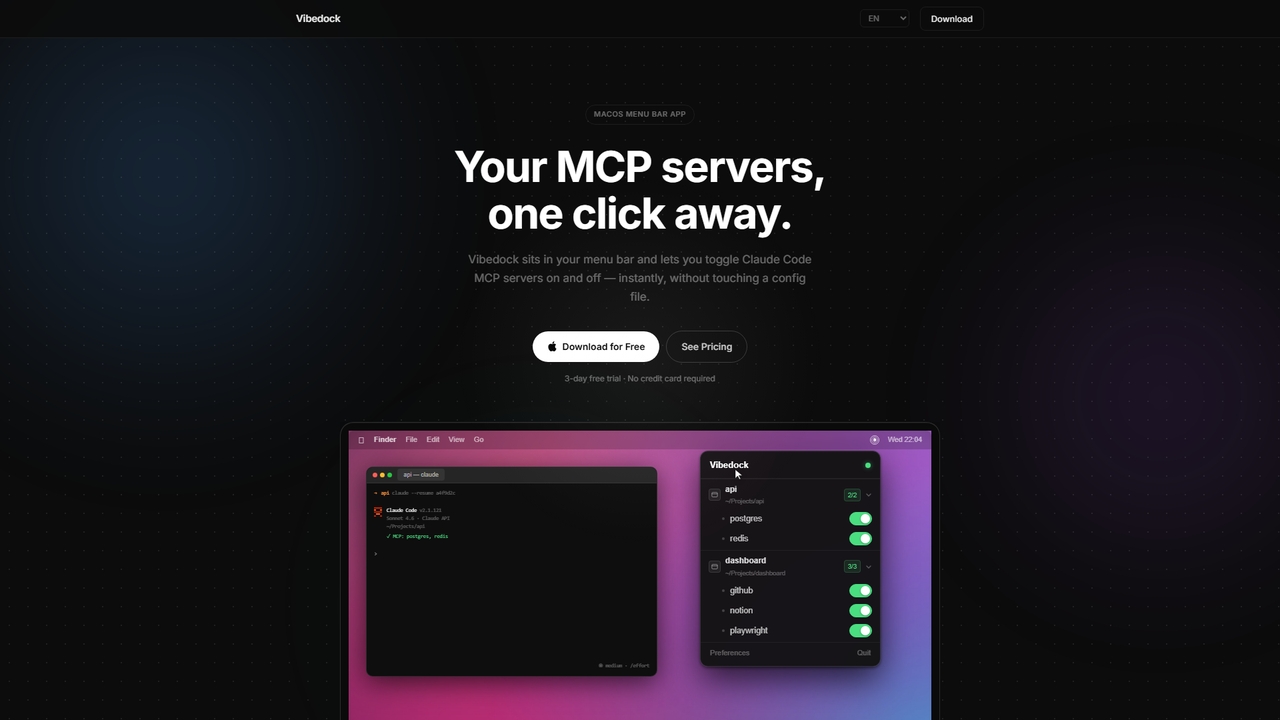
A macOS menu bar application for developers to instantly toggle Claude MCP servers on or off per project, saving context window tokens and eliminating manual config file editing.
Mac Menu Bar Apps

TongueType is a 100% private, offline voice dictation app for macOS. It uses the Whisper AI model locally on Apple Silicon, requiring no cloud, accounts, or subscriptions. Simply hold a hotkey, speak, and your words appear instantly. It's free forever, with a one-time Pro upgrade.
Text Expansion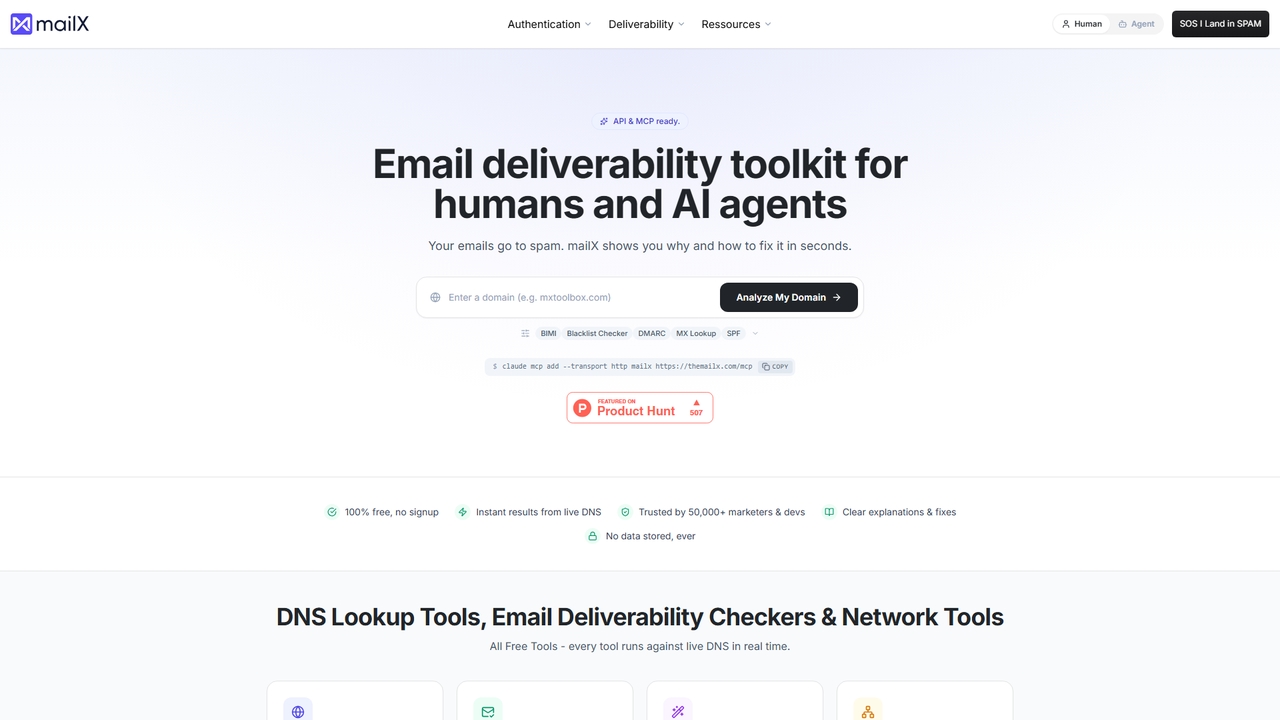
MailX is a free, comprehensive email deliverability toolkit that helps diagnose why emails go to spam and provides actionable fixes. It analyzes DNS records, email authentication (SPF, DKIM, DMARC), blacklist status, and SMTP/IMAP configuration in seconds.
Infrastructure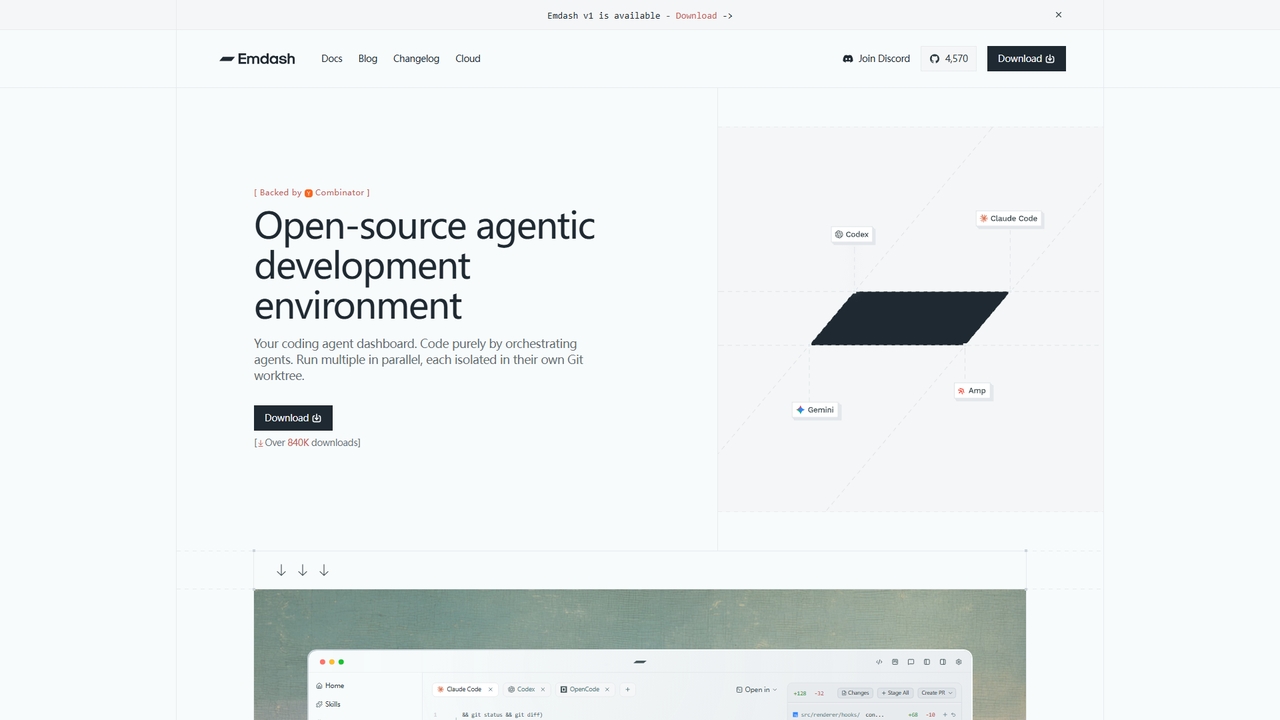
An open-source desktop application for developers to run and orchestrate multiple coding agents (like Codex, Cursor, Claude Code) in parallel, each within its own isolated Git worktree.
Code Review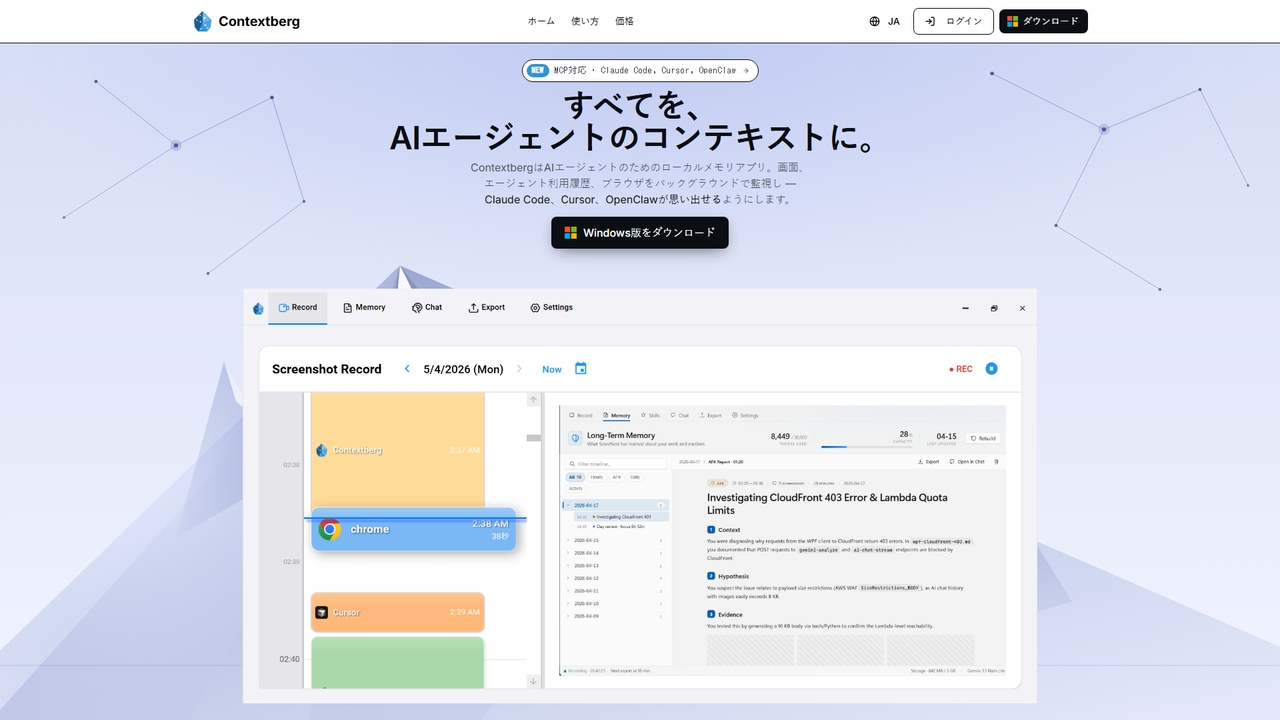
A local-first memory application for AI agents. It monitors screen activity, inputs, and browser usage in the background to provide context via MCP to coding agents like Claude Code, Cursor, and OpenClaw, enhancing productivity by eliminating repetitive re-entry.
Memory Management
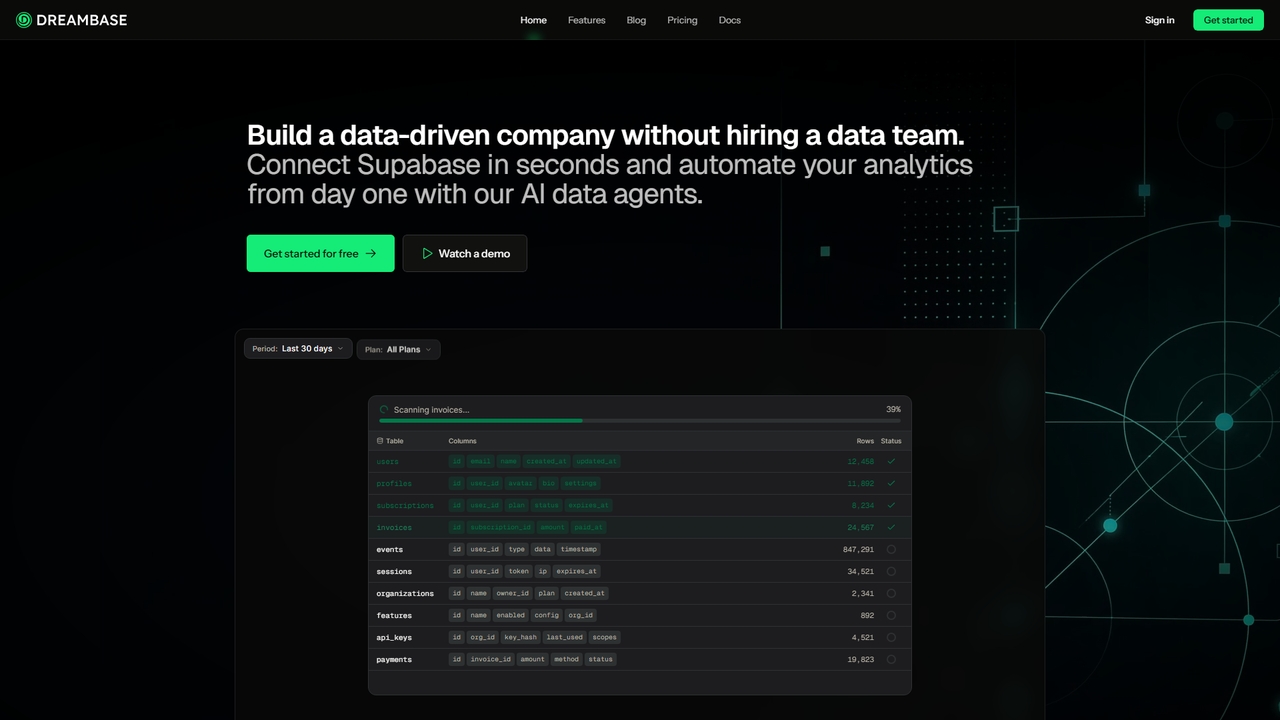
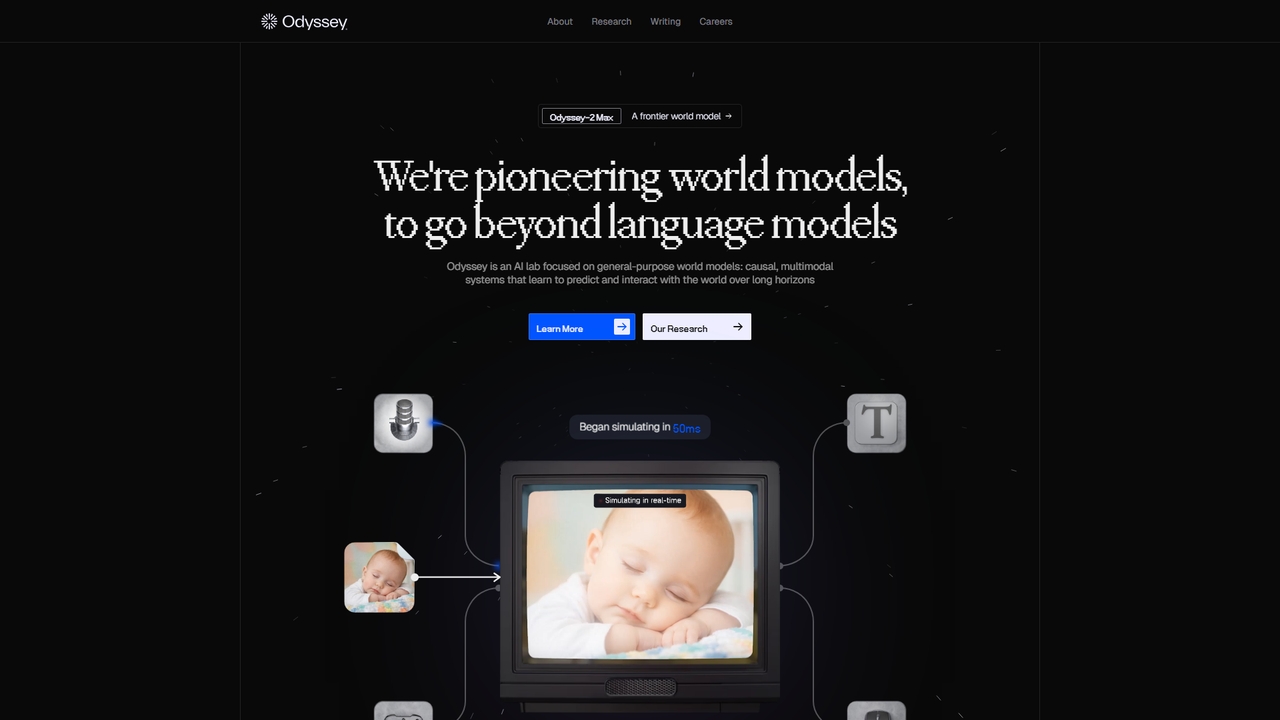
Odyssey is an AI lab pioneering general-purpose world models that learn to predict and interact with the world over long horizons, enabling real-time interactive video simulation through its Odyssey-2 platform and API.
Foundation Models
Developer Tools are AI-powered solutions designed to enhance every stage of the software development lifecycle, from initial concept to deployment and maintenance. These tools leverage advanced machine learning, natural language processing, and sophisticated algorithms to automate repetitive tasks, improve code quality, and accelerate innovation across various programming paradigms. They empower developers to build, test, deploy, and manage applications more efficiently, fostering a new era of intelligent software creation and enabling teams to deliver high-quality products faster.
Software development teams across various industries, from startups to large enterprises, utilize AI Developer Tools to streamline their workflow. For instance, a team can leverage AI to generate boilerplate code for new features, significantly reducing manual coding effort and accelerating development cycles. These tools are also invaluable for maintaining large and complex codebases by automatically refactoring code, identifying security vulnerabilities, and ensuring consistent quality across projects.
When selecting AI Developer Tools, it is crucial to consider the specific needs of your development team and project requirements. Key factors include the range of programming languages and frameworks supported, seamless integration capabilities with your existing IDEs and CI/CD pipelines, and the level of automation and intelligence offered. Additionally, evaluate the accuracy and relevance of AI suggestions, the ease of customization, the vendor's commitment to data privacy and security, and the overall pricing model, including any usage-based costs for AI inference.
Software engineers can use AI Developer Tools to automatically generate boilerplate code or complex functions for new features. By providing a natural language description of the desired functionality, the AI can produce ready-to-integrate code, significantly reducing the time spent on repetitive coding tasks and allowing developers to focus on higher-level architectural design and problem-solving.
During the development and testing phases, AI-powered debugging tools analyze code in real-time, identifying potential errors, performance bottlenecks, and security vulnerabilities. They not only pinpoint the exact location of issues but also suggest optimal solutions or code refactorings, helping developers resolve problems faster and improve overall code quality before deployment.
Developers often spend considerable time integrating various APIs and SDKs into their applications. AI Developer Tools can simplify this process by automatically generating API client code, handling authentication, and providing intelligent suggestions for data mapping and error handling. This accelerates the integration of third-party services and reduces the likelihood of integration-related bugs.
Data scientists and MLOps engineers leverage AI Developer Tools to automate the entire lifecycle of machine learning models, from training and versioning to deployment and monitoring in production. These tools ensure models are continuously optimized, scaled efficiently, and perform reliably, reducing manual intervention and accelerating the time-to-market for AI-driven applications.
Quality assurance teams and developers can utilize AI to automatically generate diverse and comprehensive test cases, including edge cases, for their applications. These tools can also create realistic synthetic test data, which is crucial for testing sensitive systems without using real user data, ensuring thorough coverage and robust application performance.
For maintaining and improving existing codebases, AI Developer Tools analyze code for readability, efficiency, and adherence to best practices. They provide intelligent suggestions for refactoring complex code, optimizing algorithms, and improving overall code structure, helping teams maintain high code quality and reduce technical debt over time.
AI Developer Tools are software applications that integrate artificial intelligence capabilities to assist developers throughout the software development lifecycle. They leverage AI to automate tasks like code generation, debugging, testing, and deployment, aiming to boost productivity, improve code quality, and accelerate innovation in software engineering.
These tools enhance efficiency by automating repetitive and time-consuming tasks such as writing boilerplate code, generating test cases, and identifying bugs. They provide intelligent suggestions for code completion, refactoring, and optimization, allowing developers to focus on complex problem-solving and creative aspects of software design, thereby significantly speeding up development cycles.
The key benefits include accelerated development timelines, improved code quality through automated error detection and optimization, reduced manual effort for repetitive tasks, and enhanced innovation by freeing up developers to tackle more complex challenges. AI also aids in better decision-making through data-driven insights into code performance and project progress.
Data privacy and security are critical considerations for AI Developer Tools. Reputable tools often process code locally or use secure, encrypted cloud environments. They typically offer options for controlling what data is shared with AI models, ensuring sensitive information remains protected. Developers should review the privacy policies and security features of each tool carefully.
When choosing an AI Developer Tool, consider its compatibility with your existing tech stack (programming languages, IDEs, CI/CD), the specific development tasks you want to automate, and the accuracy and relevance of its AI suggestions. Also, evaluate its integration capabilities, pricing model, community support, and the vendor's commitment to data privacy and security.