

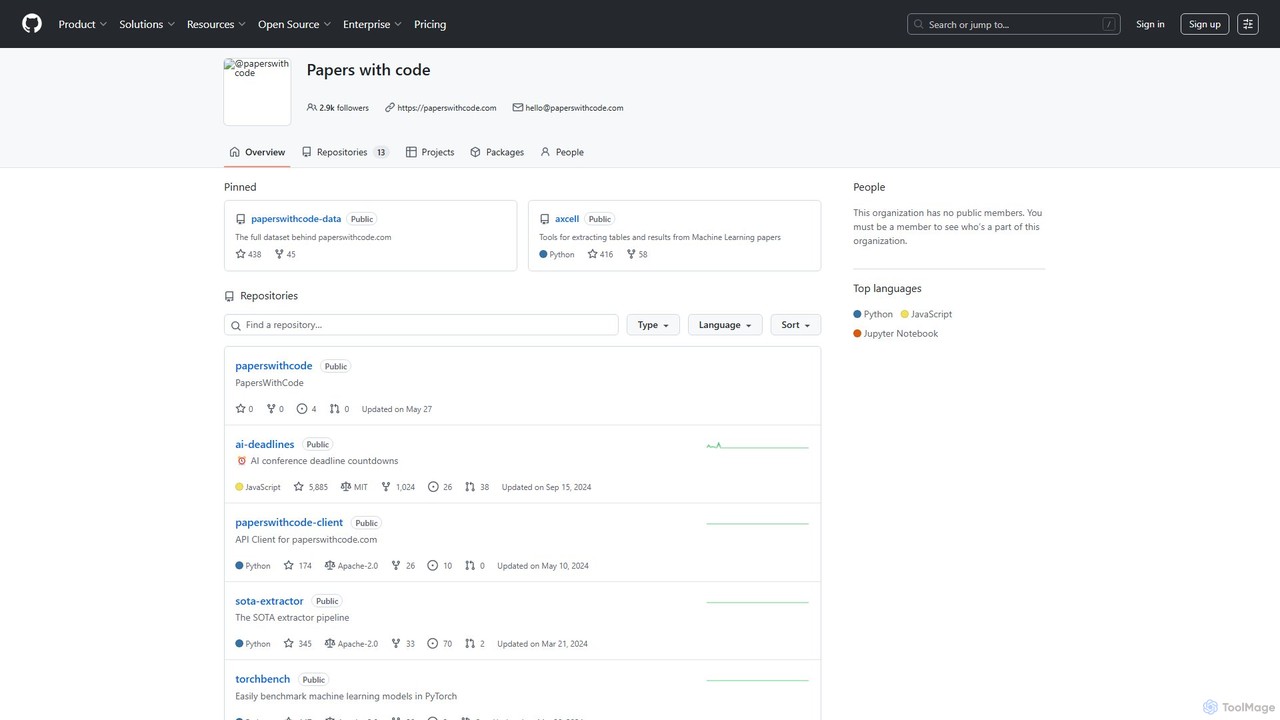
Papers with Code Overview
Papers with Code is a free and open resource for the machine learning community, created with the mission to accelerate scientific progress by making research more accessible and reproducible. Now part of Meta AI, it serves as a comprehensive, community-driven platform that meticulously links academic papers, primarily from fields like artificial intelligence and data science, to their corresponding open-source code implementations. This direct connection between theory and practice is invaluable for researchers, students, and engineers who want to understand, build upon, and verify the latest advancements.
The platform is built around a massive, structured database of papers, code repositories, datasets, and evaluation metrics. It systematically organizes the landscape of machine learning, allowing users to navigate the field not just by papers, but by tasks, methods, and datasets. This structured approach helps to demystify the state of the art (SOTA) in various domains, from computer vision to natural language processing, and provides a clear picture of how the field is evolving.
How to use Papers with Code
Using Papers with Code is straightforward and intuitive, designed to cater to various needs within the research and development workflow:
- Search and Discover: Use the powerful search bar on the homepage to find papers by title, keywords, or authors. The search results provide a quick overview, including the number of code implementations available.
- Browse by Task or Dataset: Navigate through the 'Tasks' or 'Datasets' sections to explore specific areas. For example, you can go to 'Computer Vision' -> 'Image Classification' -> 'ImageNet' to see all papers and leaderboards related to this specific benchmark.
- Find Code Implementations: On a paper's page, you'll find a 'Code' tab listing official and community-provided links to GitHub repositories. Each link is often accompanied by details like framework (e.g., PyTorch, TensorFlow), stars, and validation status.
- Track State-of-the-Art (SOTA): The leaderboards are a core feature. For any given task and dataset, the SOTA tables rank models based on reported metrics, providing direct links to the papers and code that achieved those results. This is crucial for benchmarking new models.
- Contribute to the Community: Users can contribute by adding new papers, linking code to existing papers, or submitting new results to the leaderboards. This crowd-sourcing model keeps the platform current and comprehensive.
- Utilize the API: For programmatic access, developers can use the Papers with Code API to fetch data on papers, tasks, and results, enabling the creation of custom analysis tools or integrations.
Core Features of Papers with Code
- Comprehensive Paper-to-Code Linking: The platform's primary feature is its vast, crowd-sourced database connecting thousands of research papers to their code on GitHub and other platforms.
- State-of-the-Art (SOTA) Leaderboards: Curated and up-to-date leaderboards for over 6,000 machine learning tasks, allowing for easy comparison of model performance on standard benchmarks.
- Structured Knowledge Base: Organizes the entire ML landscape into a hierarchy of tasks, sub-tasks, datasets, and methods, making it easy to explore and understand relationships between different research areas.
- Dataset and Method Portals: Dedicated portals for over 5,000 datasets and various ML methods (e.g., Transformers, GANs), aggregating all relevant papers and results in one place.
- Conference Hubs: Features dedicated pages for major AI conferences like NeurIPS, ICML, CVPR, and ICLR, providing a centralized list of accepted papers and their associated code.
- Open and Accessible: The entire platform, its data, and its API are free to use, promoting open science and lowering the barrier to entry for cutting-edge research.
Use Cases for Papers with Code
For Researchers: Quickly find and replicate baseline models for experiments. Stay updated on the SOTA in their field and discover relevant papers and code for literature reviews. Share their own code to increase the visibility and impact of their work.
For Students and Educators: A powerful educational tool to bridge the gap between theory in textbooks and practical implementation. Students can find real-world code examples for concepts learned in class.
For Engineers and Practitioners: Discover the best-performing models for a specific application (e.g., object detection for an industrial use case). Find well-documented, open-source implementations that can be adapted for commercial projects.
For Tech Analysts and Journalists: Track the progress and trends in the AI industry. Identify which techniques are gaining traction and which companies or labs are leading in specific research areas.
Advantages of Papers with Code
The primary advantage of Papers with Code is its role in accelerating research and development. By removing the friction of finding code, it allows individuals to spend more time on innovation. It significantly boosts reproducibility and transparency in science, a critical aspect of validating research claims. Its centralized and structured nature brings order to the fast-paced and often chaotic world of AI research. Being community-driven ensures the platform remains relevant, accurate, and constantly growing. Finally, its status as a free resource makes it universally accessible to anyone with an internet connection, democratizing access to high-level scientific knowledge.
Pricing and Plans
Papers with Code is a completely free resource. It is provided by Meta AI as a service to the global machine learning and artificial intelligence community. There are no subscription fees, usage limits, or paid tiers. All features, including the data, leaderboards, and API, are available to everyone at no cost.
Traffic
Latest traffic
Status
Monthly traffic trend
- 2026-1: 542.6M
- 2026-2: 534.8M
- 2026-3: 634.3M
- 2026-4: 631.0M
- 2026-5: 636.1M
Geography
Top 5 countries / regions
- 🇺🇸United States36.1%
- 🇨🇳China23.0%
- 🇮🇳India17.4%
- 🇷🇺Russia15.8%
- 🇩🇪Germany7.7%
Traffic sources
| Source type | Percentage |
|---|---|
Direct | 82.1% |
Referral | 16.1% |
Email | 1.7% |
Top keywords
| Keyword | Cost per click |
|---|---|
| github | $1.34 |
| github copilot | $1.68 |
| hermes agent | $3.43 |
| zapret | $0.86 |
| запрет | $0.00 |
Papers with Code Alternatives
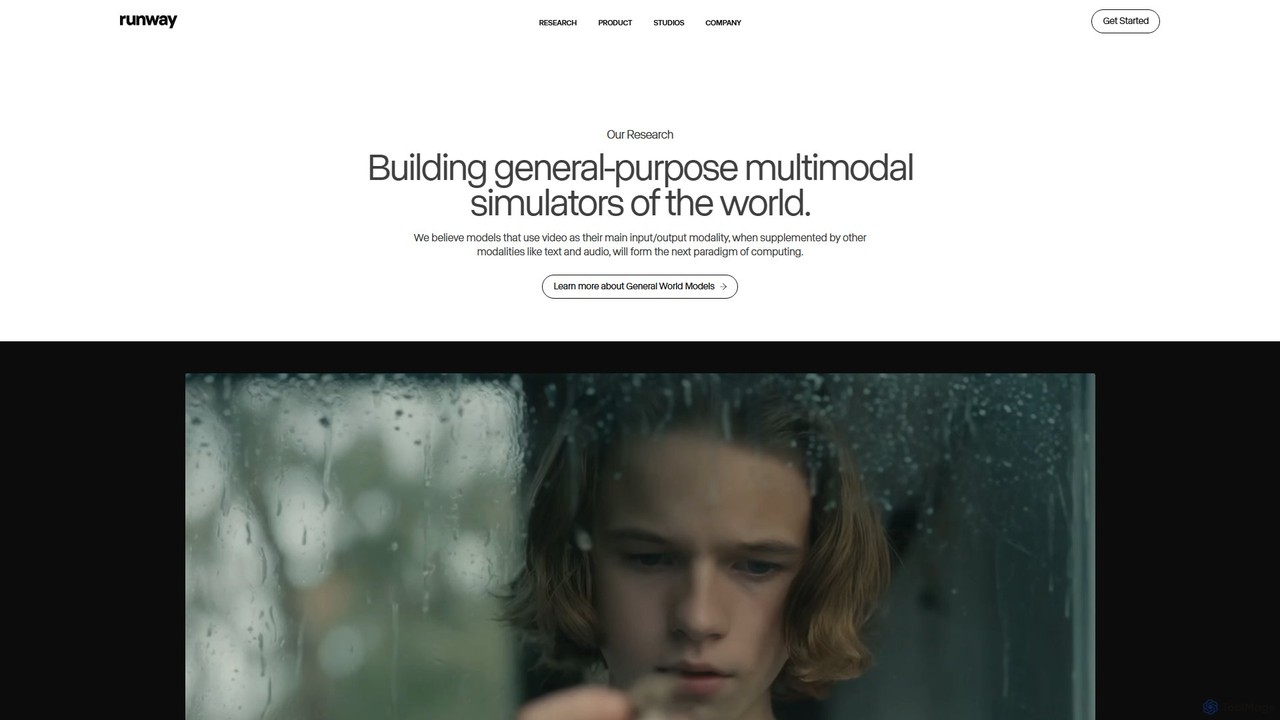
Google Research
Google Research is a premier hub for exploring groundbreaking advancements in science and AI. It provides open access to a vast repository of research papers, project showcases, and open-source resources across diverse fields like machine learning, quantum computing, and healthcare. It's an essential platform for researchers, developers, and enthusiasts to stay at the forefront of technological innovation and understand its real-world impact.
Learning Platform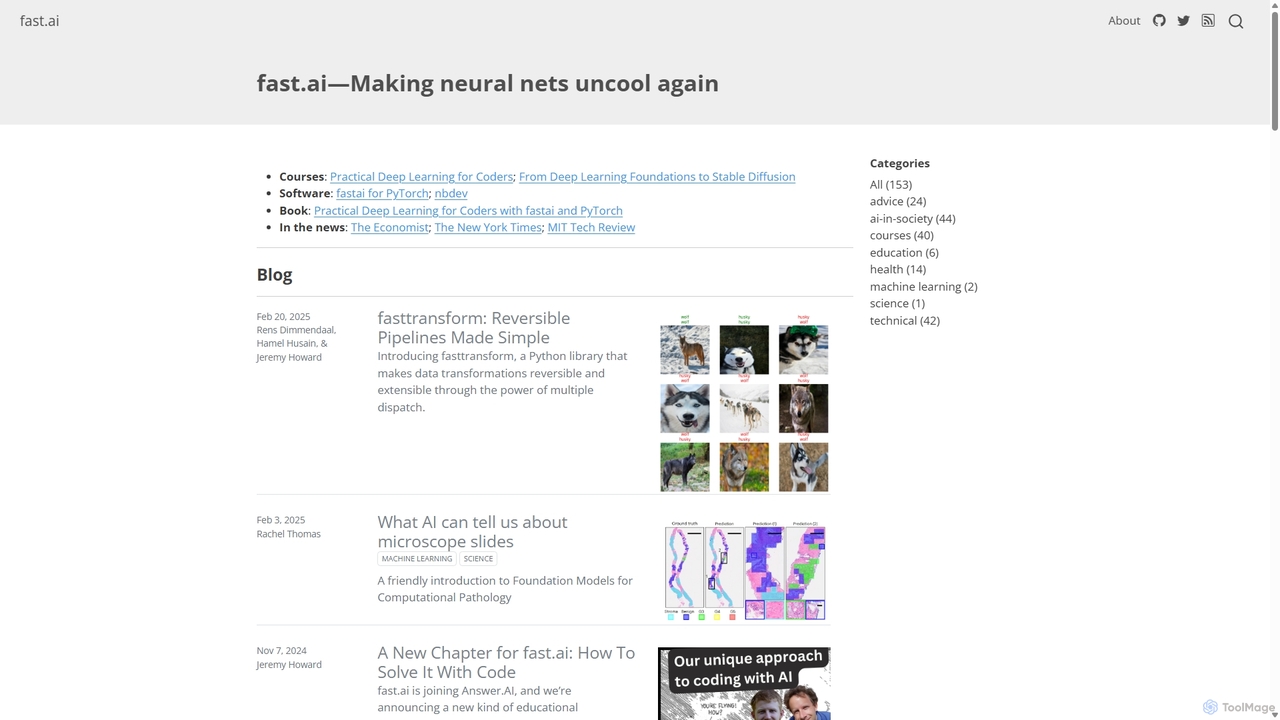
Fast.ai
Fast.ai is a research institute dedicated to making deep learning accessible to everyone. It offers free courses, an open-source software library (fastai), cutting-edge research, and a vibrant community, empowering coders of all backgrounds to become deep learning practitioners.
Machine Learning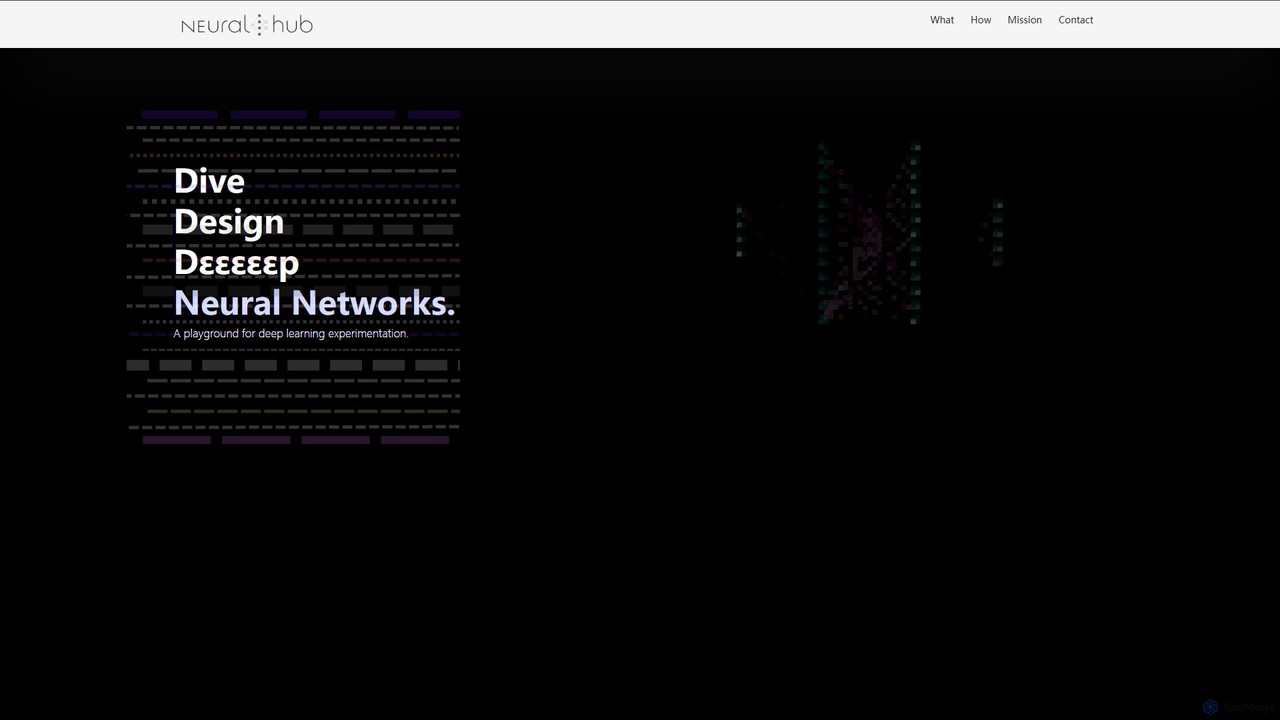
Neuralhub
Neuralhub is a collaborative platform designed to simplify neural network development. It provides an integrated environment for AI enthusiasts, researchers, and engineers to build, experiment, and share deep learning models, featuring a visual builder and an extensive library of pre-built components.
Machine Learning
ApX Machine Learning
ApX Machine Learning is an educational platform for AI engineers and students, providing practical courses, in-depth guides, and tools like a VRAM calculator. It focuses on bridging the gap between AI theory and real-world application, covering everything from LLM construction to hardware requirements.
Resource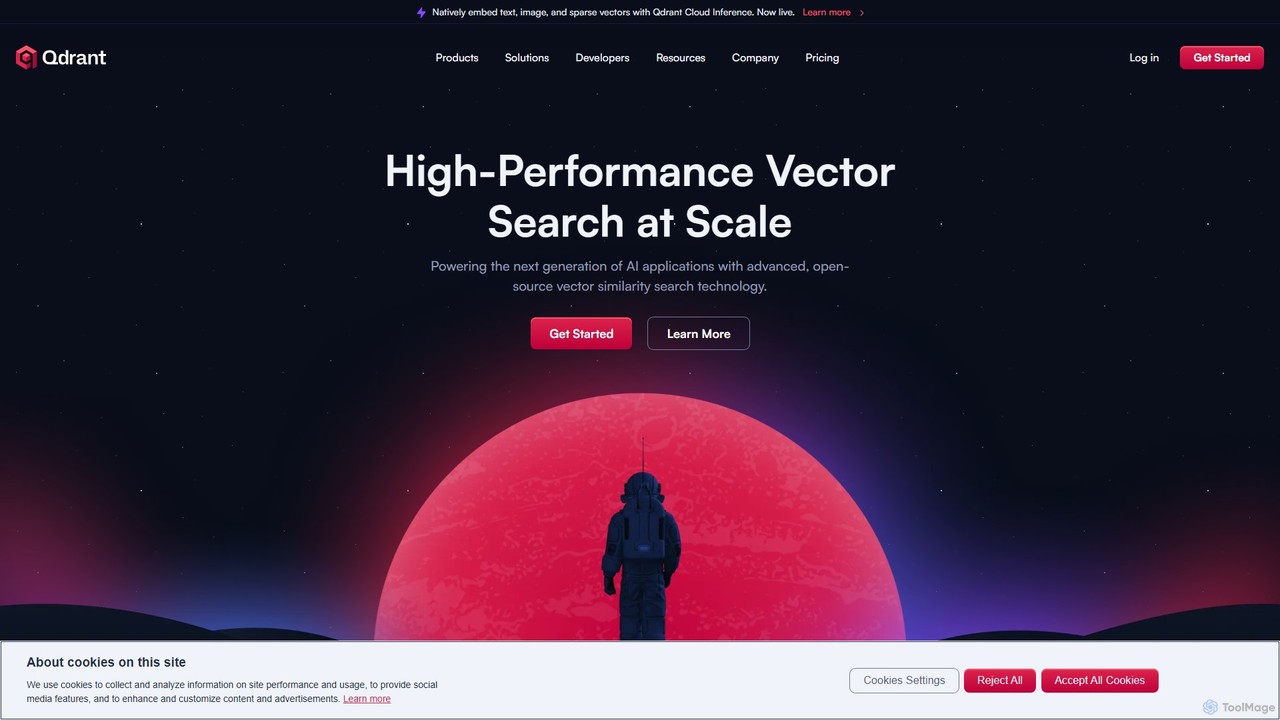
Qdrant
Qdrant is a high-performance, open-source vector database and similarity search engine built in Rust. It's designed to power next-generation AI applications by efficiently managing and searching billions of high-dimensional vectors. With advanced features like rich filtering, payload storage, and various quantization methods, Qdrant enables developers to build scalable and cost-effective solutions for semantic search, recommendation systems, and Retrieval Augmented Generation (RAG).
Vector SearchPapers with Code Categories
Papers with Code Embed Widget
Copy this embed code to place the badge on your blog, article, or product site and send readers directly to this ToolMage detail page.

Related AI tools
Google Research
Google Research is a premier hub for exploring groundbreaking advancements in science and AI. It provides open access to a vast repository of research papers, project showcases, and open-source resources across diverse fields like machine learning, quantum computing, and healthcare. It's an essential platform for researchers, developers, and enthusiasts to stay at the forefront of technological innovation and understand its real-world impact.
Learning PlatformFast.ai
Fast.ai is a research institute dedicated to making deep learning accessible to everyone. It offers free courses, an open-source software library (fastai), cutting-edge research, and a vibrant community, empowering coders of all backgrounds to become deep learning practitioners.
Machine LearningNeuralhub
Neuralhub is a collaborative platform designed to simplify neural network development. It provides an integrated environment for AI enthusiasts, researchers, and engineers to build, experiment, and share deep learning models, featuring a visual builder and an extensive library of pre-built components.
Machine Learning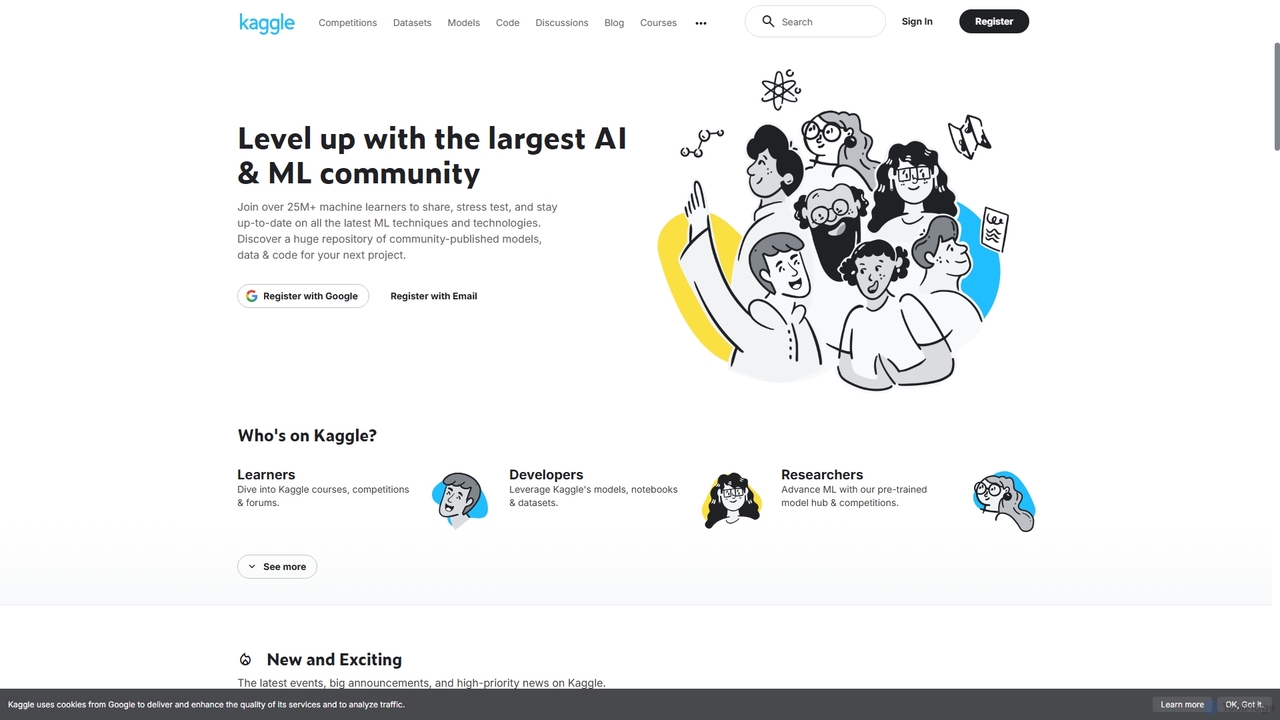
Kaggle
Kaggle is the world's largest online community for data scientists and machine learning practitioners. Owned by Google, it provides a platform to explore datasets, build models in a web-based environment, compete in machine learning challenges, and access educational resources. It offers free access to powerful computational resources, including GPUs and TPUs, making it an essential tool for anyone from beginners to seasoned experts in the AI and data science fields.
Datasets
Google AI
Google AI is a comprehensive ecosystem of advanced artificial intelligence models, tools, and research initiatives. It encompasses the powerful Gemini family of models, developer platforms like Vertex AI, and applications across creativity, productivity, and scientific discovery, all built with a commitment to safety and responsibility.
Large Language Models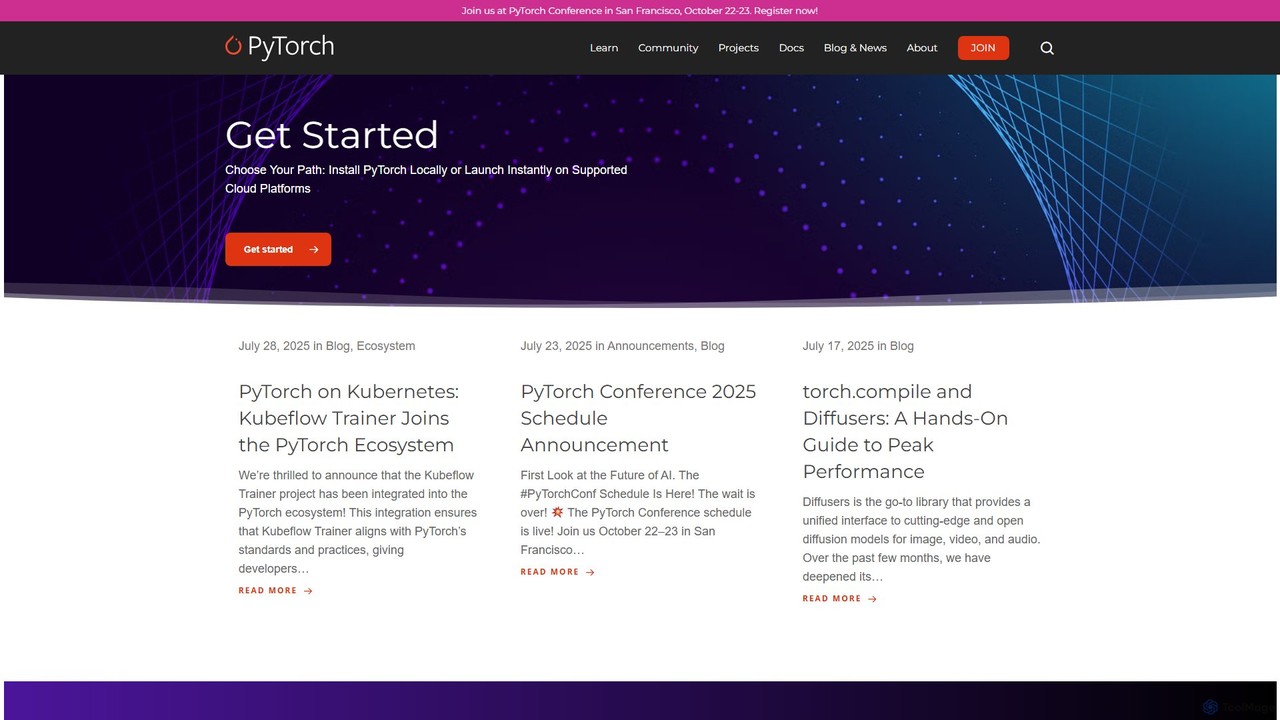
PyTorch
PyTorch is an open-source machine learning framework based on the Torch library, used for applications such as computer vision and natural language processing. It offers a flexible, Python-first environment that accelerates the path from research prototyping to production deployment.
Deep Learning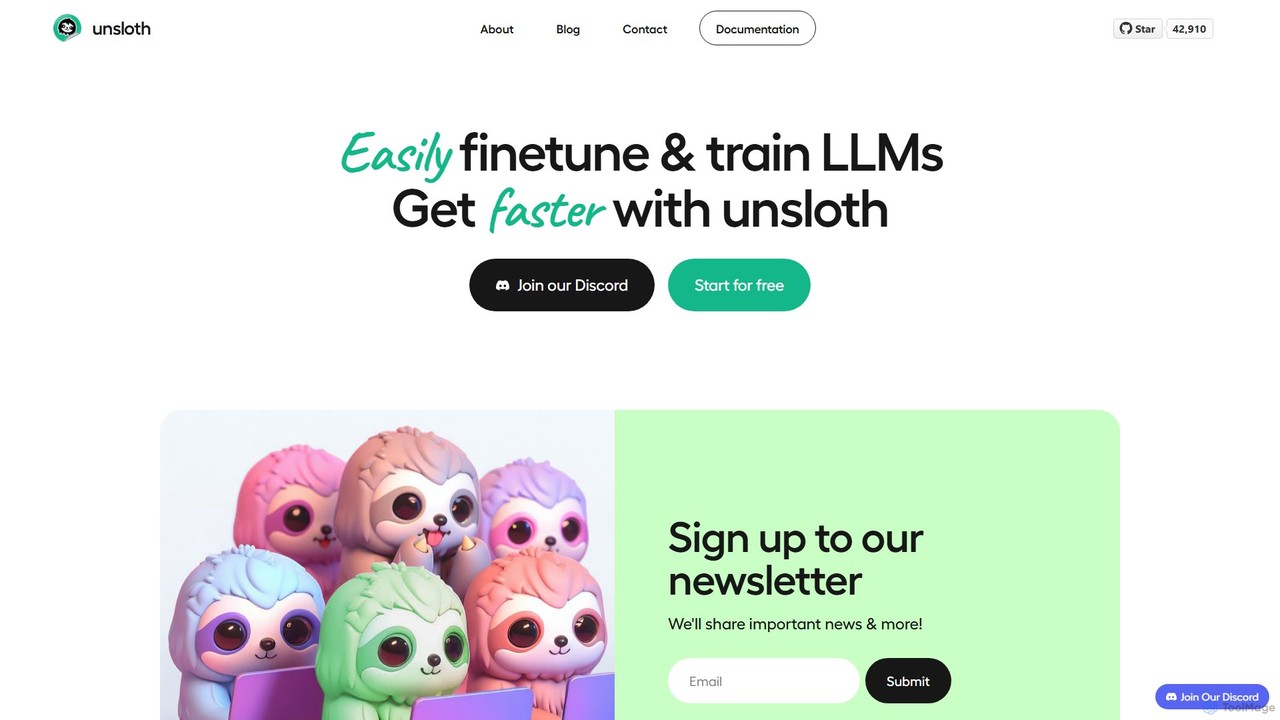
Unsloth
Unsloth is a high-performance open-source library designed to dramatically accelerate the fine-tuning of Large Language Models (LLMs). It enables training up to 30x faster while using up to 90% less memory, making advanced AI model customization accessible on standard hardware.
Machine Learning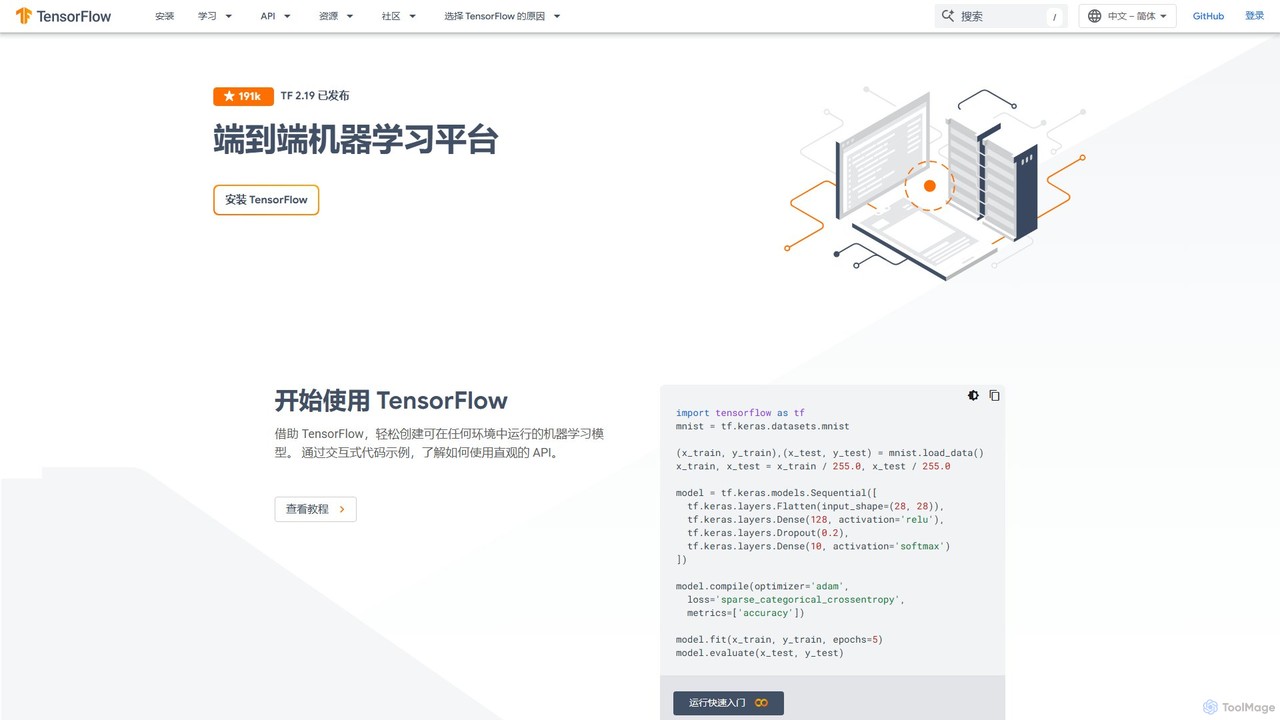
TensorFlow
TensorFlow is an end-to-end open-source platform for machine learning developed by Google. It provides a comprehensive, flexible ecosystem of tools, libraries, and community resources that lets researchers and developers build and deploy ML-powered applications. From beginners to experts, TensorFlow offers intuitive high-level APIs for easy model building and powerful low-level APIs for advanced research, enabling deployment across servers, edge devices, and browsers.
Frameworks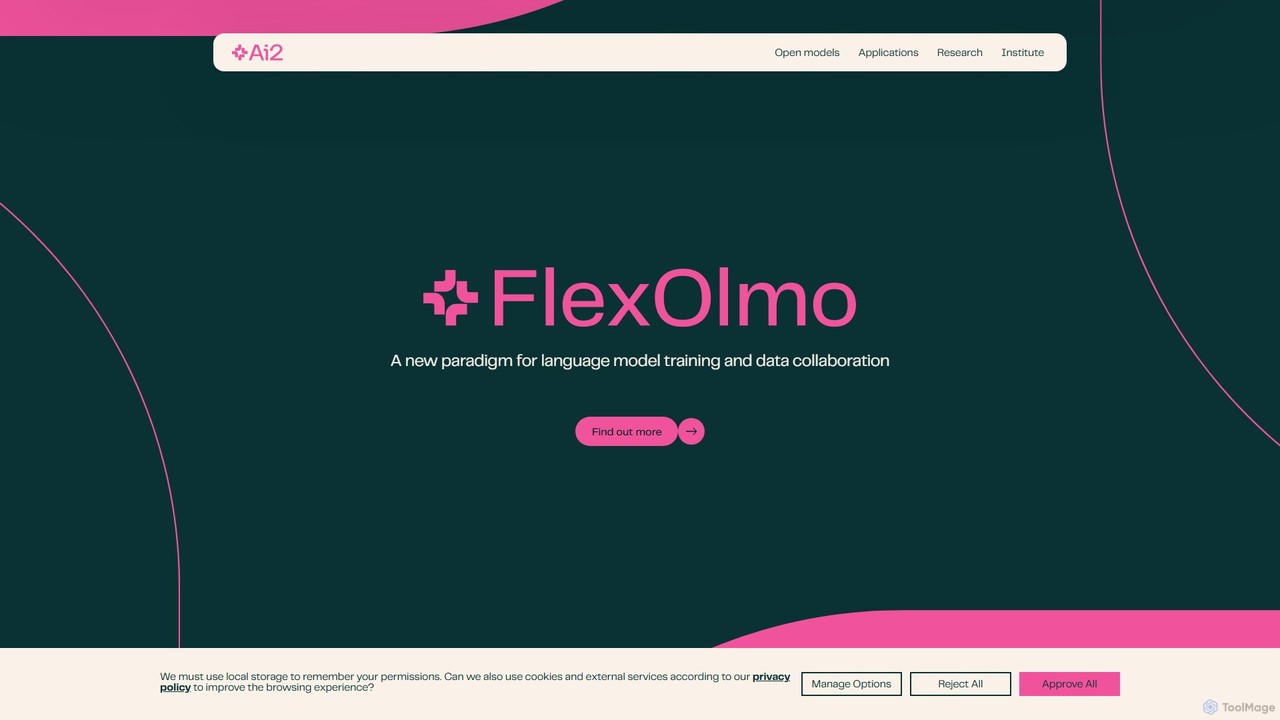
Allen Institute for AI (AI2)
The Allen Institute for AI (AI2) is a non-profit research institute dedicated to building breakthrough AI for the common good. It focuses on creating truly open-source large language models like OLMo, comprehensive datasets, and specialized AI tools to advance scientific research and address major global challenges in areas such as climate science, conservation, and medicine.
Datasets
MindSpore
MindSpore is an open-source, all-scenario AI computing framework designed for developers and data scientists. It provides a developer-friendly experience with flexible deployment across cloud, edge, and device environments. It excels in distributed training for large models and offers specialized toolkits for scientific computing (AI4S), ensuring high performance and efficiency, especially on Ascend hardware.
Scientific Computing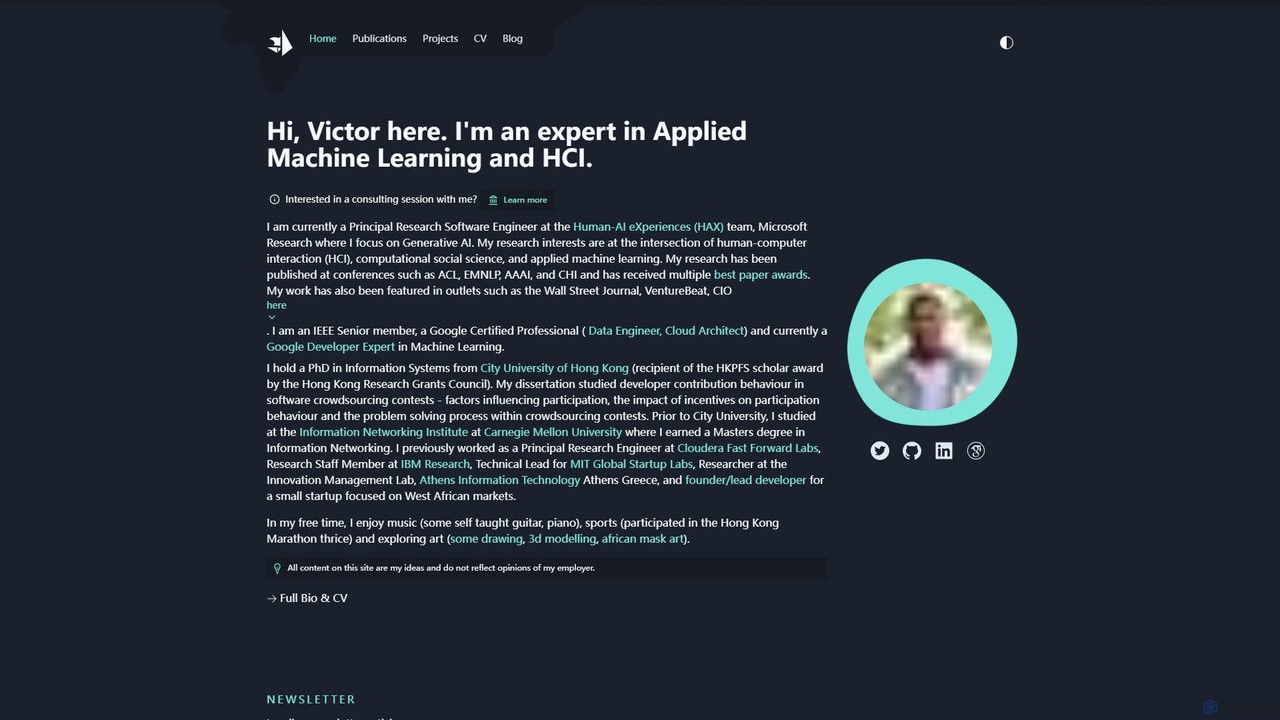
victordibia
A comprehensive resource hub by Victor Dibia, a leading researcher in Applied ML and HCI. It features open-source AI tools like AutoGen Studio and LIDA, in-depth articles, research papers, and talks on generative AI, multi-agent systems, and human-computer interaction. A valuable platform for developers, researchers, and AI enthusiasts.
Data Visualization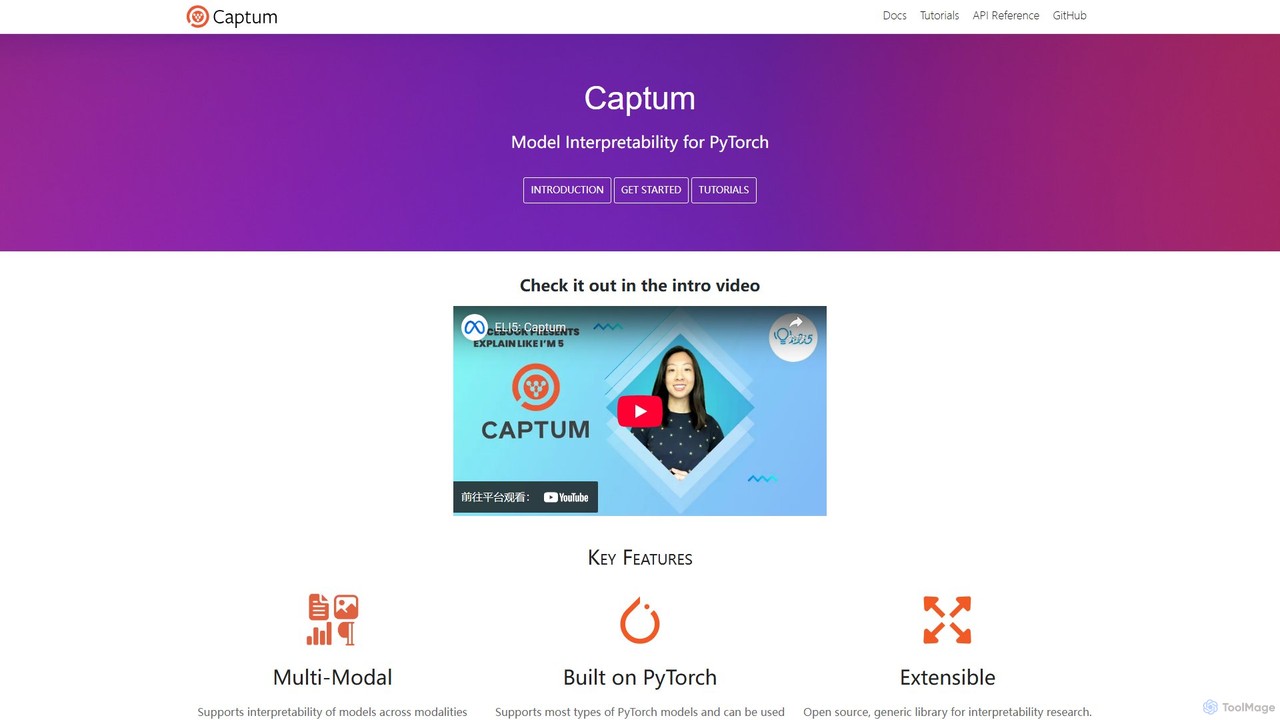
Captum
Captum is an open-source model interpretability and explainability library for PyTorch. It provides state-of-the-art algorithms to help developers and researchers understand which features influence a model's predictions. Supporting multi-modal data like text, vision, and more, Captum makes it easy to debug models, improve transparency, and benchmark new interpretability techniques within the PyTorch ecosystem.
Model Explainability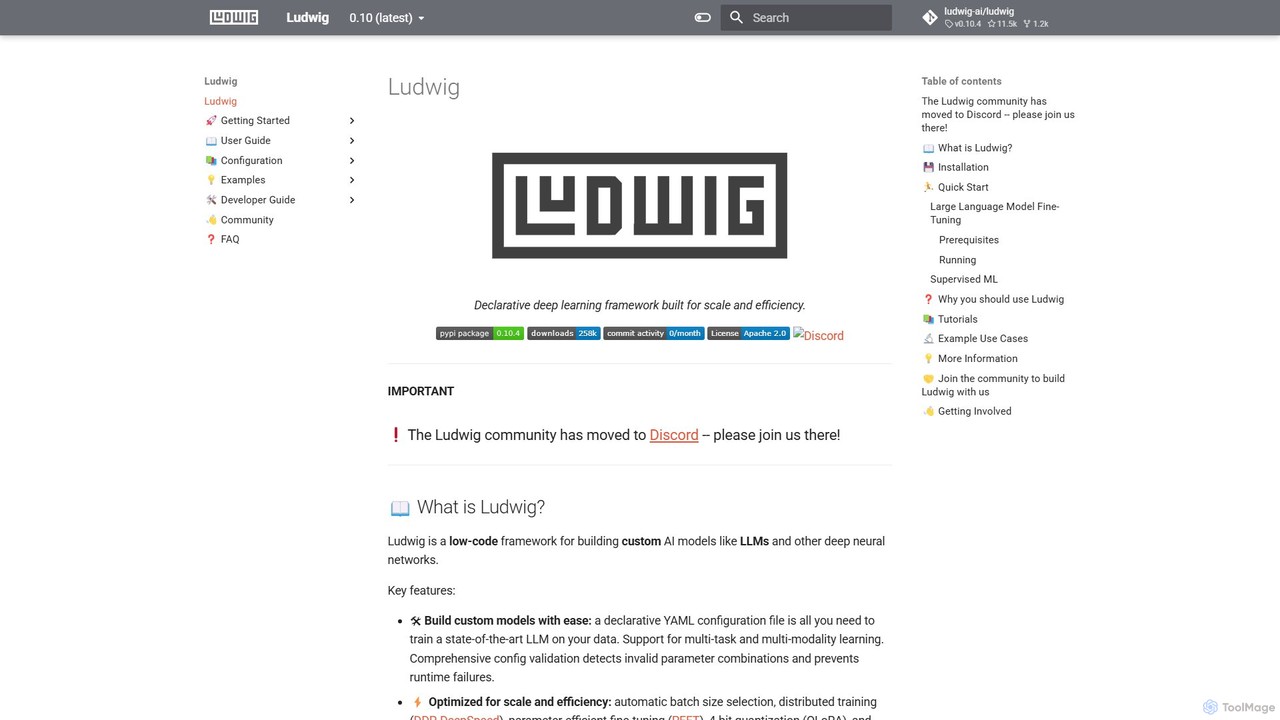
Ludwig
Ludwig is a low-code, open-source deep learning framework that simplifies building and training custom AI models. Using declarative YAML configurations, users can easily create complex models, including LLMs, for multi-modal and multi-task learning without extensive boilerplate code. It's designed for scalability, production-readiness, and integrates with popular tools like HuggingFace and MLFlow.
Model Training
AI World Today
AI World Today is a leading Substack newsletter and media platform by Rahul Dogra, delivering the latest news, in-depth analysis, and expert insights on artificial intelligence. It's an essential resource for professionals, researchers, and enthusiasts to stay ahead in the fast-evolving AI landscape.
Ai News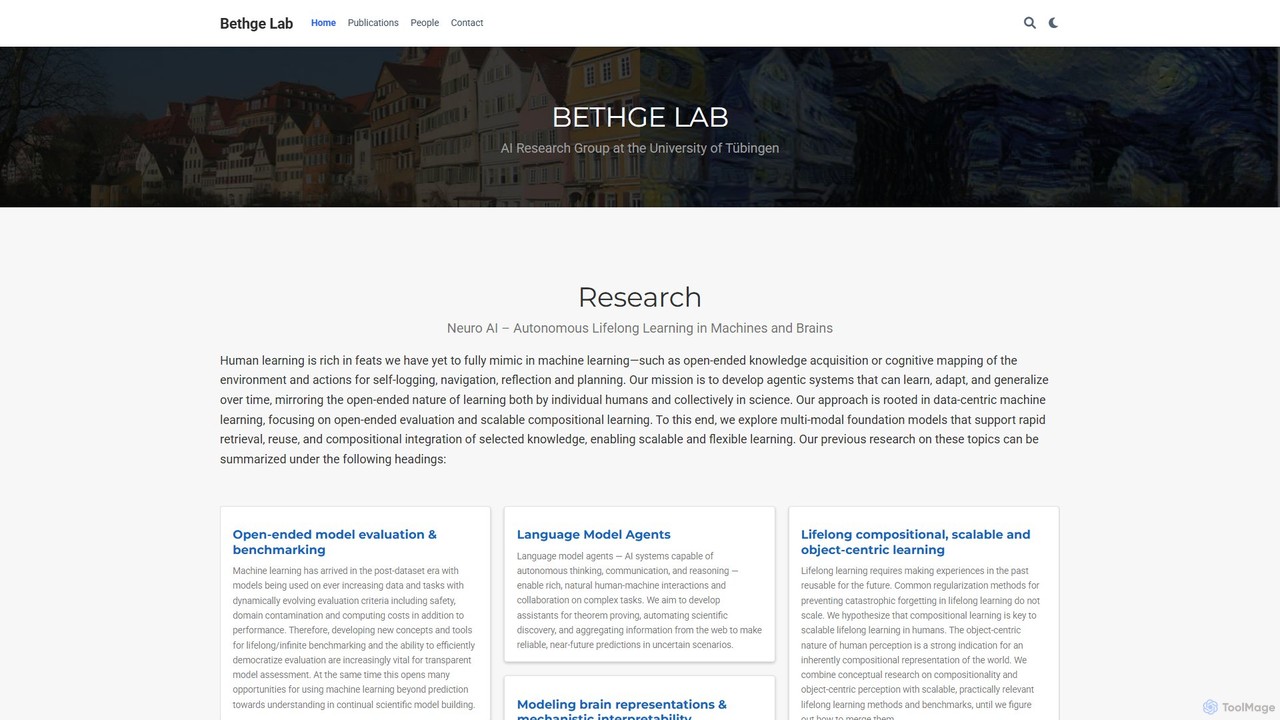
Bethge Lab
Bethge Lab is a leading AI research group at the University of Tübingen, focusing on the intersection of computational neuroscience and machine learning. It aims to develop agentic AI systems capable of autonomous, lifelong learning by drawing inspiration from the human brain. The lab produces open-source models, datasets, and pioneering research.
Datasets
Papers with Code Comments (0)
Sign in to comment.
Sign inNo comments yet.