Free trial
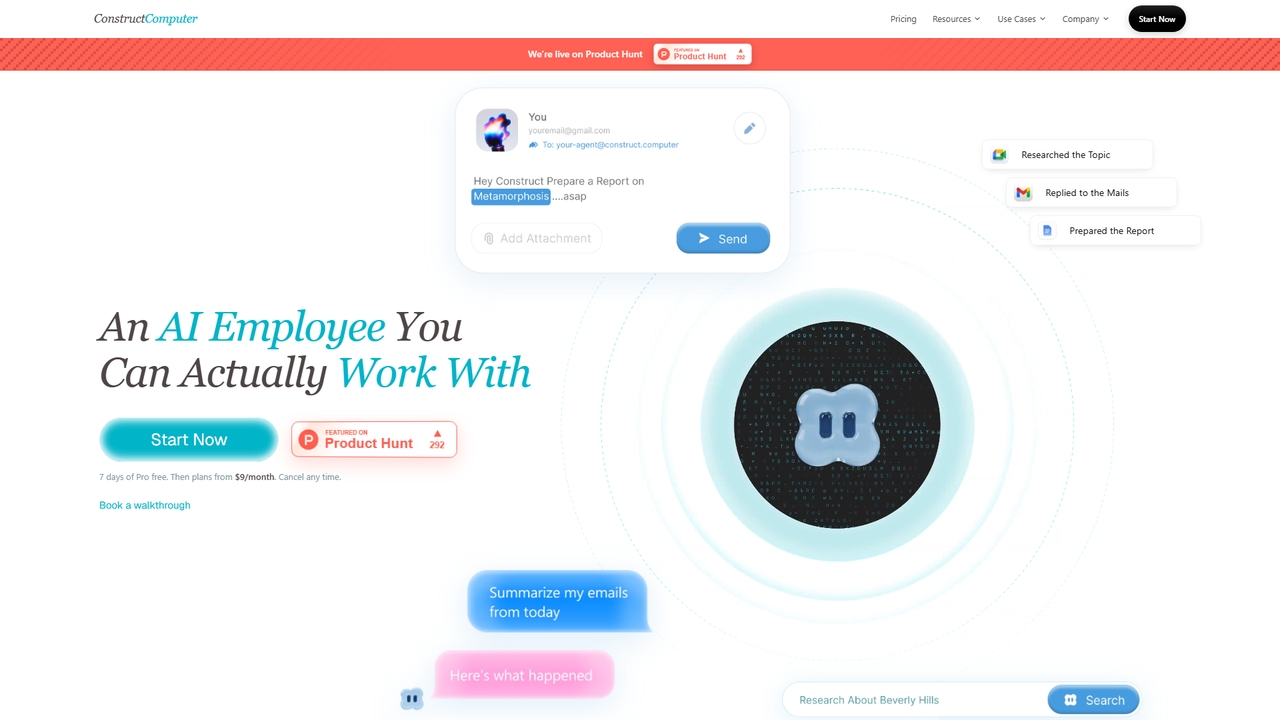
Construct
An AI employee with its own cloud computer for solo founders and small teams: workflows, memory, research, scheduling, and internal tools.
Team OperationsVisits 2.9KFavorites 28Likes 25
Popular Productivity AI tools include Google Gemini, Baidu, Bing, Canva, Duck.ai, DuckDuckGo, Discord, vocode, codegate, and Lobe, helping you work more efficiently.
An AI employee with its own cloud computer for solo founders and small teams: workflows, memory, research, scheduling, and internal tools.
Team Operations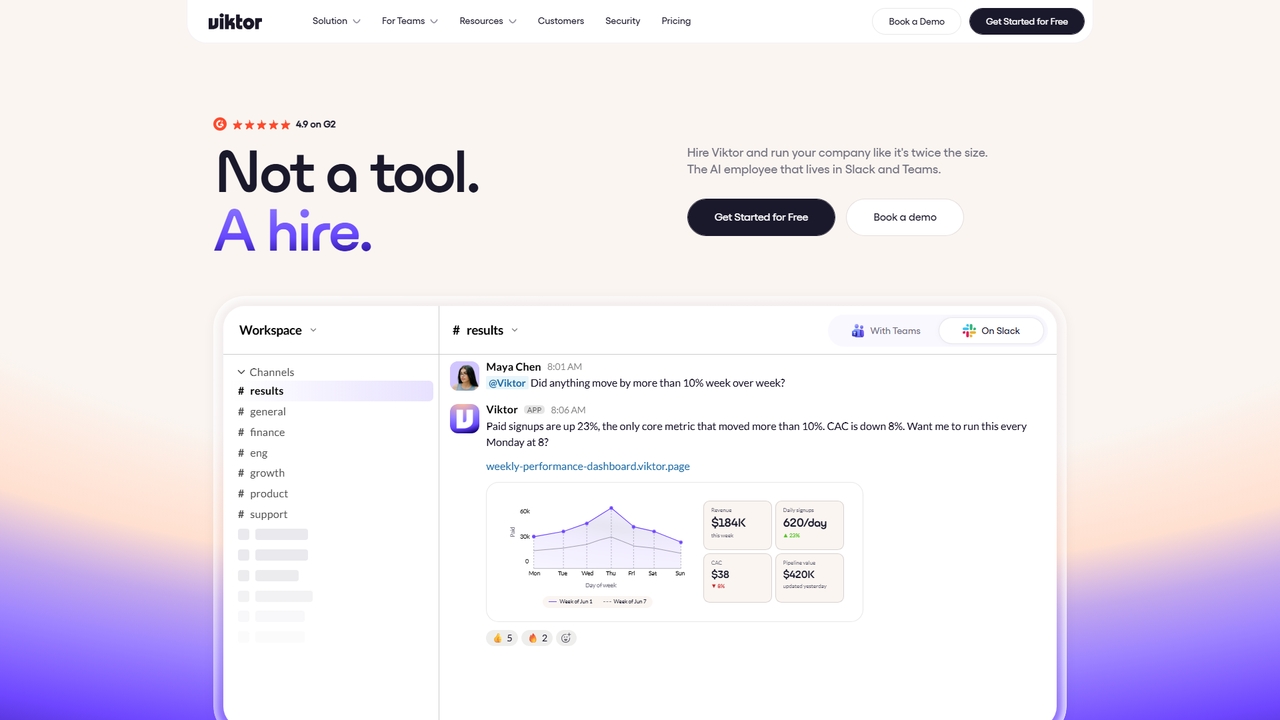
Viktor is an AI employee that lives in Slack and Microsoft Teams, connects to 3,200+ tools, and delivers finished work, not just text.
Team Collaboration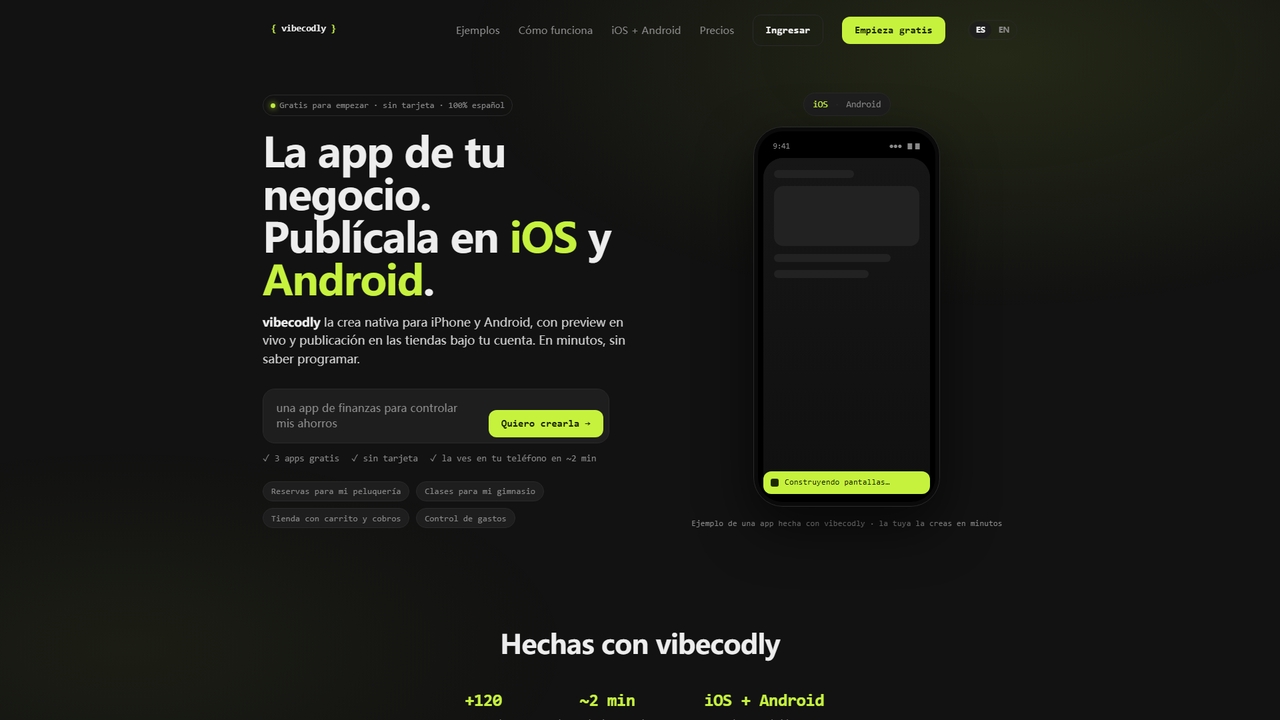
Vibecodly is a no-code platform that turns your ideas into native iOS and Android apps in minutes. Describe your app in plain language, preview it live on your phone, and publish to the App Store and Google Play — no programming required. Free to start, no credit card needed.
Mobile Commerce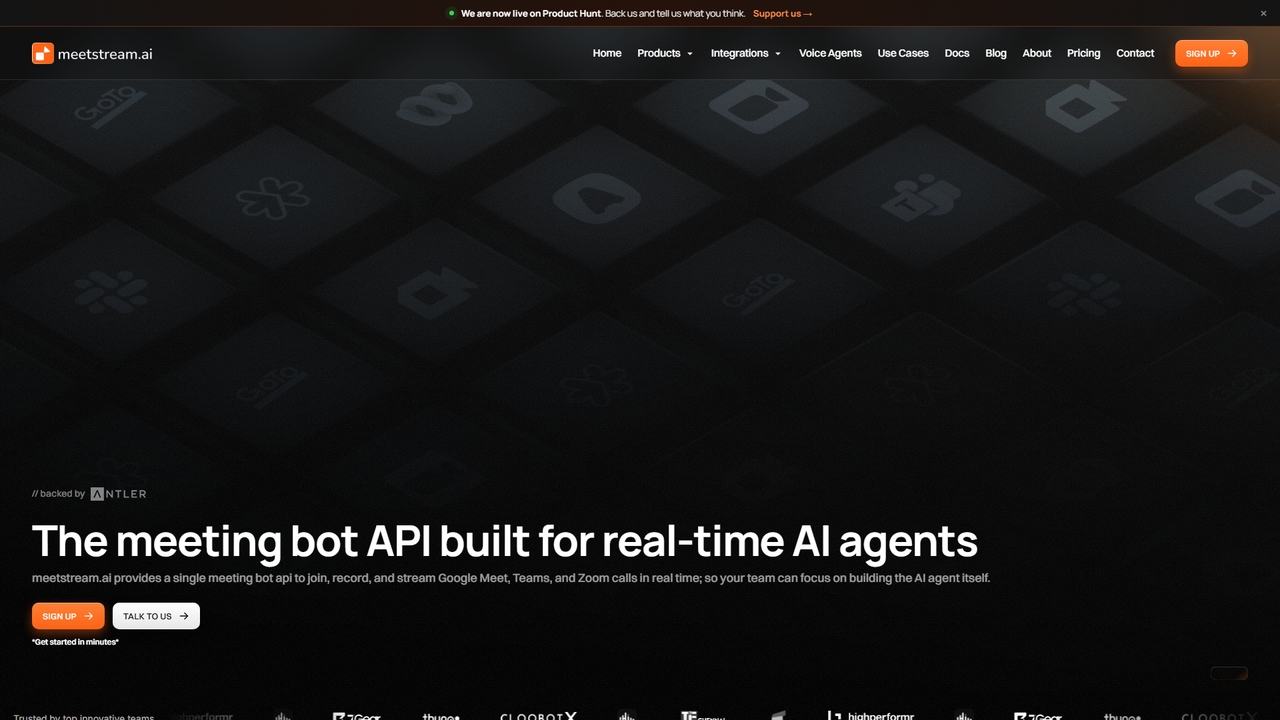
MeetStream is a meeting bot API for Zoom, Google Meet, and Microsoft Teams. Build AI agents that join, record, stream, and transcribe calls in real time.
Conversation Intelligence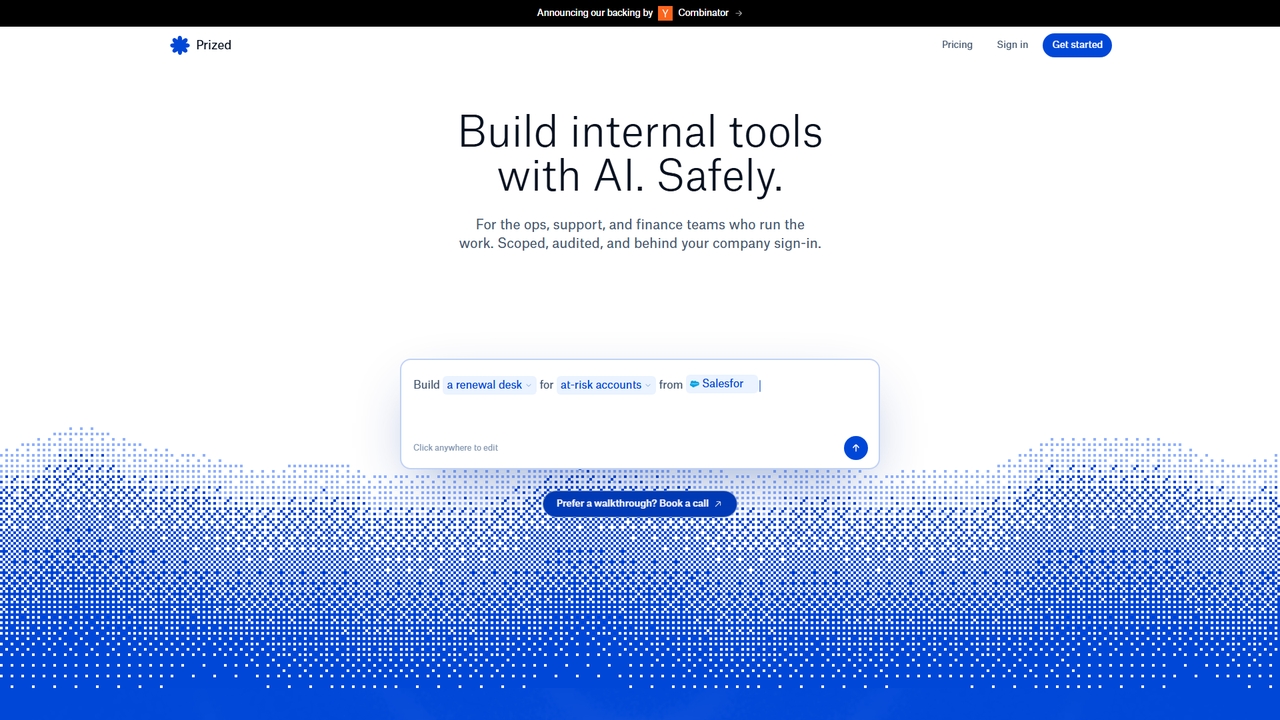
Prized is a safe AI internal-tool builder for ops, support, and finance teams. It turns natural-language requests into deployed, role-scoped tools on admin-approved company data, with an audit trail on every access.
Operations
MiniMax Design is a native multimodal creation platform for text, images, audio, and video. It offers precise editing and control, production-ready output, and flexible media plans for visual creators and multimedia teams.
Multimedia Generation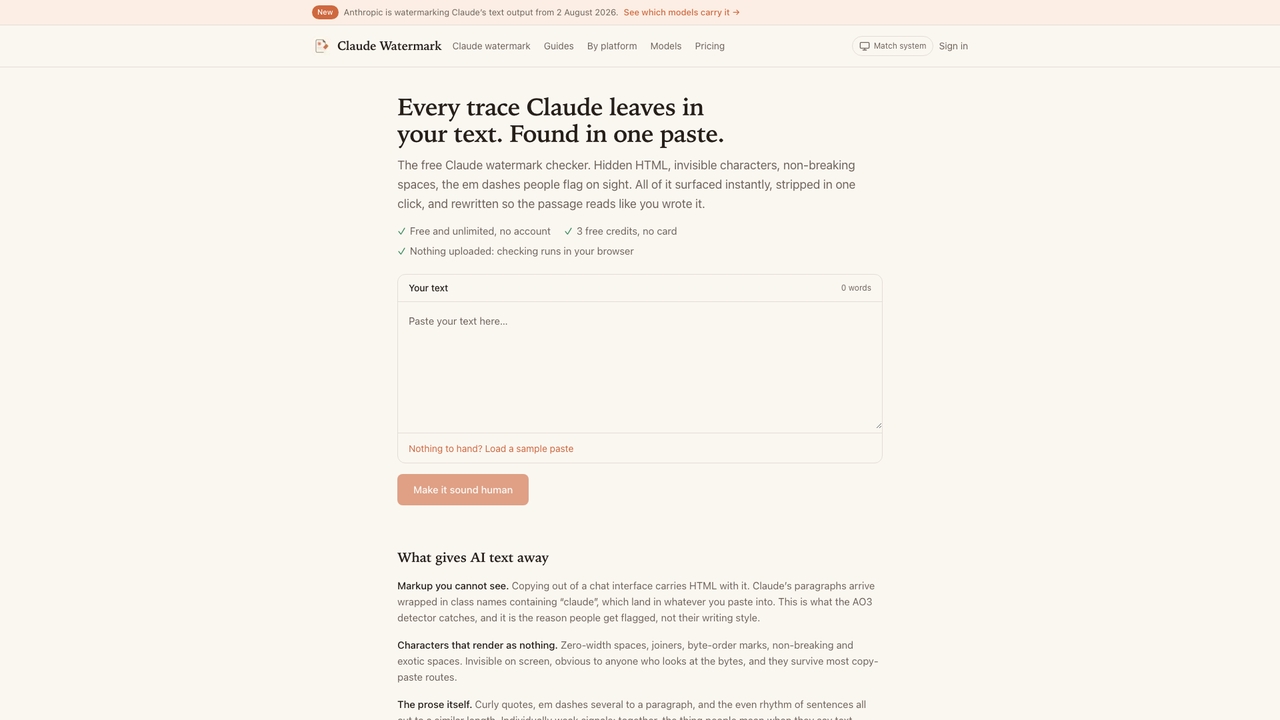
Free Claude watermark checker that detects hidden HTML, invisible characters, and AI writing traces in one paste. Clean instantly, rewrite naturally. No account needed.
Writing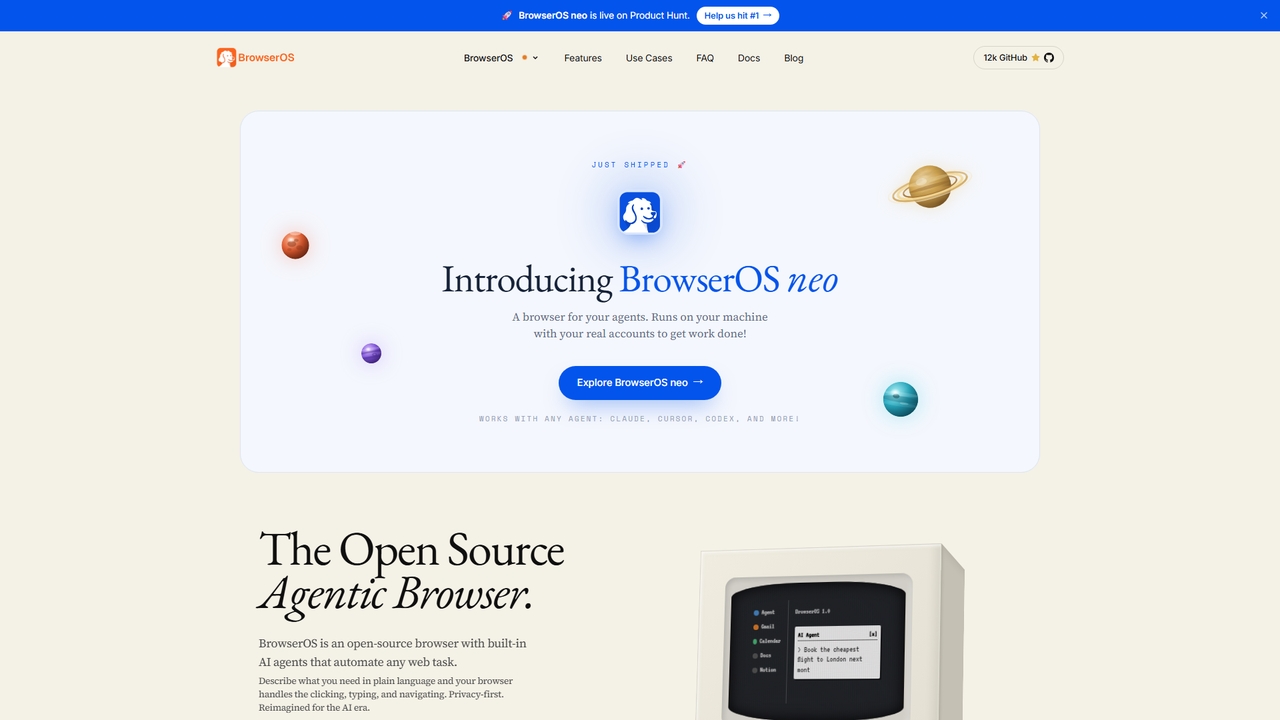
BrowserOS is an open-source, privacy-first AI browser with built-in AI agents that automate web tasks through natural language. It supports 13 AI providers, 40+ app integrations, and runs locally on macOS, Windows, and Linux.
Web Automation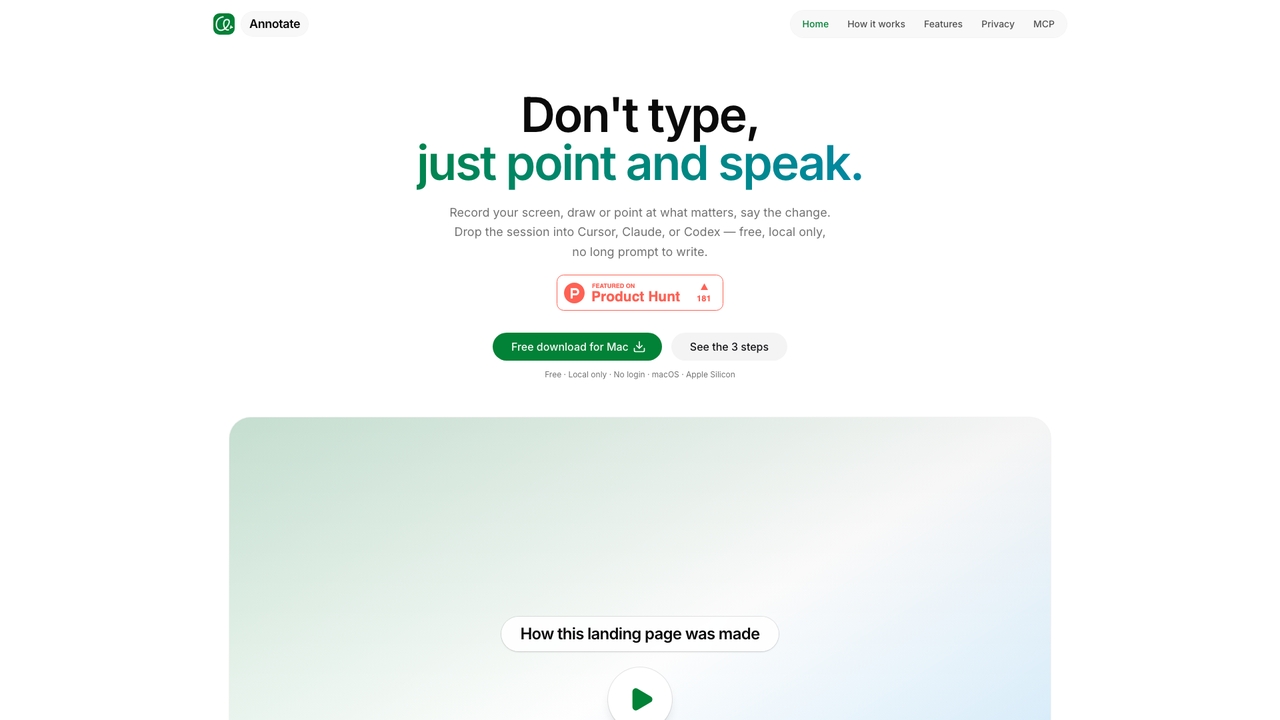
Record, point, speak, and hand off to Cursor, Claude Code, or Codex. Free, local-only macOS app.
UI Annotation
Jyek is an AI agent platform that understands objectives, creates execution plans, uses tools, and delivers verifiable results for complex, multi-step tasks.
Automation
Memoriq is a private, encrypted memory vault for AI conversations. It saves and organizes chats from platforms like ChatGPT, Claude, and Gemini into a searchable archive under your control.
Open Source
An AI-powered meal tracking platform that offers fast, intelligent food logging. It will soon provide personalized guidance through scheduled calls with nutrition experts for users seeking more than just numbers.
Nutrition Tracking
Free online photo editor with a suite of essential image tools including background remover, color changer, and format converter. All tools run in your browser with no sign-up or watermarks.
Image Editing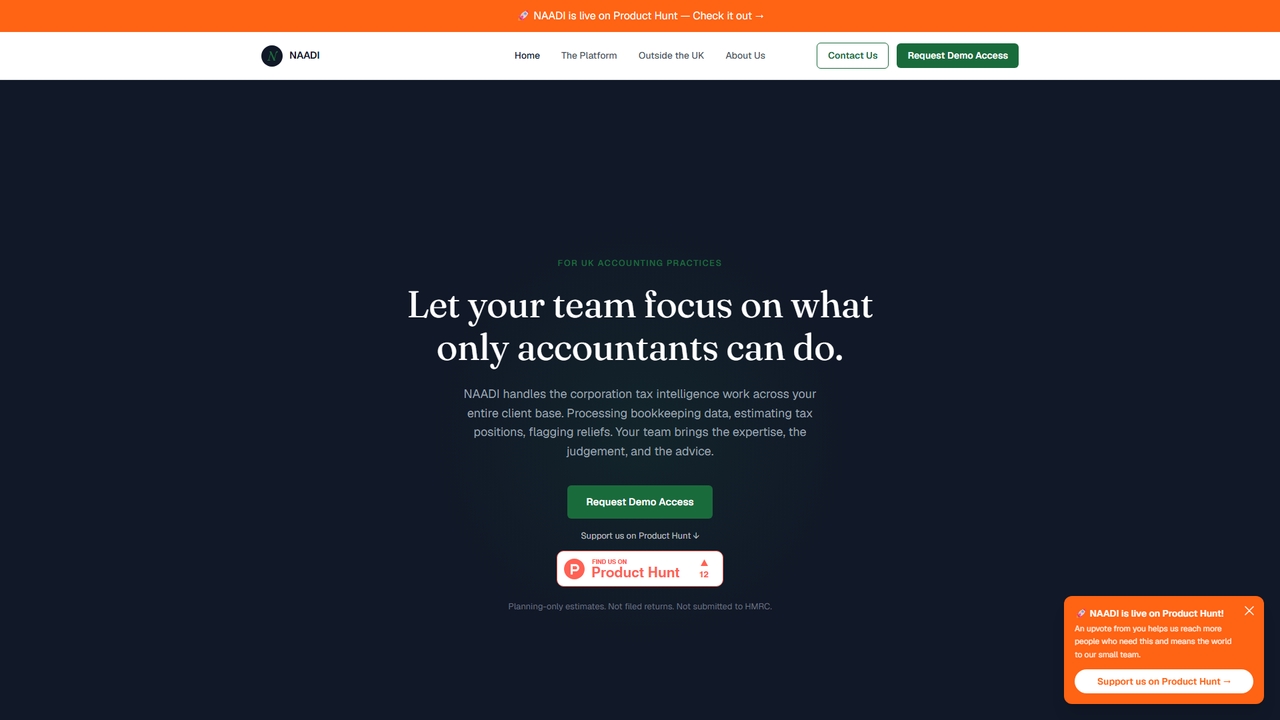
NAADI is an AI-powered corporation tax intelligence platform for UK accounting practices. It automates bookkeeping data processing, estimates tax positions, and identifies savings, enabling accountants to focus on client advisory.
Automation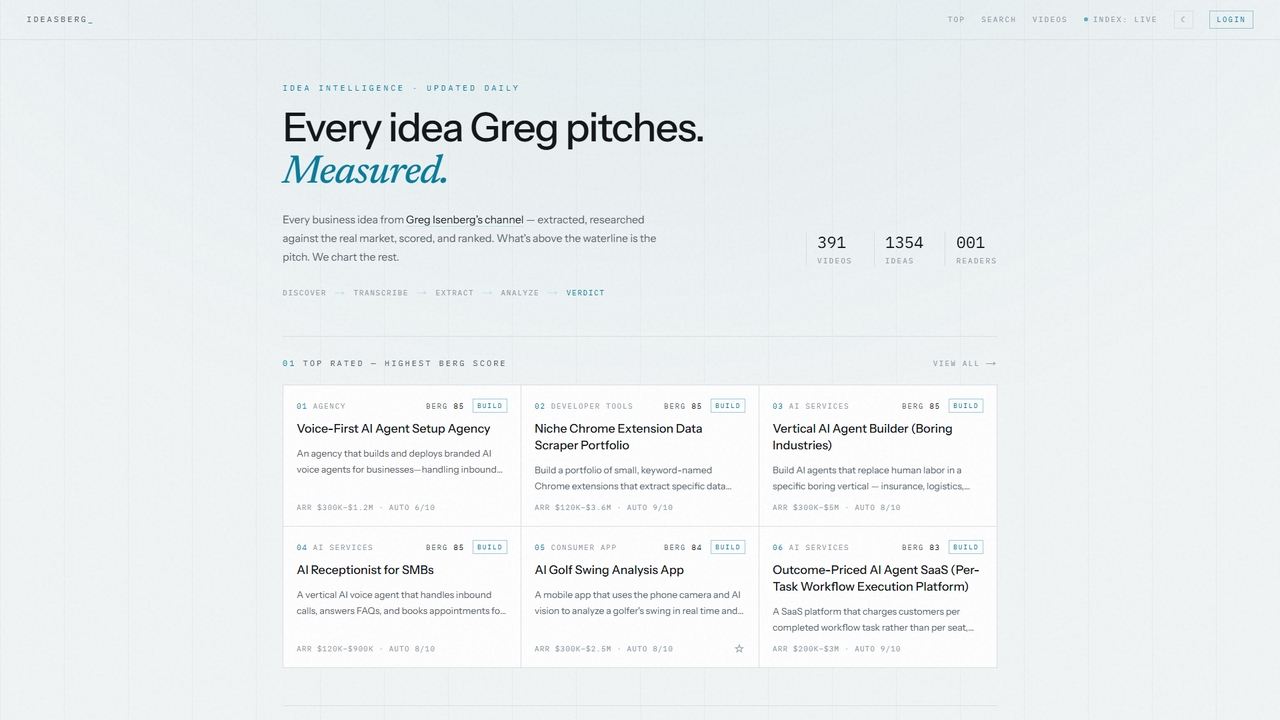
A curated database and research tool that extracts, scores, and ranks business ideas from Greg Isenberg's channel, providing market analysis and actionable insights for entrepreneurs.
Startup Ideas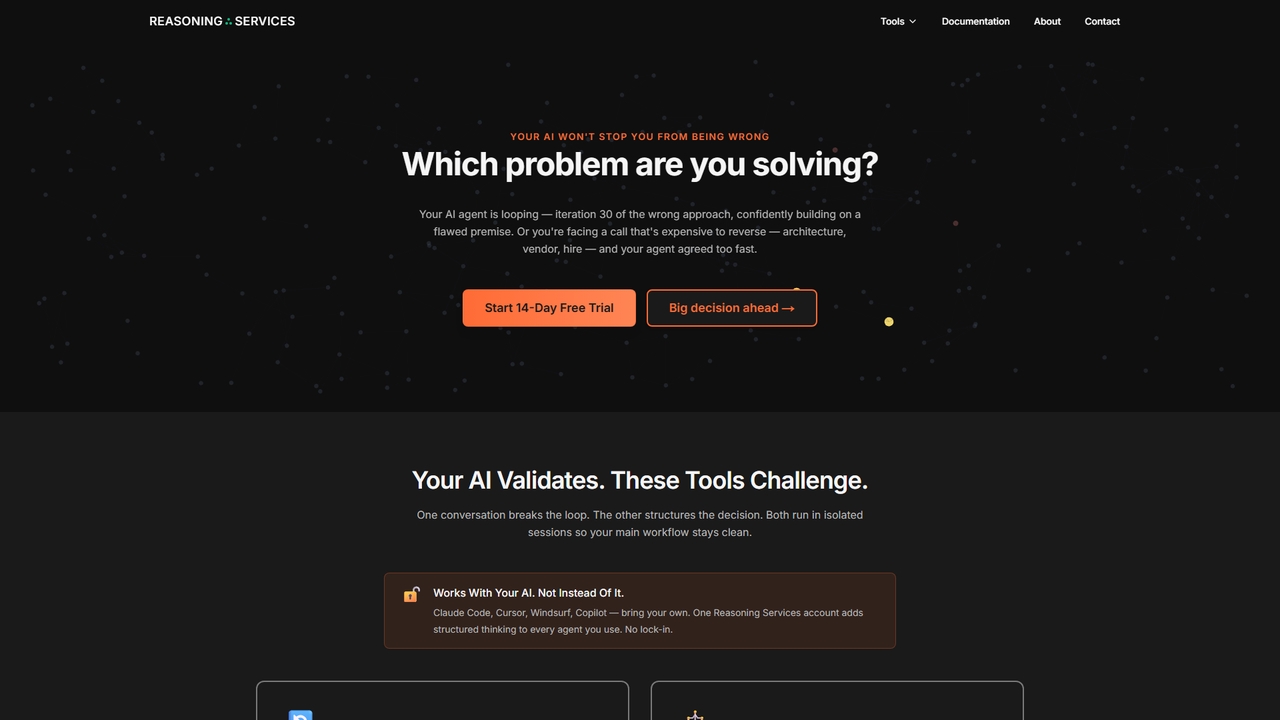

Heycaddie is an AI copilot for sales and support calls that listens in real-time, pulls answers from your knowledge base, and helps you respond instantly without fumbling or stalling.
Real Time Assistance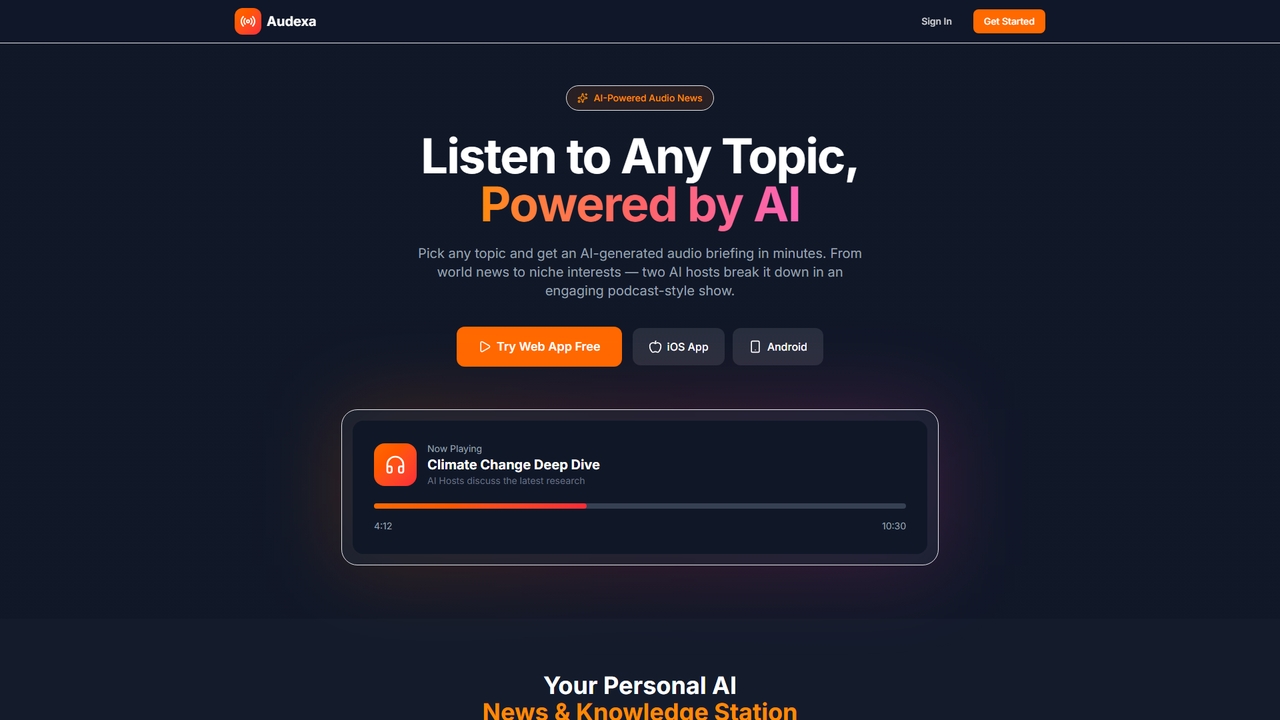

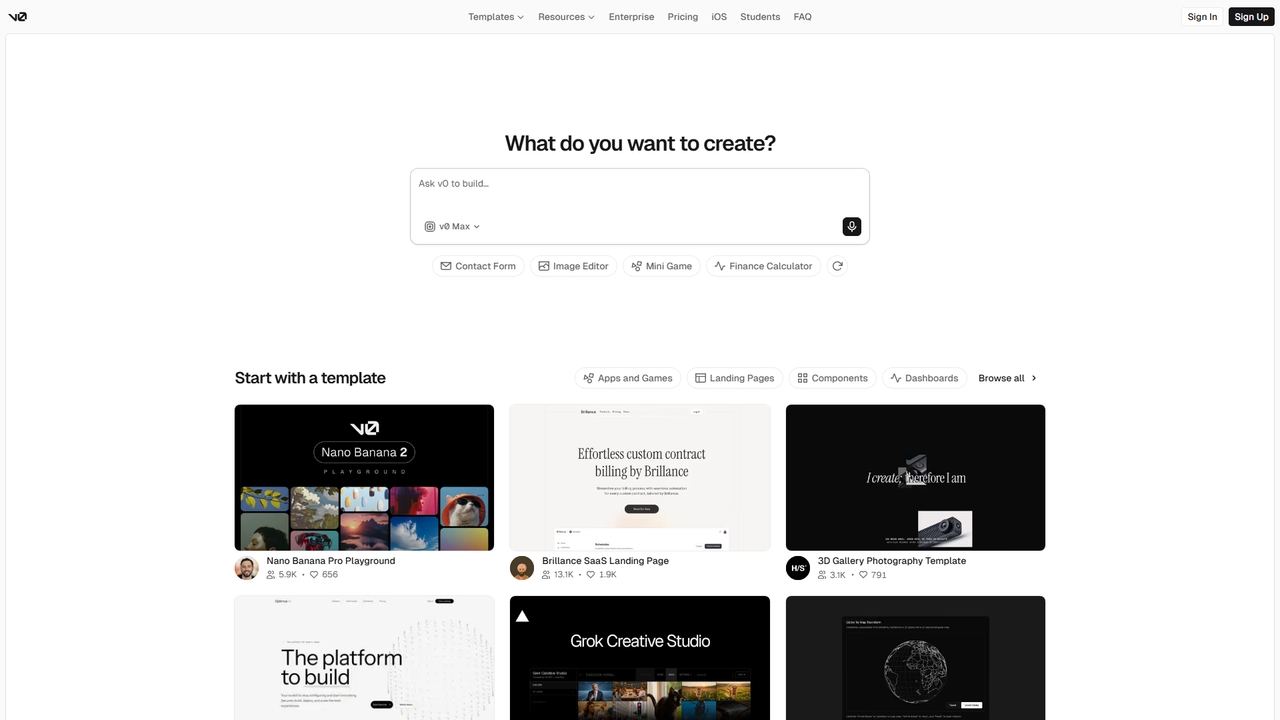

A free Chrome extension that provides instant word translation, pronunciation, and examples by hovering over any subtitle word while watching videos on platforms like YouTube and Netflix.
Language Learning
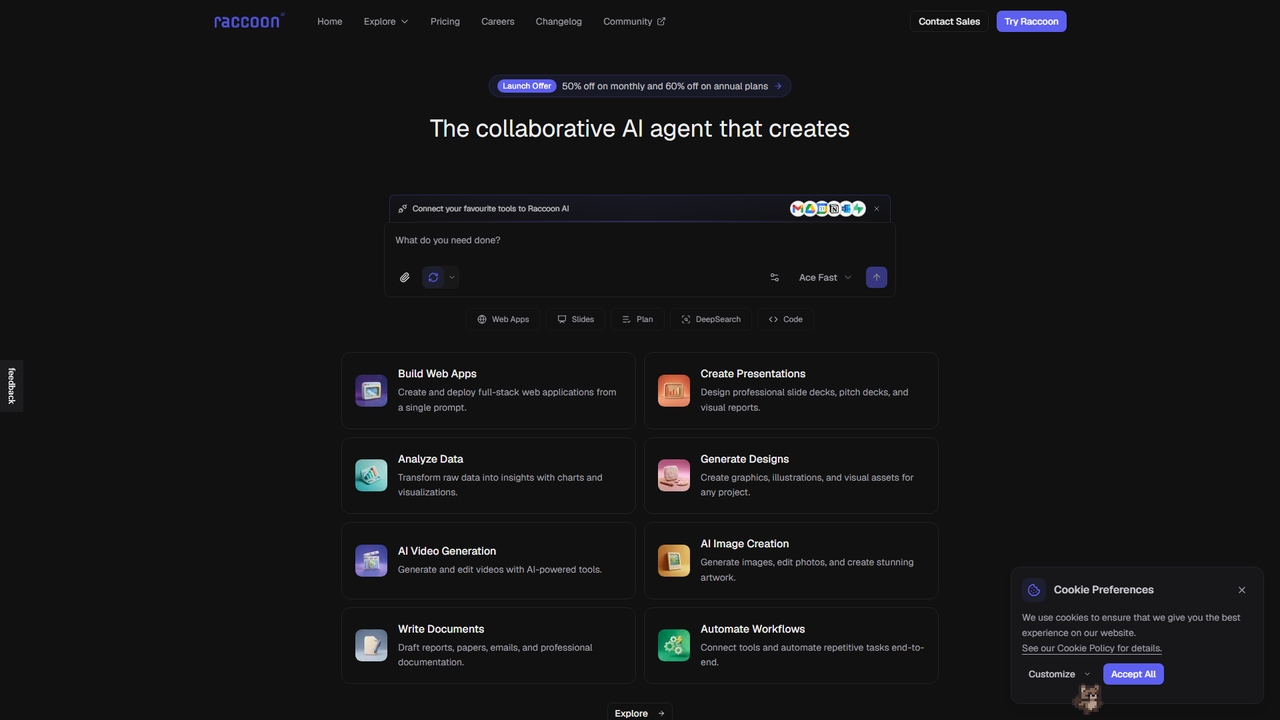
Raccoon AI is a collaborative AI workspace that transforms conversations into web applications, presentations, reports, and designs. It integrates with your favorite tools to automate and execute complex creative and technical tasks.
Content Strategy
Productivity AI tools are AI-powered applications designed to automate routine tasks, optimize workflows, and enhance overall efficiency across various professional and personal domains. These tools leverage machine learning, natural language processing, and advanced algorithms to understand user intent, process information, and execute actions autonomously. By minimizing manual effort and providing intelligent insights, they empower individuals and teams to focus on high-value activities, accelerate decision-making, and achieve more with less time.
Productivity AI tools are widely adopted by professionals in diverse fields, from individual freelancers managing their daily schedules to large enterprises streamlining complex operations. They are particularly valuable in administrative support, project management, content creation, and customer service, where automating repetitive tasks and gaining quick insights can significantly boost output and reduce operational costs.
When selecting a Productivity AI tool, consider its integration capabilities with existing software, the scope of tasks it can automate, and its scalability to meet future needs. Evaluate the user interface for ease of use, assess the level of customization offered, and scrutinize data security protocols. Finally, compare pricing models and ensure the tool provides robust customer support to maximize its long-term value.
For administrative assistants and office managers, AI productivity tools can automate routine tasks such as scheduling meetings, managing email inboxes, and generating weekly reports. By integrating with calendars and communication platforms, these tools can automatically send reminders, categorize emails, and compile data into presentable formats, saving hours of manual effort daily and allowing focus on more strategic support tasks.
Content creators, marketers, and writers leverage AI productivity tools to streamline their ideation and drafting processes. Tools can generate initial content outlines, suggest relevant keywords, summarize research articles, or even draft preliminary versions of social media posts and blog articles. This significantly reduces the time spent on repetitive writing tasks and helps overcome creative blocks, accelerating content production cycles.
Project managers and team leads utilize AI productivity tools to enhance project planning, task allocation, and team communication. These tools can analyze project timelines, identify potential bottlenecks, suggest optimal resource allocation, and automate status updates. They facilitate smoother collaboration by centralizing communication, tracking progress, and providing predictive insights into project completion, ensuring projects stay on track and within budget.
Business analysts and data professionals use AI productivity tools to quickly process and interpret large datasets. These tools can automatically identify trends, generate visual reports, and highlight key insights that might be missed by manual analysis. This accelerates the reporting cycle, enables faster data-driven decision-making, and allows analysts to spend more time on strategic interpretation rather than raw data manipulation.
Individuals seeking to improve personal organization and time management can use AI productivity tools to prioritize tasks, manage to-do lists, and optimize their daily schedules. These tools learn user habits and preferences, suggesting the best times for focused work, reminding them of deadlines, and even blocking out time for breaks. This leads to better work-life balance and increased personal output.
Teams and executives employ AI productivity tools to make meetings more effective. These tools can transcribe meeting discussions in real-time, identify action items, assign responsibilities, and generate concise summaries. Post-meeting, they can automatically distribute notes and follow-up tasks, ensuring that decisions are captured accurately and acted upon promptly, reducing the need for manual note-taking and follow-up emails.
Productivity AI tools are software applications that use artificial intelligence to automate, optimize, and streamline various work processes and tasks. They leverage technologies like machine learning, natural language processing, and predictive analytics to enhance efficiency, reduce manual effort, and provide intelligent assistance. These tools aim to help individuals and organizations achieve more in less time by handling repetitive tasks, offering insights, and improving decision-making.
Productivity AI tools enhance work efficiency by automating mundane and repetitive tasks, freeing up human workers for more complex and creative endeavors. They can intelligently manage schedules, process vast amounts of data for quick insights, assist in content generation, and streamline communication. By minimizing errors, accelerating task completion, and providing predictive capabilities, these tools significantly boost output and optimize resource allocation across various workflows.
A wide range of users can benefit from Productivity AI tools, including individual professionals, small businesses, and large enterprises. Content creators can accelerate drafting, project managers can optimize timelines, and administrative staff can automate routine tasks. Anyone looking to reduce manual workload, improve decision-making with data-driven insights, or enhance overall operational efficiency will find significant value in these AI-powered solutions.
When selecting a Productivity AI tool, prioritize its compatibility with your existing tech stack and its ability to integrate seamlessly. Evaluate the specific features offered and ensure they align with your primary automation and optimization needs. Consider the tool's scalability, user-friendliness, and the level of customer support provided. Additionally, assess its data security measures and review the pricing structure to ensure it offers good value for your investment and long-term requirements.
The key difference lies in their intelligence and autonomy. Traditional productivity software typically requires explicit user commands for every action. In contrast, Productivity AI tools can learn from data, understand context, make predictions, and often perform tasks autonomously or with minimal human input. They offer adaptive, personalized experiences and can evolve their capabilities over time, moving beyond simple automation to intelligent optimization and proactive assistance.