Productivity Best in category 3 results Academic Tools AI Tool

Popular AI tools in the Academic Tools field of Productivity include BypassGPT、SciSummary、GraceLitRev, etc., helping you quickly improve efficiency.

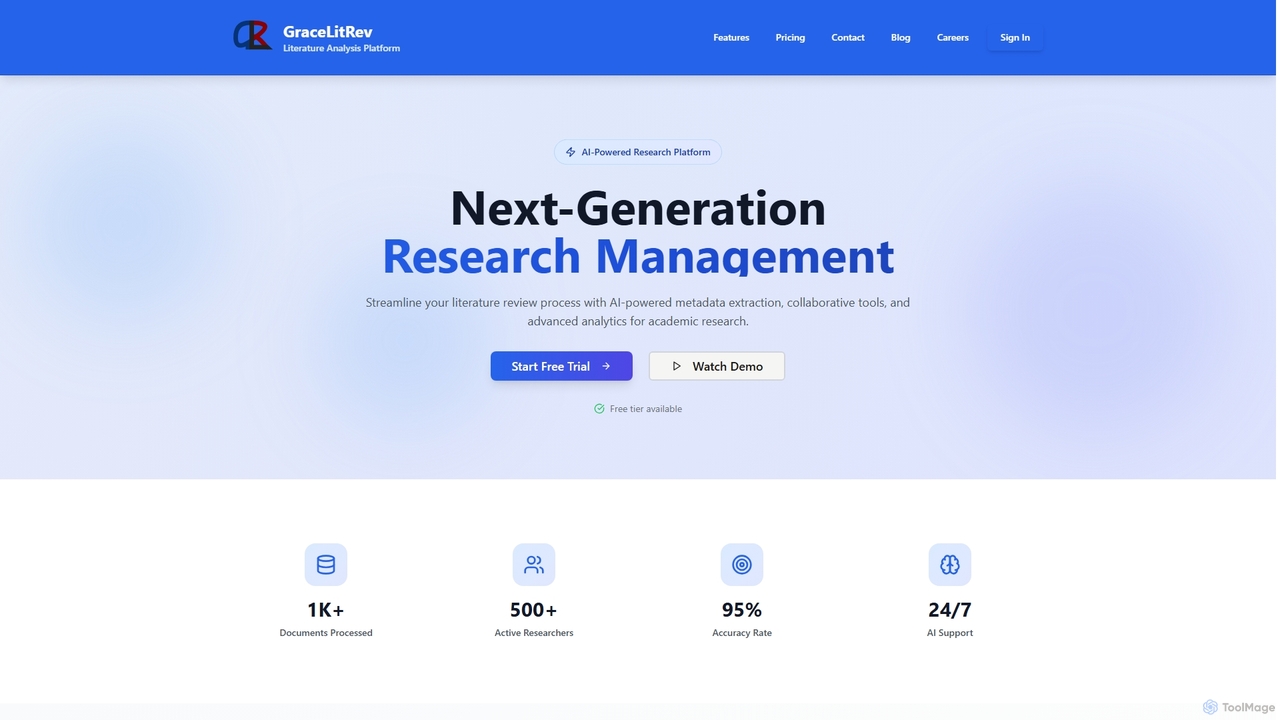
GraceLitRev

GraceLitRev

GraceLitRev is an AI-powered platform designed to revolutionize academic literature review. It streamlines research management through intelligent metadata …

2.8K
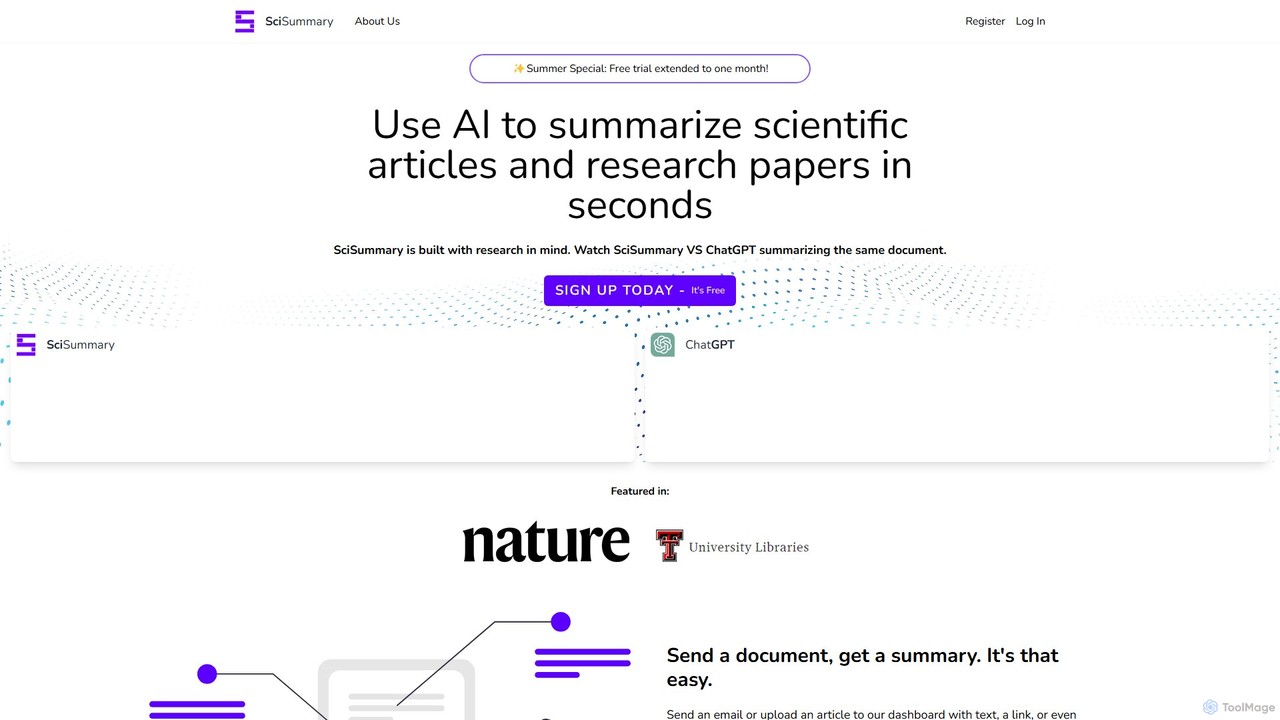
SciSummary

SciSummary

SciSummary is an AI-powered tool that summarizes scientific articles and research papers in seconds. Designed for researchers, students, …

80.9K
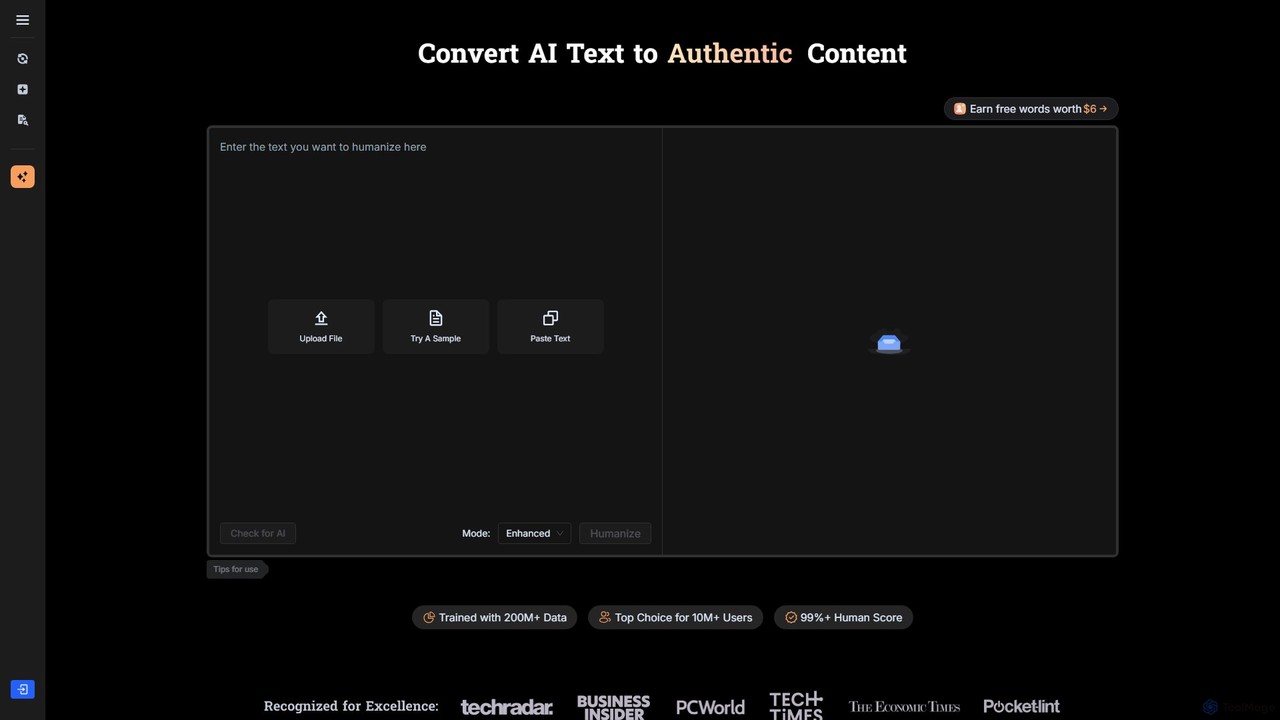
BypassGPT

BypassGPT

BypassGPT is an advanced AI humanizer designed to rewrite AI-generated text, making it 100% undetectable by leading AI …

445.8K

About Academic Tools

AI Academic Tools are a specialized category of productivity software designed to assist students, researchers, and educators in their scholarly activities. Leveraging natural language processing and machine learning, these tools streamline complex tasks such as literature discovery, data analysis, and academic writing. They help users accelerate research cycles, improve writing quality, and maintain academic integrity by providing functions tailored specifically for scholarly work.

Core Features

  • Literature Discovery & Summarization: Scans vast academic databases to find relevant papers and generates concise summaries of key findings.
  • Academic Writing Assistance: Offers advanced grammar checking, style suggestions, and paraphrasing capabilities tuned for formal, scholarly language.
  • Automated Citation & Bibliography: Generates accurate in-text citations and bibliographies in various formats like APA, MLA, and Chicago.
  • Research Data Analysis: Assists in interpreting quantitative or qualitative data, identifying trends, and creating visualizations.

Use Cases

These tools are primarily used in higher education and R&D institutions. Researchers utilize them to expedite literature reviews and draft manuscripts. Students rely on them for writing essays, theses, and dissertations, ensuring proper formatting and citation. Educators can also use them to create teaching materials or analyze research trends within their field.

How to Choose

When selecting an AI Academic Tool, consider its specialization for your discipline (e.g., STEM vs. humanities). Evaluate the range of supported citation styles and its integration capabilities with your existing software, such as word processors or reference managers. Crucially, review the tool's data privacy policy, especially if you are working with sensitive or unpublished research data.

Academic ToolsUse Cases

1

Accelerate Literature Review for a Doctoral Thesis

A PhD candidate in sociology needs to review hundreds of papers for their thesis. They use an AI academic tool to input keywords and research questions. The tool scans databases like JSTOR and Scopus, identifies the most relevant papers, provides summaries of each, and highlights key themes and research gaps. This process reduces manual reading time significantly, allowing the candidate to build a comprehensive theoretical framework more efficiently.

2

Refine and Polish a Research Paper for Publication

A researcher has drafted a manuscript for a scientific journal. They use an AI academic tool to check for grammatical errors, improve sentence structure for clarity, and ensure a formal tone. The tool also suggests alternative phrasing to avoid repetition and checks the manuscript against the journal's specific formatting guidelines (e.g., word count, section headers), increasing the chances of acceptance by the editorial board.

3

Automate Citation and Bibliography Generation

An undergraduate student is writing a history essay with over 50 sources. Manually formatting each citation in Chicago style is tedious and prone to error. They use an AI tool that integrates with their word processor. As they write, the tool automatically finds the source online, inserts the correct in-text citation, and adds it to a bibliography that is perfectly formatted at the end of the document, saving hours of manual work.

4

Analyze Interview Transcripts for Qualitative Research

A market researcher has conducted 20 hours of user interviews. Instead of manually reading all transcripts, they upload them to an AI academic tool. The AI identifies recurring themes, analyzes sentiment, and extracts key quotes related to specific topics. This provides a structured overview of the qualitative data, allowing the researcher to quickly identify patterns and generate actionable insights for their report.

5

Quickly Understand and Summarize Complex Scientific Papers

A medical student needs to stay updated on the latest research but has limited time. They use an AI tool to upload a dense, technical research paper. The tool generates a simplified summary, defines key jargon, explains the methodology in plain language, and outlines the main conclusions. This allows the student to grasp the core findings of multiple papers in the time it would take to read one thoroughly.

6

Create a Conference Presentation from a Research Paper

An academic is accepted to present their work at a conference. They upload their full research paper to an AI tool. The tool extracts the key points—introduction, methods, results, conclusion—and structures them into a slide-by-slide outline. It can even suggest visuals or charts to represent the data, providing a strong foundation for the presentation and saving hours of preparation time.

Academic ToolsFrequently Asked Questions