ToolMage
Sign in

Best 7 Content Strategy AI tools for Marketing

Popular Content Strategy AI tools in Marketing include Raccoon AI, StoryMint, jarts, TrendSpot AI, TrendyPeak, Raft, and Soshi, helping you work more efficiently.

Raccoon AI
Freemium

Raccoon AI

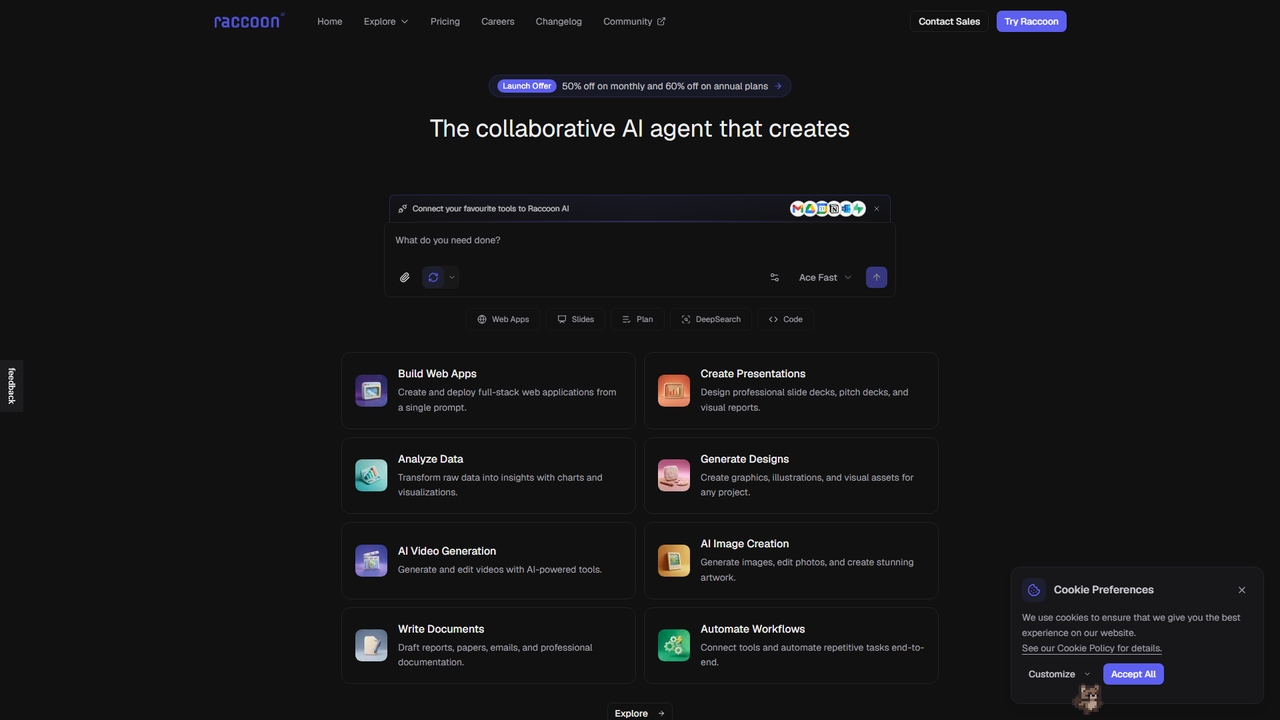
Raccoon AI is a collaborative AI workspace that transforms conversations into web applications, presentations, reports, and designs. It integrates with your favorite tools to automate and execute complex creative and technical tasks.

Content Strategy
Visits 71.9KFavorites 26Likes 20
TrendyPeak

TrendyPeak

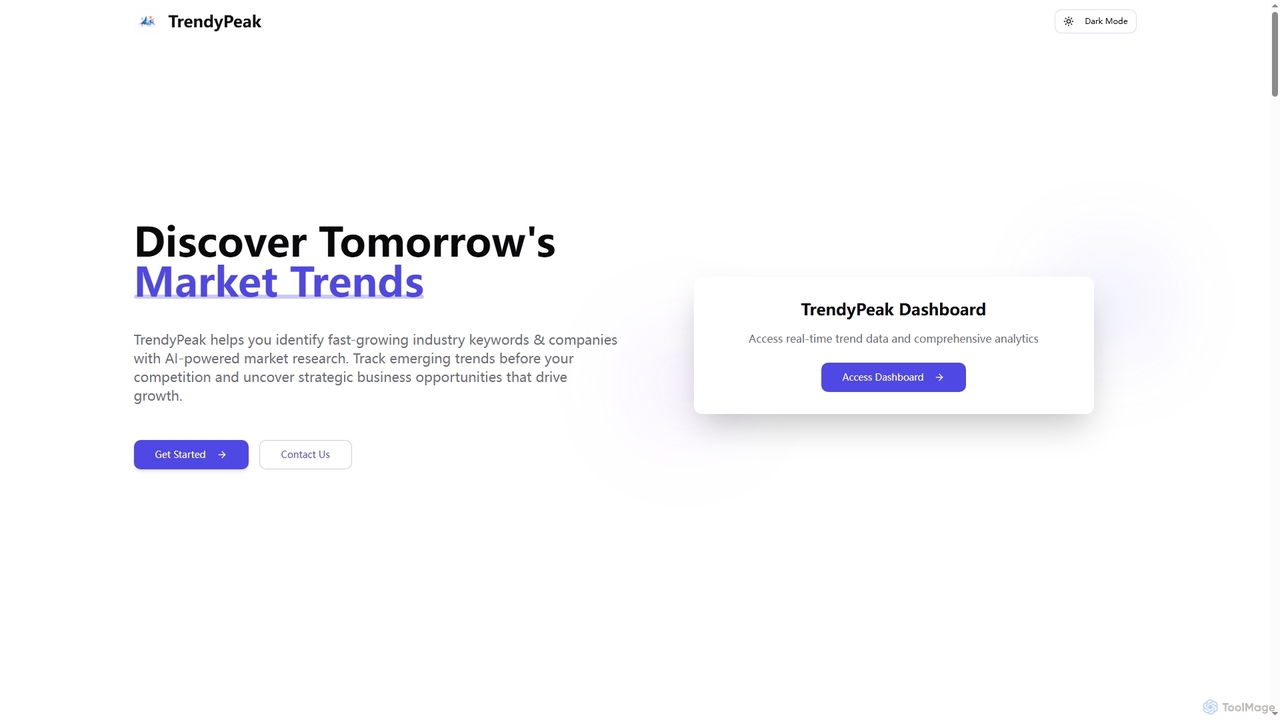
TrendyPeak is an AI-powered market intelligence platform designed to help businesses discover and track fast-growing industry keywords and companies. It provides real-time trend data, comprehensive analytics, and actionable insights to identify strategic growth opportunities and gain a competitive advantage across over 30 industries.

Content Strategy
Visits 5.5KFavorites 35Likes 46
TrendSpot AI
Freemium

TrendSpot AI

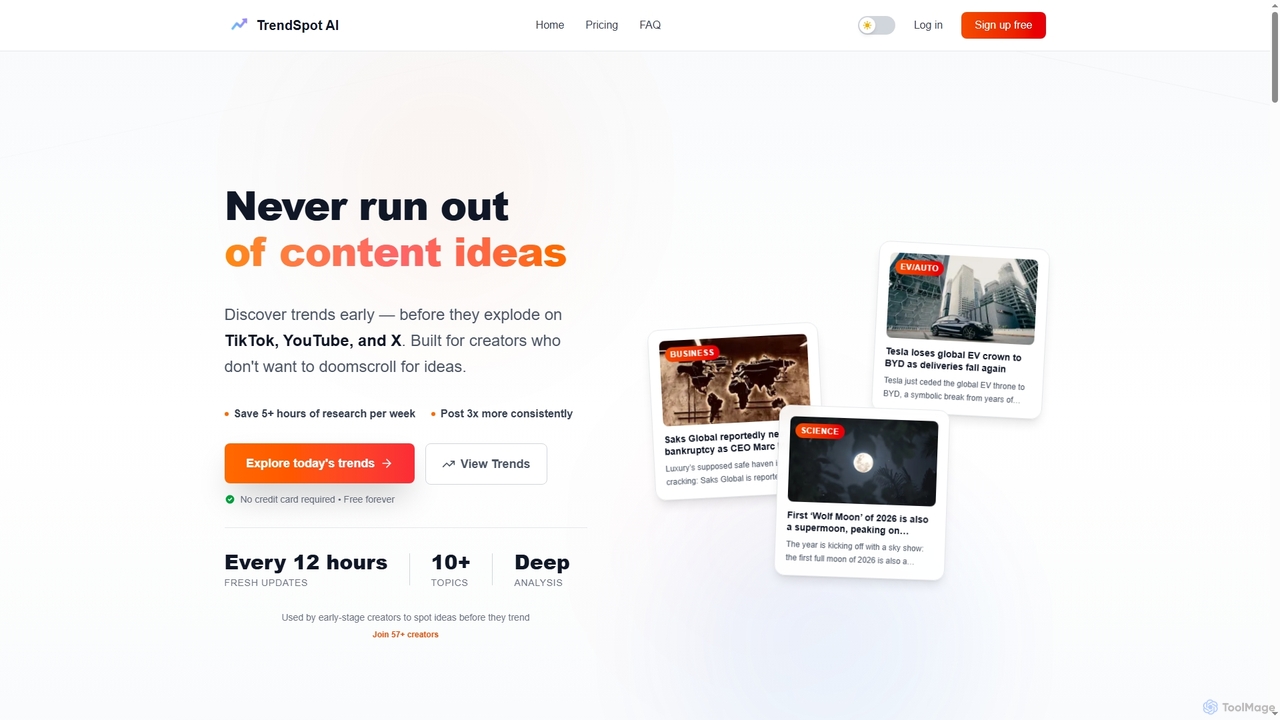
TrendSpot AI is an AI-powered tool designed for creators to discover emerging trends before they go viral on platforms like TikTok, YouTube, and X. It helps users generate fresh content ideas, save significant research time, and maintain consistent posting schedules. By offering deep analysis across multiple topics and regular trend updates, TrendSpot AI ensures creators stay ahead of the curve, transforming trending topics into engaging content effortlessly.

Trend Analysis
Visits 5.6KFavorites 29Likes 32
StoryMint
Freemium

StoryMint

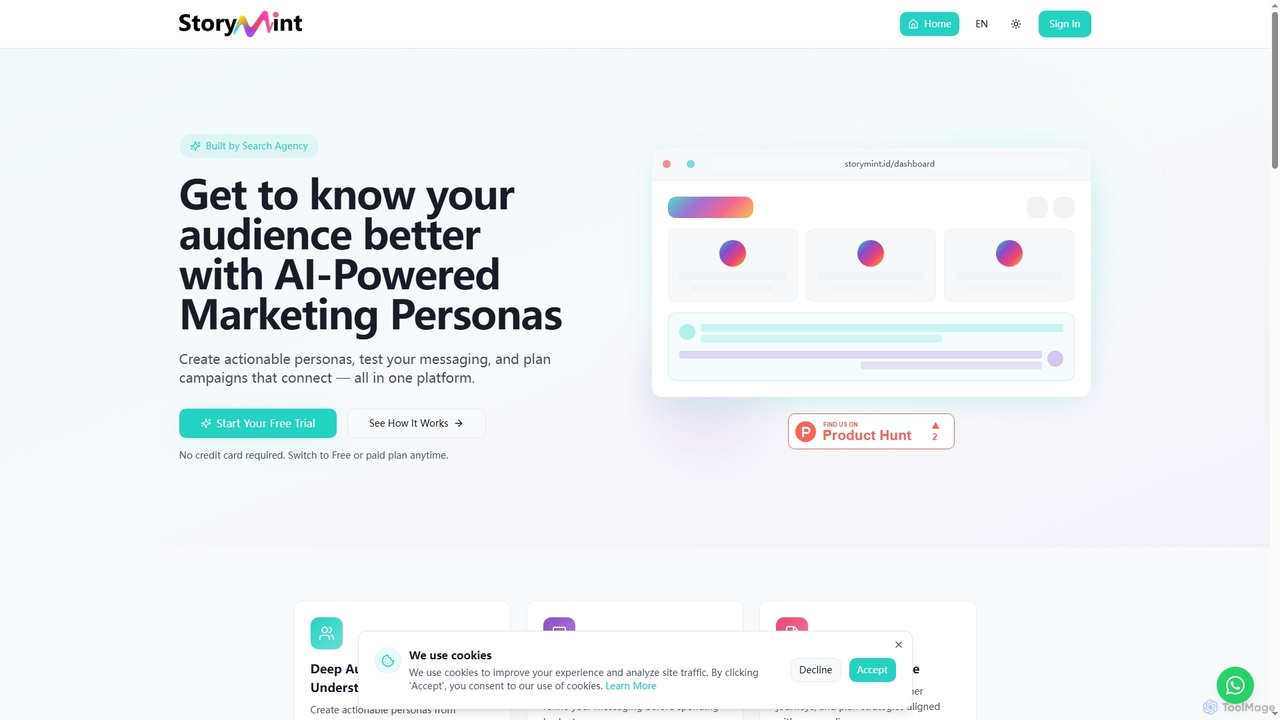
StoryMint is an AI-powered platform designed for marketers to create, validate, and utilize detailed marketing personas. It helps deeply understand audiences, test messaging, and plan effective campaigns, transforming static target audience descriptions into living, actionable insights for better campaign performance.

Audience Research
Visits 7.7KFavorites 73Likes 77
jarts
Paid

jarts

jarts is an AI Search Optimization (AEO) platform designed to enhance your business's visibility in AI-generated answers. It helps you track, analyze, and optimize your presence in AI search engines like ChatGPT, Perplexity, and Claude, ensuring potential customers discover your brand.

Competitor Analysis
Visits 5.6KFavorites 136Likes 139
Raft
Freemium

Raft

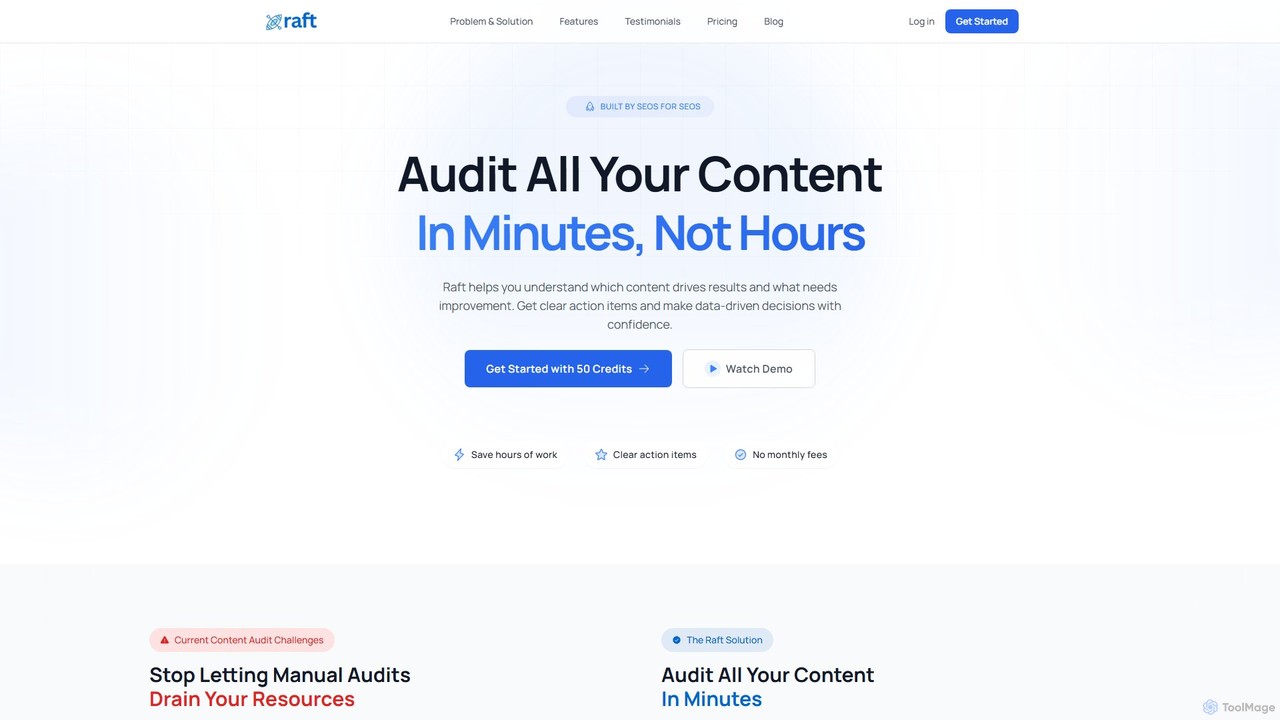
Raft is a specialized content audit tool designed for SEO professionals and content strategists. It automates the tedious process of content analysis, transforming hours of manual work into minutes. By consolidating key metrics and providing AI-powered insights, Raft helps users identify underperforming content, prioritize updates based on impact, and make data-driven decisions with confidence. Its flexible, credit-based pricing model eliminates the need for costly monthly subscriptions, making it an efficient solution for audits of any scale.

Content Strategy
Visits 5.4KFavorites 102Likes 115
Soshi
Freemium

Soshi

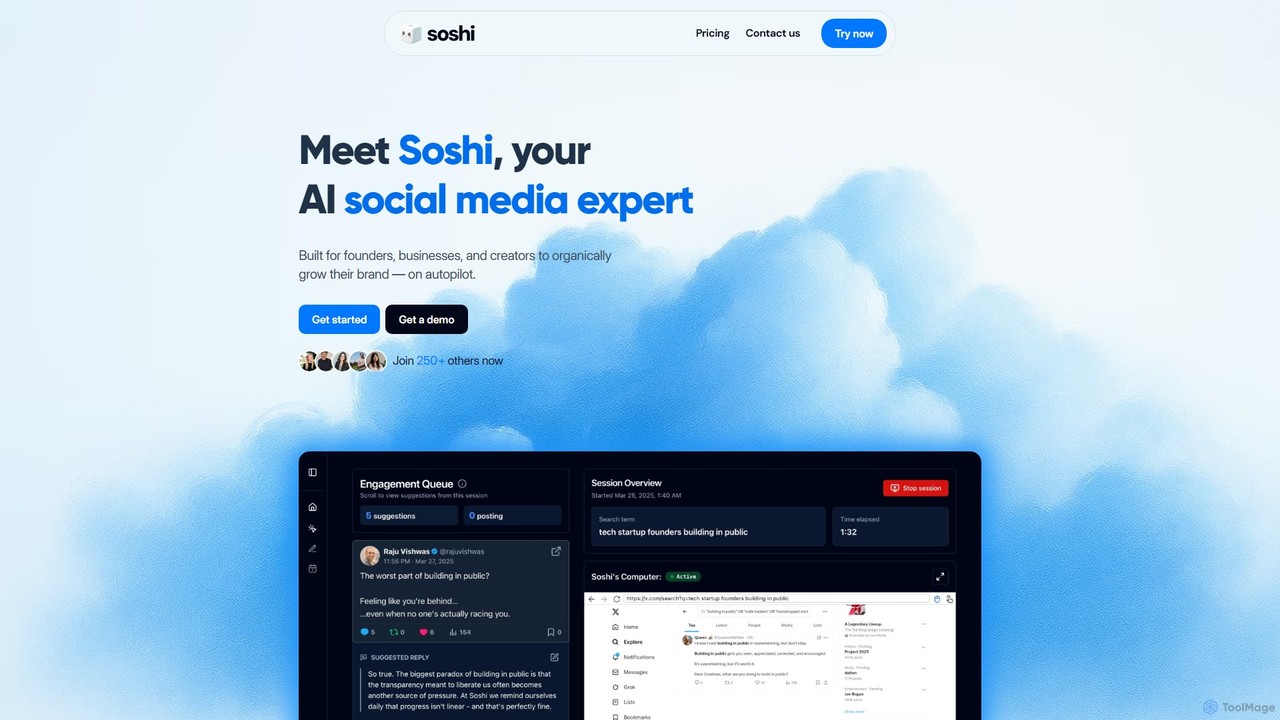
Soshi is an AI-powered social media expert designed for founders, businesses, and creators. It uses a network of AI browser agents to automate content strategy, targeted engagement, and audience growth across platforms like X (Twitter), Instagram, and LinkedIn, effectively acting as your personal marketing team on autopilot.

Content Strategy
Visits 5.4KFavorites 103Likes 106

About Content Strategy

Content Strategy AI tools are specialized platforms that leverage artificial intelligence to optimize the planning, development, and distribution of digital content. These tools analyze market trends, audience behavior, and competitive landscapes to generate data-driven insights. Their primary value lies in helping businesses create more effective, targeted, and engaging content that aligns with specific marketing objectives and resonates with target audiences.

Core Features

  • Audience Analysis & Segmentation: Identifies target audience demographics, interests, and content consumption patterns to inform strategy.
  • Topic & Keyword Research: Discovers high-demand topics, relevant keywords, and content gaps for improved SEO and engagement.
  • Content Calendar & Planning: Automates the scheduling and organization of content production, ensuring timely and consistent delivery.
  • Performance Prediction & Optimization: Forecasts content success based on historical data and suggests improvements for better reach and conversion.
  • Personalization & Distribution: Recommends optimal channels and formats for content delivery, tailoring experiences to individual user preferences.

Use Cases

These tools are essential for marketing teams, content managers, and SEO specialists aiming to enhance their digital presence. They are used to identify trending topics for blog posts, plan a multi-channel social media campaign, or optimize existing website content for better search engine visibility.

How to Choose

When selecting Content Strategy AI tools, consider the breadth of their analytical capabilities, such as market trend analysis or competitor insights. Evaluate their integration with existing content management systems and marketing platforms. Assess the level of automation offered for tasks like content scheduling or keyword generation, and ensure the tool provides actionable recommendations rather than just raw data.

Content Strategy use cases

1

Developing a Data-Driven Content Calendar

A marketing manager needs to plan content for the next quarter across multiple channels. Using a Content Strategy AI tool, they input business goals and target audience data. The AI analyzes trending topics, competitor content, and historical performance to suggest high-impact content themes, optimal publishing times, and channel-specific formats. This allows the manager to build a strategic content calendar that maximizes reach and engagement, reducing manual research time by up to 60%.

2

Identifying Untapped Niche Topics for SEO

An SEO specialist aims to expand organic traffic by targeting underserved content areas. They utilize a Content Strategy AI tool to analyze search queries, competitor content gaps, and audience questions within their industry. The AI identifies long-tail keywords and niche topics with high search volume and low competition. This enables the specialist to commission content that directly addresses specific user needs, leading to higher rankings and increased qualified leads.

3

Optimizing Existing Website Content for Performance

A content editor wants to improve the performance of their website's evergreen articles. They feed existing content into a Content Strategy AI tool. The AI evaluates the content against current SEO best practices, readability scores, and audience engagement metrics, suggesting improvements like keyword integration, structural changes, or updated calls-to-action. This iterative optimization process helps refresh older content, boosting its search engine visibility and driving sustained traffic.

4

Personalizing Content Recommendations for Users

An e-commerce platform seeks to enhance user experience by offering personalized content. A Content Strategy AI tool integrates with user behavior data, analyzing past purchases, browsing history, and demographic information. It then recommends relevant blog posts, product guides, or video content tailored to individual user interests. This personalization increases user engagement, extends time on site, and can significantly improve conversion rates by delivering highly relevant information.

5

Analyzing Competitor Content Strategies

A business development team needs to understand how competitors are attracting their audience. They use a Content Strategy AI tool to monitor competitor websites, social media, and content performance. The AI provides insights into competitor's most successful content types, distribution channels, and keyword strategies. This intelligence allows the team to identify market opportunities, refine their own content approach, and develop differentiated content offerings.

6

Streamlining Multi-Channel Content Distribution

A social media manager struggles to consistently distribute content across various platforms. A Content Strategy AI tool helps by analyzing the optimal posting times and content formats for each platform (e.g., LinkedIn, Instagram, Twitter). It can also suggest minor content adaptations for different channels. This automation ensures content reaches the right audience at the right time on each platform, saving manual scheduling effort and improving overall campaign effectiveness.

Content Strategy FAQ

What are Content Strategy AI tools?

Content Strategy AI tools are artificial intelligence-powered platforms designed to assist in the strategic planning, development, and optimization of digital content. They leverage data analytics, machine learning, and natural language processing to provide insights into audience behavior, market trends, and content performance. Their core purpose is to help businesses create more effective, targeted, and engaging content that achieves specific marketing and business objectives.

How do Content Strategy AI tools differ from general content creation tools?

While general content creation tools (like AI writers or image generators) focus on generating the content itself, Content Strategy AI tools concentrate on the 'why' and 'how' of content. They provide the strategic framework by analyzing data, identifying topics, optimizing for SEO, and planning distribution, before or during the creation phase. They guide the content creation process rather than performing the creation itself.

Who benefits most from using Content Strategy AI tools?

Content Strategy AI tools are most beneficial for marketing teams, content managers, SEO specialists, social media managers, and digital strategists. Any professional or business involved in creating and distributing content to achieve specific goals, such as increasing brand awareness, driving traffic, or generating leads, can significantly benefit from the data-driven insights and automation these tools offer.

What key features should I look for in a Content Strategy AI tool?

When choosing a Content Strategy AI tool, prioritize features like robust audience analysis, comprehensive topic and keyword research capabilities, and intelligent content calendar planning. Look for tools that offer performance prediction, competitive analysis, and personalization features. Integration with your existing marketing stack and the ability to provide actionable, data-driven recommendations are also crucial.

Can Content Strategy AI tools help improve SEO?

Yes, Content Strategy AI tools are highly effective for improving SEO. They assist by identifying high-ranking keywords, analyzing content gaps, and suggesting topics with strong search intent. By optimizing content structure, readability, and relevance based on AI insights, these tools help content rank higher in search results, attract more organic traffic, and ultimately enhance a website's overall search engine visibility.