ToolMage
Sign in

Best 8 Competitor Analysis AI tools for Analytics

Popular Competitor Analysis AI tools in Analytics include Searchify, Ranksmith, jarts, Alphagrade, RadiusRank, Marketcells, SEOPAL, and LLMO Metrics, helping you work more efficiently.

Freemium

SEOPAL

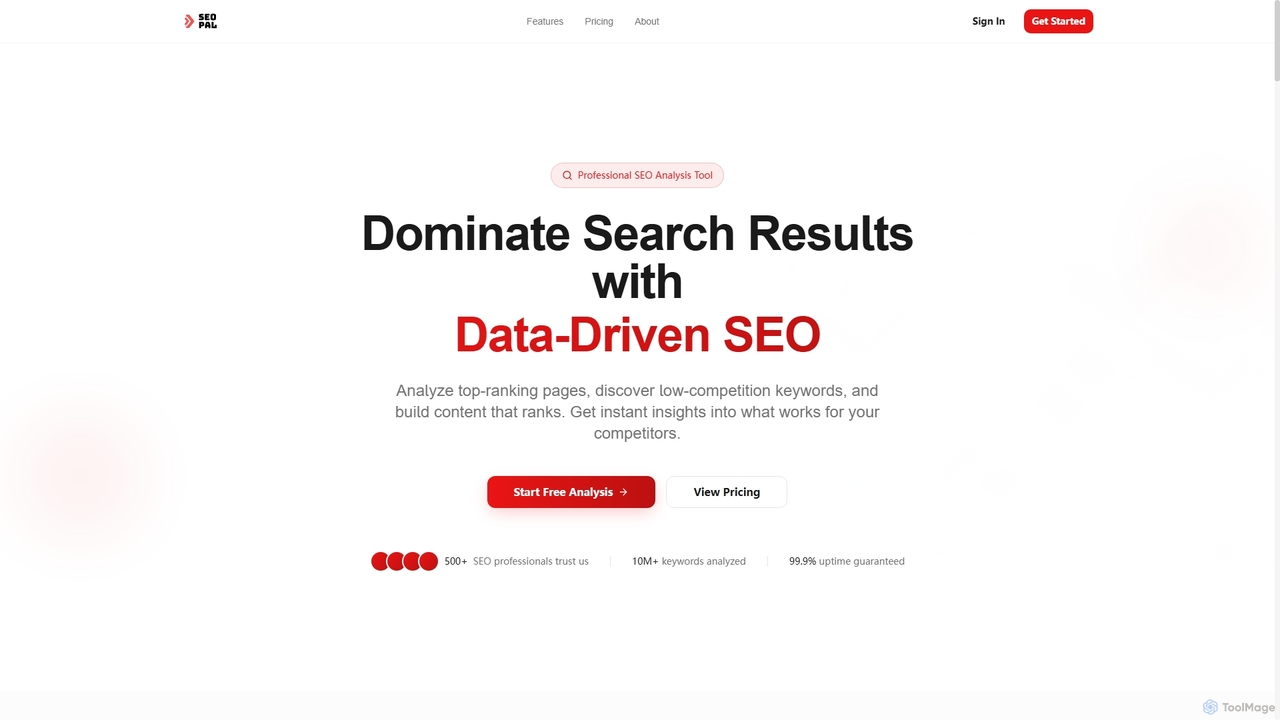
SEOPAL is a professional SEO analysis tool designed to help users dominate search results through data-driven insights. It analyzes top-ranking pages, discovers low-competition keywords, and provides actionable recommendations to build content that ranks higher on Google.

Competitor Analysis
Visits 3.4KFavorites 39Likes 44
Freemium

Alphagrade

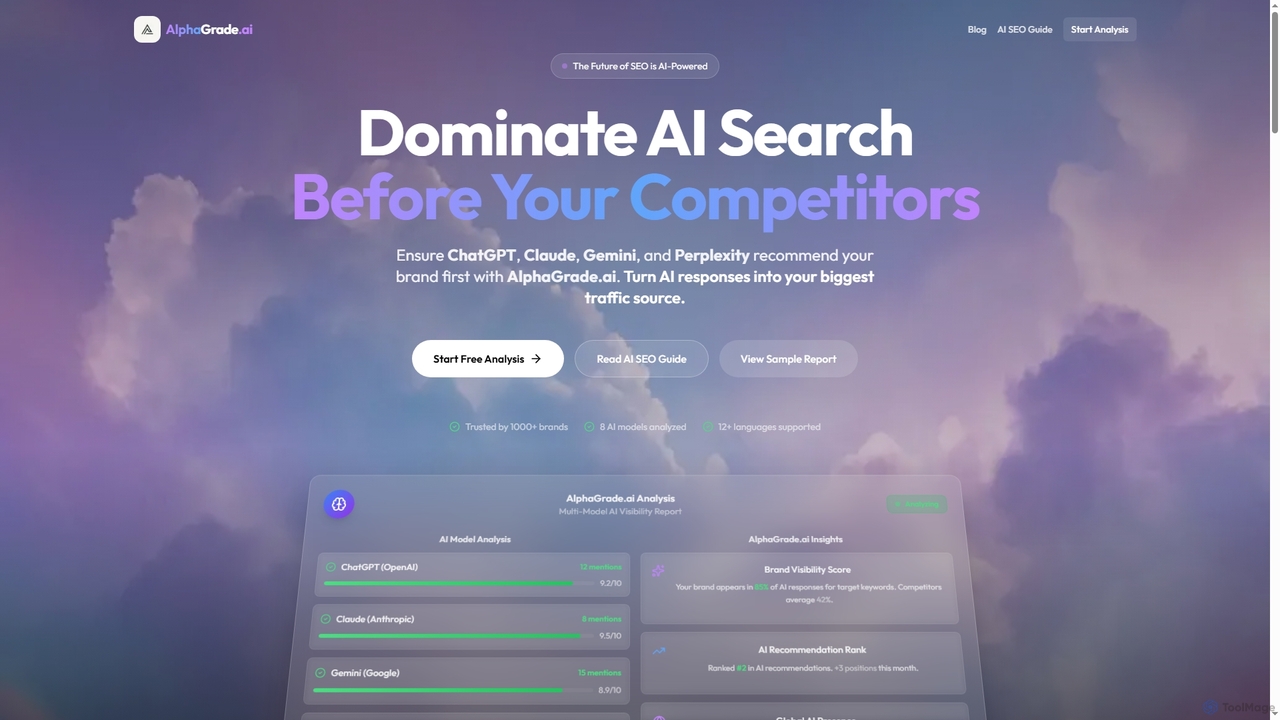
Alphagrade is an AI visibility analytics platform that tracks and optimizes how your brand appears in responses from major AI models like ChatGPT, Claude, and Gemini. It provides competitor intelligence, sentiment analysis, and actionable insights for AI SEO.

Competitor Analysis
Visits 3.5KFavorites 95Likes 84
Paid

Ranksmith

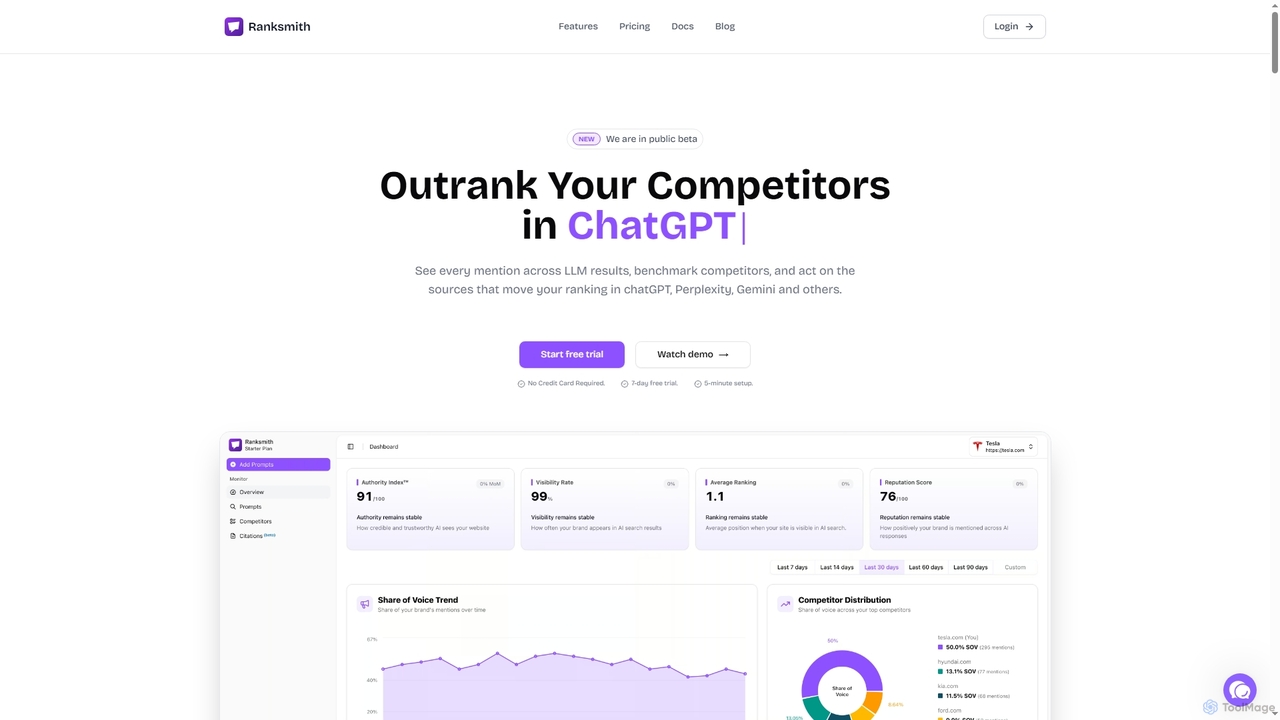
Ranksmith is a Generative Engine Optimization (GEO) platform designed for the AI search era. It helps businesses monitor, analyze, and improve their brand's visibility, position, and sentiment across leading AI search engines like ChatGPT, Perplexity, Gemini, Claude, and Grok, turning LLM results into a measurable growth channel.

Competitor Analysis
Visits 4.1KFavorites 94Likes 104
Freemium

Searchify

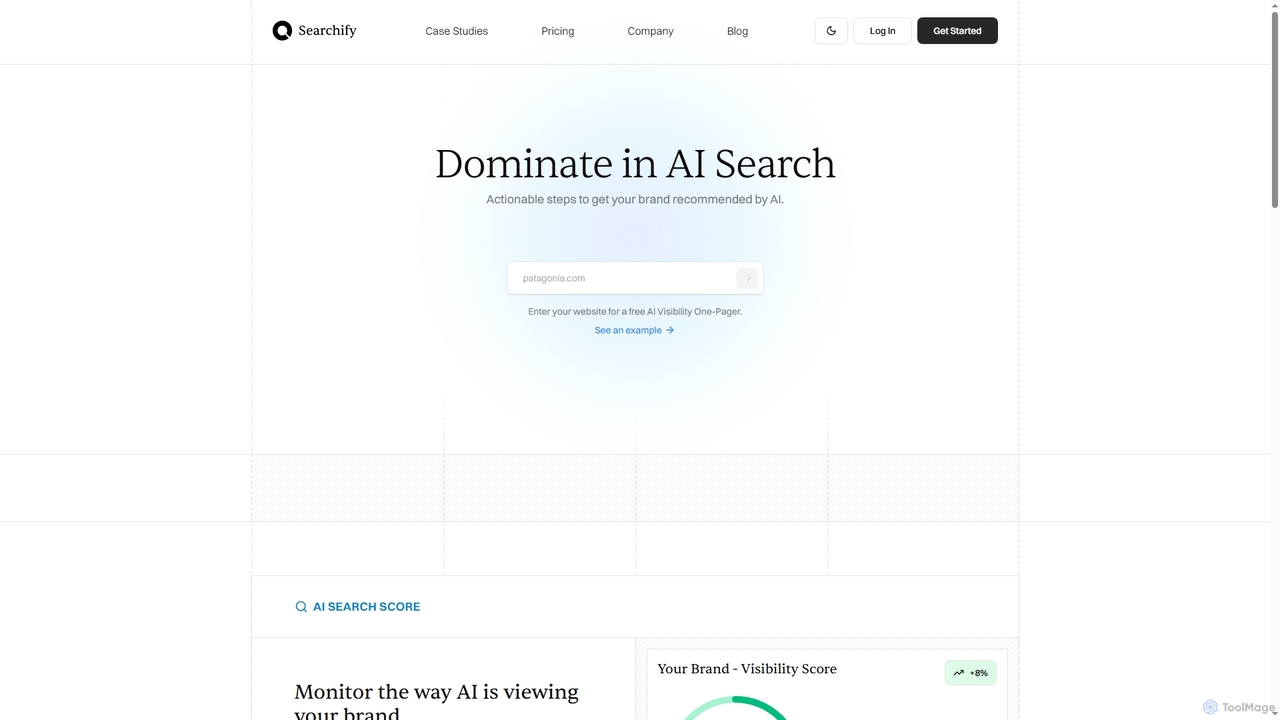
Searchify is an AI visibility platform that helps brands get recommended by major AI search engines like ChatGPT, Google AI Overview, Perplexity, and Claude. It provides actionable insights and tools to optimize content and improve brand presence in generative AI responses.

Competitor Analysis
Visits 4.8KFavorites 150Likes 151
Paid

jarts

jarts is an AI Search Optimization (AEO) platform designed to enhance your business's visibility in AI-generated answers. It helps you track, analyze, and optimize your presence in AI search engines like ChatGPT, Perplexity, and Claude, ensuring potential customers discover your brand.

Competitor Analysis
Visits 3.5KFavorites 120Likes 126
Freemium

Marketcells

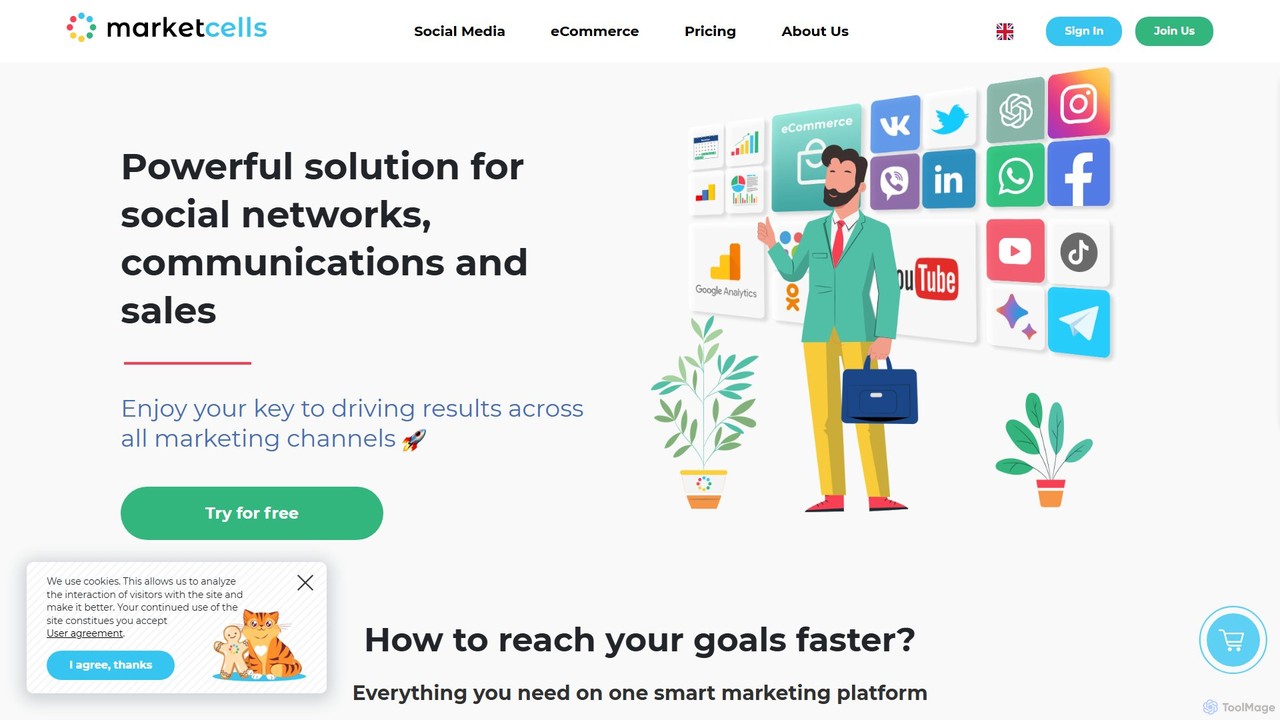
Marketcells is an all-in-one, AI-powered digital marketing platform designed to streamline social media management, analytics, and sales. It provides a unified dashboard for managing multiple channels, scheduling content, analyzing competitor performance, and securing team access, helping businesses to accelerate their growth.

Competitor Analysis
Visits 3.4KFavorites 95Likes 106
Freemium

RadiusRank

RadiusRank is an AI-powered local SEO platform designed to enhance your Google Business Profile (GBP) visibility. It offers a comprehensive suite of tools for rank tracking, listing management, review optimization, and competitor analysis, helping businesses attract more local customers and drive growth. Ideal for single storefronts, agencies, and multi-location brands.

Competitor Analysis
Visits 3.5KFavorites 132Likes 155
Freemium

LLMO Metrics

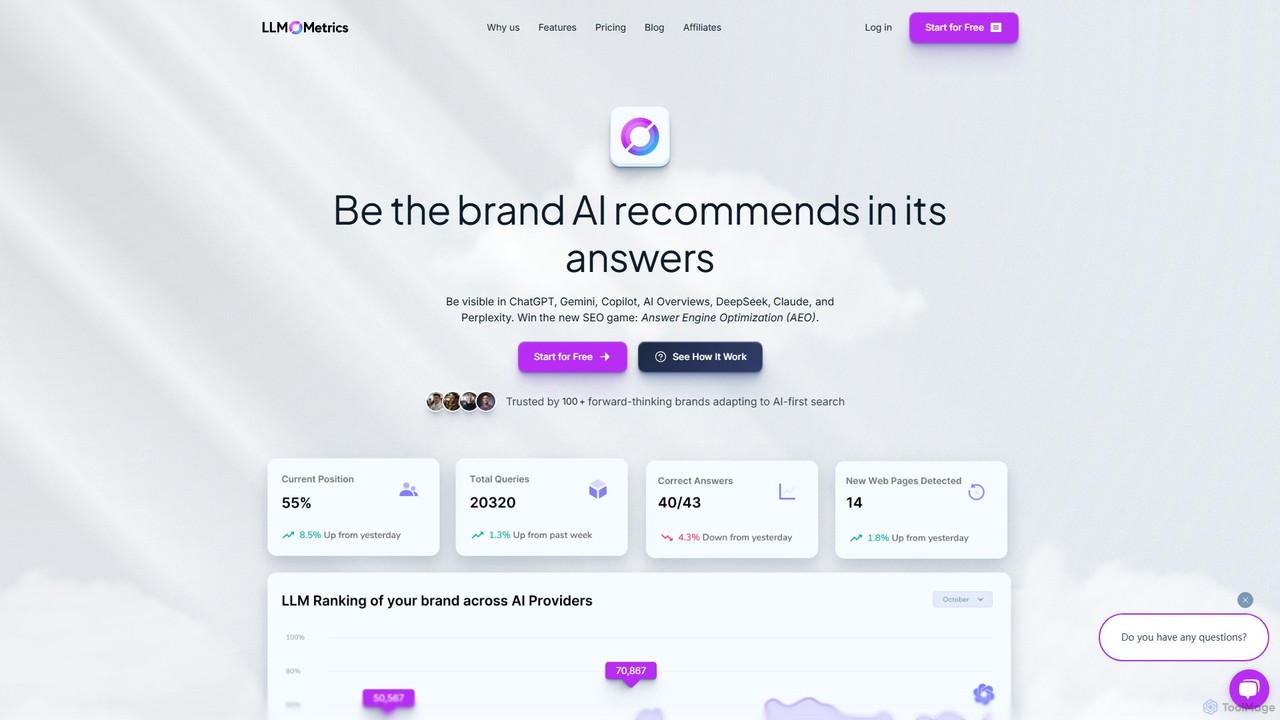
LLMO Metrics is an Answer Engine Optimization (AEO) platform that helps brands track and improve their visibility in AI-generated answers from models like ChatGPT, Gemini, and Copilot. It monitors brand mentions, compares them against competitors, and provides actionable insights to win in the new era of AI-driven search.

Competitor Analysis
Visits 3.3KFavorites 99Likes 104

About Competitor Analysis

AI-powered Competitor Analysis tools are specialized platforms designed to systematically gather, process, and interpret data about market rivals. Leveraging advanced machine learning and natural language processing, these tools automate the monitoring of competitor strategies, product launches, pricing, marketing campaigns, and customer sentiment. They provide businesses with actionable insights to identify market opportunities, mitigate threats, and refine their own strategic positioning within the broader Analytics domain.

Core Features

  • Automated Data Collection: Continuously scrapes and aggregates data from websites, social media, news, and financial reports.
  • Sentiment Analysis: Uses NLP to gauge public perception and customer feedback regarding competitors' products and services.
  • Strategic Trend Identification: Identifies emerging market trends and shifts in competitor focus through pattern recognition.
  • Predictive Analytics: Forecasts potential competitor moves, such as new product releases or pricing adjustments.
  • Performance Benchmarking: Compares key performance indicators (KPIs) like traffic, engagement, and market share against rivals.

Use Cases

These tools are crucial for strategic planning, marketing optimization, and product development. They help businesses understand their competitive landscape, identify strengths and weaknesses of rivals, and uncover untapped market segments. From monitoring competitor ad spend to analyzing their SEO strategies, these tools provide a comprehensive view for informed decision-making.

How to Choose

When selecting an AI Competitor Analysis tool, consider the breadth and depth of data sources it covers, the accuracy and granularity of its insights, and its integration capabilities with existing marketing or business intelligence platforms. Evaluate its real-time monitoring features, customization options for reporting, and the clarity of its user interface to ensure it aligns with your specific analytical needs and team's technical proficiency.

Featured tool rankings

Competitor Analysis use cases

1

Monitoring Competitor Marketing Campaigns

Marketing managers utilize AI competitor analysis tools to track and analyze rivals' advertising spend, content strategies, and social media engagement across various platforms. This helps in identifying successful campaigns, understanding messaging tactics, and uncovering new channels, enabling the adjustment of their own marketing efforts for better reach and conversion.

2

Identifying Market Gaps and Opportunities

Product development teams and strategists employ these tools to analyze competitor product portfolios, pricing models, and customer reviews. By identifying unmet customer needs or underserved market segments that competitors are not addressing, businesses can pinpoint lucrative market gaps and develop innovative products or services to fill them.

3

Benchmarking Business Performance

Business leaders and analysts use AI tools to compare their company's key performance indicators (KPIs) such as website traffic, market share, customer acquisition costs, and brand sentiment against industry leaders and direct competitors. This provides a clear understanding of their relative standing and areas requiring improvement to maintain a competitive edge.

4

Predicting Competitor Strategic Moves

Strategic planners leverage AI's predictive capabilities to forecast potential actions of competitors, such as upcoming product launches, pricing changes, or market entry into new regions. By analyzing historical data and current trends, these tools offer early warnings, allowing businesses to proactively prepare counter-strategies and minimize competitive disruption.

5

Optimizing SEO and Content Strategies

Digital marketing specialists use AI competitor analysis to uncover rivals' top-performing keywords, backlink profiles, content topics, and search engine advertising strategies. This insight helps in identifying content gaps, optimizing their own SEO efforts, and creating more effective content that ranks higher and attracts target audiences.

6

Understanding Competitor Customer Sentiment

Customer experience and brand management teams deploy these tools to analyze public sentiment towards competitors' products and services from reviews, social media, and forums. By understanding what customers love or dislike about rivals, businesses can refine their own offerings, improve customer satisfaction, and differentiate their brand effectively.

Competitor Analysis FAQ

What are AI Competitor Analysis tools?

AI Competitor Analysis tools are advanced software solutions that use artificial intelligence, including machine learning and natural language processing, to automate the process of gathering, analyzing, and interpreting data about market competitors. They provide deep insights into competitor strategies, market positioning, and performance, helping businesses make data-driven decisions.

How do AI Competitor Analysis tools differ from traditional methods?

Unlike traditional manual methods or basic spreadsheet analysis, AI tools offer automated, real-time data collection from vast sources, perform sophisticated sentiment analysis, and provide predictive insights. They can process massive datasets quickly, identify complex patterns, and generate actionable reports, significantly reducing human effort and increasing accuracy and speed.

What types of data do AI Competitor Analysis tools analyze?

These tools analyze a wide range of data, including competitor websites, social media profiles, news articles, press releases, financial reports, customer reviews, product listings, advertising campaigns, and SEO data (keywords, backlinks). Some advanced tools also integrate with market research databases and proprietary data sources for a more comprehensive view.

Who benefits most from using AI Competitor Analysis tools?

Businesses of all sizes, particularly those in competitive markets, benefit significantly. This includes marketing teams for campaign optimization, product development teams for identifying market gaps, sales teams for competitive selling, and executive leadership for strategic planning. Startups can also leverage them to understand their niche and position themselves effectively.

How to choose the right AI Competitor Analysis tool for my business?

Consider your specific needs: the types of competitors you track, the depth of insights required (e.g., marketing, product, financial), and your budget. Look for tools with comprehensive data sources, strong analytical capabilities (sentiment, predictive), customizable reporting, ease of integration with your existing tech stack, and a user-friendly interface. A free trial can help assess suitability.