Analytics Best in category 8 results A AI Tool

Popular AI tools in the A field of Analytics include Statsig、Evolv AI、CustomFit.ai、nowdialogue、Convincely、CroPilot、newmode.ai、revmore, etc., helping you quickly improve efficiency.

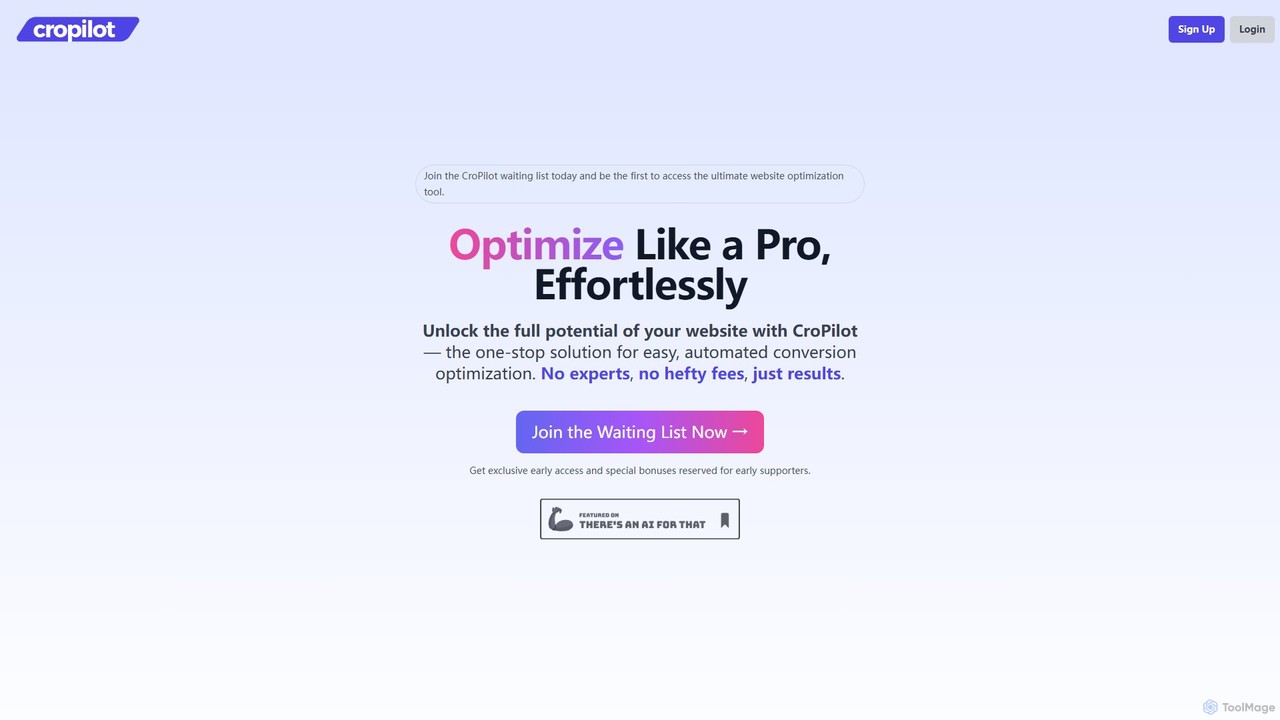
CroPilot

CroPilot

CroPilot is an AI-powered platform designed for effortless content optimization and A/B testing. It helps businesses of all …

4.4K
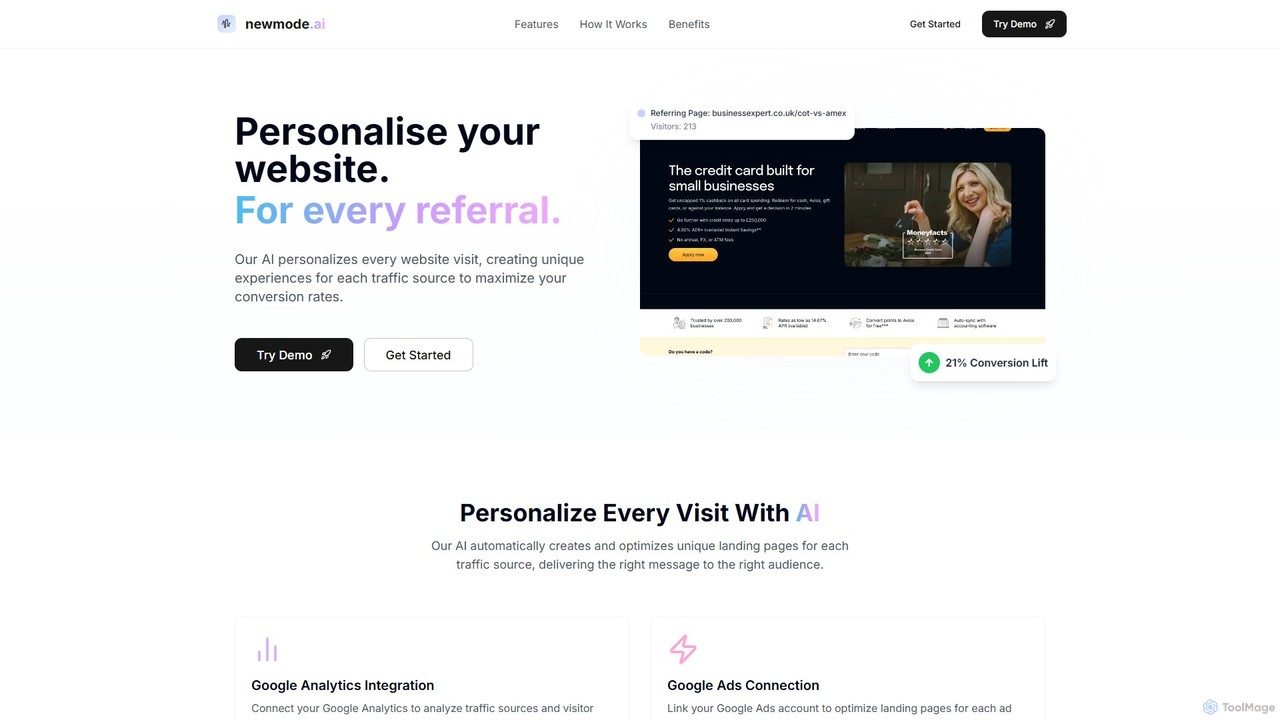
newmode.ai

newmode.ai

newmode.ai is an AI-powered platform that automatically personalizes website landing pages for every visitor. By analyzing traffic sources …

3.5K
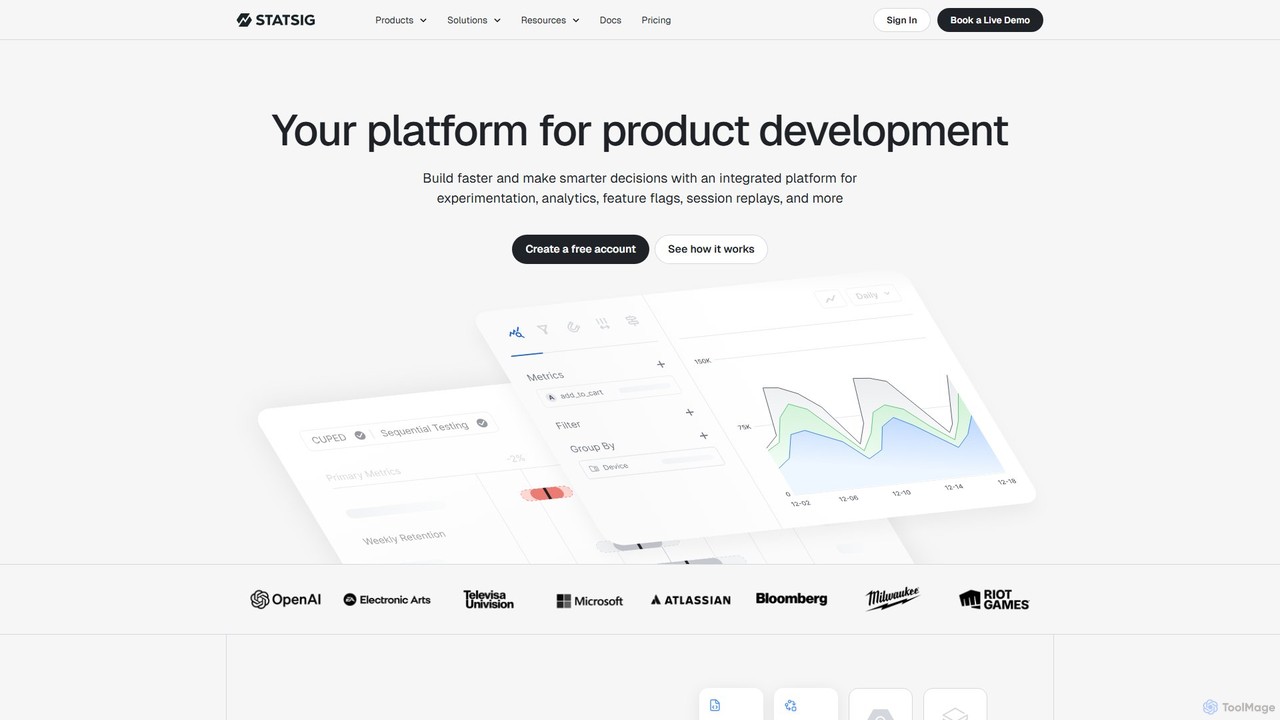
Statsig

Statsig

Statsig is a comprehensive product development platform that integrates experimentation (A/B testing), feature flags, product analytics, and session …

388.2K
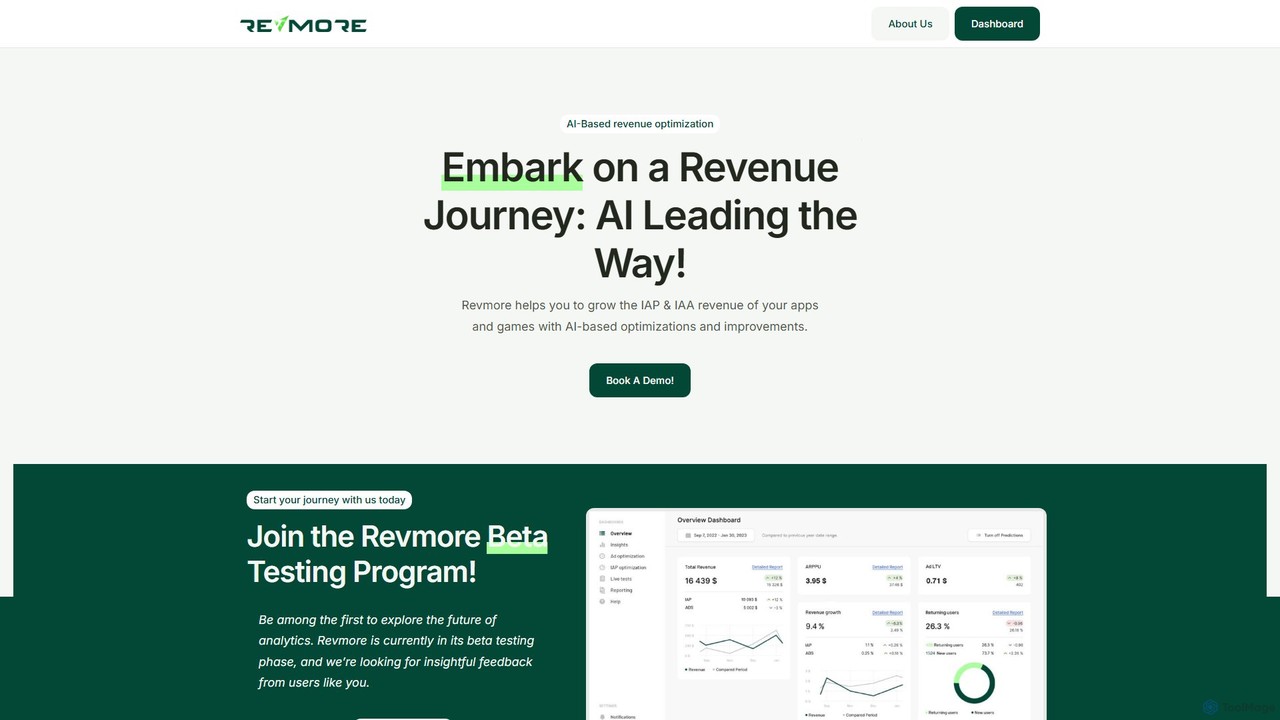
revmore

revmore

Revmore is an AI-powered platform designed for app and game developers to optimize revenue. It leverages AI-based A/B …

3.5K
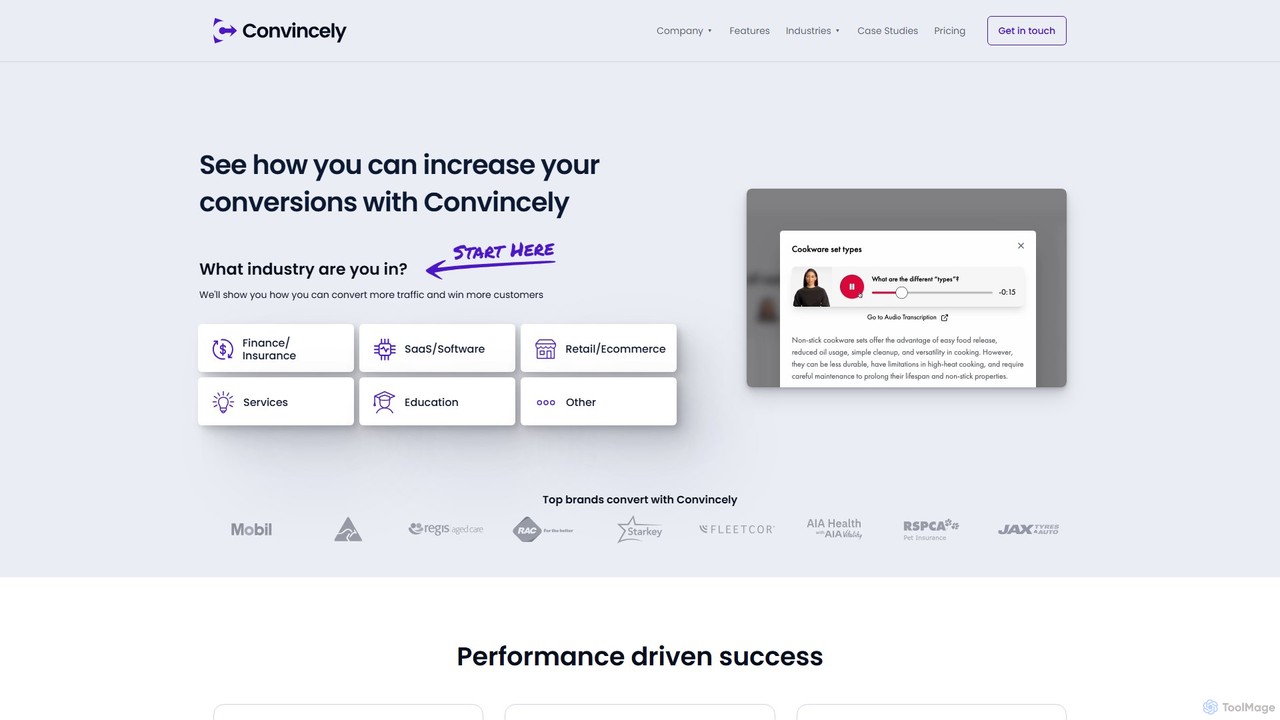
Convincely

Convincely

Convincely is an AI-powered Conversion Rate Optimization (CRO) platform that creates personalized, plug-in sales funnels. It combines advanced …

4.6K
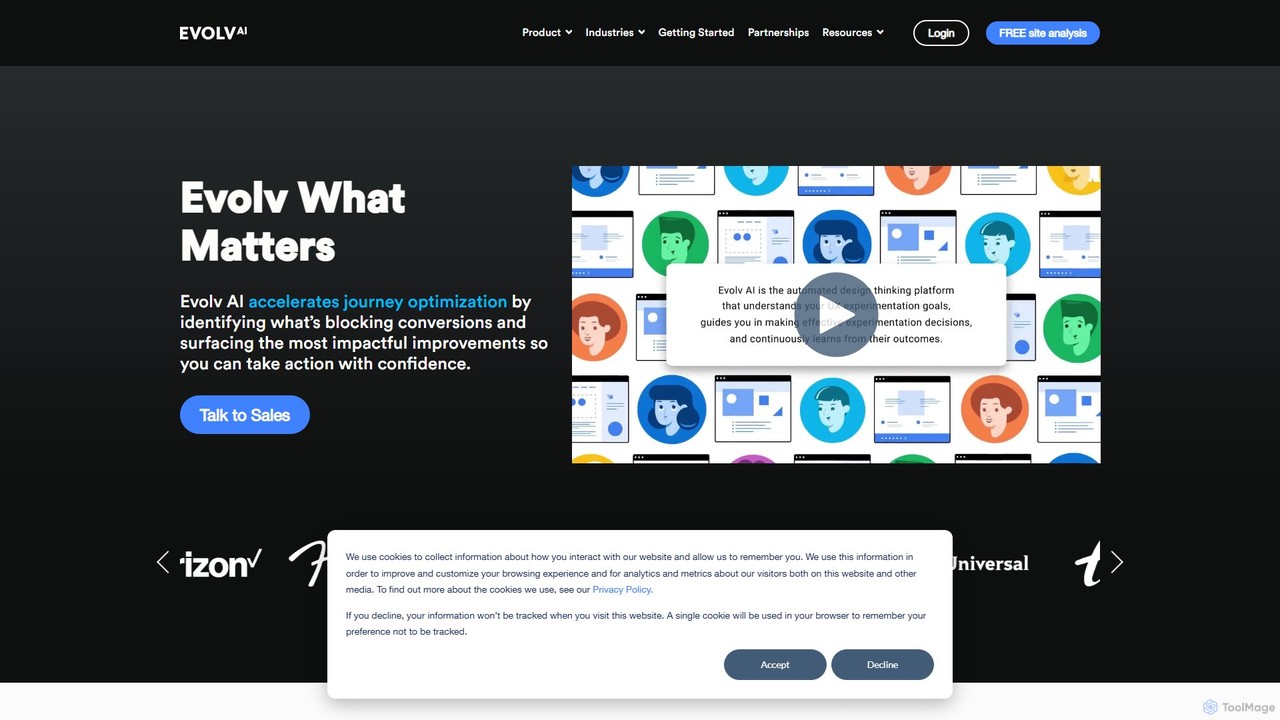
Evolv AI

Evolv AI

Evolv AI is an AI-led experience optimization platform that accelerates digital growth. It uses machine learning and active …

9.5K
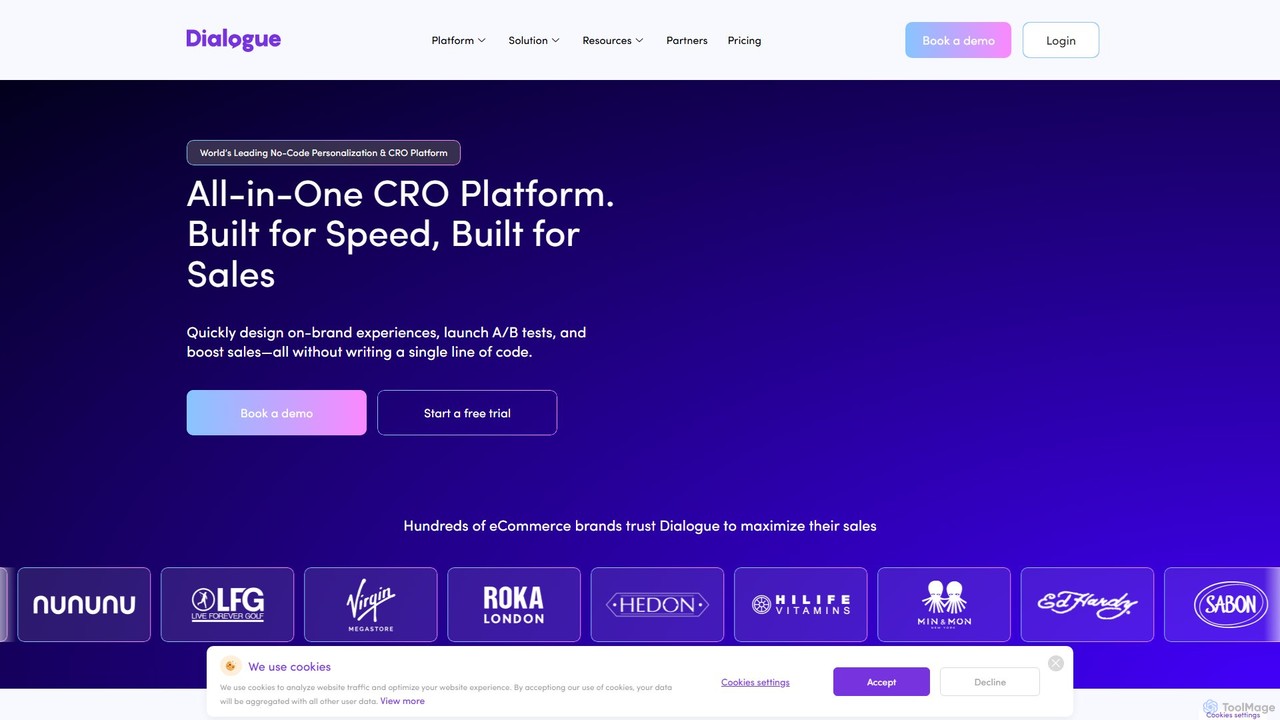
nowdialogue

nowdialogue

nowdialogue is an AI-powered personalization and Conversion Rate Optimization (CRO) platform. It enables businesses to deliver tailored user …

5.2K
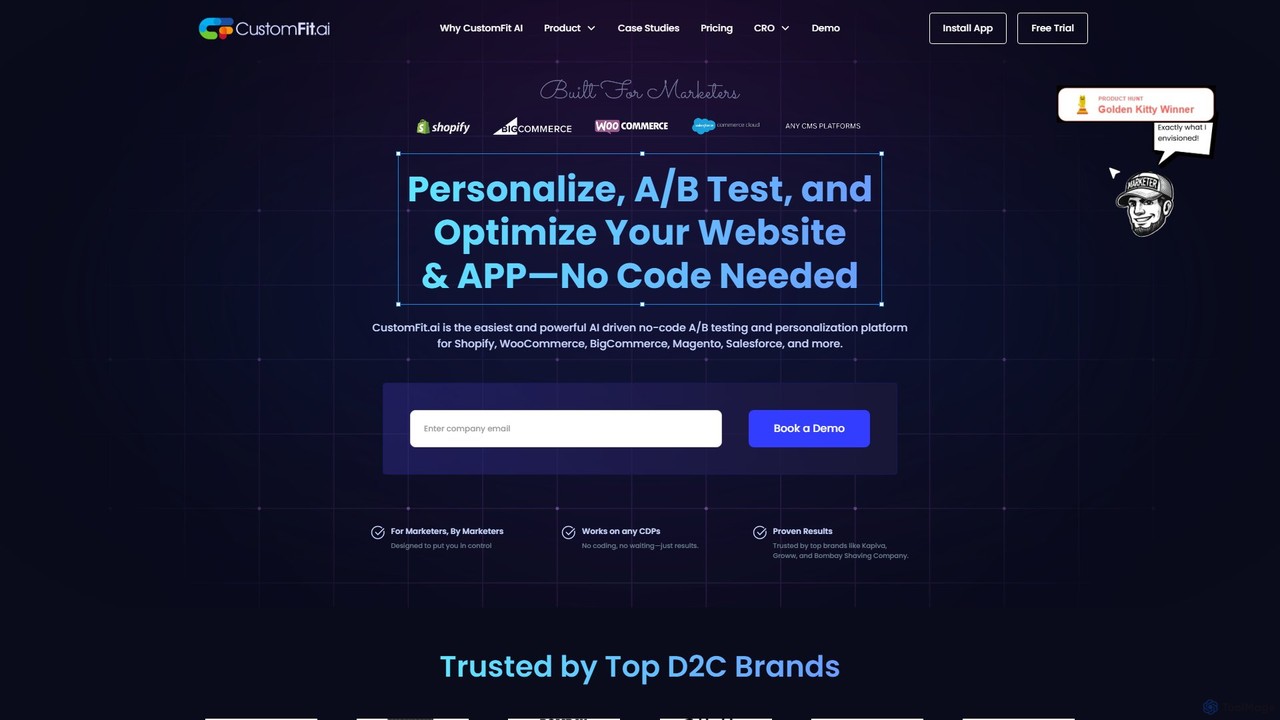
CustomFit.ai

CustomFit.ai

CustomFit.ai is an AI-driven, no-code platform for A/B testing, website personalization, and conversion rate optimization (CRO). Designed for …

9.2K

About A

A tools are a specialized category of analytics software that use predictive algorithms and machine learning to actively optimize processes, rather than just report on past performance. These tools go beyond traditional data analysis by dynamically allocating resources or traffic to the best-performing variations in real-time. Their primary value lies in accelerating optimization cycles and uncovering complex user behavior patterns automatically. This enables businesses to make faster, data-driven decisions to improve key metrics like conversion rates and user engagement.

Core Features

  • Predictive Optimization: Automatically identifies and favors variations that are predicted to perform best for specific user segments.
  • Dynamic Resource Allocation: Uses algorithms like multi-armed bandits to shift traffic or resources towards winning options during a test.
  • Automated Hypothesis Generation: Suggests new ideas for testing based on analysis of existing data and user behavior.
  • Advanced Segmentation: Discovers and targets micro-segments of users with personalized experiences without manual configuration.

Use Cases

A tools are frequently used by e-commerce companies to optimize checkout funnels, SaaS businesses to personalize user onboarding, and digital marketing agencies to enhance landing page performance. They are ideal for any scenario requiring continuous testing and optimization where speed and automation provide a competitive advantage, such as pricing strategy tests or ad creative optimization.

How to Choose

When selecting an A tool, consider its integration capabilities with your existing tech stack (e.g., CRM, analytics platforms). Evaluate the sophistication of its underlying algorithms and its ability to handle complex multivariate tests. Also, assess the clarity of its reporting dashboard and whether its pricing model aligns with your traffic volume and business scale. Finally, consider the level of technical expertise required to operate the tool effectively.

AUse Cases

1

Optimizing E-commerce Checkout Funnels

An e-commerce manager for an online fashion retailer needs to reduce cart abandonment rates. Using an A tool, they test multiple variations of the checkout page simultaneously, including button text, layout, and payment options. The tool's algorithm automatically allocates more traffic to the variations that lead to higher completion rates in real-time. Within a week, it identifies a combination that increases conversions by 12%, a result that would have taken over a month with traditional A/B testing methods.

2

Personalizing SaaS User Onboarding

A product manager at a SaaS company wants to improve user activation rates. They use an A tool to test different onboarding flows based on user roles (e.g., admin, user, manager) identified during signup. The tool's predictive segmentation feature automatically identifies which flow works best for each role and begins serving it to new users. This automated personalization leads to a 20% increase in users completing key activation steps within their first session, significantly improving long-term retention.

3

Automating Landing Page Headline Tests

A digital marketing agency runs campaigns for multiple clients and needs to quickly find winning ad copy. They use an A tool's automated hypothesis generation feature. After inputting a few initial headline ideas for a landing page, the tool suggests several new variations based on semantic analysis. It then runs a multivariate test on all headlines simultaneously, using a multi-armed bandit algorithm to quickly find the top performer. This process reduces the time to optimize a landing page from weeks to days, allowing the agency to deliver results faster.

4

Dynamic Pricing Strategy Testing

A subscription-based media company wants to test a new pricing structure without risking a drop in revenue. They implement three different pricing models and use an A tool to manage the test. Instead of splitting traffic evenly, the tool's algorithm monitors sign-ups and lifetime value predictions in real-time. It dynamically allocates a larger share of traffic to the pricing model that demonstrates the highest potential revenue, minimizing risk while still gathering data on all options. This allows the company to confidently roll out the optimal pricing structure in half the time of a traditional test.

5

Optimizing In-App Feature Discovery

A mobile app developer wants to increase the adoption of a new premium feature. They use an A tool to test different in-app messages and call-to-action placements. The tool's advanced segmentation capabilities identify that users who have previously used a related free feature are more likely to convert. It automatically starts showing a more aggressive promotion to this specific micro-segment, while showing a softer message to others. This targeted approach results in a 30% uplift in feature adoption without causing annoyance to the general user base.

6

Improving Email Marketing Campaign Performance

A marketing operations specialist is tasked with improving open and click-through rates for a weekly newsletter. They integrate an A tool with their email marketing platform. For each campaign, they provide five subject line variations and three call-to-action button designs. The tool sends the variations to a small sample of the audience, predicts the winning combination within the first hour, and then automatically sends the optimized version to the rest of the subscriber list. This automated process consistently lifts engagement rates by 5-10% for every send.

AFrequently Asked Questions