ToolMage
Sign in

Best 8 B Testing AI tools for Analytics

Popular B Testing AI tools in Analytics include Statsig, CustomFit.ai, Evolv AI, nowdialogue, CroPilot, Convincely, newmode.ai, and revmore, helping you work more efficiently.

CroPilot
Freemium

CroPilot

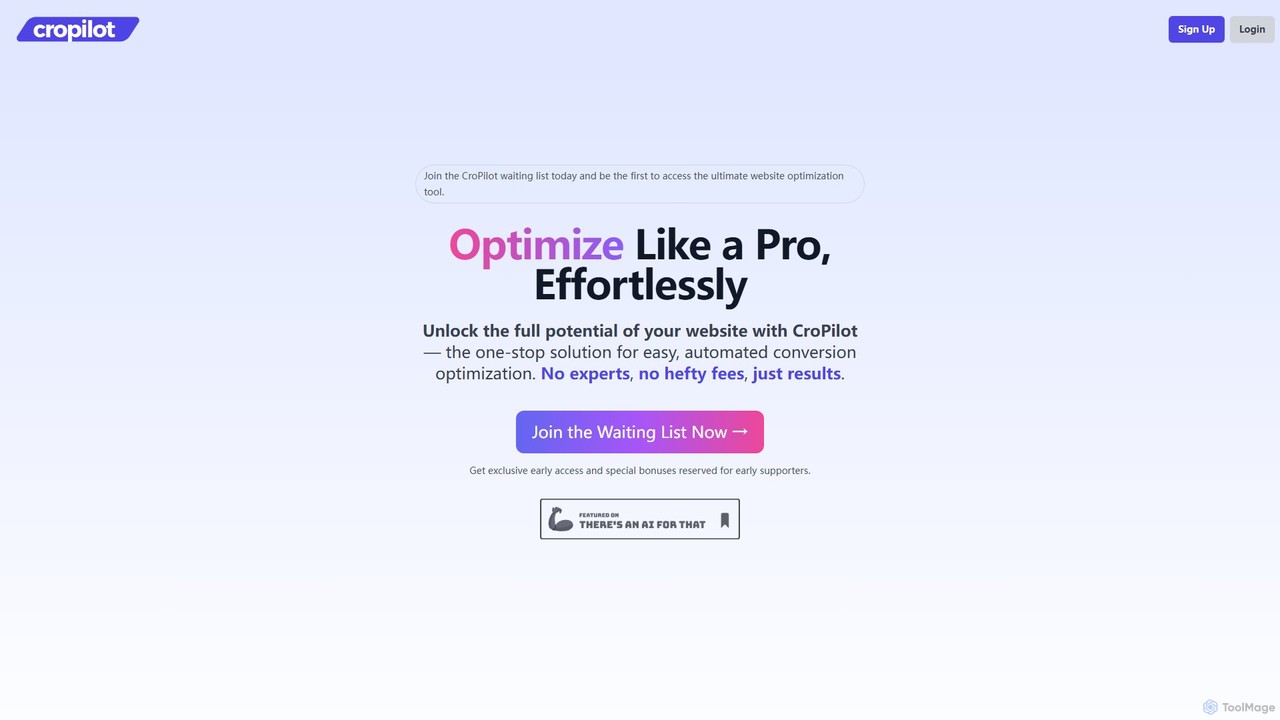
CroPilot is an AI-powered platform designed for effortless content optimization and A/B testing. It helps businesses of all sizes improve website conversion rates by providing AI-driven suggestions, heatmaps, and performance analytics without requiring any coding or technical skills.

B Testing
Visits 5KFavorites 107Likes 115
newmode.ai
Paid

newmode.ai

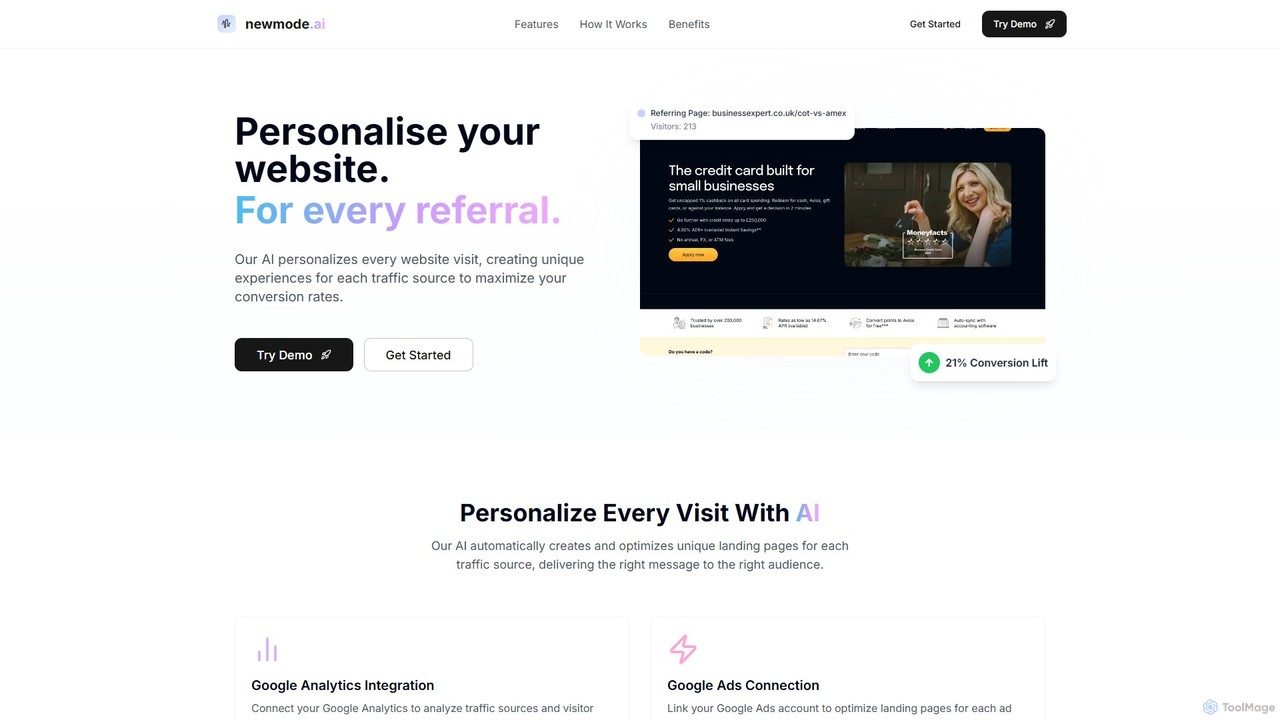
newmode.ai is an AI-powered platform that automatically personalizes website landing pages for every visitor. By analyzing traffic sources like Google Ads and referrals, it dynamically creates and optimizes unique page experiences to significantly boost conversion rates without manual A/B testing.

B Testing
Visits 3.5KFavorites 112Likes 110
Statsig
Freemium

Statsig

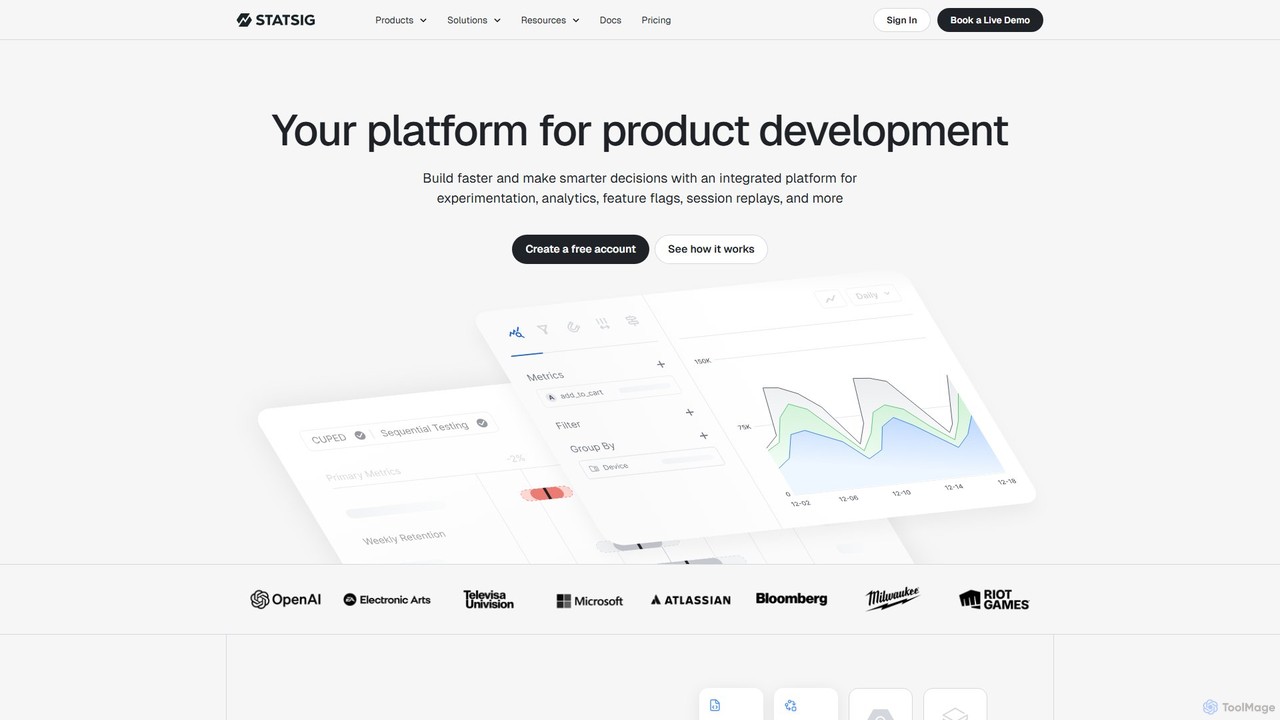
Statsig is a comprehensive product development platform that integrates experimentation (A/B testing), feature flags, product analytics, and session replays. It empowers teams to build faster, ship smarter, and make data-driven decisions with a scalable, all-in-one solution trusted by companies like OpenAI and Notion.

B Testing
Visits 429.3KFavorites 103Likes 105
revmore
Paid

revmore

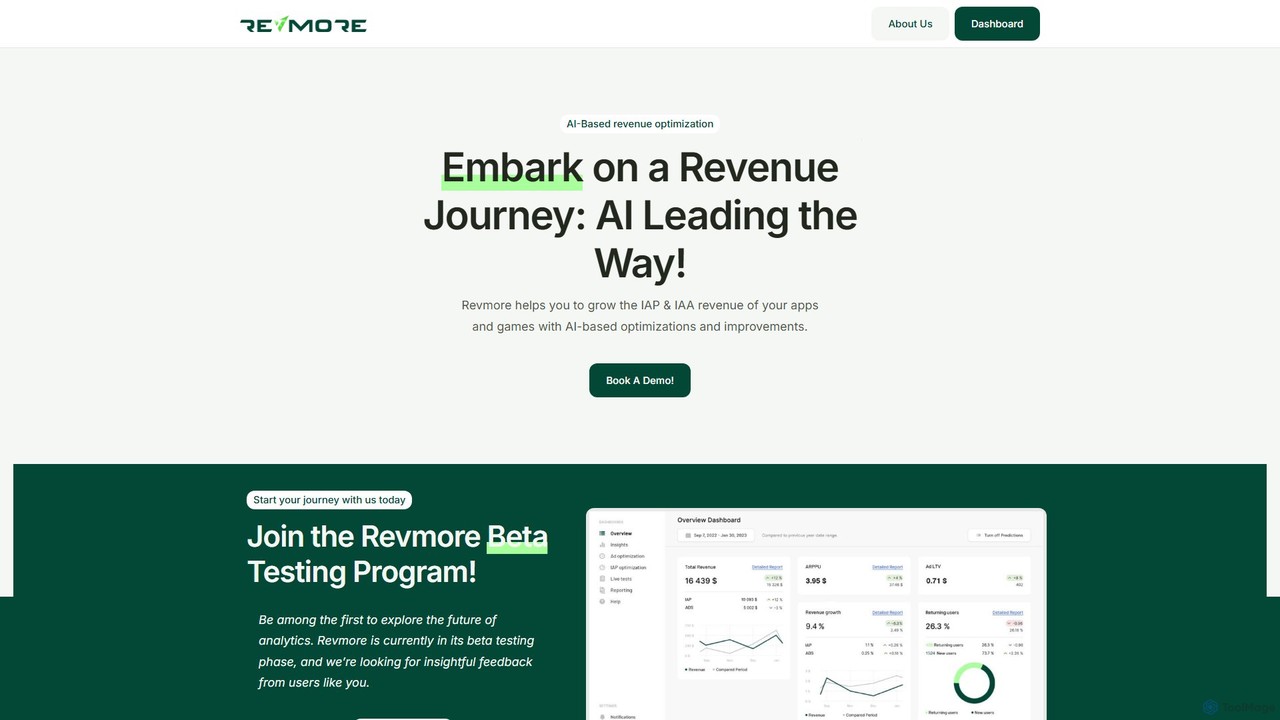
Revmore is an AI-powered platform designed for app and game developers to optimize revenue. It leverages AI-based A/B testing and analytics to increase both In-App Purchase (IAP) and In-App Advertising (IAA) income. By providing data-driven insights and automating monetization strategies, Revmore helps developers maximize profitability and enhance user value without extensive manual effort.

B Testing
Visits 3.4KFavorites 114Likes 107
Convincely
Paid

Convincely

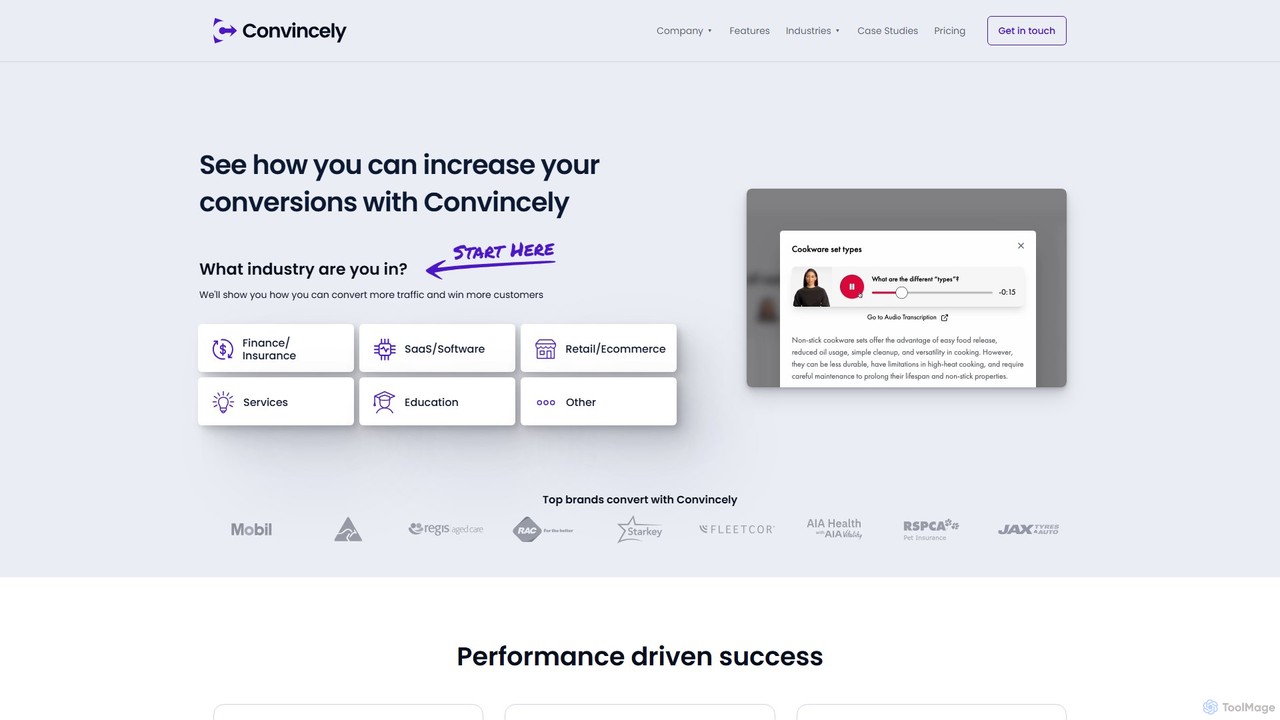
Convincely is an AI-powered Conversion Rate Optimization (CRO) platform that creates personalized, plug-in sales funnels. It combines advanced SaaS technology with a 'done-for-you' service, helping enterprises increase leads, sales, and customer loyalty through data-driven, individually tailored customer journeys without heavy development effort.

B Testing
Visits 4.3KFavorites 118Likes 125
Evolv AI
Freemium

Evolv AI

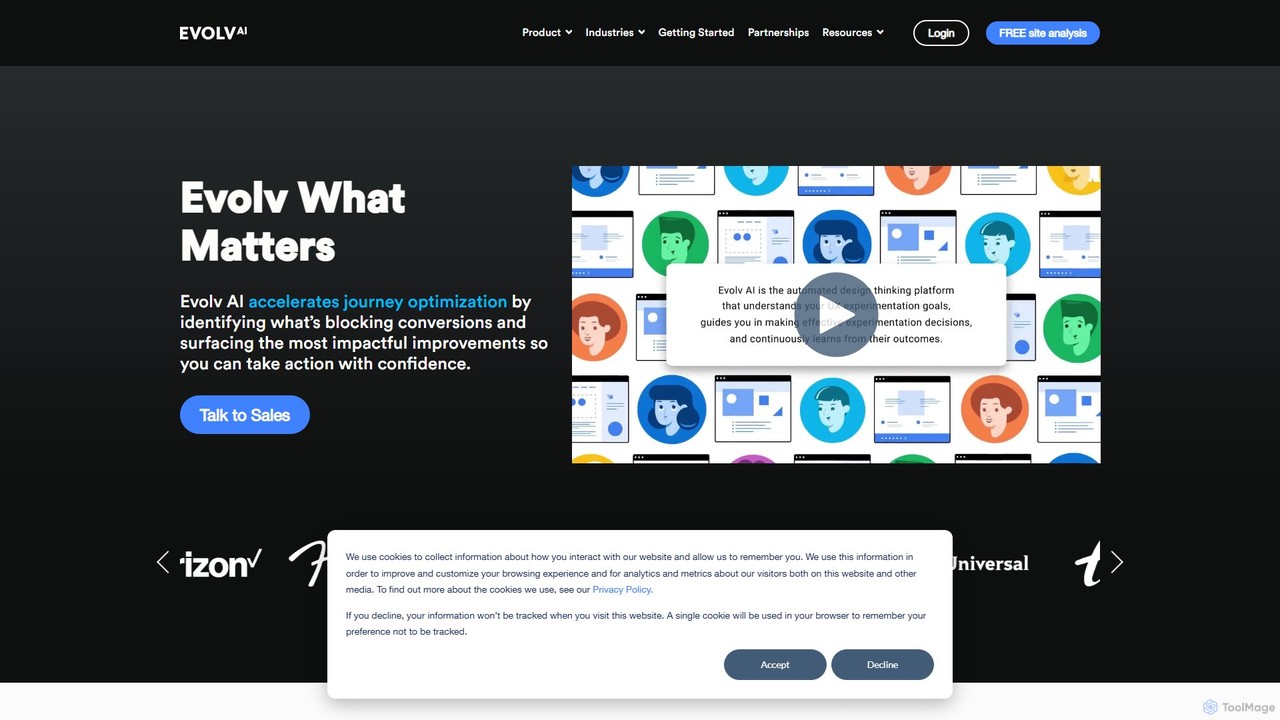
Evolv AI is an AI-led experience optimization platform that accelerates digital growth. It uses machine learning and active learning to automatically identify conversion blockers, generate high-impact UX improvements, and deploy real-time personalization. By moving beyond traditional A/B testing, Evolv AI helps businesses scale their optimization efforts, adapt to user behavior instantly, and confidently improve customer journeys to maximize revenue and engagement.

B Testing
Visits 10.7KFavorites 112Likes 113
nowdialogue
Paid

nowdialogue

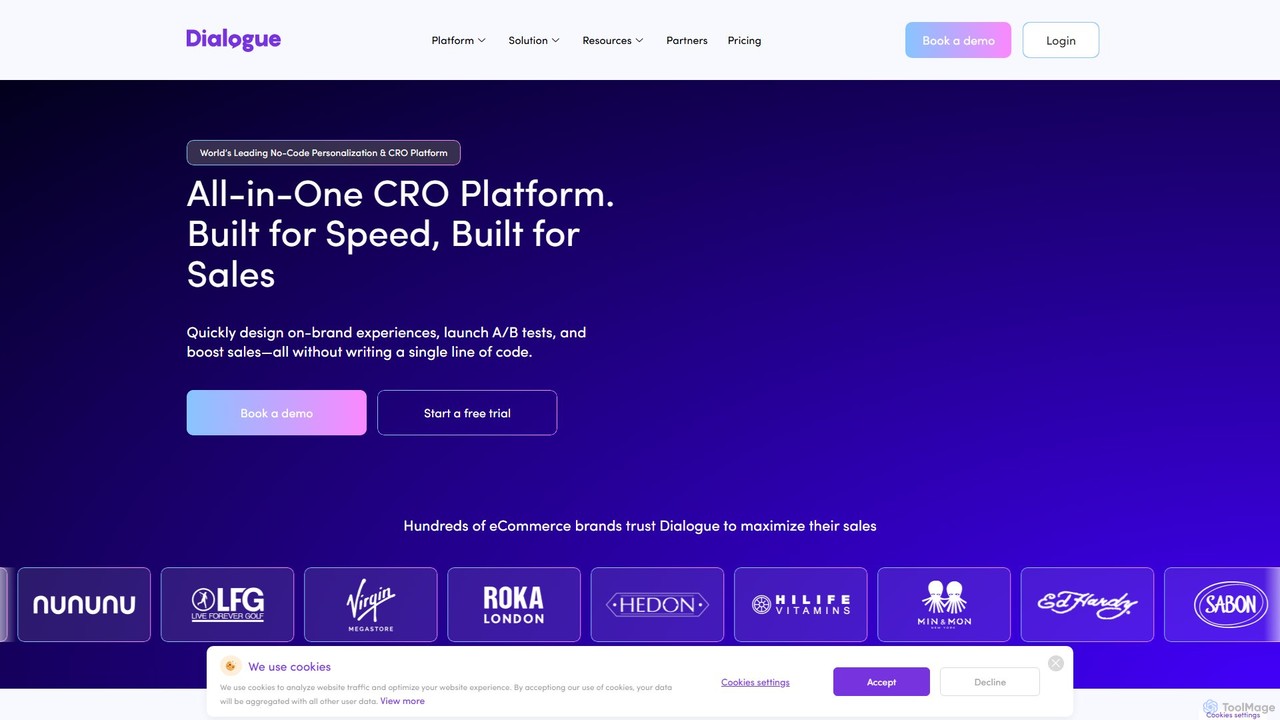
nowdialogue is an AI-powered personalization and Conversion Rate Optimization (CRO) platform. It enables businesses to deliver tailored user experiences, run A/B tests, and deploy targeted messages to increase engagement, conversions, and revenue. Ideal for e-commerce, SaaS, and marketing teams.

B Testing
Visits 5.1KFavorites 129Likes 136
CustomFit.ai
Freemium

CustomFit.ai

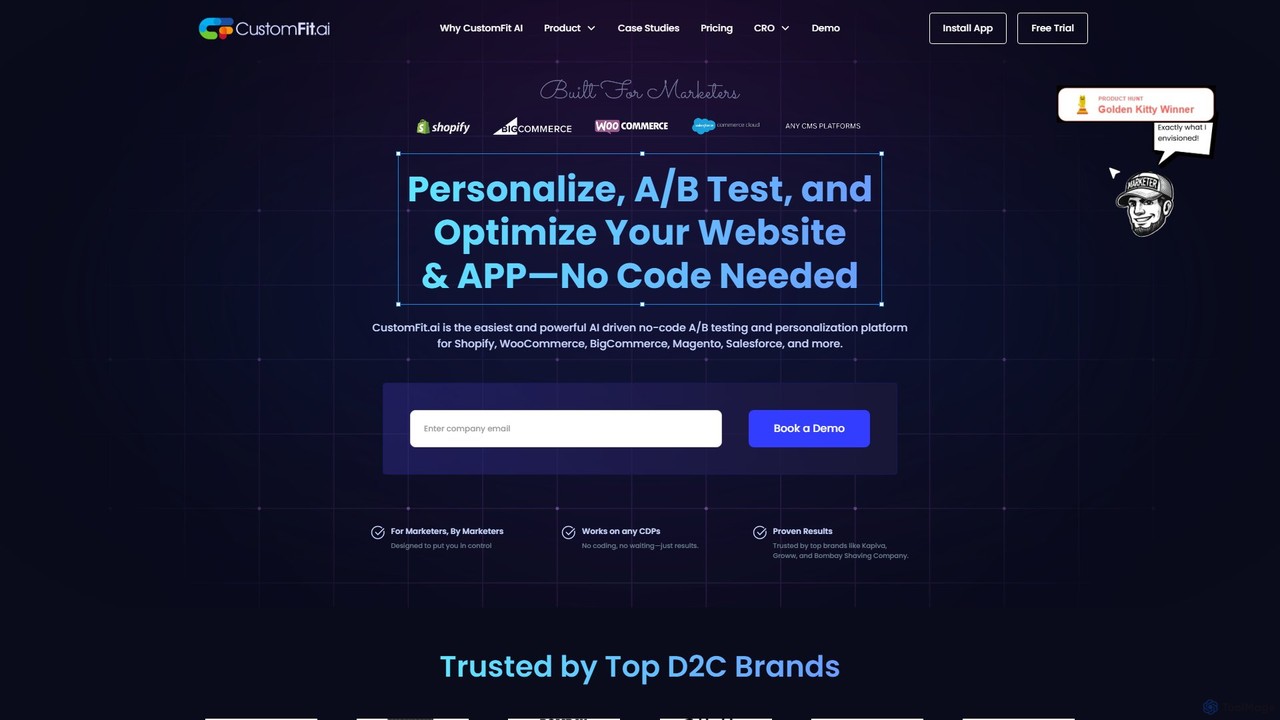
CustomFit.ai is an AI-driven, no-code platform for A/B testing, website personalization, and conversion rate optimization (CRO). Designed for marketers, it allows for easy modification of website content, hyper-targeted campaigns, and real-time performance tracking to boost engagement and sales on platforms like Shopify, WooCommerce, and more.

B Testing
Visits 12.9KFavorites 146Likes 143

About B Testing

B Testing tools are a class of AI-driven software for comparing a challenger version ('B') of a digital asset against the current control version ('A'). These platforms leverage machine learning and statistical algorithms to automate the creation of variations, manage traffic distribution, and analyze results to identify which version better achieves a specific goal. The primary value of AI-powered B Testing is to accelerate the optimization cycle, enabling businesses to make data-backed decisions that improve user experience and conversion rates. This approach often incorporates dynamic traffic allocation and predictive analytics for faster, more reliable results.

Core Features

  • AI Variation Generation: Automatically creates alternative headlines, copy, images, and layouts to test against the control.
  • Statistical Significance Engine: Employs advanced statistical models to determine a winning version with high confidence and often in less time.
  • Dynamic Traffic Allocation: Intelligently shifts more user traffic to the better-performing variation during the test to maximize conversions.
  • Segmentation and Personalization: Allows tests to be targeted at specific user segments (e.g., new vs. returning visitors) for more granular insights.

Use Cases

B Testing tools are essential for digital marketers, product managers, and UX/UI designers. They are commonly used to optimize website landing pages, e-commerce product pages, email marketing campaigns, and mobile app interfaces. For instance, a marketer can test a new call-to-action button, or a product team can validate a new feature's design before a full rollout.

How to Choose

When selecting a B Testing tool, consider its integration capabilities with your existing analytics, CMS, and marketing platforms. Evaluate the sophistication of its statistical engine and AI features. Also, assess the user interface's ease of use for both technical and non-technical team members, and ensure its pricing model aligns with your website traffic and testing frequency.

Featured tool rankings

B Testing use cases

1

Optimize E-commerce Conversion Funnels

An e-commerce manager wants to reduce cart abandonment. They use an AI B Testing tool to test the existing multi-page checkout process (Version A) against a new, AI-designed single-page checkout (Version B). The tool automatically allocates traffic between the two versions and monitors completion rates. After reaching statistical significance, the data shows Version B increases completed purchases by 12%, providing clear evidence to permanently switch to the new design and boost revenue.

2

Improve SaaS Lead Generation with AI Headlines

A marketing team for a SaaS company needs to increase free trial sign-ups from their homepage. Using a B Testing tool with AI generation, they create five distinct headline and sub-headline combinations (Versions B1-B5) based on top-performing industry keywords. The tool tests these against the original headline (Version A). The platform's dynamic traffic allocation feature automatically sends more visitors to the variations that show higher engagement, ultimately identifying a new headline that lifts the sign-up rate by 22%.

3

Enhance Email Campaign Open and Click Rates

An email marketer aims to improve the performance of their weekly newsletter. They test their standard subject line format (Version A) against an AI-generated subject line that incorporates personalization and urgency (Version B). The test is run on a small segment of their subscriber list. The tool measures open rates and click-through rates for both versions, revealing that Version B's personalized approach results in a 40% higher open rate, informing the strategy for all future campaigns.

4

Test New App Features Before Full Rollout

A mobile app's product team has developed a new onboarding flow (Version B) designed to improve user retention. Instead of releasing it to all users, they use a B Testing tool to release it to 15% of new users, while the remaining 85% see the old flow (Version A). The tool tracks key metrics like tutorial completion, feature adoption, and day-7 retention. This controlled test allows the team to validate the new flow's effectiveness and fix any issues before a full, high-risk launch.

5

Personalize Website Content for User Segments

A content strategist for an online publication wants to increase subscriber conversions. They hypothesize that different messaging appeals to visitors from organic search versus social media. They set up a B test where visitors from search engines see a data-driven, analytical call-to-action (Version A), while visitors from social media see a community-focused, benefit-driven CTA (Version B). The tool tracks sign-ups from each segment, confirming that personalized messaging increases conversions by 18% overall.

6

Optimize Pricing Page Layout for Clarity

A UX designer is tasked with redesigning a complex pricing page to reduce user confusion and increase plan selection. They create a simplified, visually-driven layout (Version B) to test against the current text-heavy table (Version A). The B Testing tool uses heatmaps and session recordings in addition to conversion tracking. The results show that Version B not only increases clicks on the "Buy Now" button but also reduces support chat initiations from that page, indicating a better user experience.

B Testing FAQ

What is AI-powered B Testing?

AI-powered B Testing is a method for comparing two versions of a webpage, app screen, or email (an 'A' control vs. a 'B' challenger) to determine which one performs better. The 'AI' component enhances this process by automating tasks like generating new design or copy variations, dynamically allocating traffic to the winning version in real-time, and using predictive analytics to reach statistically significant conclusions faster than traditional methods.

How do I choose the right B Testing tool?

To choose the right B Testing tool, consider these four factors:

  • Integration: Ensure it connects seamlessly with your core platforms like Google Analytics, your CMS (e.g., WordPress), and marketing automation tools.
  • AI Capabilities: Evaluate the sophistication of its AI. Does it only analyze results, or can it also generate variations and personalize experiences?
  • Ease of Use: The tool should have a user-friendly visual editor that allows non-technical team members to set up and run tests without needing to code.
  • Reporting: Look for clear, actionable dashboards that make it easy to understand test results and their statistical significance.
What's the difference between B Testing and Multivariate Testing?

The main difference is scope. B Testing (or A/B Testing) compares two or more completely distinct versions of a page against each other (e.g., a red button vs. a green button, or a complete page redesign vs. the original). Multivariate Testing (MVT), on the other hand, tests multiple combinations of several elements on a single page simultaneously (e.g., 3 headlines x 2 images x 2 buttons) to find the single best-performing combination. B Testing is better for testing big, bold changes, while MVT is ideal for refining an existing design.

What are the key features of an AI B Testing tool?

Key features typically include an AI-powered variation generator for copy and design, a robust statistical engine for accurate analysis, dynamic traffic allocation to maximize conversions during a test, and advanced audience segmentation. Many tools also offer heatmaps, session recordings, and personalization features to provide deeper insights into user behavior and target tests to specific user groups for more relevant results.

Who should use B Testing tools?

B Testing tools are valuable for any professional focused on digital optimization. This includes digital marketers aiming to increase campaign ROI, product managers validating new features, UX/UI designers improving user journeys, and e-commerce store owners seeking to boost sales. Essentially, anyone who wants to replace guesswork with data-driven decisions to improve their website or app's performance can benefit from using these tools.