Analytics Best in category 2 results Ai Analytics AI Tool

Popular AI tools in the Ai Analytics field of Analytics include NexOrbit、WhiteRank, etc., helping you quickly improve efficiency.

WhiteRank

WhiteRank

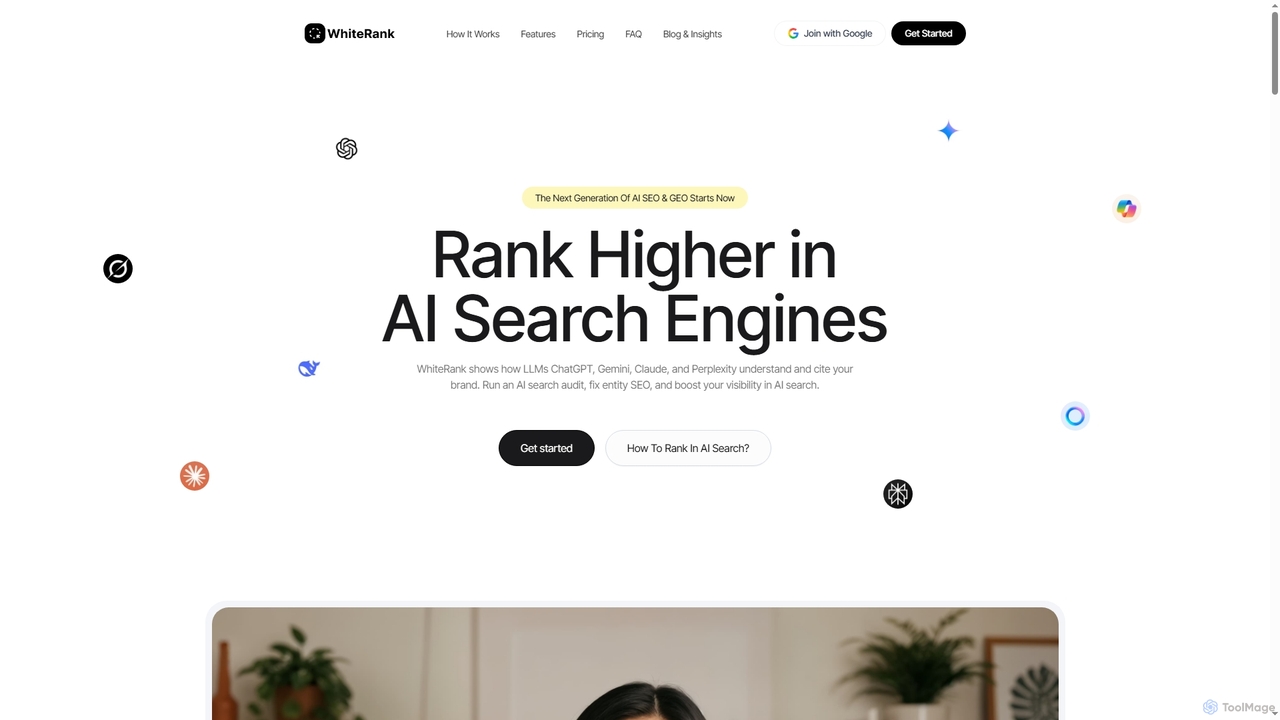
WhiteRank is an advanced AI SEO and Generative Search Optimization platform designed to boost your brand's visibility and …

2.6K
NexOrbit

NexOrbit

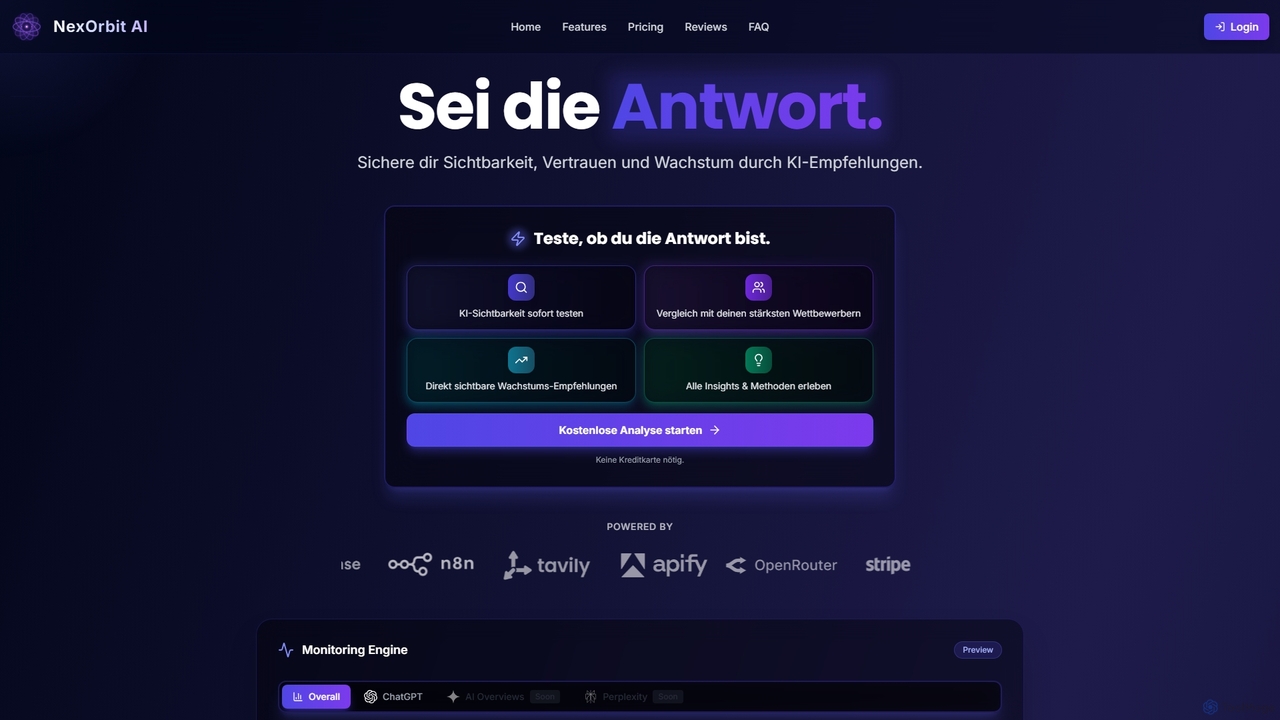
NexOrbit is an advanced AI visibility platform designed for DACH companies to secure presence, trust, and growth through …

2.6K

About Ai Analytics

AI Analytics are advanced tools that leverage artificial intelligence and machine learning to process, interpret, and derive actionable insights from complex datasets. These platforms automate the discovery of patterns, predict future trends, and recommend optimal actions, significantly enhancing traditional data analysis capabilities. They empower businesses to make faster, more accurate, and data-driven decisions across various operations.

Core Features

  • Automated Pattern Recognition: AI algorithms automatically identify hidden trends, correlations, and anomalies within vast amounts of data.
  • Predictive Modeling: Build and deploy machine learning models to forecast future outcomes, such as sales, customer churn, or market demand.
  • Prescriptive Recommendations: Generate data-driven suggestions for specific actions to optimize business processes and achieve desired goals.
  • Natural Language Processing (NLP): Analyze unstructured text data from sources like customer reviews, social media, and support tickets to extract sentiment and insights.
  • Anomaly Detection: Automatically detect unusual data points or patterns that could indicate fraud, operational issues, or emerging opportunities.

Use Cases

AI Analytics tools are crucial for data scientists, business analysts, and decision-makers across industries. They are applied in scenarios requiring deep data understanding and proactive strategies, such as optimizing marketing campaigns, improving operational efficiency, and enhancing customer experience.

How to Choose

When selecting an AI Analytics platform, consider its data integration capabilities, the breadth of its AI/ML algorithms, ease of use for non-technical users, scalability for growing data volumes, and the clarity of its prescriptive recommendations. Evaluate its ability to handle diverse data types and its compliance with industry-specific regulations.

Ai AnalyticsUse Cases

1

Optimizing Marketing Campaign Performance

Marketing teams use AI analytics to predict which customer segments are most likely to respond to specific campaigns, personalize content, and optimize ad spend in real-time. By analyzing past campaign data, customer demographics, and behavioral patterns, AI tools can identify high-potential audiences and suggest optimal timing and channels, leading to higher conversion rates and improved return on investment (ROI).

2

Predicting Customer Churn

Customer success managers deploy AI analytics to identify customers at risk of churning by analyzing usage patterns, support interactions, and feedback. These tools can flag early warning signs, such as decreased engagement or multiple support tickets, allowing companies to proactively reach out with personalized offers or interventions. This helps in retaining valuable customers and reducing churn rates significantly.

3

Enhancing Fraud Detection in Finance

Financial institutions leverage AI analytics to detect unusual transaction patterns or anomalies that indicate potential fraudulent activities. By continuously monitoring vast amounts of financial data, AI models can learn normal behavior and flag deviations in real-time, such as unusually large transactions, purchases from new locations, or rapid successive transactions. This significantly reduces financial losses and improves security measures.

4

Forecasting Sales and Demand

Retailers and supply chain managers utilize AI analytics to accurately predict future sales volumes and product demand. By analyzing historical sales data, seasonality, promotional activities, and external factors like weather or economic indicators, AI models can generate highly precise forecasts. This enables optimized inventory levels, reduced stockouts, minimized waste, and more efficient supply chain management.

5

Personalizing E-commerce Experiences

E-commerce platforms employ AI analytics to analyze browsing behavior, purchase history, and preferences, delivering highly personalized product recommendations and dynamic pricing to individual customers. By understanding each user's unique journey and interests, AI tools can tailor the shopping experience, suggest relevant items, and optimize pricing strategies in real-time, significantly boosting engagement and sales conversions.

6

Improving Operational Efficiency in Manufacturing

Manufacturers use AI analytics to monitor sensor data from machinery, predict equipment failures before they occur (predictive maintenance), and optimize production schedules. By analyzing real-time operational data, AI models can identify inefficiencies, anticipate maintenance needs, and suggest adjustments to production lines. This minimizes downtime, reduces operational costs, and increases overall output and product quality.

Ai AnalyticsFrequently Asked Questions