Analytics Best in category 1 results Audience Analysis AI Tool

Popular AI tools in the Audience Analysis field of Analytics include GPTube, etc., helping you quickly improve efficiency.

GPTube

GPTube

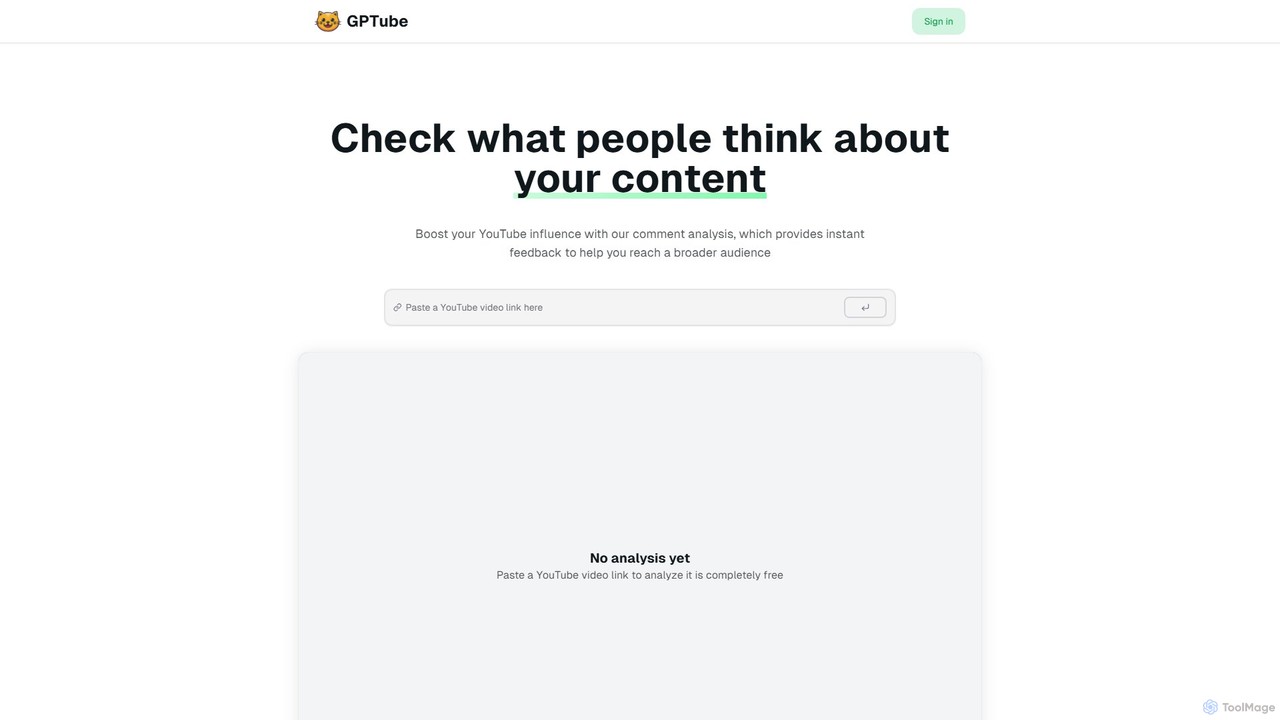
GPTube is an AI-powered tool designed for YouTube creators to analyze video comments. It provides instant feedback, sentiment …

2.2K

About Audience Analysis

Audience Analysis tools are AI-powered solutions designed to deeply understand target audiences. These tools leverage machine learning and natural language processing to gather, process, and interpret vast amounts of data from various sources. They provide actionable insights into demographics, behaviors, preferences, and sentiment, enabling businesses to refine strategies and enhance engagement. By identifying key audience segments and their evolving needs, these platforms empower more effective marketing, product development, and content creation.

Core Features

  • Demographic Segmentation: Automatically categorizes audiences by age, gender, location, income, and other attributes.
  • Behavioral Pattern Recognition: Identifies recurring actions, interests, and online journeys across digital platforms.
  • Sentiment and Emotion Analysis: Gauges public opinion and emotional responses towards brands, products, or topics from text data.
  • Trend Prediction: Forecasts emerging interests and shifts in audience preferences based on historical and real-time data.
  • Competitor Audience Insights: Analyzes the audience profiles of competitors to identify overlaps and unique opportunities.

Use Cases

Audience Analysis tools are crucial for marketers, product managers, and content creators. They help in understanding who the customers are, what they care about, and how they interact with brands. This leads to more personalized campaigns, relevant product features, and engaging content that resonates deeply with specific audience segments.

How to Choose

When selecting an Audience Analysis tool, consider the breadth of data sources it integrates (social media, web analytics, CRM), the depth of insights it provides (demographics, sentiment, behavior), its accuracy and real-time processing capabilities, and the ease of interpreting its reports. Also, evaluate its scalability for your data volume and its integration with existing marketing or analytics platforms.

Audience AnalysisUse Cases

1

Identify Target Demographics for New Product Launch

A product manager uses an Audience Analysis tool to pinpoint the ideal demographic segments for a new software product. By analyzing social media discussions, search queries, and competitor audience data, the tool reveals that young professionals (25-35) in urban areas with an interest in productivity tools are the most receptive. This insight guides the product's feature prioritization and initial marketing campaign targeting, ensuring resources are focused on the most promising customer base.

2

Analyze Customer Sentiment from Social Media Feedback

A marketing team utilizes an Audience Analysis tool to monitor customer sentiment regarding their brand across various social media platforms. The tool processes thousands of comments, reviews, and mentions, categorizing them as positive, negative, or neutral, and identifying key themes. This allows the team to quickly detect emerging issues, respond to negative feedback proactively, and amplify positive testimonials, thereby improving brand reputation and customer satisfaction.

3

Predict Audience Trends for Content Strategy

A content creator leverages an Audience Analysis tool to anticipate future content trends and topics that will resonate with their audience. By analyzing historical engagement data, trending keywords, and competitor content performance, the tool identifies shifts in audience interest. This enables the creator to plan their content calendar proactively, focusing on topics with high potential for engagement and relevance, ensuring their content remains fresh and impactful.

4

Segment Website Visitors for Personalized Marketing

An e-commerce business employs an Audience Analysis tool to segment its website visitors based on their browsing behavior, purchase history, and demographic data. The tool automatically identifies high-value segments, such as frequent buyers of specific product categories or visitors who abandoned their carts. This segmentation enables the marketing team to launch highly personalized email campaigns, retargeting ads, and on-site promotions, significantly increasing conversion rates and customer lifetime value.

5

Understand Competitor Audience Profiles

A competitive intelligence analyst uses an Audience Analysis tool to gain insights into the audience profiles of key competitors. By analyzing public data from competitor websites, social media, and review platforms, the tool uncovers demographic breakdowns, interests, and pain points of competitor customers. This strategic information helps the analyst identify underserved niches, differentiate their own offerings, and develop targeted strategies to attract competitor's dissatisfied customers.

6

Optimize Ad Targeting Based on Behavioral Data

An advertising specialist uses an Audience Analysis tool to refine ad targeting for a digital campaign. The tool processes vast amounts of user behavioral data, including website visits, app usage, and content consumption, to create highly specific audience segments. For instance, it might identify users who frequently browse travel blogs and search for flight deals. This allows the specialist to deliver highly relevant ads to these segments, significantly improving click-through rates and return on ad spend by reaching users most likely to convert.

Audience AnalysisFrequently Asked Questions