ToolMage
Sign in

Best 2 Ad Creative Generation AI tools for Marketing

Popular Ad Creative Generation AI tools in Marketing include 4FashionAI and Admagine, helping you work more efficiently.

Admagine
Freemium

Admagine

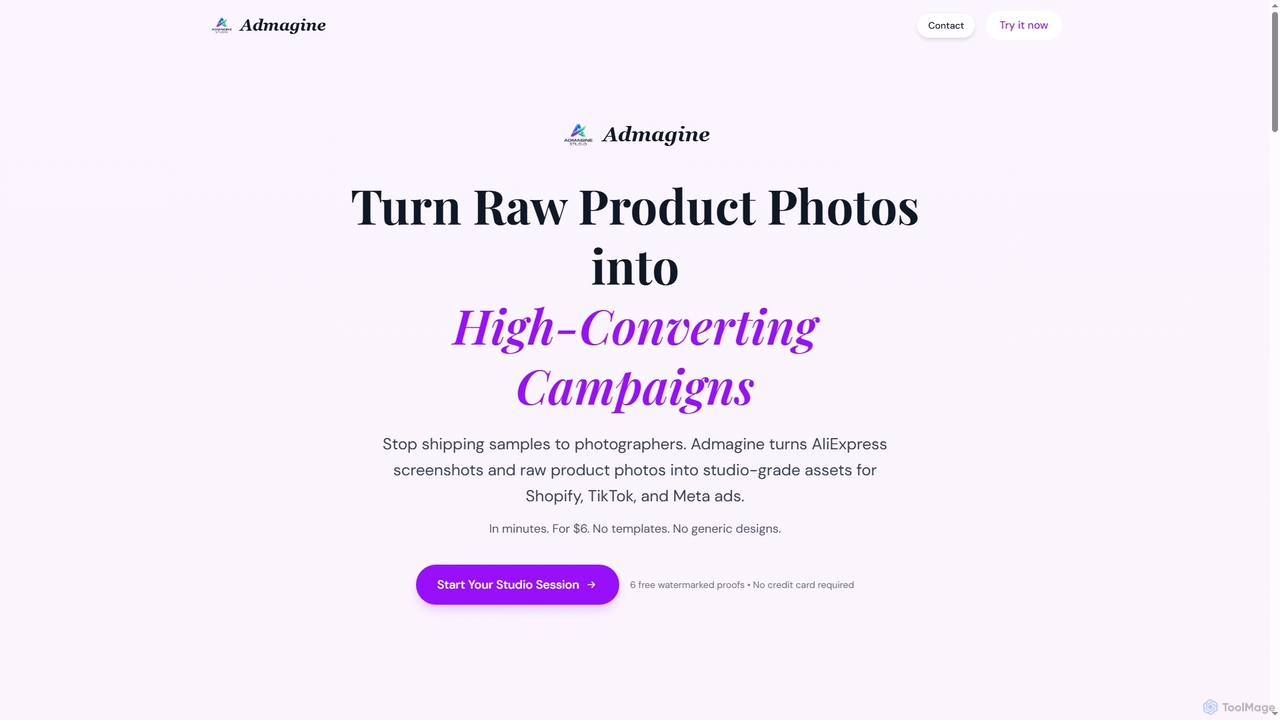
Admagine is an AI-powered tool that transforms raw product photos and supplier images into high-converting, studio-grade marketing assets for e-commerce platforms like Shopify, TikTok, and Meta ads. It generates custom, brand-consistent visuals in minutes, eliminating the need for traditional photography shoots and lengthy waiting times.

Dropshipping
Visits 5.5KFavorites 58Likes 69
4FashionAI
Paid

4FashionAI

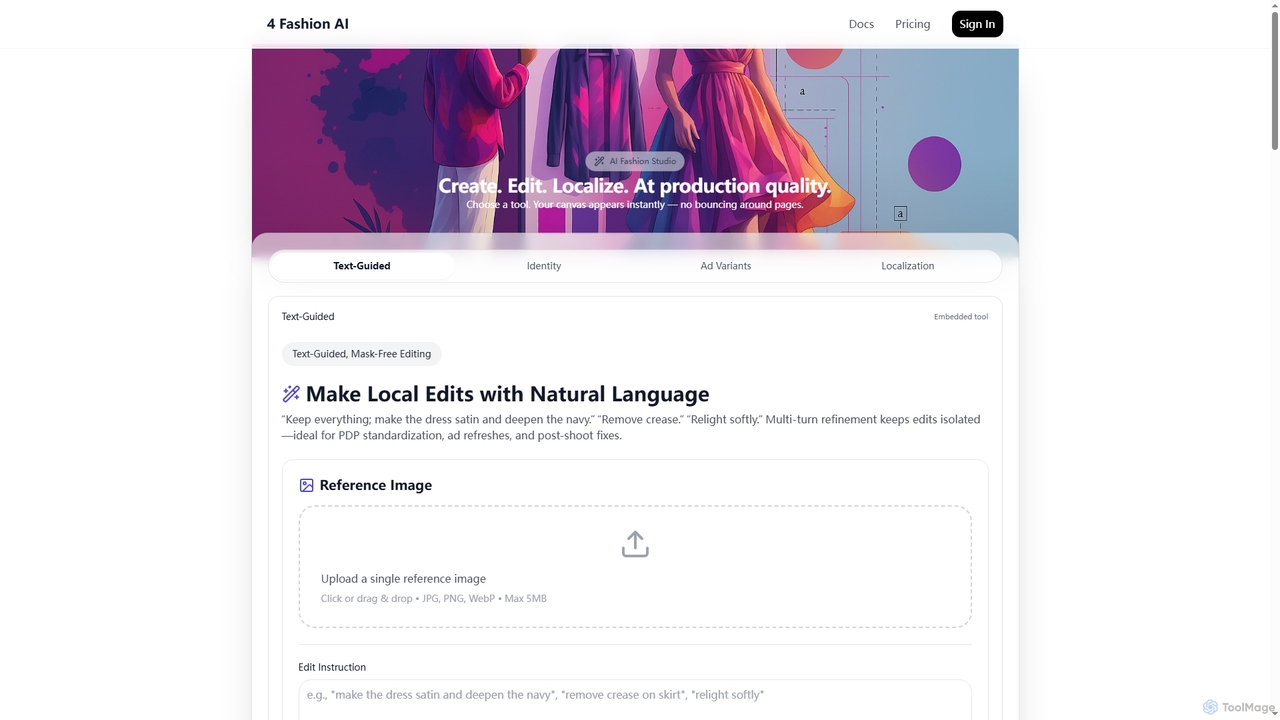
4FashionAI is an advanced AI platform for the fashion industry, offering tools for virtual try-on, outfit generation, and model creation. It enables users to transform garments, localize models, create ad variants, and perform mask-free image edits using natural language, streamlining fashion content creation from concept to campaign with studio-grade visuals.

3D
Visits 7.1KFavorites 120Likes 116

About Ad Creative Generation

Ad Creative Generation tools are AI-powered platforms that automate the design and optimization of advertising visuals and copy. They leverage machine learning to rapidly produce diverse ad variations, test performance, and personalize campaigns at scale. These tools significantly reduce manual effort and accelerate campaign launch cycles within the broader marketing strategy, enabling marketers to achieve greater efficiency and impact.

Core Features

  • Automated Design Generation: Automatically creates visual ad creatives (images, videos) based on input text, product data, or brand guidelines.
  • Copywriting Assistance: Generates compelling ad headlines, body text, and calls-to-action tailored for different platforms and target audiences.
  • Variant Testing & Optimization: Produces multiple ad variations for A/B testing and suggests improvements based on predicted or actual performance data.
  • Brand Guideline Adherence: Ensures generated creatives align with established brand colors, fonts, logos, and messaging consistency.
  • Multi-Platform Adaptation: Formats and optimizes ad creatives for various channels like social media, display networks, and search ads.

Use Cases

Digital marketing agencies utilize these tools to scale creative production for multiple clients, while e-commerce businesses generate hundreds of product-specific ads for dynamic retargeting. Small businesses with limited design resources can also quickly create professional-looking and effective advertisements.

How to Choose

When selecting an Ad Creative Generation tool, evaluate the quality and variety of its creative output, ensuring it aligns with your brand's aesthetic. Consider its integration capabilities with existing ad platforms and marketing stacks. Assess the level of customization and control it offers over design elements and content, alongside its pricing model and scalability to meet your creative volume needs.

Ad Creative Generation use cases

1

Rapidly Generate Social Media Ad Campaigns

For social media marketers, these tools enable the quick creation of diverse ad sets for platforms like Facebook, Instagram, and TikTok. By inputting product details or campaign goals, users can generate multiple visual and copy variations in minutes, facilitating extensive A/B testing and personalized targeting. This significantly reduces the time spent on manual design and copywriting, allowing for more agile campaign management and optimization.

2

Scale E-commerce Product Ad Production

E-commerce businesses can leverage Ad Creative Generation tools to produce hundreds or thousands of unique product ads. By integrating with product catalogs, the AI can automatically generate visually appealing ads with relevant copy for each item, ideal for dynamic retargeting campaigns or large-scale product launches. This automation ensures consistent branding and frees up design teams for more strategic tasks.

3

A/B Test Ad Variations for Performance Optimization

Performance marketers utilize these tools to efficiently generate a wide array of ad creative variations for A/B testing. Instead of manually designing each element, the AI can produce different headlines, images, and calls-to-action. This allows marketers to quickly identify the highest-performing combinations, leading to improved click-through rates (CTR) and conversion rates, and optimizing ad spend.

4

Localized Ad Creative for Global Markets

For international brands, Ad Creative Generation tools simplify the process of localizing ad campaigns. Marketers can input core messaging and visuals, and the AI will adapt the copy and even visual elements to resonate with specific cultural nuances and linguistic preferences of different target markets. This ensures brand consistency while maximizing relevance and engagement across diverse regions.

5

Personalized Ad Content for Audience Segments

Advertisers can create highly personalized ad experiences for various audience segments using these tools. By feeding audience data and segmentation criteria, the AI generates creatives that speak directly to the interests and pain points of each group. This level of personalization drives higher engagement and conversion rates compared to generic ads, fostering stronger connections with potential customers.

6

Streamline Ad Creative Production for Agencies

Digital marketing agencies benefit immensely by streamlining their creative production workflow. These tools allow agencies to rapidly generate high-quality ad creatives for multiple clients simultaneously, maintaining brand consistency and meeting tight deadlines. This efficiency enables agencies to take on more projects, reduce operational costs, and deliver faster results to their clients, enhancing overall service delivery.

Ad Creative Generation FAQ

What are Ad Creative Generation tools?

Ad Creative Generation tools are AI-powered platforms that automate the process of designing and writing advertising content. They leverage machine learning to create visual assets (images, videos) and compelling copy (headlines, body text) for various ad campaigns. Their core purpose is to accelerate creative production, enable rapid testing, and personalize ads at scale, significantly reducing manual effort for marketers.

How to choose the right Ad Creative Generation tool?

When selecting an Ad Creative Generation tool, evaluate the quality and variety of its creative output, ensuring it aligns with your brand's aesthetic and messaging. Check its integration capabilities with your existing ad platforms (e.g., Google Ads, Meta Ads) and marketing stack. Consider the level of customization and control it offers over generated content, as well as its pricing model and scalability to match your creative volume needs. User-friendliness and support for specific ad formats are also crucial.

What's the difference between Ad Creative Generation and general AI Image Generation?

While both use AI to create visuals, Ad Creative Generation tools are specifically optimized for marketing purposes. They focus on generating images and copy designed to persuade and convert, often incorporating elements like calls-to-action, brand logos, and product features. General AI Image Generation tools, like Midjourney or DALL-E, are broader and aim to create diverse images for artistic, conceptual, or general content needs, without the inherent marketing focus.

Who benefits most from using Ad Creative Generation tools?

Digital marketers, e-commerce businesses, advertising agencies, and small business owners with limited design resources benefit significantly. These tools are ideal for anyone needing to produce a high volume of diverse ad creatives, conduct extensive A/B testing, personalize campaigns for different segments, or accelerate their creative workflow to meet tight deadlines and scale their advertising efforts efficiently.

What are the key features of Ad Creative Generation tools?

Ad Creative Generation tools typically offer several core features. These include Automated Design Generation for visuals, Copywriting Assistance for compelling text, and Variant Testing & Optimization to improve performance. Many also provide Brand Guideline Adherence to maintain consistency and Multi-Platform Adaptation to format creatives for various channels. These functionalities collectively streamline the entire ad creation process.