ToolMage
Sign in

Best 5 Audience Research AI tools for Marketing

Popular Audience Research AI tools in Marketing include StoryMint, InstantPersonas, Comment Explorer, Ideal Customers AI, and MusicDatak, helping you work more efficiently.

StoryMint
Freemium

StoryMint

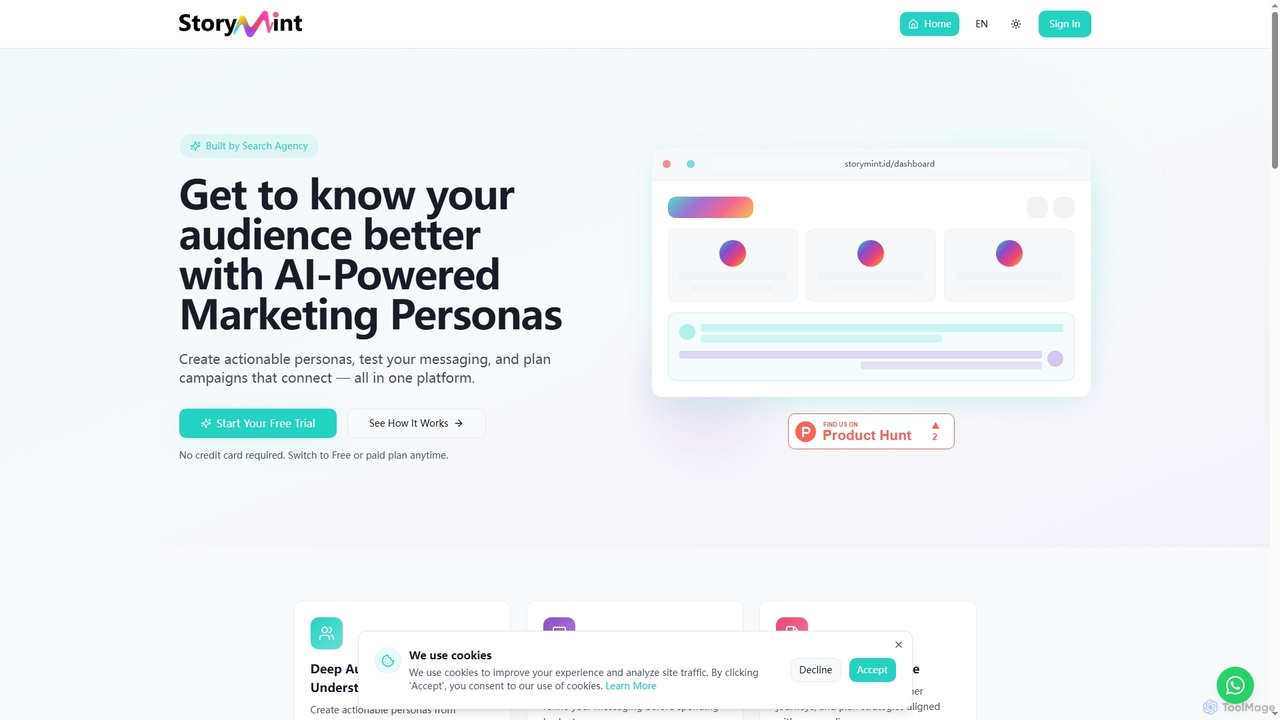
StoryMint is an AI-powered platform designed for marketers to create, validate, and utilize detailed marketing personas. It helps deeply understand audiences, test messaging, and plan effective campaigns, transforming static target audience descriptions into living, actionable insights for better campaign performance.

Audience Research
Visits 8.7KFavorites 80Likes 95
Ideal Customers AI
Paid

Ideal Customers AI

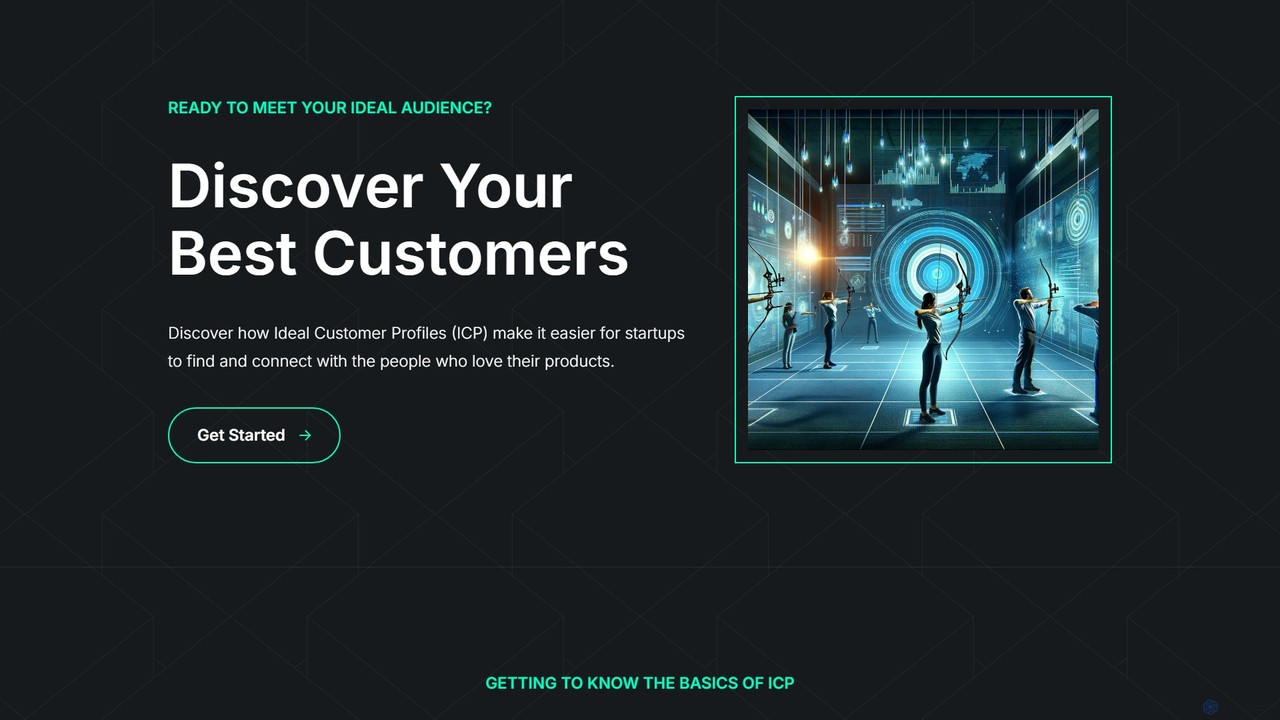
Ideal Customers AI is an AI-powered platform designed to help startups and businesses discover their perfect buyers. By analyzing your product and business information, it generates detailed Ideal Customer Profiles (ICPs) with actionable strategies. This tool saves you time on market research, enhances marketing precision, boosts sales efficiency, and maximizes your return on investment by focusing your efforts on the most receptive audience.

Market Analysis
Visits 6.4KFavorites 150Likes 126
InstantPersonas
Freemium

InstantPersonas

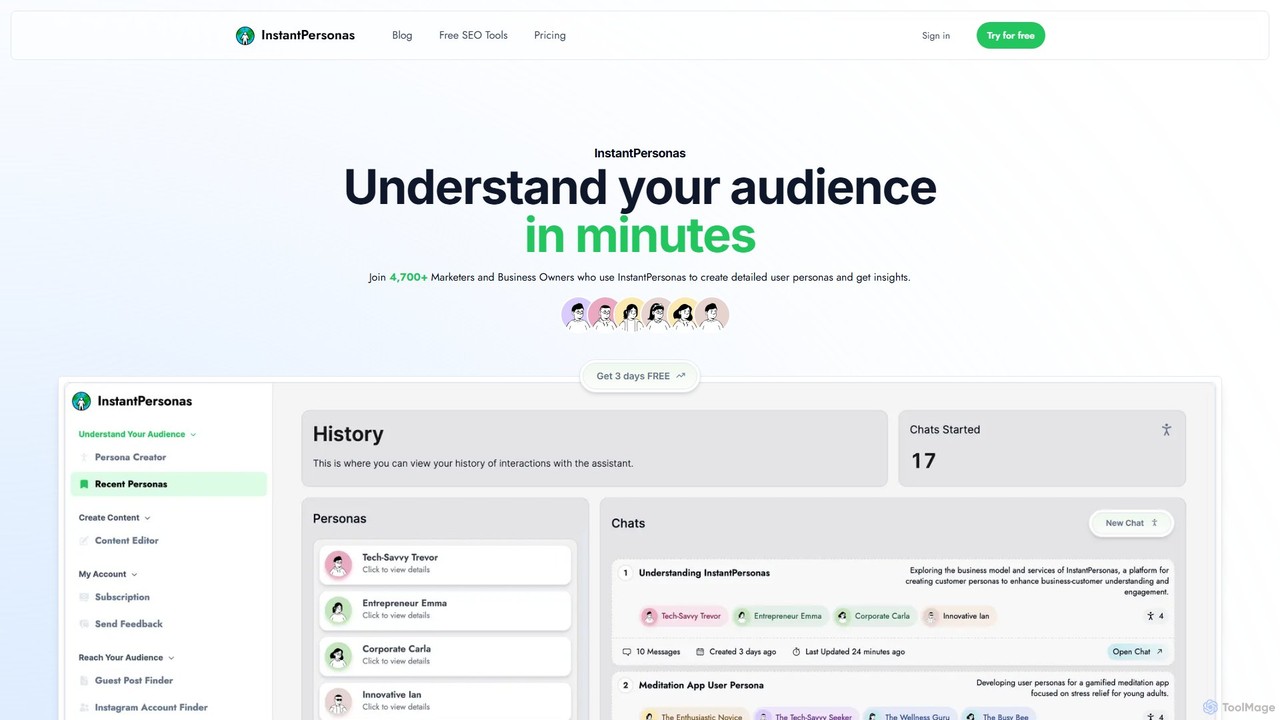
InstantPersonas is an AI-powered tool designed for marketers, business owners, and designers to generate detailed user personas in seconds. It provides deep audience insights, helps analyze competitor strategies, and creates SEO-optimized content tailored to specific personas. By quickly understanding user thoughts and motivations, businesses can optimize their marketing funnels and product development processes effectively.

Audience Research
Visits 7.9KFavorites 115Likes 125
Comment Explorer
Freemium

Comment Explorer

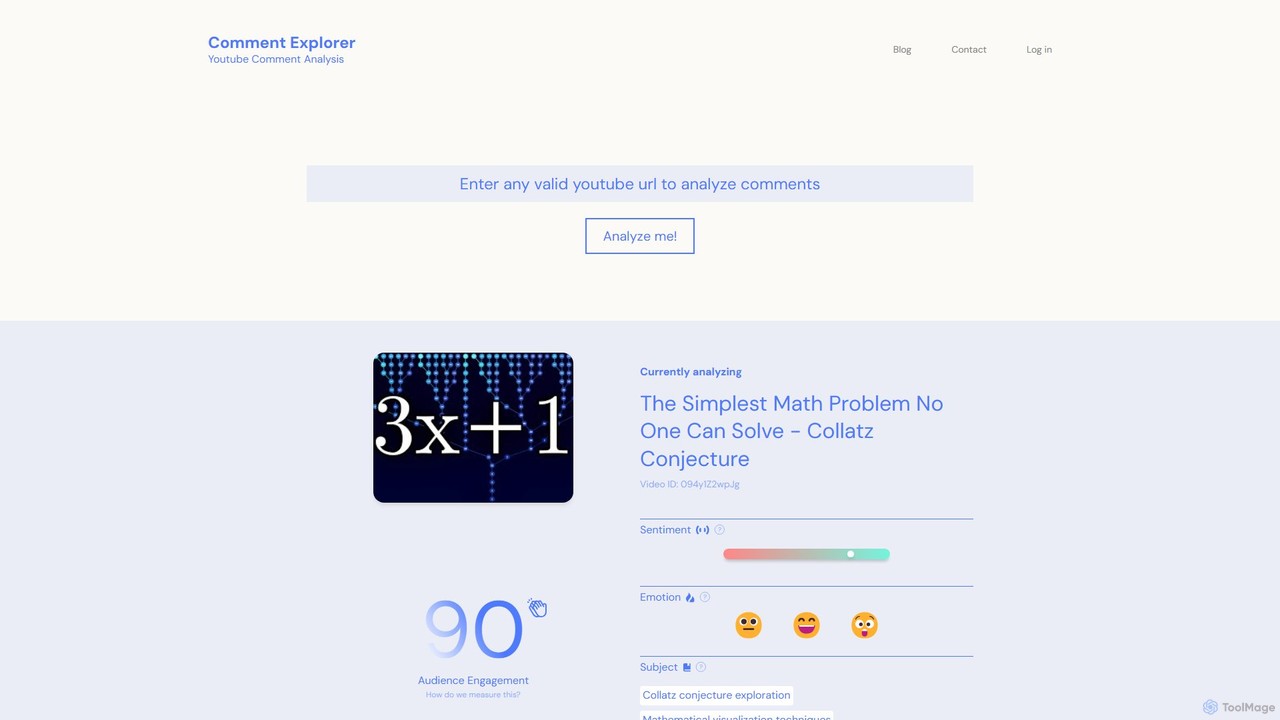
An AI-powered tool for YouTube creators and marketers to analyze video comments for free. It extracts deep insights, including sentiment, emotions, and key topics, helping you understand your audience and refine your content strategy.

Audience Research
Visits 7.1KFavorites 128Likes 132
MusicDatak
Freemium

MusicDatak

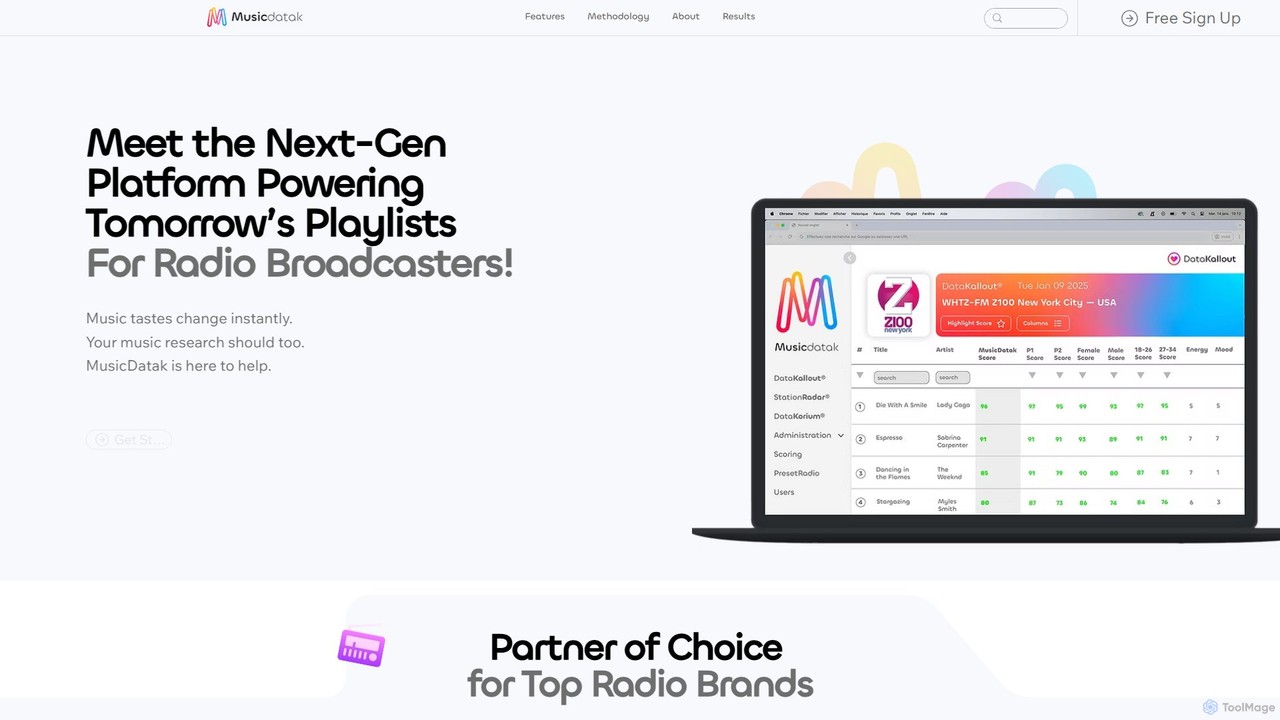
MusicDatak is a next-generation music research platform for radio broadcasters. It replaces outdated methods by analyzing real-time data from streaming services, social media, and competitor stations. Using its proprietary StationFingerprint® technology, it provides actionable insights to help program directors craft data-driven playlists that resonate with their target audience, discover hidden hits, and optimize their entire music library for maximum listener engagement and ratings growth.

Music Analytics
Visits 6.4KFavorites 159Likes 157

About Audience Research

AI Audience Research tools are a specialized category of marketing software that uses artificial intelligence to analyze and understand target customer groups. These tools process vast amounts of data from sources like social media, forums, and customer reviews, employing natural language processing (NLP) and machine learning to identify patterns, sentiments, and emerging trends. They enable marketers and product managers to build data-driven customer personas, uncover unmet needs, and refine their strategies with deep consumer insights. This approach provides a dynamic and nuanced understanding of an audience that goes far beyond traditional demographic analysis.

Core Features

  • Sentiment Analysis: Automatically gauges the emotional tone (positive, negative, neutral) within online conversations about a brand or topic.
  • Demographic & Psychographic Profiling: Identifies key audience characteristics, including age, location, interests, values, and lifestyle.
  • Trend Identification: Detects emerging topics, keywords, and shifts in consumer behavior in real-time.
  • Competitor Audience Analysis: Analyzes the followers and engagement patterns of competitors to identify strategic opportunities.
  • Persona Generation: Creates detailed, data-backed representations of ideal customer segments to guide marketing efforts.

Use Cases

These tools are invaluable for marketing teams, product developers, and brand strategists. For instance, a CPG brand can use them to monitor social media conversations to discover new product usage scenarios. A software company can analyze forum discussions to understand user pain points and prioritize feature development. They are essential for any business aiming to move from broad assumptions to precise, evidence-based audience understanding.

How to Choose

When selecting an AI Audience Research tool, consider the data sources it covers (e.g., specific social platforms, news sites, forums). Evaluate the depth of its analytical capabilities, such as sentiment accuracy and psychographic detail. Assess its integration options with your existing marketing stack (like CRM or analytics platforms) and consider the user interface's intuitiveness, as complex data requires clear visualization.

Audience Research use cases

1

Refining Ad Targeting for a New Fashion Line

A marketing manager for a direct-to-consumer fashion brand needs to launch a campaign for a new sustainable clothing line. Instead of relying on broad demographic data like 'women aged 25-40', they use an AI Audience Research tool to analyze conversations on Instagram, Pinterest, and eco-lifestyle blogs. The tool identifies a niche segment of consumers who are not only interested in sustainable fashion but also value minimalist aesthetics and follow specific micro-influencers. This allows the manager to create highly targeted ad sets focusing on psychographic traits, resulting in a higher click-through rate and lower customer acquisition cost.

2

Informing Product Feature Prioritization

A product manager at a SaaS company is planning the next development cycle for their project management software. To make data-driven decisions, they use an AI audience research tool to scan tech forums, Reddit communities (like r/projectmanagement), and support tickets. The AI identifies a recurring theme: users frequently request better integration with calendar apps and express frustration with the current notification system. The sentiment analysis confirms this frustration is a significant pain point. Based on this insight, the product manager prioritizes the calendar integration and notification overhaul features, confident that these updates will address a genuine user need and improve customer satisfaction.

3

Developing Relevant Content Marketing Topics

A content strategist for a B2B financial services firm wants to create blog posts and whitepapers that resonate with small business owners. They use an AI audience research tool to analyze discussions in LinkedIn groups, small business forums, and on Twitter. The tool uncovers that a major concern for this audience is cash flow management, specifically related to invoicing and late payments. It also identifies trending keywords like 'invoice financing' and 'net 30 terms'. Armed with this data, the strategist develops a content series focused on practical cash flow solutions, which directly addresses the audience's pain points, improves SEO ranking for relevant terms, and generates higher quality leads.

4

Identifying Untapped Markets for Expansion

A beverage company known for its energy drinks wants to explore new product categories. The strategy team uses an AI audience research tool to analyze broad conversations around health, wellness, and beverages. The AI identifies a growing overlap between consumers interested in 'nootropics' for focus and those discussing 'hydration' and 'low-sugar' drinks. This intersection reveals a potential market for a functional beverage that enhances mental clarity without high sugar content. The tool further profiles this audience, showing they are often young professionals and students who value productivity. This insight guides the company's R&D to develop a new product line specifically for this untapped market segment.

5

Monitoring Brand Health and Competitive Landscape

A brand manager for a global electronics company uses an AI audience research tool for continuous brand monitoring. The tool tracks mentions of their brand versus key competitors across news sites, social media, and review platforms. It provides a real-time dashboard showing share of voice, sentiment trends, and key conversation topics. One month, the manager notices a spike in negative sentiment linked to a competitor's new product launch. The AI analysis reveals that users are complaining about the competitor's poor battery life. This insight allows the manager to quickly launch a targeted marketing campaign highlighting their own product's superior battery performance, turning a competitor's weakness into a strategic advantage.

6

Crafting Authentic Influencer Marketing Partnerships

An agency strategist is tasked with finding influencers for a new organic snack brand targeting health-conscious parents. Instead of just looking at follower counts, they use an AI audience research tool to analyze the audiences of potential influencers. The tool identifies influencers whose followers genuinely discuss topics like 'clean eating', 'non-GMO', and 'school lunch ideas'. It also analyzes the sentiment of comments on their posts to ensure positive and authentic engagement. This data-driven approach helps the strategist select micro-influencers with a highly relevant and engaged audience, leading to a more authentic partnership and a higher return on investment for the campaign.

Audience Research FAQ

What are AI Audience Research tools?

AI Audience Research tools are software platforms that use artificial intelligence to analyze public data and uncover insights about consumer groups. Unlike traditional surveys, they automatically process vast amounts of unstructured data from social media, forums, and reviews to understand not just who an audience is (demographics), but also what they think, feel, and care about (psychographics and sentiment). Their primary purpose is to help businesses build accurate customer personas, identify market trends, and make data-driven marketing decisions.

How do AI Audience Research tools differ from social listening tools?

While there is overlap, AI Audience Research tools are generally more strategic and analytical than standard social listening tools.

  • Social Listening primarily focuses on monitoring brand mentions, keywords, and sentiment in real-time, often for customer service or campaign tracking.
  • AI Audience Research goes deeper, using AI to analyze the underlying characteristics, interests, and motivations of entire audience segments, not just those mentioning a specific keyword. It aims to build comprehensive personas and identify market opportunities, making it a foundational tool for strategy rather than just a monitoring tool.

Who should use AI Audience Research tools?

These tools are valuable for a wide range of professionals who need to understand customers and markets deeply. Key users include:

  • Marketing Managers: To refine targeting, develop content strategies, and measure brand health.
  • Product Managers: To identify user needs, validate feature ideas, and understand the competitive landscape.
  • Brand Strategists: To discover consumer insights, identify emerging trends, and position the brand effectively.
  • Market Research Analysts: To supplement traditional research methods with real-time, unsolicited public opinion.

How to choose the right AI Audience Research tool?

Selecting the right tool depends on your specific needs. Consider these factors:

  • Data Sources: Does the tool cover the platforms and regions most relevant to your audience (e.g., Twitter, Reddit, specific industry forums, news sites)?
  • Analytical Depth: Evaluate the sophistication of its AI. Does it offer accurate sentiment analysis, topic clustering, and detailed demographic/psychographic breakdowns?
  • Usability: Is the interface intuitive? Can you easily build queries, filter data, and generate clear, actionable reports?
  • Integration: Can it connect with other tools in your marketing stack, such as CRM, analytics, or business intelligence platforms?
  • Pricing: Does the pricing model align with your usage needs, considering factors like the number of queries, mentions tracked, or user seats?

Is the data from AI Audience Research tools reliable?

The reliability of the data depends on the quality of the tool and the sources it analyzes. Reputable tools pull from vast, publicly available data sets, providing a broad and authentic view of unsolicited public opinion. While individual comments can be biased, the power of these tools lies in aggregating millions of data points to identify statistically significant patterns and trends. The insights are generally very reliable for strategic direction, but it's always good practice to cross-reference findings with other data sources, like internal sales data or customer surveys, for a complete picture.