Ai Infrastructure Best in category 4 results Vector Search AI Tool

Popular AI tools in the Vector Search field of Ai Infrastructure include Qdrant、Superlinked、infiniflow、SvectorDB, etc., helping you quickly improve efficiency.

Qdrant

Qdrant

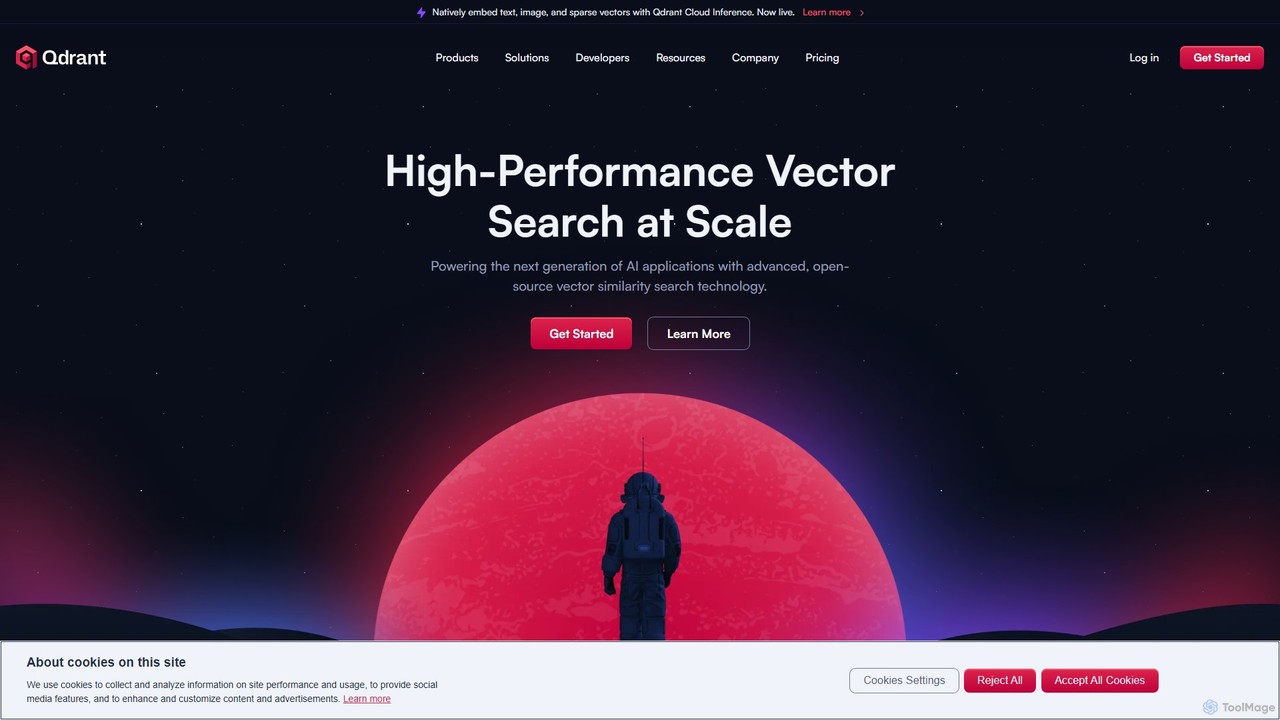
Qdrant is a high-performance, open-source vector database and similarity search engine built in Rust. It's designed to power …

318.8K
Free
infiniflow

infiniflow

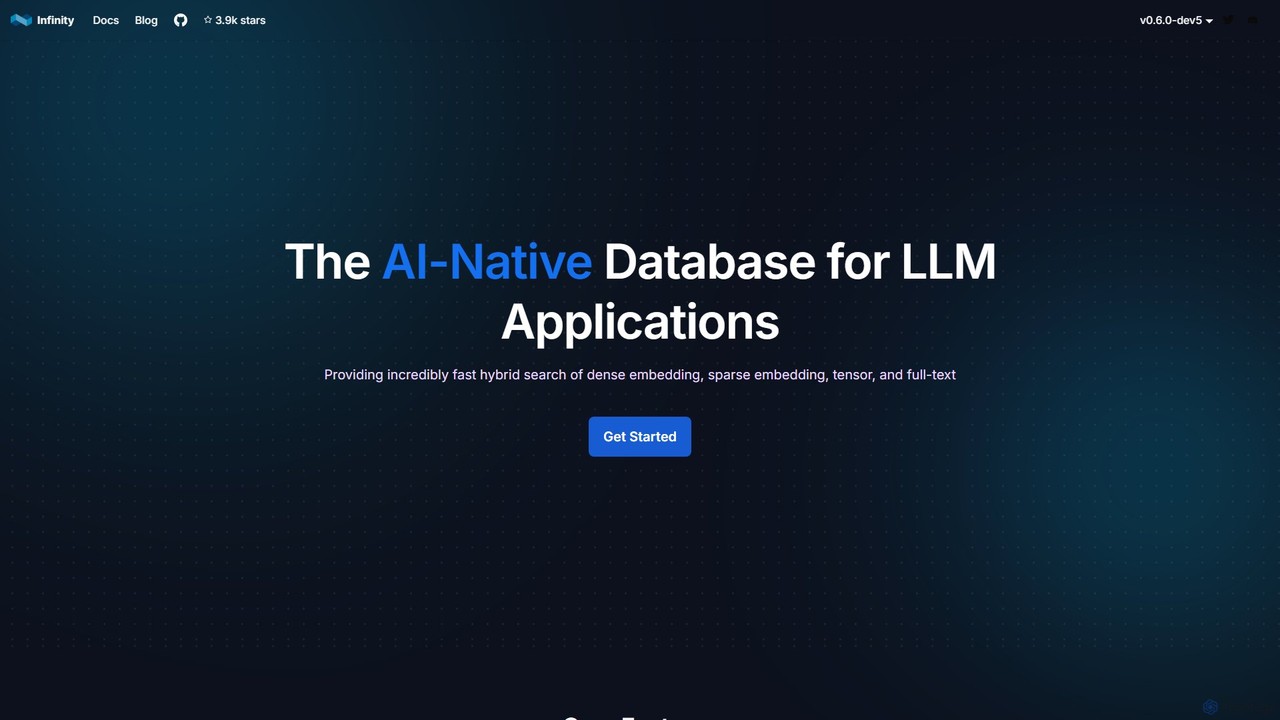
infiniflow is a high-performance, open-source, AI-native database specifically designed for LLM applications. It offers incredibly fast vector search, …

5.5K
SvectorDB

SvectorDB

SvectorDB is a serverless vector database designed for developers. It simplifies building AI applications like recommendation engines, semantic …

4.4K
Superlinked

Superlinked

Superlinked is a Python framework and cloud infrastructure, known as The Vector Computer, designed for AI engineers. It …

22.2K

About Vector Search

Vector Search tools are specialized databases and engines designed to index and search high-dimensional vector embeddings. Unlike traditional keyword search that matches exact text, Vector Search finds data based on semantic meaning and contextual similarity. This technology converts data like text, images, or audio into numerical representations (vectors) and then finds the 'nearest' items in a multidimensional space. This capability is fundamental for building advanced AI applications, including sophisticated recommendation systems and question-answering bots.

Core Features

  • Semantic Similarity Search: Retrieves results based on conceptual meaning rather than literal keyword matches.
  • High-Dimensional Indexing: Employs specialized algorithms like HNSW to efficiently organize and query millions or billions of vectors.
  • Low-Latency Retrieval: Delivers fast and responsive search results, even with massive datasets, crucial for real-time applications.
  • Multi-Modal Data Support: Indexes and searches vectors derived from various data types, including text, images, audio, and video.
  • Scalability: Designed to scale horizontally to handle growing data volumes and query loads without performance degradation.

Use Cases

Vector Search is integral to modern AI infrastructure. It is widely used in e-commerce for visual product search and recommendations, in enterprise knowledge management for building intelligent Q&A systems (RAG), and in content platforms to detect duplicate media and provide personalized user feeds. Developers also use it for code similarity search to find relevant functions or solutions.

How to Choose

When selecting a Vector Search tool, consider its performance metrics like query latency and throughput. Evaluate the available indexing algorithms and their suitability for your specific data. Assess the deployment model (cloud-managed, self-hosted, or serverless) and its compatibility with your existing infrastructure. Also, check for robust API/SDK support and integration with popular machine learning frameworks and embedding models.

Vector SearchUse Cases

1

AI-Powered Q&A on Internal Documents

An enterprise knowledge manager needs to provide employees with instant, accurate answers from a vast library of internal documents, such as HR policies, technical manuals, and project reports. They use a vector search system to index the entire document repository. When an employee asks a question like 'What is our remote work policy?', the system converts the query into a vector, finds the most semantically relevant document chunks, and feeds them to a Large Language Model (LLM) to generate a precise, context-aware answer. This Retrieval-Augmented Generation (RAG) approach significantly reduces support tickets and improves employee self-service efficiency.

2

Visual Product Search for E-commerce

An online fashion retailer wants to allow customers to find products by uploading an image. A developer integrates a vector search database into their platform. Each product image in the catalog is converted into a vector embedding and stored. When a customer uploads a photo of a dress they like, the system generates a vector for that image and performs a similarity search against the entire catalog. The result is a visually sorted list of the most similar dresses available for purchase, creating a seamless 'search by image' experience that boosts conversion rates and user engagement.

3

Duplicate Content and Image Detection

A large content platform, such as a stock photo website or a social media network, needs to prevent users from uploading duplicate or near-duplicate content. Their engineering team implements a vector search pipeline. As new images or posts are submitted, they are converted into vector embeddings. The system then performs a similarity search to check if a highly similar vector already exists in the database. If a match is found above a certain threshold, the content is flagged for review or automatically rejected. This protects intellectual property, maintains content quality, and improves the user experience by reducing redundancy.

4

Personalized Content Recommendation Feed

A news aggregator or video streaming service aims to create a highly personalized 'For You' feed for each user. They use vector search to power their recommendation engine. The system creates vector profiles for both users (based on their viewing history) and content items (based on their text or visual features). To generate the feed, the service searches for content vectors that are closest to the user's profile vector in the embedding space. This semantic matching ensures that recommendations are contextually relevant and discoverable, going beyond simple genre or tag-based suggestions to surface truly engaging content.

5

Code Similarity Search for Developers

A software development platform wants to help its users write code more efficiently. They build a 'semantic code search' feature using a vector database. Millions of code snippets from open-source repositories are vectorized based on their functionality and structure. When a developer types a natural language query like 'function to parse a JSON file in Python', the system searches for code snippet vectors that are semantically closest to the query's vector. This allows developers to find relevant, reusable code examples without needing to know the exact function names or syntax, accelerating development and promoting best practices.

6

Anomaly Detection in Cybersecurity

A cybersecurity analyst uses a vector search system to identify unusual network activity. The system is trained on vast amounts of normal network traffic data, which is converted into vector embeddings. This creates a dense cluster representing 'normal' behavior in the vector space. When new network activity occurs, its vector is generated and compared to this cluster. If a new vector falls far outside the normal cluster, it is flagged as an anomaly. This allows security teams to quickly detect potential threats, like new types of malware or unauthorized access attempts, that might be missed by traditional rule-based detection systems.

Vector SearchFrequently Asked Questions