Research Best in category 6 results Academic AI Tool

Popular AI tools in the Academic field of Research include Papers with Code、SciSpace、gptsci、Mind-Video、PaperClip、Profundo, etc., helping you quickly improve efficiency.

Free
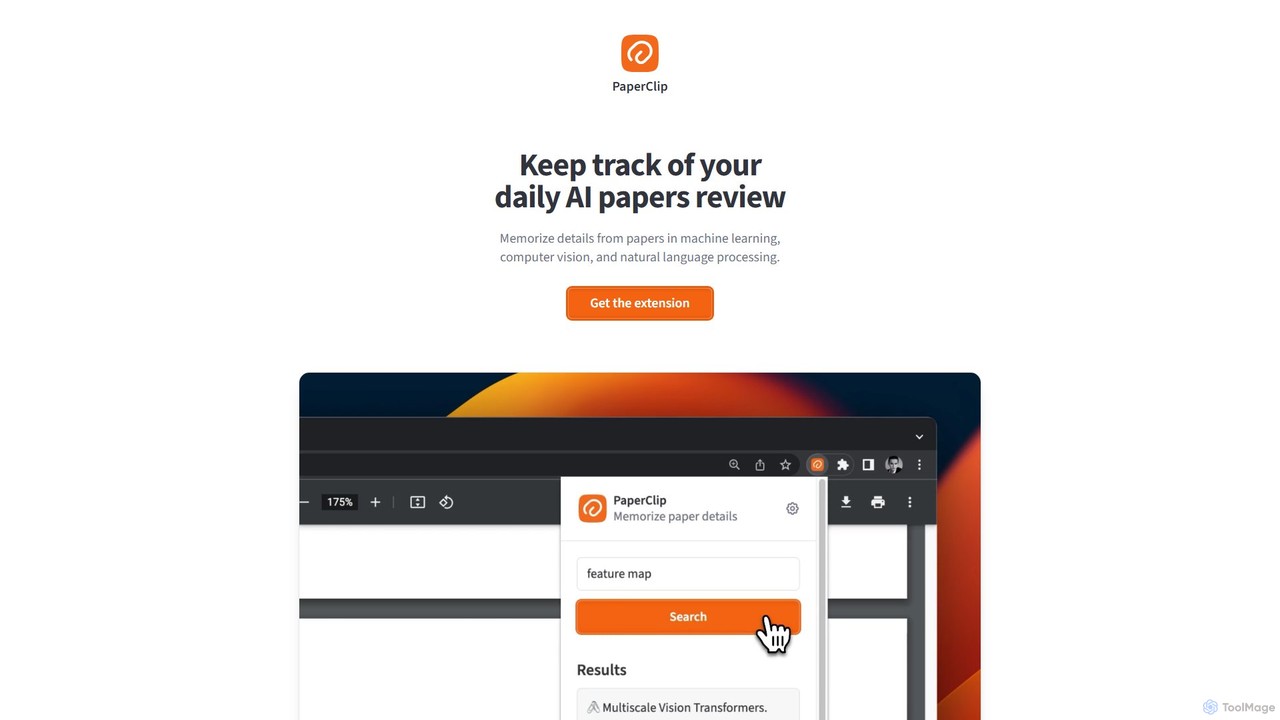
PaperClip

PaperClip

PaperClip is a privacy-focused browser extension that uses on-device AI to help you memorize and recall details from …

5.8K
Free
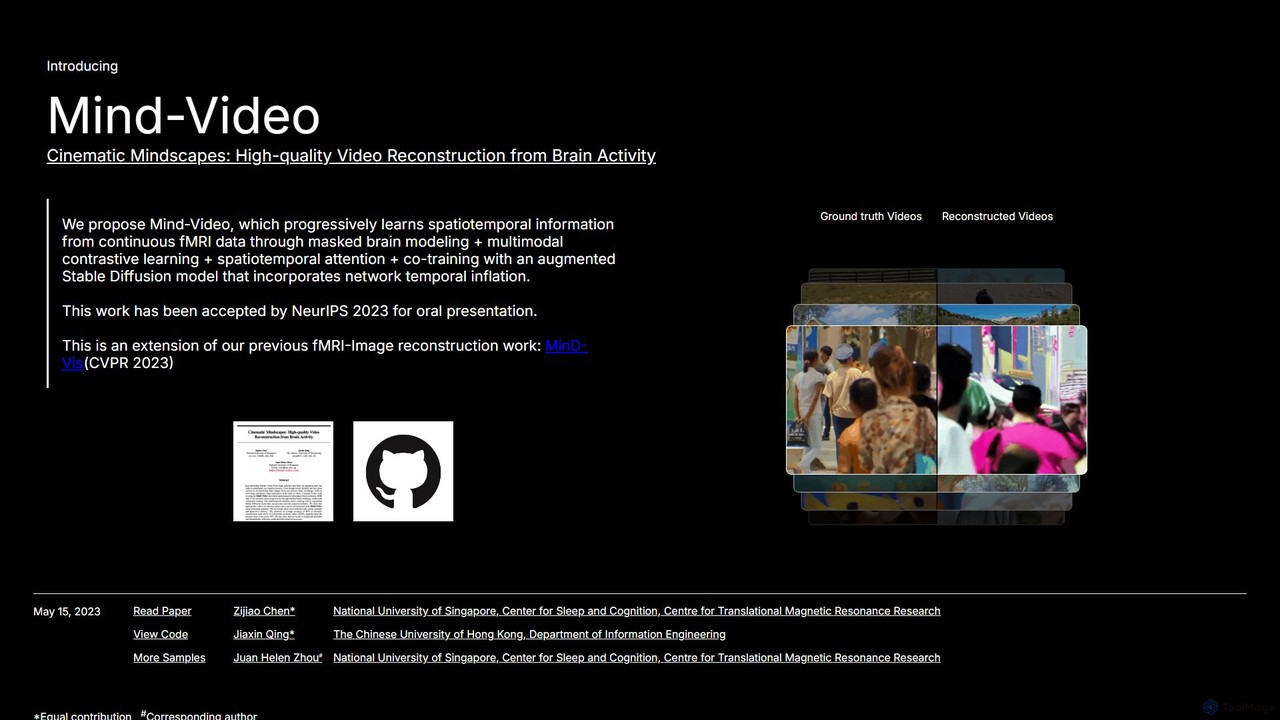
Mind-Video

Mind-Video

Mind-Video is a pioneering AI research project that reconstructs high-quality, dynamic videos directly from human brain activity recorded …

6.3K
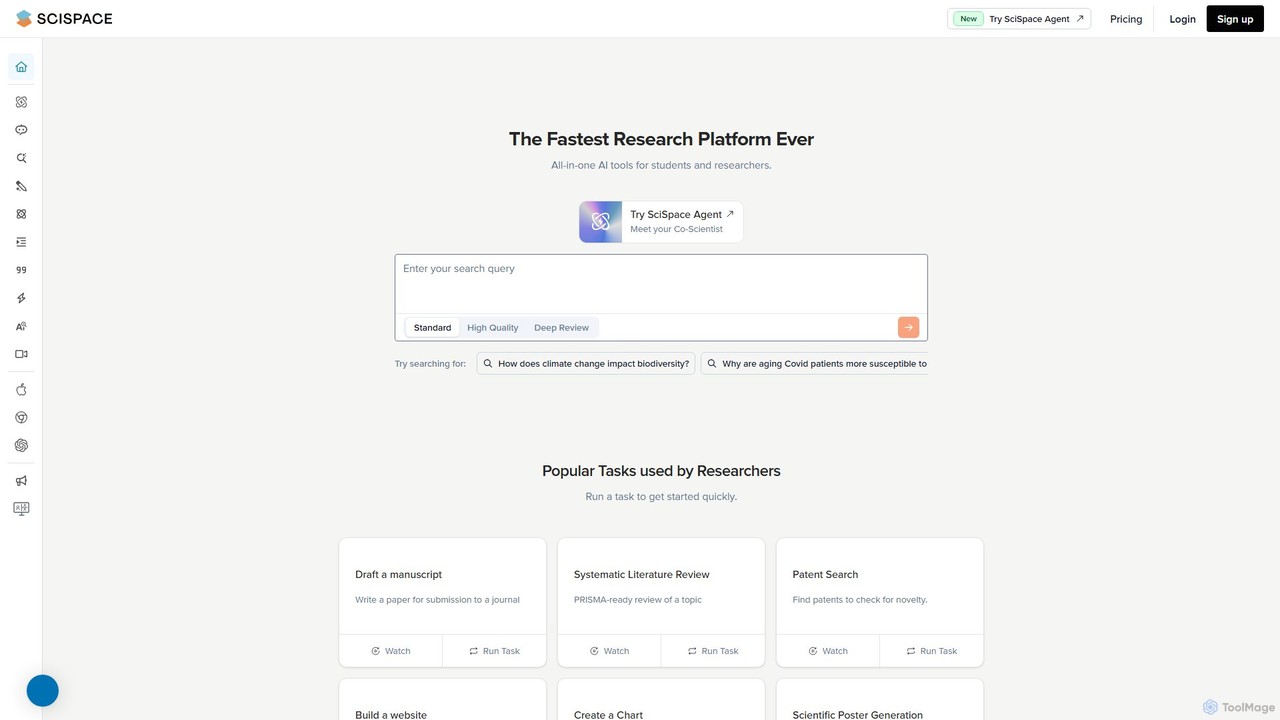
SciSpace

SciSpace

SciSpace is an all-in-one AI-powered platform designed for students and researchers. It simplifies the process of finding, understanding, …

5.6M
Free
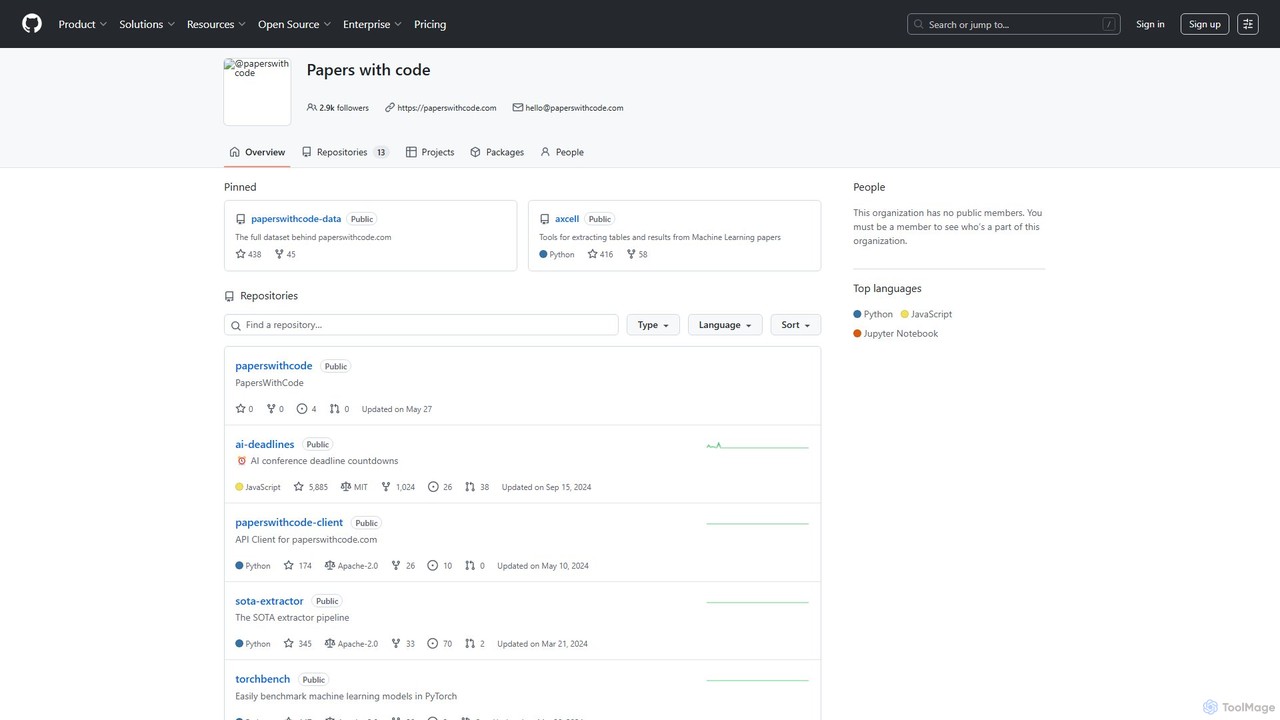
Papers with Code

Papers with Code

Papers with Code is a free, open resource for machine learning researchers and developers. It connects scientific papers …

631.0M
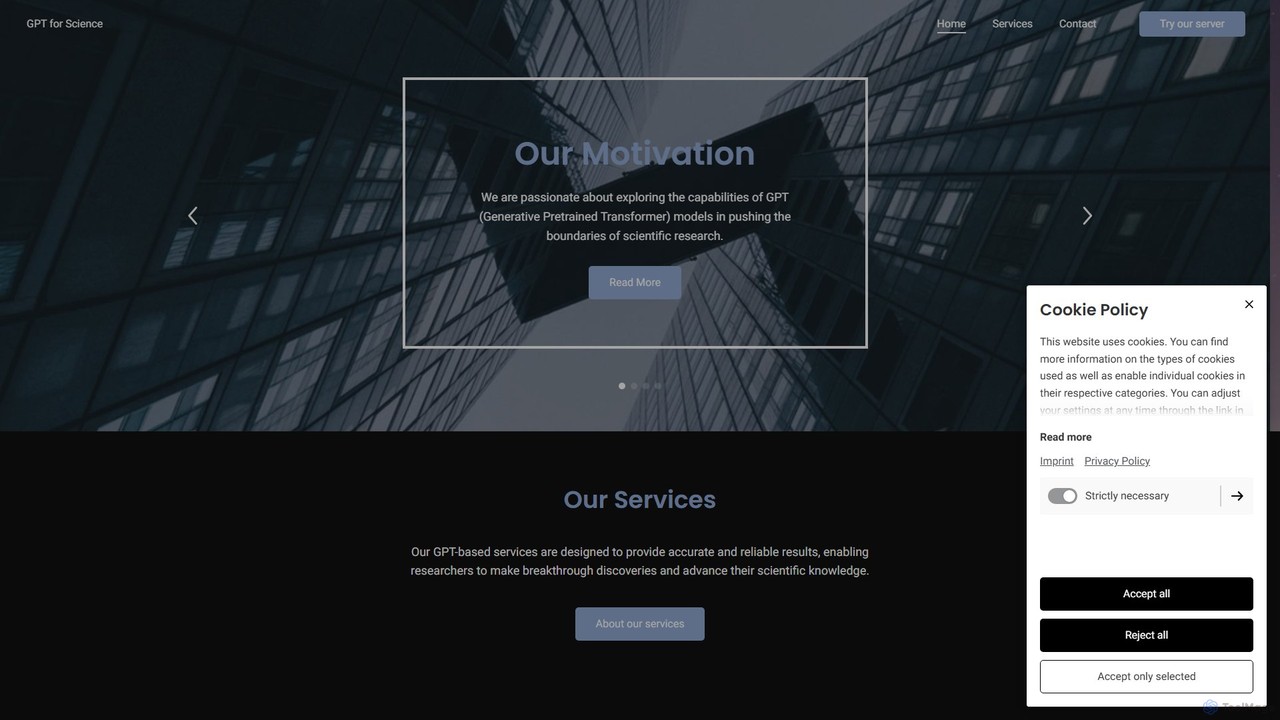
gptsci

gptsci

gptsci is a pioneering suite of AI tools designed to accelerate scientific research. It leverages fine-tuned GPT models …

23.4K
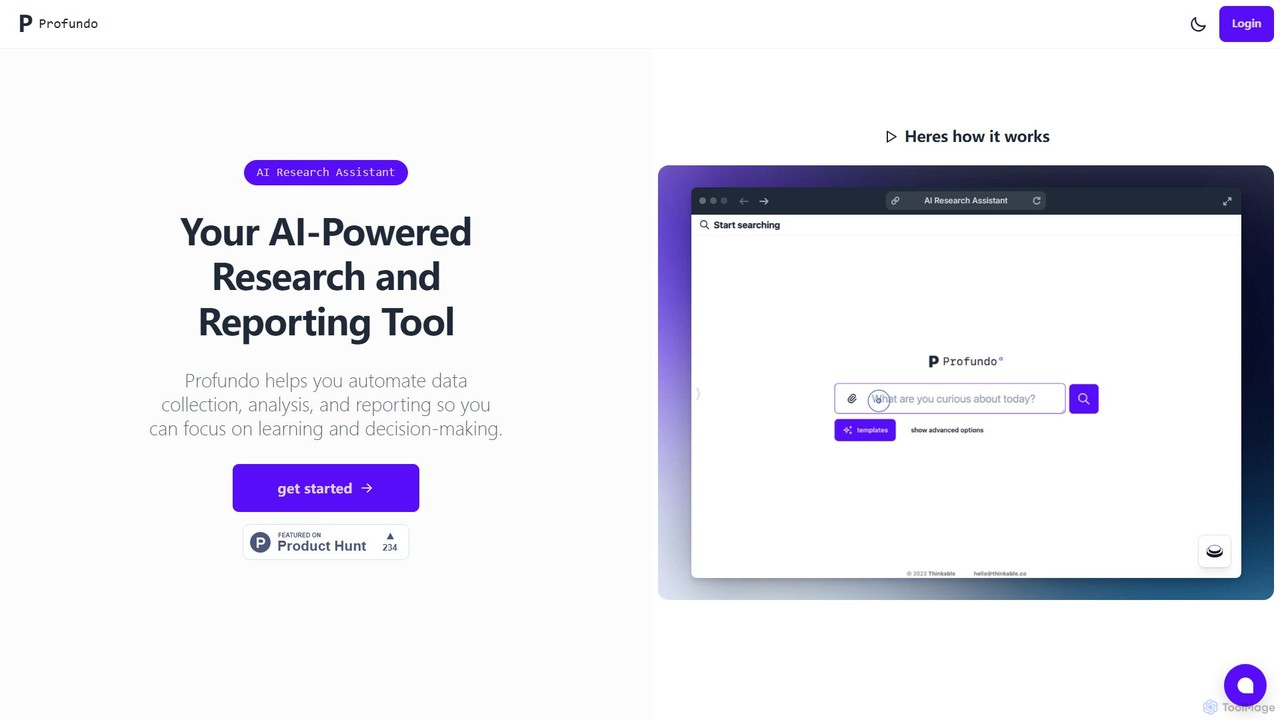
Profundo

Profundo

Profundo is an AI-powered research and reporting assistant designed to automate data collection, analysis, and report generation. It …

5.1K

About Academic

Academic AI tools are specialized platforms designed to support researchers, students, and educators throughout their scholarly endeavors. Leveraging advanced natural language processing and machine learning, these tools streamline tasks from literature review and data analysis to academic writing and publication. They aim to enhance research efficiency, improve the quality of scholarly output, and accelerate knowledge discovery within various disciplines, serving as a focused subset of broader research tools.

Core Features

  • Literature Review & Summarization: Automatically identify, extract, and summarize key information from research papers and scholarly articles.
  • Academic Writing Assistance: Provide grammar, style, plagiarism checks, and paraphrasing suggestions tailored for academic contexts.
  • Data Analysis & Visualization: Assist in processing complex datasets, identifying patterns, and generating visual representations for research findings.
  • Citation & Reference Management: Automate the organization and formatting of citations according to various academic styles like APA, MLA, and Chicago.
  • Grant Proposal Generation: Aid in structuring and drafting compelling grant applications by suggesting relevant content and optimizing language.

Applicable Scenarios

Academic AI tools are invaluable for PhD students conducting extensive literature reviews for dissertations, professors preparing research papers for journal submission, and researchers analyzing large qualitative datasets from interviews or surveys. They also support educators in developing course materials and assessing student work more efficiently.

How to Choose

When selecting an Academic AI tool, consider its specific research needs alignment (e.g., writing, data, literature), discipline compatibility, and integration with existing academic workflows like reference managers. Prioritize tools with proven accuracy, reliability, and transparent methodologies to ensure research integrity and ethical use.

AcademicUse Cases

1

Streamlining Literature Review for Dissertations

A PhD candidate uses an Academic AI tool to quickly scan hundreds of research papers, identify key themes, and summarize relevant findings for their thesis, saving weeks of manual reading and synthesis. This allows them to focus more on critical analysis and developing their unique research contribution.

2

Enhancing Academic Writing Quality for Publications

A university lecturer employs an AI writing assistant to refine their journal manuscript, checking for grammatical errors, improving sentence structure, and ensuring adherence to specific academic style guides before submission. This significantly boosts the manuscript's clarity and professionalism, increasing its chances of acceptance.

3

Accelerating Qualitative Data Analysis in Social Sciences

A social science researcher utilizes an AI tool to analyze large volumes of qualitative interview transcripts, automatically identifying recurring sentiments, coding themes, and generating initial insights for their study. This dramatically reduces the time spent on manual coding and allows for quicker identification of significant patterns.

4

Automating Citation and Reference Management

A student preparing a research paper inputs their sources into an AI citation manager, which then automatically formats all references according to APA, MLA, or Chicago style, preventing common formatting errors and ensuring consistency. This saves considerable time and reduces the stress associated with meticulous referencing.

5

Generating Initial Drafts for Grant Proposals

A research team leverages an Academic AI tool to generate an initial draft of a grant proposal, incorporating project objectives, methodology, and budget outlines based on provided keywords and previous successful applications. This significantly speeds up the application process, allowing the team to refine content rather than starting from scratch.

6

Assisting with Peer Review Feedback

A journal editor uses an AI tool to quickly identify potential methodological flaws, inconsistencies, or areas requiring clarification in submitted manuscripts, providing more structured, efficient, and objective feedback to authors. This enhances the quality and speed of the peer review process, benefiting both reviewers and authors.

AcademicFrequently Asked Questions