ToolMage
Sign in

Best 4 Academic Tools for Research

Popular Academic Tools in Research include Toolin, Audiosum, Parho, and PromptPilot, helping you work more efficiently.

PromptPilot
Freemium

PromptPilot

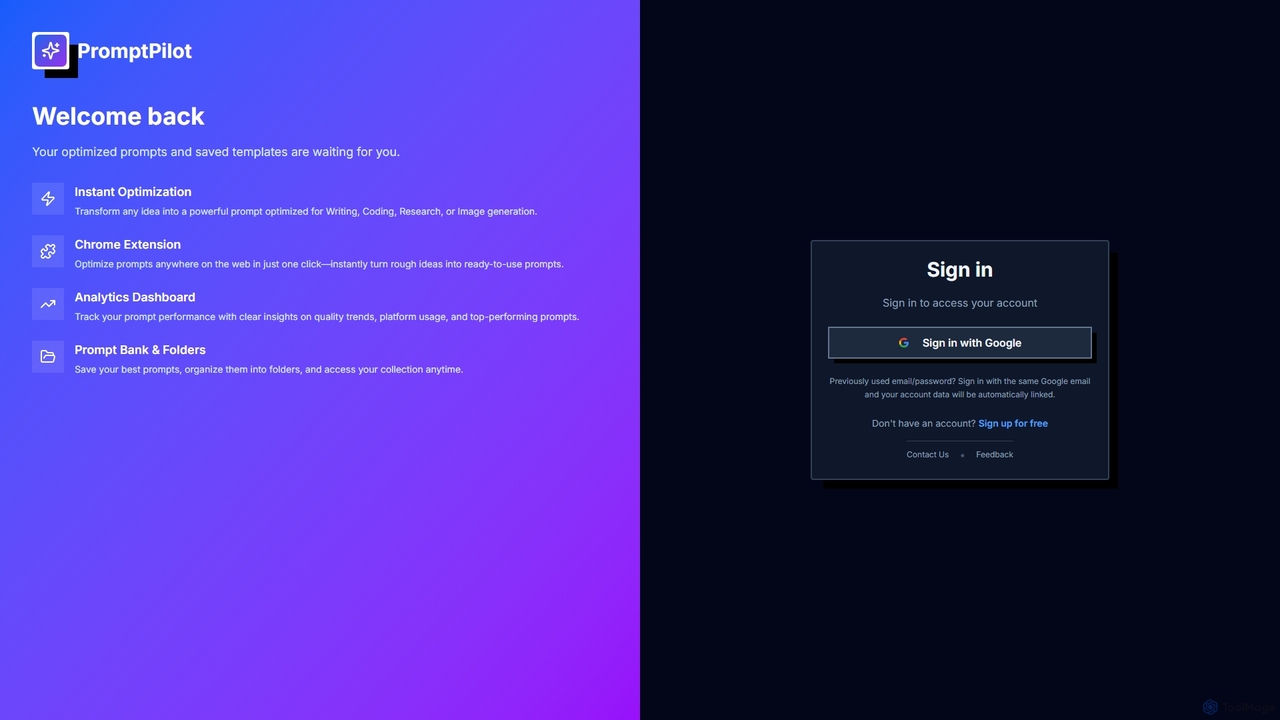
PromptPilot is an AI prompt optimization tool designed to transform raw ideas into powerful, optimized prompts for various AI models. It features instant optimization for writing, coding, research, and image generation, a convenient Chrome extension, an analytics dashboard to track prompt performance, and a prompt bank for organization and easy access.

Performance Tracking
Visits 5.3KFavorites 35Likes 27
Parho
Freemium

Parho

Parho is an AI-powered PDF reader that transforms static documents into an interactive knowledge base. It allows users to highlight text, ask questions, and chat with entire documents to gain instant understanding and enhance comprehension, making reading more active and efficient.

Information Extraction
Visits 5.3KFavorites 76Likes 83
Audiosum
Freemium

Audiosum

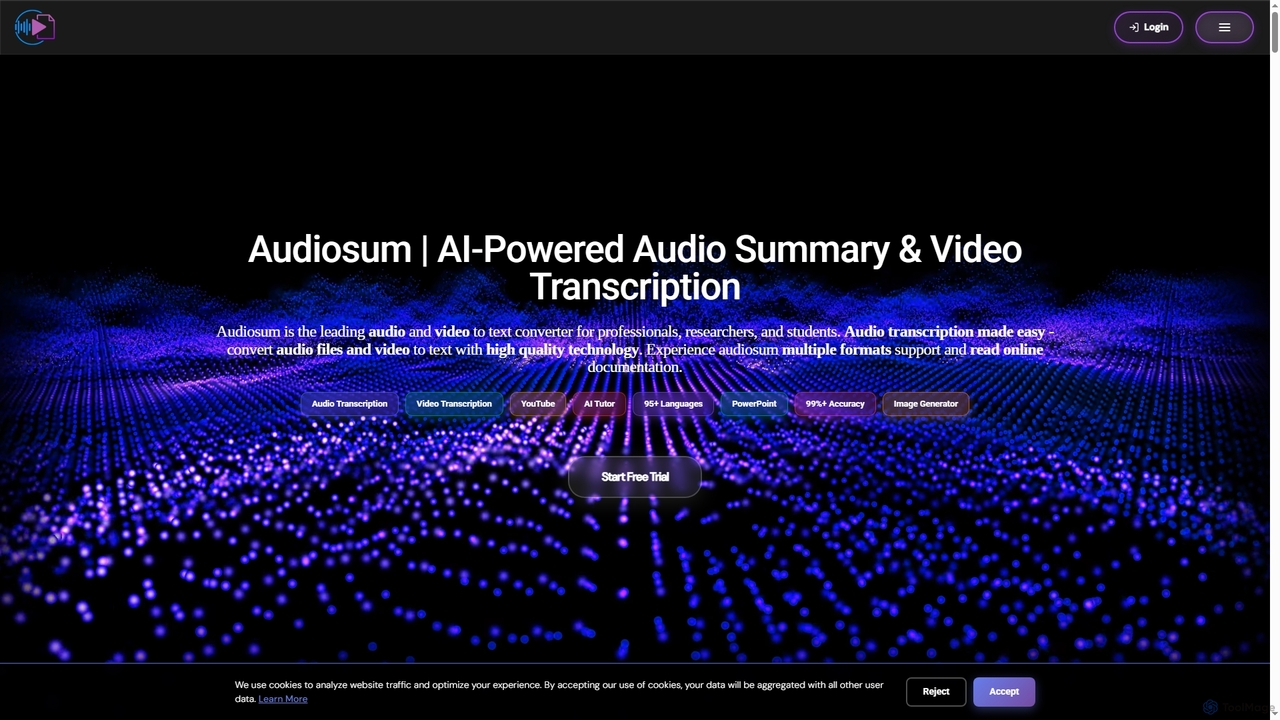
Audiosum is an advanced AI-powered platform designed for professionals, students, and researchers to efficiently process audio, video, and document content. It offers highly accurate transcription, intelligent summarization, and various content generation tools, saving users significant time by transforming lengthy media into concise, actionable insights across over 95 languages.

Meeting Management
Visits 9.1KFavorites 153Likes 167
Toolin
Freemium

Toolin

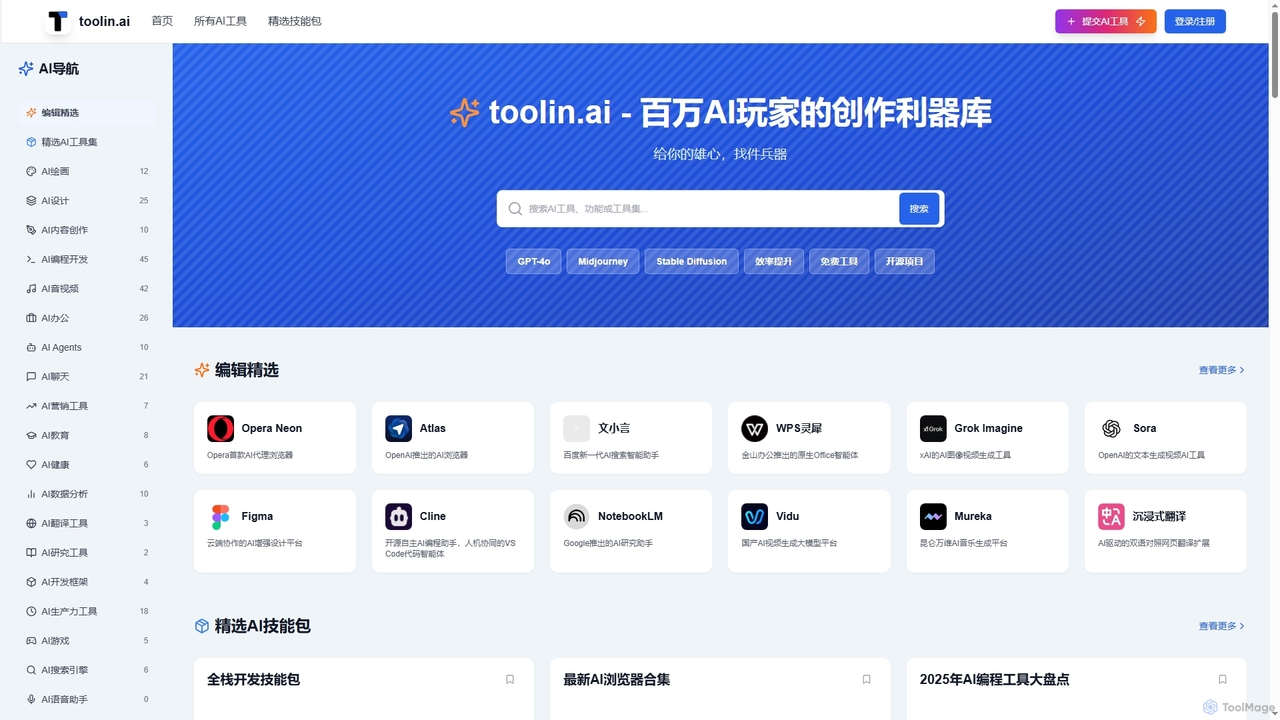
Toolin is a curated AI tool navigation and discovery platform designed for millions of AI enthusiasts and creators. It helps users find, organize, and share powerful AI tools for various applications, from productivity and content creation to programming and design. The platform also features 'AI Skill Packs,' which are expert-curated collections of tools for specific workflows, fostering a community of knowledge sharing.

Knowledge Sharing
Visits 70.9KFavorites 148Likes 122

About Academic Tools

AI Academic Tools are a specialized class of software designed to streamline and enhance the entire research and writing lifecycle for students, researchers, and educators. These tools leverage natural language processing (NLP) and machine learning to automate complex tasks such as literature discovery, data extraction, and citation management. Their primary value lies in accelerating research workflows, improving the quality of scholarly writing, and helping maintain academic integrity. Unlike general research tools, they are specifically tailored to the structured formats and rigorous standards of academic work.

Core Features

  • Intelligent Literature Search: Discovers relevant papers based on semantic meaning, not just keywords, and helps identify research gaps.
  • Automated Summarization: Generates concise summaries of lengthy articles, theses, and reports to speed up comprehension.
  • Advanced Citation Management: Automatically formats citations and bibliographies in various academic styles like APA, MLA, and Chicago.
  • Academic Writing Assistant: Provides grammar correction, style suggestions, and paraphrasing tools specifically for scholarly language.
  • Data Analysis & Extraction: Helps extract key data, figures, and findings from research papers and analyze qualitative or quantitative datasets.

Applicable Scenarios

These tools are essential for individuals in higher education and R&D environments. PhD candidates use them for comprehensive literature reviews, university professors for drafting grant proposals and journal articles, and students for writing term papers and theses. They are also valuable in corporate research departments for competitive analysis and scientific discovery.

Selection Criteria

When choosing an AI Academic Tool, consider its discipline-specific database support (e.g., PubMed, Scopus). Evaluate its integration capabilities with your existing software, such as word processors and reference managers. Assess the accuracy of its summarization and data extraction features, and consider whether you need individual or collaborative functionalities for team-based projects.

Academic Tools use cases

1

Accelerating Literature Reviews for Theses

A PhD student in sociology needs to conduct a comprehensive literature review for their dissertation, a process that involves analyzing hundreds of academic papers. Using an AI Academic Tool, they can input their core research questions and keywords to quickly scan multiple databases like JSTOR and Scopus. The tool semantically clusters related papers, generates summaries for the most relevant ones, and creates a visual map of research themes. This allows the student to identify key authors, foundational theories, and research gaps in days rather than weeks, significantly accelerating the initial phase of their research.

2

Drafting and Polishing Research Papers

A university researcher is preparing a manuscript for submission to a high-impact journal. They use an AI academic writing assistant to enhance their draft. The tool checks for complex grammatical errors common in scientific writing, suggests alternative phrasing to improve clarity and conciseness, and ensures consistent terminology throughout the paper. It also integrates with their reference manager to automatically format all in-text citations and the bibliography according to the journal's specific style guide. This process elevates the manuscript's quality and professionalism, increasing its chances of passing peer review.

3

Analyzing Qualitative Interview Data Efficiently

A social scientist has conducted 30 in-depth interviews and is faced with hundreds of pages of transcripts. Manually coding this data for thematic analysis is time-consuming. They upload the transcripts to an AI tool that specializes in qualitative analysis. The AI automatically identifies recurring keywords, concepts, and sentiment, suggesting potential themes and codes. It allows the researcher to quickly group related quotes and visualize the connections between different themes. While the researcher retains final control over the interpretation, the AI automates the initial, laborious coding process, reducing analysis time by over 50%.

4

Creating Structured Study Guides from Lecture Notes

A university student preparing for final exams has accumulated a large volume of lecture notes, textbook chapters, and supplementary readings. To consolidate this information, they use an AI academic tool. By uploading all the documents, the tool can identify key concepts, define important terms, and generate a structured outline of the entire course. It can also create flashcards for key definitions and generate practice questions based on the material. This transforms disorganized notes into a powerful, interactive study guide, helping the student to review more efficiently and test their knowledge effectively.

5

Verifying Citations and Preventing Plagiarism

An educator teaching a large undergraduate course needs to grade over 100 research papers. To maintain academic integrity and provide fair assessments, they use an AI academic tool. Each paper is submitted through the platform, which runs a comprehensive plagiarism check against a vast database of academic journals, websites, and previous student submissions. The tool also verifies that the in-text citations correspond correctly to the bibliography and flags any inconsistencies. This not only helps detect potential academic misconduct but also serves as a teaching tool to show students how to cite sources correctly.

6

Streamlining Grant Proposal Writing

A principal investigator (PI) at a research institute is writing a grant proposal for a major funding agency. The process is complex, requiring a strong literature review, clear methodology, and persuasive arguments. The PI uses an AI tool to find the most recent and impactful studies in their field to strengthen the proposal's background section. The AI writing assistant then helps refine the language for clarity and impact, ensuring the proposal is compelling and easy for reviewers to understand. Finally, the tool checks the entire document against the agency's formatting guidelines, saving hours of manual proofreading.

Academic Tools FAQ

What are AI Academic Tools?

AI Academic Tools are specialized software applications that use artificial intelligence to assist with tasks throughout the academic research and writing process. Unlike general productivity tools, they are specifically designed for the needs of students, researchers, and educators. Key functions include intelligent literature search, automated summarization of complex papers, citation management in academic formats (like APA, MLA), and advanced writing assistance tailored for scholarly work. They act as a powerful research assistant, helping to streamline workflows and improve the quality of academic output.

How to choose the right AI Academic Tool?

Choosing the right tool depends on your specific needs. Consider these factors:

  • Field of Study: Ensure the tool integrates with databases relevant to your discipline (e.g., PubMed for life sciences, IEEE Xplore for engineering).
  • Primary Function: Identify your main bottleneck. Do you need help with literature discovery, writing and grammar, data analysis, or citation management? Choose a tool that excels in that area.
  • Integration: Check if it works with your existing software, such as Microsoft Word, Google Docs, Zotero, or Mendeley, to ensure a smooth workflow.
  • Usability and Cost: Look for a tool with an intuitive interface. Compare pricing models, including free trials, subscriptions, or institutional licenses, to find one that fits your budget.
What's the difference between AI Academic Tools and reference managers like Zotero?

There is an overlap, but they serve different primary purposes. Traditional reference managers like Zotero or EndNote excel at collecting, organizing, and formatting citations. Their main job is to manage a library of sources and generate bibliographies. AI Academic Tools often include these features but go much further. They actively participate in the research process by using AI to help you discover new papers, understand content through summarization, analyze data within documents, and improve your writing. In essence, a reference manager is a passive library, while an AI academic tool is an active research assistant.

Can these tools write my paper for me?

No, and they should not be used for that purpose. The function of AI Academic Tools is to act as an assistant, not an author. They are designed to augment your research and writing skills by handling time-consuming tasks like finding sources, summarizing articles, checking grammar, and formatting citations. Using AI to generate entire sections of a paper without original thought and proper attribution is considered academic dishonesty and plagiarism. Always use these tools ethically to support your own work, not replace it.

Are AI Academic Tools accurate and reliable?

The accuracy of AI academic tools can vary significantly. While they are powerful for discovering relevant literature and providing initial drafts of summaries or paraphrased text, their output must always be critically evaluated by a human user. AI-generated summaries may miss crucial nuances or misinterpret complex arguments. Similarly, data extraction features require verification against the original source. They are best viewed as tools to augment human intelligence, not replace it. Always double-check facts, figures, and citations generated by an AI tool to ensure the integrity of your work.