Analytics Best in category 14 results Performance Tracking AI Tool

Popular AI tools in the Performance Tracking field of Analytics include YOUR.GG、Pebbles、LocalHQ、SponsorFlo、TitleForge、VenEx AI、DoraRank、Gohorto、Freelantix、Moodfol, etc., helping you quickly improve efficiency.

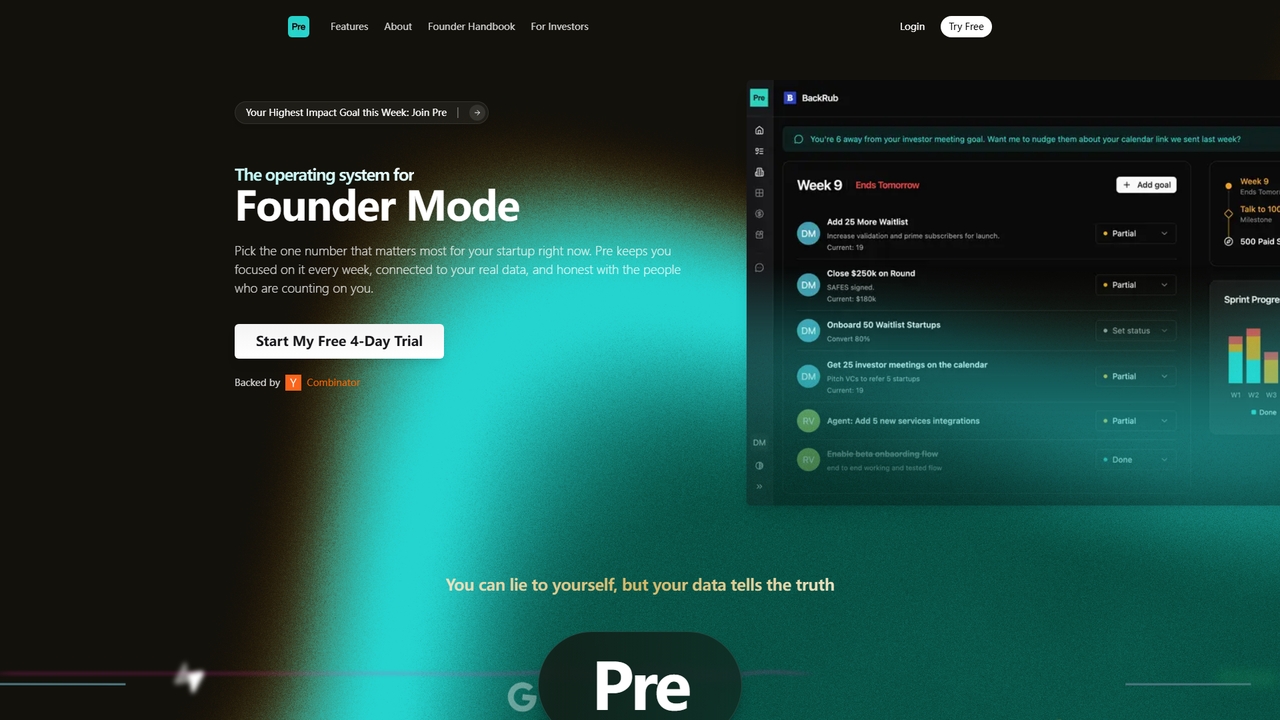
Pre

Pre

Pre is an AI-powered accountability and execution system for startup founders. It connects to your business tools, tracks …

2.4K
PromptPilot

PromptPilot

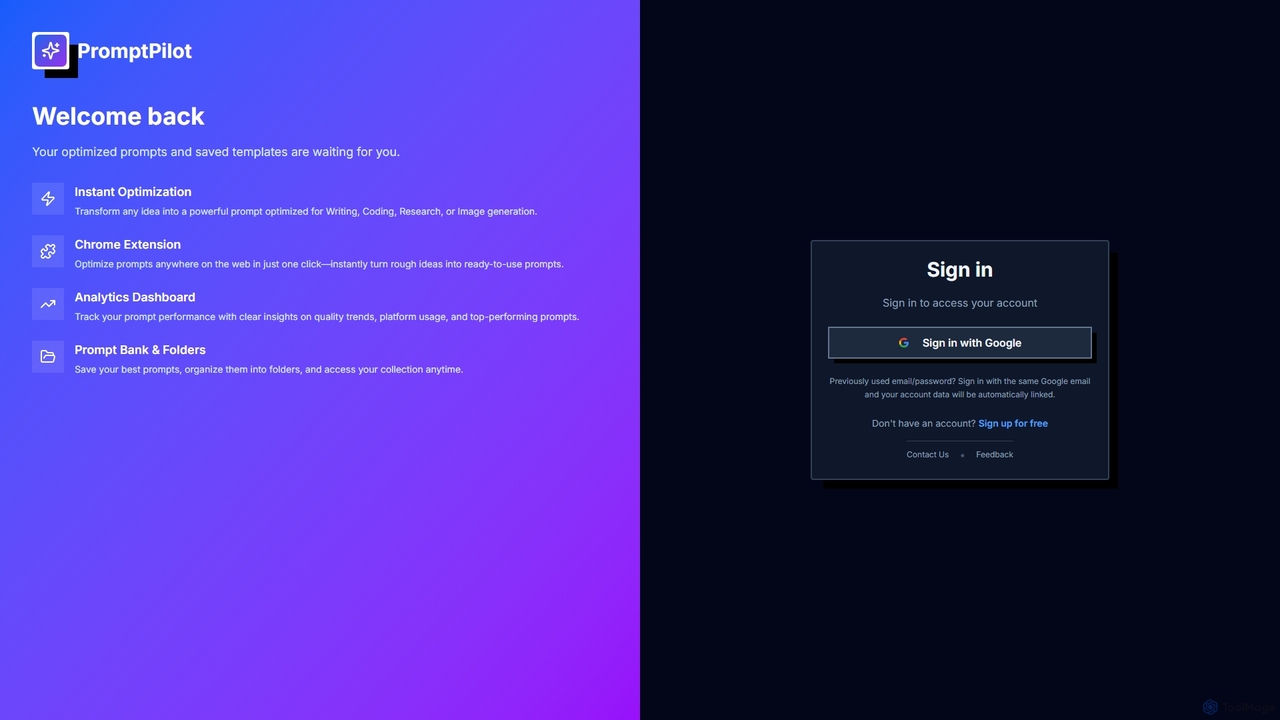
PromptPilot is an AI prompt optimization tool designed to transform raw ideas into powerful, optimized prompts for various …

2.3K
SponsorFlo

SponsorFlo

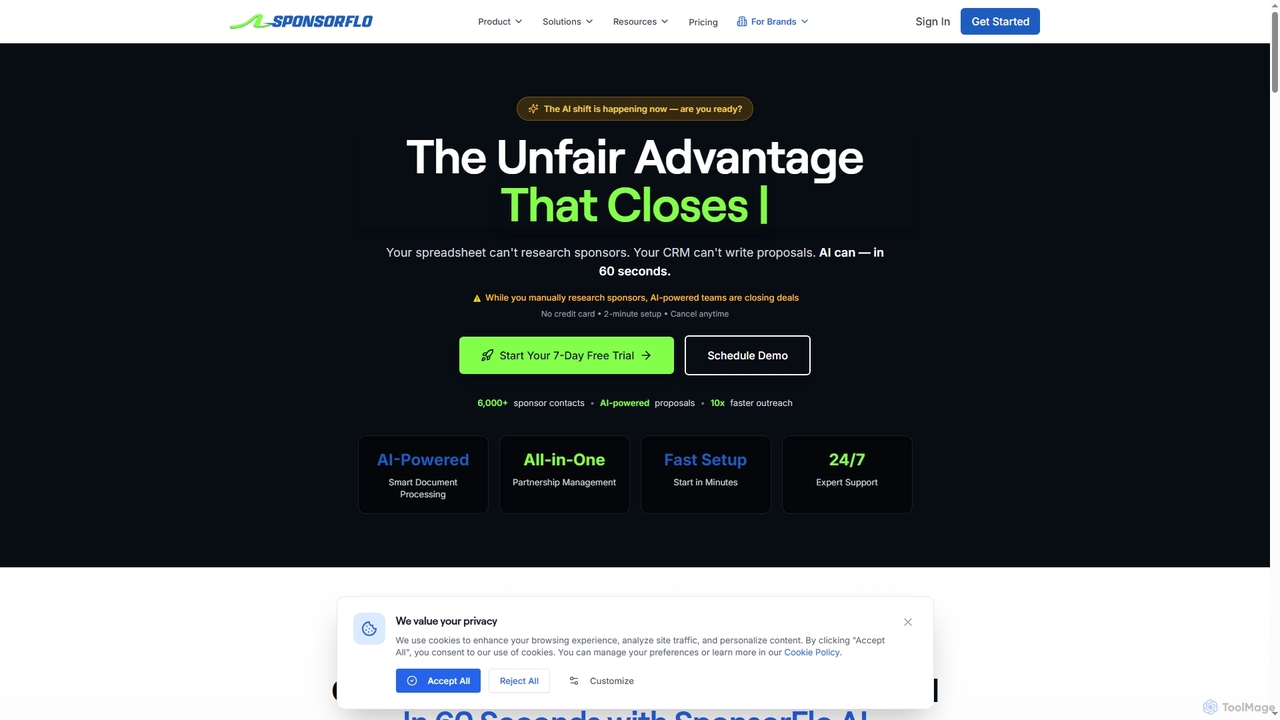
SponsorFlo is an AI-powered sponsorship management platform designed to revolutionize how organizations secure and manage partnerships. It automates …

4.3K
LocalHQ

LocalHQ

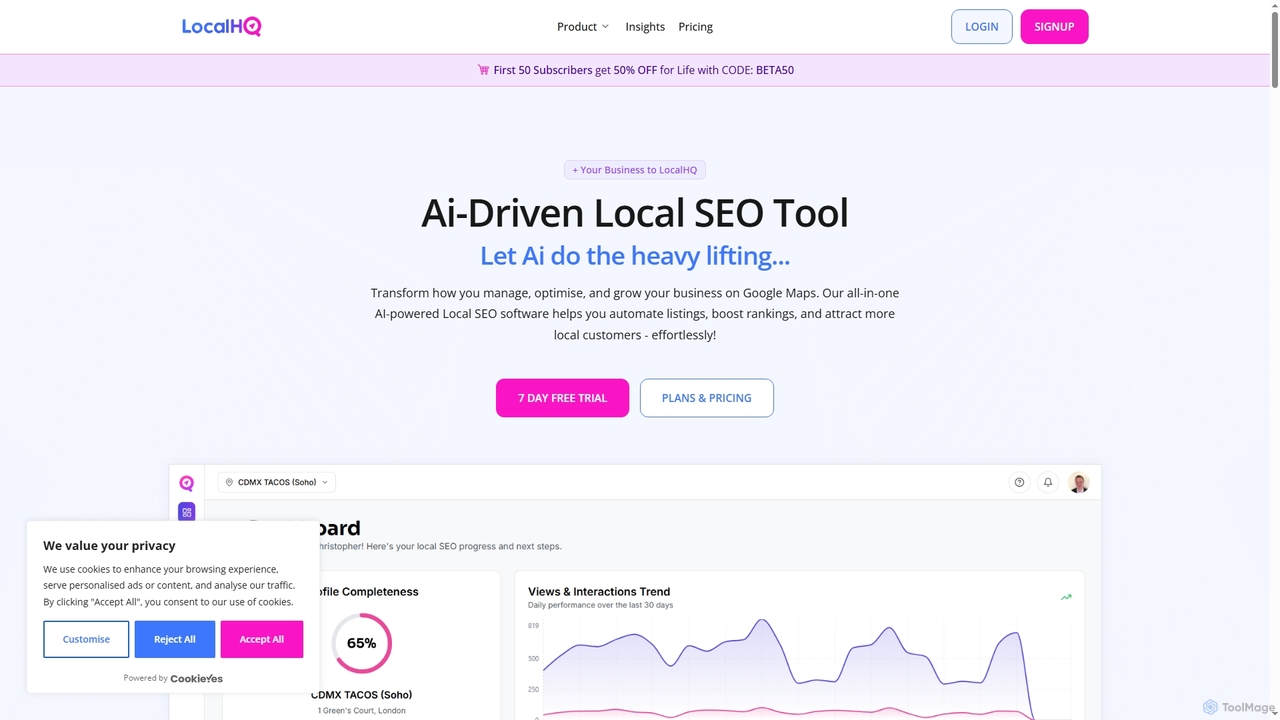
LocalHQ is an AI-powered local SEO software designed to transform how businesses manage, optimize, and grow their presence …

4.7K
DoraRank

DoraRank

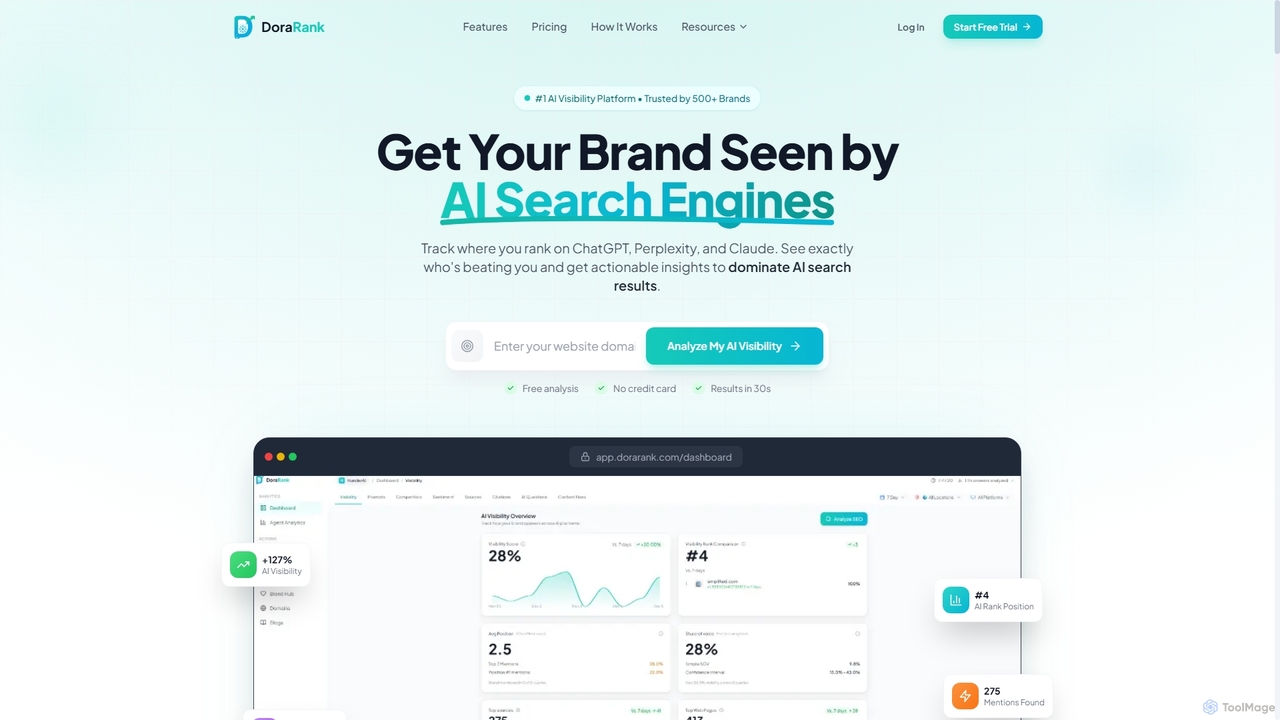
DoraRank is the #1 AI visibility platform designed to help brands rank higher in AI search engines like …

2.5K
Gohorto

Gohorto

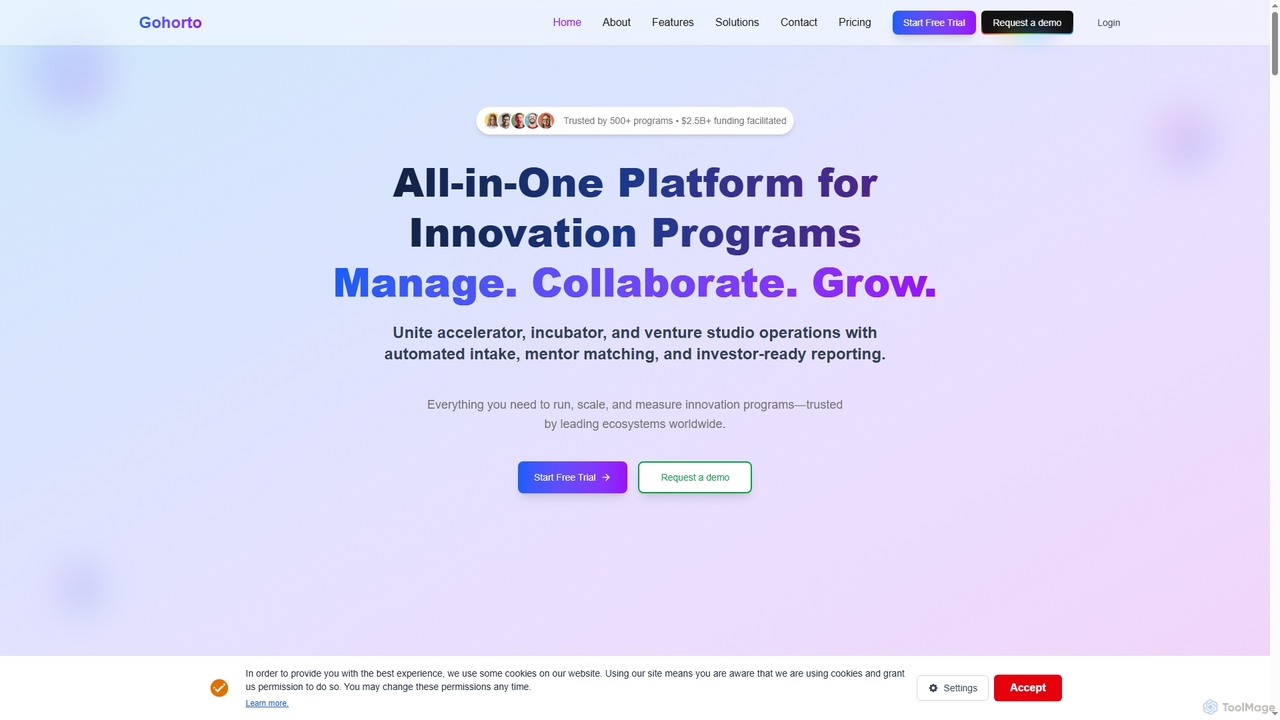
Gohorto is an AI-powered innovation program management platform designed for startup ecosystems. It unifies operations for accelerators, incubators, …

2.5K
Freelantix

Freelantix

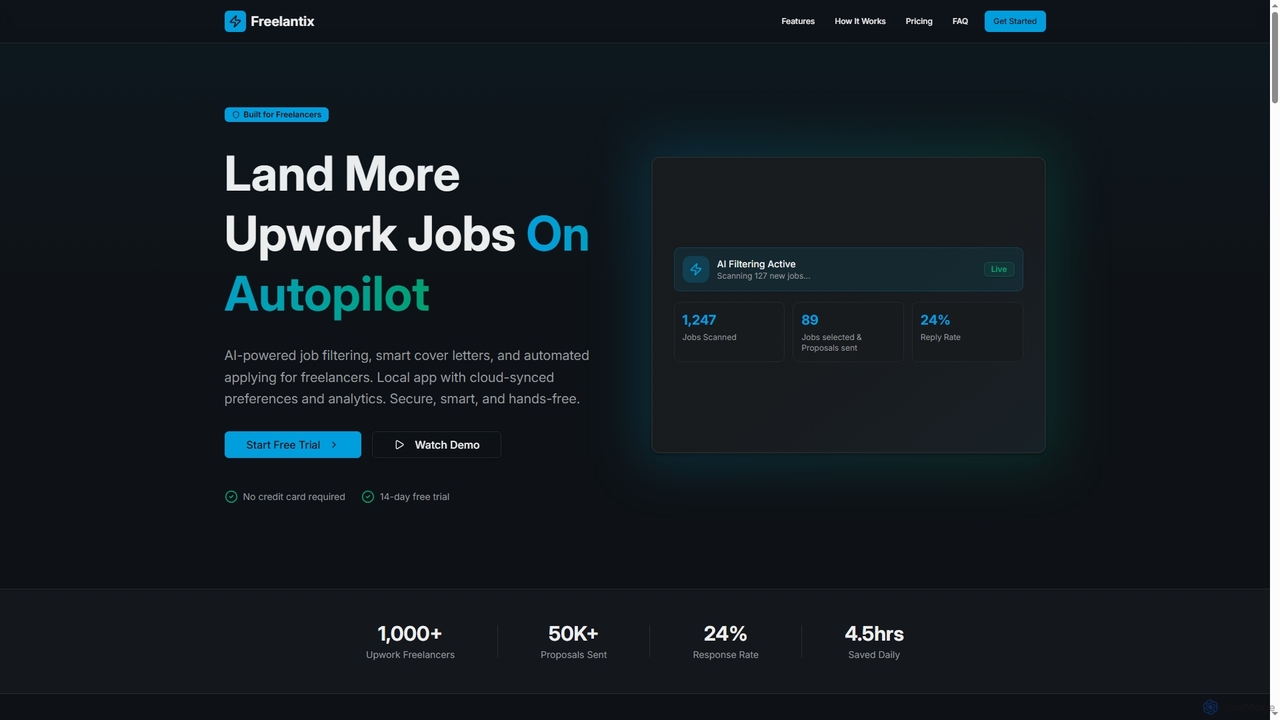
Freelantix is an AI-powered desktop application designed to automate and optimize the Upwork job search and application process …

2.5K
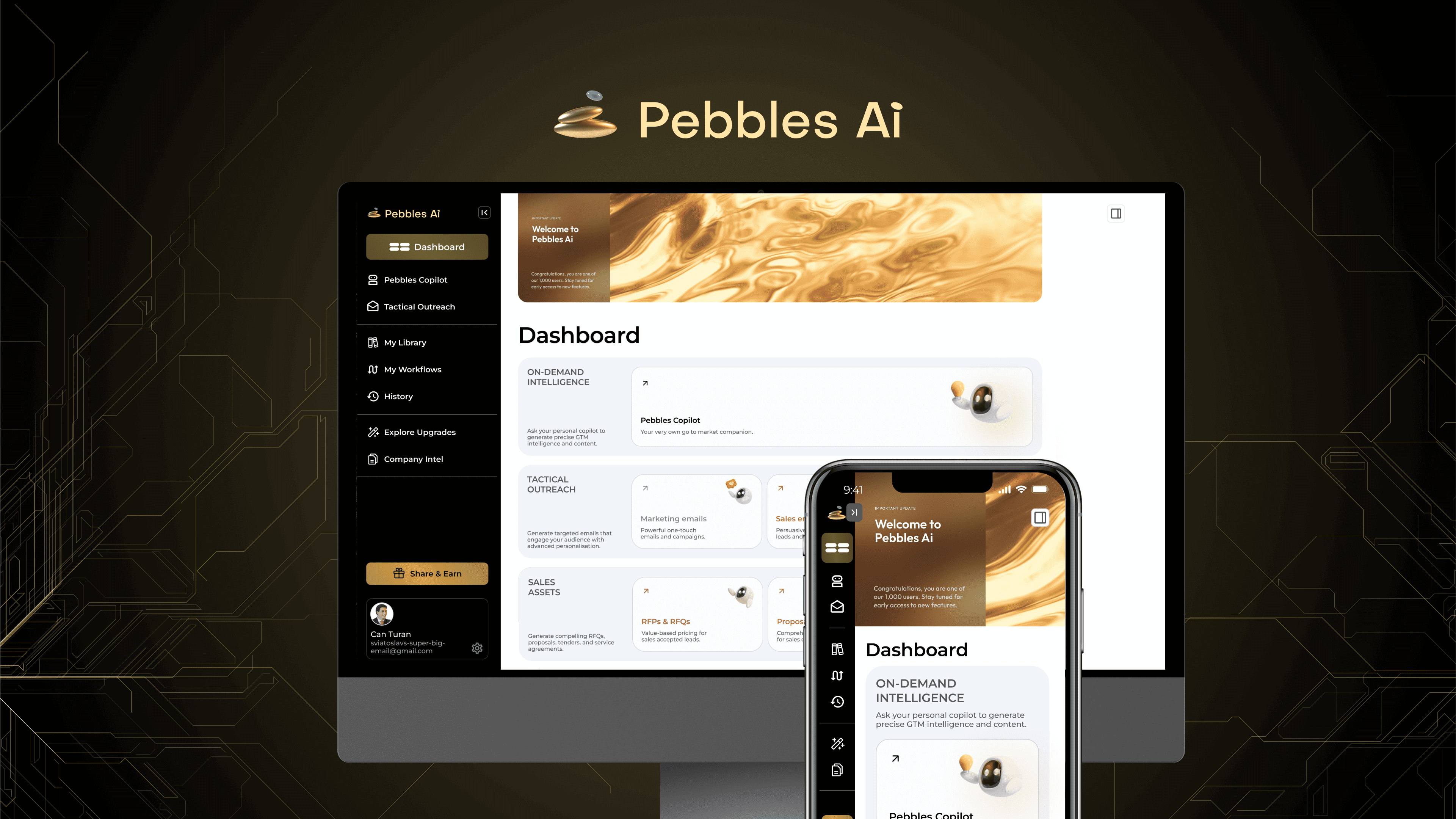
Pebbles

Pebbles

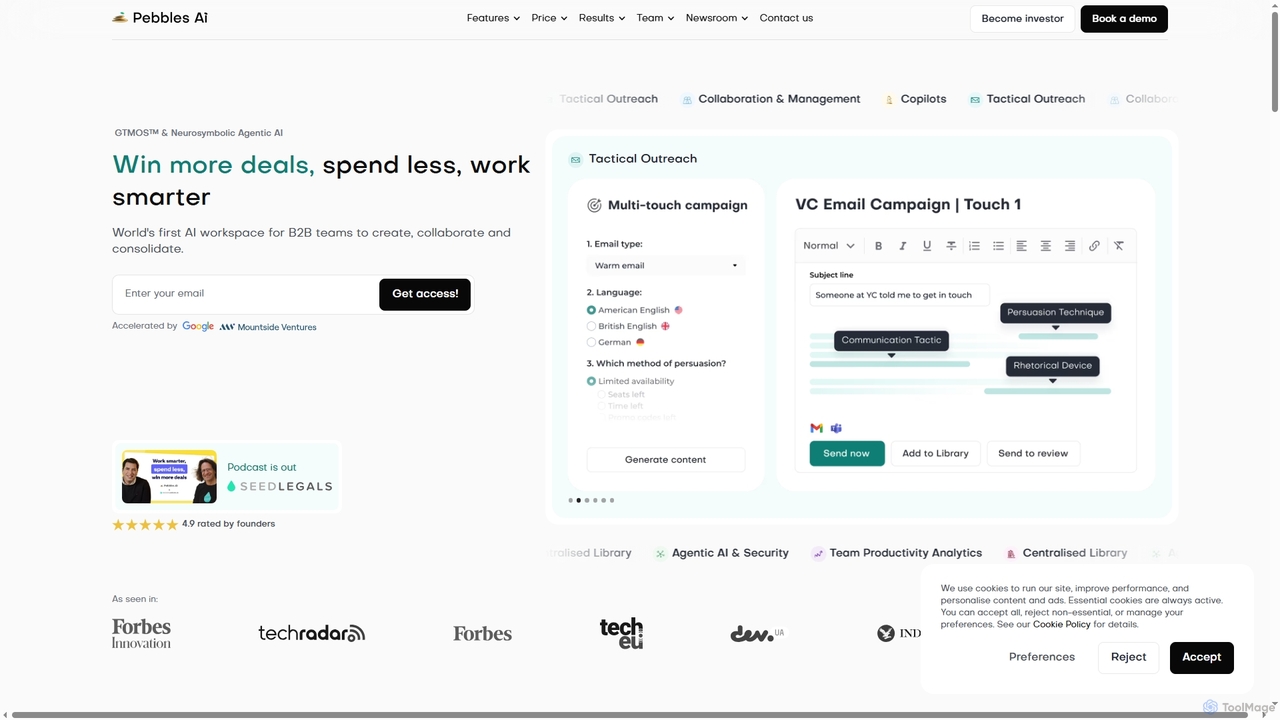
Pebbles is a neurosymbolic agentic AI-powered Go-To-Market (GTM) Operating System designed for B2B businesses. It helps leadership, marketing, …

5.4K
SwingSight

SwingSight

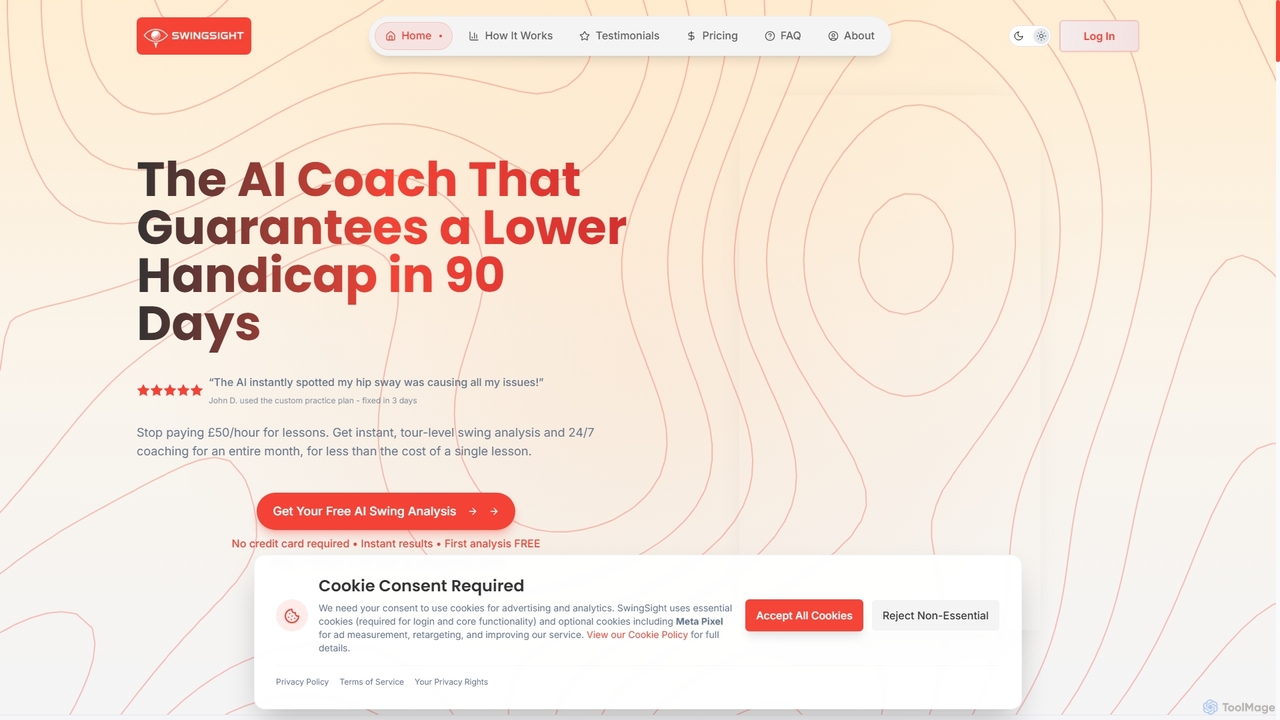
SwingSight is an AI-powered golf coaching system that provides instant, tour-level swing analysis, personalized practice plans, and a …

2.4K
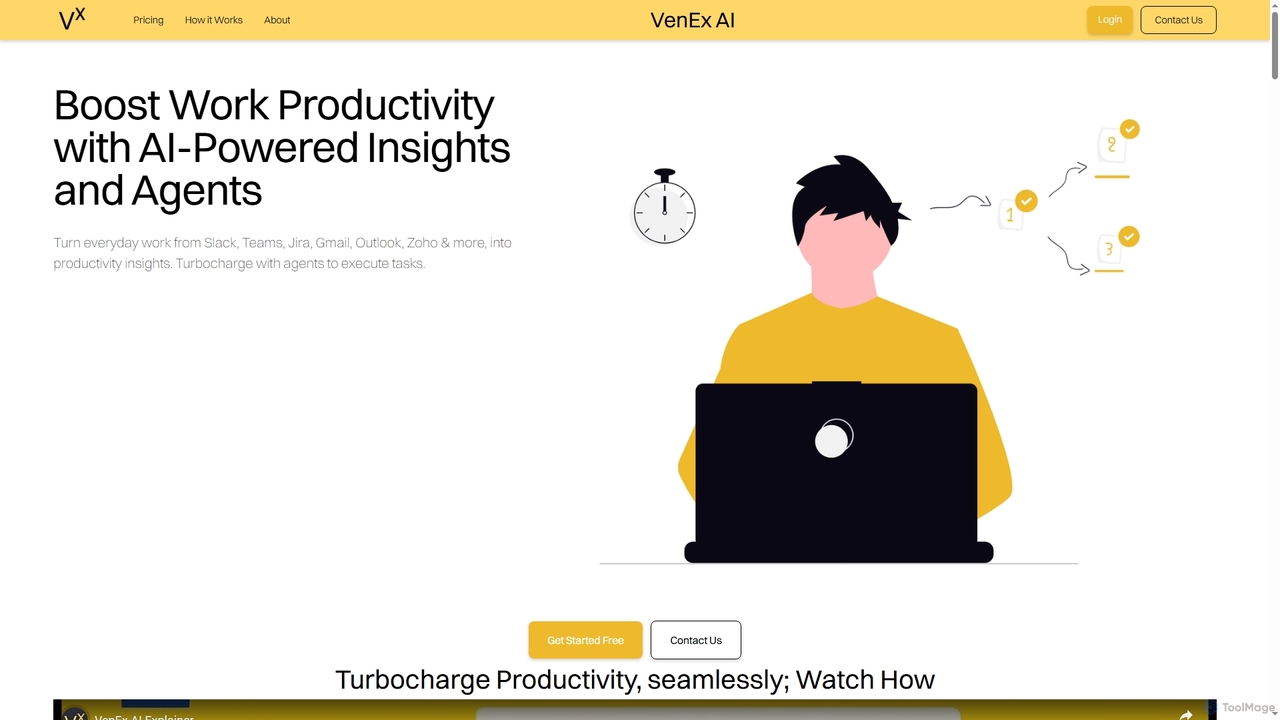
VenEx AI

VenEx AI

VenEx AI is an advanced AI-powered platform designed to significantly boost workplace productivity and performance. It integrates seamlessly …

2.6K
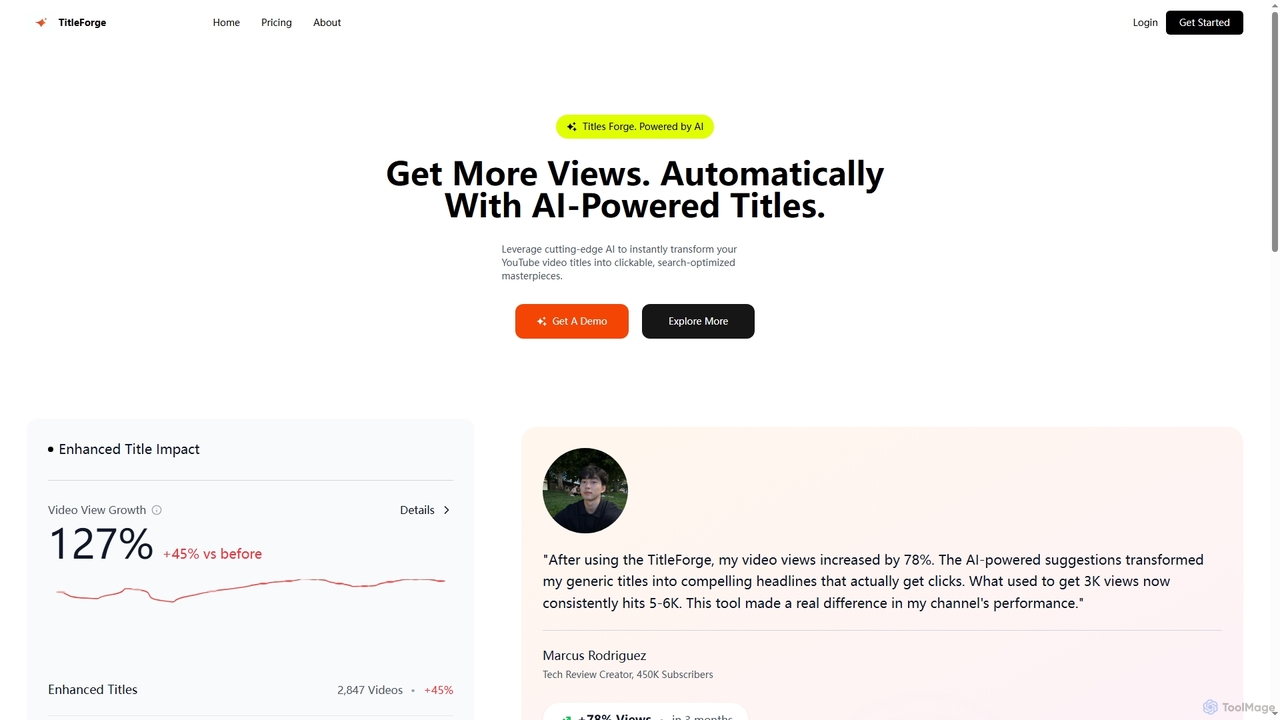
TitleForge

TitleForge

TitleForge is an AI-powered tool designed to help YouTube creators optimize their video titles for increased views and …

3.2K
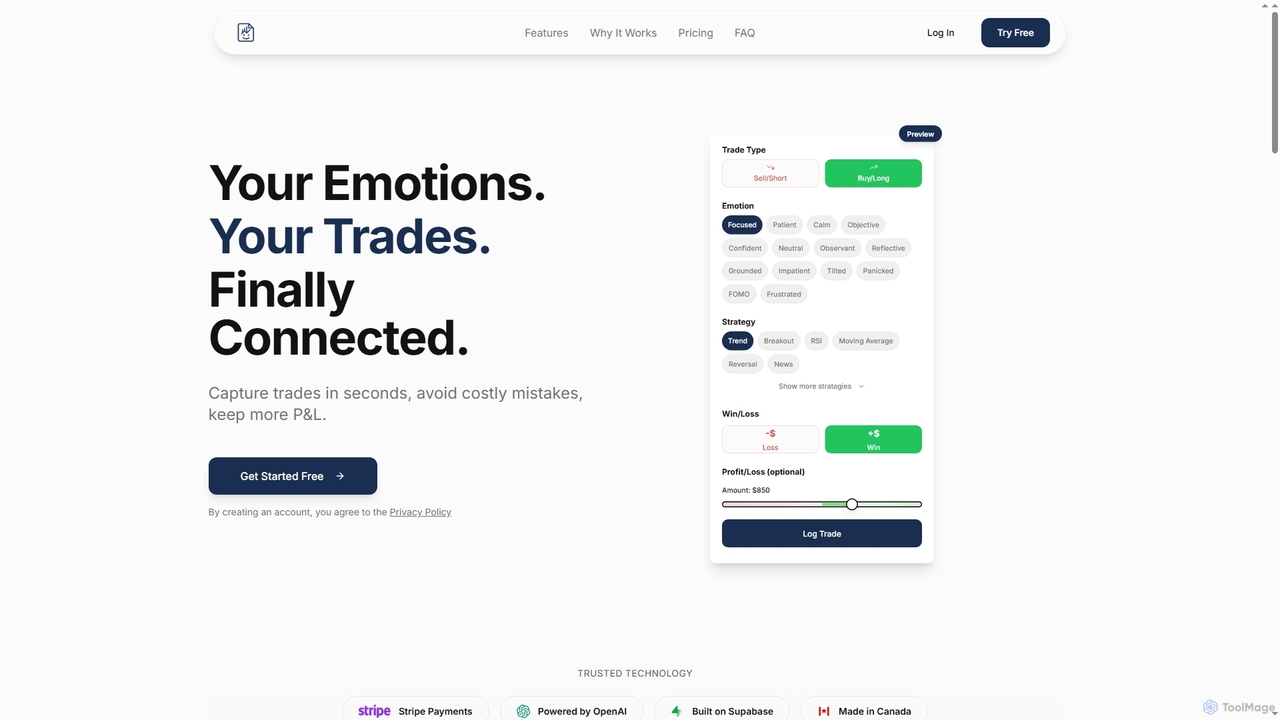
Moodfol

Moodfol

Moodfol is an AI-powered trading and emotional journal designed to help traders connect their emotions with their trades. …

2.5K
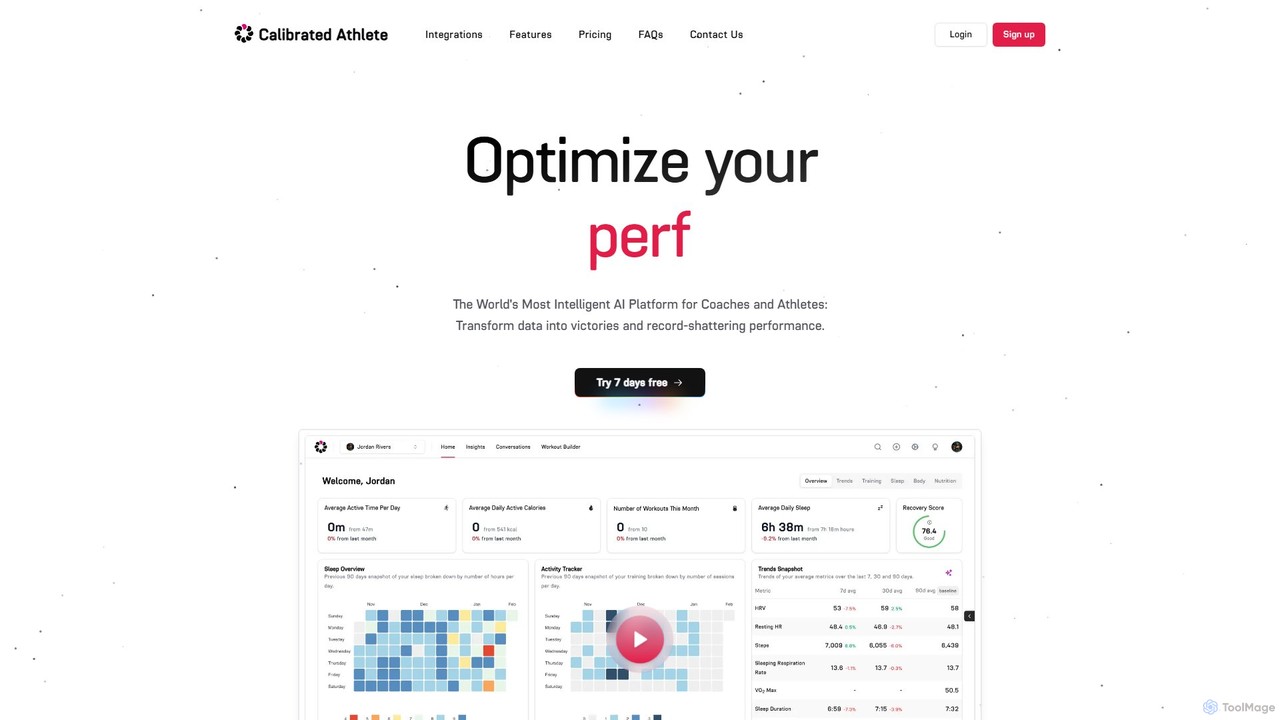
Calibrated Athlete

Calibrated Athlete

Calibrated Athlete is an AI-powered platform for athletes and coaches to optimize performance. It integrates data from workouts, …

2.5K
YOUR.GG

YOUR.GG

YOUR.GG is an AI-powered coaching platform for League of Legends players. Through its flagship PLAYREPORT feature, it analyzes …

248.8K

About Performance Tracking

Performance Tracking tools are a specialized category of analytics software designed to monitor, measure, and evaluate progress towards specific goals and Key Performance Indicators (KPIs). These tools automate the collection of data from various sources, presenting it in real-time dashboards and reports for clear visibility. This enables businesses and teams to make data-driven decisions, identify operational bottlenecks, and optimize strategies for better outcomes. Unlike general analytics platforms focused on broad data exploration, performance tracking tools are purpose-built for continuous monitoring against predefined targets.

Core Features

  • Real-time Dashboards: Visualize key metrics and KPIs as they happen through customizable charts and graphs.
  • Goal & KPI Setting: Define, assign, and track specific, measurable objectives for individuals, teams, or the entire organization.
  • Automated Reporting: Schedule and generate regular reports on progress, trends, and deviations from targets.
  • Data Source Integration: Connect with various business systems like CRM, marketing automation, and project management tools to consolidate data.
  • Alerts & Notifications: Set up automated alerts for when key metrics hit certain thresholds or goals are achieved.

Applicable Scenarios

These tools are widely used across various departments. Sales teams use them to monitor quotas and pipeline health. Marketing departments track campaign ROI and lead conversion rates. Operations and support teams measure efficiency metrics like response time and resolution rates. Project managers also leverage them to monitor project milestones and team velocity.

Selection Criteria

When choosing a Performance Tracking tool, consider its integration capabilities with your existing software stack. Evaluate the level of customization available for dashboards and reports to match your specific KPIs. Assess its scalability to handle growing data volumes and user numbers. Finally, consider the user-friendliness of the interface, ensuring it is accessible to non-technical team members who need to act on the insights.

Performance TrackingUse Cases

1

Tracking Marketing Campaign ROI

A marketing manager for an e-commerce brand needs to justify their ad spend across multiple platforms like Google Ads, Facebook, and TikTok. They use a performance tracking tool to integrate data from all these sources into a single dashboard. This allows them to monitor key metrics such as Cost Per Acquisition (CPA), Conversion Rate, and Return On Ad Spend (ROAS) in real-time. By identifying which campaigns are underperforming, they can quickly reallocate budget to more profitable channels, optimizing the overall marketing ROI without manual data compilation.

2

Monitoring Sales Team Quotas

A sales director for a B2B software company sets monthly and quarterly quotas for their team. Using a performance tracking tool connected to their CRM, they can create dashboards that display each sales representative's progress towards their target. The tool tracks metrics like calls made, demos scheduled, deals closed, and revenue generated. This provides a clear, up-to-the-minute view of team performance, helps in identifying top performers for recognition, and allows the director to provide targeted coaching to reps who are falling behind.

3

Evaluating Customer Support Team Efficiency

A customer support manager aims to improve service quality and efficiency. They use a performance tracking tool that integrates with their helpdesk software (e.g., Zendesk, Intercom). The tool automatically pulls data on metrics like First Response Time (FRT), Average Resolution Time, and Customer Satisfaction (CSAT) scores. By visualizing these KPIs on a central dashboard, the manager can spot trends, such as an increase in resolution time, and investigate the root cause. It also helps in evaluating individual agent performance for training and development purposes.

4

Monitoring Software Development Sprint Velocity

A project manager in a tech company needs to ensure development cycles stay on schedule. They use a performance tracking tool connected to their project management platform (e.g., Jira, Asana). The tool visualizes key agile metrics like sprint burndown charts, team velocity (story points completed per sprint), and cycle time. This allows the project manager to predict whether a project is on track, identify potential roadblocks early, and facilitate more accurate planning for future sprints. It provides stakeholders with a transparent view of development progress without needing to delve into the project management tool itself.

5

Analyzing Employee Productivity and Workload

An HR manager or team lead in a remote-first company wants to ensure a balanced workload and prevent burnout. They implement a performance tracking tool that integrates with communication and project management systems. The tool tracks non-invasive metrics like tasks completed, project hours logged, and meeting loads. By analyzing this data, managers can identify team members who are consistently overloaded or underutilized. This insight allows for proactive workload adjustments, resource reallocation, and conversations about well-being, fostering a healthier and more productive work environment.

6

Tracking E-commerce Store Health Metrics

An e-commerce store owner needs a constant pulse on their business performance. They use a performance tracking tool to consolidate data from their sales platform (e.g., Shopify), web analytics (e.g., Google Analytics), and advertising channels. This creates a unified view of critical KPIs like daily sales volume, average order value (AOV), customer lifetime value (CLV), and cart abandonment rate. By setting up alerts for significant drops in these metrics, the owner can react quickly to issues, such as a broken checkout process or an ineffective promotion, minimizing potential revenue loss.

Performance TrackingFrequently Asked Questions