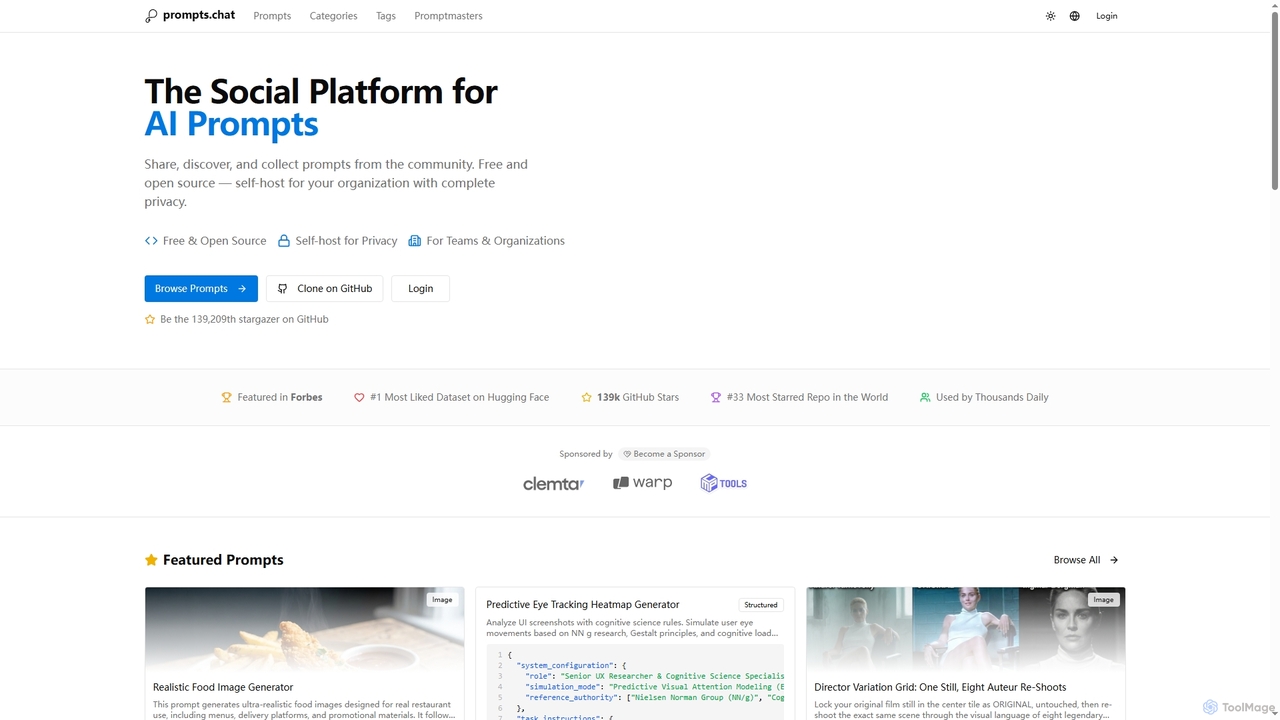
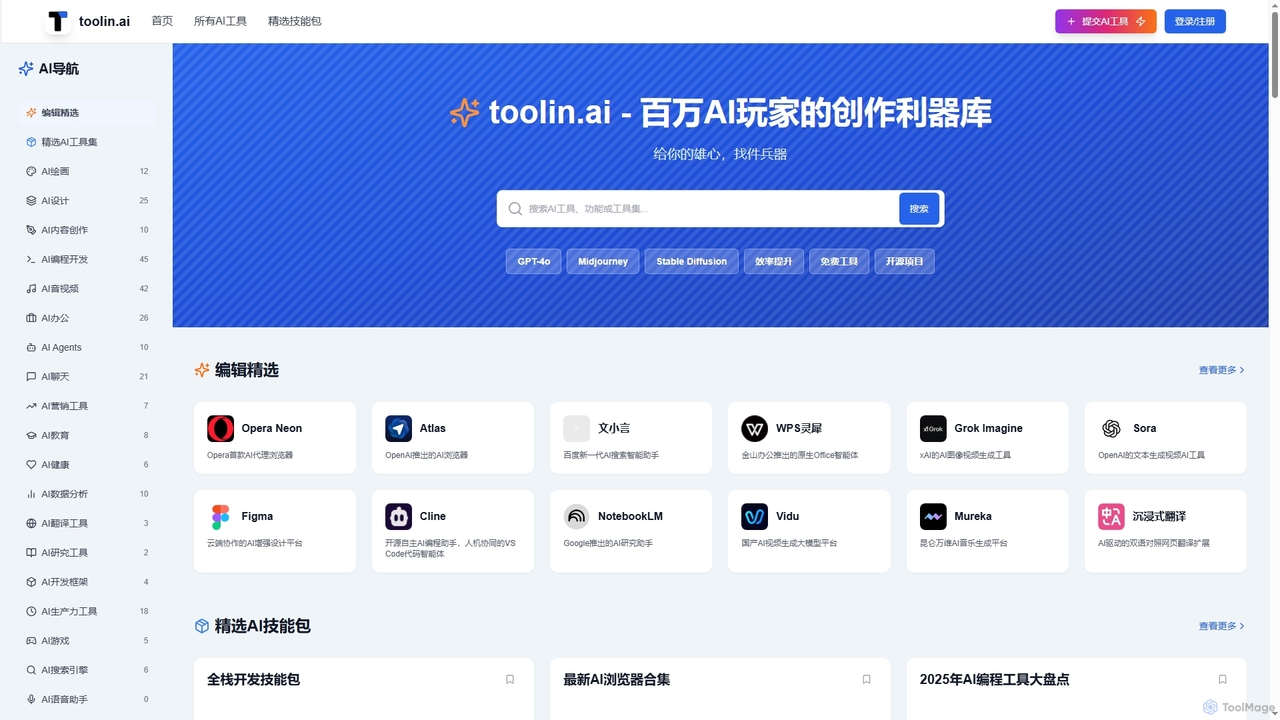
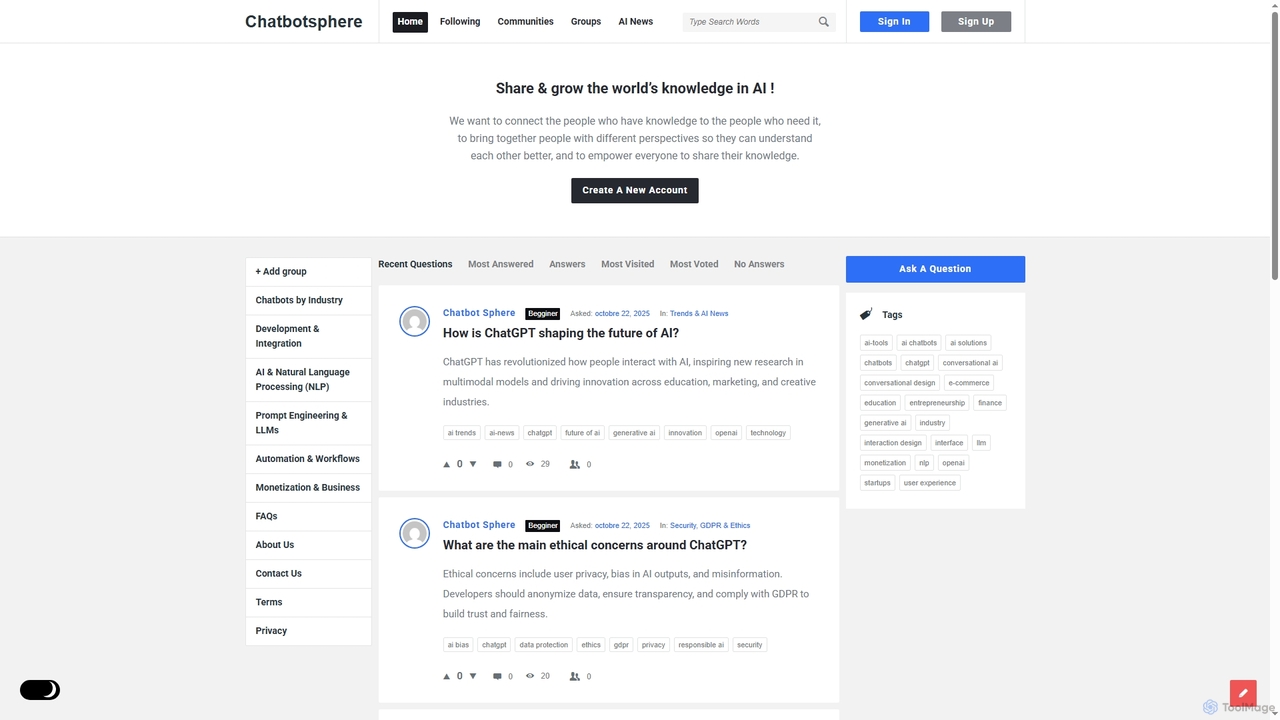
Knowledge Sharing tools are AI-powered platforms designed to capture, organize, and surface collective intelligence within an organization. They utilize Natural Language Processing (NLP) and semantic search to understand the context of information, making it easily discoverable. These tools help break down information silos, accelerate learning, and preserve institutional memory by transforming scattered data into a structured, searchable knowledge base. This approach ensures that valuable insights are accessible to the right people at the right time.
Core Features
- Semantic Search: Understands the user's intent to deliver conceptually relevant answers, not just keyword matches.
- Automated Content Curation: Automatically ingests, tags, and organizes information from various sources like Slack, Confluence, and Google Drive.
- Expert Identification: Identifies subject matter experts within the organization based on their contributions and activities.
- Q&A Generation: Automatically creates question-and-answer pairs from existing documents to build a dynamic FAQ repository.
Use Cases
These tools are particularly valuable in large enterprises, remote-first companies, and knowledge-intensive sectors like technology, consulting, and R&D. They are used to accelerate new employee onboarding, provide instant answers for customer support teams, and prevent redundant work in product development by making past project information accessible.
How to Choose
When selecting a Knowledge Sharing tool, consider its integration capabilities with your existing tech stack (e.g., CRMs, communication platforms). Evaluate the accuracy and speed of its search functionality. Also, assess its security protocols, access control features, and scalability to handle a growing volume of information.