Euacc
Euacc (European Accelerationism) is a policy advocacy platform and movement dedicated to fostering innovation and economic growth in …
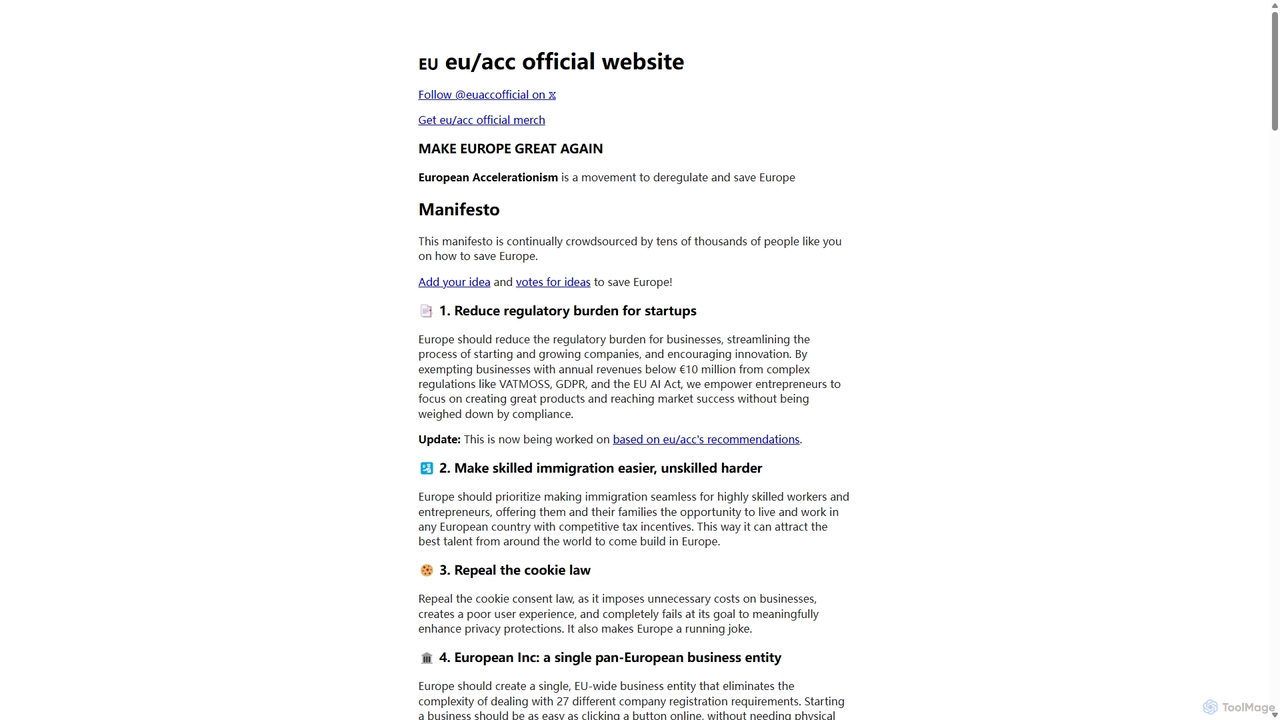
Euacc (European Accelerationism) is a policy advocacy platform and movement dedicated to fostering innovation and economic growth in Europe. It promotes deregulation, supports startups, and champions the adoption of advanced technologies like AI through a crowdsourced manifesto and direct political engagement.
Nonbot.org
A free platform for creators to certify their content as 100% human-made. By taking a pledge, users receive …
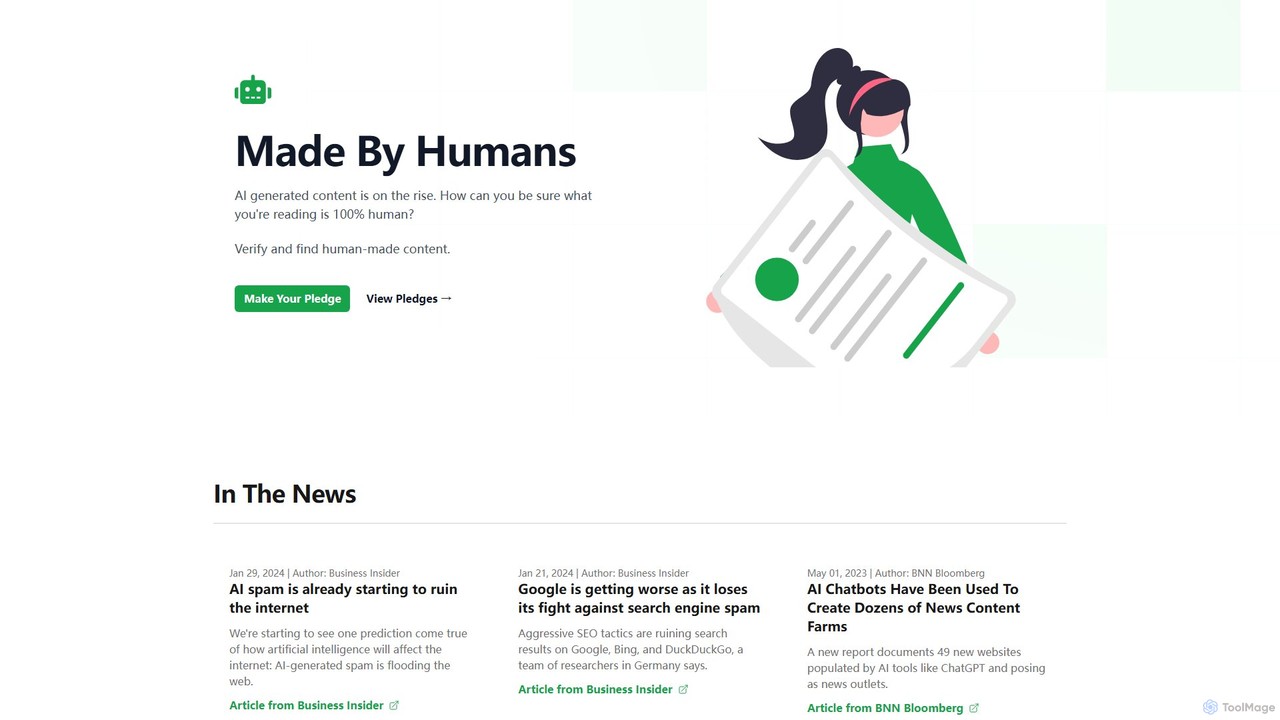
A free platform for creators to certify their content as 100% human-made. By taking a pledge, users receive a badge to display on their websites, promoting transparency and building trust with their audience in an era of increasing AI-generated content.
Not By AI
Not By AI is a global movement providing badges for creators to certify their content is primarily human-made. …
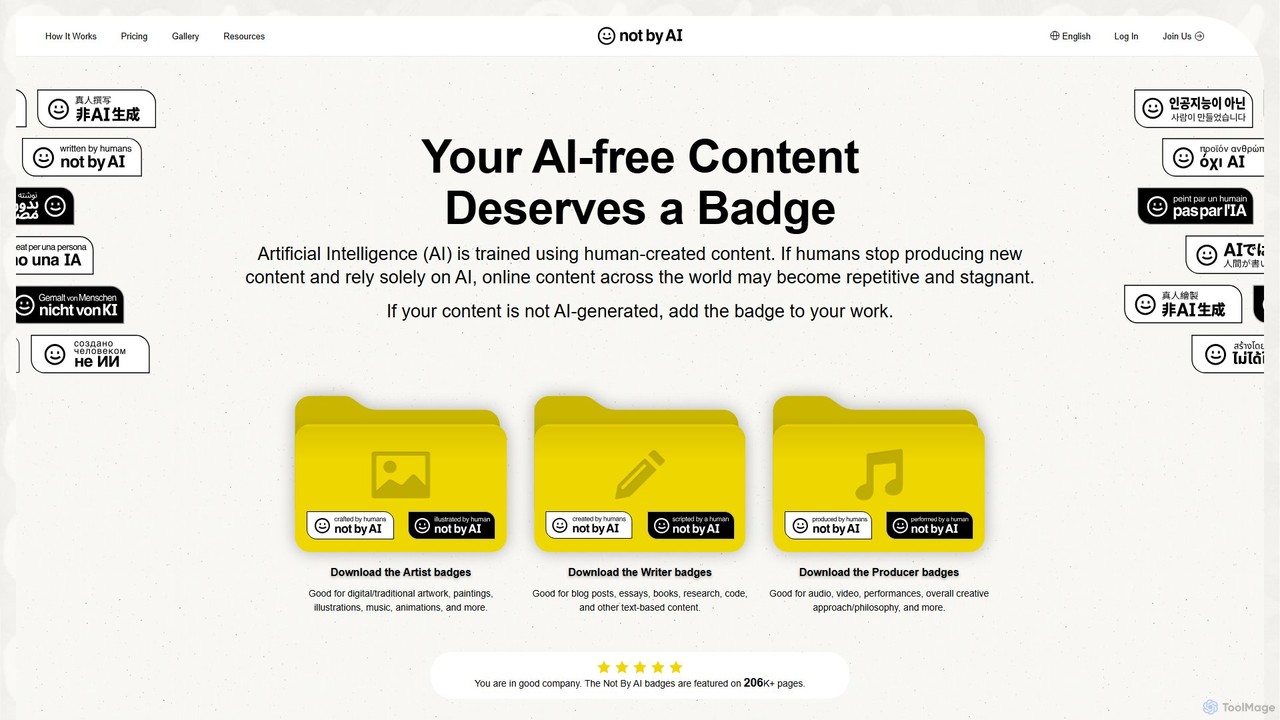
Not By AI is a global movement providing badges for creators to certify their content is primarily human-made. It promotes originality and helps distinguish human-created work in an AI-dominated world. By adhering to the "90% Rule," creators can build trust and showcase their commitment to authentic, human-centric creativity.
About Advocacy
Advocacy tools are specialized platforms designed to mobilize a community of customers, employees, or fans into active brand promoters. As a key component of community management, these tools leverage automation and analytics to streamline word-of-mouth marketing campaigns. By providing structured programs with gamification and rewards, they encourage advocates to share content, refer new customers, and generate authentic social proof. This approach transforms passive community members into a powerful, scalable marketing force, amplifying brand reach and trust.
Core Features
- Campaign Management: Create and deploy targeted campaigns that prompt advocates to perform specific actions, such as sharing posts or writing reviews.
- Gamification & Rewards Engine: Implement points, badges, and leaderboards to incentivize participation and recognize top contributors with tangible or intangible rewards.
- Content Hub & Distribution: Provide a centralized library of pre-approved content that advocates can easily share across their social networks with a single click.
- Performance Analytics: Track key metrics like reach, engagement, traffic, and conversions generated by advocate activities to measure ROI.
- Advocate Segmentation: Identify and group advocates based on their influence, activity level, or demographics to personalize campaigns.
Use Cases
These tools are widely used by marketing departments in B2B and B2C companies to scale brand ambassador programs. HR teams utilize them for employee advocacy to boost recruitment and employer branding. Non-profits and cause-based organizations also leverage them to mobilize supporters for fundraising and awareness campaigns.
How to Choose
When selecting an Advocacy tool, evaluate its integration capabilities with your existing CRM and social media platforms. Consider the sophistication of its analytics to ensure you can track ROI effectively. Assess the user experience for both administrators and advocates, as ease of use is critical for adoption. Finally, compare pricing models based on the number of advocates and features required.
AdvocacyUse Cases
Scaling a B2B Employee Advocacy Program
A marketing manager at a technology firm aims to increase brand visibility and generate qualified leads on professional networks. They use an Advocacy tool to launch an employee advocacy program. The platform provides a content hub with curated company blog posts, industry news, and product updates. Employees receive notifications about new content and can share it with one click. The tool's gamification features, including a monthly leaderboard, encourage friendly competition. As a result, the company's social reach increases significantly, and the platform's analytics attribute a notable rise in inbound leads directly to employee shares.
Driving User-Generated Content for a D2C Brand
A direct-to-consumer (D2C) fashion brand wants to increase authentic social proof. They launch a user-generated content (UGC) campaign using an Advocacy platform. Customers are invited to join the 'Brand Insider' community. The campaign challenge is to post a photo on Instagram wearing the brand's latest product with a specific hashtag. The platform tracks all hashtag mentions and automatically awards points to participants. Top point-earners receive exclusive discounts and early access to new collections. This initiative results in thousands of authentic UGC pieces, which are then repurposed for the brand's official social media and ad campaigns, increasing engagement and conversion rates.
Mobilizing Supporters for a Non-Profit Fundraiser
A non-profit organization is running its annual fundraising campaign and needs to maximize reach on a limited budget. Using an Advocacy tool, they create a 'Digital Ambassador' program for their most dedicated supporters. The platform provides ambassadors with pre-written social media posts, email templates, and compelling visuals about the campaign's impact. A leaderboard tracks which ambassadors raise the most funds through their unique sharing links. The top ambassador is publicly recognized on the organization's website. This strategy turns supporters into active fundraisers, significantly extending the campaign's reach beyond the organization's own channels and leading to a substantial increase in donations.
Amplifying Event Promotion Through Attendees
An event organizer for a major tech conference wants to boost ticket sales and create pre-event buzz. They integrate an Advocacy platform into their event registration process. Once registered, attendees are invited to become 'Event Influencers'. They gain access to a dashboard with shareable graphics, speaker announcements, and a unique referral code that gives their network a discount on tickets. The platform tracks referrals and rewards top influencers with VIP upgrades, such as access to a speaker lounge or a private networking dinner. This turns every attendee into a potential marketer, creating an authentic and widespread promotional effort that complements traditional marketing channels.
Powering a Customer Referral Program
A subscription box service wants to acquire new customers cost-effectively. They use an Advocacy platform to manage their customer referral program. Existing subscribers can access a personal referral dashboard to track their invites and rewards. They can share a unique link via email, social media, or direct message. When a friend signs up using the link, both the referrer and the new customer receive a credit towards their next box. The platform automates the entire process, from link generation to reward fulfillment. This creates a viral loop, turning happy customers into a consistent and scalable channel for new customer acquisition, with a lower cost-per-acquisition than paid ads.
Enhancing Employer Branding via Social Media
An HR department wants to attract top talent by showcasing the company's culture. They implement an employee advocacy tool to encourage staff to share their work experiences. The platform's content hub is populated with 'Day in the Life' videos, team photos, and articles about company values. Employees can easily share this content on their personal LinkedIn or Twitter profiles. The tool provides analytics showing which content resonates most and which employees are the most effective ambassadors. This authentic, employee-driven content helps build a strong employer brand, making the company more attractive to potential candidates and reducing reliance on expensive recruitment agencies.