

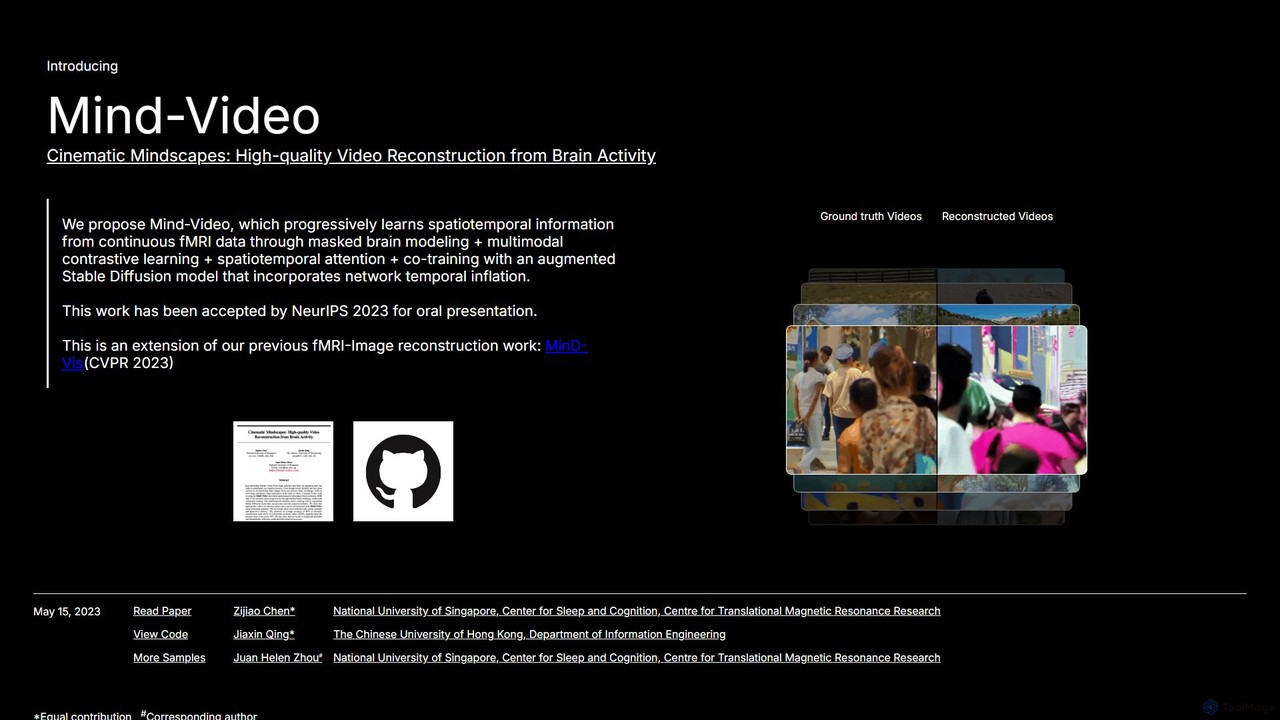
Mind-Video Overview
Mind-Video is a groundbreaking research framework developed by researchers from the National University of Singapore and The Chinese University of Hong Kong. It stands at the forefront of neuroscience and artificial intelligence, demonstrating the ability to reconstruct high-quality, continuous videos from non-invasive functional Magnetic Resonance Imaging (fMRI) data. This project extends previous work on static image reconstruction (MinD-Vis) by tackling the complex challenges of decoding dynamic visual experiences from brain signals.
The core of Mind-Video is an innovative two-module pipeline. The first module is an fMRI encoder that progressively learns spatiotemporal information from brain activity. It uses advanced techniques like masked brain modeling, multimodal contrastive learning, and spatiotemporal attention to capture both the 'what' and 'how' of visual perception. The second module is an augmented Stable Diffusion model, specifically adapted for video generation, which is co-trained with the fMRI encoder to translate the learned brain features into vivid video clips. This decoupled architecture allows for flexible and efficient training, leading to state-of-the-art results.
How to use Mind-Video
Mind-Video is not a commercial, ready-to-use application but a research framework with publicly available code. It is intended for researchers, developers, and students in fields like computational neuroscience, AI, and BCI. To use it, one would typically follow these steps:
- Access the Project Resources: Visit the official Mind-Video project website and navigate to the 'View Code' section, which usually links to a GitHub repository.
- Set Up the Environment: Clone the repository and set up the required computational environment. This involves installing specific Python libraries, deep learning frameworks (like PyTorch), and other dependencies mentioned in the documentation.
- Prepare the Dataset: Obtain fMRI datasets. The project itself utilized public datasets like the Human Connectome Project (HCP) and a specific fMRI-Video dataset. Users would need to preprocess their own or public fMRI data to match the input format required by the model.
- Train the Model: Follow the provided scripts and instructions to train the two-module pipeline. This is a computationally intensive process that requires powerful GPUs. The training is done in stages: first training the fMRI encoder, then the diffusion model, and finally fine-tuning them together.
- Run Inference: Once the model is trained, use the inference scripts to input new fMRI data and generate the corresponding video reconstructions.
Core Features of Mind-Video
- fMRI-to-Video Reconstruction: The primary function is to decode fMRI signals, which capture blood flow changes in the brain, and translate them into dynamic video content.
- Two-Module Decoupled Pipeline: Features a flexible architecture with an fMRI encoder and an augmented Stable Diffusion model, which can be trained separately and then fine-tuned together for optimal performance.
- Progressive Spatiotemporal Learning: Employs a multi-stage learning scheme, including masked brain modeling and multimodal contrastive learning, to progressively build a rich understanding of brain signals over time.
- High Semantic Accuracy: Excels at reconstructing videos that are semantically consistent with the original visual stimuli, capturing motion, scene dynamics, and object categories with high fidelity.
- Biologically Plausible and Interpretable: The model's attention mechanisms map onto known brain networks, such as the visual cortex and higher cognitive networks, providing valuable insights into the neural basis of visual perception.
- Open-Source Research: The code and methodologies are publicly available, encouraging further research, validation, and innovation in the field of brain decoding.
Use Cases for Mind-Video
The applications of Mind-Video are primarily in research and future technologies:
- Neuroscience and Cognitive Science: Provides a powerful tool for studying how the brain processes, represents, and understands dynamic visual information. It can help validate theories of visual perception and consciousness.
- Advanced Brain-Computer Interfaces (BCI): Paves the way for future BCIs that could allow individuals with severe paralysis or communication disorders to express complex thoughts or visual memories.
- Medical Diagnostics: In the long term, similar technologies could potentially be used to understand the subjective visual experiences of patients with neurological or psychiatric disorders, such as hallucinations in schizophrenia or visual disturbances after a stroke.
- Dream and Imagination Research: Offers a potential pathway to visualize subjective mental content like dreams or imagined scenes, a long-standing goal in psychology and neuroscience.
Advantages of Mind-Video
- State-of-the-Art Performance: Significantly outperforms previous approaches in video reconstruction from fMRI, achieving an 85% accuracy in semantic metrics, a 45% improvement over the prior state-of-the-art.
- Pioneering Innovation: Successfully bridges the gap between reconstructing static images and dynamic videos from brain activity, a major technical and scientific challenge.
- Scientific Insight: The model is not just a 'black box'; its interpretability offers valuable data for neuroscientists, confirming the hierarchical processing of visual information in the brain.
- Open and Collaborative: By making the code available, the project fosters a collaborative research environment, allowing others to build upon and extend this groundbreaking work.
Pricing and Plans
Mind-Video is an academic research project and is not offered as a commercial product. The source code, research paper, and supplementary materials are available for free for academic and research purposes. There are no pricing plans, subscriptions, or fees associated with using the framework. Researchers can access the necessary resources through the project's official website and associated code repositories.
Traffic
Latest traffic
Status
Monthly traffic trend
- 2025-9: 3.0K
- 2026-1: 17.8K
- 2026-2: 7.6K
- 2026-3: 2.3K
- 2026-4: 3.5K
- 2026-5: 3.3K
Geography
Top 5 countries / regions
- 🇧🇷Brazil58.6%
- 🇺🇸United States39.1%
- 🇩🇿Algeria2.3%
Top keywords
| Keyword | Cost per click |
|---|---|
| mind video | $0.15 |
| mindvideo | $0.36 |
| mind video ai | $0.19 |
| mindvideo ai | $0.57 |
| mindvideo.ai | $0.00 |
Mind-Video Alternatives

Papers with Code
Papers with Code is a free, open resource for machine learning researchers and developers. It connects scientific papers to their corresponding open-source code, making research more accessible and reproducible. The platform features state-of-the-art leaderboards, browsable datasets, and a comprehensive collection of AI research, helping users track progress, find implementations, and accelerate their work. It is an essential tool for anyone in the AI/ML community.
Machine Learning
ComfyUI
ComfyUI is a powerful, free, and open-source node-based graphical user interface for generative AI. It offers unparalleled control and flexibility for creating complex workflows to generate images, videos, 3D assets, and audio, designed for artists, developers, and researchers.
3D Modeling
AnimateDiff
AnimateDiff is an AI-powered tool that generates short videos and animations from text prompts or static images. By integrating a motion module with Stable Diffusion models, it brings your creative ideas to life, creating seamless loops, character animations, and dynamic visual effects effortlessly.
Animation
Google Labs
Google Labs is the official hub for Google's AI experiments, offering early access to a diverse range of creative and productivity tools. Users can explore, test, and provide feedback on cutting-edge technologies like Gemini and Veo, directly influencing the future of Google's AI products. It's a playground for creators, developers, and enthusiasts to experience the forefront of artificial intelligence innovation, from AI filmmaking and music generation to coding assistants and design tools.
Experimental Tools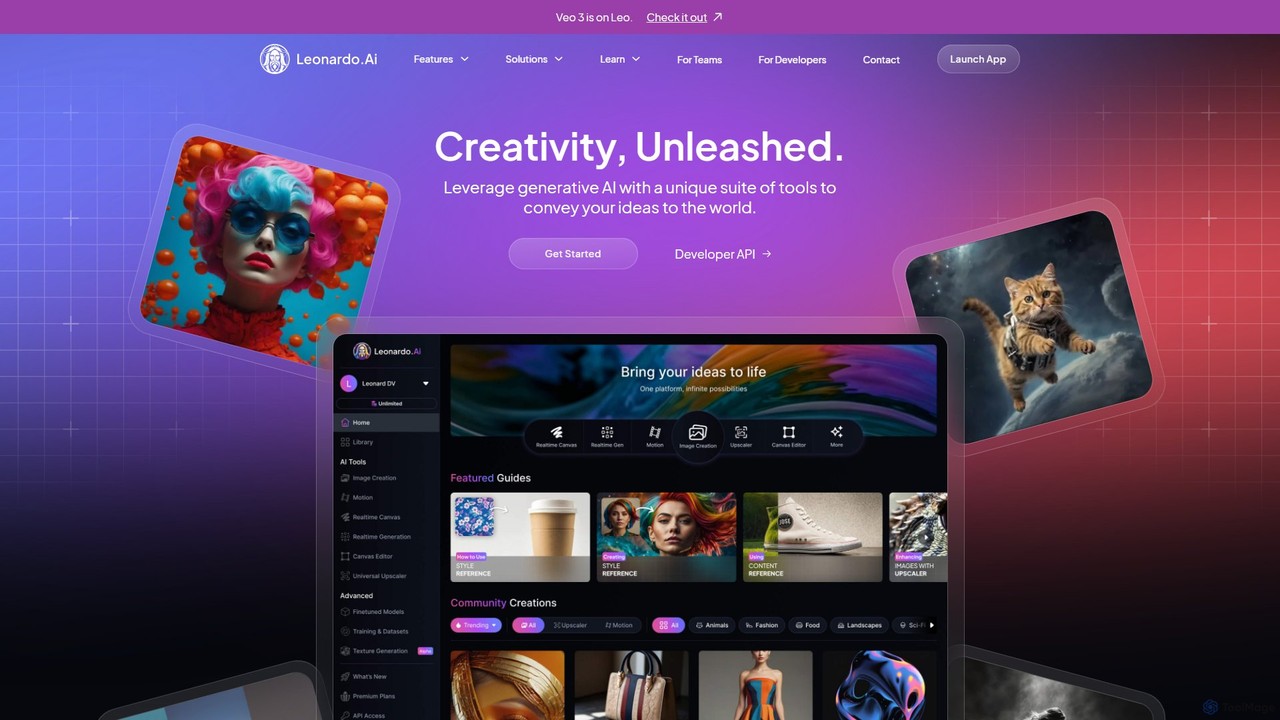
Leonardo.ai
Leonardo.ai is a comprehensive generative AI suite for creating high-quality visual assets. It offers a wide range of tools, including image and video generation, AI Canvas, 3D texturing, and numerous fine-tuned models. Ideal for individual creators, collaborative teams, and developers, it emphasizes quality, speed, and style consistency.
Generative ArtMind-Video Categories
Mind-Video Embed Widget
Copy this embed code to place the badge on your blog, article, or product site and send readers directly to this ToolMage detail page.

Related AI tools
Papers with Code
Papers with Code is a free, open resource for machine learning researchers and developers. It connects scientific papers to their corresponding open-source code, making research more accessible and reproducible. The platform features state-of-the-art leaderboards, browsable datasets, and a comprehensive collection of AI research, helping users track progress, find implementations, and accelerate their work. It is an essential tool for anyone in the AI/ML community.
Machine LearningComfyUI
ComfyUI is a powerful, free, and open-source node-based graphical user interface for generative AI. It offers unparalleled control and flexibility for creating complex workflows to generate images, videos, 3D assets, and audio, designed for artists, developers, and researchers.
3D ModelingAnimateDiff
AnimateDiff is an AI-powered tool that generates short videos and animations from text prompts or static images. By integrating a motion module with Stable Diffusion models, it brings your creative ideas to life, creating seamless loops, character animations, and dynamic visual effects effortlessly.
Animation
Nous Research
Nous Research is an AI research organization dedicated to developing open-source, human-centric language models. They focus on democratizing AI through decentralized training infrastructure, advanced model architectures, and powerful inference APIs, challenging the conventional closed-model approach.
Decentralized Computing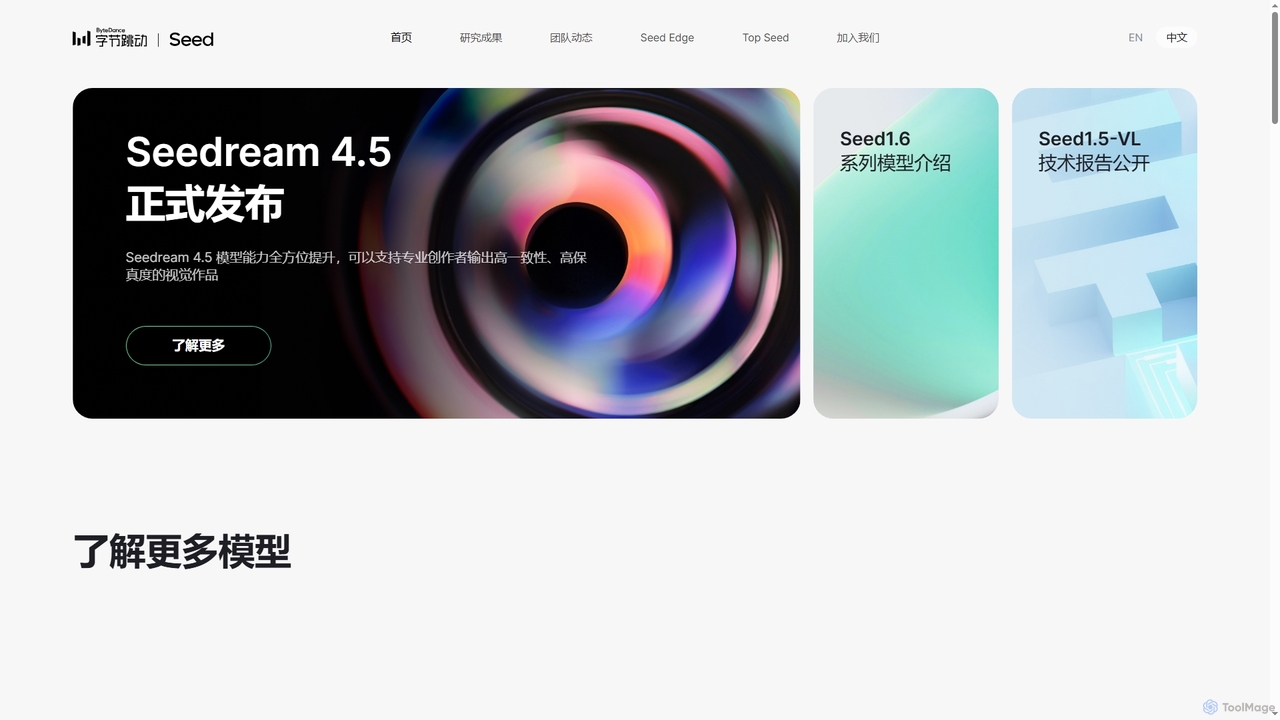
Seed
Seed is ByteDance's advanced AI research initiative focused on building general artificial intelligence. They develop foundational models across various domains including multimodal, vision, speech, robotics, and LLMs, driving innovation in both academic research and real-world applications.
Foundational Models
pinokio
Pinokio is a desktop browser that allows you to install, run, and control AI applications and terminal-based apps on your computer with a single click. It simplifies the complex setup of open-source AI models by automating environment creation, dependency management, and execution. This empowers users of all skill levels to experiment with powerful AI tools locally, ensuring privacy and full control over their data.
Model Deployment
Jyek
Jyek is an AI agent platform that understands objectives, creates execution plans, uses tools, and delivers verifiable results for complex, multi-step tasks.
Automation
Stability AI
Stability AI is a leading open-source generative AI company that develops foundational models for creating images, video, audio, 3D assets, and more. It provides powerful, accessible tools for creators, developers, and enterprises, most notably the world-renowned Stable Diffusion model series. It offers flexible deployment options including APIs, self-hosting, and cloud services.
Api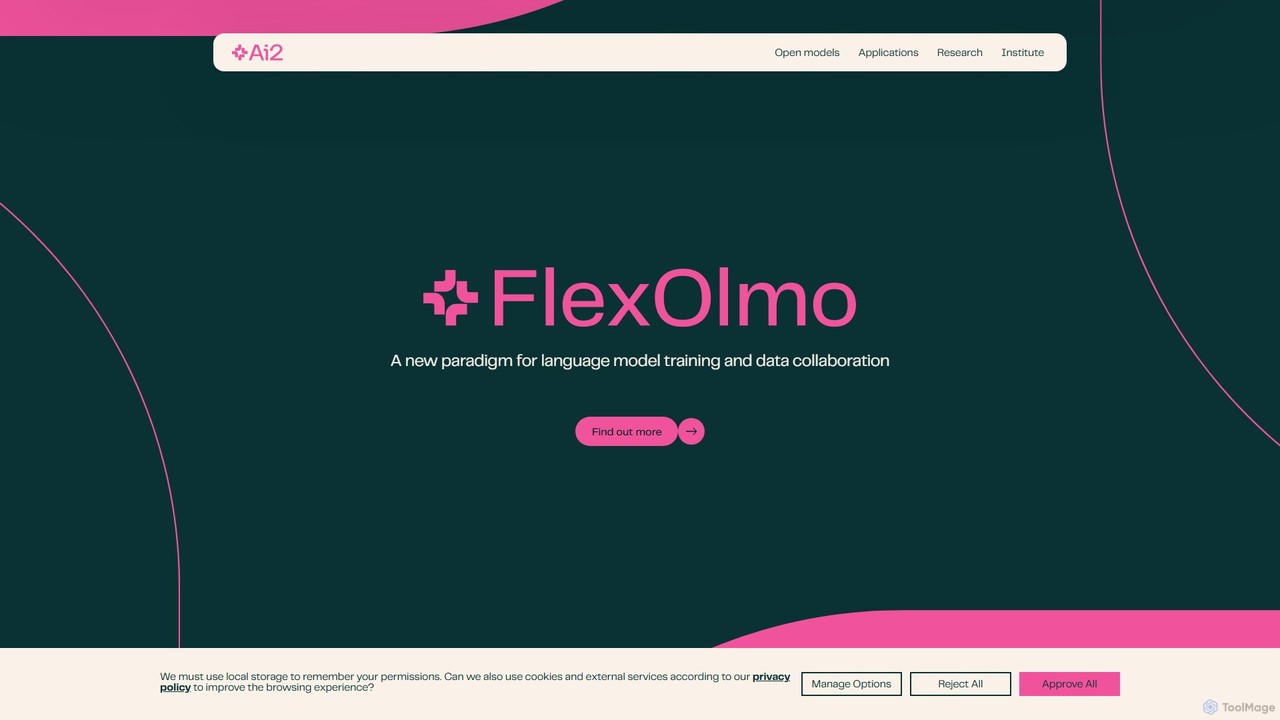
Allen Institute for AI (AI2)
The Allen Institute for AI (AI2) is a non-profit research institute dedicated to building breakthrough AI for the common good. It focuses on creating truly open-source large language models like OLMo, comprehensive datasets, and specialized AI tools to advance scientific research and address major global challenges in areas such as climate science, conservation, and medicine.
Datasets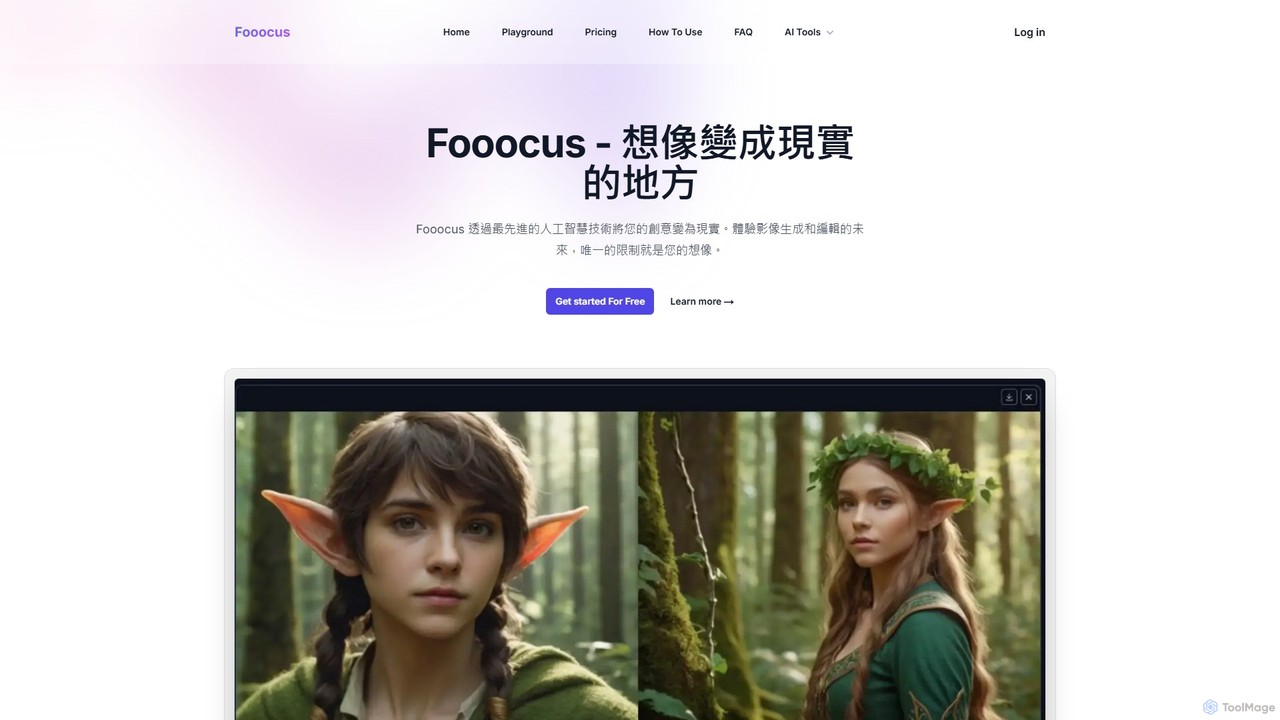
Fooocus
Fooocus is a free, open-source AI image generation tool that simplifies the process of creating high-quality images with Stable Diffusion. It combines ease of use with powerful features like inpainting, style control, and face swapping, making it accessible for both beginners and advanced users.
Digital Art
Zyphra
Zyphra is an open-source AI research company developing high-performance, efficient foundational models. They provide state-of-the-art small language models (SLMs), text-to-speech (TTS) systems, and specialized reasoning models for developers and researchers, focusing on democratizing advanced AI for on-device and enterprise applications.
Model Development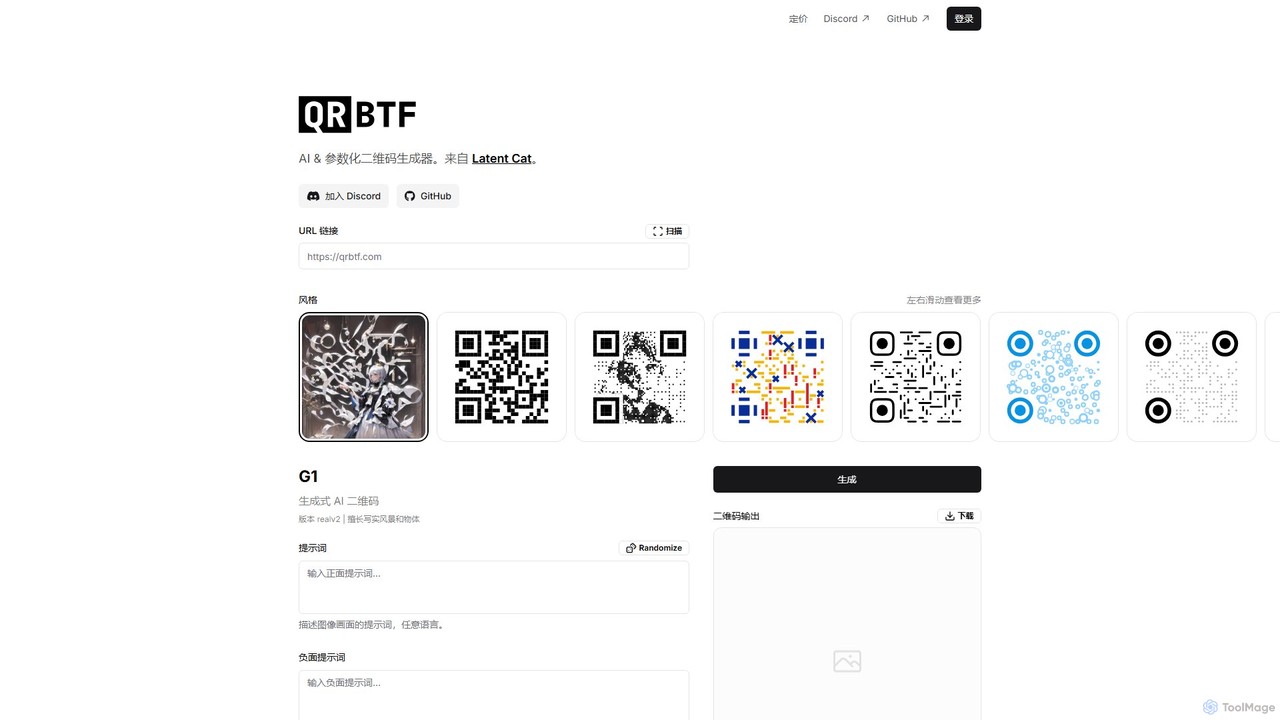
QRBTF
QRBTF is an innovative AI-powered QR code generator that transforms standard QR codes into stunning works of art. By leveraging generative AI and parametric controls, users can embed QR codes seamlessly into beautiful images based on text prompts, creating visually appealing and scannable designs for marketing, art, and personal use.
Ai Art Generator
Stable Horde
Stable Horde is a free, open-source, and crowd-sourced distributed cluster for AI image and text generation. It allows anyone to access powerful AI models by leveraging the volunteer-contributed computing power of a global community, without needing their own high-end hardware.
Api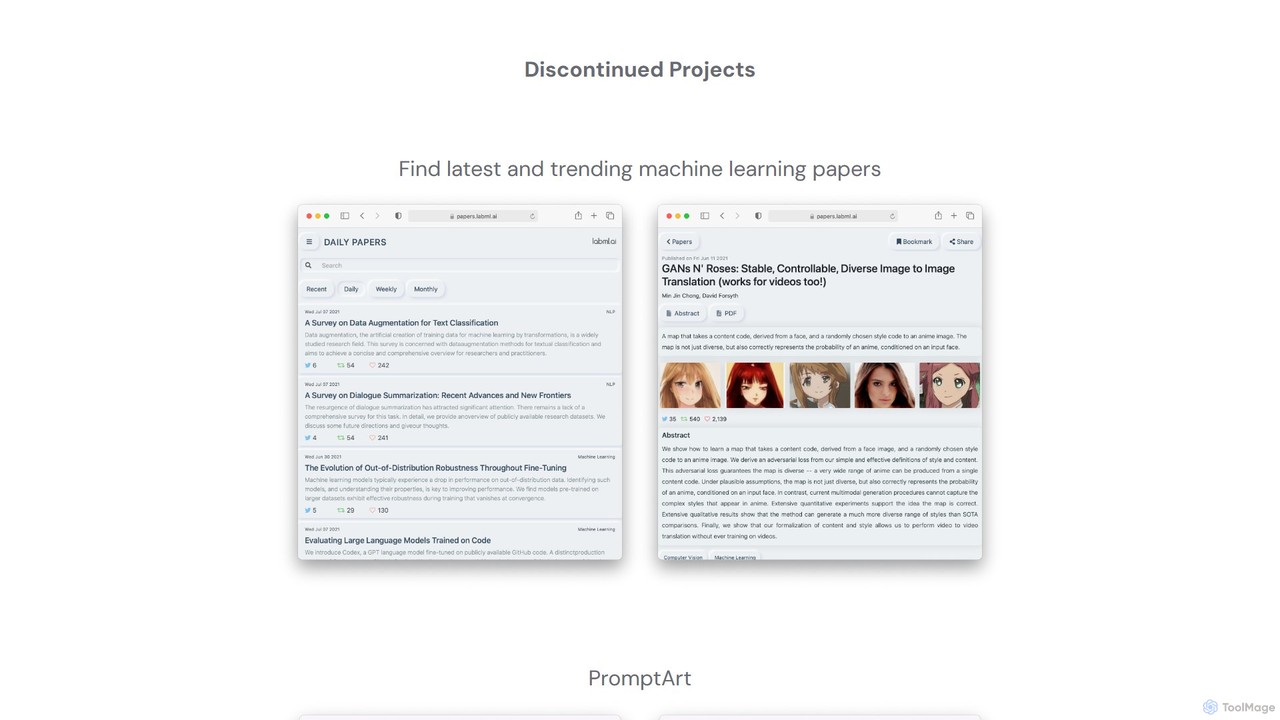
PromptArt
PromptArt is an AI-powered art generation tool from the research lab labml.ai. It enables users to transform text descriptions into unique and visually compelling images. Designed for both artists and machine learning researchers, it provides a platform to experiment with generative models, fine-tune parameters, and explore the creative potential of AI.
Creative Tools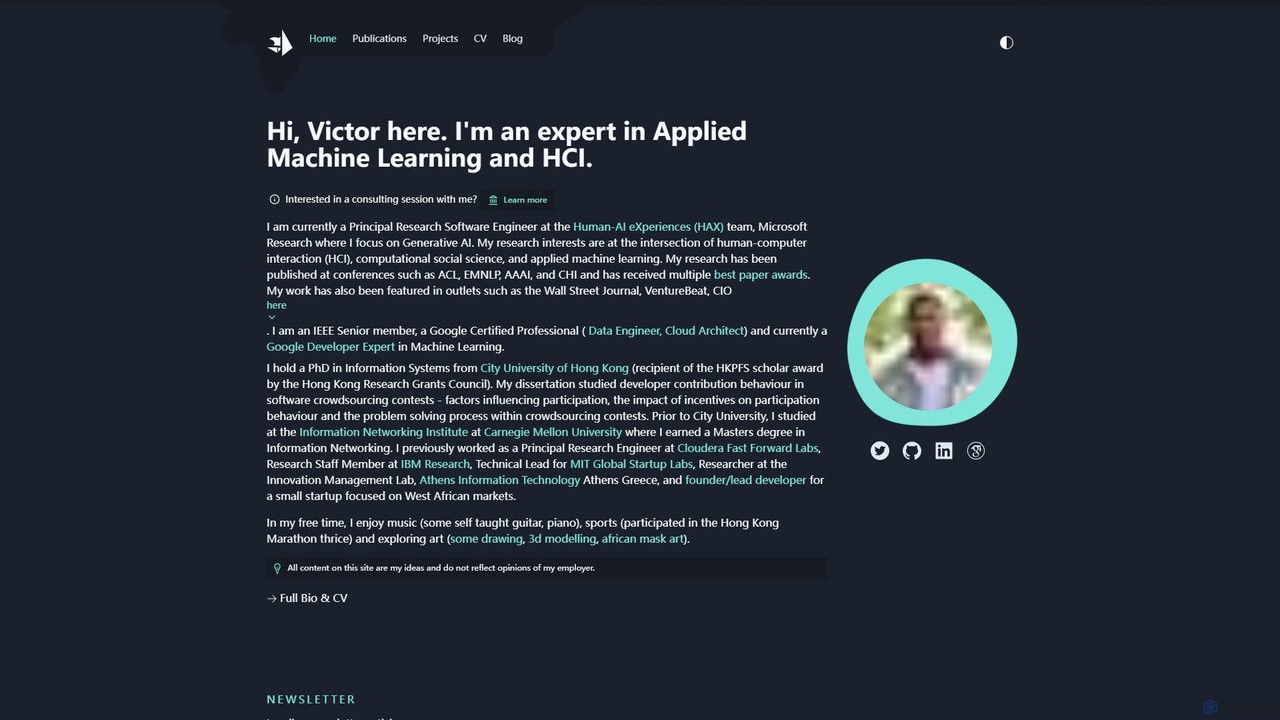
victordibia
A comprehensive resource hub by Victor Dibia, a leading researcher in Applied ML and HCI. It features open-source AI tools like AutoGen Studio and LIDA, in-depth articles, research papers, and talks on generative AI, multi-agent systems, and human-computer interaction. A valuable platform for developers, researchers, and AI enthusiasts.
Data Visualization
Mind-Video Comments (0)
Sign in to comment.
Sign inNo comments yet.