Featured
Jyek
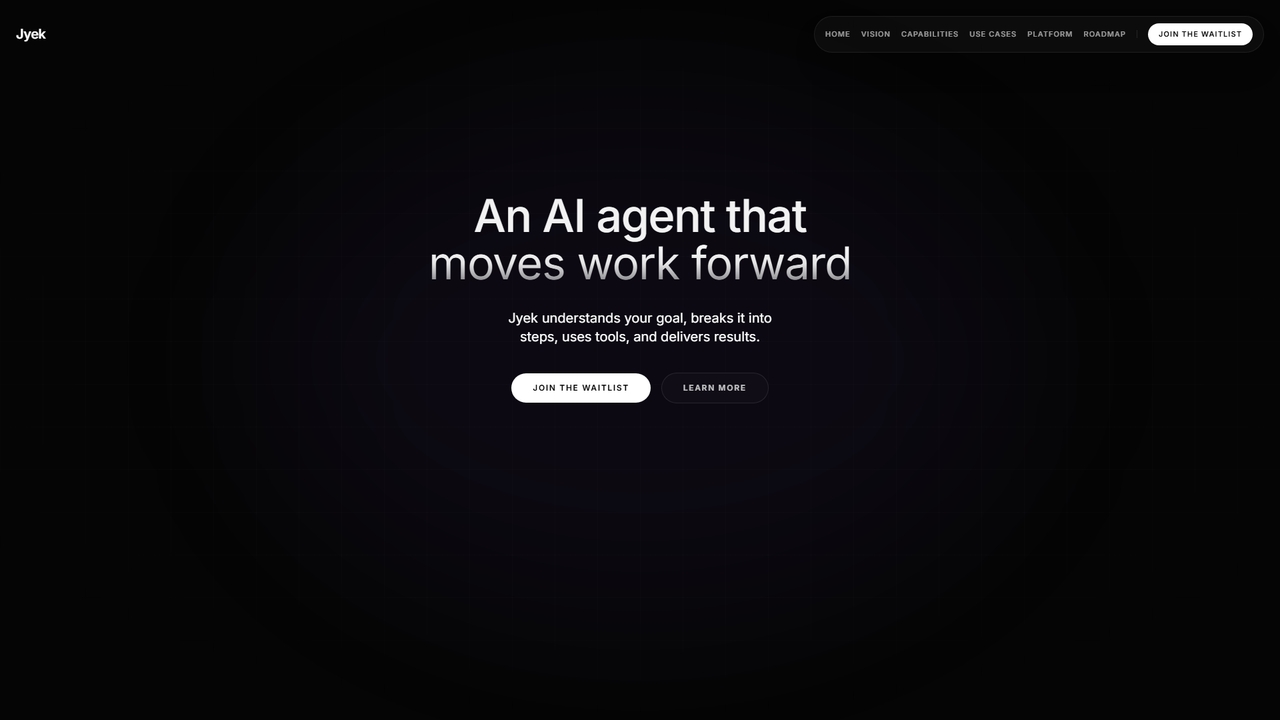
Jyek is an AI agent platform that understands objectives, creates execution plans, uses tools, and delivers verifiable results for complex, multi-step tasks.
AutomationVisits 4.9KFavorites 29Likes 20
Popular Research AI tools include Baidu, Papers with Code, Perplexity, Kimi, NVIDIA, Grok, Prolific, Genspark, Feedly, and OpenEvidence, helping you work more efficiently.
Jyek is an AI agent platform that understands objectives, creates execution plans, uses tools, and delivers verifiable results for complex, multi-step tasks.
Automation
FactGuard is an AI-powered fact-checking and audit tool designed to automatically verify AI-generated content against reliable global sources, preventing the spread of misinformation and hallucinations.
Fact Checking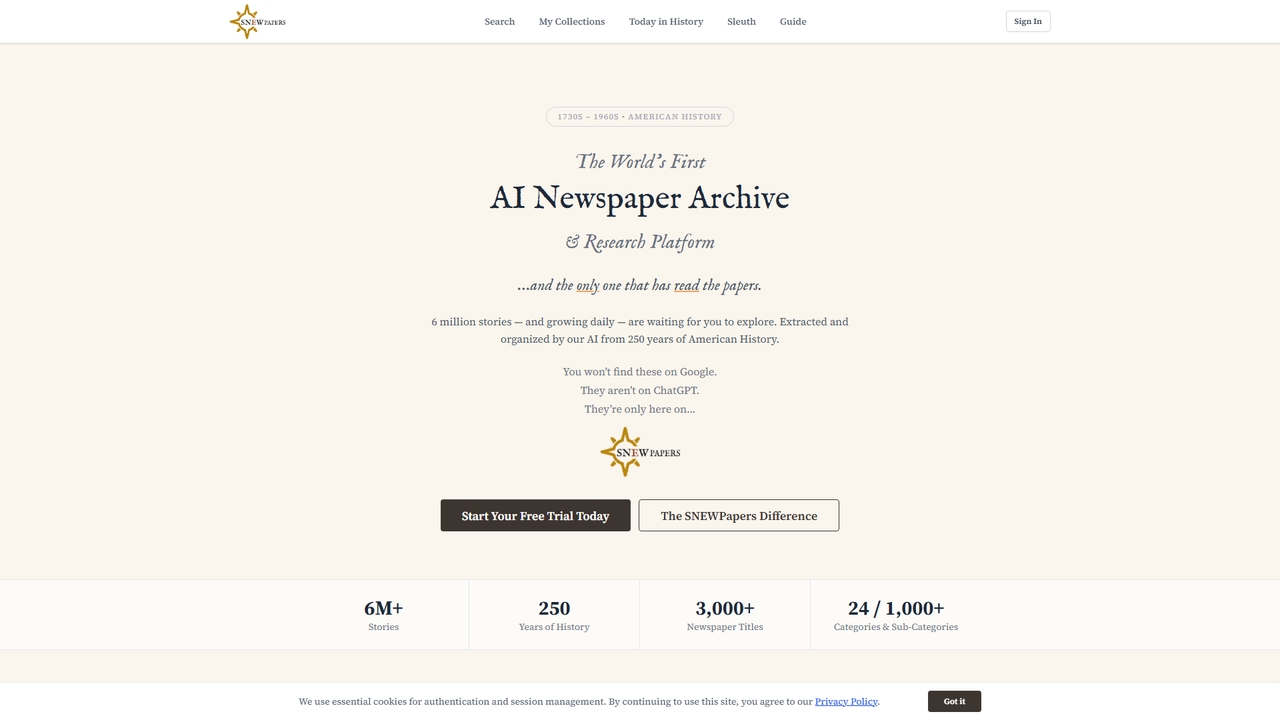
SNEWPapers is the world's first AI-powered newspaper archive and research platform, covering 250 years of American history with over 6 million stories from 3,000+ newspaper titles.
History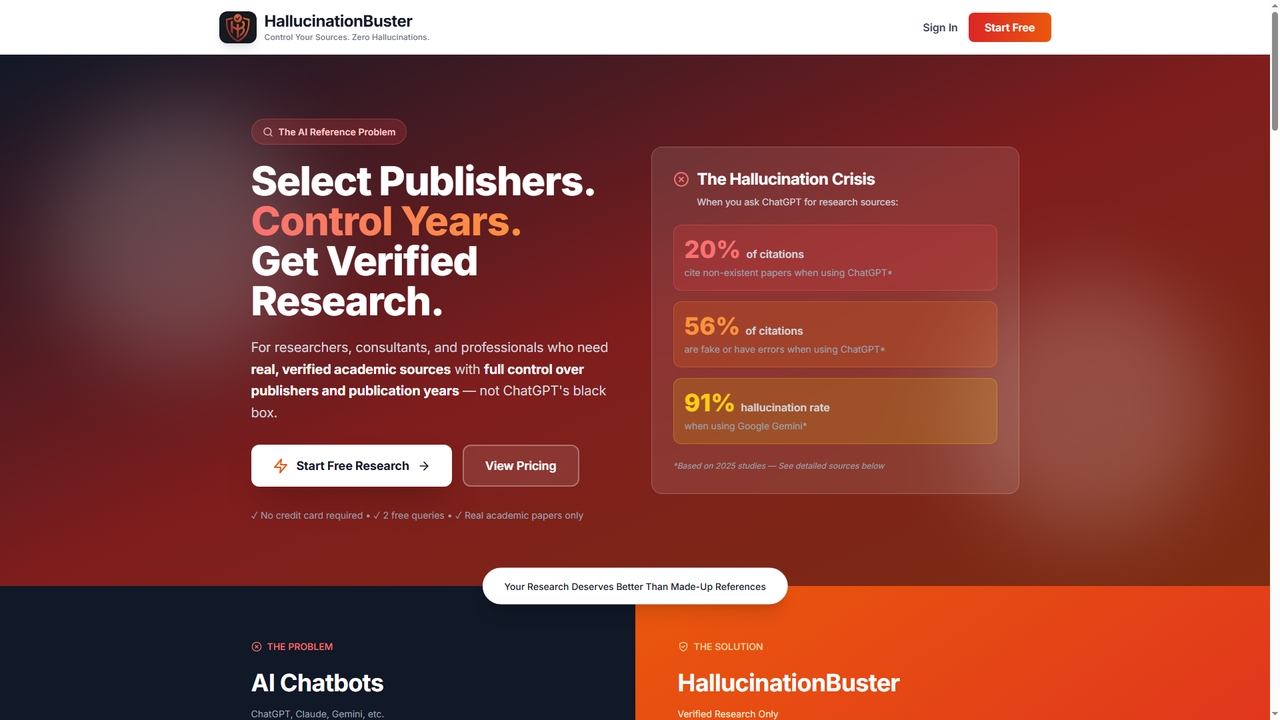
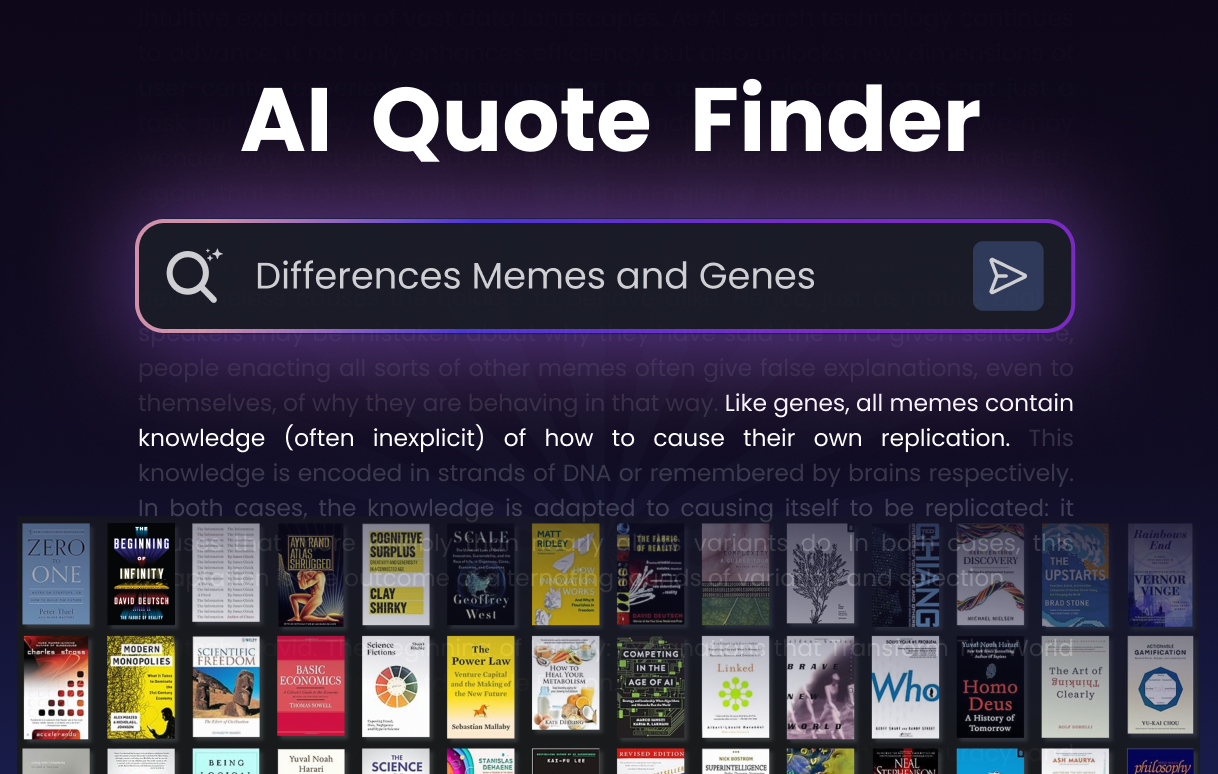
HallucinationBuster is a specialized AI tool for academic and professional research that guarantees 100% real, verified sources. It eliminates AI hallucinations by letting you control publishers and publication years, and search actual academic databases like IEEE and Springer, not a language model's memory.
Content Creation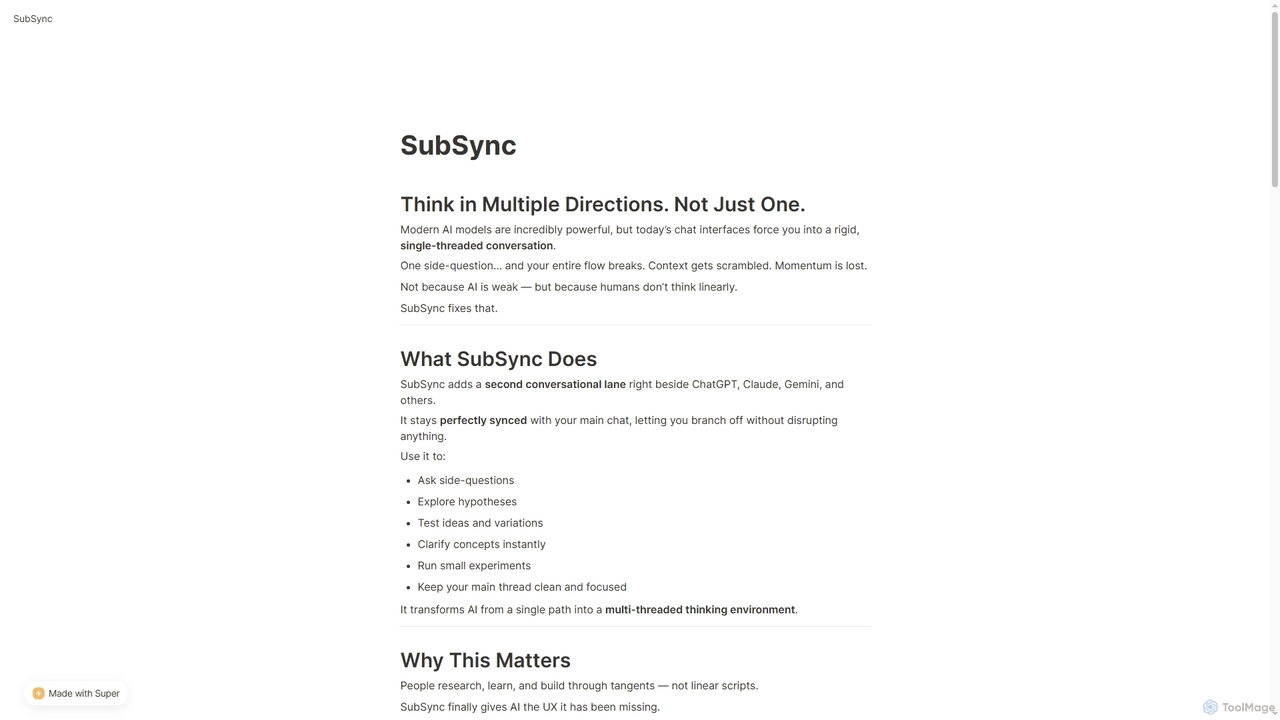
SubSync is a Chrome sidebar extension that revolutionizes AI conversations by introducing a multi-threaded thinking environment. It allows users to branch off into parallel discussions with AI models like ChatGPT or Claude, while keeping the main chat context intact. This innovative approach supports non-linear thinking, enabling deeper exploration, rapid experimentation, and more effective AI utilization for professionals.
Ai Assistant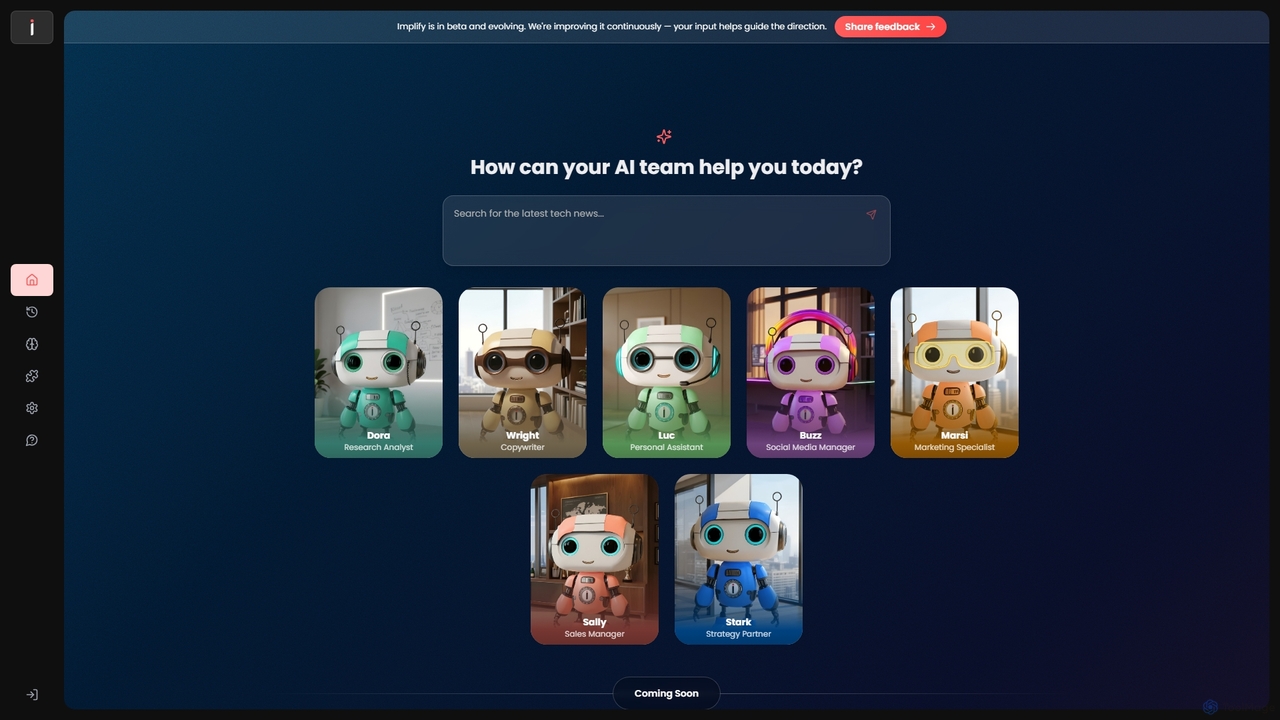
Implify AI provides a 24x7 AI workforce designed to automate and assist across various business functions. Currently in beta, it offers specialized AI agents for tasks like research, copywriting, social media management, and strategic planning, continuously evolving with user feedback.
Automation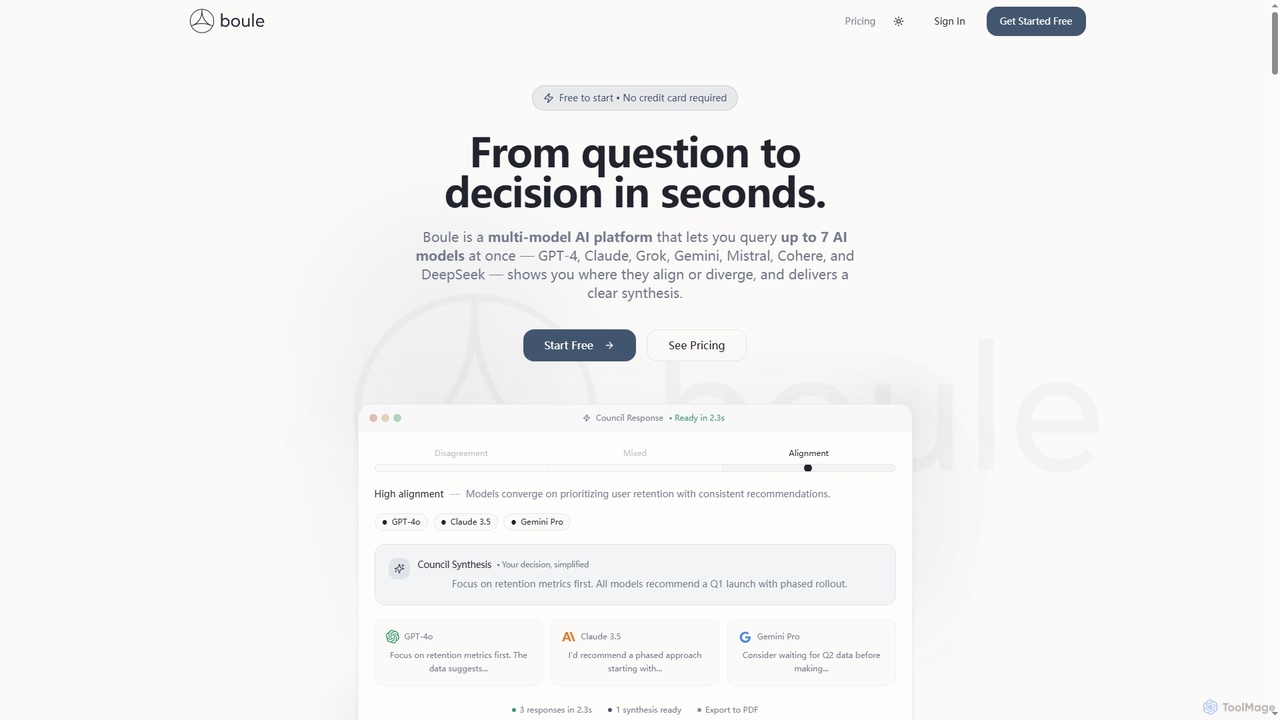
Boule is an innovative multi-model AI platform that queries up to seven leading AI models simultaneously, including GPT-4o, Claude 3.5, and Gemini Pro. It provides synthesized insights, highlights model alignment or divergence, and streamlines decision-making, offering clarity in seconds.
Large Language Models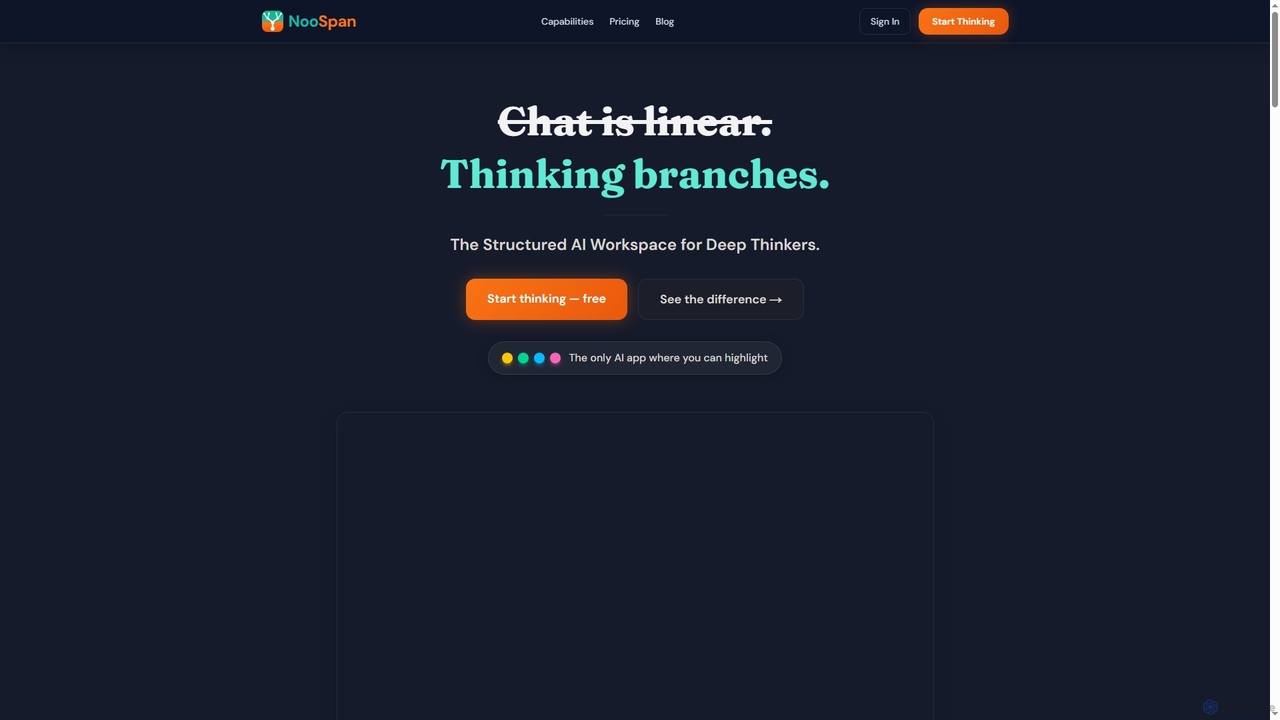
Noospan is an AI workspace designed for complex thinking, offering a non-linear, structured environment that overcomes the limitations of traditional chat interfaces. It enables deep exploration of ideas through branching conversations, visual tree views, and integrated knowledge management, powered by advanced AI models like GPT-5 and Gemini. Ideal for researchers, writers, and professionals who need precision and context in their AI interactions.
Coding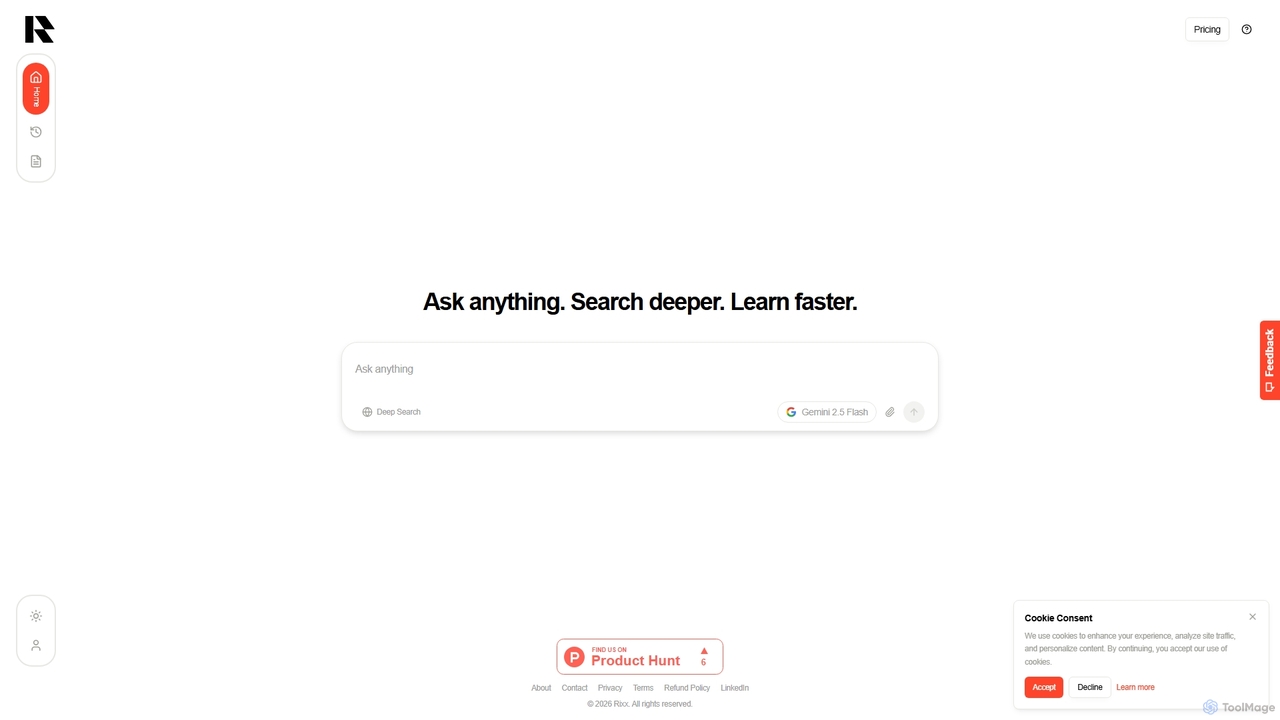
Rixx is an AI-powered research engine designed for deep understanding, not just information retrieval. It synthesizes complex information from hundreds of sources into structured, verifiable answers, acting as a tireless research assistant for professionals, students, and engineers seeking profound insights.
Generative Search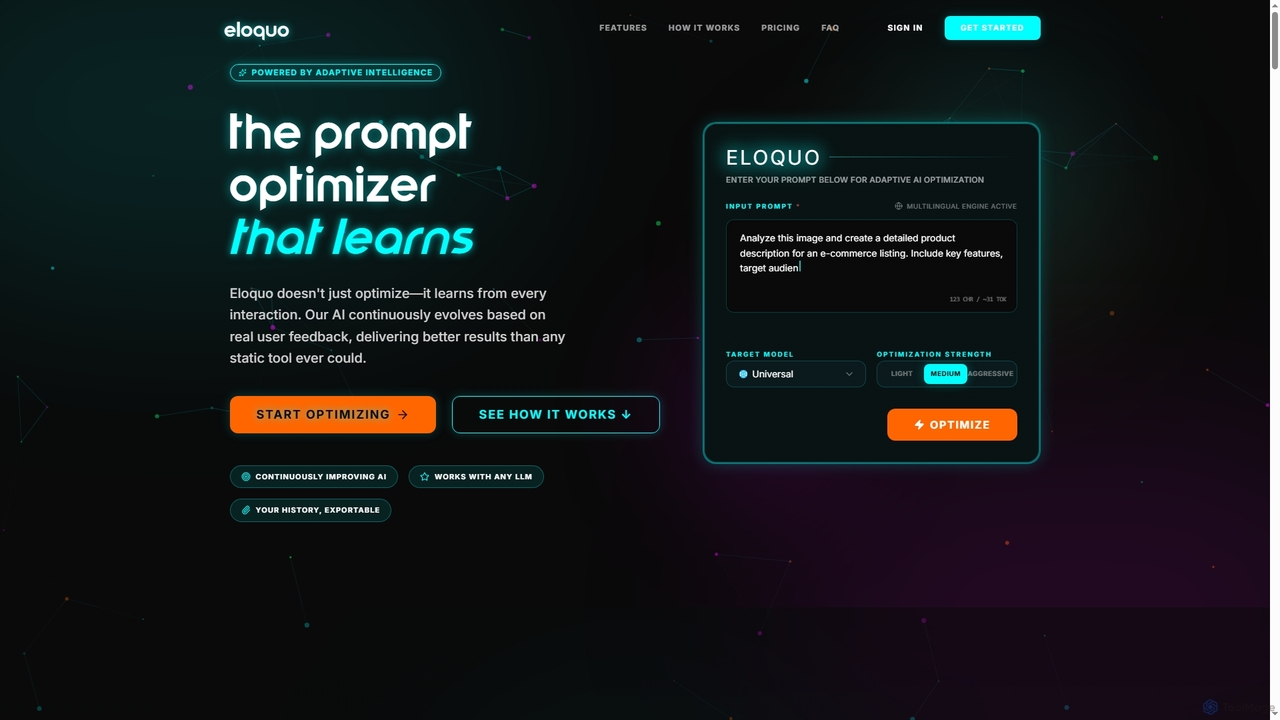
Eloquo is an adaptive AI prompt optimizer that continuously learns from user feedback to generate high-quality, production-ready prompts for ChatGPT, Claude, and Gemini. It streamlines AI interactions, ensuring consistent outputs and reducing iteration time for various professional applications.
Writing Assistant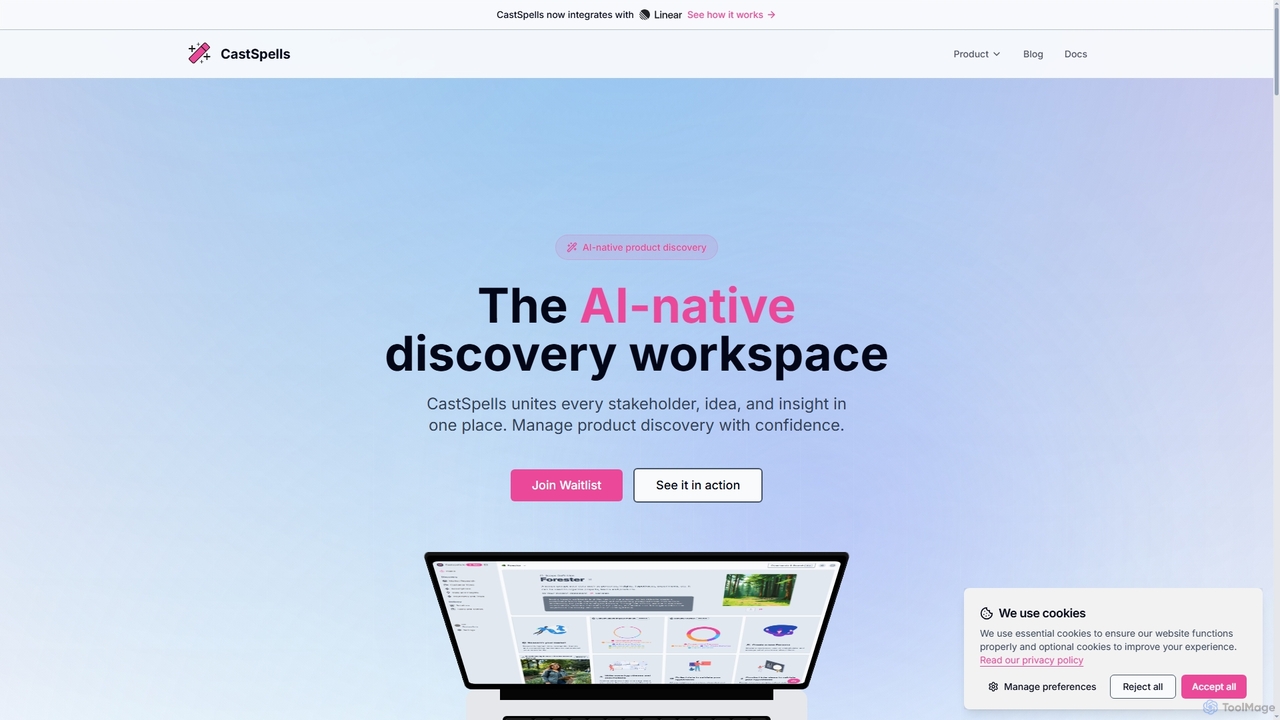
CastSpells is an AI-native product discovery workspace designed to unify stakeholders, ideas, and insights into a single, evidence-linked platform. It empowers product teams to make data-driven decisions by connecting market research, customer voice, hypotheses, and validation directly to planning and delivery. With AI-powered "Spells" for content generation, data analysis, and recommendations, CastSpells transforms chaotic product development into a clear, repeatable, and confident process, ensuring every feature is backed by real customer evidence.
Team Alignment
PromptPilot is an AI prompt optimization tool designed to transform raw ideas into powerful, optimized prompts for various AI models. It features instant optimization for writing, coding, research, and image generation, a convenient Chrome extension, an analytics dashboard to track prompt performance, and a prompt bank for organization and easy access.
Performance Tracking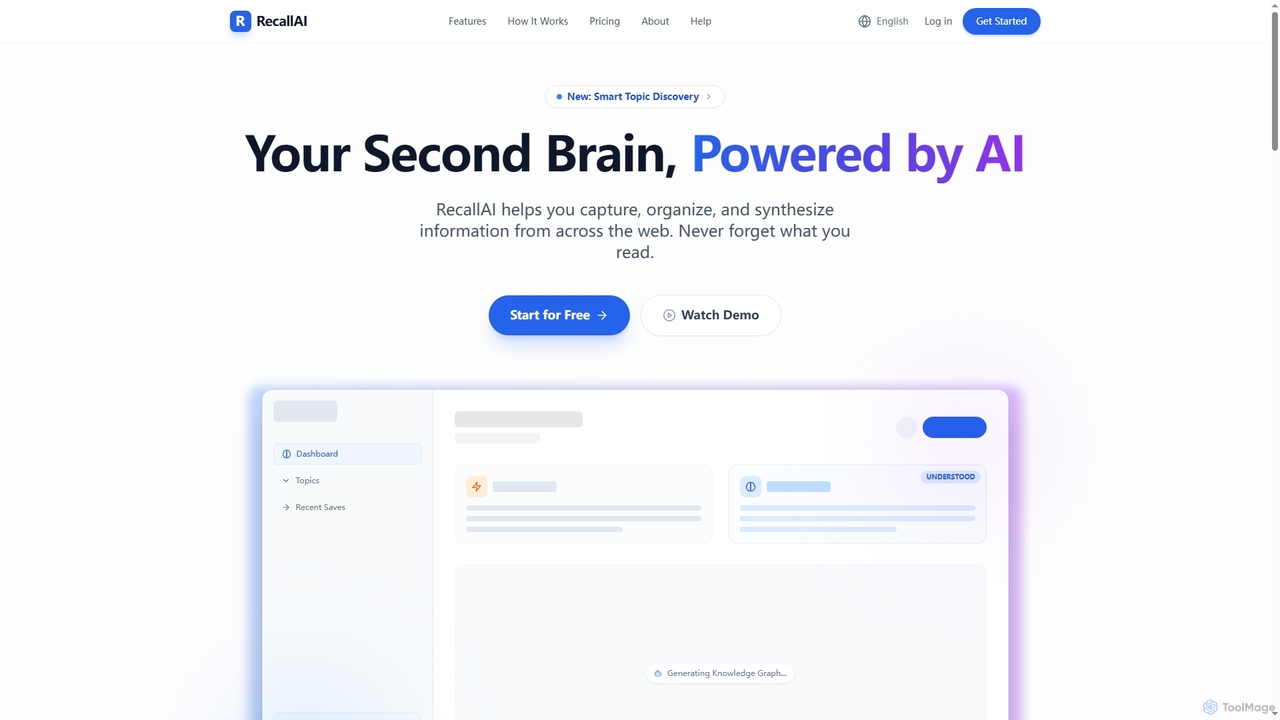
RecallAI is an AI-powered 'second brain' designed to help users capture, organize, and synthesize information from across the web. It automatically summarizes articles, videos, and podcasts, categorizes content into relevant topics, and allows for instant knowledge retrieval through natural language queries and a visual knowledge graph.
Learning Assistant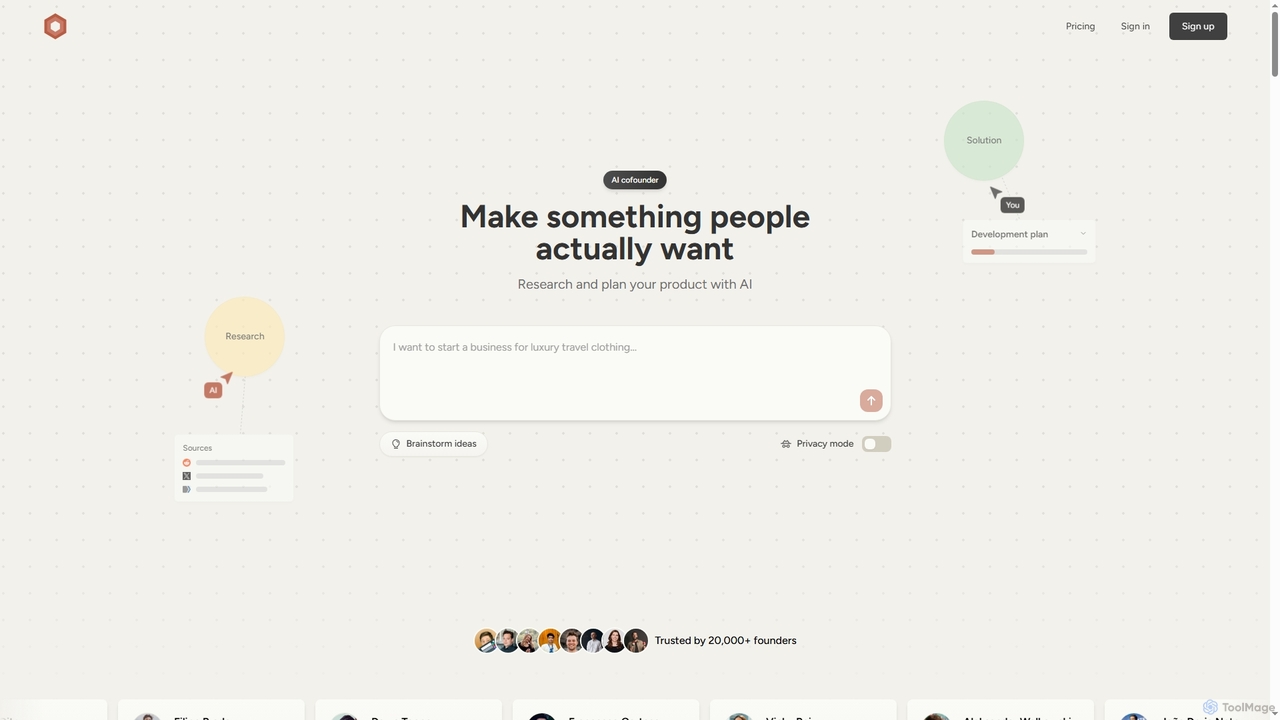
Aicofounder is an AI-powered platform designed to guide founders and entrepreneurs through the entire product development lifecycle, from initial idea generation and market research to validation and structured planning. It acts as an intelligent co-founder, helping users build products people truly want.
Business Assistant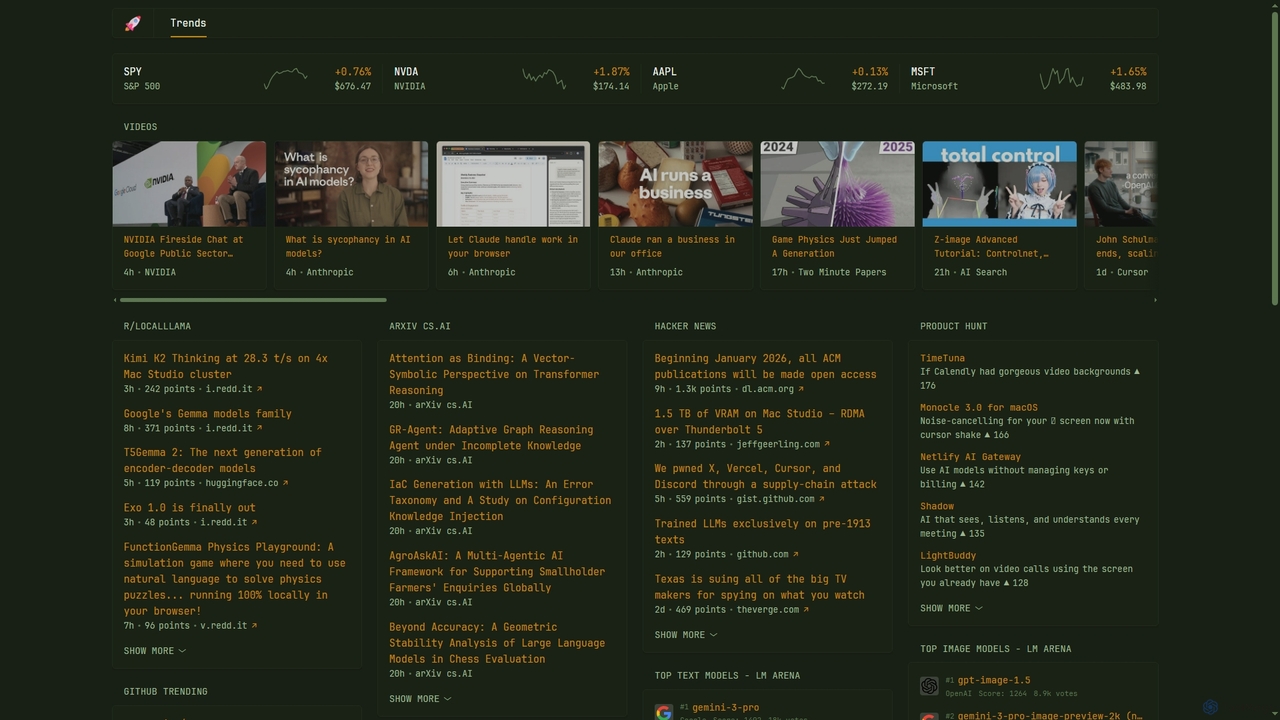
Rkt is a dynamic platform that curates and displays the latest trends, news, models, and discussions across the artificial intelligence ecosystem. It provides a real-time, aggregated overview of significant developments in AI research, open-source projects, market movements, and industry insights.
News & Trends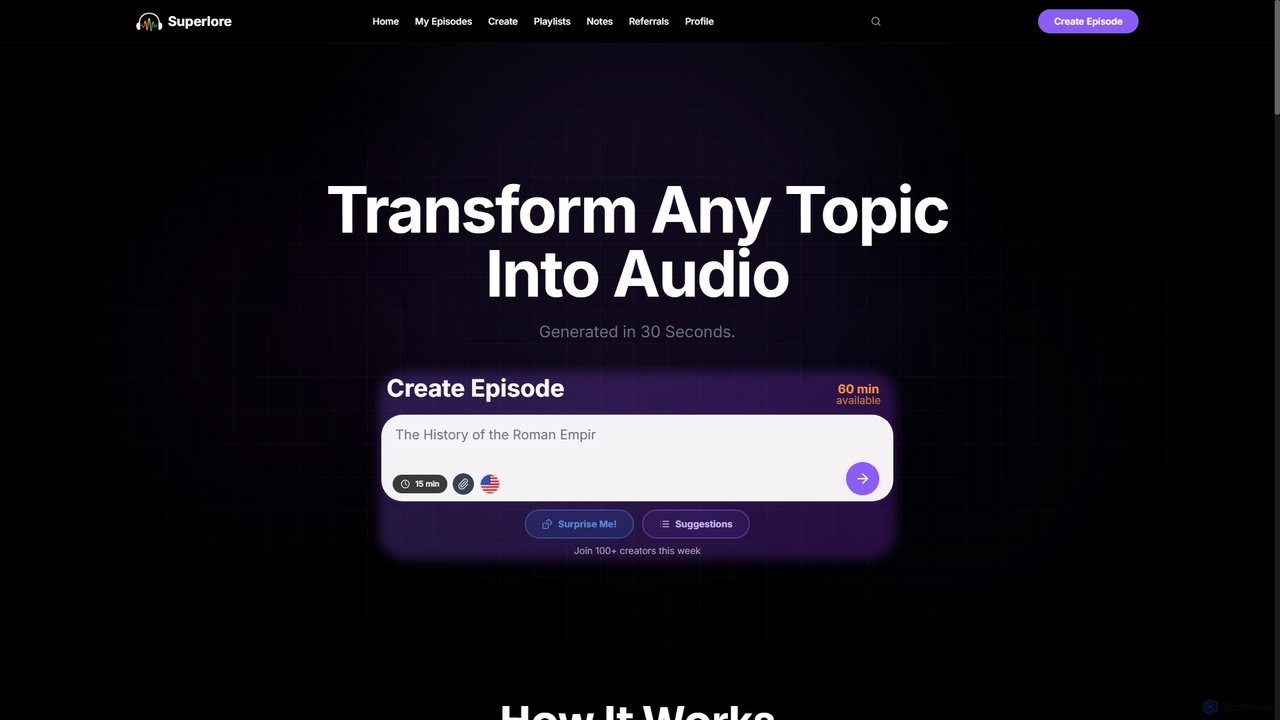
Superlore is an AI-powered platform that transforms any topic or personal notes into professional, documentary-style audio episodes with narration and sound design. It enables users to learn anything, anywhere, by generating high-quality educational audio content in seconds, complete with live transcripts and offline access.
Audio Production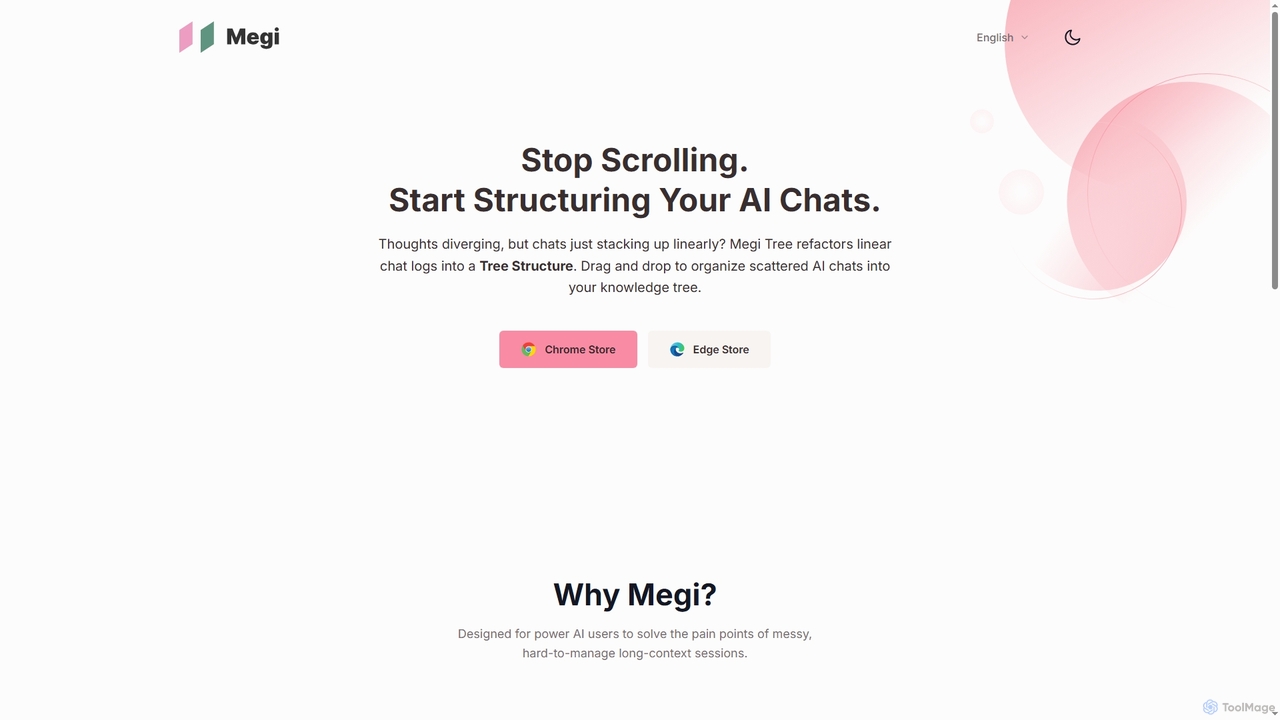
Megi is a powerful browser extension designed for advanced AI users to efficiently manage long and complex AI conversation sessions. It automatically organizes prompts into a structured directory tree, supports major AI platforms like ChatGPT and Gemini, and offers intuitive features like drag-and-drop grouping, immersive navigation, and long text folding to enhance productivity and maintain a clean interface.
Ai Management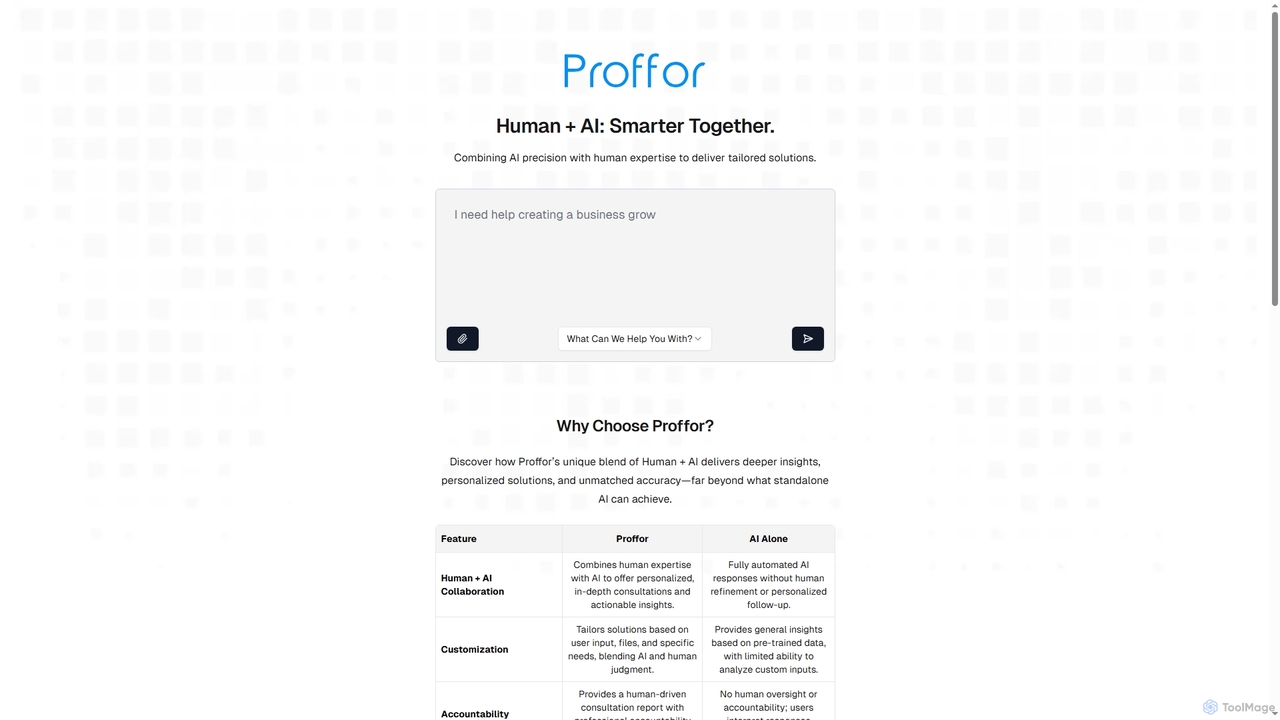
Proffor is a Human + AI consulting platform that blends artificial intelligence's efficiency with human expertise to deliver personalized, actionable solutions. It offers tailored insights for business, technology, marketing, and personal development, ensuring depth, accuracy, and accountability beyond standalone AI tools.
Business Strategy
Parho is an AI-powered PDF reader that transforms static documents into an interactive knowledge base. It allows users to highlight text, ask questions, and chat with entire documents to gain instant understanding and enhance comprehension, making reading more active and efficient.
Information Extraction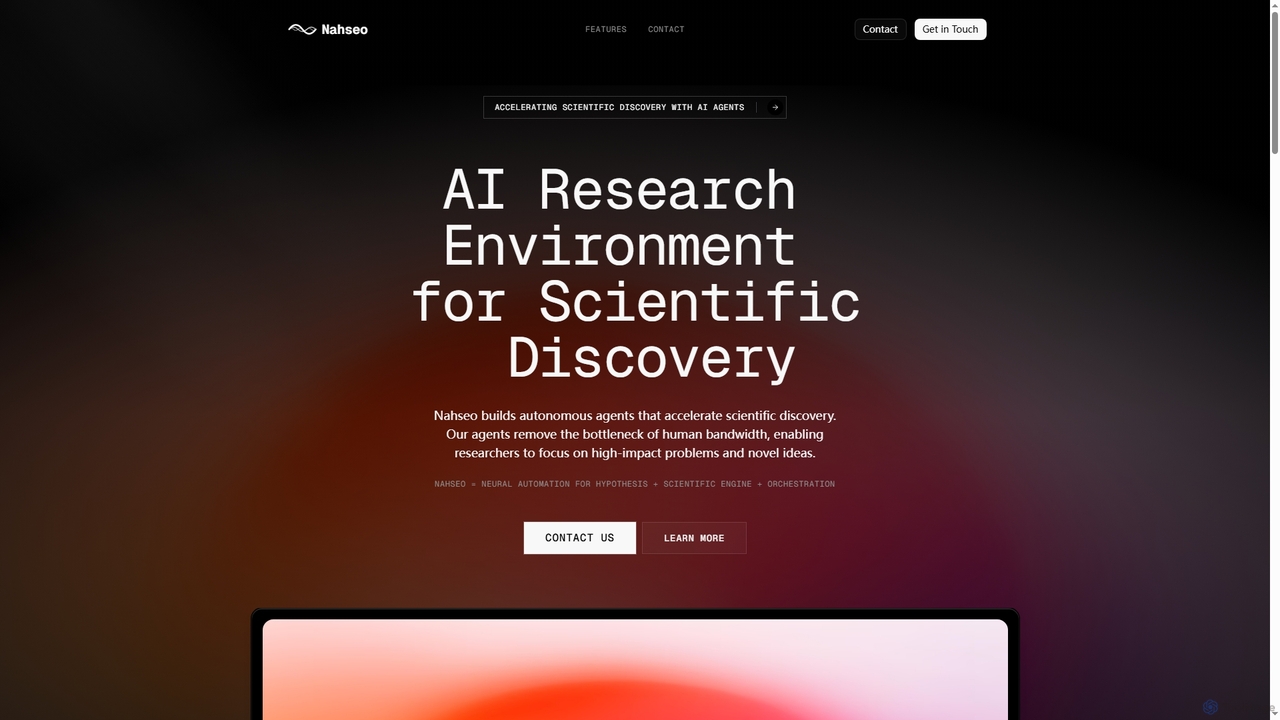
Nahseo is an AI research environment that deploys autonomous agents to accelerate scientific discovery. It helps researchers overcome human bandwidth limitations by automating literature analysis, hypothesis generation, and experiment design, fostering data-driven decision-making across various scientific domains.
Autonomous Agents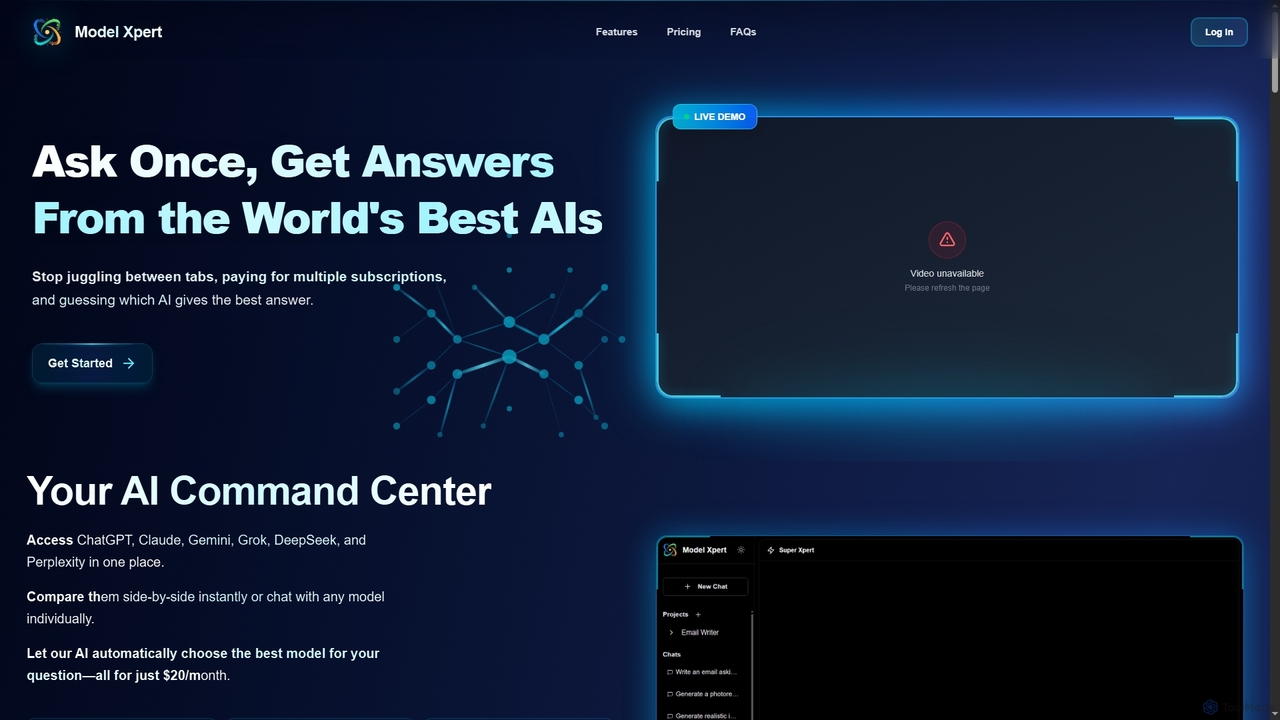
Model Xpert provides unified access to the world's top AI models like ChatGPT, Claude, Gemini, Grok, DeepSeek, and Perplexity in one chat interface. It eliminates the need for multiple subscriptions and offers features like side-by-side comparison, intelligent auto-selection, prompt enhancement, and an AI image suite for maximum efficiency and cost savings.
Writing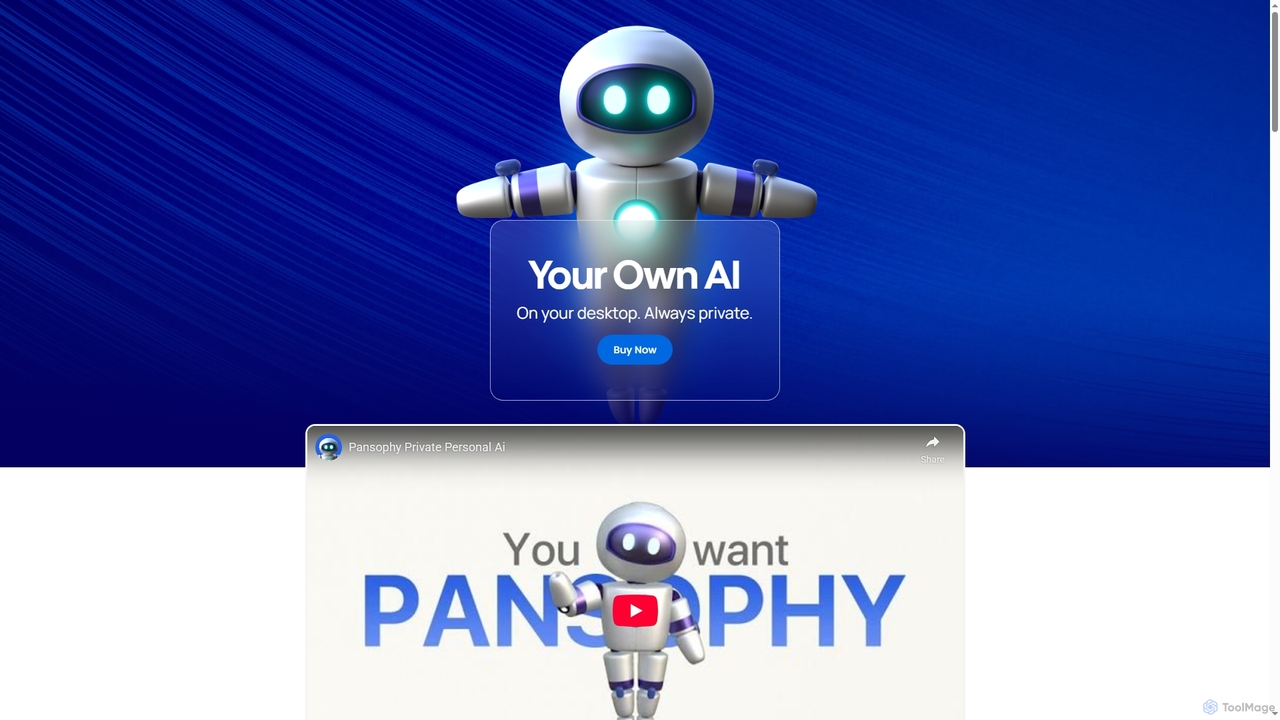
Pansophy is a private desktop AI tool that processes all data locally, offering secure document summarization, text and code generation, and smart search capabilities without cloud dependence. It's designed for enhanced productivity and data privacy across multiple operating systems.
Code Generation
Simpl Labs is an AI-powered platform designed for entrepreneurs and innovators to generate, validate, and develop startup ideas. It offers tailored idea generation, deep market research, competitor analysis, and exports code-ready prompts for AI coding tools, streamlining the journey from concept to MVP.
Startup Ideation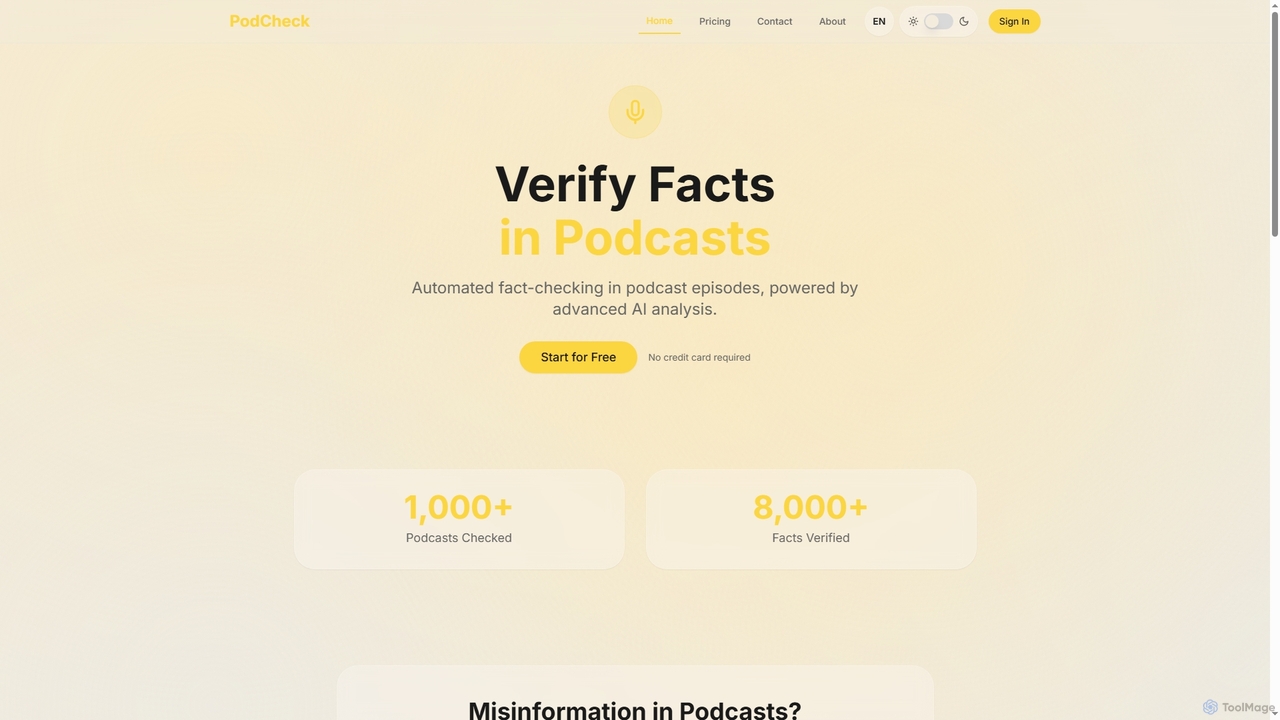
PodCheck is an AI-powered online tool designed to automatically fact-check claims made in podcast episodes published on YouTube. It analyzes audio content, identifies factual statements, and verifies them against reliable sources, providing users with comprehensive reports to combat misinformation.
Fact CheckingAI Research tools are a class of platforms that leverage artificial intelligence to automate and accelerate the process of information discovery, analysis, and synthesis. These tools utilize Natural Language Processing (NLP) and machine learning to scan, understand, and connect vast amounts of text-based data from scientific papers, reports, and web sources. They empower users to quickly identify key insights, uncover trends, and map out knowledge domains. This significantly reduces the time spent on manual data collection and literature reviews, allowing for a deeper focus on interpretation and innovation.
These tools are widely used by academic researchers, PhD students, and scientists to conduct comprehensive literature reviews and stay current with new publications. In the corporate world, market analysts and R&D teams use them for competitive intelligence, patent analysis, and identifying technological trends. Legal professionals and policy analysts also leverage them to quickly process case law and regulatory documents.
When selecting an AI Research tool, consider the breadth and depth of its data sources—does it cover the journals and databases relevant to your field? Evaluate its analytical capabilities, such as summarization quality, trend visualization, and data extraction accuracy. Also, assess its integration with reference managers like Zotero or Mendeley and its overall user-friendliness for formulating complex queries and interpreting results.
A PhD student in biotechnology is starting a new research project. Instead of spending weeks manually searching databases like PubMed and Google Scholar, they use an AI research tool. They input their core research questions and keywords. The tool scans thousands of relevant papers, identifies seminal works, analyzes citation networks, and generates a thematic summary of the current state of research. This process reduces the initial review time from over a month to just a few days, allowing the student to quickly identify a novel research gap and formulate a strong hypothesis.
A market analyst at a tech firm needs to prepare a report on emerging trends in the AI industry. They use an AI research tool to monitor thousands of sources, including industry reports, news articles, company blogs, and financial filings. The tool automatically extracts key information about new product launches, funding rounds, and strategic partnerships. It synthesizes this data into a visual dashboard showing competitor momentum and market shifts. This provides the analyst with real-time, data-driven insights, enabling them to produce a comprehensive competitive landscape analysis in a fraction of the time it would take manually.
An R&D manager at a pharmaceutical company wants to identify 'white space' for new drug development. They use an AI research tool to analyze tens of thousands of patents in a specific therapeutic area. The tool maps the patent landscape, identifying densely populated areas of innovation and less-explored territories. It also highlights key inventors and assignee companies, revealing potential collaboration partners or acquisition targets. By visualizing complex patent data, the manager can make more informed strategic decisions about where to invest R&D resources to maximize innovation and avoid patent infringement.
A clinical research team is conducting a systematic review, a process that requires screening thousands of study abstracts against strict inclusion and exclusion criteria. This is traditionally a time-consuming and error-prone task. By using an AI research tool, they can automate the initial screening phase. The AI is trained on the criteria and then rapidly classifies abstracts as 'relevant', 'irrelevant', or 'maybe'. This allows the human researchers to focus their efforts on reviewing the most promising papers, ensuring consistency, reducing bias, and completing the systematic review months ahead of schedule.
A researcher in materials science is exploring new avenues for developing sustainable polymers. They feed an AI research tool with a vast dataset comprising existing research papers, chemical property databases, and experimental results. The AI analyzes this multi-modal data to identify non-obvious correlations between different molecular structures and desired properties like biodegradability. Based on these patterns, the tool generates a list of novel, testable hypotheses, suggesting unexplored chemical combinations that could lead to a breakthrough. This augments the researcher's creativity and directs experimental work towards more promising paths.
A legal associate is tasked with finding precedents for a complex corporate litigation case. Using an AI research tool specialized in legal documents, they can search across millions of court filings, case laws, and statutes in natural language. The tool not only finds relevant documents but also summarizes key arguments, identifies similar cases, and highlights passages that are most pertinent to their current case. This allows the associate to build a stronger legal strategy in hours instead of days, significantly improving productivity and the quality of their legal groundwork.
AI Research tools are software applications that use artificial intelligence, particularly Natural Language Processing (NLP) and machine learning, to automate and enhance the research process. Instead of just finding documents like a search engine, they analyze the content within them to extract key information, identify trends, generate summaries, and reveal connections across vast datasets. Their primary goal is to accelerate information discovery and synthesis, allowing researchers to focus on analysis and insight generation.
Choosing the right tool depends on your specific needs. Consider these factors:
Google Scholar is a powerful search engine for finding academic literature, but its function largely stops at discovery. AI Research tools go a step further. While they also find documents, their core value lies in analysis and synthesis. They read and understand the content of the papers to provide summaries, identify themes, visualize connections between studies, and extract specific data points. In short, Google Scholar helps you find what to read, while AI Research tools help you understand what you've found, much faster.
No, AI research tools are designed to augment, not replace, human researchers. They excel at handling large-scale, repetitive tasks like data collection, screening, and initial analysis, which frees up significant time for humans. However, critical thinking, nuanced interpretation, creativity in formulating hypotheses, and ethical judgment remain uniquely human skills. The most effective research workflow combines the computational power of AI with the intellectual depth of a human expert.
A wide range of professionals can benefit from these tools. Key users include: