ToolMage
Sign in

Best 98 Machine Learning AI tools for Developer Tools

Popular Machine Learning AI tools in Developer Tools include Hugging Face, Kaggle, Ollama, Google DeepMind, Supervised.co, Runpod, HEROZ, Replicate, Appen, and Labelbox, helping you work more efficiently.

AIGoMarket
Paid

AIGoMarket

AIGoMarket is an Edge AI Foundry and marketplace designed to democratize edge AI development. It enables creators to upload and monetize their optimized AI models, while providing developers with a platform to discover, license, and deploy high-performance AI solutions for various edge devices and applications.

Model Marketplace
Visits 6.6KFavorites 41Likes 37

GenAI List

GenAI List

GenAI List is a comprehensive online directory dedicated to tracking, exploring, and comparing generative AI models. It serves as an essential guide to the rapidly evolving AI landscape, featuring thousands of models from various organizations. Users can discover new releases, filter by type, openness, and capabilities, and gain insights into practitioner opinions.

Model Discovery
Visits 6.6KFavorites 50Likes 45
Quantum
Freemium

Quantum

Quantum is an AI-powered platform designed to help engineers ace Machine Learning (ML) and Large Language Model (LLM) engineering interviews. It offers FAANG-level practice questions, instant AI feedback, mock interviews, and personalized study plans to simulate real interview scenarios and enhance technical skills.

Machine Learning
Visits 7KFavorites 48Likes 49
Truefoundry
Freemium

Truefoundry

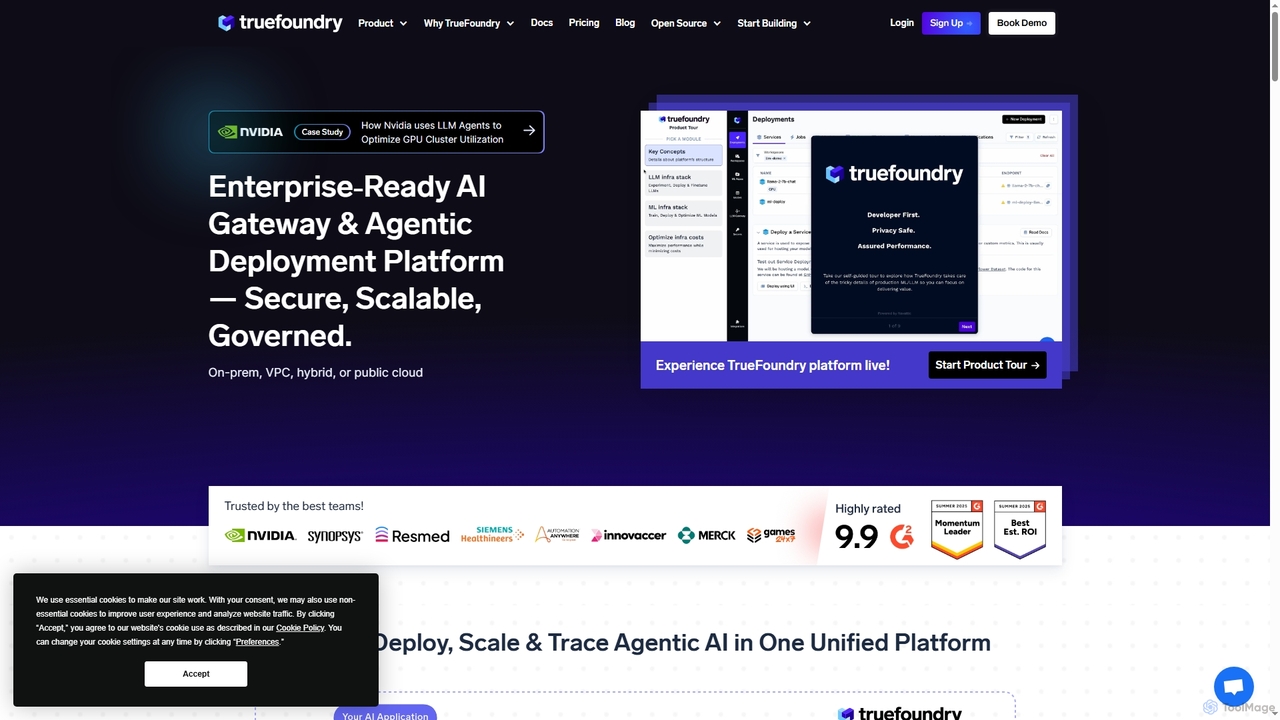
Truefoundry is an enterprise-ready platform for deploying, managing, and scaling agentic AI applications. It provides a unified AI Gateway to orchestrate complex AI workflows, manage models, and ensure security, governance, and observability. Designed for developers and MLOps teams, it supports on-premise, cloud, and hybrid deployments, optimizing GPU utilization and accelerating time-to-production.

Cloud Computing
Visits 207.4KFavorites 91Likes 100
Aetherflows
Paid

Aetherflows

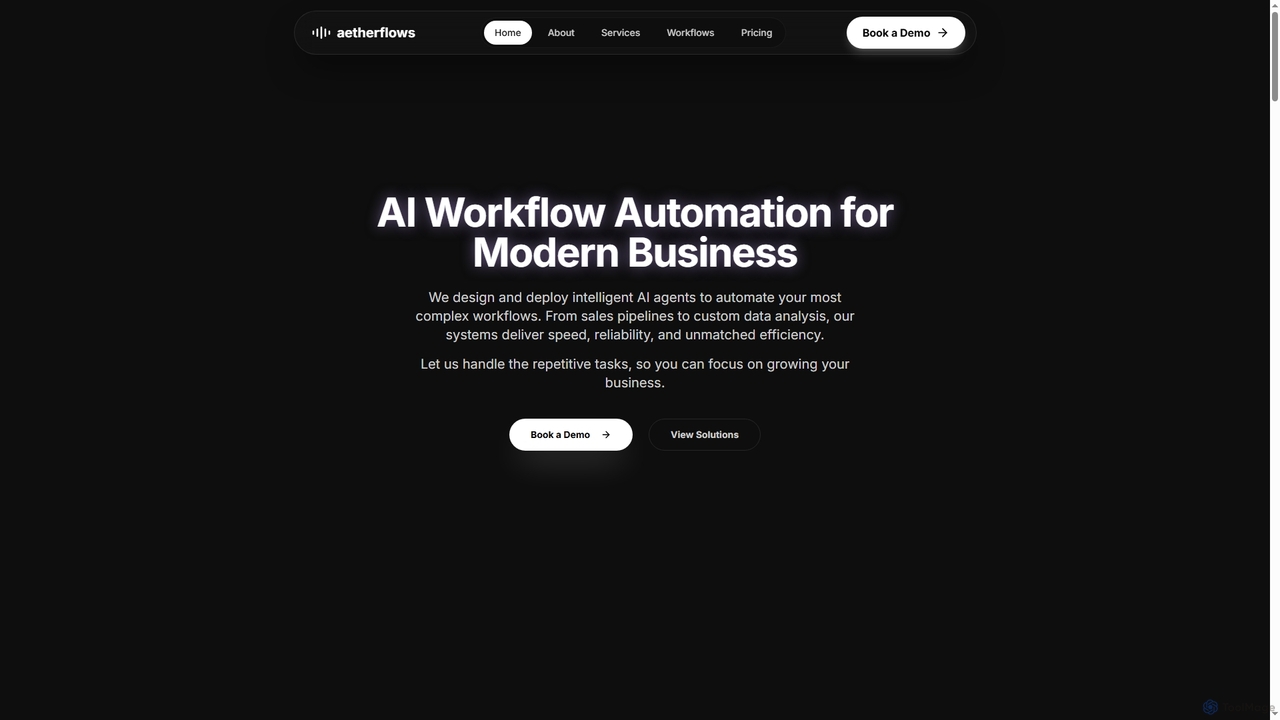
An AI and automation studio that designs and deploys intelligent AI agents and custom ML models to automate complex business workflows, from sales pipelines to data analysis, enhancing efficiency and reliability.

Sales
Visits 6.4KFavorites 120Likes 125
Metrics Help
Free

Metrics Help

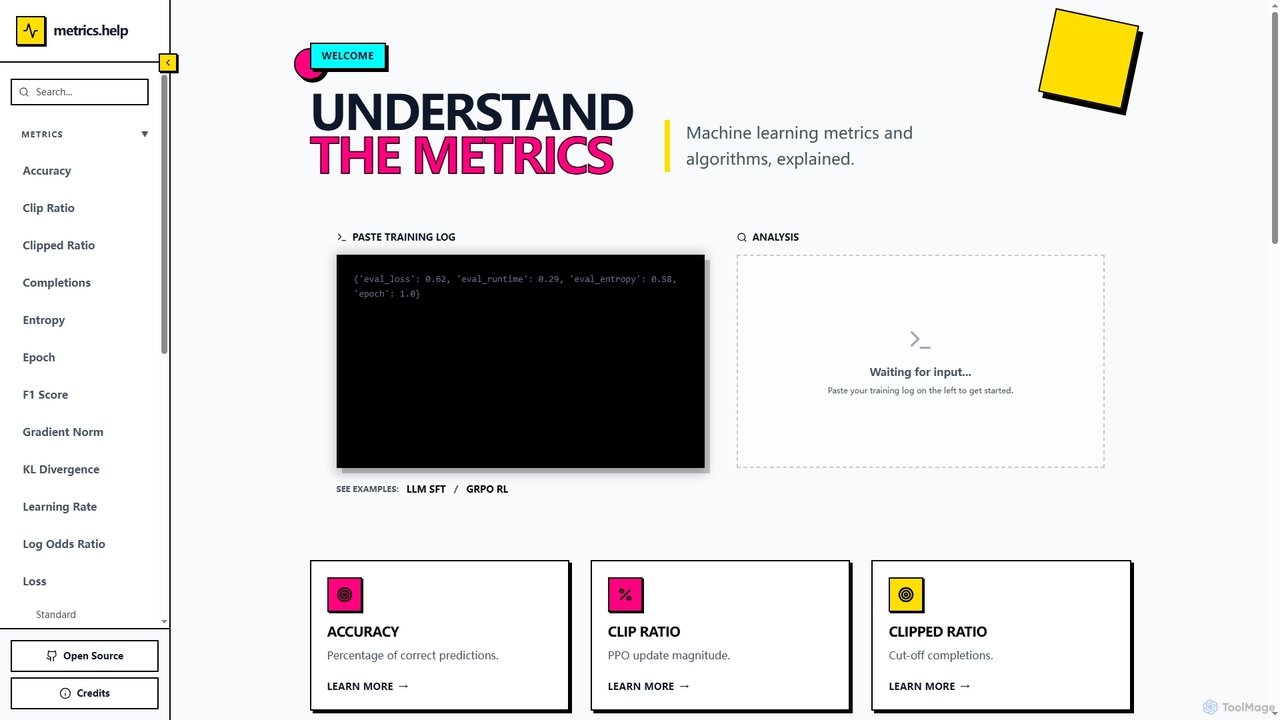
Metrics Help is an open-source web tool for machine learning practitioners. It functions as a comprehensive guide and an interactive analyzer for ML training metrics. Users can paste training logs to get instant explanations for key metrics like accuracy, loss, and perplexity, aiding in model performance analysis and debugging.

Model Training
Visits 6.5KFavorites 127Likes 125
WordCanvas3D

WordCanvas3D

WordCanvas3D is an interactive web-based tool designed to visualize and understand core natural language processing concepts like text tokenization, word embeddings, and vector arithmetic. It offers a live playground to explore how text transforms into numerical representations and their spatial relationships.

Natural Language Processing
Visits 6.6KFavorites 138Likes 147
Baseten
Freemium

Baseten

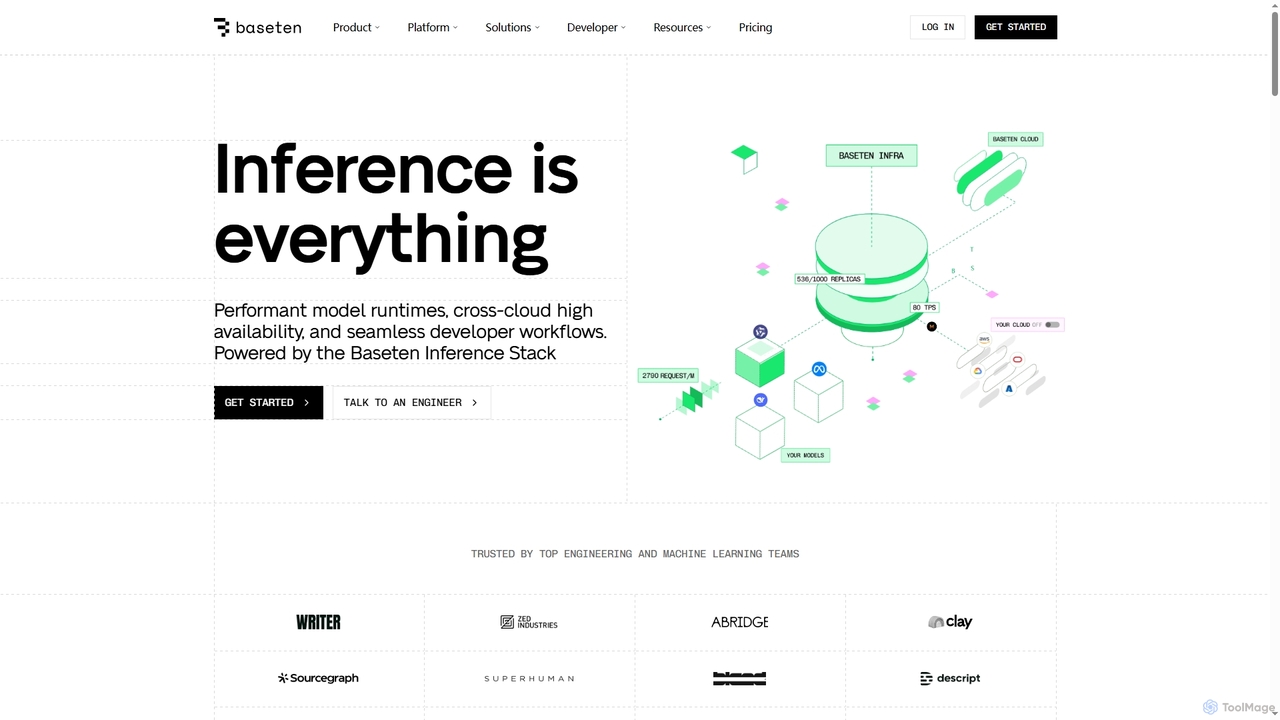
Baseten is a production-grade inference platform for deploying, scaling, and managing AI models. It offers high-performance runtimes, seamless developer workflows, and flexible deployment options (cloud, self-hosted, hybrid). Ideal for engineering and ML teams building mission-critical AI applications.

Deployment
Visits 272.5KFavorites 142Likes 117
HackerNoon AI
Freemium

HackerNoon AI

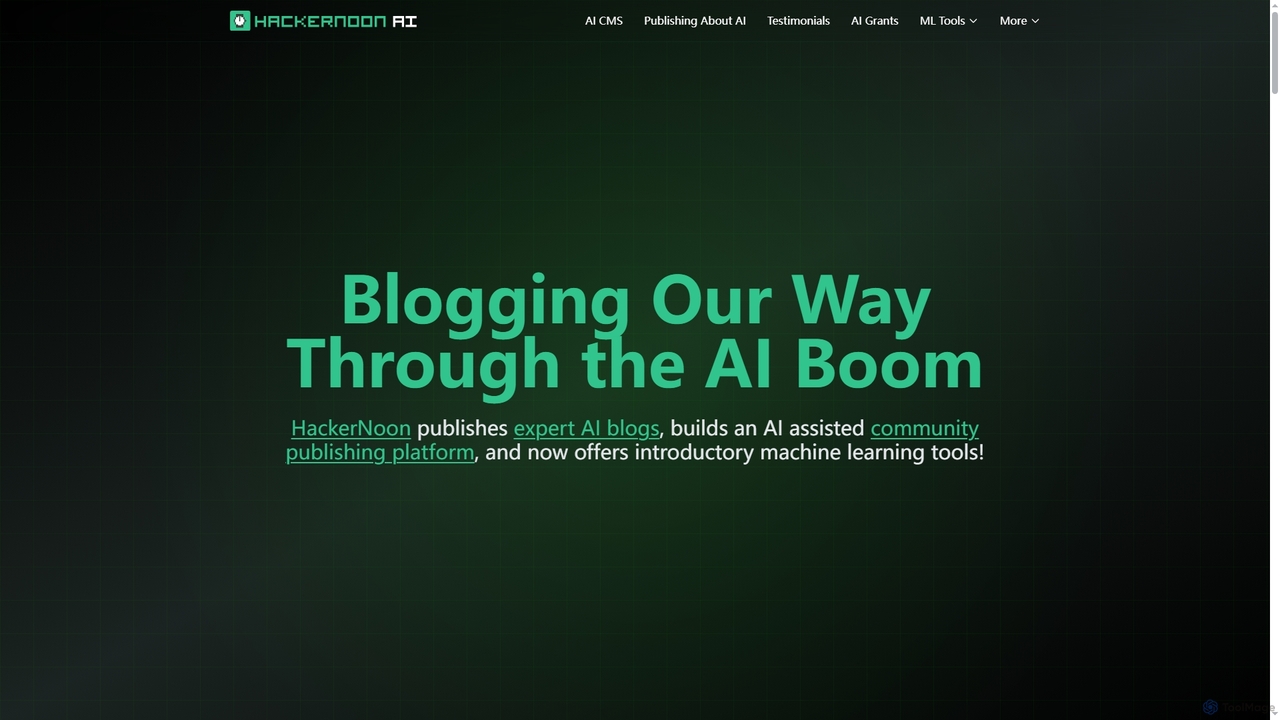
HackerNoon AI is a comprehensive ecosystem designed to democratize artificial intelligence. It features a vast library of over 15,000 expert articles, an AI-powered Content Management System (CMS) for creators, a suite of interactive machine learning tools for developers, and a searchable database of AI grants and credits for startups and researchers.

Resource
Visits 12KFavorites 136Likes 149
Segmed
Paid

Segmed

Segmed provides large-scale access to de-identified, diagnostic-grade medical imaging data for AI development and clinical research. Its platform, Openda, offers millions of tokenized studies from a diverse global network of healthcare providers. Segmed accelerates innovation for life sciences, medical device, and technology companies by providing regulatory-grade, multimodal datasets crucial for training AI models, validation, and securing FDA/CE clearance.

Datasets
Visits 10KFavorites 138Likes 153
Grably
Paid

Grably

Grably is a decentralized data ownership network (DeDON) providing high-quality, ethically sourced AI training data. It offers a vast collection of off-the-shelf datasets, custom data collection, curation, and annotation services to accelerate AI development while allowing users to monetize their data securely and transparently.

Data Labeling
Visits 7.1KFavorites 132Likes 126
HEROZ

HEROZ

HEROZ is a leading Japanese AI technology company that provides advanced B2B solutions across various industries. Leveraging core technologies developed from its world-champion Shogi (Japanese chess) AI, HEROZ offers custom AI development, data analysis, and generative AI platforms to drive business transformation in finance, construction, entertainment, and more.

Ai Solutions
Visits 1.9MFavorites 129Likes 136
LangDrive
Freemium

LangDrive

LangDrive is a developer-centric platform offering a unified API to fine-tune, manage, and deploy open-source Large Language Models (LLMs). It simplifies the complex MLOps pipeline, enabling businesses to create powerful, custom AI models for specialized tasks with greater control over data and costs.

Api Management
Visits 6.2KFavorites 150Likes 138
GPT4All
Free

GPT4All

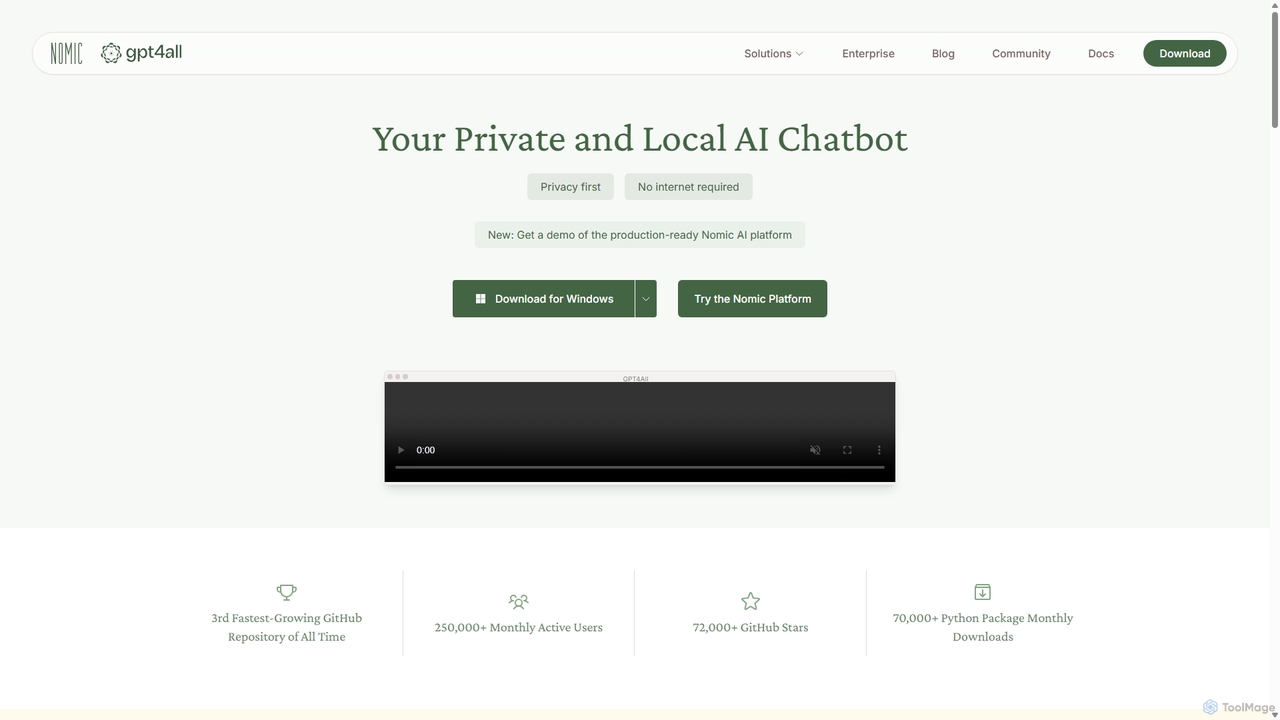
GPT4All is a free, open-source, and privacy-focused AI chatbot that runs powerful language models locally on your desktop. It works offline, ensuring your data never leaves your device, and allows you to chat with your own documents securely.

Machine Learning
Visits 73.9KFavorites 141Likes 150
Kaggle
Freemium

Kaggle

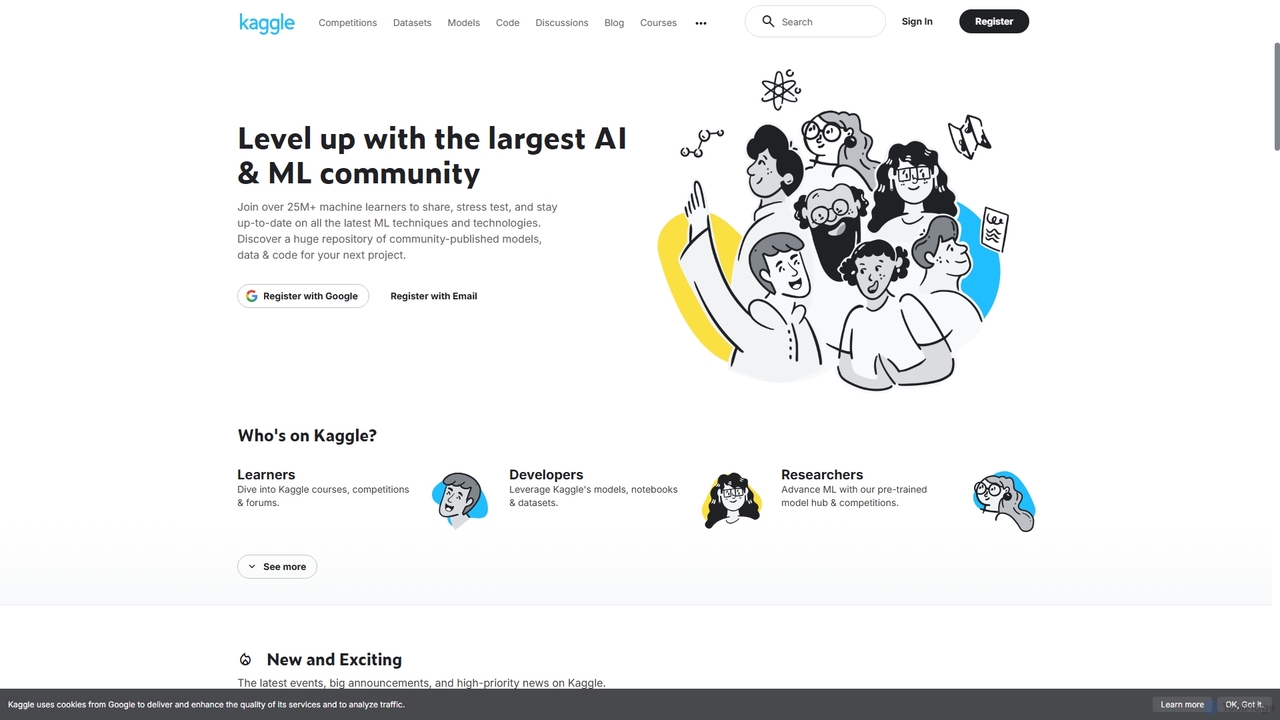
Kaggle is the world's largest online community for data scientists and machine learning practitioners. Owned by Google, it provides a platform to explore datasets, build models in a web-based environment, compete in machine learning challenges, and access educational resources. It offers free access to powerful computational resources, including GPUs and TPUs, making it an essential tool for anyone from beginners to seasoned experts in the AI and data science fields.

Datasets
Visits 12.4MFavorites 137Likes 132
Ollama
Freemium

Ollama

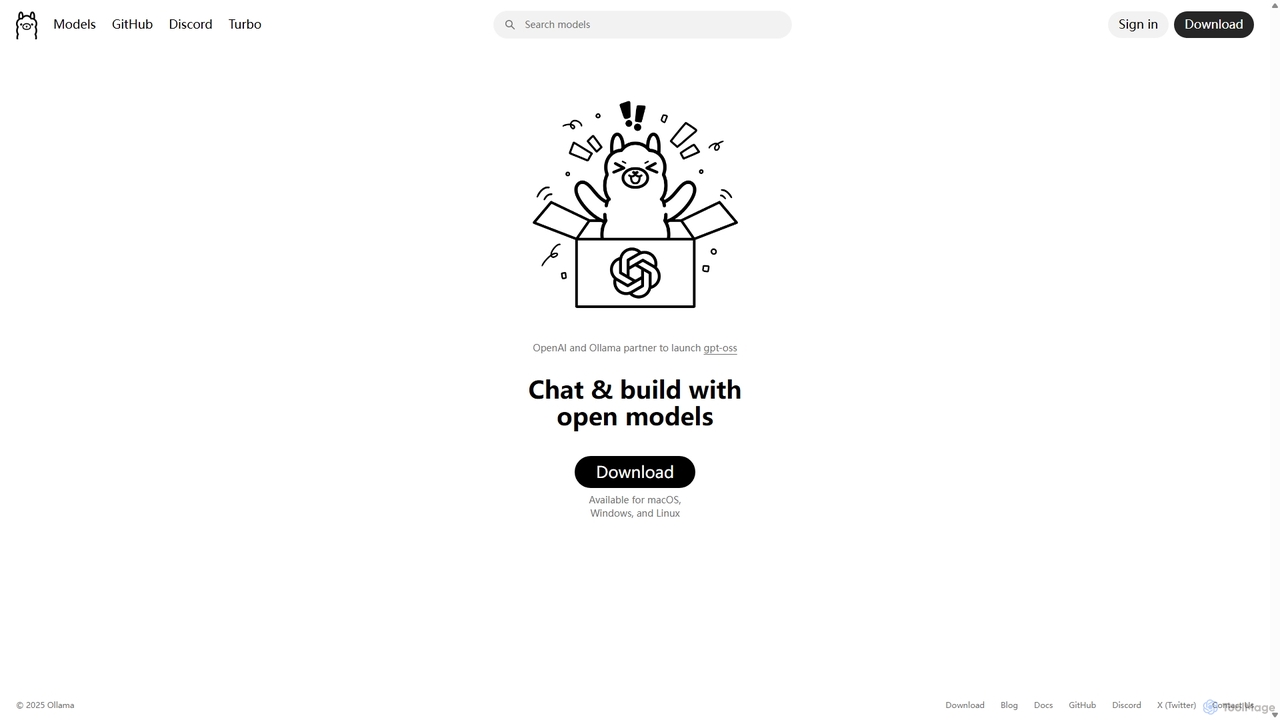
Ollama is a powerful open-source framework for running large language models (LLMs) like Llama 3, Mistral, and Gemma locally on your own hardware. Available for macOS, Windows, and Linux, it simplifies the setup and management of open-source models, enabling private, offline, and cost-effective AI development and usage.

Machine Learning
Visits 11.1MFavorites 147Likes 153
Custom Vision
Freemium

Custom Vision

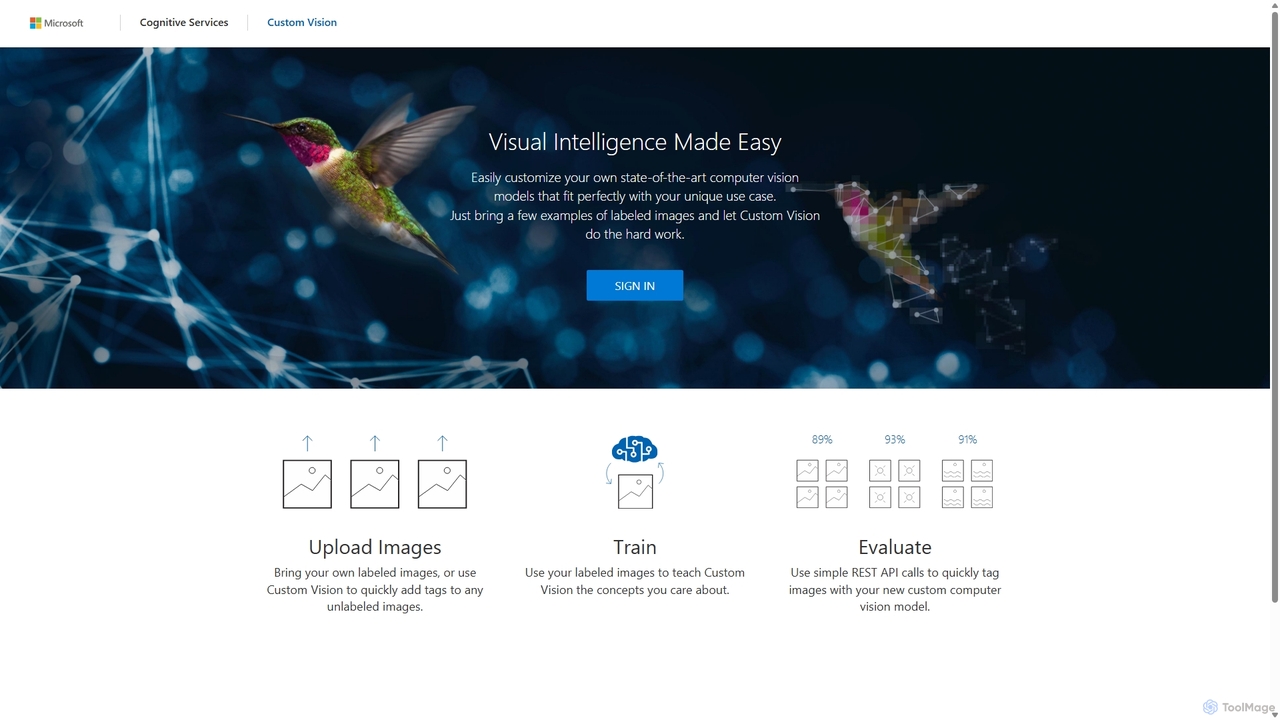
An AI service from Microsoft Azure that allows you to build, deploy, and improve your own custom image classifiers and object detectors. Easily create state-of-the-art computer vision models tailored to your specific needs with a user-friendly interface and a powerful REST API, no deep machine learning expertise required.

Machine Learning
Visits 11.6KFavorites 143Likes 130
Label Your Data
Paid

Label Your Data

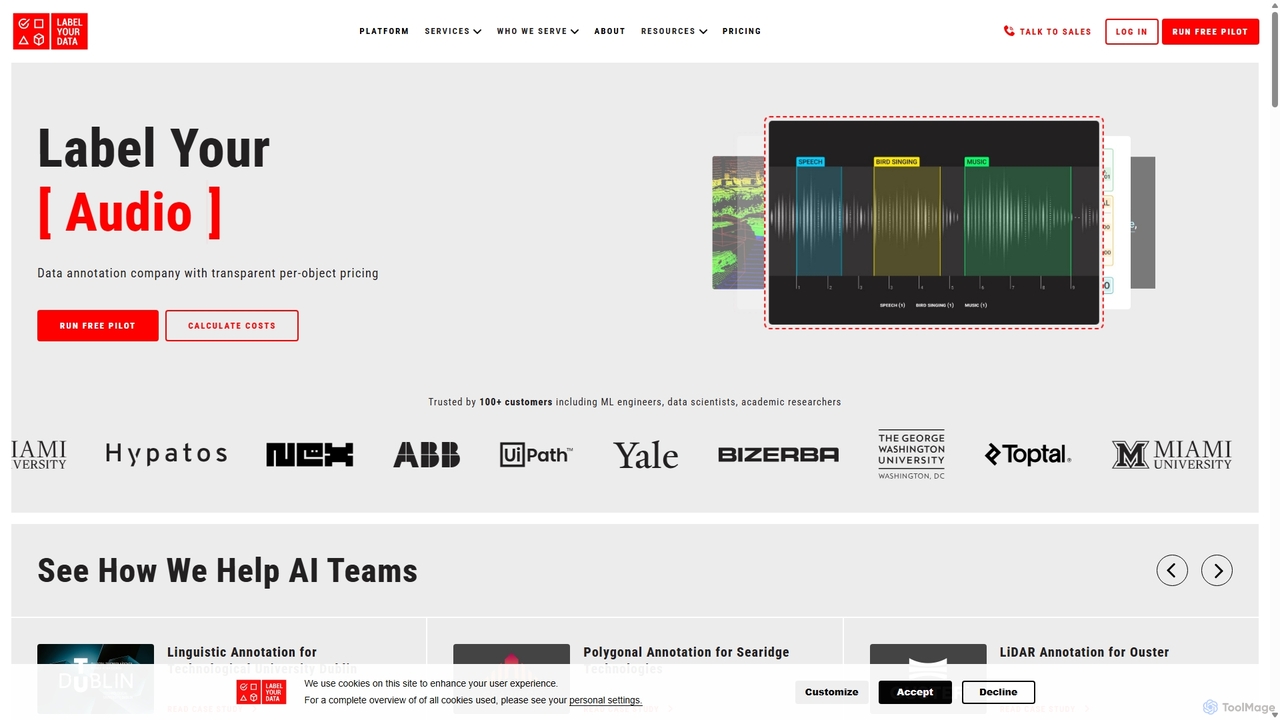
A professional data annotation service and platform providing high-quality, accurate labeled datasets for machine learning. It supports diverse data types like images, video, text, and audio, offering flexible pricing, a self-serve platform, and fully managed services to scale AI projects of any size.

Data Management
Visits 81.5KFavorites 143Likes 151
Openlayer
Freemium

Openlayer

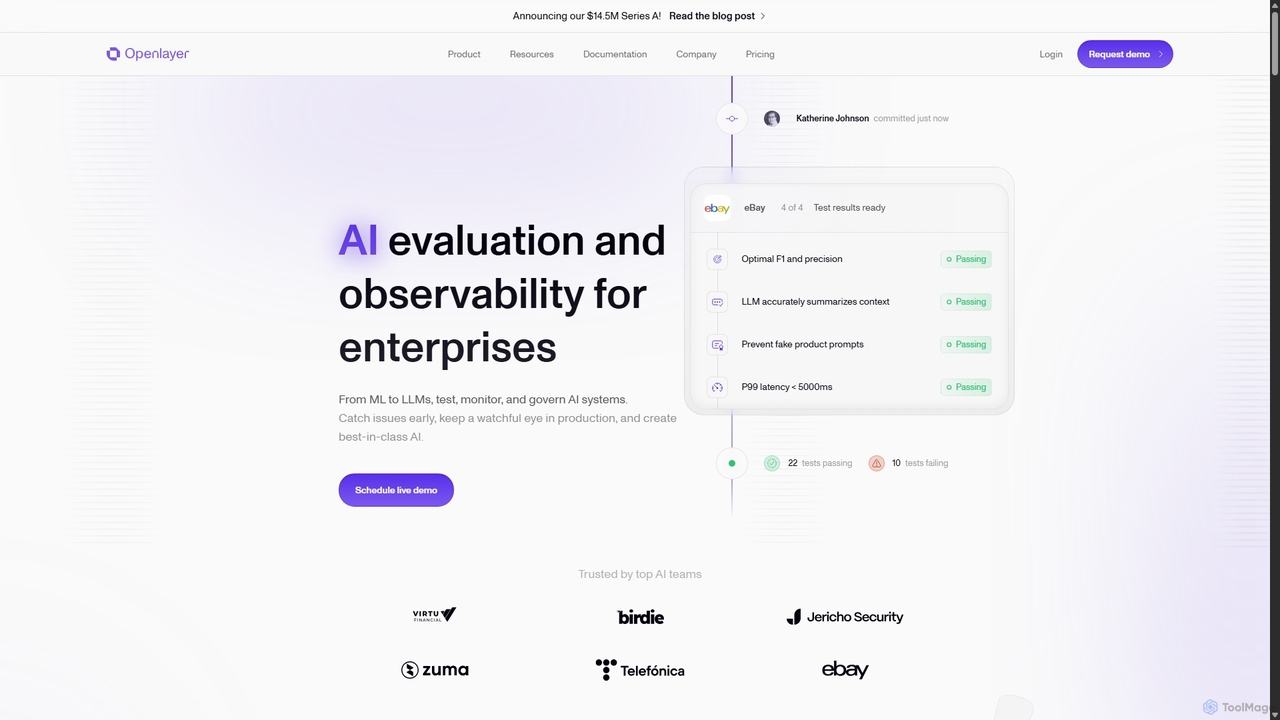
Openlayer is an enterprise-grade platform for AI evaluation and observability. It empowers teams to test, monitor, and govern both traditional machine learning models and large language models (LLMs) throughout their entire lifecycle, from development to production, ensuring reliability and compliance.

Analytics
Visits 30.8KFavorites 188Likes 188
Release.ai
Freemium

Release.ai

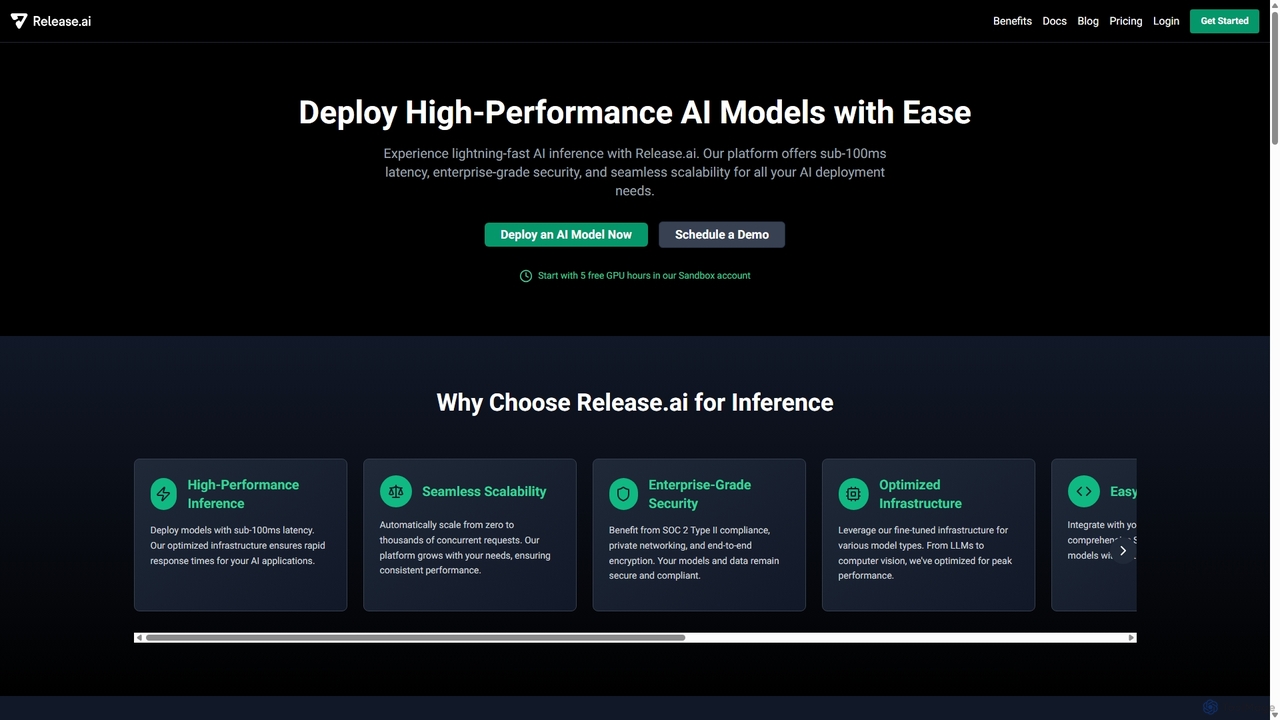
Release.ai is an enterprise-grade platform for developers to easily deploy, manage, and scale high-performance AI models. It offers sub-100ms inference latency, seamless auto-scaling, robust security, and a vast library of pre-optimized models, enabling rapid integration into any development workflow with just a few lines of code.

Platform As A Service (Paas)
Visits 8.8KFavorites 165Likes 171
Prodigy
Paid

Prodigy

Prodigy is a scriptable annotation tool for AI, Machine Learning, and NLP, designed for developers. It enables rapid creation of high-quality training and evaluation data through model-assisted, human-in-the-loop workflows. It runs on your own infrastructure, ensuring complete data privacy and control.

Annotation
Visits 50.9KFavorites 146Likes 137
Nebius
Paid

Nebius

Nebius is a high-performance cloud platform specifically engineered for demanding AI and Machine Learning workloads. It provides scalable access to the latest NVIDIA GPUs, from single instances to massive clusters, complemented by a suite of managed services and an integrated AI Studio to streamline the entire ML lifecycle from training to inference.

Gpu Cloud
Visits 8.7KFavorites 139Likes 142
Replicate
Paid

Replicate

Replicate is a cloud platform for developers to run, fine-tune, and deploy AI models via a simple API. It eliminates the need for managing complex infrastructure, offering access to thousands of models with pay-per-use pricing and automatic scaling.

Machine Learning
Visits 1.3MFavorites 121Likes 109
Reka
Freemium

Reka

Reka provides a suite of powerful, multimodal AI models and solutions designed for real-world impact. From the ultra-compact Spark to the frontier-level Core model, Reka's technology understands and processes text, images, audio, and video. It powers applications like Reka Vision for intelligent video analysis and Reka for Creators for automated social media clip generation, serving developers, enterprises, and content creators.

Transcription
Visits 258.3KFavorites 155Likes 139

About Machine Learning

Machine Learning tools are a specialized category within developer tools that empower systems to learn from data, identify complex patterns, and make intelligent predictions or decisions without explicit programming. These tools leverage advanced algorithms and statistical models to automate data analysis, build predictive models, and enable adaptive behaviors. They are crucial for developers aiming to integrate intelligence into applications, automate complex processes, and derive actionable insights from vast datasets.

Core Features

  • Data Preprocessing & Feature Engineering: Tools for cleaning, transforming, and selecting relevant features from raw data to optimize model performance.
  • Model Training & Optimization: Platforms to build, train, and fine-tune various machine learning models (e.g., supervised, unsupervised, reinforcement learning) using diverse algorithms.
  • Model Evaluation & Validation: Capabilities to assess model accuracy, robustness, and generalization using metrics like precision, recall, F1-score, and cross-validation techniques.
  • Model Deployment & Monitoring: Features for deploying trained models into production environments and continuously monitoring their performance and drift over time.

Use Cases

Machine Learning tools are widely adopted across industries for tasks requiring data-driven intelligence. They enable developers to build applications for predictive analytics in finance, create personalized recommendation systems for e-commerce, and develop sophisticated natural language processing solutions for customer service automation.

How to Choose

Selecting the right Machine Learning tool involves evaluating several factors: the range of supported algorithms and frameworks, scalability for handling large datasets, integration capabilities with existing data pipelines and development environments, and the level of abstraction or control offered to developers. Consider also the community support, documentation, and pricing model.

Featured tool rankings

Machine Learning use cases

1

Building Predictive Models for Business Forecasting

Data scientists and business analysts utilize Machine Learning tools to develop models that forecast key business metrics like sales, customer churn, or stock prices. By feeding historical data into algorithms, they can identify trends and predict future outcomes, enabling proactive decision-making and strategic planning for enterprises.

2

Developing Personalized Recommendation Engines

E-commerce platforms and streaming services leverage Machine Learning tools to create highly personalized recommendation systems. By analyzing user behavior, preferences, and historical interactions, these tools suggest relevant products, content, or services, significantly enhancing user experience and driving engagement and sales.

3

Automating Anomaly Detection in Cybersecurity

Cybersecurity professionals employ Machine Learning tools to detect unusual patterns in network traffic, user behavior, or system logs that may indicate security breaches or fraudulent activities. These tools can identify deviations from normal baselines in real-time, allowing for rapid response and mitigation of potential threats, significantly enhancing an organization's security posture.

4

Creating Intelligent Chatbots and NLP Applications

Developers utilize Machine Learning tools to build sophisticated natural language processing (NLP) applications, including intelligent chatbots, sentiment analysis engines, and language translation services. These tools enable machines to understand, interpret, and generate human language, revolutionizing customer service, content analysis, and communication platforms.

5

Implementing Computer Vision for Quality Control

Manufacturing and healthcare industries deploy Machine Learning tools for computer vision applications in quality control. By training models on images or video feeds, these tools can automatically detect defects in products, identify anomalies in medical scans, or monitor assembly lines, significantly improving efficiency and accuracy while reducing human error.

6

Optimizing Resource Allocation and Scheduling

Logistics, energy, and urban planning sectors leverage Machine Learning tools to optimize complex resource allocation and scheduling problems. By analyzing vast amounts of data on demand, supply, constraints, and historical patterns, these tools can generate highly efficient schedules for deliveries, energy grids, or public transport, leading to significant cost savings and improved service levels.

Machine Learning FAQ

What are Machine Learning tools?

Machine Learning tools are software platforms and libraries that enable developers to build, train, and deploy models that learn from data. They typically feature capabilities for data preprocessing, algorithm selection, model evaluation, and deployment. These tools are used to create intelligent applications that can make predictions, classify data, or automate decision-making based on learned patterns.

How do Machine Learning tools differ from traditional programming?

Traditional programming relies on explicit, rule-based instructions to solve problems, where a developer defines every step. Machine Learning tools, conversely, enable systems to learn patterns and rules directly from data, without being explicitly programmed for each scenario. This data-driven approach allows ML models to adapt to new information and handle complex, dynamic problems that are difficult to define with fixed rules, such as image recognition or natural language understanding.

What are the essential components of a Machine Learning workflow?

A typical Machine Learning workflow involves several key stages. It begins with data collection and preprocessing, where raw data is cleaned and transformed. Next is feature engineering, selecting relevant variables. Then, model selection and training involves choosing an algorithm and fitting it to the data. This is followed by model evaluation and validation to assess performance. Finally, the trained model is moved to deployment and monitoring for real-world application and continuous oversight.

How can developers choose the best Machine Learning platform?

Developers should consider several factors when choosing an ML platform. Evaluate the range of supported algorithms and frameworks (e.g., TensorFlow, PyTorch), ensuring they align with project needs. Assess scalability and performance for handling data volume and processing speed. Look for robust integration capabilities with existing data infrastructure and development tools. Consider the ease of use, documentation, community support, and the cost model (open-source vs. commercial, cloud vs. on-premise) to find the best fit for their specific requirements and budget.

What are some common applications of Machine Learning in enterprise?

In enterprise settings, Machine Learning tools are applied across various functions. Common applications include fraud detection in finance, where models identify suspicious transactions; customer churn prediction in marketing, helping businesses retain clients; predictive maintenance in manufacturing, forecasting equipment failures; and supply chain optimization, improving logistics efficiency. These applications drive significant operational improvements and strategic advantages.