Developer Tools Best in category 10 results Agile Development AI Tool

Popular AI tools in the Agile Development field of Developer Tools include DailyBot、Leiga、ProductGo、Stoorai、prostoretro、agileplus、Storylist、Ogoodo、epicmatic、GeniePM, etc., helping you quickly improve efficiency.

Ogoodo

Ogoodo

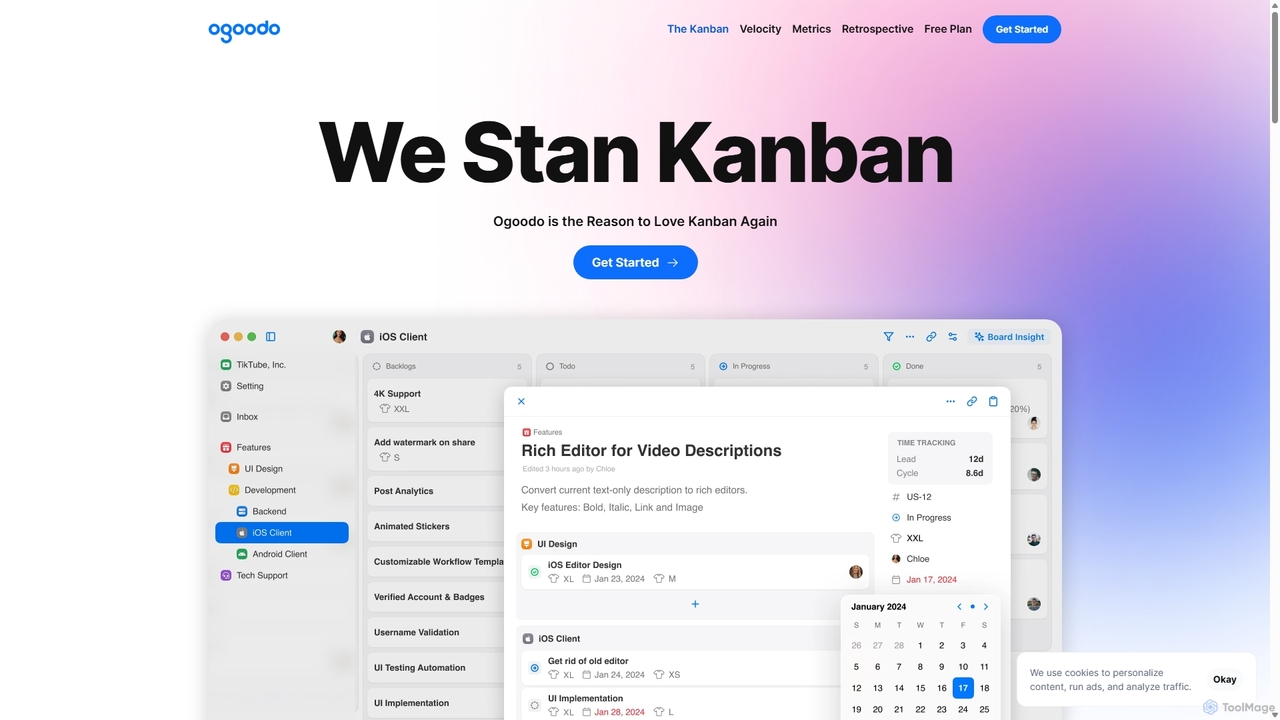
Ogoodo is an AI-powered Kanban tool designed to enhance agile workflows. It goes beyond traditional boards by offering …

2.1K
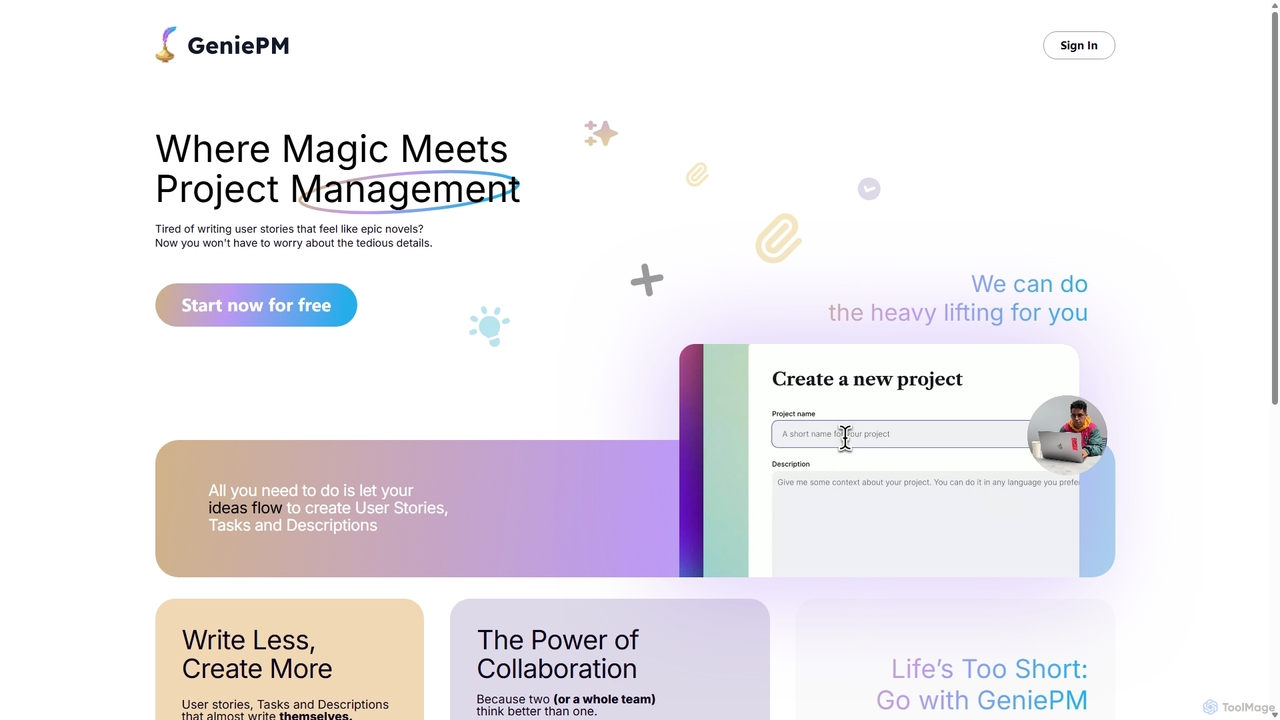
GeniePM

GeniePM

GeniePM is an AI-powered project management assistant designed to streamline the creation of user stories, tasks, and descriptions. …

2.1K
Leiga

Leiga

Leiga is an AI-powered project management platform designed for agile teams. It streamlines workflows with customizable Scrum and …

20.8K
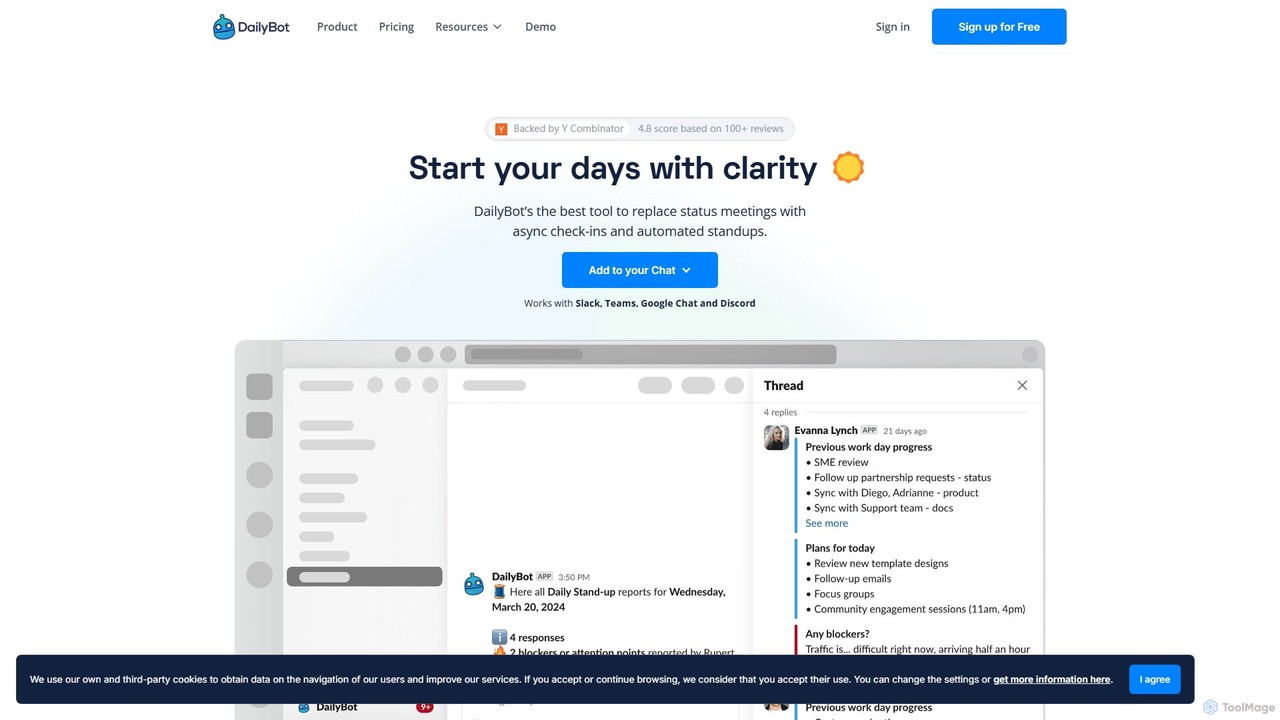
DailyBot

DailyBot

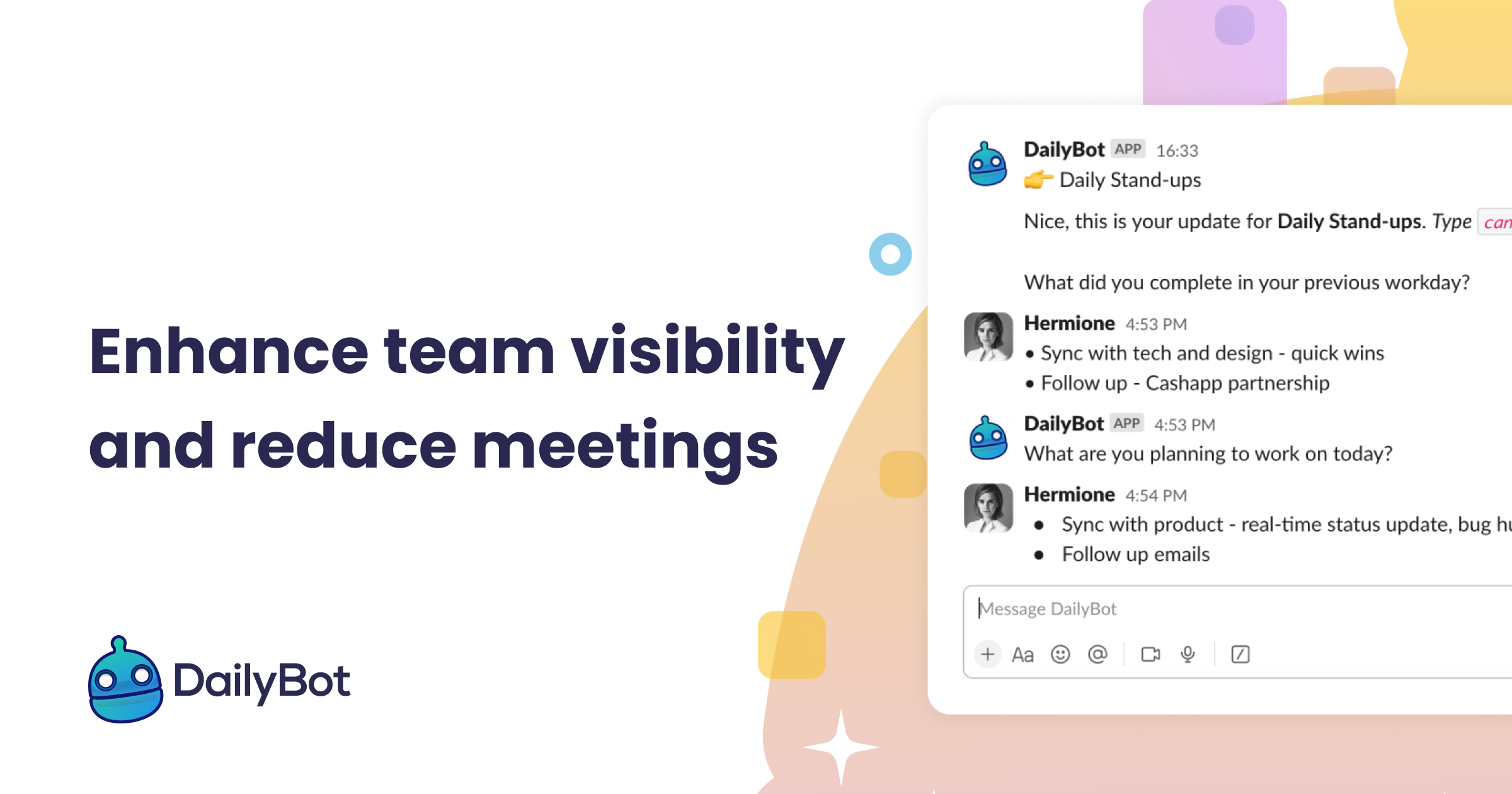
DailyBot is an AI-powered chatbot for agile and remote teams, automating daily stand-ups, team check-ins, and feedback collection. …

47.7K
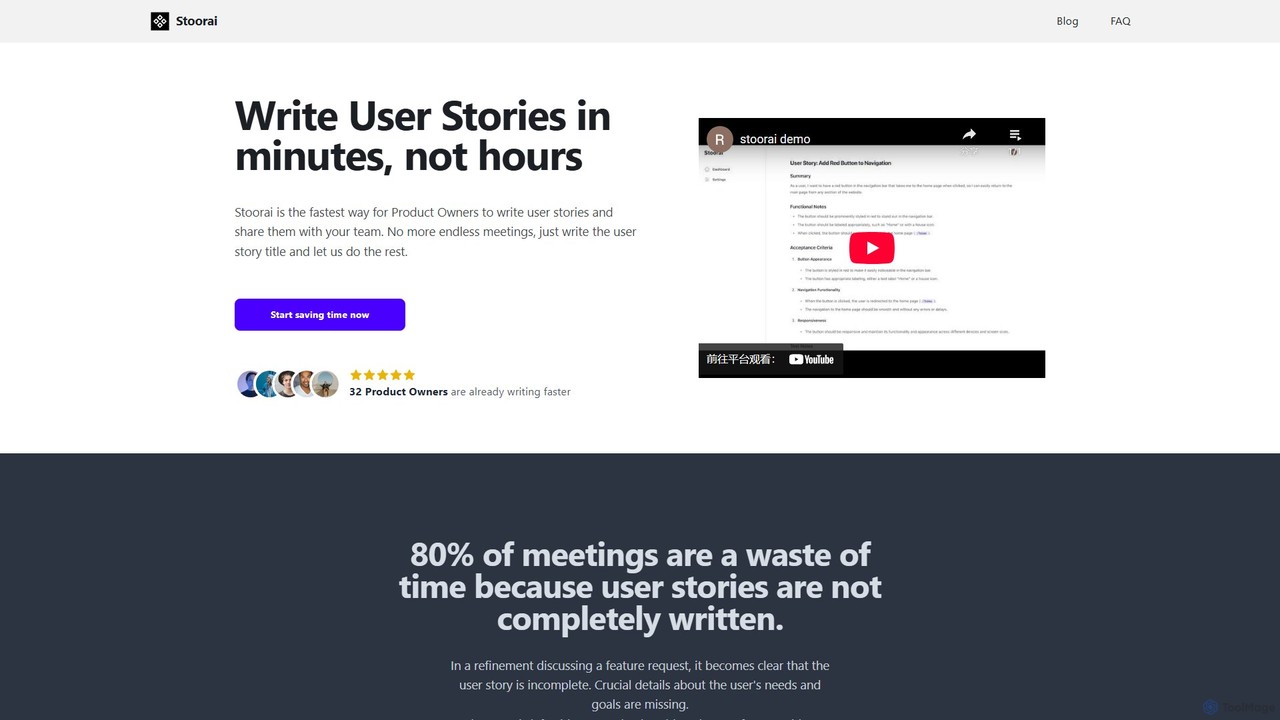
Stoorai

Stoorai

Stoorai is an AI-powered tool designed for Product Owners and agile teams to generate comprehensive user stories in …

4.3K
prostoretro

prostoretro

Prostoretro is an intuitive online tool designed for agile teams to conduct effective and interactive retrospectives. It facilitates …

2.9K
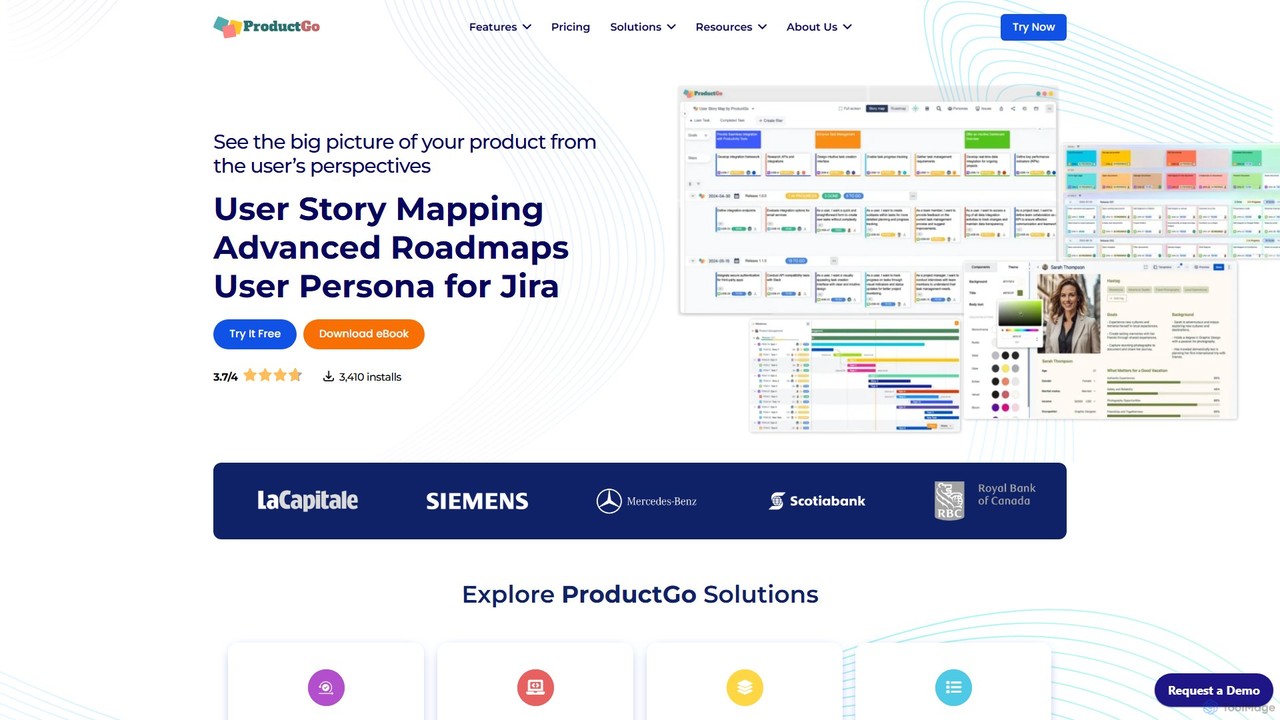
ProductGo

ProductGo

ProductGo is an AI-powered, all-in-one agile tool for Jira and Confluence. It helps teams visualize the big picture …

5.3K
Storylist

Storylist

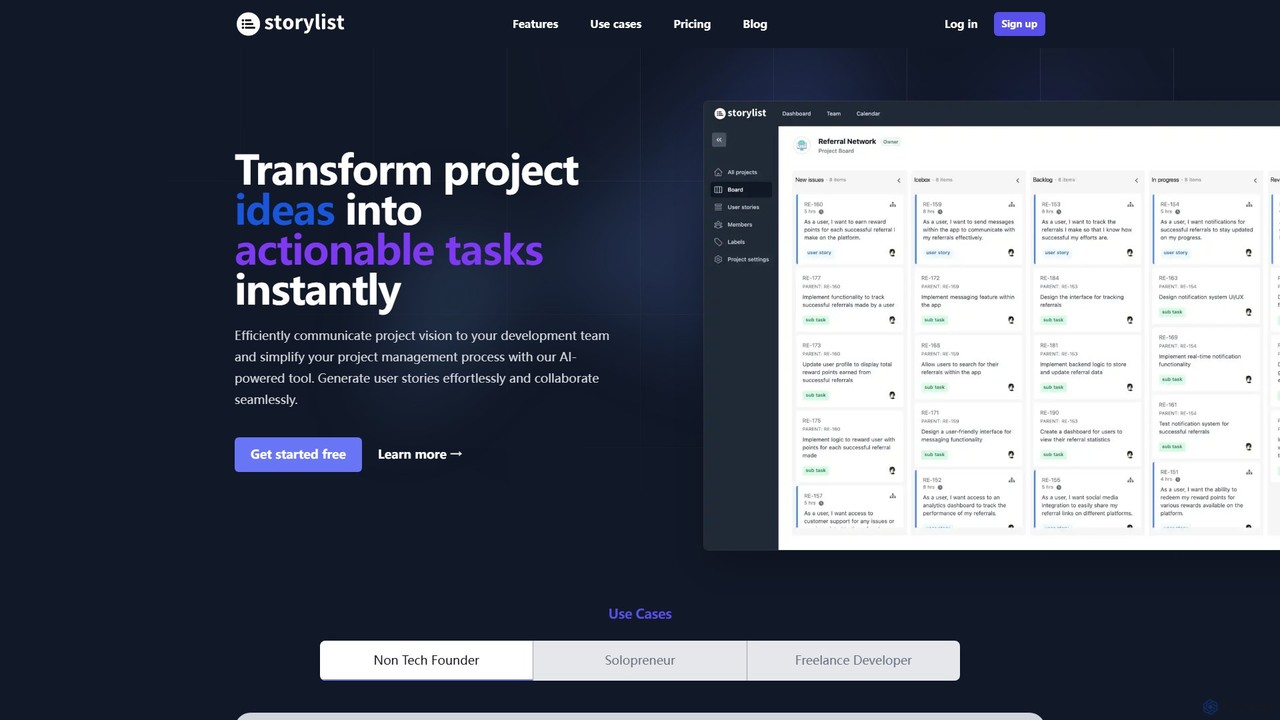
Storylist is an AI-powered project management tool that instantly transforms project ideas into actionable user stories and tasks. …

2.3K
agileplus

agileplus

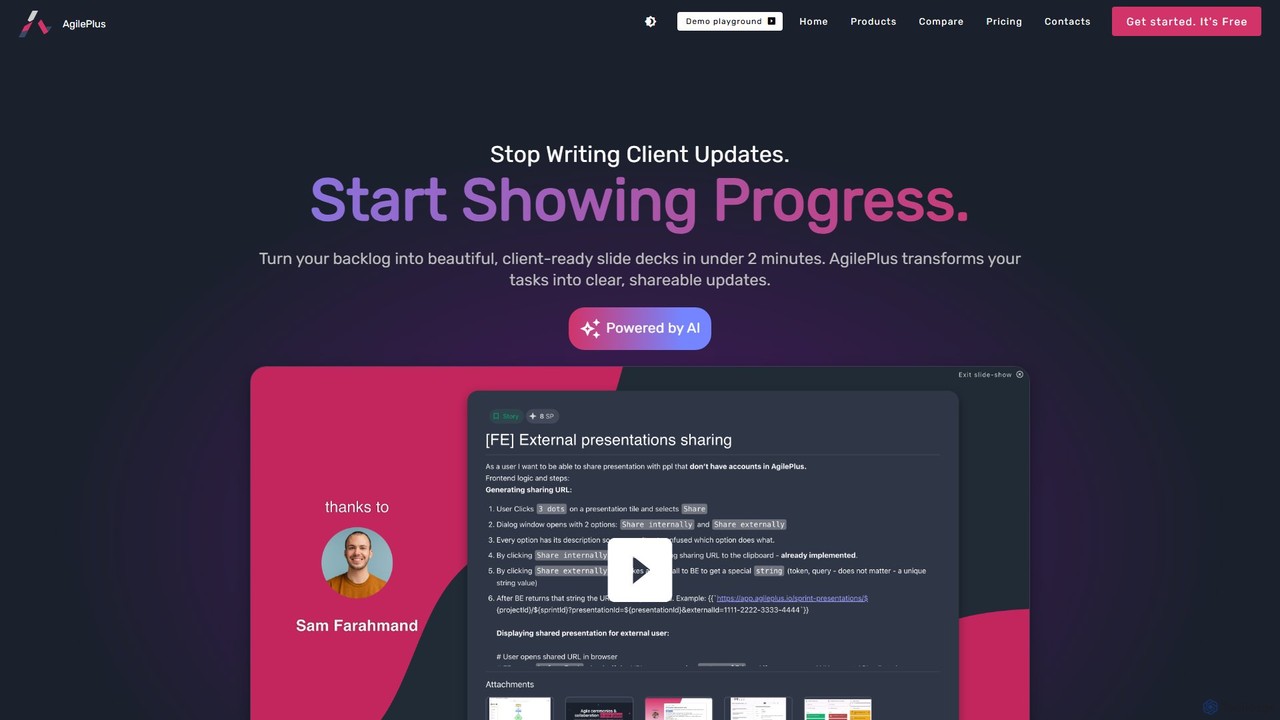
AgilePlus is an all-in-one AI-powered platform that transforms your project backlog from Jira or Linear into beautiful, client-ready …

2.3K
epicmatic

epicmatic

epicmatic is an AI-powered tool designed to simplify and accelerate the creation of epics and user stories for …

2.1K

About Agile Development

AI Agile Development tools are a class of software designed to enhance and automate agile project management workflows. They leverage artificial intelligence and machine learning to provide predictive insights, streamline task management, and facilitate data-driven decision-making for development teams. These tools go beyond simple task tracking by analyzing historical data to forecast sprint completion, identify potential bottlenecks, and suggest process optimizations. This intelligent layer helps teams improve their velocity, increase predictability, and deliver higher-quality software more efficiently.

Core Features

  • Predictive Analytics: Forecasts sprint outcomes, project timelines, and potential risks based on historical performance data.
  • Intelligent Task Management: Automatically suggests story points, assigns tasks to a suitable developer, and flags dependencies.
  • Automated Reporting: Generates real-time burndown charts, velocity reports, and cycle time analysis without manual input.
  • AI-Driven Retrospectives: Uses Natural Language Processing (NLP) to analyze team feedback and identify actionable improvement themes.
  • Workflow Bottleneck Detection: Monitors the flow of work and proactively alerts teams to tasks that are stalled or slowing down the process.

Use Cases

These tools are primarily used by software development teams, Scrum Masters, Product Owners, and project managers in technology-driven industries. For instance, a fast-growing SaaS company can use them to maintain development speed while scaling its team. A mobile development agency might leverage predictive analytics to provide clients with more accurate delivery timelines and manage scope creep effectively.

How to Choose

When selecting an AI Agile Development tool, first consider its integration capabilities with your existing toolchain, such as Jira, GitHub, or Slack. Evaluate the sophistication of its AI models—does it offer simple automation or deep predictive insights? Ensure the tool supports your specific agile framework (e.g., Scrum, Kanban). Finally, assess its scalability to support your team's growth and its flexibility to customize workflows and reports.

Agile DevelopmentUse Cases

1

AI-Assisted Sprint Planning and Estimation

A Product Owner prepares for an upcoming sprint by importing the backlog into an AI Agile Development tool. The system analyzes each user story, comparing it to thousands of previously completed tasks. It then suggests story point estimates, highlights potential ambiguities in requirements, and recommends a sprint scope that has a high probability of successful completion based on the team's historical velocity. This data-driven approach reduces planning time and minimizes subjective bias in estimation.

2

Proactive Risk Detection During a Sprint

A Scrum Master reviews the team's progress mid-sprint via an AI-powered dashboard. The tool flags a critical task as "at-risk" because its cycle time is trending higher than average for similar tasks. It also identifies a developer who is becoming a bottleneck due to multiple complex assignments. This early warning allows the Scrum Master to facilitate a discussion and reallocate work, preventing a last-minute scramble and ensuring the sprint goal is met.

3

Automating Stakeholder Progress Reports

A Project Manager is tasked with creating a bi-weekly progress report for executive stakeholders. Instead of manually pulling data from different systems, they use the AI tool's reporting feature. The tool automatically generates a comprehensive summary, including key metrics like velocity trends, burndown charts, and a list of completed epics. It even uses NLP to summarize key accomplishments and blockers from team comments, delivering a professional report in minutes.

4

Conducting Data-Driven Sprint Retrospectives

During a sprint retrospective, team members submit their feedback on what went well and what could be improved. The AI tool processes these comments using sentiment analysis and topic modeling. It groups related feedback into actionable themes, such as "CI/CD pipeline delays" or "unclear acceptance criteria." This transforms subjective opinions into objective data points, helping the team focus on the most impactful process improvements for the next sprint.

5

Optimizing Developer Workload and Focus

A development team lead wants to ensure tasks are distributed effectively to prevent burnout and maximize productivity. The AI tool analyzes the current backlog and each developer's historical performance, technical skills, and current workload. It then suggests an optimal allocation of tasks, matching complexity with expertise. This helps ensure that developers work on tasks that align with their strengths, improving both morale and code quality.

6

Improving Cross-Team Dependency Management

In a large-scale project involving multiple teams, managing dependencies is a major challenge. An AI Agile tool maps out the relationships between tasks across different team backlogs. When a task in one team is delayed, the system automatically calculates the impact on dependent tasks in other teams and alerts the relevant Product Owners. This provides crucial visibility, enabling proactive coordination and reducing integration failures.

Agile DevelopmentFrequently Asked Questions