Business Best in category 17 results Product Management AI Tool

Popular AI tools in the Product Management field of Business include Canny、ChatPRD、airfocus、Synthetic Users、StoriesOnBoard、Delibr、ProductGo、Featurely、Discovery AI、Depth, etc., helping you quickly improve efficiency.

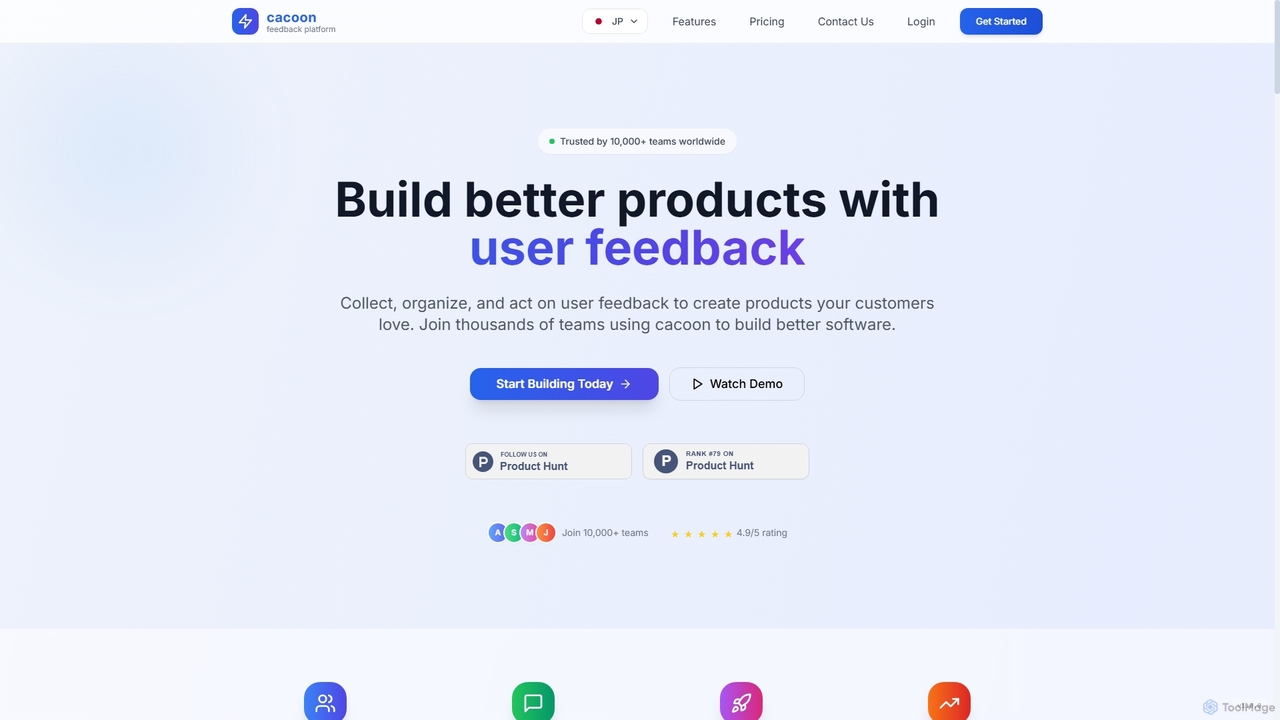
Cacoon

Cacoon

Cacoon is an AI-powered product management platform designed to help teams collect, organize, and act on user feedback …

3.2K
Free
Codexhaus

Codexhaus

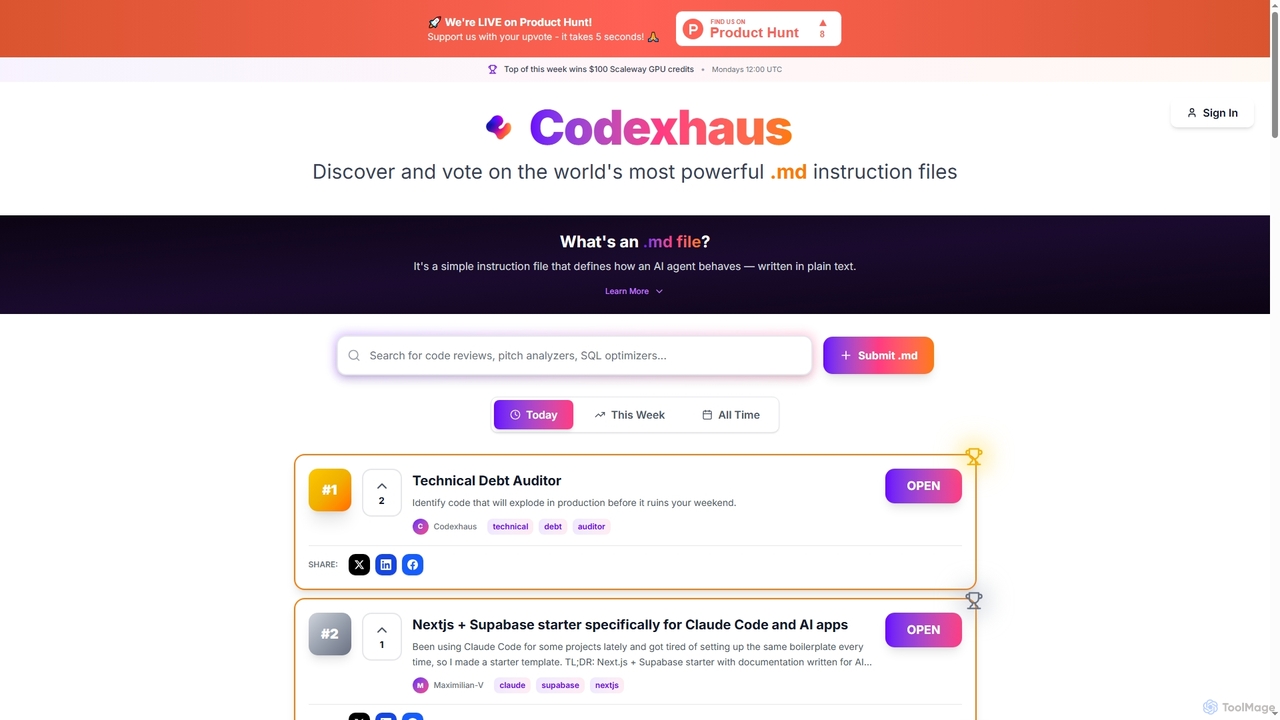
A community-driven platform for discovering, sharing, and voting on high-quality AI instruction files. It offers a curated library …

3.3K
Featurely

Featurely

Featurely is a cutting-edge AI platform that simulates human behavior to help businesses anticipate user needs and desires. …

4.9K
Delibr

Delibr

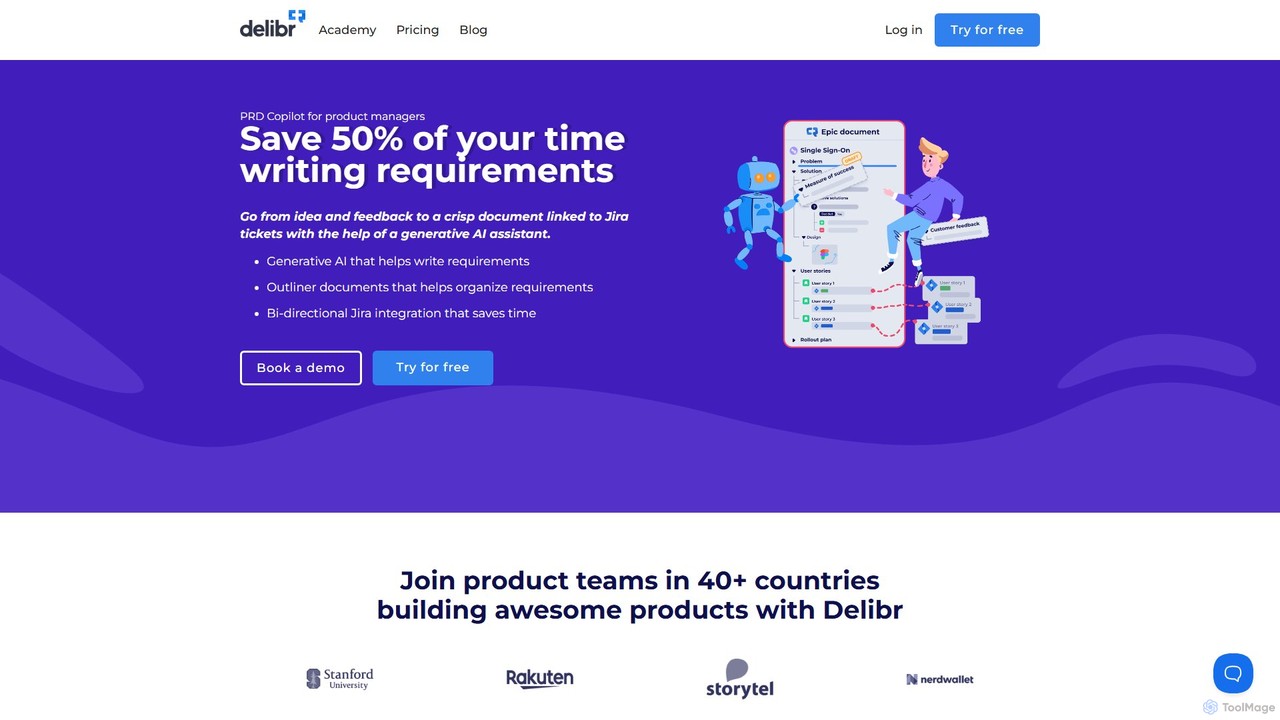
Delibr is an AI-powered platform for product teams to create clear, collaborative, and structured product requirement documents. It …

7.1K
airfocus

airfocus

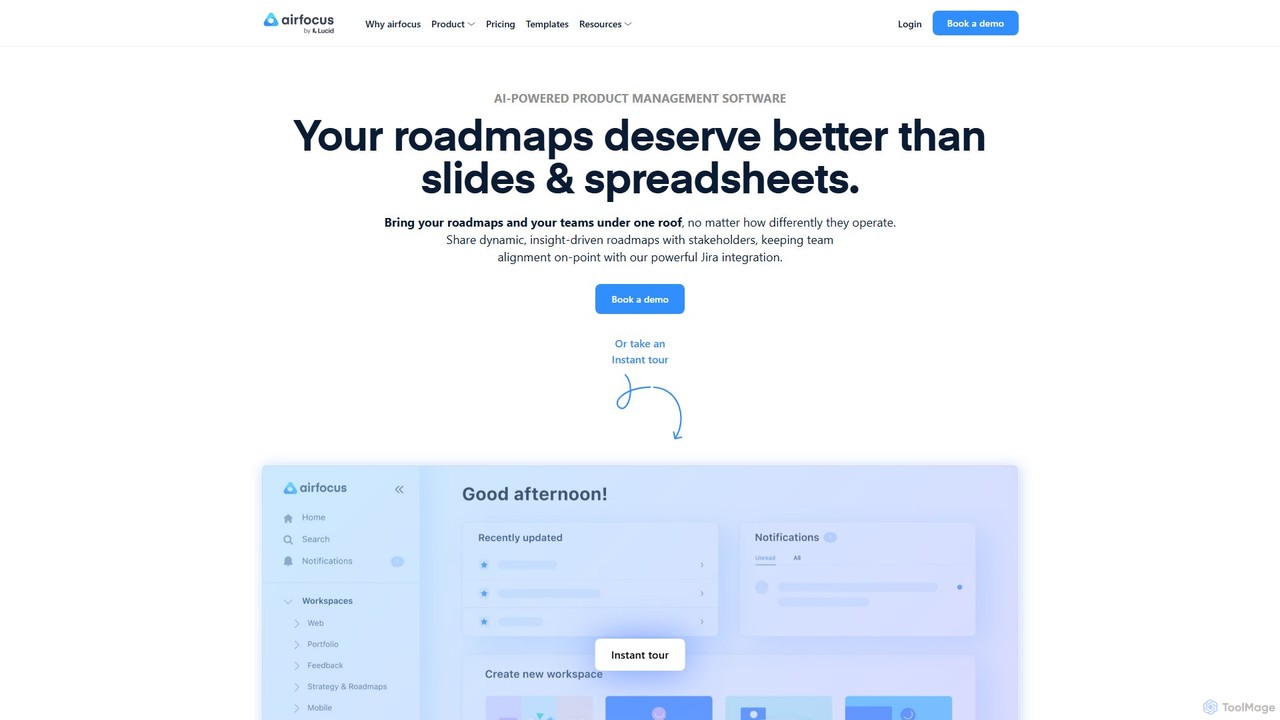
airfocus is an AI-powered, modular product management platform designed to unify roadmaps, feedback, and strategy. It helps teams …

151.2K
ProductGo

ProductGo

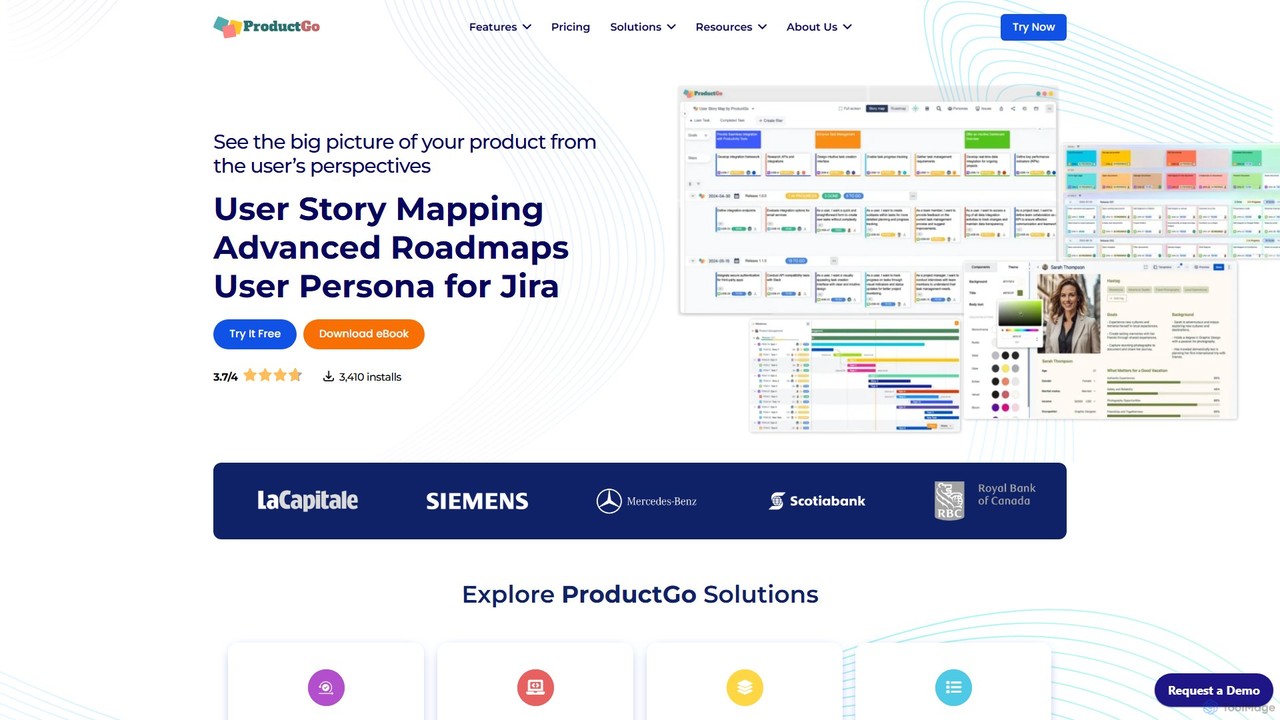
ProductGo is an AI-powered, all-in-one agile tool for Jira and Confluence. It helps teams visualize the big picture …

6.4K
YOMO AI

YOMO AI

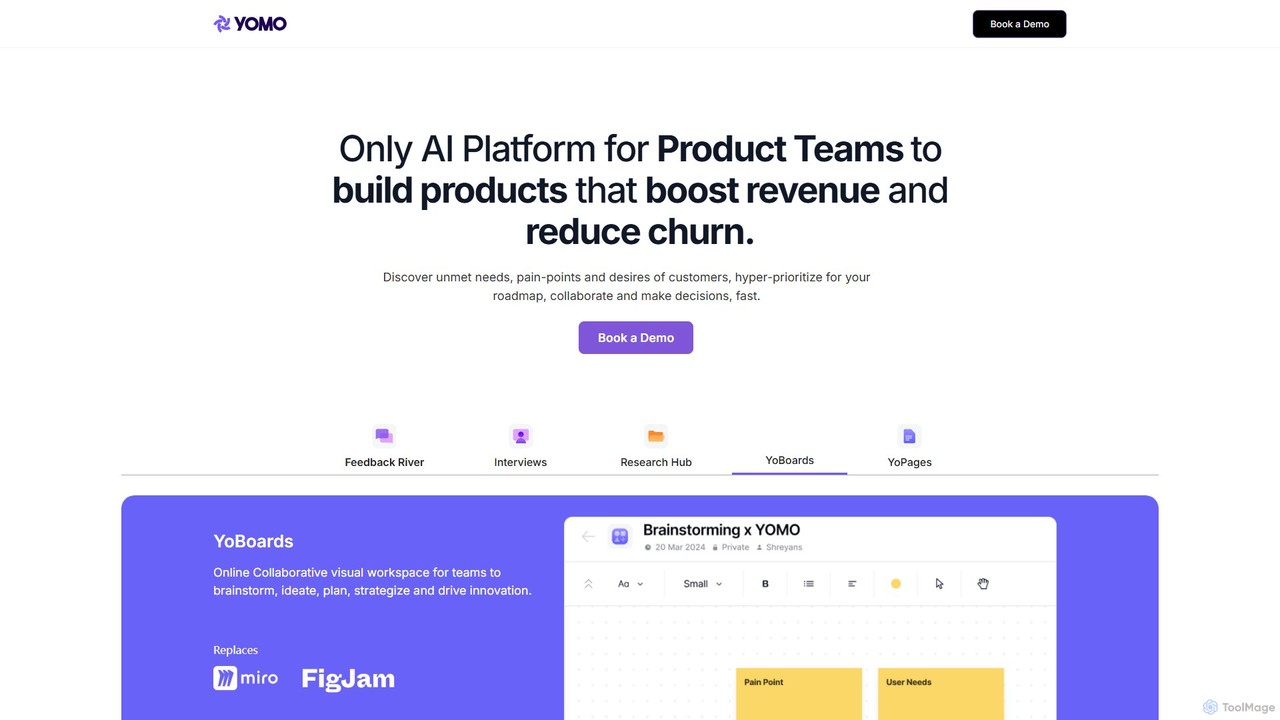
YOMO AI is an AI-powered product intelligence platform designed for teams to centralize user feedback, automate qualitative research, …

3.3K
Canny

Canny

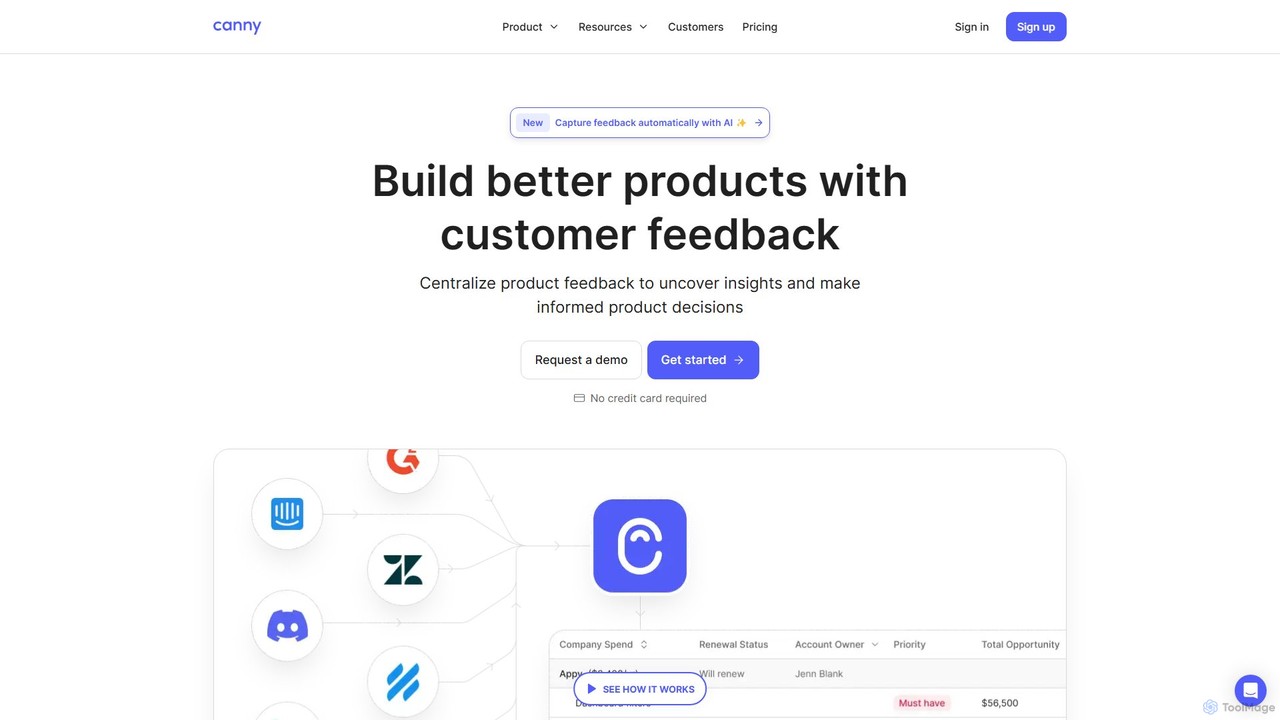
Canny is an AI-powered customer feedback management platform that helps businesses collect, analyze, and prioritize user feedback to …

531.9K
ChatPRD

ChatPRD

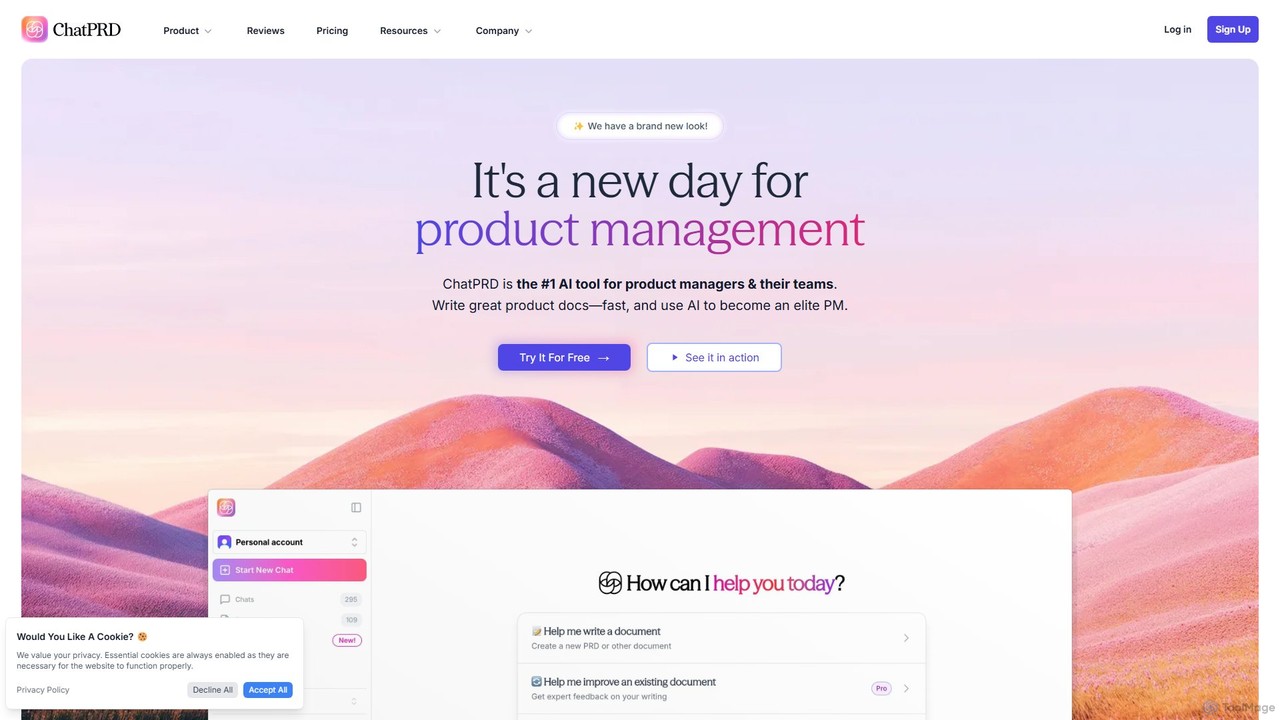
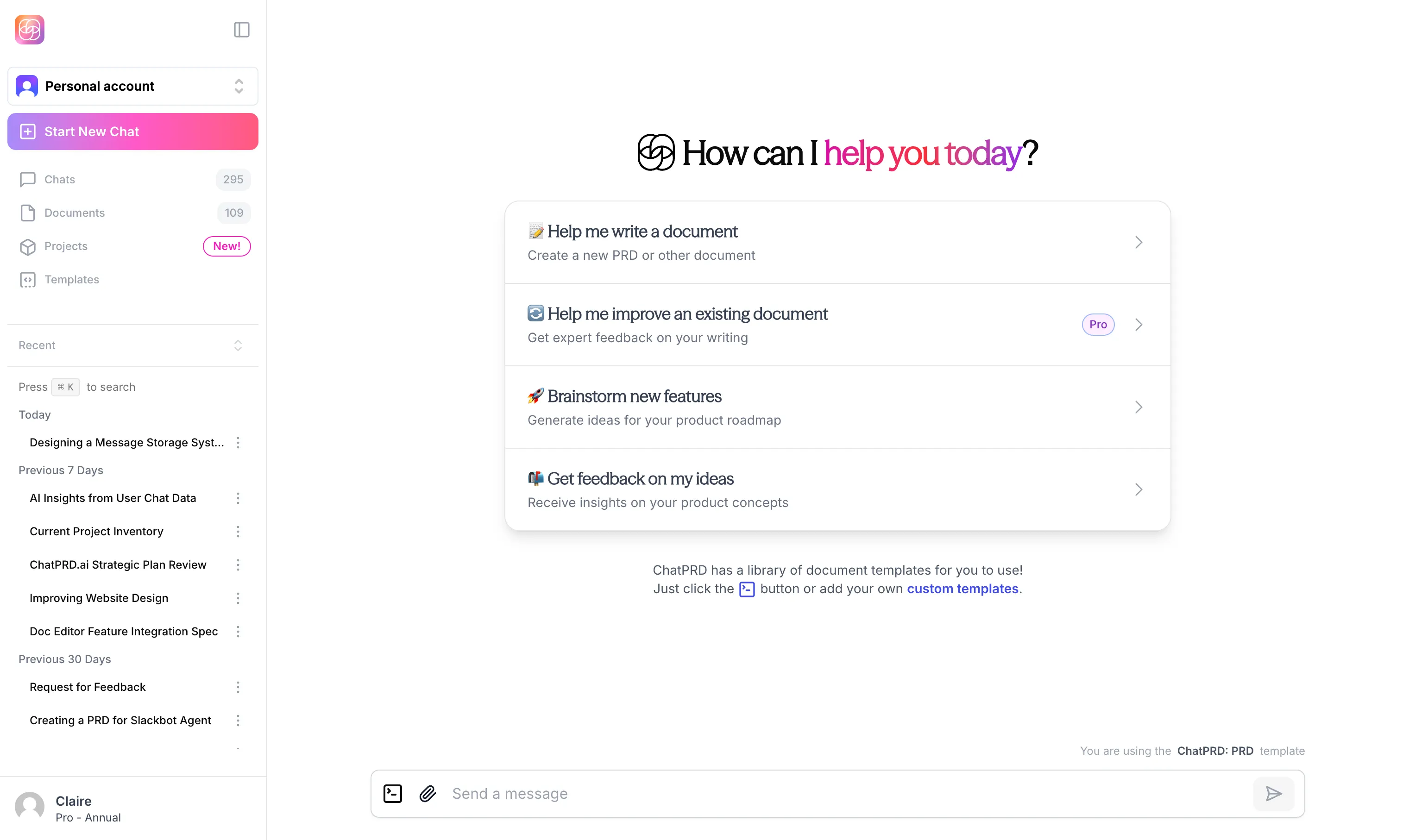
ChatPRD is the #1 AI copilot designed for product managers and their teams. It streamlines the creation of …

190.4K
Eververse

Eververse

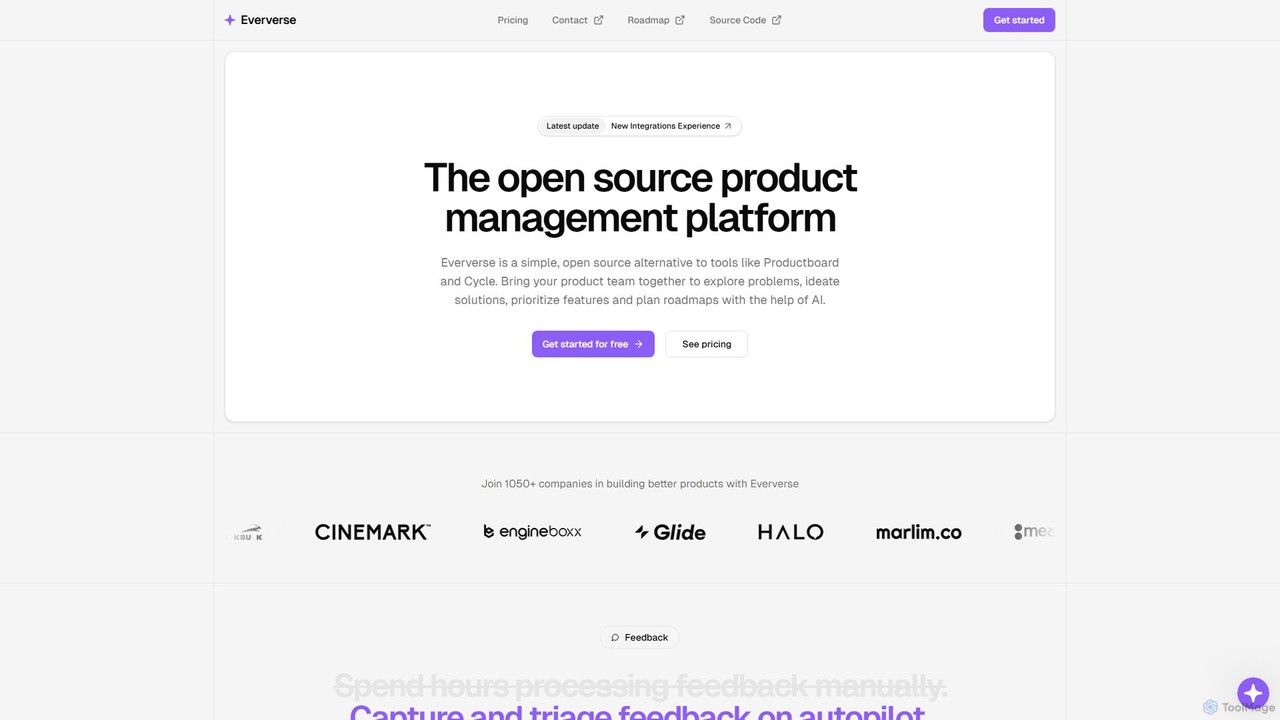
Eververse is an AI-powered, open-source product management platform designed to streamline your workflow. It helps teams analyze user …

3.3K
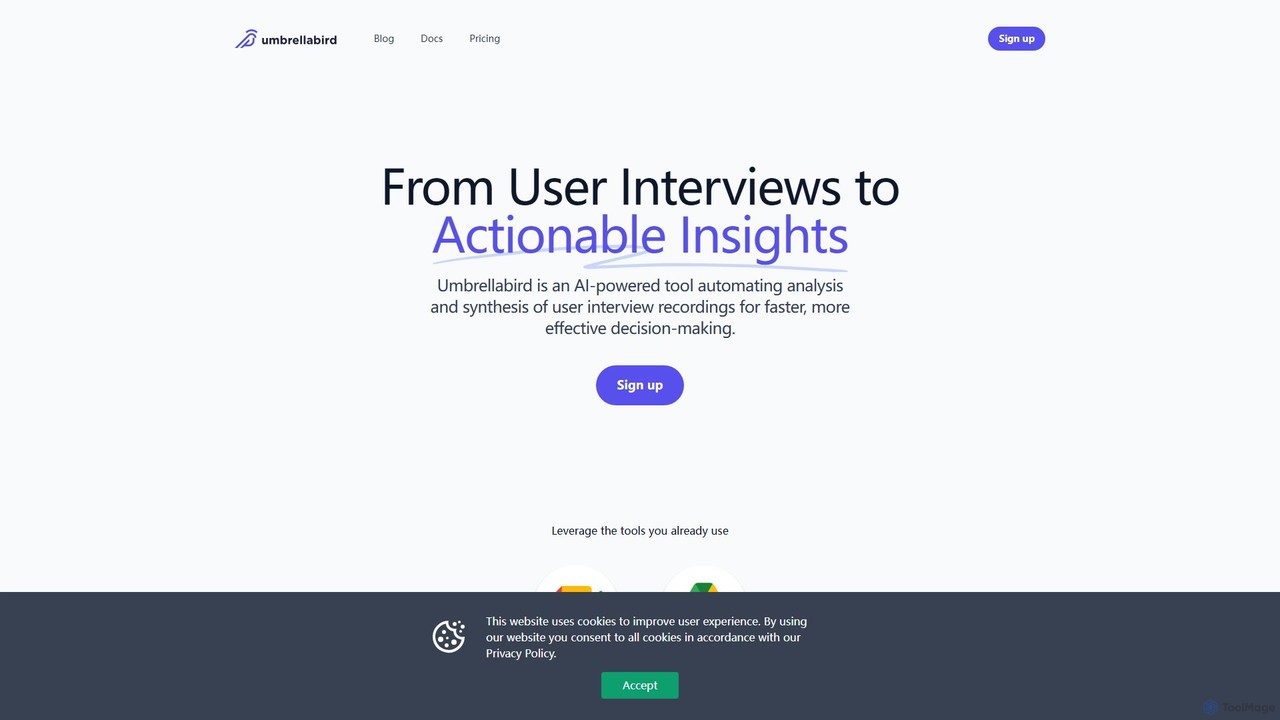
Umbrellabird

Umbrellabird

Umbrellabird is an AI-powered platform designed for product teams and UX researchers to streamline user interview analysis. It …

66
Depth

Depth

Depth is an AI Product Manager that automates product analytics, user session analysis, and feedback processing. It delivers …

3.5K
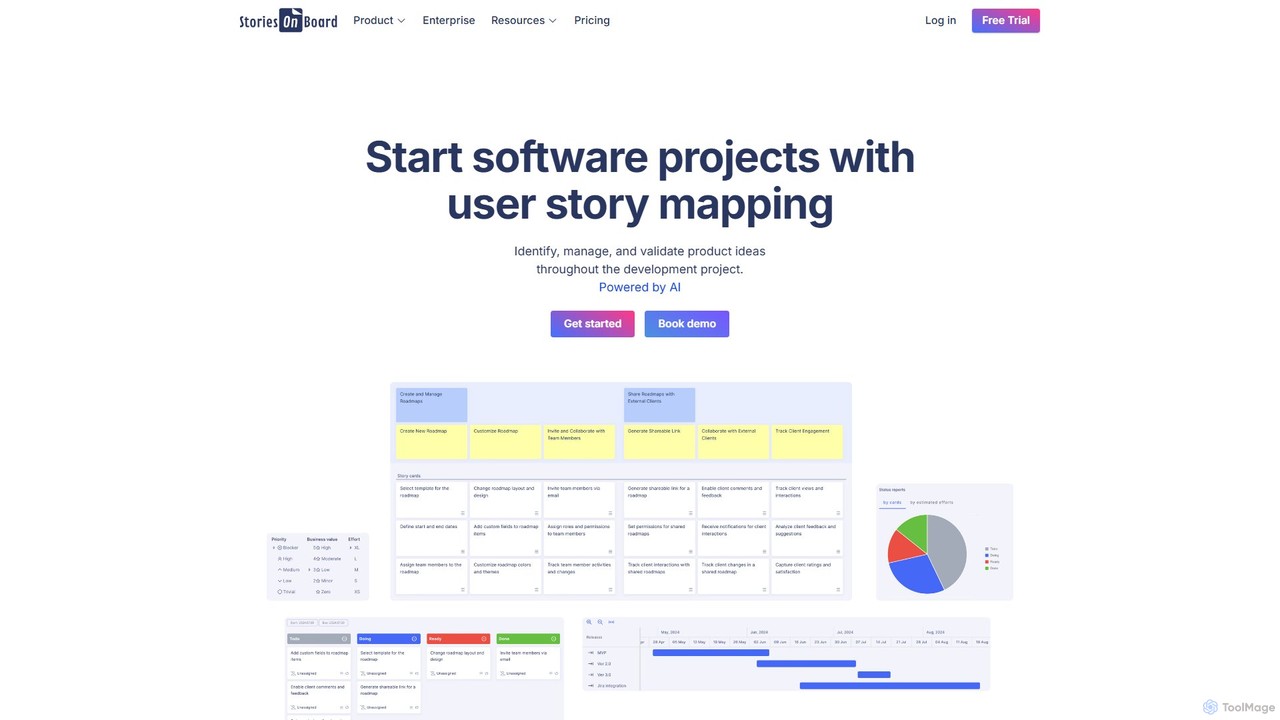
StoriesOnBoard

StoriesOnBoard

StoriesOnBoard is an end-to-end product management platform centered around user story mapping. It leverages AI to streamline workflows, …

26.8K
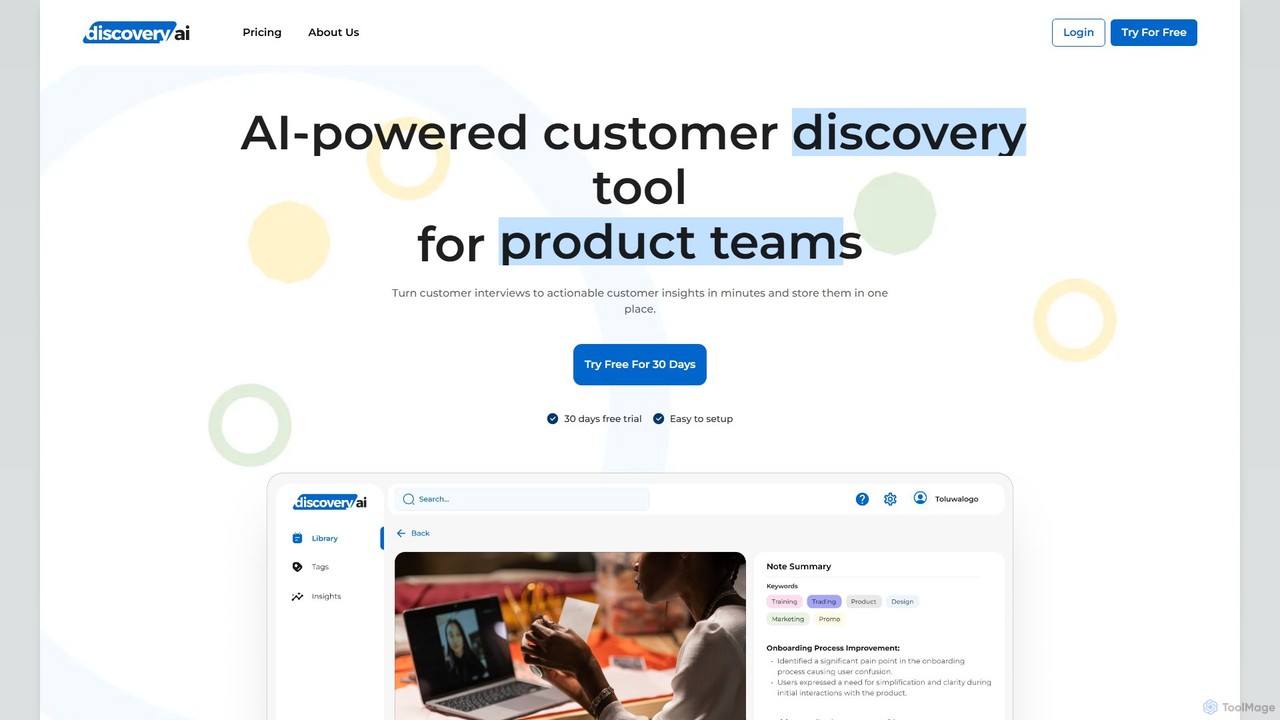
Discovery AI

Discovery AI

Discovery AI is an AI-powered platform for product teams to analyze customer interviews and centralize insights. It automatically …

3.7K
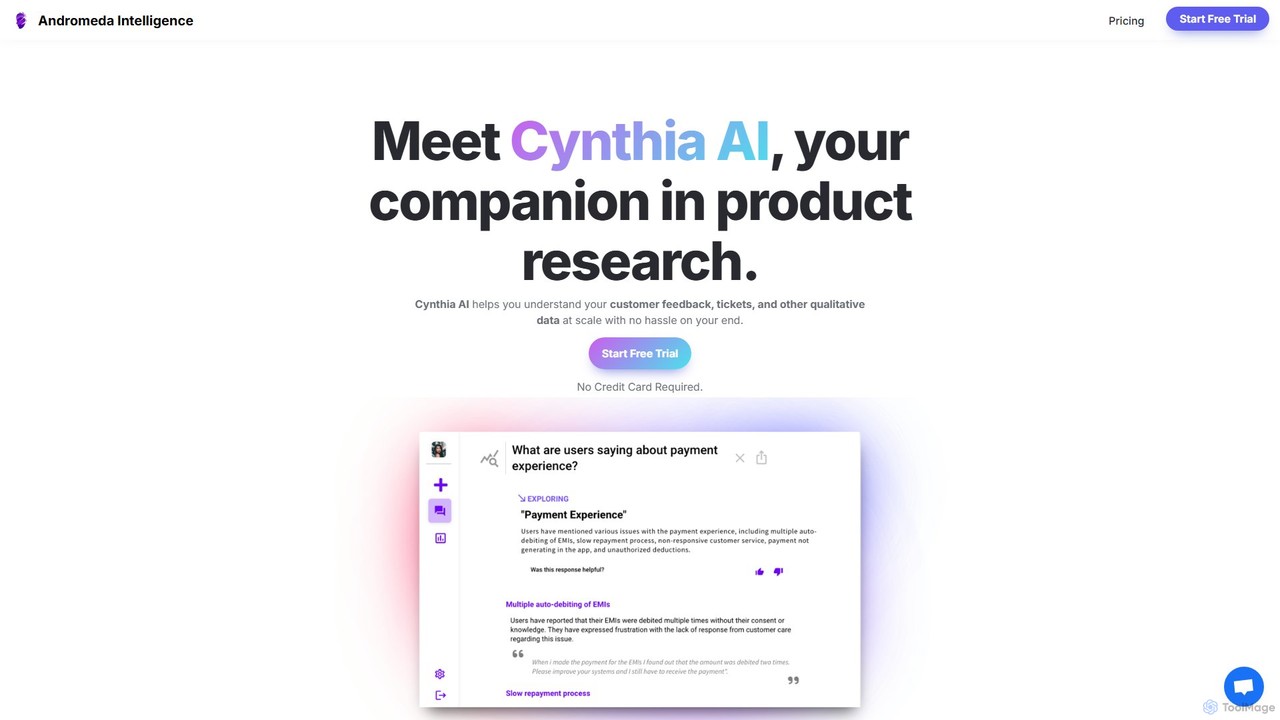
Cynthia AI

Cynthia AI

Cynthia AI is a product research platform that analyzes customer feedback from various sources like Zendesk, app stores, …

3.2K
Product Manager OS

Product Manager OS

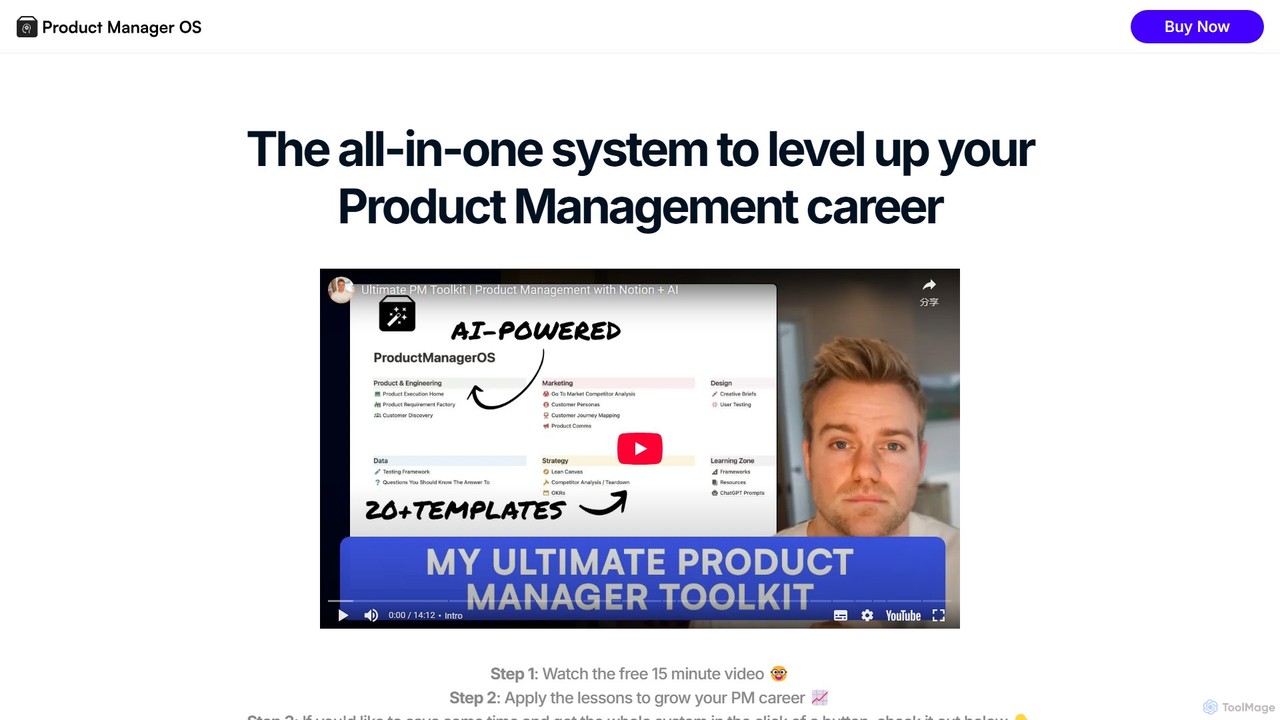
Product Manager OS is a comprehensive Notion-based operating system designed for product managers. It provides a suite of …

2.0K
Synthetic Users

Synthetic Users

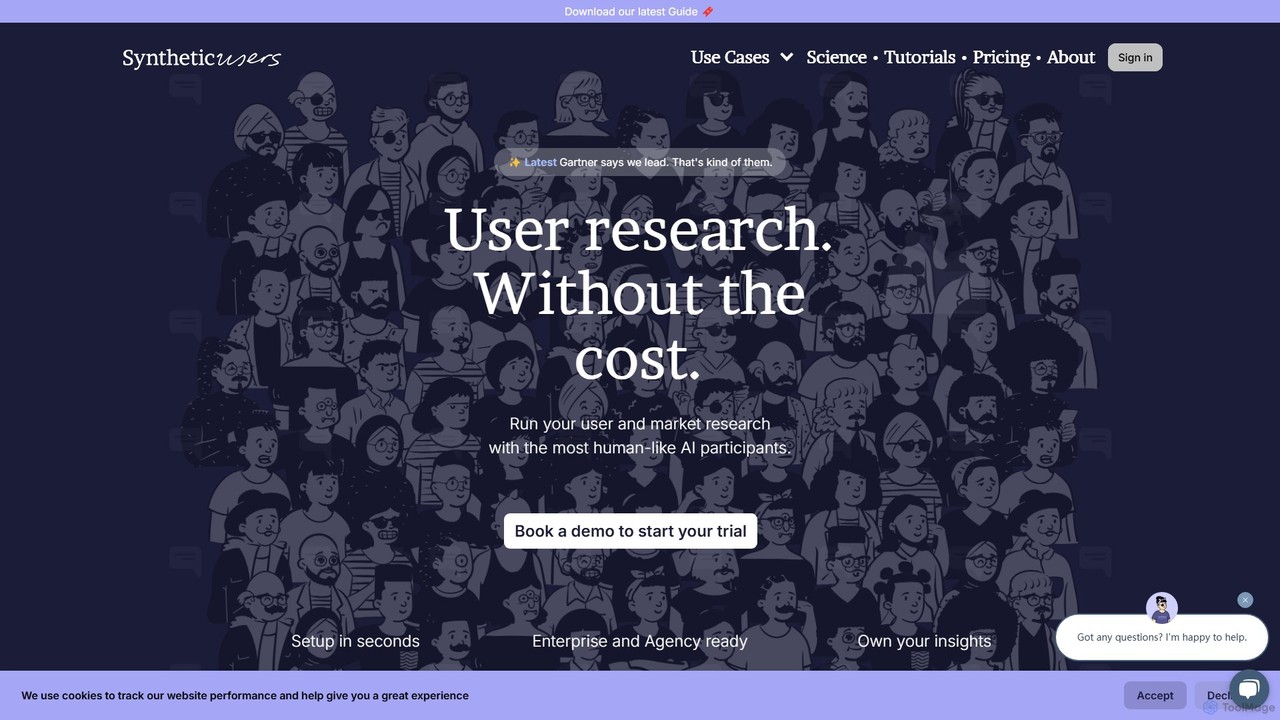
An AI-powered platform that replaces traditional user research with highly realistic, synthetic AI participants. Conduct in-depth interviews and …

29.0K

About Product Management

AI Product Management tools are specialized platforms designed to assist product managers throughout the entire product lifecycle. They leverage artificial intelligence, particularly natural language processing (NLP), to analyze vast amounts of qualitative data like user feedback and market trends. This enables teams to make more data-driven decisions, accelerate roadmap creation, and automate the drafting of specifications. These tools transform unstructured feedback into actionable insights, bridging the gap between customer needs and product strategy.

Core Features

  • User Feedback Analysis: Automatically categorizes, summarizes, and identifies trends from user reviews, support tickets, and surveys.
  • AI-Powered Roadmapping: Generates dynamic product roadmaps based on strategic goals, customer insights, and resource constraints.
  • Automated Specification Writing: Drafts user stories, acceptance criteria, and product requirements documents (PRDs) from high-level concepts.
  • Competitive Intelligence: Monitors competitor features, pricing strategies, and user sentiment across the web.
  • Intelligent Feature Prioritization: Uses models like RICE or custom frameworks to score and rank features based on impact and effort.

Use Cases

These tools are primarily used by product managers, product owners, UX researchers, and startup founders in technology-driven companies. They are valuable for synthesizing customer feedback for quarterly planning, generating initial drafts of feature specs for engineering teams, and maintaining a real-time view of the competitive landscape to inform strategic pivots.

How to Choose

When selecting an AI Product Management tool, consider its integration capabilities with your existing stack (e.g., Jira, Slack, Zendesk). Evaluate the types of data sources it can analyze and the sophistication of its AI models for feedback analysis. Also, assess the flexibility of its roadmapping and prioritization frameworks to ensure they align with your team's workflow.

Product ManagementUse Cases

1

Automate Synthesis of User Feedback

A product manager for a B2B SaaS application is overwhelmed with feedback from hundreds of sources like Intercom, Zendesk, and G2 reviews. They use an AI product management tool to centralize all feedback. The AI automatically analyzes, tags, and summarizes thousands of comments, identifying that 'improved reporting features' is the most critical user need. This data-backed insight allows the PM to confidently prioritize this theme for the next quarter's roadmap, saving dozens of hours of manual analysis.

2

Generate Data-Driven Product Roadmaps

A startup founder needs to create a compelling 6-month product roadmap to present to investors. Instead of relying solely on intuition, they input their strategic objectives, competitive analysis data, and key user feedback themes into an AI roadmapping tool. The tool generates several potential roadmap scenarios, each with a different focus (e.g., user acquisition, retention, market expansion). This allows the founder to choose the most strategically aligned roadmap and clearly articulate the rationale behind each prioritized initiative.

3

Accelerate Writing of User Stories and PRDs

A product owner is tasked with defining the requirements for a new 'Team Collaboration' feature. They provide a high-level brief to an AI specification writing tool: 'Allow users to comment on tasks, tag colleagues, and share files.' The AI instantly generates a set of well-structured user stories with acceptance criteria and a detailed outline for a Product Requirements Document (PRD). This initial draft serves as a strong foundation, reducing the writing time by over 70% and allowing the product owner to focus on refining the details and strategy.

4

Conduct Continuous Competitive Monitoring

A product marketing manager needs to stay ahead of the competition. They configure an AI tool to monitor three key competitors' websites, social media channels, and user review platforms. The tool provides a weekly automated digest highlighting new feature launches, changes in pricing, and significant shifts in user sentiment. When a competitor releases a beta feature, the AI immediately flags it, allowing the team to analyze its potential impact and formulate a strategic response quickly, rather than being caught by surprise.

5

Objectively Prioritize the Feature Backlog

A product team faces a backlog of over 100 feature requests and ideas. Deciding what to build next is contentious and based on opinion. They use an AI prioritization tool that integrates with their user feedback data and Jira. The tool helps them score each item using the RICE framework (Reach, Impact, Confidence, Effort). The AI provides data-driven estimates for Reach and Impact based on feedback volume and sentiment, leading to a clear, ranked list. This objective process reduces internal debate and ensures the team works on features that deliver the most customer value.

6

Validate New Product Ideas with Market Data

An innovation team is exploring a new product concept for the creator economy. Before committing development resources, they use an AI product tool to analyze market signals. The tool scans millions of data points from social media, forums like Reddit, and tech news sites to identify emerging trends, pain points, and underserved niches related to content creation. The AI surfaces a strong demand for 'AI-powered video editing for short-form content,' validating the team's initial hypothesis and providing concrete data to support their business case for the new product.

Product ManagementFrequently Asked Questions