Artificial Intelligence Best in category 9 results Natural Language Processing AI Tool

Popular AI tools in the Natural Language Processing field of Artificial Intelligence include Lumenore、Spaculus、TestNeo、CSVLens、Coda、Dialektai、WordCanvas3D、AI Orbis、Lookitup AI, etc., helping you quickly improve efficiency.

CSVLens

CSVLens

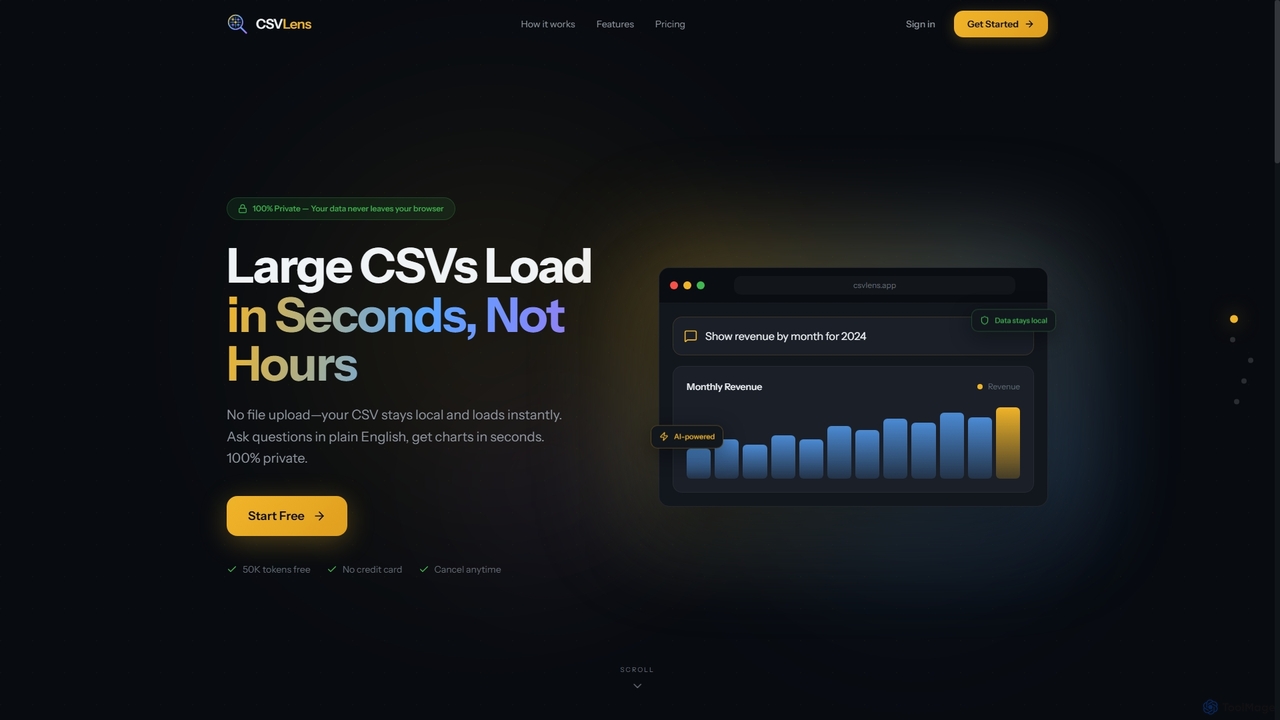
CSVLens is an AI-powered CSV analyzer that allows users to load large CSV files instantly and ask questions …

3.3K
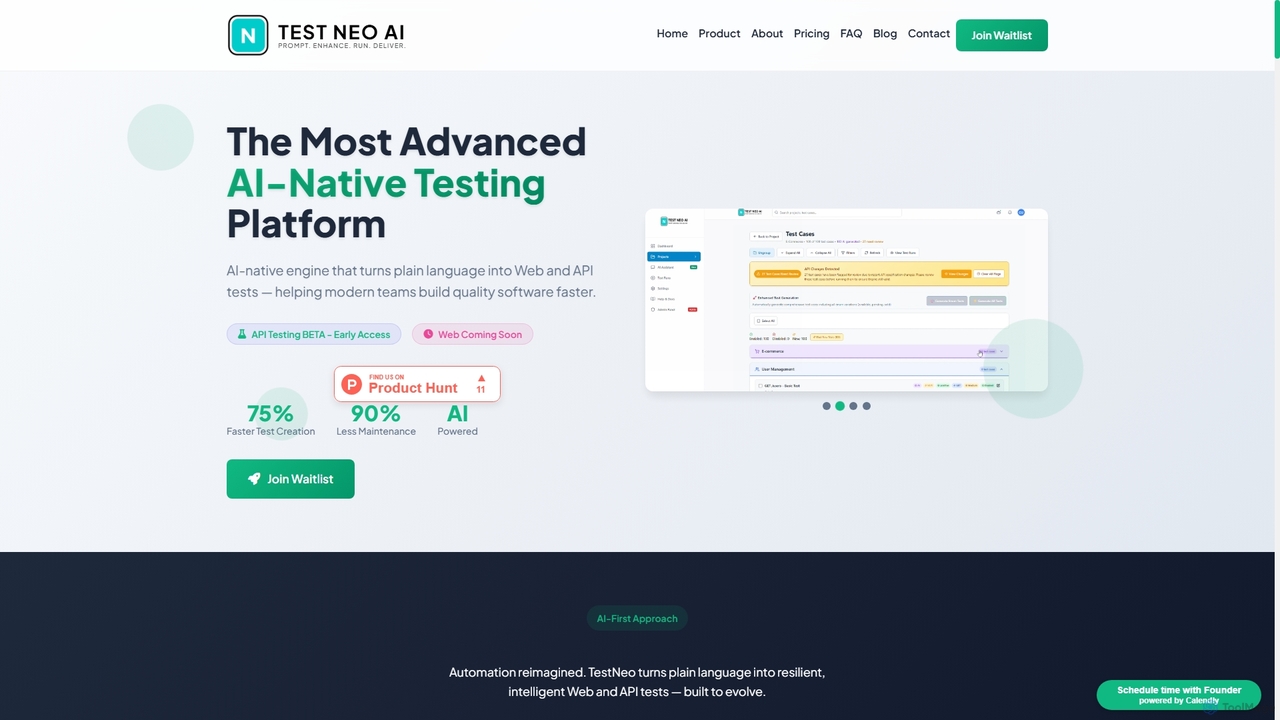
TestNeo

TestNeo

TestNeo is an AI-powered test automation platform that transforms natural language inputs into executable test scripts. It streamlines …

3.6K
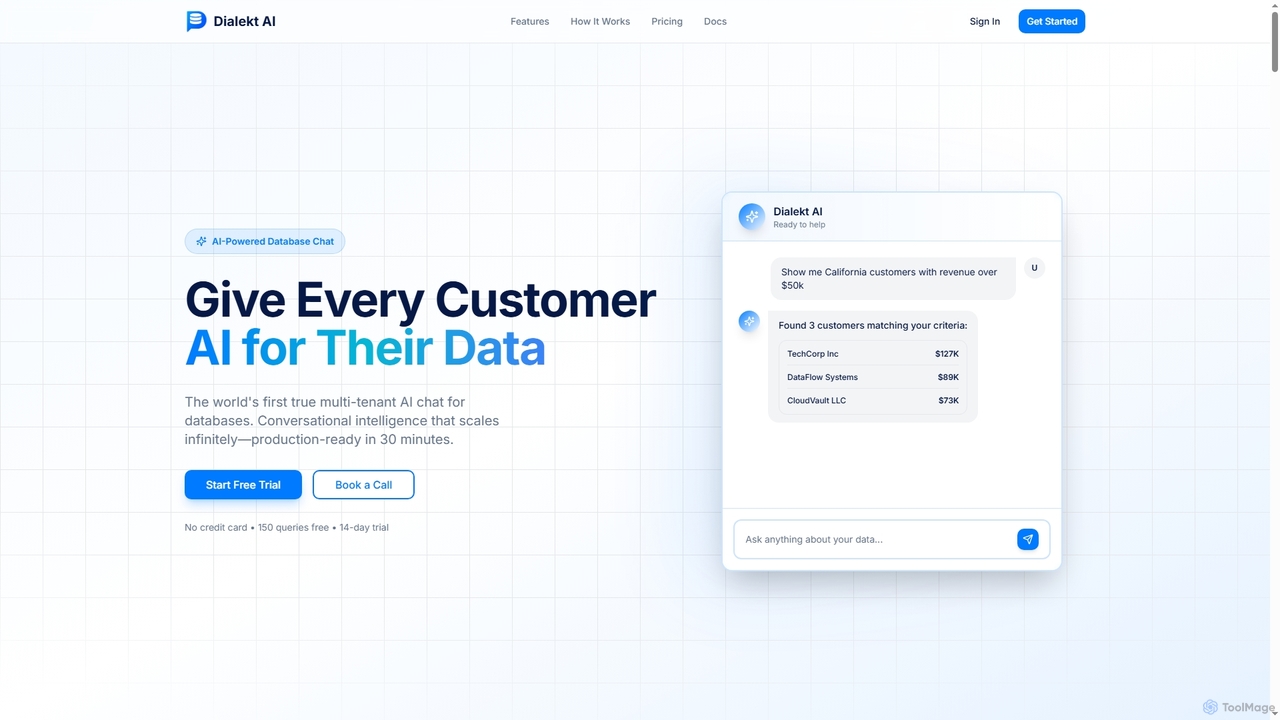
Dialektai

Dialektai

Dialektai is the world's first true multi-tenant AI chat for databases, enabling users to query complex data in …

2.5K
Spaculus

Spaculus

Spaculus is a leading technology company specializing in AI, custom software, and web app development. They provide tailored …

4.7K
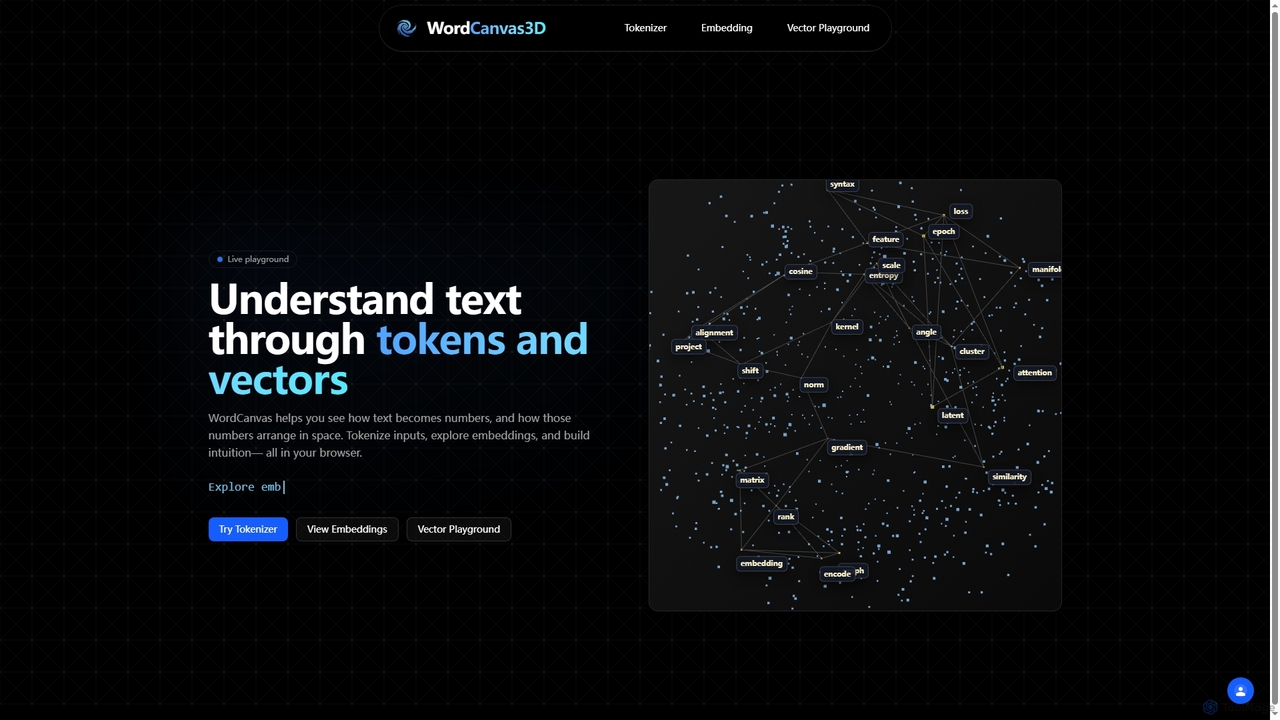
WordCanvas3D

WordCanvas3D

WordCanvas3D is an interactive web-based tool designed to visualize and understand core natural language processing concepts like text …

2.5K
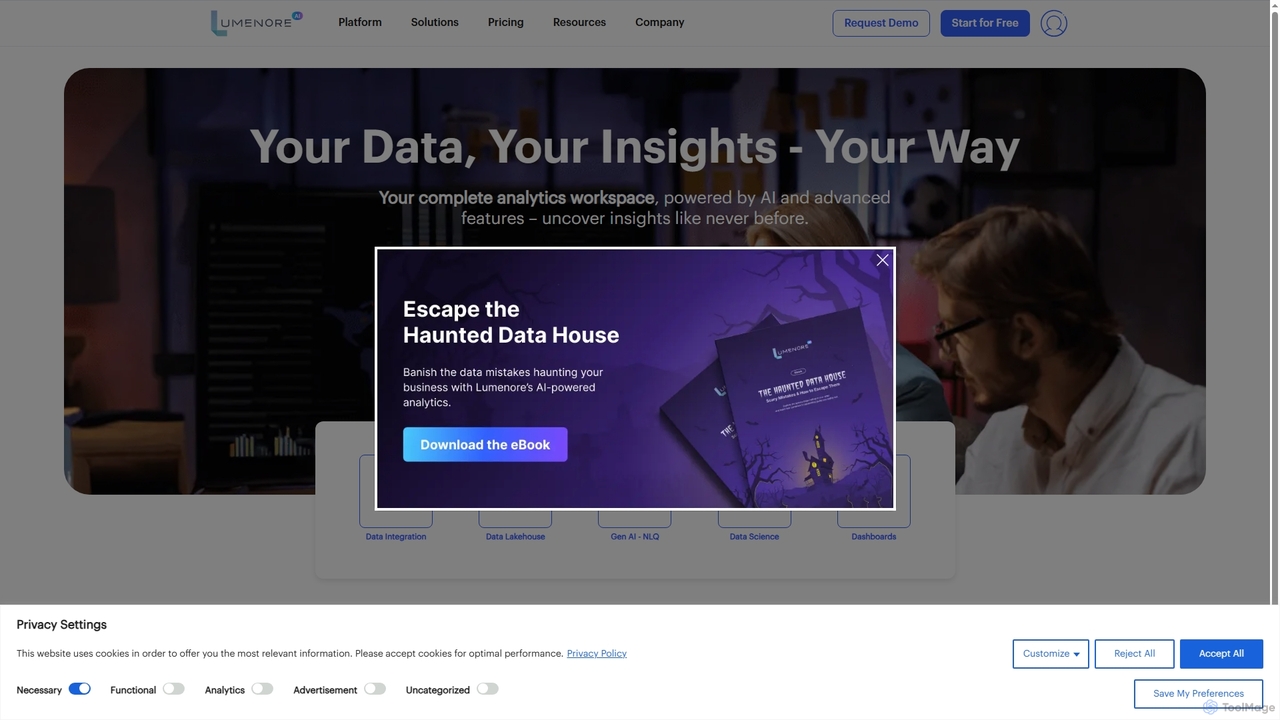
Lumenore

Lumenore

Lumenore is an AI-powered, no-code business intelligence and data analytics platform designed to transform complex data into actionable …

12.1K
Free
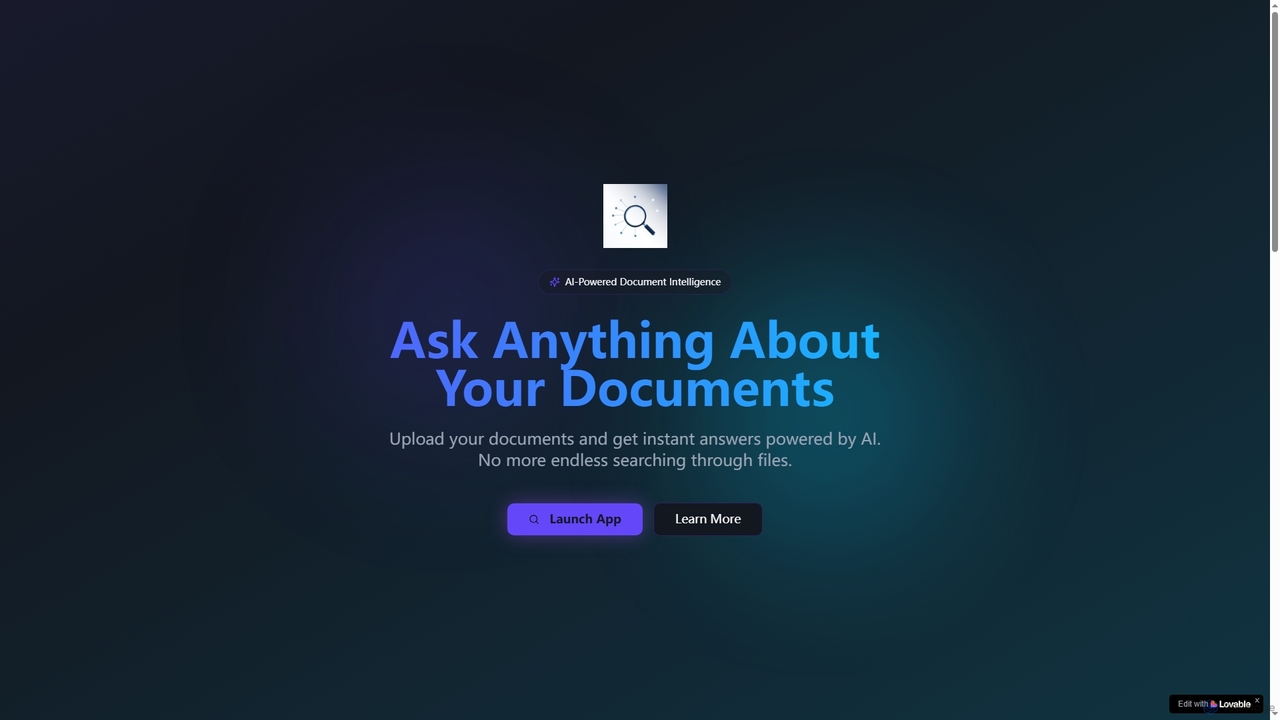
Lookitup AI

Lookitup AI

Lookitup AI is an AI-powered document intelligence tool that transforms your documents into interactive conversations. Upload PDFs, Word …

2.4K
Free
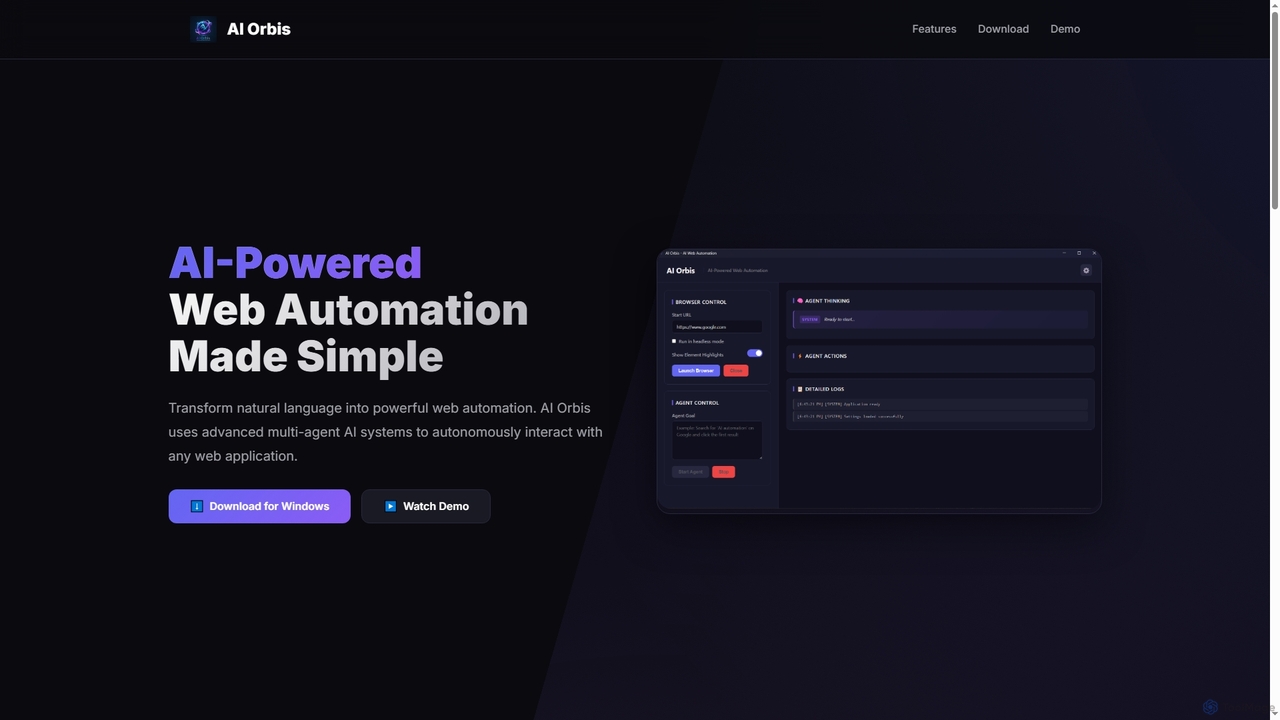
AI Orbis

AI Orbis

AI Orbis is a free, AI-powered web automation agent that transforms natural language into powerful, autonomous browser actions. …

2.4K
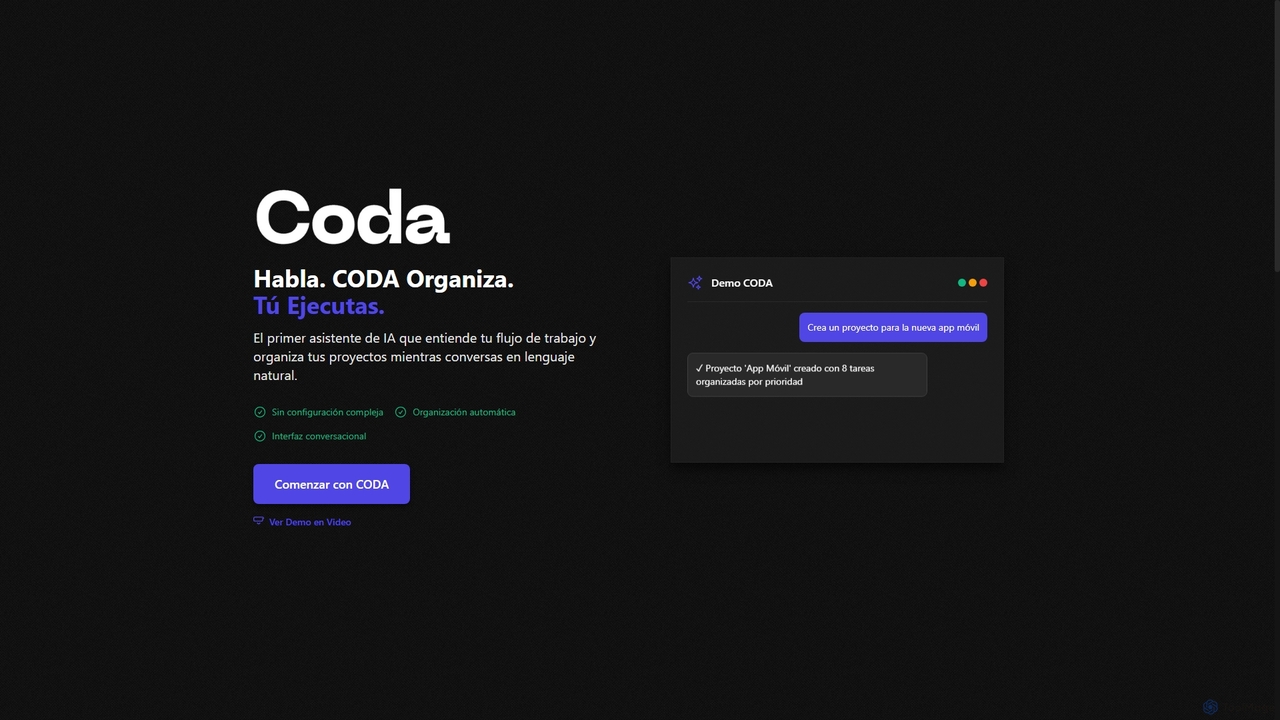
Coda

Coda

Coda is an intelligent AI assistant designed to streamline project management and task organization. It understands natural language …

2.5K

About Natural Language Processing

Natural Language Processing (NLP) tools are a specialized category of AI designed to understand, interpret, and generate human language. These tools utilize machine learning models and computational linguistics to analyze text and speech, extracting meaning, intent, and sentiment. They enable a wide range of applications, from automated translation and intelligent chatbots to content summarization and market analysis. Unlike simple keyword matching, NLP tools grasp context, nuance, and grammatical structure, facilitating more sophisticated and meaningful human-computer interactions.

Core Features

  • Text Classification: Automatically categorizes text into predefined groups, such as spam detection or topic labeling.
  • Named Entity Recognition (NER): Identifies and extracts key information like names, dates, organizations, and locations from unstructured text.
  • Sentiment Analysis: Determines the emotional tone (positive, negative, neutral) behind a piece of text to gauge opinion.
  • Machine Translation: Converts text or speech from one language to another while preserving contextual meaning.
  • Text Generation: Creates new, coherent, and human-like text based on input prompts or structured data.

Use Cases

NLP tools are widely used across various sectors. In customer service, they power chatbots that provide 24/7 support. Marketing teams use them for sentiment analysis of social media feedback. In healthcare and legal fields, they accelerate research by extracting critical information from vast document repositories. Content creators also leverage them for summarization and generating article drafts.

How to Choose

When selecting an NLP tool, first identify your primary task, whether it's translation, text analysis, or generation. Evaluate the tool's language support to ensure it covers your target markets. Assess its integration capabilities through APIs or SDKs for seamless workflow integration. Finally, consider the model's accuracy for your specific domain and whether it allows for custom fine-tuning with your own data.

Natural Language ProcessingUse Cases

1

Automating Customer Support with Intelligent Chatbots

A customer support manager at a growing e-commerce company uses an NLP-powered chatbot to handle a high volume of repetitive inquiries. The tool integrates with the website and uses intent recognition to understand questions about order status, returns, and product details. It provides instant, accurate answers by accessing the company's knowledge base and order system. This automation resolves over 60% of common queries without human intervention, enabling 24/7 support and freeing up human agents to focus on complex, high-value customer issues.

2

Analyzing Market Feedback from Social Media

A marketing analyst aims to understand public perception of a new product launch. They use an NLP tool with sentiment analysis and topic modeling to process thousands of social media mentions and reviews. The tool automatically identifies key themes (e.g., 'pricing', 'design', 'battery life'), gauges the sentiment for each theme, and visualizes trends over time. This provides actionable insights into customer opinions, highlighting product strengths and areas for improvement without the need for manual reading and categorization of every comment.

3

Streamlining Content Curation and Summarization

A research team needs to stay updated on industry news by reviewing dozens of articles daily. They use an NLP tool for text summarization. By feeding article URLs or text into the tool, they receive concise, coherent summaries that highlight the main points and key findings. This process drastically reduces reading time, allowing the team to quickly identify relevant information, spot emerging trends, and share critical insights with stakeholders more efficiently, accelerating their research cycle.

4

Extracting Key Data from Legal Documents

A paralegal is tasked with reviewing hundreds of pages of contracts to find specific clauses, dates, and party names. This manual process is time-consuming and prone to error. By using an NLP tool with Named Entity Recognition (NER), they can automatically scan the documents. The tool identifies and extracts entities like 'Contracting Parties,' 'Effective Date,' and 'Liability Clause' into a structured format. This accelerates the document review process by up to 80%, improves accuracy, and helps ensure compliance by quickly locating critical information.

5

Enabling Multilingual Communication for Global Teams

A project manager in a multinational corporation needs to ensure seamless collaboration among a team with members speaking different languages. They integrate an NLP-based translation API into their collaboration platform. The tool automatically translates messages, comments, and documents in real-time, preserving the context and technical jargon of the project. This breaks down language barriers, fosters effective communication, and ensures all team members are aligned and can contribute equally, regardless of their native language.

6

Generating SEO-Optimized Product Descriptions

An e-commerce manager for a store with thousands of products needs unique, engaging, and keyword-rich descriptions for each item. Manually writing them is unfeasible. They use a text generation NLP tool by providing structured data (product name, features, target audience) as a prompt. The tool generates multiple creative and SEO-optimized description variants for each product. This process populates the entire product catalog with high-quality content in a fraction of the time, improving search engine rankings and enhancing user engagement on product pages.

Natural Language ProcessingFrequently Asked Questions