Ai Infrastructure Best in category 7 results Data Management AI Tool

Popular AI tools in the Data Management field of Ai Infrastructure include InfluxData、Label Your Data、Activeloop、Tensorlake、Story、Wrapsody、Asimov, etc., helping you quickly improve efficiency.

Asimov

Asimov

Asimov provides a foundational AI search API for developers to build intelligent agents and applications. It features built-in …

2.6K
Story

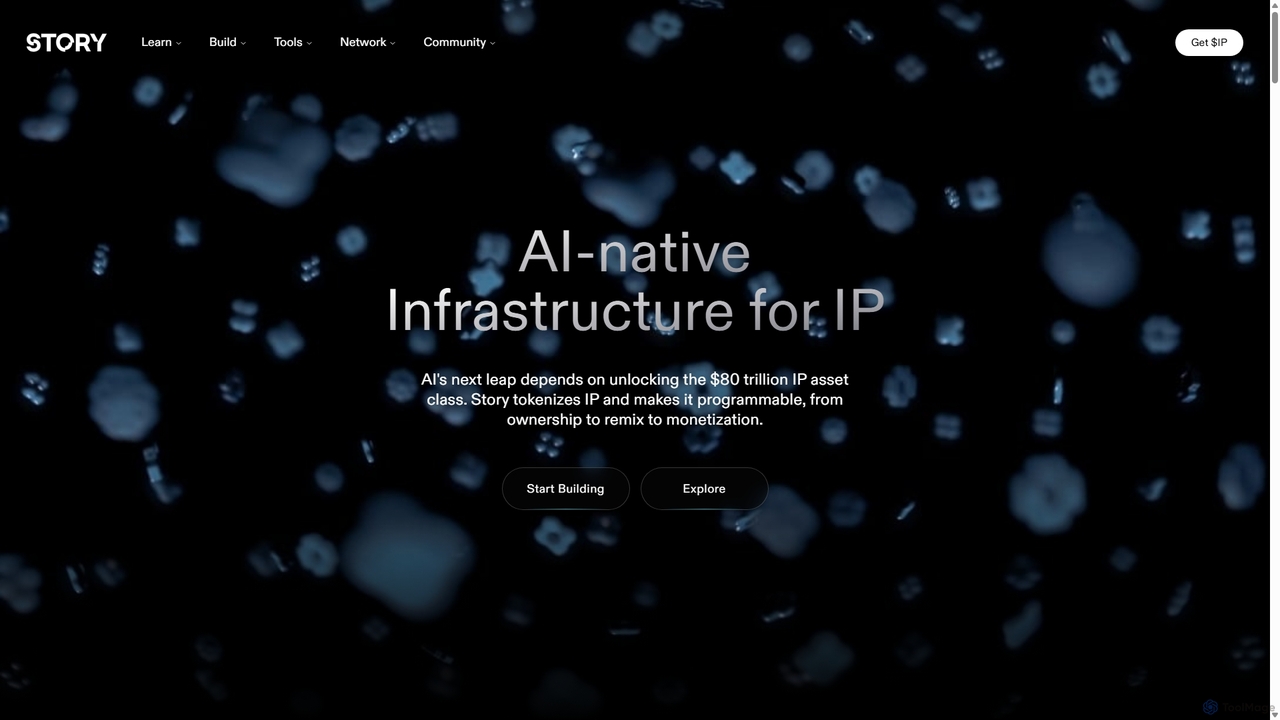
Story

Story is a blockchain-based infrastructure designed to tokenize and manage intellectual property (IP). It empowers creators, developers, and …

42.7K
Label Your Data

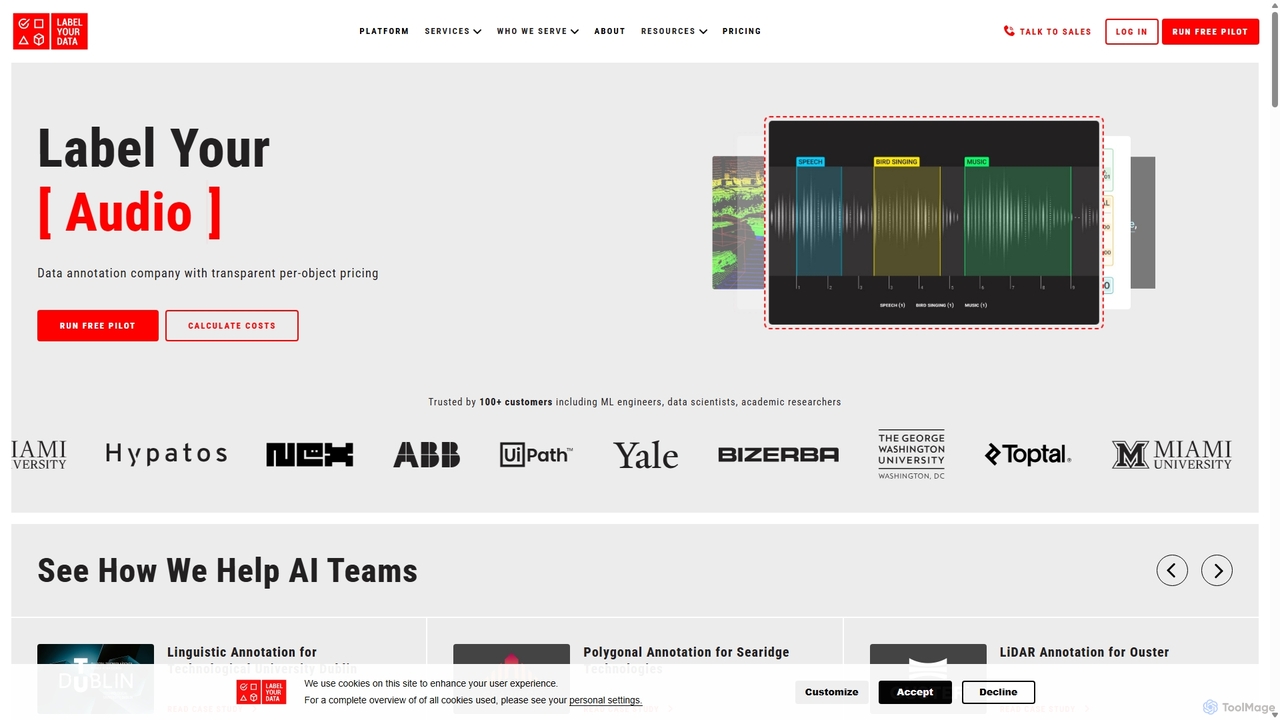
Label Your Data

A professional data annotation service and platform providing high-quality, accurate labeled datasets for machine learning. It supports diverse …

86.8K
InfluxData

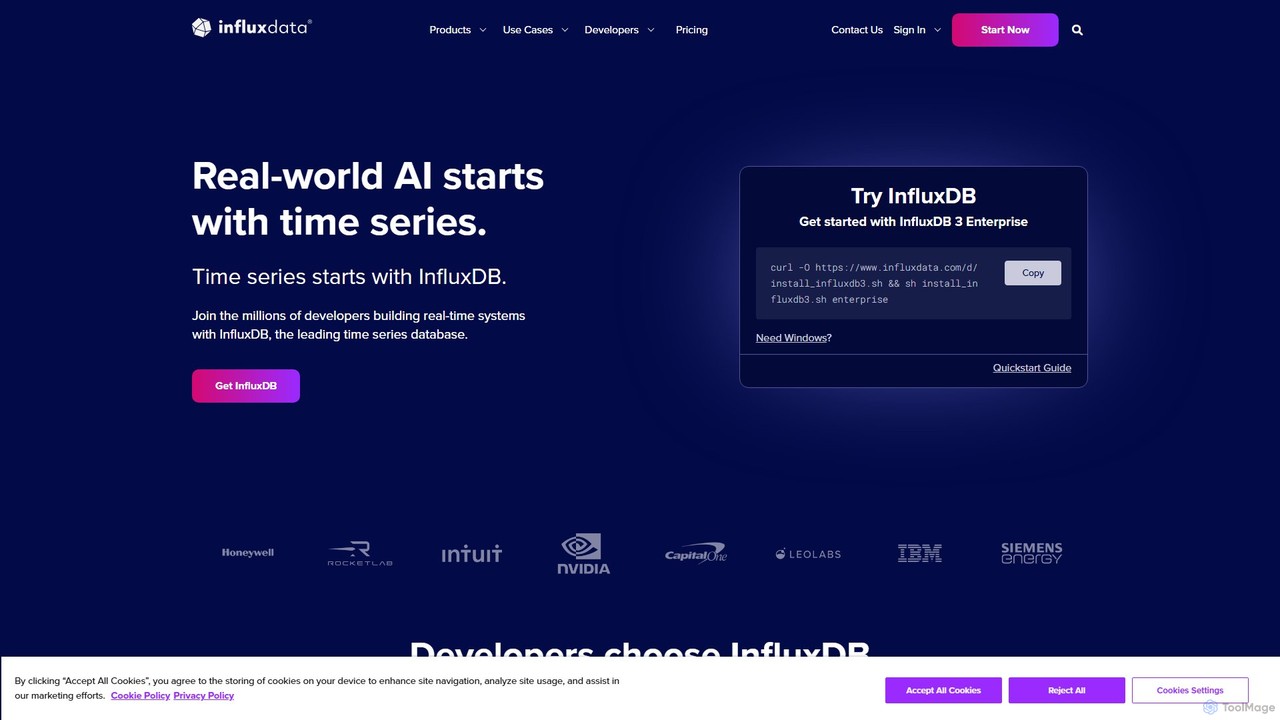
InfluxData

InfluxData offers InfluxDB, the leading time series database platform built for real-time data and AI applications. It empowers …

325.9K
Activeloop

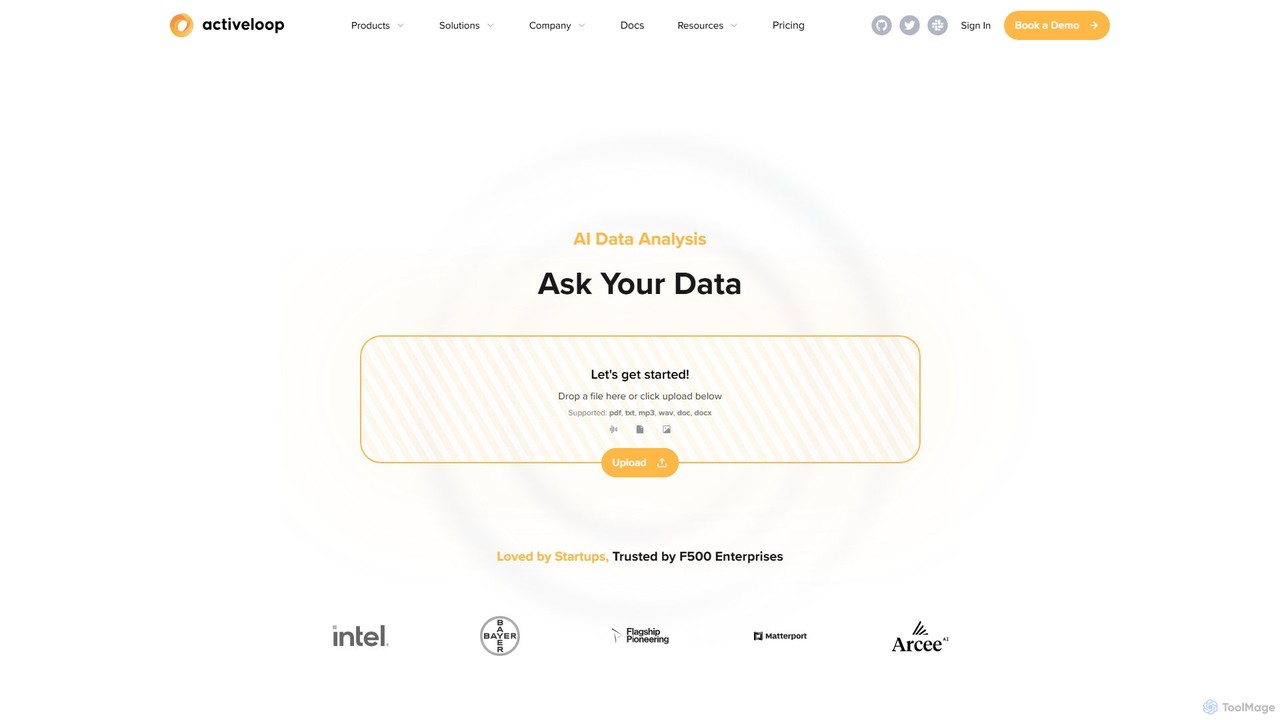
Activeloop

Activeloop provides Deep Lake, a specialized Database for AI, designed to manage, query, and stream large-scale multimodal datasets …

64.4K
Tensorlake

Tensorlake

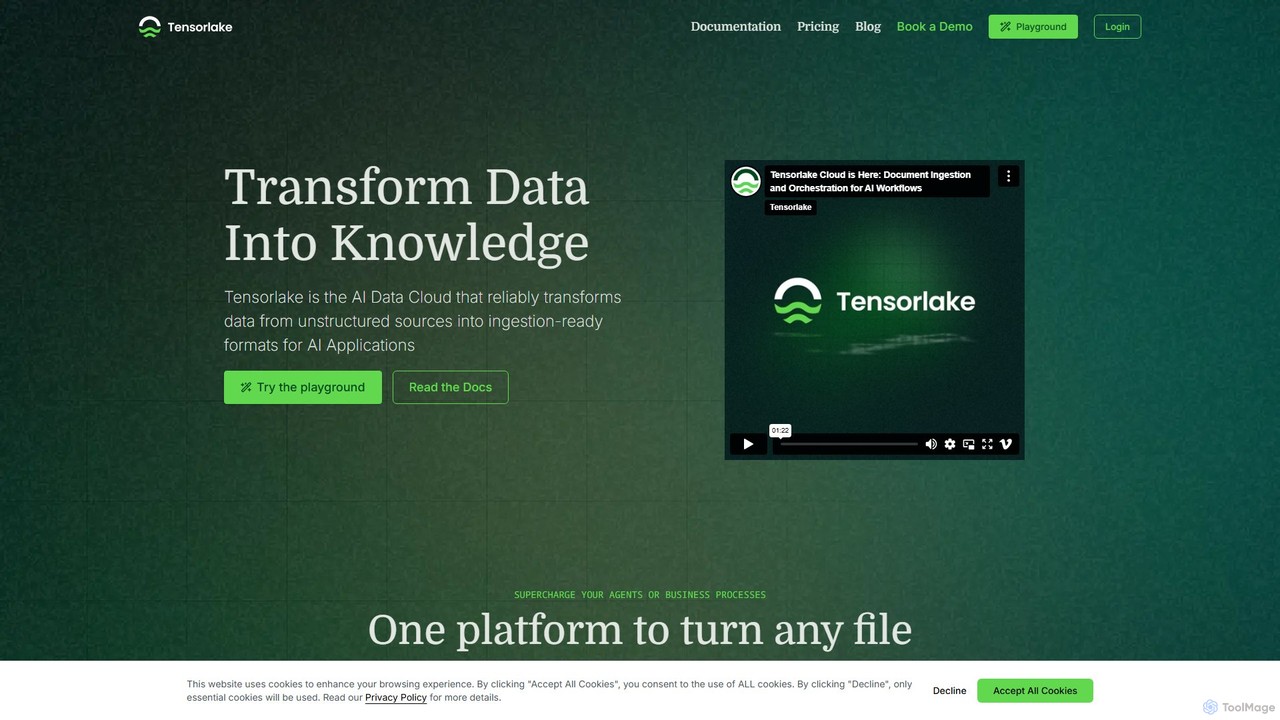
Tensorlake is an AI Data Cloud platform that transforms unstructured data from any source into structured, LLM-ready formats. …

49.1K
Wrapsody

Wrapsody

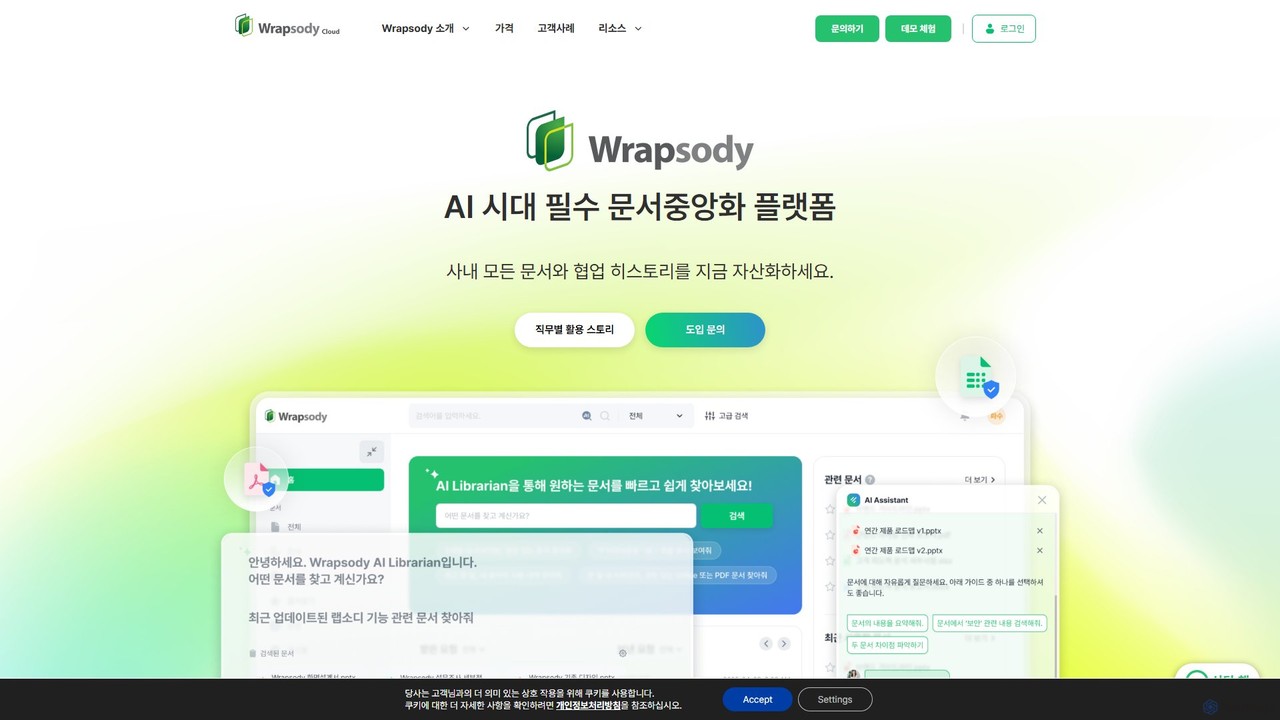
Wrapsody is an enterprise-grade document centralization platform designed for the AI era. It virtualizes and centralizes all company …

13.5K

About Data Management

Data Management tools are platforms designed to prepare, manage, and govern datasets specifically for training AI models. These tools provide a structured environment for the entire data lifecycle, from ingestion and cleaning to annotation and versioning, ensuring data quality and consistency. They are essential for building reliable, reproducible, and high-performing machine learning systems. As a core component of AI Infrastructure, they form the foundation upon which effective models are built.

Core Features

  • Data Annotation & Labeling: Provides integrated toolsets for accurately labeling images, text, audio, and other data types required for supervised learning.
  • Data Versioning & Lineage: Tracks changes to datasets over time, similar to Git for code, enabling reproducibility and traceability of models.
  • Data Quality & Validation: Implements automated pipelines to detect and correct errors, inconsistencies, biases, and outliers in datasets.
  • Security & Governance: Manages access controls, ensures data privacy (e.g., PII masking), and helps comply with regulations like GDPR and HIPAA.
  • Synthetic Data Generation: Creates artificial data to augment sparse datasets, balance classes, or address privacy concerns.

Use Cases

These tools are critical for data scientists, machine learning engineers, and data annotation teams. Industries like autonomous vehicles rely on them for annotating massive volumes of sensor data. In healthcare, they manage sensitive medical imaging data for diagnostic models. Financial services use them to prepare clean, reliable transaction data for fraud detection systems.

How to Choose

When selecting a Data Management tool, consider the types of data it supports (e.g., image, video, text). Evaluate its integration capabilities with your existing MLOps stack, including cloud storage and model training frameworks. Assess its scalability to handle your data volume and the robustness of its collaboration features for annotation teams. Finally, ensure it meets your industry's specific security and compliance requirements.

Data ManagementUse Cases

1

Building High-Quality Datasets for Autonomous Driving

An automotive company's machine learning team uses a data management platform to manage and annotate millions of images and LiDAR point clouds from road tests. The platform provides specialized tools for semantic segmentation and 3D bounding box annotation. Its collaborative workflow allows hundreds of annotators to work in parallel, with a multi-level review process to ensure high accuracy. Data versioning tracks every change, ensuring that the dataset used to train each version of the perception model is fully traceable, which is critical for safety and compliance.

2

Preparing Medical Imaging Data for Disease Diagnosis

A healthcare research institute uses a data management tool to manage and annotate MRI scans for training a tumor detection model. The platform is HIPAA compliant, ensuring patient data privacy with features like data anonymization and strict access controls. It offers DICOM support and specialized annotation tools for medical experts to accurately delineate tumor boundaries. The tool's validation rules automatically flag inconsistencies in annotations, improving the overall quality of the training data and leading to a more accurate diagnostic AI.

3

Managing Customer Feedback for Sentiment Analysis

A retail company centralizes customer reviews from e-commerce sites, social media, and surveys into a single data management platform. The platform's data cleaning tools automatically remove duplicate entries and correct common typos. It then uses a semi-automated labeling workflow where an initial NLP model suggests sentiment labels (positive, negative, neutral), which are then reviewed and corrected by human annotators. This process creates a highly accurate, structured dataset for training a more nuanced and powerful customer sentiment analysis model.

4

Versioning Datasets for Financial Fraud Detection Models

A fintech company's data science team needs to frequently retrain their fraud detection model with new transaction data. They use a data management platform with Git-like versioning to track every change in their datasets. Each dataset version is given a unique identifier and linked to the specific model version it trained. This ensures that model training is fully reproducible and allows the team to easily roll back to a previous dataset if a new model underperforms or to audit why a specific prediction was made, enhancing model governance and reliability.

5

Generating Synthetic Data to Augment Training Sets

A startup developing a new computer vision application for a niche market lacks sufficient real-world training data. They use a data management platform's synthetic data generation feature to create a large, diverse, and photorealistic dataset. By defining various parameters like lighting conditions, object positions, and backgrounds, they can generate thousands of unique training images. This allows them to train a robust model without the high cost and time investment of collecting and labeling real-world data, while also avoiding potential privacy issues.

6

Streamlining Collaborative Data Annotation Workflows

A large enterprise with a distributed team of data annotators uses a central data management platform to orchestrate their labeling projects. Project managers can assign specific tasks to individuals or teams, set deadlines, and monitor progress through a unified dashboard. The platform includes a consensus mechanism where multiple annotators label the same data point, and disagreements are automatically flagged for review by a senior annotator. This ensures consistent labeling quality across the entire team and significantly accelerates the data preparation pipeline for various AI initiatives.

Data ManagementFrequently Asked Questions