Ai Infrastructure Best in category 3 results Agent Tooling AI Tool

Popular AI tools in the Agent Tooling field of Ai Infrastructure include Composio、getknit、Alloy Automation, etc., helping you quickly improve efficiency.

Composio

Composio

Composio is a developer platform that acts as a "skill layer" for AI agents. It enables developers to …

993.7K
Alloy Automation

Alloy Automation

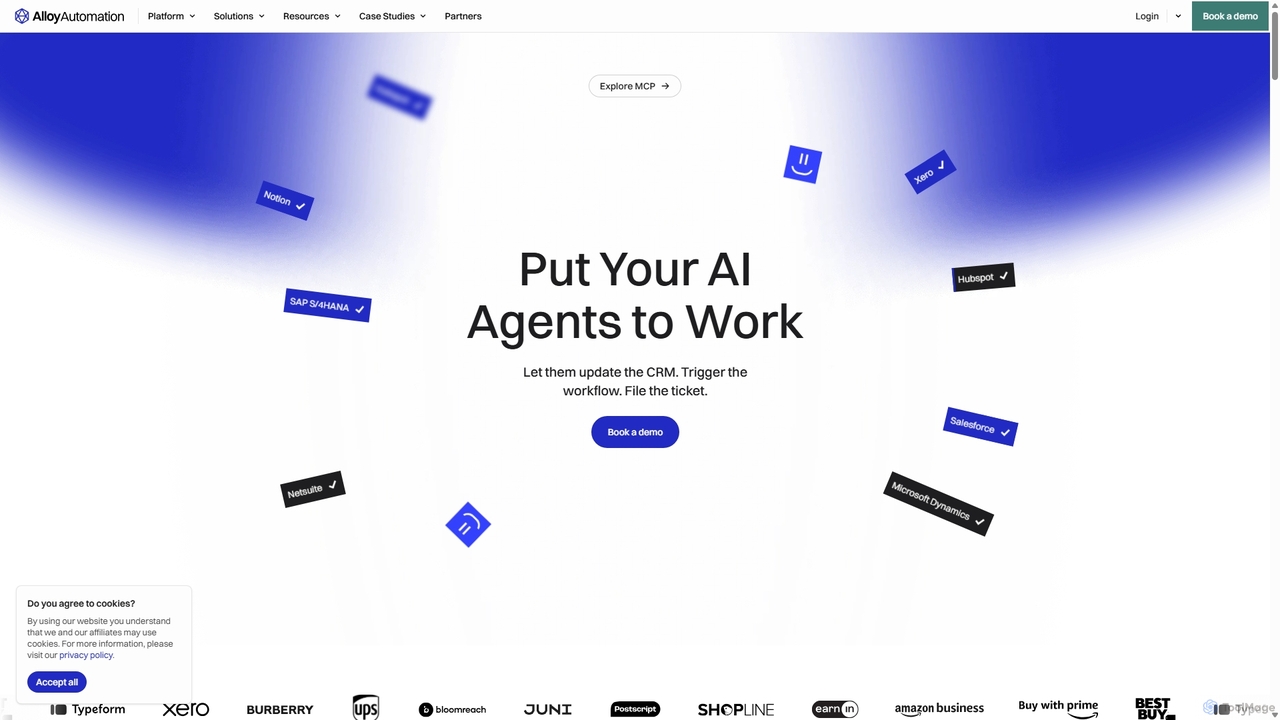
A powerful integration infrastructure for the AI era. Alloy Automation provides an agentic toolkit, embedded iPaaS, and a …

20.9K
getknit

getknit

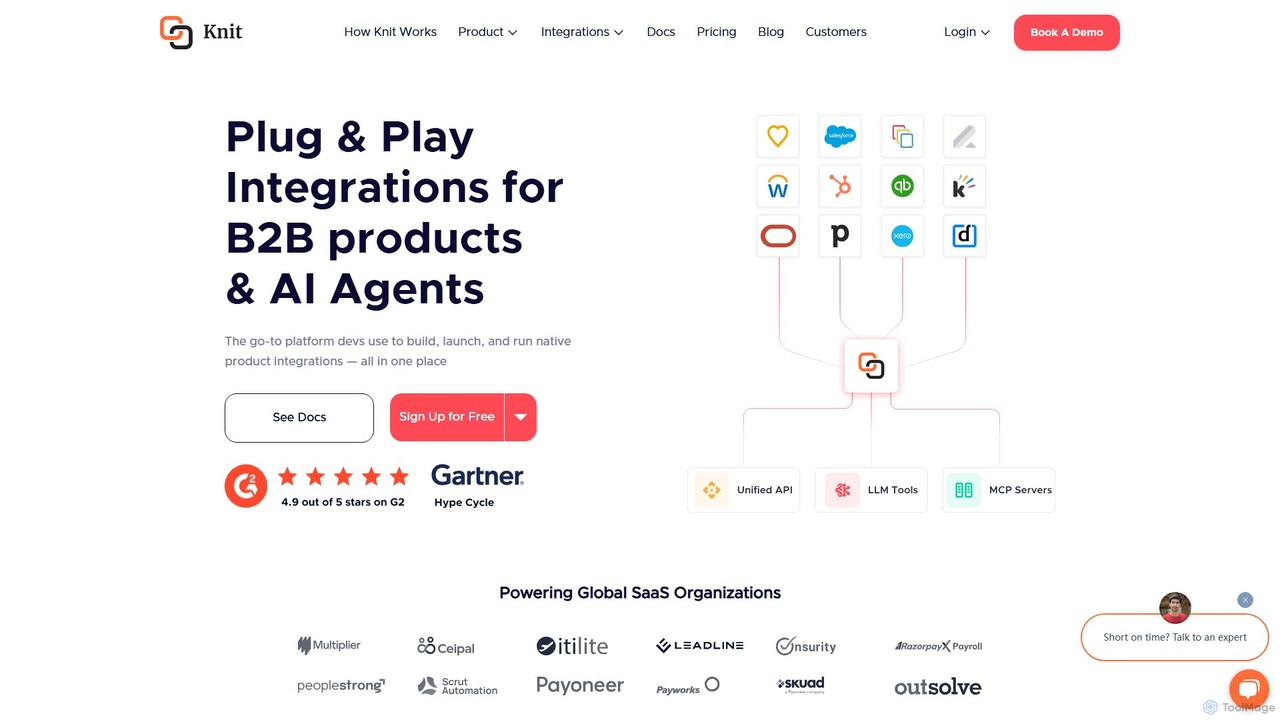
Knit is a unified API platform for developers, designed to build, launch, and manage native product integrations for …

30.5K

About Agent Tooling

Agent Tooling refers to a category of AI infrastructure tools designed to build, deploy, and manage autonomous AI agents. These tools provide frameworks, libraries, and platforms that enable AI systems to perform complex tasks, make decisions, and interact with various environments independently. They facilitate the creation of intelligent systems capable of planning, reasoning, memory management, and dynamic tool use to achieve specific goals. By abstracting away much of the complexity, Agent Tooling empowers developers to construct sophisticated AI applications with enhanced autonomy and adaptability within the broader AI infrastructure landscape.

Core Features

  • Agent Orchestration: Manages the lifecycle, execution flow, and interaction of multiple AI agent components and sub-agents.
  • Memory Management: Provides mechanisms for agents to store, retrieve, and contextualize past interactions, observations, and learned knowledge.
  • Tool Integration: Enables agents to seamlessly connect with and utilize external APIs, databases, software applications, and web services.
  • Planning & Reasoning: Equips agents with the ability to break down complex goals into actionable steps and strategize optimal execution paths.
  • Observability & Monitoring: Offers tools to track agent performance, behavior, decision-making processes, and resource utilization in real-time.

Use Cases

Agent Tooling is crucial for developers and enterprises aiming to create highly autonomous and intelligent systems. It is applied in scenarios requiring dynamic decision-making and complex task execution, such as automating multi-step business processes, developing advanced virtual assistants that can learn and adapt, or building intelligent systems for data analysis that can proactively identify insights and generate reports. These tools empower the creation of AI applications that go beyond simple responses, offering adaptive and goal-oriented capabilities.

How to Choose

When selecting Agent Tooling, evaluate its framework flexibility and support for various agent architectures to ensure it aligns with your project's complexity. Consider the breadth and ease of its tool integration ecosystem, as robust connectivity to external services is vital for agent utility. Assess its scalability and performance capabilities to handle increasing agent complexity and operational load. Finally, prioritize solutions offering strong observability and debugging features, which are essential for understanding, troubleshooting, and refining agent behavior in production environments.


Agent ToolingUse Cases

1

Automated Customer Support Agent Development

Customer service teams can leverage Agent Tooling to build sophisticated AI agents capable of handling complex inquiries beyond simple FAQs. These agents can autonomously access knowledge bases, integrate with CRM systems to retrieve customer history, diagnose issues, and even initiate follow-up actions like scheduling appointments or processing refunds, significantly reducing human agent workload and improving response times.

2

Intelligent Data Analysis & Reporting

Data scientists and business analysts can deploy agents to autonomously collect, process, and analyze vast datasets from various sources. These agents can identify trends, detect anomalies, generate customized reports, and even proactively suggest business strategies or optimizations based on their findings, automating routine analytical tasks and providing deeper, faster insights without constant human intervention.

3

Personalized Learning & Tutoring Systems

Educational platforms can utilize Agent Tooling to create adaptive AI tutors that personalize the learning experience for each student. These agents can monitor student progress, identify areas of difficulty, dynamically adjust curriculum paths, provide targeted explanations, and offer practice problems, making education more engaging and effective by tailoring content to individual needs and learning styles.

4

Supply Chain Optimization Agents

Logistics and operations managers can implement agents to monitor and optimize complex supply chains in real-time. These agents can track inventory levels, predict demand fluctuations, optimize shipping routes, identify potential disruptions (e.g., weather, supplier issues), and autonomously re-route or re-order supplies to maintain efficiency and resilience, minimizing delays and costs.

5

Software Development & Testing Assistants

Software engineering teams can employ Agent Tooling to develop AI assistants that streamline the development lifecycle. These agents can autonomously generate code snippets, create comprehensive test cases, identify potential bugs or security vulnerabilities in codebases, and even suggest refactorings or optimizations, accelerating development cycles and improving code quality by automating repetitive and complex tasks.

6

Financial Portfolio Management Agents

Financial advisors and individual investors can use Agent Tooling to build autonomous agents for managing investment portfolios. These agents can continuously monitor market data, analyze economic indicators, execute trades based on predefined risk profiles and strategies, and automatically rebalance portfolios to achieve financial goals, providing sophisticated, data-driven investment management with reduced manual oversight.

Agent ToolingFrequently Asked Questions