Ai Infrastructure Best in category 1 results Chatbot Development AI Tool

Popular AI tools in the Chatbot Development field of Ai Infrastructure include reachat, etc., helping you quickly improve efficiency.

Free
reachat

reachat

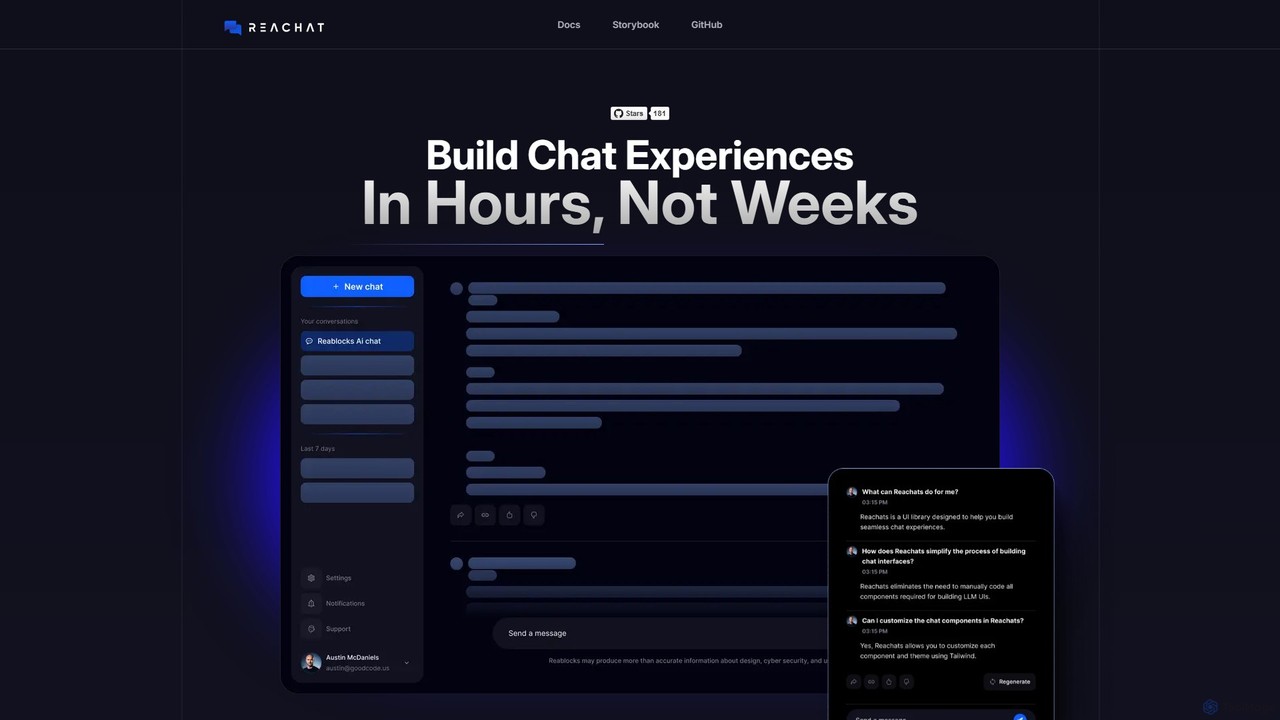
reachat is an open-source ReactJS component library designed for developers to rapidly build sophisticated AI chat interfaces. It …

5.8K

About Chatbot Development

Chatbot Development tools are specialized AI platforms designed to create, deploy, and manage sophisticated conversational AI agents. These platforms leverage advanced natural language processing (NLP), machine learning, and deep learning techniques to enable intelligent, human-like interactions. They empower businesses to automate customer service, streamline internal operations, enhance user engagement, and provide instant support across various digital channels. As a crucial component within the broader AI Infrastructure, these tools offer comprehensive frameworks for building, training, and optimizing chatbots that can understand complex queries and generate contextually relevant responses.

Core Features

  • Natural Language Understanding (NLU): Enables chatbots to accurately interpret user intent, extract key entities, and understand the nuances of free-form text input.
  • Dialogue Management: Manages the entire flow of conversation, tracks context across turns, and determines the most appropriate responses or actions based on user input and predefined logic.
  • Integration Capabilities: Facilitates seamless connection with a wide array of messaging platforms, CRM systems, enterprise databases, and other third-party applications for comprehensive functionality.
  • Bot Training & Testing: Provides intuitive environments for training AI models with diverse conversational data, allowing for iterative testing and refinement of bot performance before live deployment.
  • Multi-channel Deployment: Supports deploying chatbots effortlessly across various touchpoints, including websites, mobile applications, popular social media platforms, and even voice assistants, all from a unified platform.

Use Cases

Businesses extensively utilize these tools to build AI-powered customer support chatbots that efficiently handle routine inquiries, provide instant answers to FAQs, and guide users through processes, significantly reducing human agent workload and improving response times. Marketing teams deploy conversational agents for effective lead qualification, personalized product recommendations, and interactive campaign engagement. Furthermore, developers leverage these platforms to integrate intelligent assistants into their applications, enhancing overall user interaction and accessibility.

How to Choose

When selecting Chatbot Development tools, it is crucial to consider several key factors: evaluate the platform's natural language understanding (NLU) accuracy and its support for multiple languages, assess its ease of integration with your existing IT infrastructure and CRM systems, and examine the flexibility and intuitiveness of its dialogue design interface. Additionally, consider the scalability of the solution to handle varying user loads, the availability of pre-built templates for faster development, and the robustness of its analytics and reporting features for continuous performance monitoring and improvement.

Chatbot DevelopmentUse Cases

1

Automating Customer Support Inquiries

Customer service departments can deploy AI chatbots to handle a high volume of routine customer inquiries 24/7, such as tracking orders, resetting passwords, or answering frequently asked questions. The chatbot uses NLU to understand user intent and provides instant, accurate responses, freeing human agents to focus on complex issues and significantly reducing response times and operational costs.

2

Enhancing Lead Qualification and Nurturing

Marketing and sales teams can integrate chatbots into their websites or landing pages to engage visitors, ask qualifying questions, and gather essential lead information. The chatbot can then provide personalized product information, schedule demos, or direct qualified leads to sales representatives, automating the initial stages of the sales funnel and improving conversion rates.

3

Streamlining Internal HR and IT Support

Organizations can implement internal chatbots to assist employees with HR-related queries like leave policies, benefits information, or IT support issues such as troubleshooting common software problems or requesting hardware. These bots provide immediate answers and guidance, reducing the burden on HR and IT departments and improving employee satisfaction and productivity.

4

Personalized E-commerce Shopping Assistance

E-commerce platforms can leverage chatbots to offer personalized shopping experiences. A bot can guide users through product catalogs, recommend items based on past purchases or preferences, answer specific product questions, and even assist with the checkout process, leading to a more engaging shopping journey and increased sales.

5

Interactive Educational Content Delivery

Educational institutions or e-learning platforms can use chatbots to deliver interactive learning content, answer student questions about course material, provide quizzes, or offer language practice. These conversational agents create a more engaging and accessible learning environment, allowing students to learn at their own pace and receive immediate feedback.

6

Collecting User Feedback and Surveys

Businesses can deploy chatbots to conduct interactive surveys and collect valuable user feedback. Instead of static forms, the chatbot engages users in a natural conversation, asking follow-up questions based on their responses, which can lead to richer, more nuanced insights into customer satisfaction, product preferences, or service improvements.

Chatbot DevelopmentFrequently Asked Questions