


Pi Overview
Pi is a minimal yet powerful terminal coding agent designed to be adapted to your specific development workflows, rather than forcing you to adapt to it. It stands out for its extreme customizability, allowing users to modify and extend its functionality through a rich ecosystem of extensions, skills, prompt templates, and themes. These customizations can be bundled as Pi packages and shared via npm or git.
How to use Pi
To start using Pi, you can install it via npm. The tool operates through a terminal-based user interface (TUI) in its primary interactive mode. Users can configure and switch between over 15 built-in AI providers (like Anthropic, OpenAI, Google, Azure, etc.) using API keys or OAuth. Pi supports four distinct operational modes: the full TUI experience (interactive), scriptable output for automation (print/JSON), a JSON protocol over stdin/stdout for non-Node integrations (RPC), and an SDK for embedding Pi into your own applications. You can instruct Pi to build custom commands, tools, or workflows for you, or install pre-built packages that match your needs.
Core Features of Pi
- High Extensibility: Customize Pi with extensions (TypeScript modules), skills (capability packages), prompt templates, and themes.
- Multi-Provider & Model Support: Access models from 15+ providers including Anthropic, OpenAI, Google, Azure, Mistral, Groq, xAI, and more, with the ability to switch models mid-session.
- Context Engineering: Fine-grained control over the context window via project-level AGENTS.md/SYSTEM.md files, customizable compaction, skills, and dynamic context injection from extensions.
- Tree-Structured Session History: Sessions are stored as navigable trees, allowing you to branch from any previous point and export sessions to HTML or GitHub gists.
- Multiple Operational Modes: Supports interactive TUI, print/JSON for scripts, RPC for system integration, and an SDK for developers.
- Real-time Steering & Follow-up: Submit steering messages (Enter) or follow-up queries (Alt+Enter) while the agent is working.
Use Cases for Pi
Pi is ideal for developers who want a coding assistant that perfectly fits their existing terminal-based workflow. It is particularly useful for: automating complex coding tasks with custom scripts; integrating AI capabilities into CI/CD pipelines or other tools via its RPC/JSON modes; building tailored development environments by creating or installing custom extensions for specific frameworks or languages; and managing complex, long-running coding sessions with its advanced session history tree.
Advantages of Pi
Pi's primary advantage is its "primitives, not features" philosophy—it provides core capabilities (tools, commands, events) that users can compose into the exact features they need, rather than imposing a fixed feature set. This makes it exceptionally adaptable. Its support for a vast array of AI providers ensures flexibility and access to the best models. The tree-structured session history offers superior traceability and context management. Furthermore, its open, package-based ecosystem allows the community to extend its capabilities, ensuring it can evolve with emerging needs and technologies.
Pi FAQ
Traffic
Latest traffic
Status
Monthly traffic trend
- 2026-2: 53.7K
- 2026-3: 131.1K
- 2026-4: 403.3K
- 2026-5: 1.6M
Geography
Top 5 countries / regions
- 🇺🇸United States40.3%
- 🇨🇳China30.8%
- 🇰🇷South Korea11.7%
- 🇩🇪Germany9.5%
- 🇮🇩Indonesia7.8%
Traffic sources
| Source type | Percentage |
|---|---|
Direct | 83.0% |
Referral | 16.3% |
Email | 0.7% |
Top keywords
| Keyword | Cost per click |
|---|---|
| pi agent | $3.44 |
| pi ai | $1.01 |
| pi coding agent | $3.82 |
| pi dev | $3.90 |
| pi harness | $0.00 |
Pi Videos on YouTube
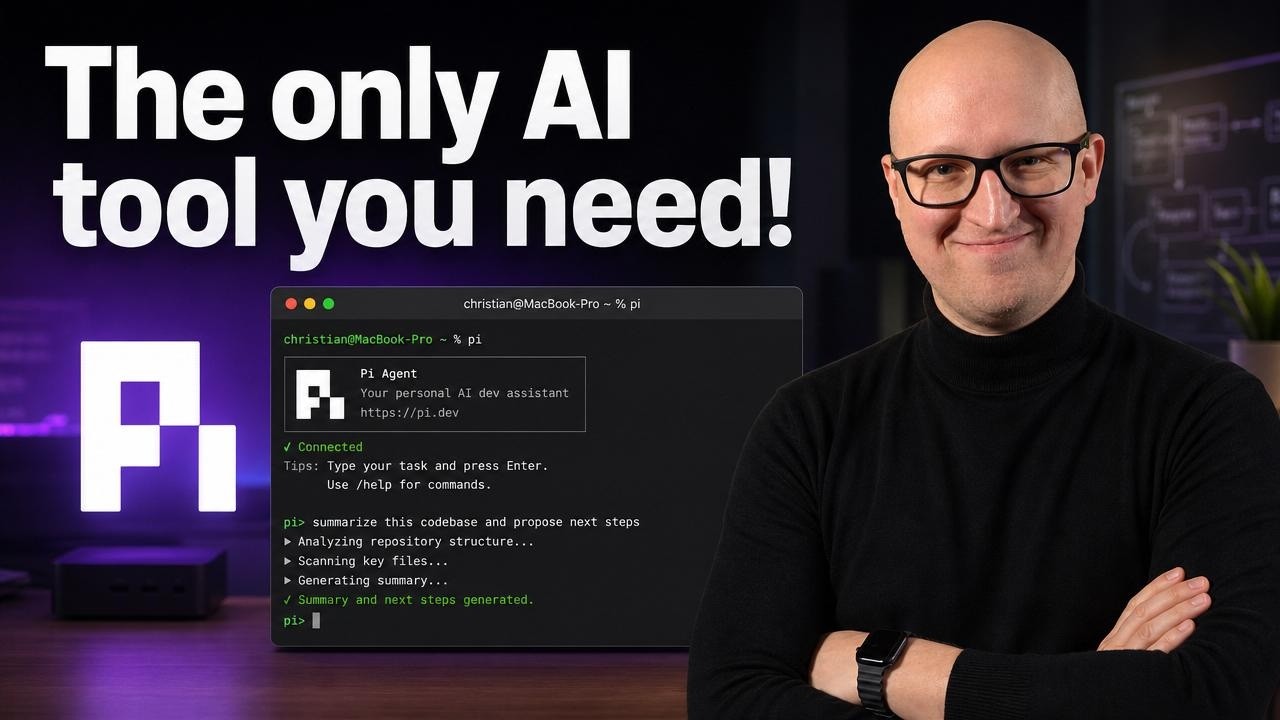
Christian Lempa




Tech Logic Lounge


Hailo Edge AI

Yahboom Technology
Pi Alternatives

CodeWiz
CodeWiz is an AI-powered coding assistant designed to accelerate software development. It integrates into your IDE to provide intelligent code completion, real-time debugging, code explanation, and automated test generation, helping developers write better code faster and with fewer errors.
Code Assistant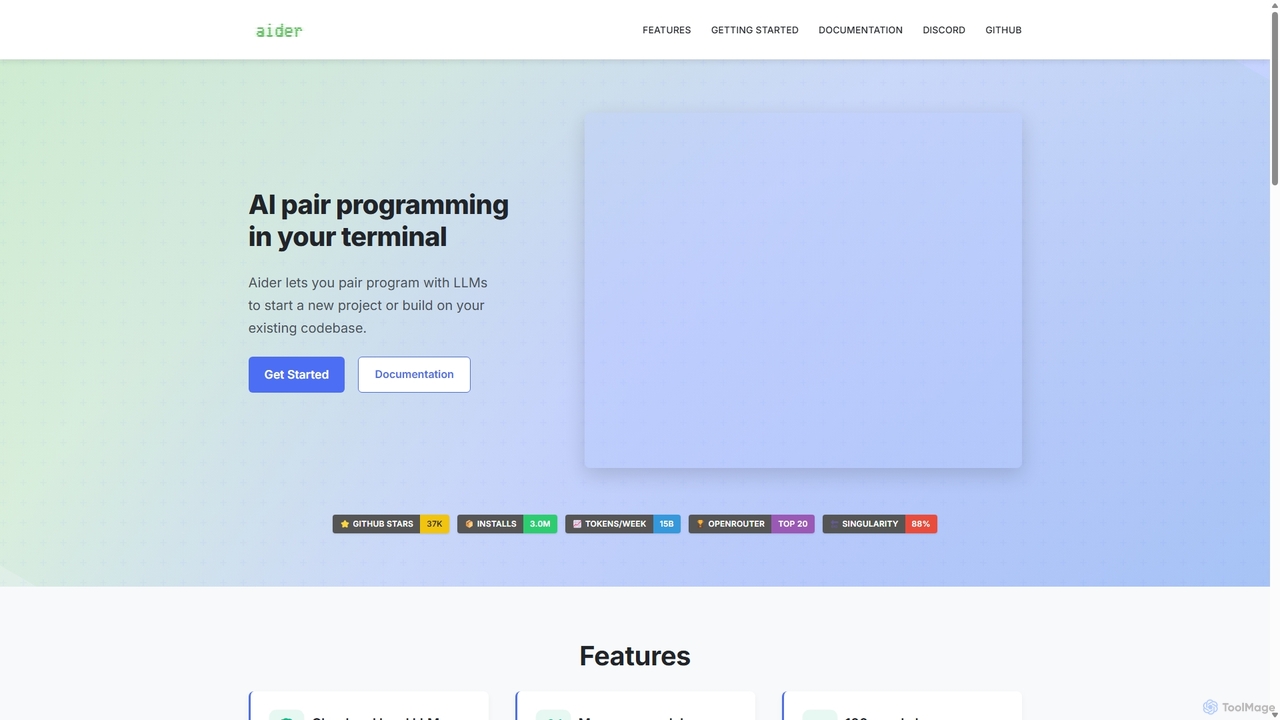
Aider
Aider is an AI-powered pair programmer that operates directly in your terminal. It intelligently maps your entire codebase, providing full project context for complex tasks. Seamlessly integrated with Git, it automates commits and allows you to manage AI-driven changes with familiar tools. Aider supports over 100 programming languages, connects to leading cloud and local LLMs, and even accepts voice and image inputs, making it a versatile and powerful assistant for any developer seeking to accelerate their workflow and improve code quality.
Programming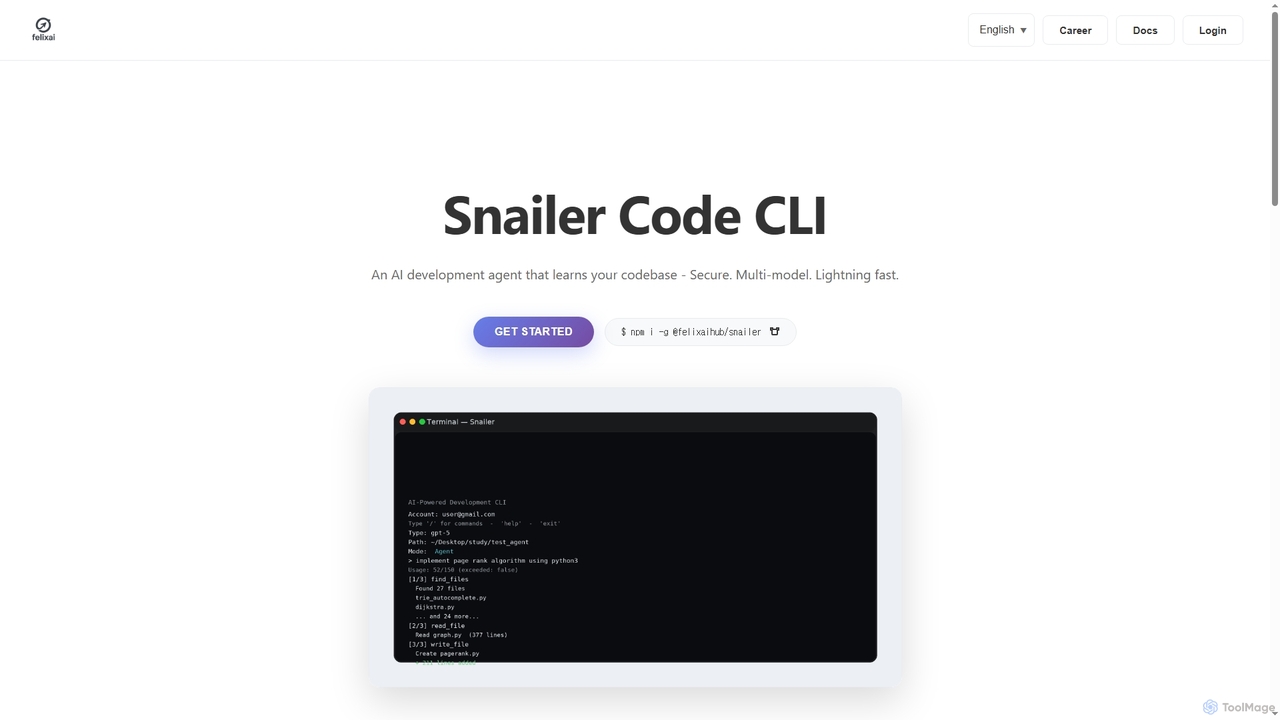
Snailer
Snailer is a multi-model AI coding agent that operates within your command-line interface (CLI) and integrates with popular IDEs. It understands your codebase, allowing you to describe tasks in plain English to generate, propose, and execute code edits securely and efficiently.
Code Assistant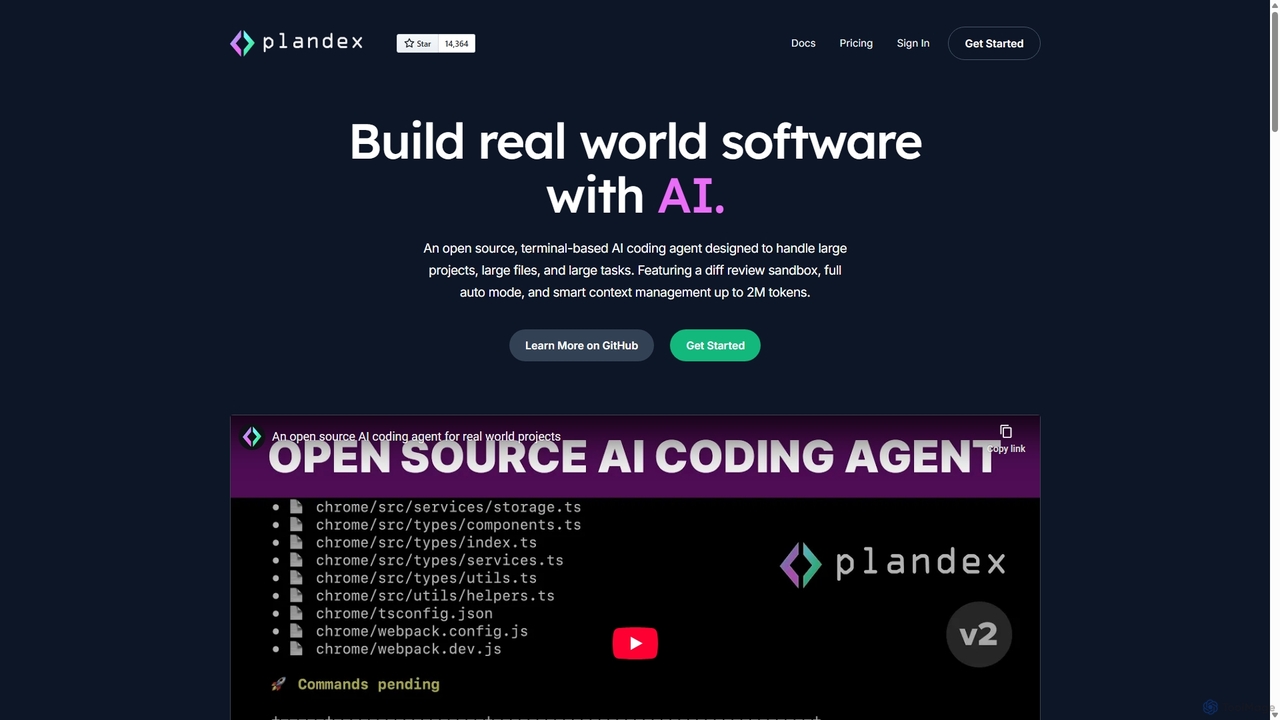
Plandex
Plandex is an open-source, terminal-based AI coding agent designed for complex, large-scale software development tasks. It excels at handling large projects and files with its 2M token context window. Featuring a diff review sandbox, configurable autonomy, and multi-model support, Plandex empowers developers to build, debug, and refactor entire applications with AI assistance, ensuring control and productivity in a dev-friendly workflow.
Code Generation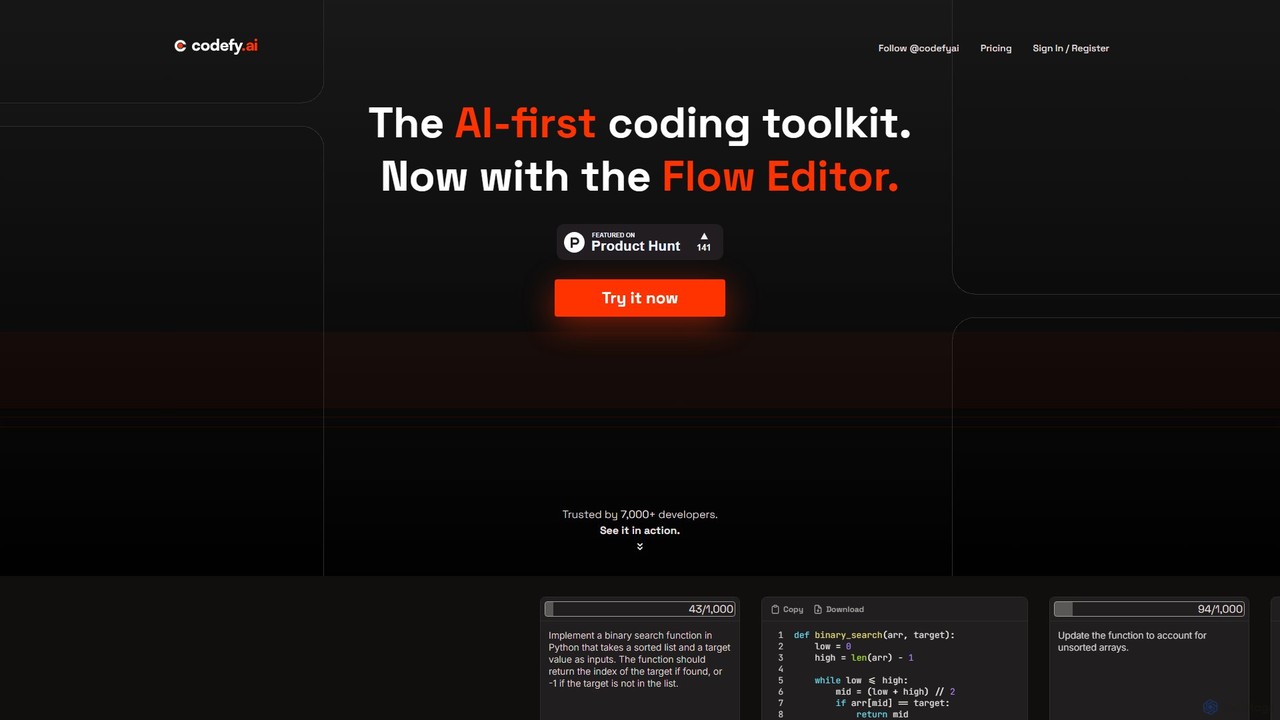
codefy.ai
codefy.ai is an AI-first coding toolkit designed for developers. It features over 20 specialized tools, including the innovative Flow Editor, to streamline tasks like code generation, debugging, translation, and optimization. By handling prompt engineering, it allows developers to get accurate results quickly through intuitive, pre-programmed interfaces, significantly boosting productivity and simplifying the development workflow.
Code AssistantPi Categories
Pi Jobs
Pi Embed Widget
Copy this embed code to place the badge on your blog, article, or product site and send readers directly to this ToolMage detail page.

Related AI tools
Contextgit
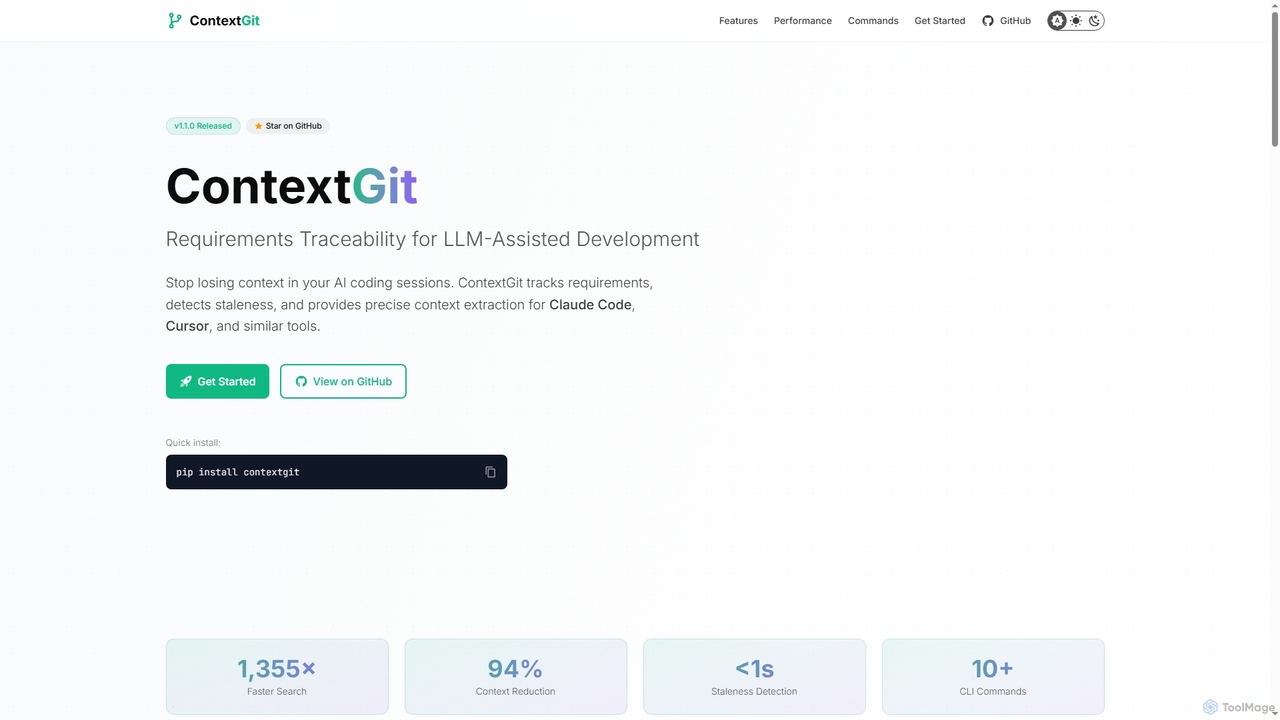
A command-line tool for developers using LLMs, providing requirements traceability, staleness detection, and precise context extraction to enhance AI-assisted coding workflows. It significantly reduces token usage and syncs AI tools with project requirements.
Code AssistantAider
Aider is an AI-powered pair programmer that operates directly in your terminal. It intelligently maps your entire codebase, providing full project context for complex tasks. Seamlessly integrated with Git, it automates commits and allows you to manage AI-driven changes with familiar tools. Aider supports over 100 programming languages, connects to leading cloud and local LLMs, and even accepts voice and image inputs, making it a versatile and powerful assistant for any developer seeking to accelerate their workflow and improve code quality.
ProgrammingSnailer
Snailer is a multi-model AI coding agent that operates within your command-line interface (CLI) and integrates with popular IDEs. It understands your codebase, allowing you to describe tasks in plain English to generate, propose, and execute code edits securely and efficiently.
Code Assistant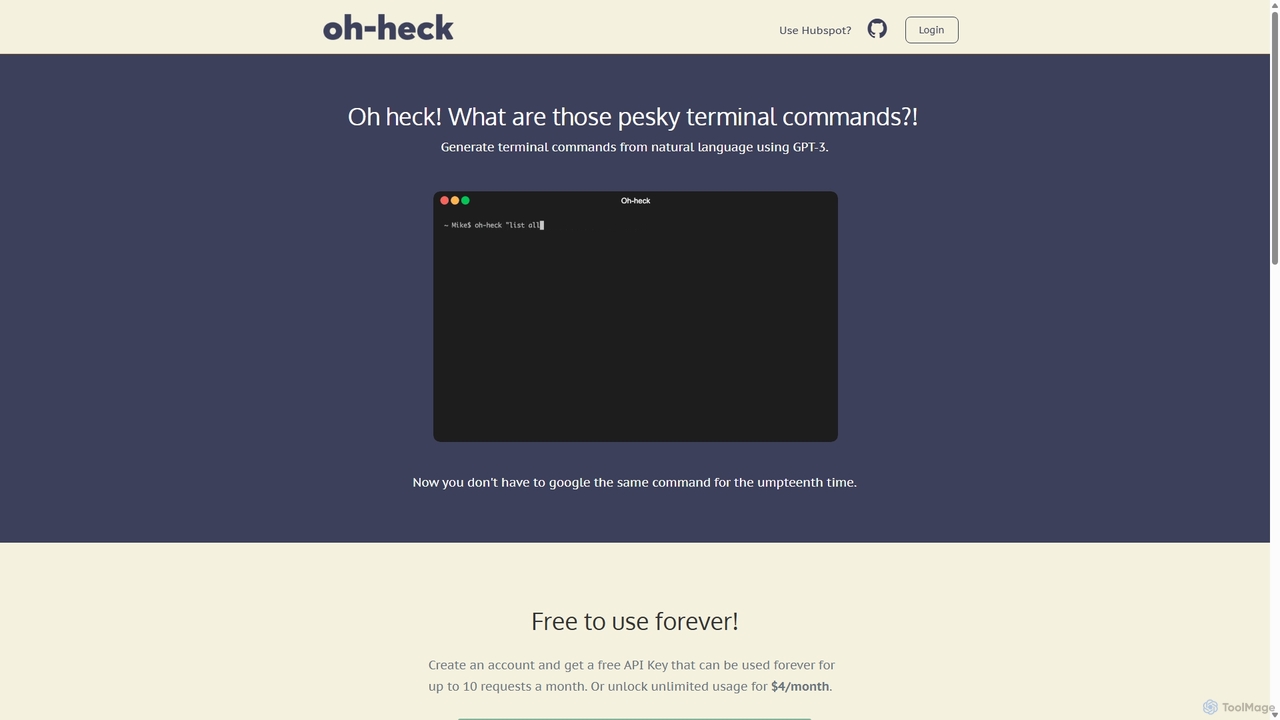
Oh-heck
Oh-heck is a suite of AI-powered productivity tools that convert natural language into terminal commands and generate professional emails directly within your CRM. Powered by GPT-3, it's designed to save time for developers, sales teams, and support agents by simplifying complex and repetitive tasks.
Command Line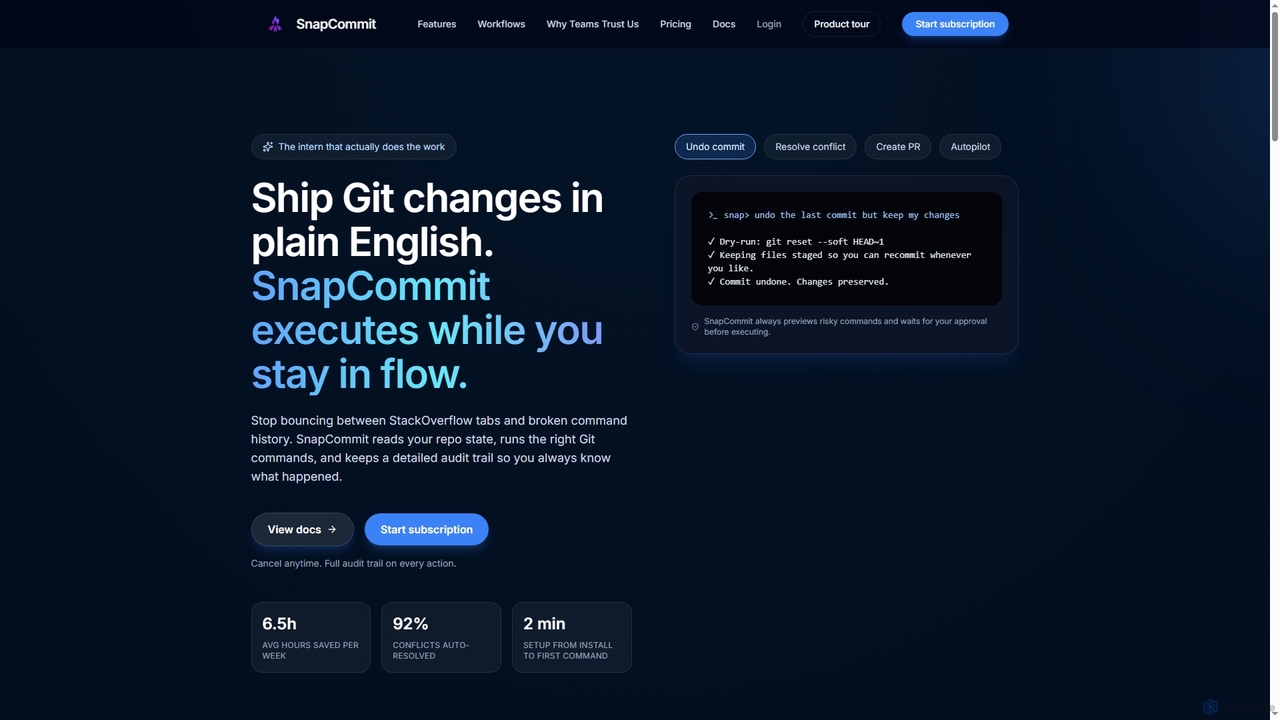
SnapCommit
SnapCommit is an AI-powered terminal Git assistant that allows developers to manage Git operations using plain English commands. It automates complex workflows like committing, resolving conflicts, and creating pull requests, enhancing productivity and ensuring code integrity with dry-run previews and a detailed audit trail.
Code Assistant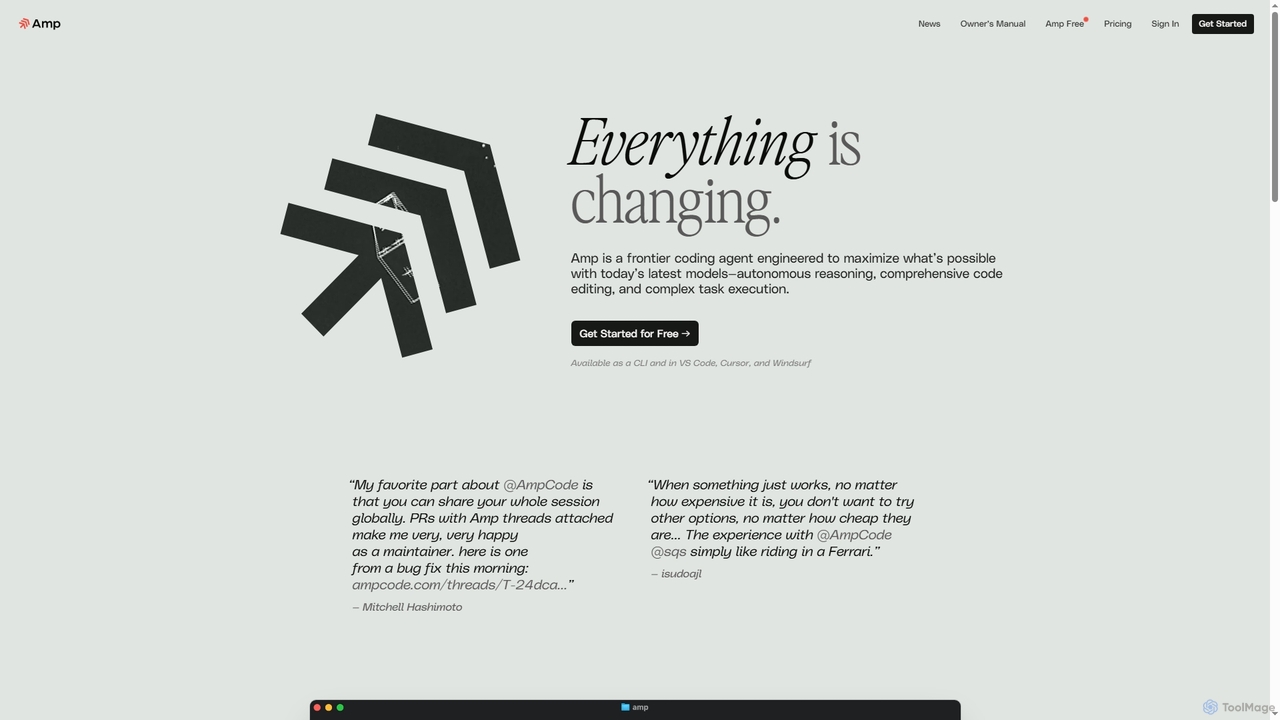
Amp
Amp is a frontier AI coding agent designed for developers. It operates as a CLI and within IDEs like VS Code, automating complex tasks such as code editing, debugging, and refactoring. Amp leverages the latest AI models to provide autonomous reasoning and execution, enhancing developer productivity through features like subagents, an Oracle for complex analysis, and deep IDE integration.
Code Assistant
Dallecli
A powerful command-line interface (CLI) tool for interacting with OpenAI's DALL-E models. Generate, edit, and manage AI images directly from your terminal, perfect for developers, scripters, and automating creative workflows.
Command Line InterfacePlandex
Plandex is an open-source, terminal-based AI coding agent designed for complex, large-scale software development tasks. It excels at handling large projects and files with its 2M token context window. Featuring a diff review sandbox, configurable autonomy, and multi-model support, Plandex empowers developers to build, debug, and refactor entire applications with AI assistance, ensuring control and productivity in a dev-friendly workflow.
Code GenerationCodeWiz
CodeWiz is an AI-powered coding assistant designed to accelerate software development. It integrates into your IDE to provide intelligent code completion, real-time debugging, code explanation, and automated test generation, helping developers write better code faster and with fewer errors.
Code Assistant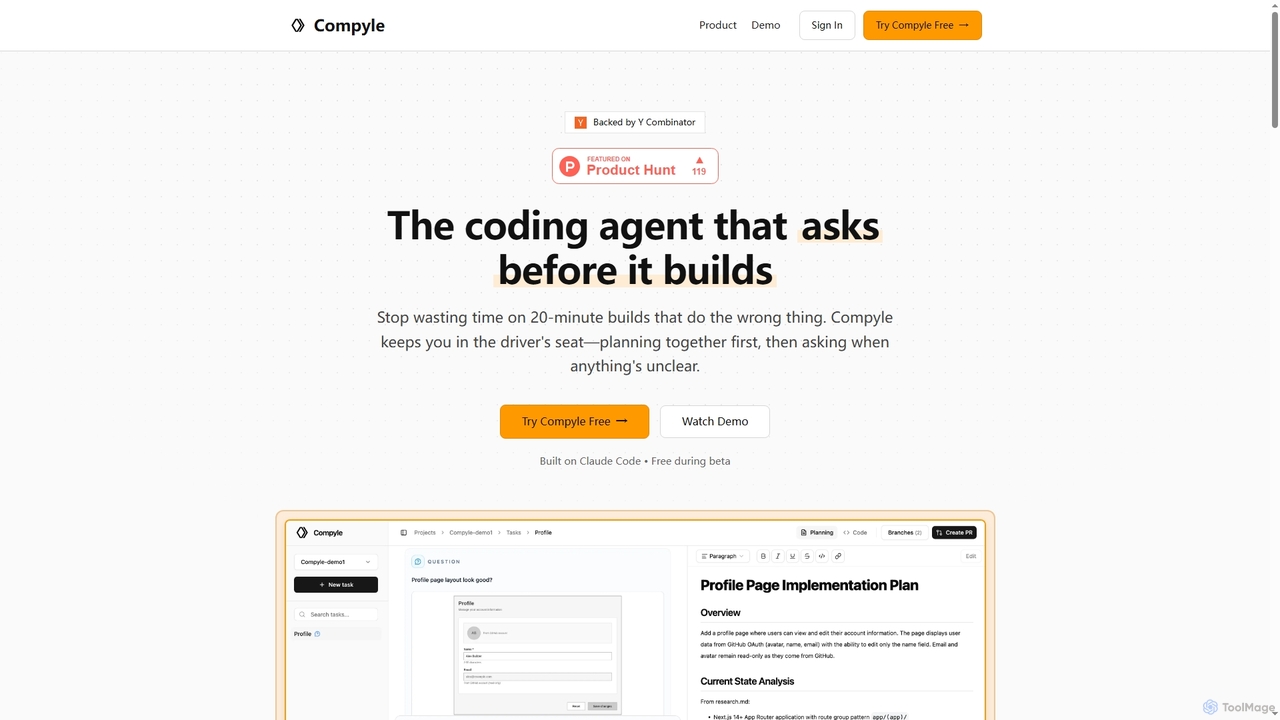
Compyle
Compyle is an interactive AI coding agent that builds software by collaborating with developers. It researches your existing codebase, creates a detailed plan by asking clarifying questions, and implements features without making assumptions, ensuring the final code perfectly matches your intent.
Code Assistant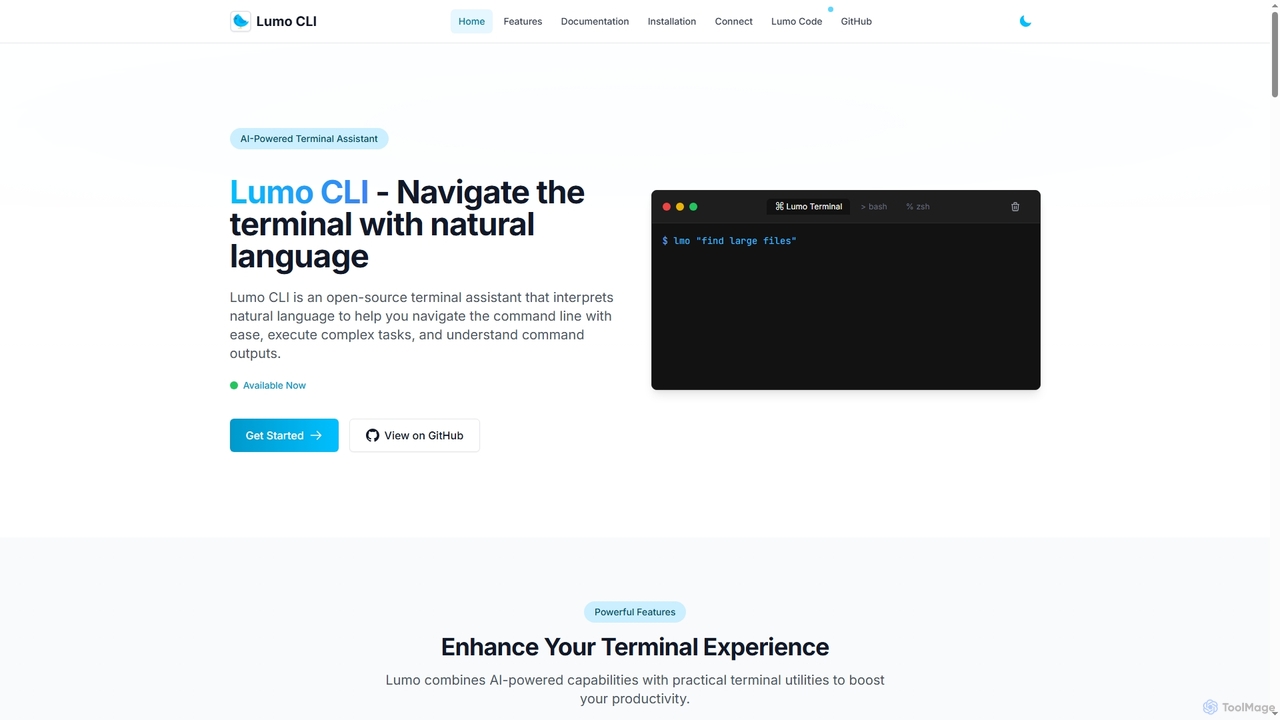
Lumo
Lumo is an open-source, AI-powered terminal assistant that allows users to interact with the command line using natural language. It translates plain English into executable commands, automates complex tasks, monitors system health, and supports multiple AI models including Gemini, OpenAI, and Ollama for local inference.
Code Assistant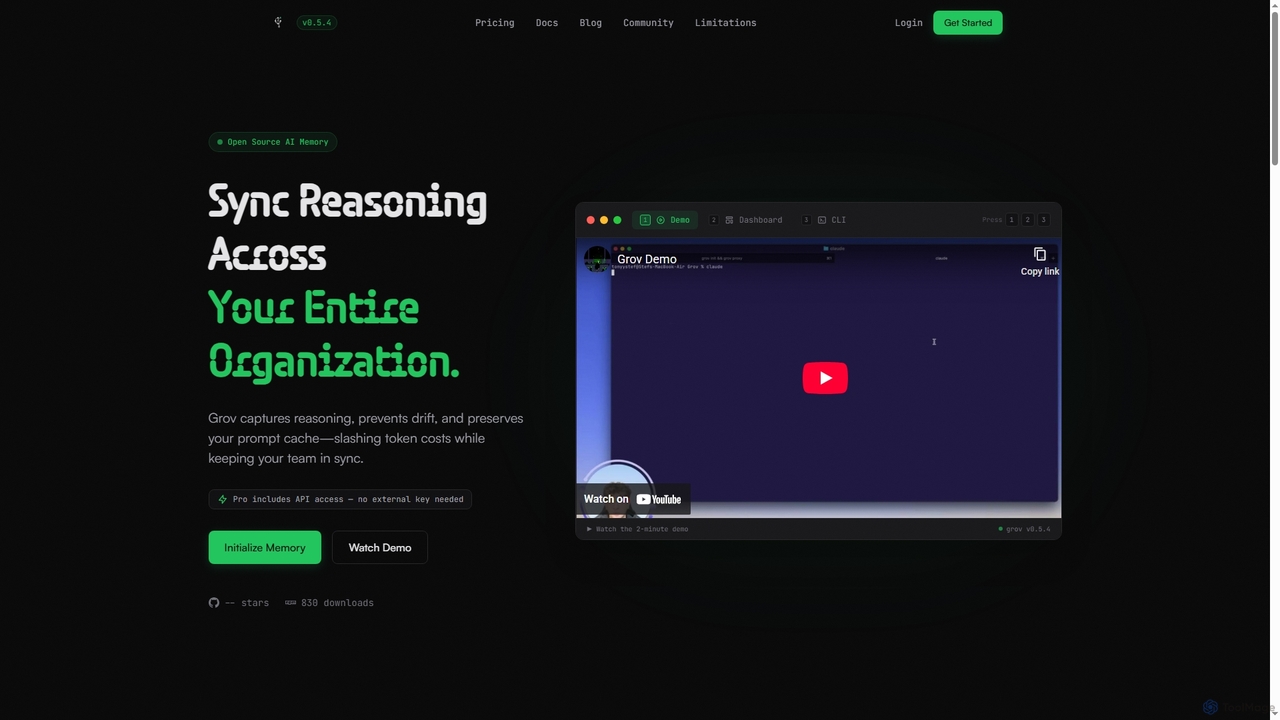
Grov
Grov is an open-source collective AI memory for engineering teams, designed to optimize Claude Code sessions. It captures reasoning, prevents AI drift, and preserves prompt caches, significantly reducing token costs and enhancing team synchronization.
Code Assistant
Buildt
Buildt is an AI-powered code search and understanding tool for developers. It integrates directly into your IDE, allowing you to search your entire codebase using natural language, understand complex code snippets, and generate or modify code on the fly, acting as an intelligent assistant.
Code Generation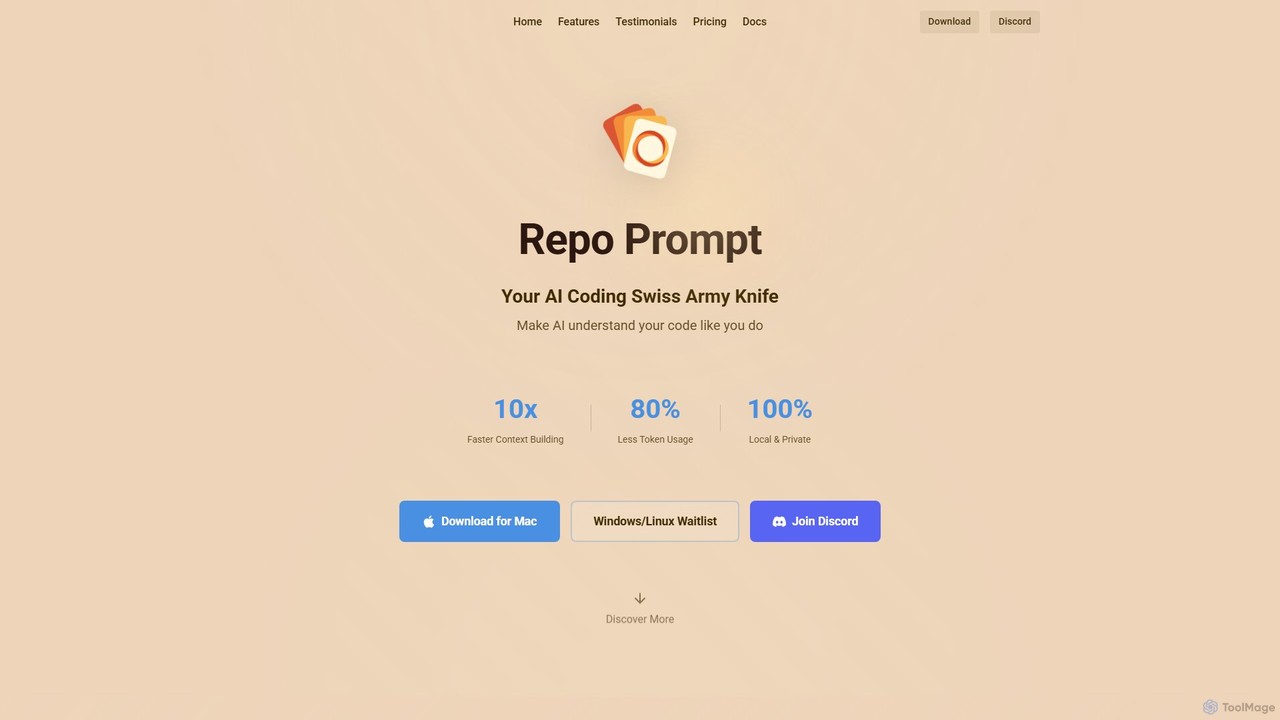
Repo Prompt
Repo Prompt is an AI coding assistant and context engineering tool for developers. It acts as a "Swiss Army Knife" to help AI models understand your codebase with precision. By creating optimal context, it accelerates development, reduces token usage by up to 80%, and enhances your existing AI editors like Cursor through its powerful MCP Server integration. It operates locally, ensuring your code remains private.
Prompt Engineering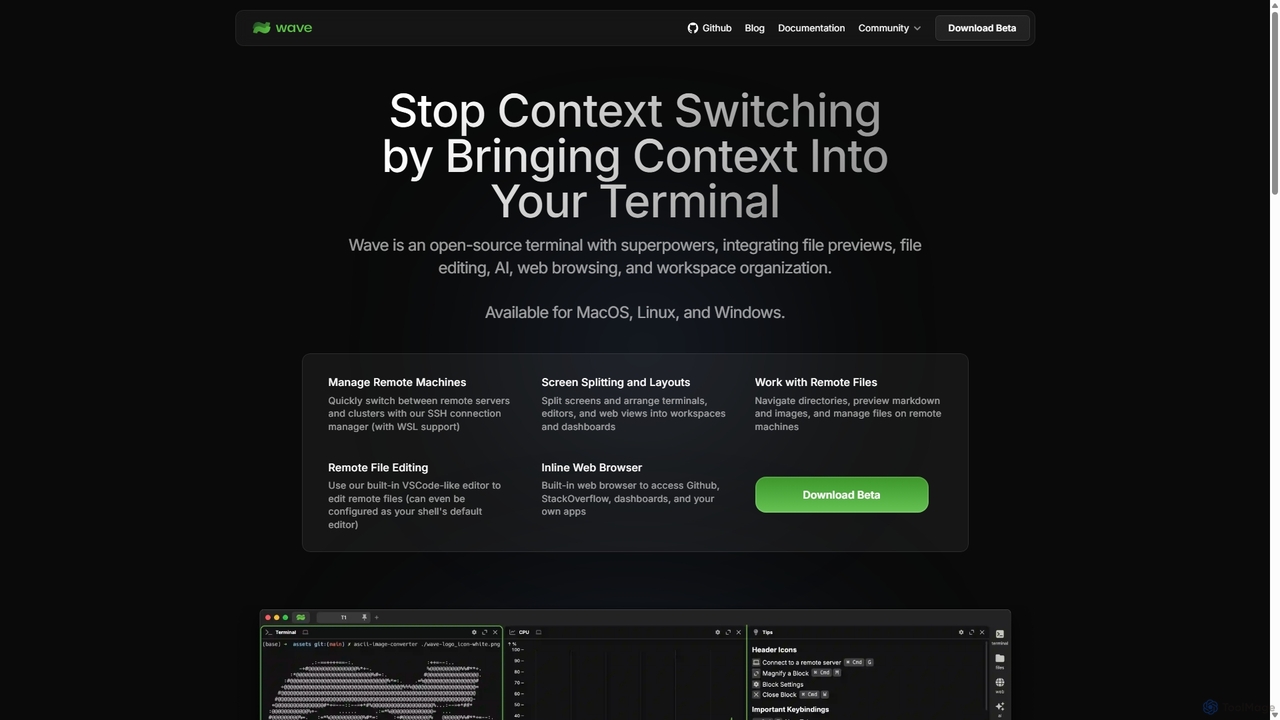
Waveterm
Waveterm is an open-source, modern terminal designed for developers and DevOps engineers. It enhances the command-line experience by integrating AI-powered assistance, a VSCode-like editor, inline file previews, a web browser, and customizable dashboards. This all-in-one workspace reduces context switching and boosts productivity across macOS, Windows, and Linux.
Code Assistant
Pi Comments (0)
Sign in to comment.
Sign inNo comments yet.