ToolMage
Sign in

Best 72 Code Assistant for Code

Popular Code Assistant in Code include Cursor, Kiro, GitLab, GlobalGPT, Llama, Vondy, Zemith, myninja.ai, Waveterm, and Bezi, helping you work more efficiently.

Cogsmith
Paid

Cogsmith

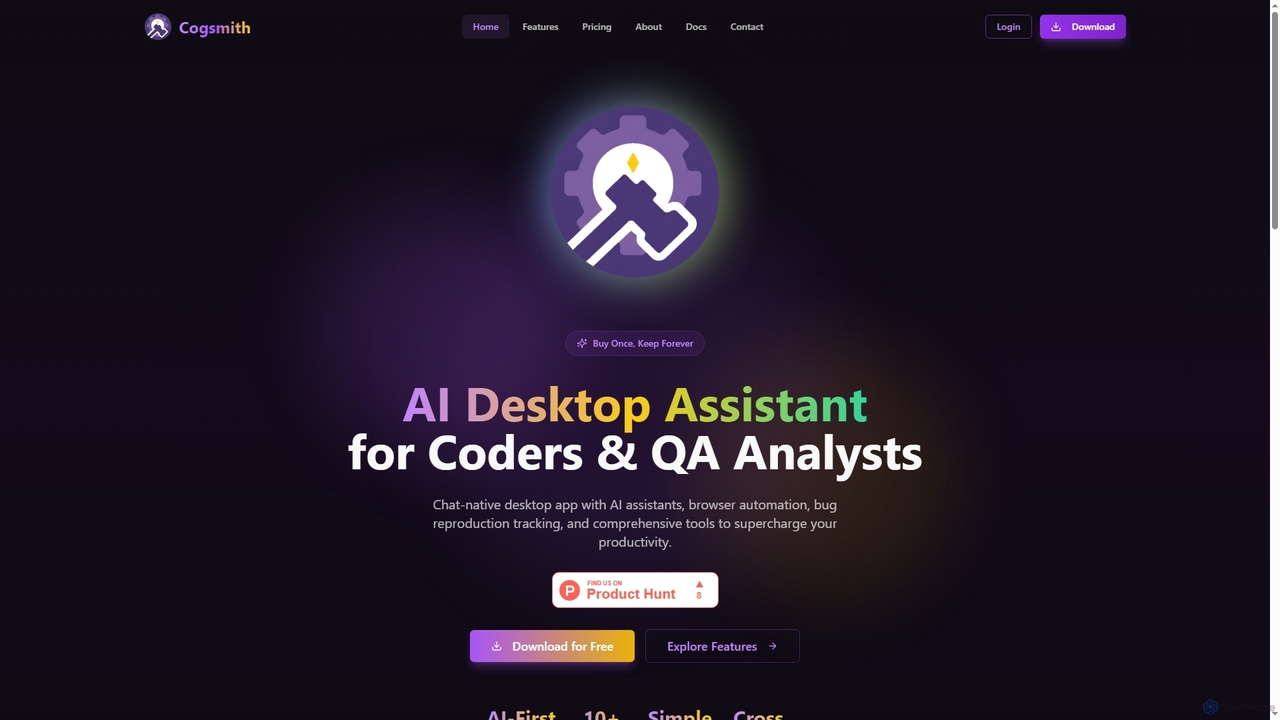
An AI-first desktop assistant for developers and QA analysts, featuring a chat interface, browser automation, bug reproduction tracking, and a suite of pre-configured tools to enhance productivity with a 'buy once, keep forever' model.

Code Assistant
Visits 6.4KFavorites 109Likes 105
Nora
Freemium

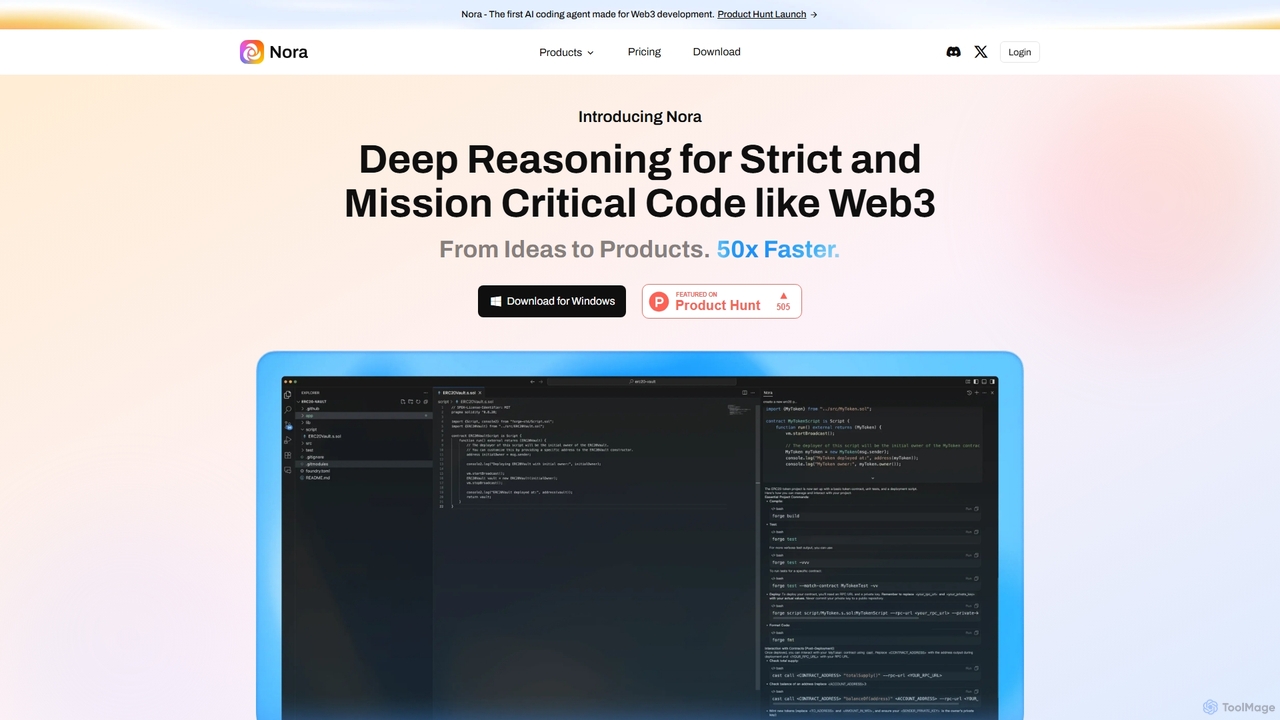
Nora

Nora is the first AI coding agent specifically designed for Web3 development. It moves beyond general-purpose copilots by providing deep reasoning for mission-critical code like smart contracts. Nora understands compiler and VM-level details, supports multiple blockchain languages (Solidity, Move, Cairo, Rust), and accelerates the entire development lifecycle from idea to deployment, ensuring security and efficiency for blockchain projects.

Code Assistant
Visits 7.5KFavorites 160Likes 151
Cubic
Freemium

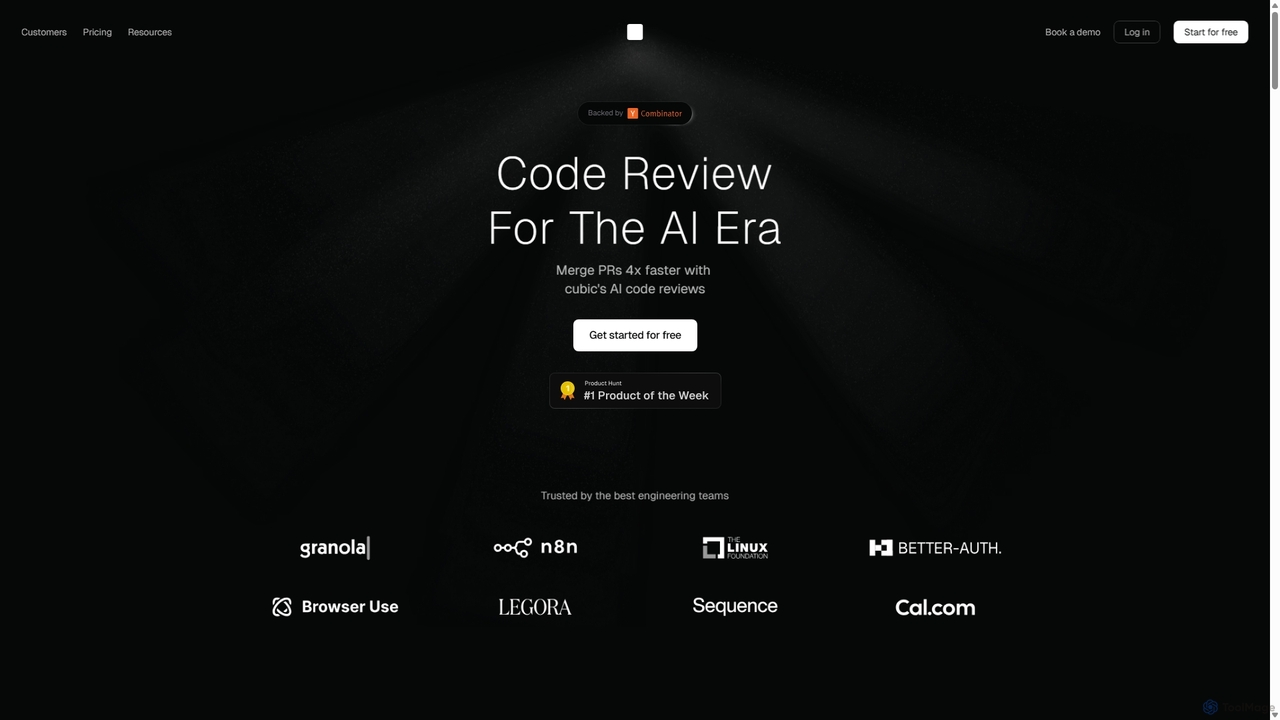
Cubic

Cubic is an AI-powered code review platform designed to accelerate development cycles. It integrates with GitHub to automatically review pull requests, catch bugs, enforce coding standards, and provide one-click fixes, helping engineering teams merge PRs up to 4x faster while improving code quality.

Code Assistant
Visits 6.9KFavorites 151Likes 166
ZenMulti
Paid

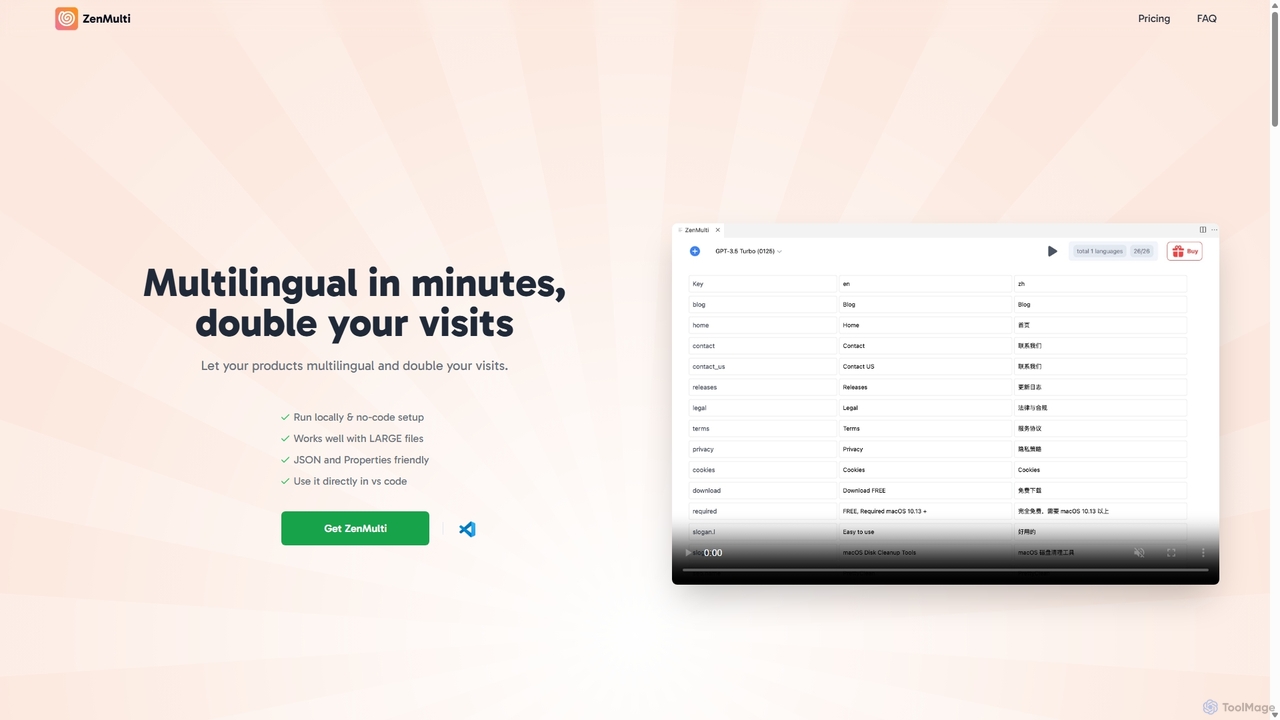
ZenMulti

ZenMulti is an AI-powered VS Code extension designed for developers to effortlessly translate application resource files (like JSON and .properties) into multiple languages. It streamlines the localization (i18n) process with a simple, no-code setup, running locally for enhanced privacy and speed. It's a one-time purchase tool for lifetime use.

Code Assistant
Visits 6.4KFavorites 147Likes 145
Vanna.AI
Freemium

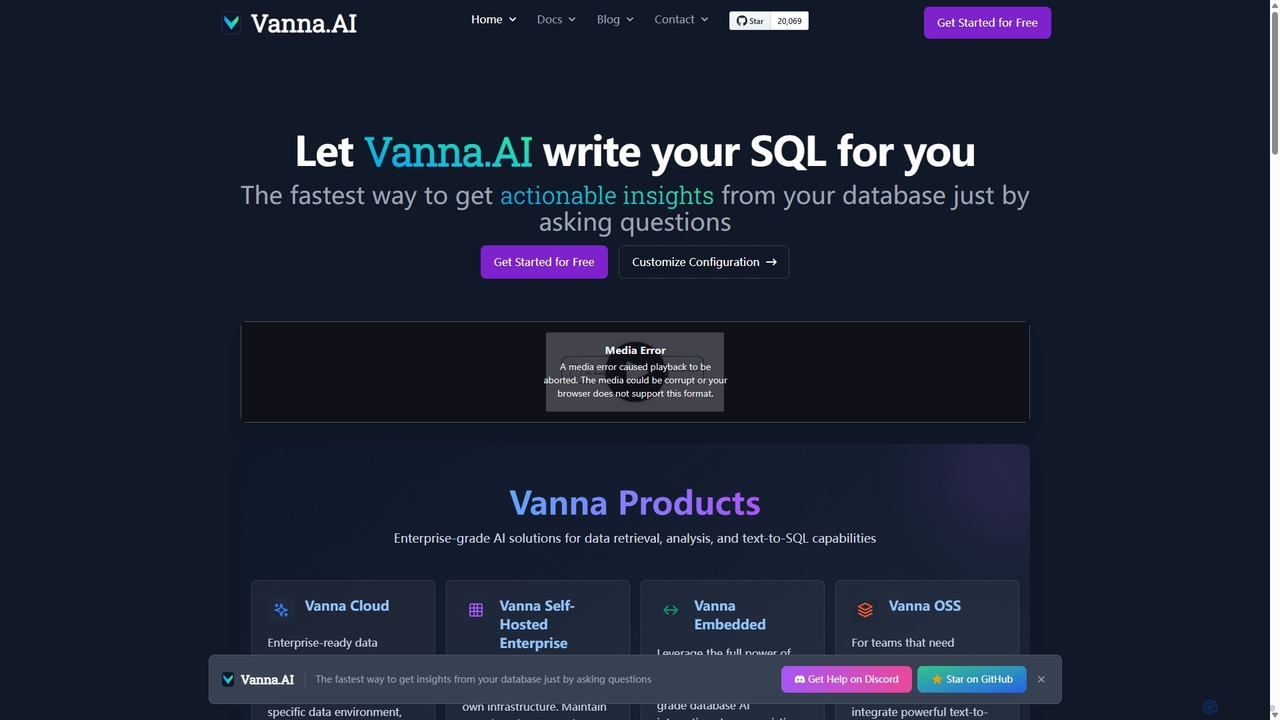
Vanna.AI

Vanna.AI is an open-source, personalized AI SQL agent that transforms natural language questions into accurate SQL queries. It uses a Retrieval-Augmented Generation (RAG) model trained on your specific database schema, documentation, and past queries to achieve high accuracy on complex datasets. It's designed for security, flexibility, and easy integration into any application, empowering both technical and non-technical users to gain insights from their data effortlessly.

Business Intelligence
Visits 72.5KFavorites 124Likes 125
HOJI AI
Free

HOJI AI

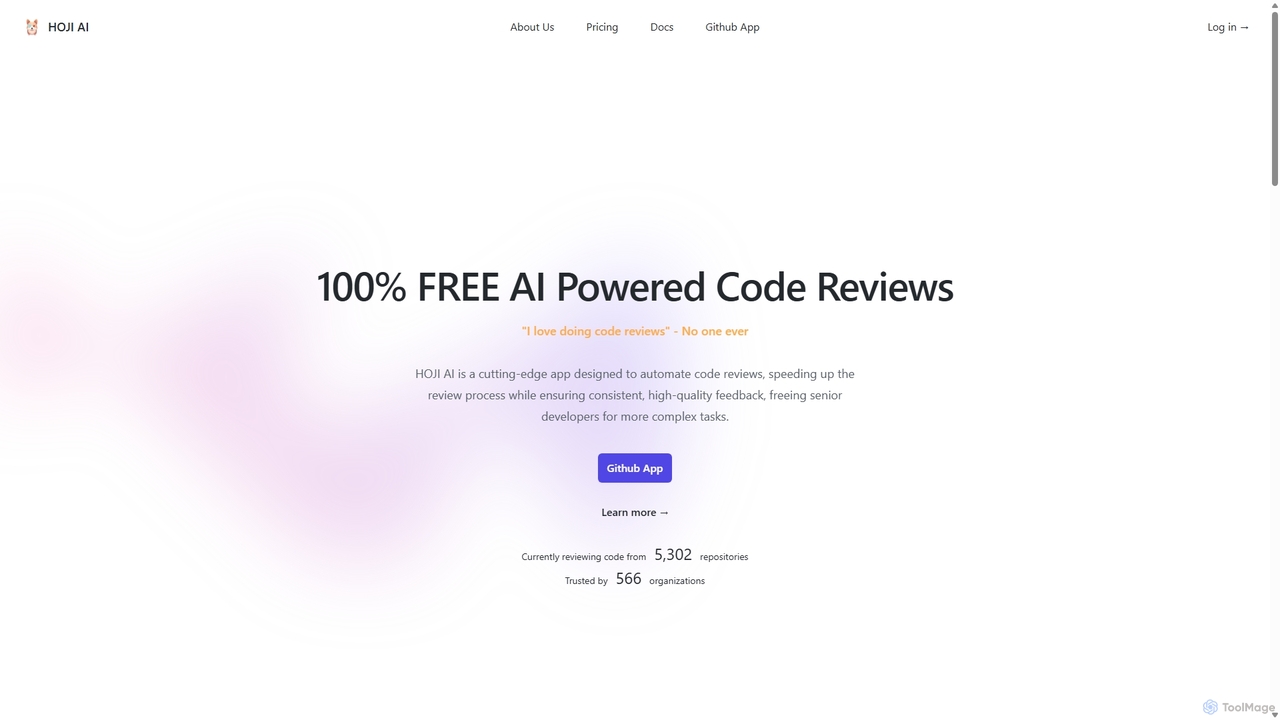
HOJI AI is a free, AI-powered tool that automates code reviews directly within GitHub. It provides instant, consistent, and high-quality feedback on pull requests, helping development teams increase productivity, improve code quality, and accelerate their development cycles by freeing up senior engineers.

Code Assistant
Visits 6.4KFavorites 128Likes 142
Waveterm
Free

Waveterm

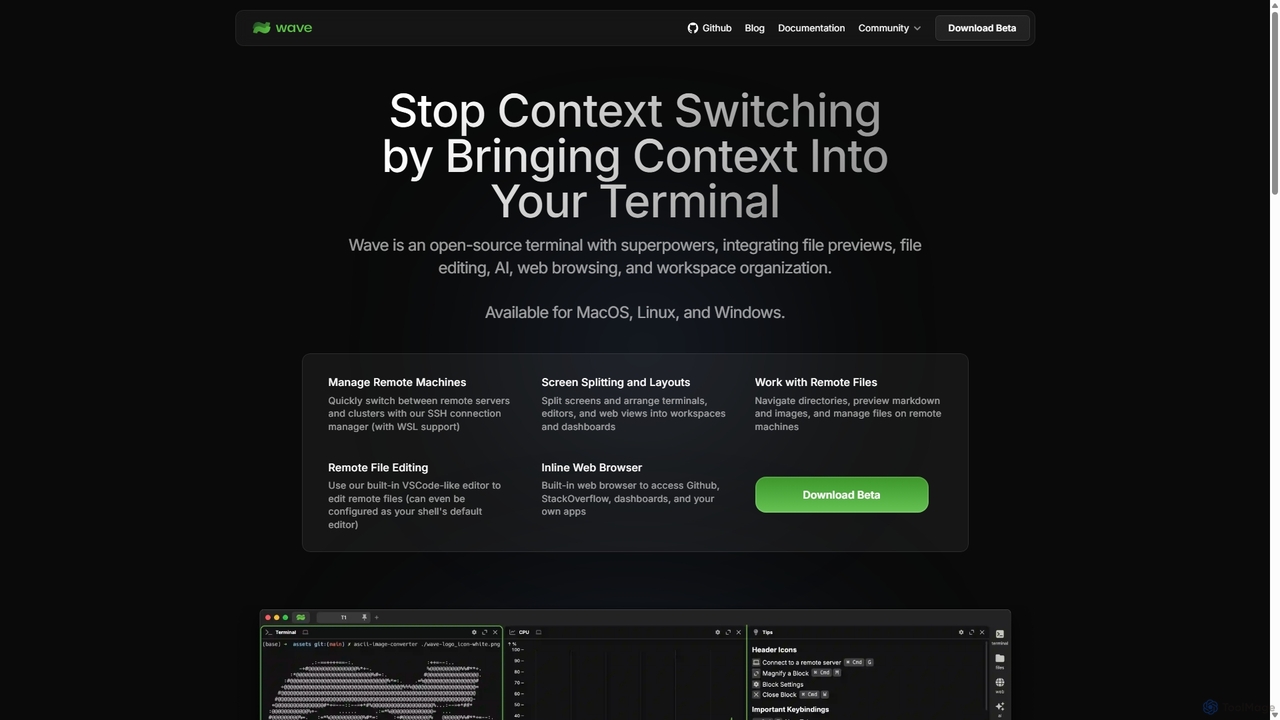
Waveterm is an open-source, modern terminal designed for developers and DevOps engineers. It enhances the command-line experience by integrating AI-powered assistance, a VSCode-like editor, inline file previews, a web browser, and customizable dashboards. This all-in-one workspace reduces context switching and boosts productivity across macOS, Windows, and Linux.

Code Assistant
Visits 136.1KFavorites 194Likes 180
Cursor
Freemium

Cursor

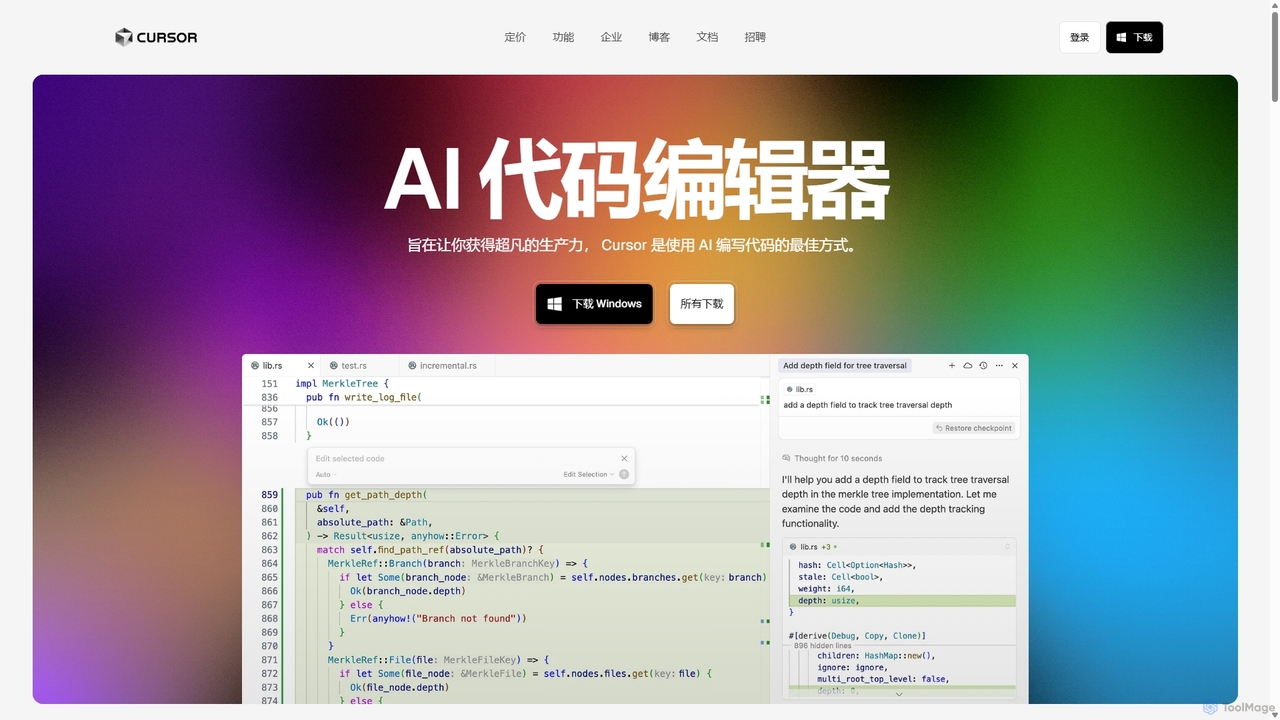
Cursor is an AI-first code editor designed for pair-programming with artificial intelligence. Built as a fork of VS Code, it offers a familiar environment supercharged with advanced AI capabilities for code generation, editing, debugging, and codebase comprehension, aiming to significantly boost developer productivity.

Code Assistant
Visits 20.8MFavorites 146Likes 157
OverScene
Paid

OverScene

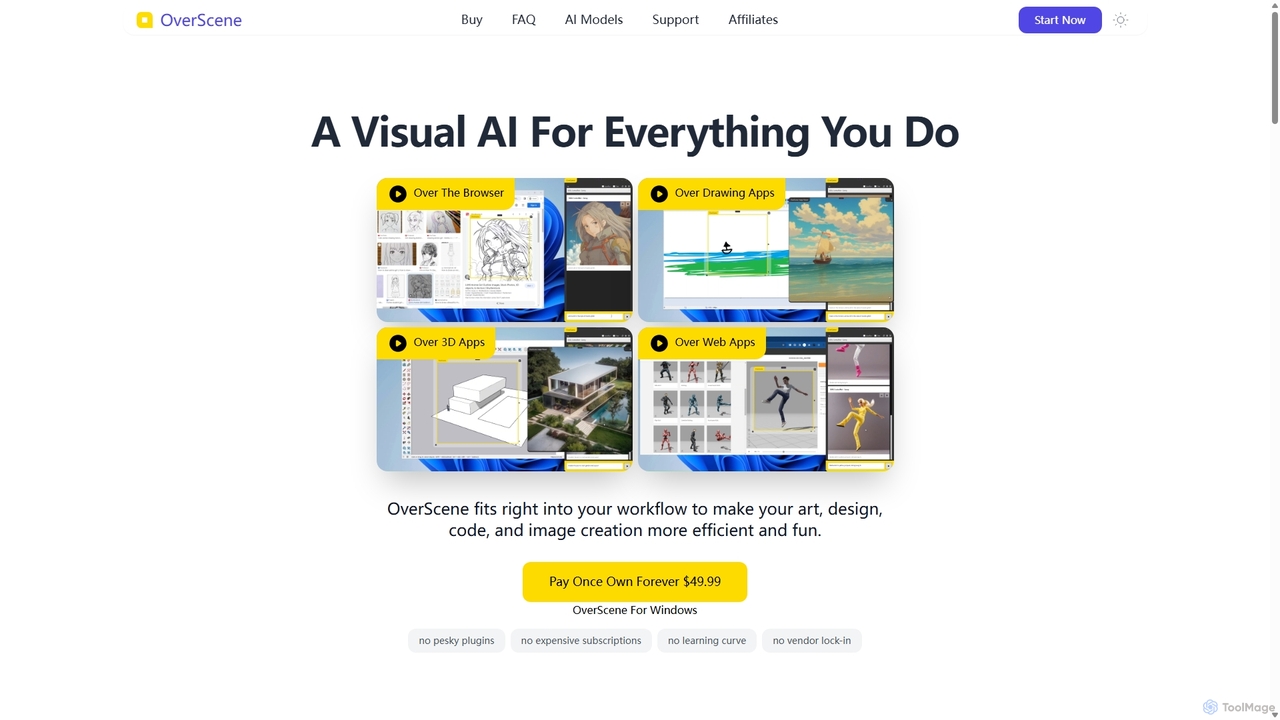
OverScene is a revolutionary Windows application that acts as a visual AI layer over any desktop software. It allows users to apply powerful AI models for image generation, code creation, 3D rendering, and more, directly onto their existing workflow via a simple drag-and-drop frame. With a one-time purchase model, it eliminates subscriptions and complex plugins, making advanced AI accessible to artists, designers, and developers.

Rendering
Visits 6.5KFavorites 147Likes 153
Rebolt
Freemium

Rebolt

Rebolt is an AI-powered platform designed to automate the entire software development lifecycle. It helps developer and DevOps teams build, test, and deploy applications faster and more reliably by leveraging AI for CI/CD pipeline optimization, code generation, and intelligent monitoring.

Code Assistant
Visits 6.5KFavorites 144Likes 131
Qabuddy
Freemium

Qabuddy

Qabuddy is an AI-powered assistant for software quality assurance. It automates tedious testing tasks like test case generation, script writing, and bug reporting. It helps QA teams, developers, and product managers accelerate their testing cycles, improve test coverage, and release higher-quality software faster. By leveraging AI, Qabuddy acts as an intelligent partner in the development lifecycle.

Code Assistant
Visits 6.5KFavorites 129Likes 138
GetEssential

GetEssential

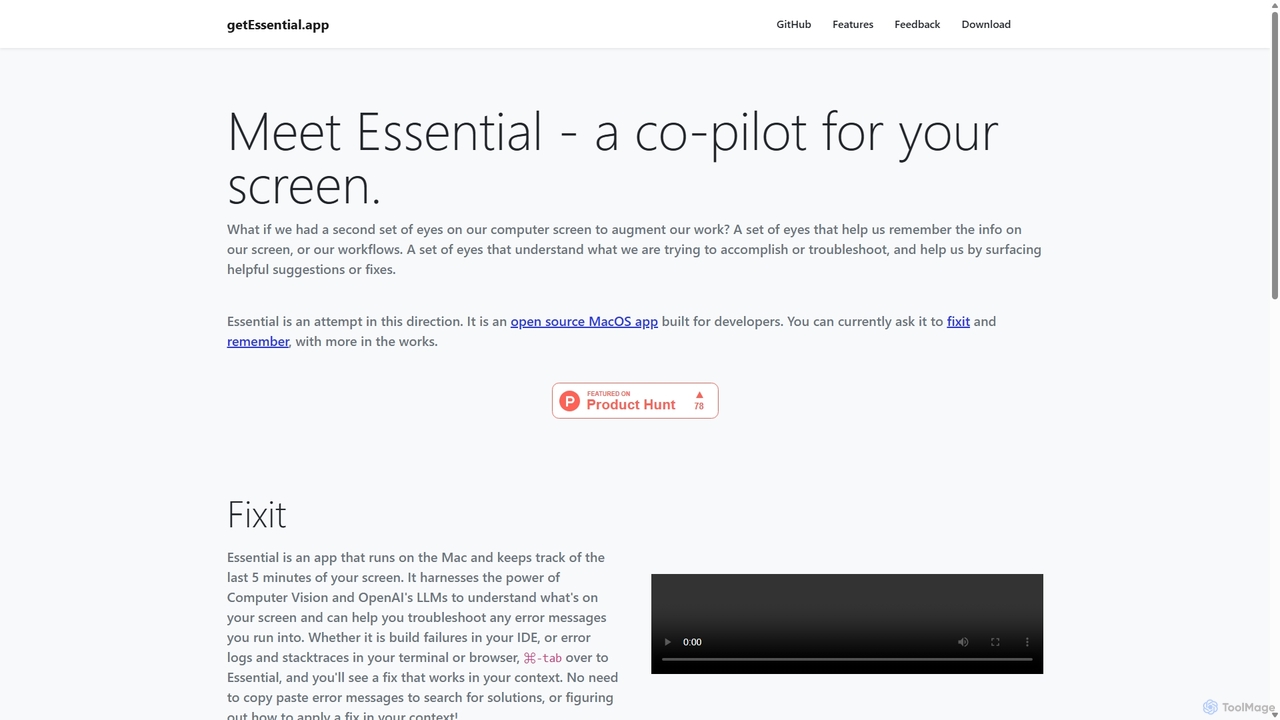
getEssential is an AI-powered Mac application that continuously records your screen to instantly troubleshoot errors. It uses Computer Vision and LLMs to analyze build failures, error logs, and stack traces, providing contextual fixes without manual searching. A productivity booster for developers and IT professionals.

Code Assistant
Visits 6.3KFavorites 166Likes 152
Trag
Freemium

Trag

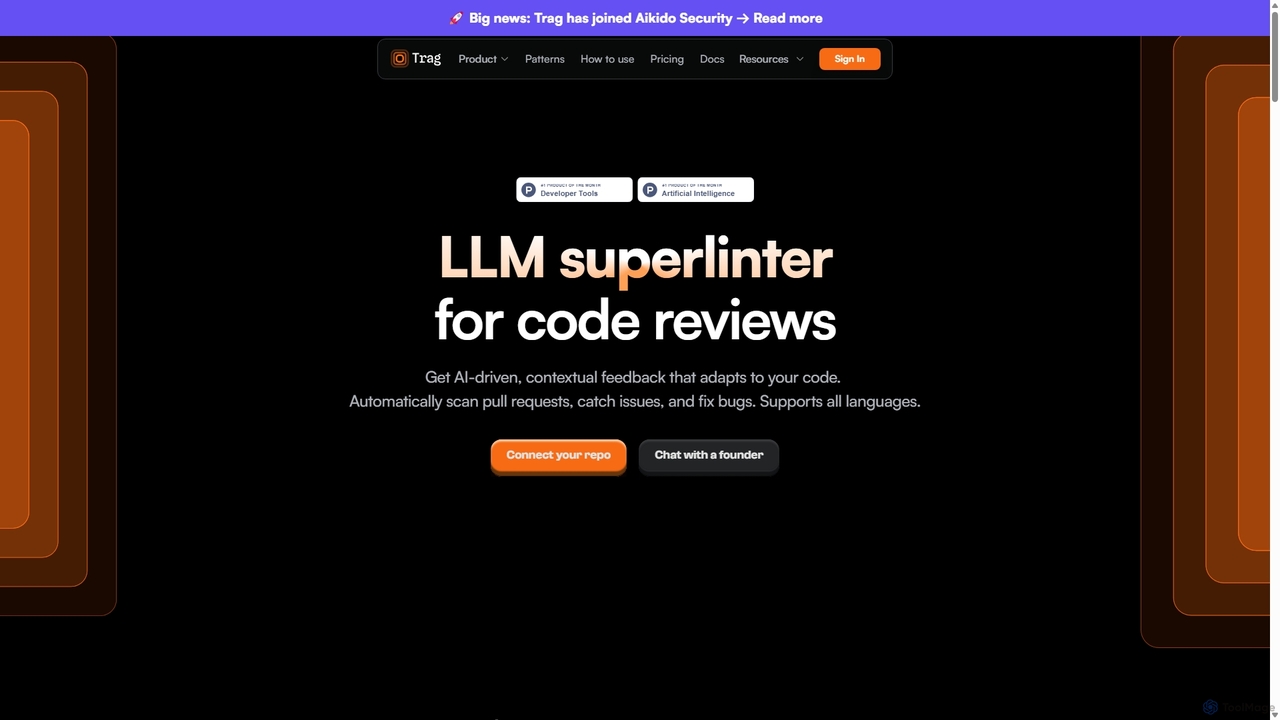
Trag is an AI-powered code review tool designed to automate and streamline the development workflow. It automatically scans pull requests, flags issues, and provides context-aware feedback. With customizable rules in plain English and seamless integration with GitHub and GitLab, Trag helps engineering teams improve code quality, enforce standards, and ship features faster.

Code Assistant
Visits 6.4KFavorites 195Likes 193
Bezi
Freemium

Bezi

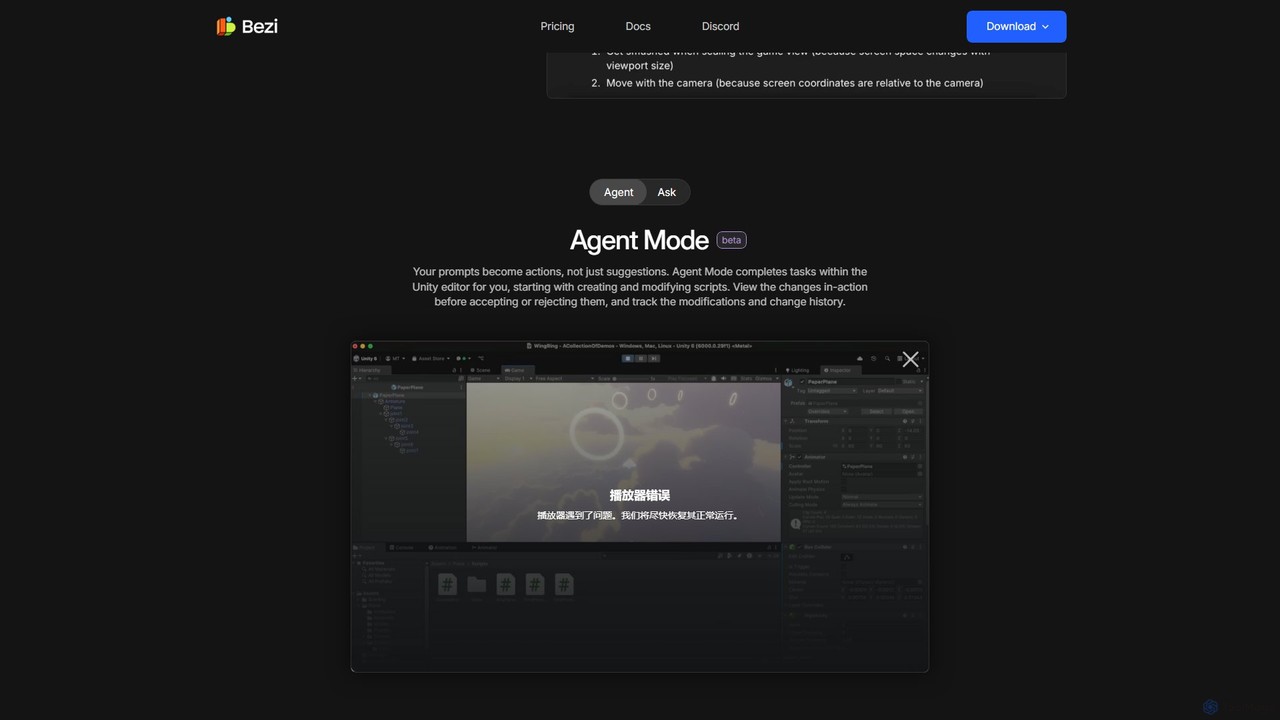
Bezi is an AI assistant for Unity developers and creatives, designed to accelerate game development. It understands your entire project context—not just code—to help with complex debugging, script generation, shader creation, and workflow automation, all within the Unity editor.

Code Assistant
Visits 135.1KFavorites 130Likes 142
AiTerm
Freemium

AiTerm

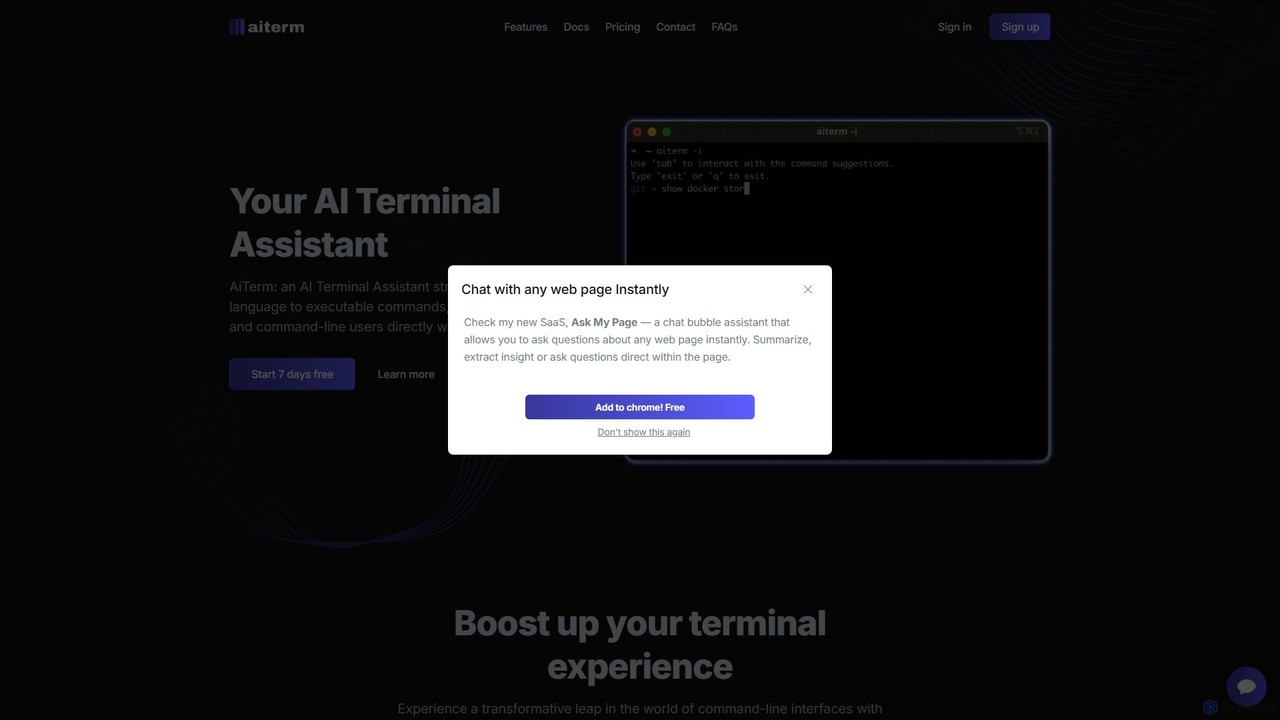
AiTerm is an AI-powered terminal assistant that translates natural language into executable shell commands. It streamlines workflows for developers and command-line users with features like IDE-style autocompletion, command suggestions, and workflow management, all directly within the terminal.

Code Assistant
Visits 6.6KFavorites 122Likes 123
Llama
Freemium

Llama

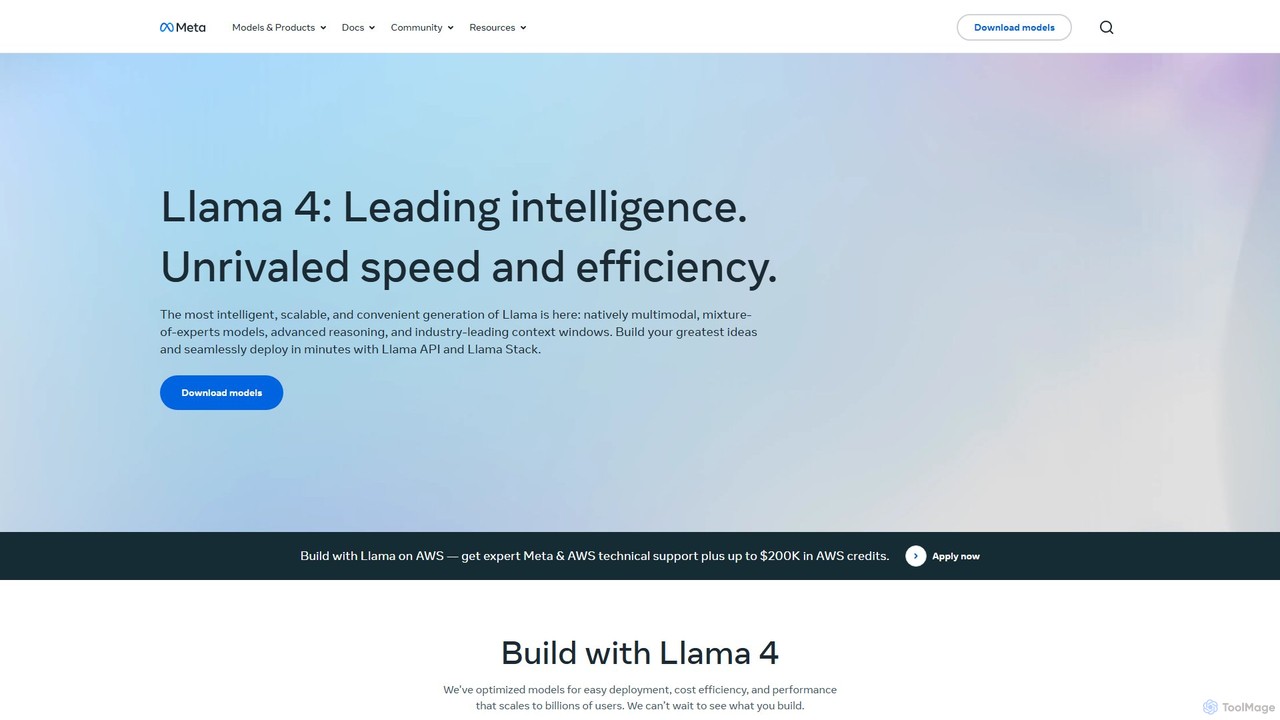
Llama is a family of open-source large language models (LLMs) from Meta. The latest generation, Llama 4, features industry-leading performance with native multimodality, a mixture-of-experts architecture for efficiency, and vast context windows. It's designed for developers and businesses to build and deploy advanced, scalable, and responsible AI applications through downloadable models and a streamlined API.

Chatbot Builder
Visits 730.4KFavorites 136Likes 151
ChhayaAI
Freemium

ChhayaAI

ChhayaAI is a unified AI hub offering a vast suite of tools for content creation, marketing, development, and analysis. It integrates leading AI models to provide services like writing, image/video generation, code creation, and social media management, aiming to empower users with comprehensive AI capabilities in one platform.

Code Assistant
Visits 7KFavorites 145Likes 161
WindChat
Freemium

WindChat

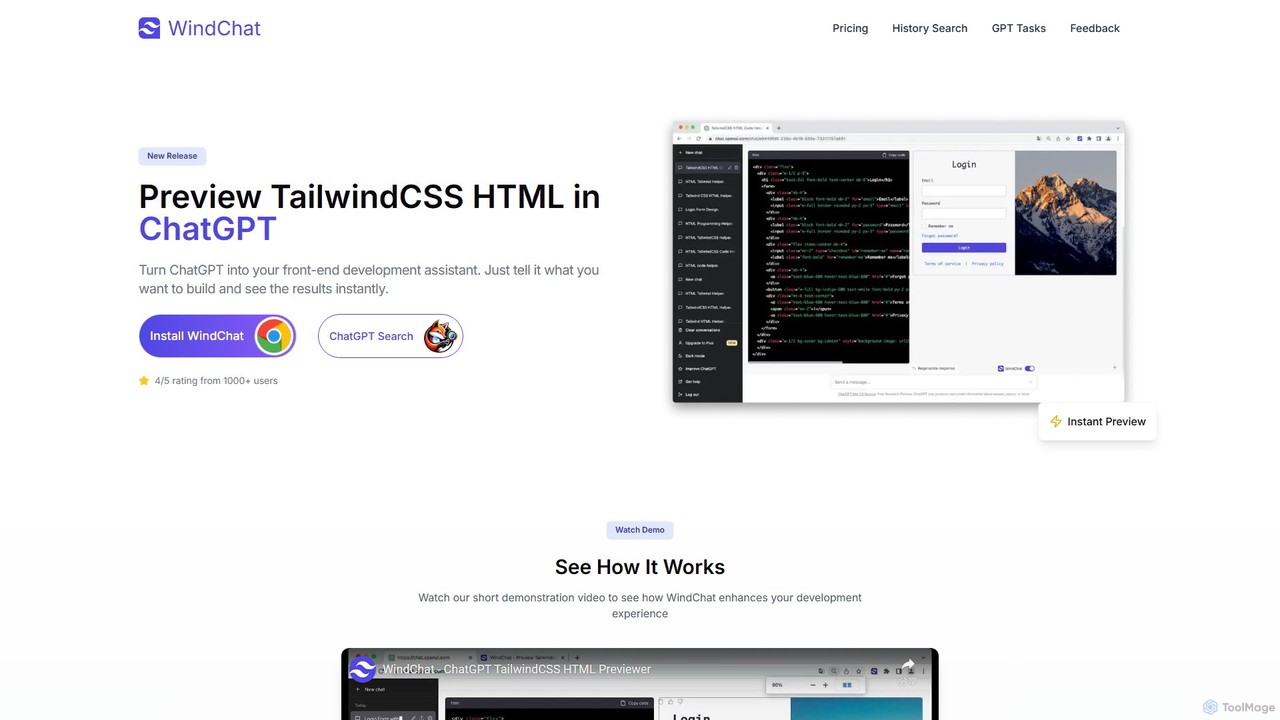
WindChat is a powerful browser extension that transforms ChatGPT into a front-end development powerhouse. It allows developers, designers, and students to instantly preview HTML, React, and Tailwind CSS code directly within the ChatGPT interface. By providing real-time rendering, it dramatically speeds up prototyping, mockups, and the learning process. Simply describe the UI you want, and WindChat brings the generated code to life, eliminating the need to switch between your editor and browser.

Code Assistant
Visits 6.4KFavorites 126Likes 123
sqltroughai
Freemium

sqltroughai

sqltroughai is an AI-powered assistant that translates natural language into SQL queries, optimizes existing code, and explains complex queries in plain English. It empowers developers, analysts, and business users to interact with databases effortlessly and efficiently.

Code Assistant
Visits 6.3KFavorites 109Likes 110
Warden
Paid

Warden

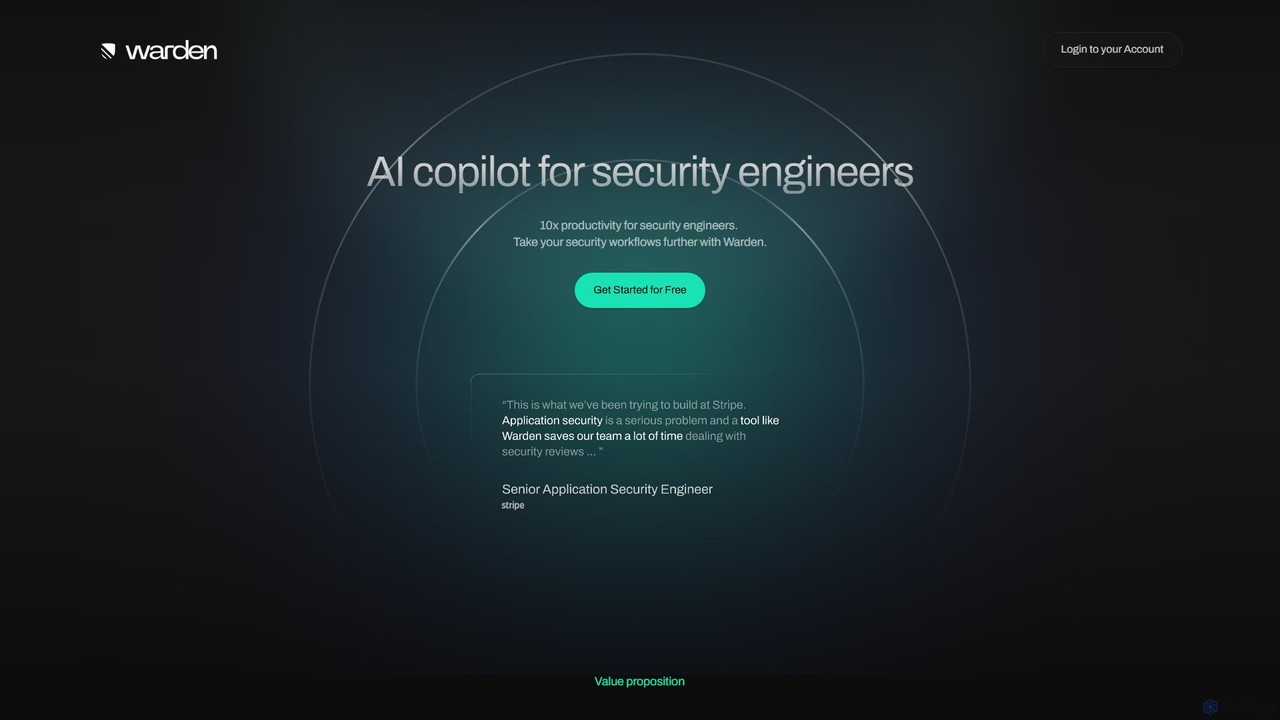
Warden is an AI copilot designed for security engineers to enhance productivity by up to 10x. It automates security workflows by generating technical architecture diagrams, identifying risks, and suggesting mitigations, helping to clear security backlogs and accelerate product launches.

Code Assistant
Visits 7.5KFavorites 134Likes 137
sqlbuilder
Freemium

sqlbuilder

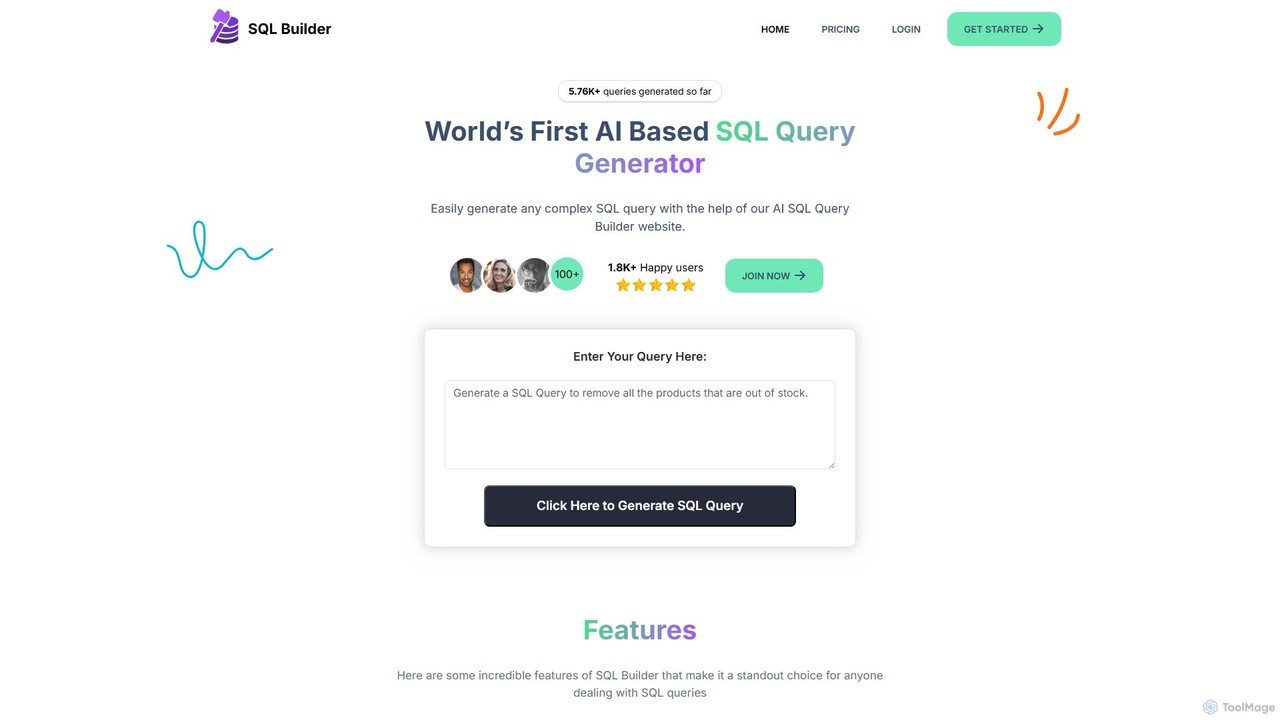
sqlbuilder is an AI-powered platform that simplifies database interactions. It enables users to generate, explain, optimize, and validate SQL and NoSQL queries using plain English. Designed for both developers and non-technical users, it accelerates data exploration, report generation, and database management, eliminating the need for deep SQL knowledge and reducing development time.

Code Assistant
Visits 6.5KFavorites 124Likes 129
piax
Freemium

piax

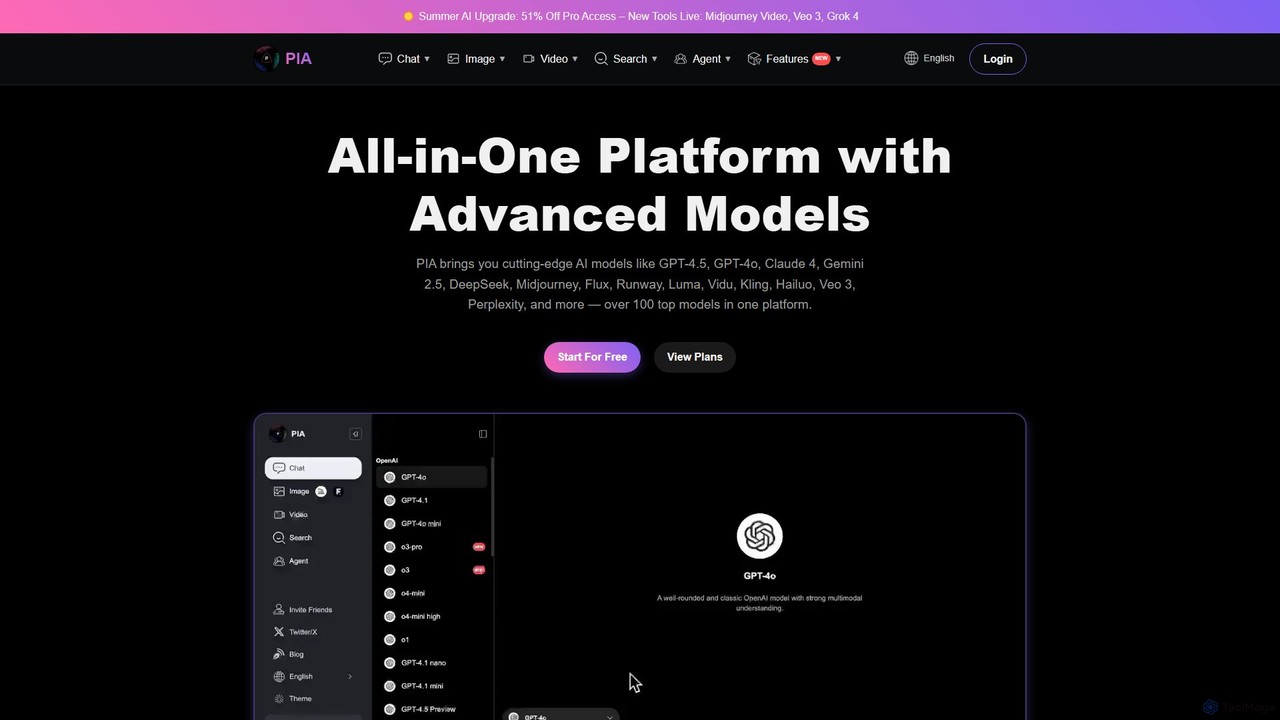
piax is an all-in-one AI platform that integrates over 100 of the world's leading AI models, including GPT-4o, Claude 4, Midjourney, and Veo 3. It offers a unified interface for AI chat, image generation, video creation, advanced search, and access to a vast library of over 100,000 specialized AI bots. This eliminates the need for multiple subscriptions, providing a cost-effective and streamlined solution for creators, developers, and businesses to leverage cutting-edge AI technology.

Code Assistant
Visits 76.3KFavorites 146Likes 168
CodeReviewBot
Freemium

CodeReviewBot

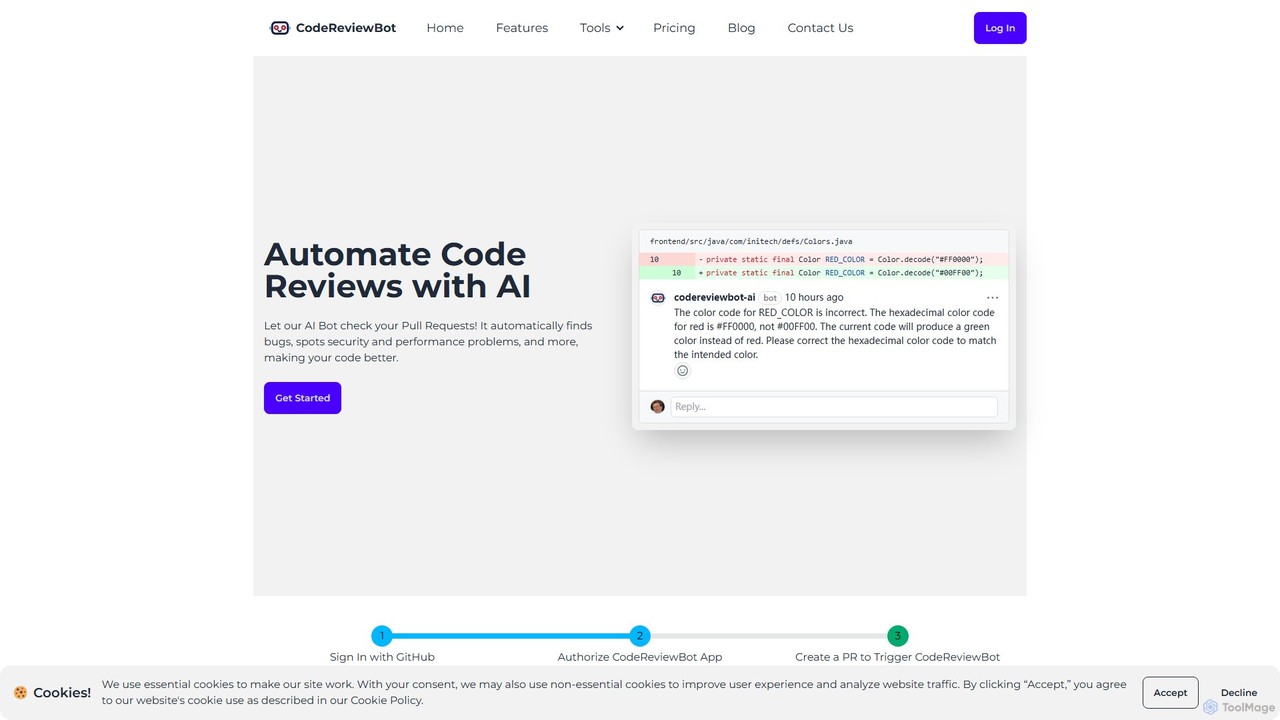
CodeReviewBot is an AI-powered tool that automatically reviews code, providing intelligent suggestions to improve efficiency, reduce errors, and enhance code quality. It seamlessly integrates with GitHub to analyze pull requests, offering detailed, consistent feedback for developers.

Code Assistant
Visits 9.1KFavorites 149Likes 133
Kel
Freemium

Kel

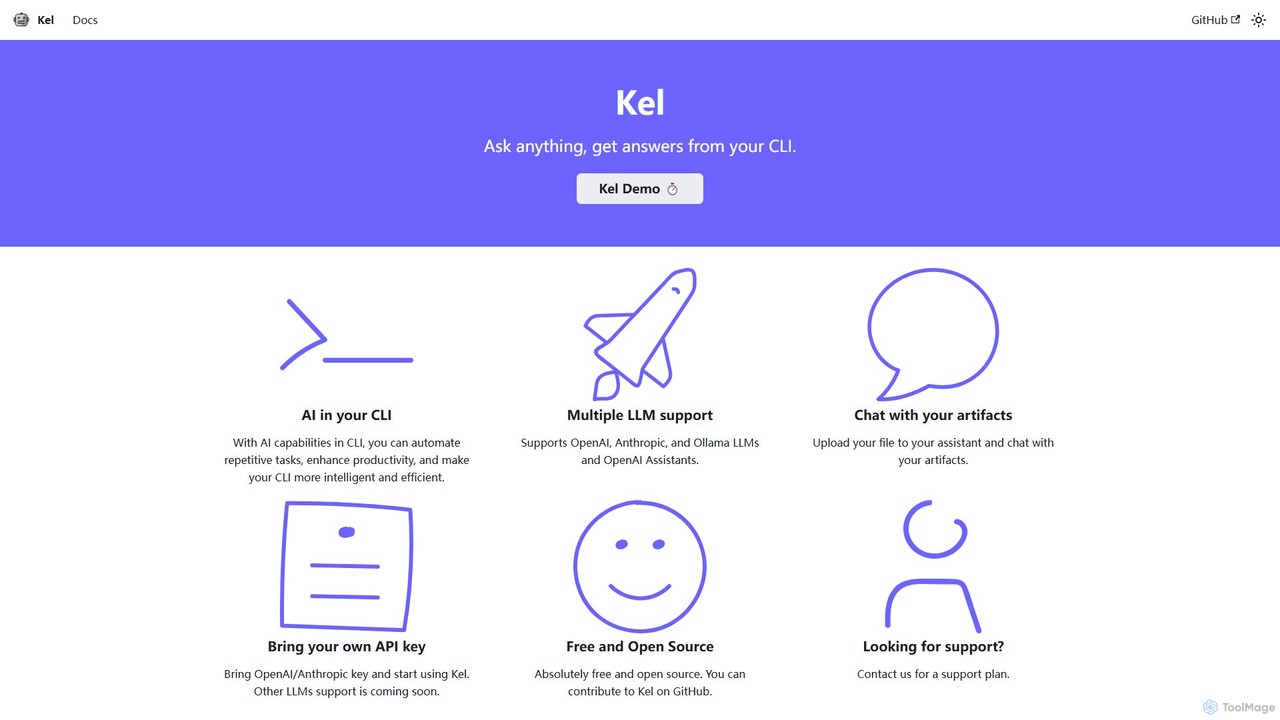
Kel is a free, open-source AI assistant for your command-line interface (CLI). It integrates with multiple LLMs like OpenAI, Anthropic, and Ollama to help developers and sysadmins automate tasks, generate commands, and even chat with documents directly from the terminal.

Code Assistant
Visits 6.3KFavorites 162Likes 128

About Code Assistant

Code Assistants are AI-powered tools that integrate directly into a developer's environment to provide intelligent, real-time coding support. They leverage large language models trained on vast code repositories to offer features like contextual autocompletion, bug detection, and code explanation. This significantly enhances developer productivity by accelerating routine tasks, reducing errors, and improving overall code quality. Unlike standalone code generators, these assistants act as interactive partners within the existing coding workflow.

Core Features

  • Intelligent Code Completion: Suggests entire lines or blocks of code based on the current context and project files.
  • Real-time Bug Detection: Identifies potential errors, vulnerabilities, and anti-patterns as you type, suggesting immediate fixes.
  • Code Refactoring & Optimization: Recommends improvements for code clarity, performance, and maintainability.
  • Natural Language to Code: Translates plain language comments or descriptions into functional code snippets.
  • In-line Documentation & Explanation: Generates comments or explains complex code blocks on demand, clarifying logic and purpose.

Use Cases

Code Assistants are utilized by software developers, data scientists, and students across all programming languages. They are essential for rapid prototyping, learning new frameworks, maintaining legacy codebases, and accelerating daily development cycles. For instance, a developer can scaffold a new API endpoint in minutes or a data scientist can quickly generate Python code for data visualization.

How to Choose

When selecting a Code Assistant, first consider its integration support for your preferred IDE (e.g., VS Code, JetBrains) and its proficiency in your primary programming languages. Evaluate the performance and accuracy of its suggestions, as models can vary. For enterprise use, scrutinize security and privacy policies, especially regarding how your code is handled. Finally, compare advanced features like test generation and refactoring capabilities to match your specific workflow needs.

Featured tool rankings

Code Assistant use cases

1

Accelerating API Endpoint Development

A backend developer is tasked with creating a new REST API endpoint for a user profile service. Instead of writing boilerplate code from scratch, they type a comment like 'function to fetch user by id from database'. The Code Assistant instantly generates a complete function stub, including asynchronous handling, database query structure, and error handling blocks. This allows the developer to focus on the specific business logic, reducing development time for the new feature by over 50%.

2

Debugging and Understanding Legacy Code

A maintenance engineer is assigned a bug in a large, unfamiliar legacy codebase written in C++. They highlight a complex function they don't understand and ask the Code Assistant to 'explain this code'. The tool provides a natural language summary of the function's purpose, its inputs, and its outputs. It also flags a potentially unsafe memory operation within the function, which turns out to be the source of the bug. This process transforms hours of manual code tracing into a few minutes of guided analysis.

3

Automating Unit Test Generation

A software developer has just finished implementing a complex business logic function in Python. To ensure its correctness and adhere to Test-Driven Development (TDD) principles, they need to write comprehensive unit tests. Instead of manually writing each test case, they right-click the function and select 'Generate Unit Tests'. The Code Assistant analyzes the function's logic, identifies edge cases (e.g., null inputs, empty lists, zero values), and generates a complete test file using a popular framework like PyTest, including assertions for expected outcomes.

4

Learning a New Programming Language

A developer experienced in Python is learning Rust for a new project. While working, they encounter a concept like 'ownership' that is unique to Rust. They write a comment: 'create a function that takes ownership of a string and returns its length'. The Code Assistant provides the correct Rust syntax, including type annotations and the proper way to handle borrowing. This interactive, in-context learning is far more effective than switching between the editor and documentation, accelerating their proficiency in the new language.

5

Refactoring Code for Better Readability

A developer identifies a long and convoluted method in a Java application that is difficult to maintain. They highlight the entire method and use the Code Assistant's refactoring feature. The tool suggests breaking it down into several smaller, single-purpose private methods with descriptive names. It also identifies a loop that could be replaced with a more efficient and readable Stream API call. With a few clicks, the developer applies these suggestions, instantly improving the code's maintainability and clarity for the rest of the team.

6

Generating Code from Natural Language

A data analyst, proficient in SQL but less so in Python, needs to perform a complex data transformation using the Pandas library. Instead of searching for syntax, they write a comment in their script: 'group the dataframe by 'category', calculate the mean of 'sales' and sum of 'quantity', and sort descending by sales'. The Code Assistant translates this instruction directly into the corresponding Pandas code, complete with the correct function chaining (`.groupby()`, `.agg()`, `.sort_values()`). This empowers users to leverage powerful libraries without needing to memorize their specific API.

Code Assistant FAQ

What is an AI Code Assistant?

An AI Code Assistant is a tool that integrates into a programmer's Integrated Development Environment (IDE) to provide real-time, intelligent help with coding. It functions like an expert pair programmer, analyzing the context of your code to suggest completions, identify bugs, generate documentation, and even write entire functions based on plain language descriptions. Unlike a simple autocomplete, it understands the broader project structure and programming logic to offer highly relevant and useful suggestions.

How to choose the right AI Code Assistant?

Choosing the right assistant depends on your specific needs. Consider these factors:

  • IDE and Language Support: Ensure it has a robust plugin for your editor (e.g., VS Code, JetBrains, Neovim) and excels in the languages you use daily.
  • Performance and Accuracy: Look for an assistant that provides fast, relevant suggestions without slowing down your IDE. The quality of suggestions is paramount.
  • Security and Privacy: If you work with proprietary code, check their data policy. Does it train on your code? Are there options for local or on-premise models?
  • Feature Set: Do you just need code completion, or do you also want features like unit test generation, code refactoring, and in-line chat? Compare the advanced capabilities.
Do AI Code Assistants replace developers?

No, AI Code Assistants are tools designed to augment, not replace, human developers. They excel at automating repetitive tasks, catching common errors, and providing quick solutions to standard problems. This frees up developers to focus on higher-level tasks like system architecture, complex problem-solving, and creative solutions. The final code's quality, security, and correctness still rely on the developer's expertise and critical review. They are powerful partners that enhance productivity and code quality.

What's the difference between a Code Assistant and a static code analyzer?

A static code analyzer (like SonarQube or ESLint) scans your entire codebase against a predefined set of rules to find bugs, vulnerabilities, and code smells. It's a verification step. An AI Code Assistant, on the other hand, is an interactive tool that works with you in real-time as you write code. It uses AI to understand context and intent, offering creative suggestions, generating new code, and explaining logic. In short, a static analyzer checks existing code for problems, while a code assistant helps you write better code from the start.

Can AI Code Assistants work with any programming language?

Most modern AI Code Assistants support a wide range of popular programming languages like Python, JavaScript, TypeScript, Java, C++, and Go. However, their proficiency can vary. They tend to perform best with languages that have vast amounts of public code available for training their models. For more niche or newer languages, the quality of suggestions might be lower. It's always best to check the specific language support list and user reviews for the assistant you are considering to ensure it meets your needs for your primary tech stack.