

Llama Overview
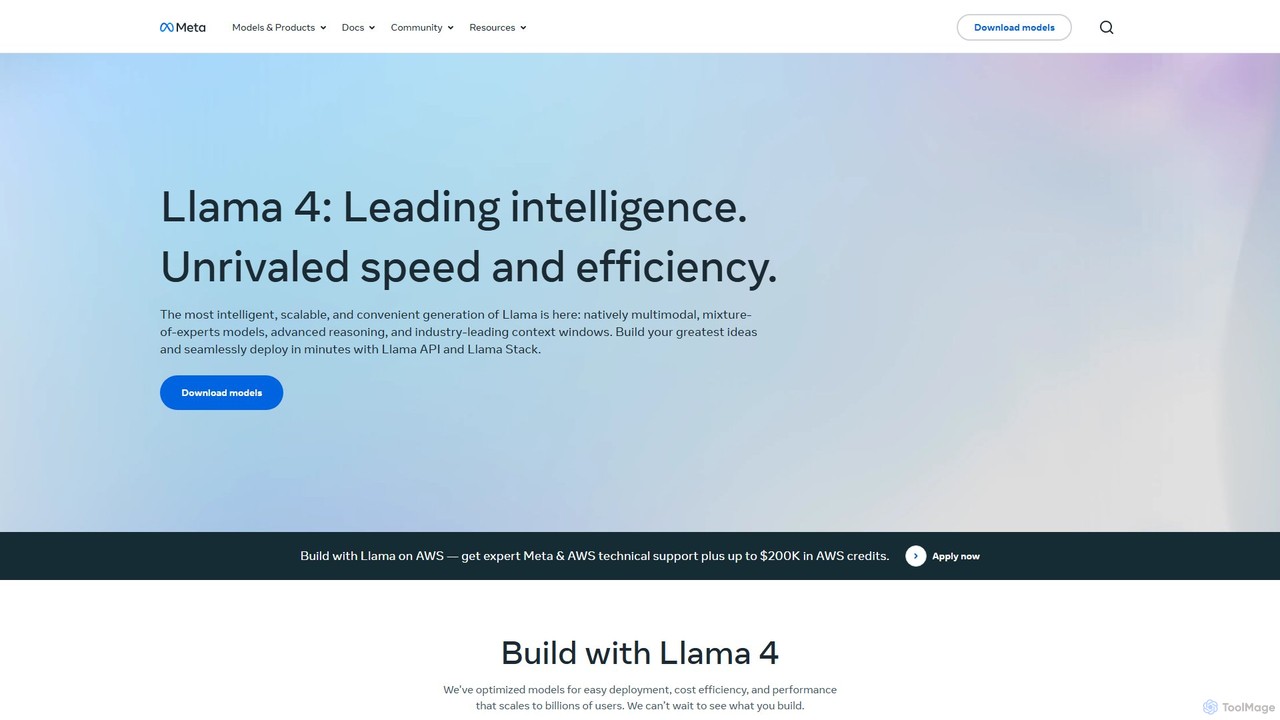
Llama, developed by Meta, represents a series of state-of-the-art, open-source large language models (LLMs) designed to democratize access to advanced AI capabilities. The latest generation, Llama 4, marks a significant leap forward, offering a collection of pretrained and instruction-tuned models that excel in intelligence, speed, and efficiency. It is built on a mixture-of-experts (MoE) architecture, which enhances performance and scalability while maintaining cost-effectiveness. Llama 4 is natively multimodal, capable of understanding and processing both text and images seamlessly. This allows for sophisticated applications in document analysis, visual reasoning, and more. The family includes specialized models like Llama 4 Scout (class-leading multimodal intelligence on a single GPU), Llama 4 Maverick (optimized for speed and low cost), and a preview of Llama 4 Behemoth (the powerful teacher model). To ensure responsible development, Meta also provides Llama Protections, a suite of safety tools including Llama Guard for content moderation, Prompt Guard against malicious inputs, and Code Shield for filtering insecure code.
How to use Llama
Developers can interact with Llama in several ways, catering to different needs from research to large-scale commercial deployment. The primary methods include:
- Downloading Models: The open-source models can be downloaded directly from Meta, Hugging Face, or Kaggle. They can be run on various platforms, including Linux, Windows, and Mac, or deployed on cloud services like AWS. This allows for full control, customization, and fine-tuning.
- Using the Llama API: For a more streamlined experience, the Llama API allows developers to go from ideation to app deployment in minutes. It provides a seamless and efficient way to integrate Llama's power into applications without managing the underlying infrastructure.
- Fine-Tuning: Developers can fine-tune the base models on their own datasets to create specialized versions tailored to specific tasks or domains. Meta provides extensive documentation and 'cookbooks' to guide this process.
- Prompt Engineering: Effective prompting is key to leveraging the models' full potential. Llama 4 uses a specific format with roles (system, user, assistant, tool) and special tokens to structure conversations, handle multimodal inputs, and enable tool use (function calling).
- Integration: Llama models can be easily integrated with popular development frameworks like LangChain and LlamaIndex to build complex, agentic systems.
Core Features of Llama
- Native Multimodality: All Llama 4 models are designed with native multimodality, allowing them to process and reason over both text and images from the ground up.
- Mixture-of-Experts (MoE) Architecture: This advanced architecture activates only a subset of the model's parameters for any given input, drastically reducing latency and computational cost while scaling to billions of users. For instance, Llama 4 Scout and Maverick have only 17B active parameters at inference time.
- Unparalleled Long Context: Llama 4 models support massive context windows, with Llama 4 Scout capable of handling up to 10 million tokens, enabling in-depth analysis of entire books or extensive codebases.
- Advanced Reasoning and Coding: The models demonstrate superior performance on a wide range of benchmarks for coding, mathematical reasoning, and general knowledge.
- Multilingual Support: Llama 4 is proficient in over 12 languages, including English, Spanish, French, German, Arabic, Hindi, and Vietnamese, making it suitable for global applications.
- Llama Protections Suite: A comprehensive set of open-source safety tools (Llama Guard, Prompt Guard, Llama Firewall, Code Shield) to help developers build and deploy AI applications responsibly.
Use Cases for Llama
Llama's versatility makes it suitable for a wide array of applications across various industries:
- Enterprise AI Solutions: Large organizations, like ANZ Bank, use Llama to drive engineering efficiency and build internal tools.
- AI-Powered Application Development: Startups and developers use the Llama API and Llama Stack to rapidly build and scale innovative applications, from chatbots to complex agentic systems.
- Multimodal Content Analysis: Analyzing documents that contain both text and charts (DocVQA), understanding visual information, and generating text descriptions for images.
- Advanced Chatbots and Virtual Assistants: Creating highly conversational, context-aware, and helpful assistants that can handle multi-turn dialogues and perform tasks via function calling.
- Code Generation and Assistance: Assisting developers by generating code, debugging, and explaining complex programming concepts in multiple languages.
Advantages of Llama
- State-of-the-Art Performance: Llama models consistently rank at or near the top of industry benchmarks, often outperforming closed-source competitors.
- Cost-Effectiveness: The MoE architecture and optimized models like Llama 4 Maverick offer industry-leading performance at a significantly lower inference cost.
- Open and Flexible: As an open-source project, Llama provides unparalleled transparency and flexibility, allowing developers to customize, inspect, and self-host the models to fit their specific needs.
- Strong Ecosystem and Support: Backed by Meta, Llama has a robust ecosystem of partners (including AWS, Google Cloud, Microsoft, Nvidia) and comprehensive resources like documentation, tutorials, and an active community.
Pricing and Plans
The Llama models themselves are open-source and available for free for both research and commercial use, subject to the Llama license agreement. This allows anyone to download and run the models on their own hardware. For managed services, pricing is based on usage. For example, using the Llama API or deploying through cloud partners involves costs per token. The benchmark pricing for Llama 4 Maverick is estimated at $0.19 - $0.49 per 1 million tokens (blended input/output), making it a highly cost-competitive option for scalable applications.
Traffic
Latest traffic
Status
Monthly traffic trend
- 2025-9: 668.8K
- 2026-1: 651.8K
- 2026-2: 667.3K
- 2026-3: 704.0K
- 2026-4: 752.6K
- 2026-5: 723.5K
Geography
Top 5 countries / regions
- 🇺🇸United States44.8%
- 🇮🇳India29.5%
- 🇧🇷Brazil9.9%
- 🇩🇪Germany8.1%
- 🇮🇩Indonesia7.7%
Traffic sources
| Source type | Percentage |
|---|---|
Direct | 67.3% |
Referral | 30.6% |
Email | 2.1% |
Top keywords
| Keyword | Cost per click |
|---|---|
| llama | $2.33 |
| llama 3 | $1.57 |
| llama 4 | $2.04 |
| llama ai | $1.28 |
| meta llama | $2.80 |
Llama Videos on YouTube





Digital Spaceport

IBM Technology

That DevOps Guy
Llama Alternatives
Qwen
Qwen is a powerful family of open-source large language and multi-modal models from Alibaba Cloud. It excels at a wide range of tasks including conversational AI, state-of-the-art code generation, advanced image creation with precise text rendering, and high-quality multilingual translation, empowering developers and creators worldwide.
Code Assistant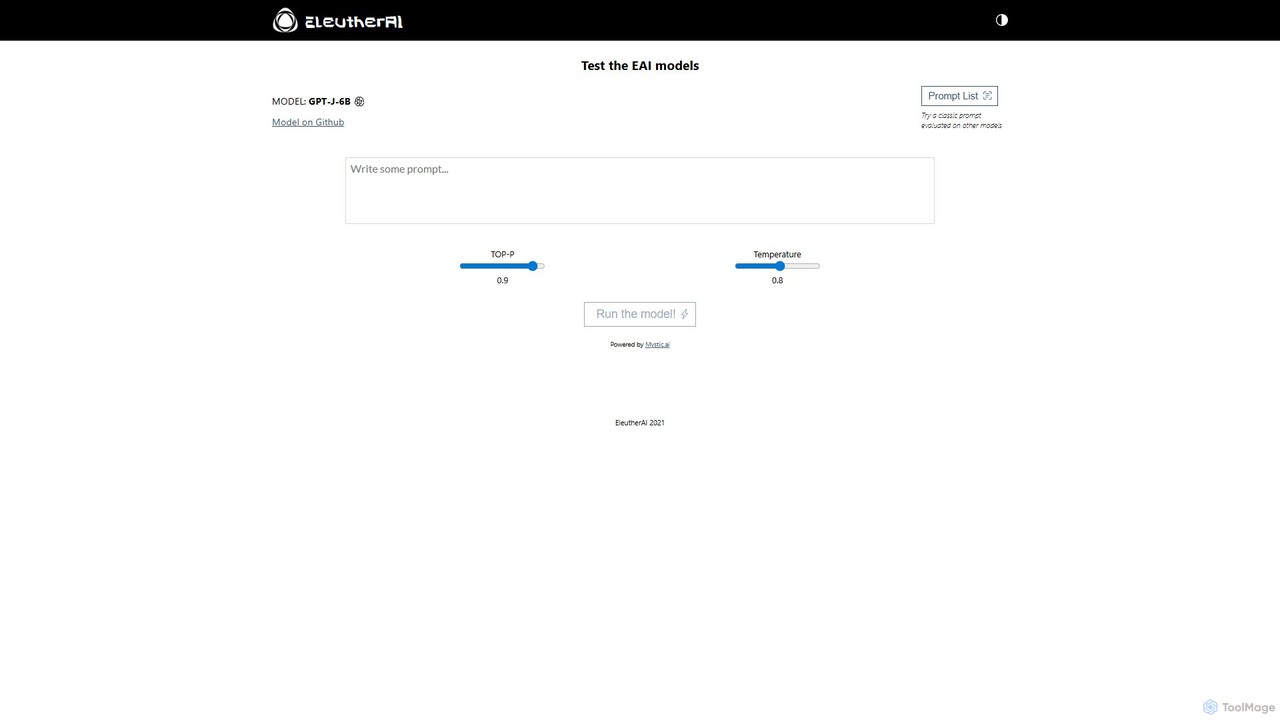
6b
6b is a free web-based interface by EleutherAI for testing the GPT-J-6B large language model. Users can input prompts, adjust parameters like temperature and top-p, and instantly generate text. It's an accessible tool for developers, researchers, and writers to experiment with a powerful 6-billion parameter open-source AI without any setup, exploring its capabilities in creative writing, coding, and content generation.
Ai Models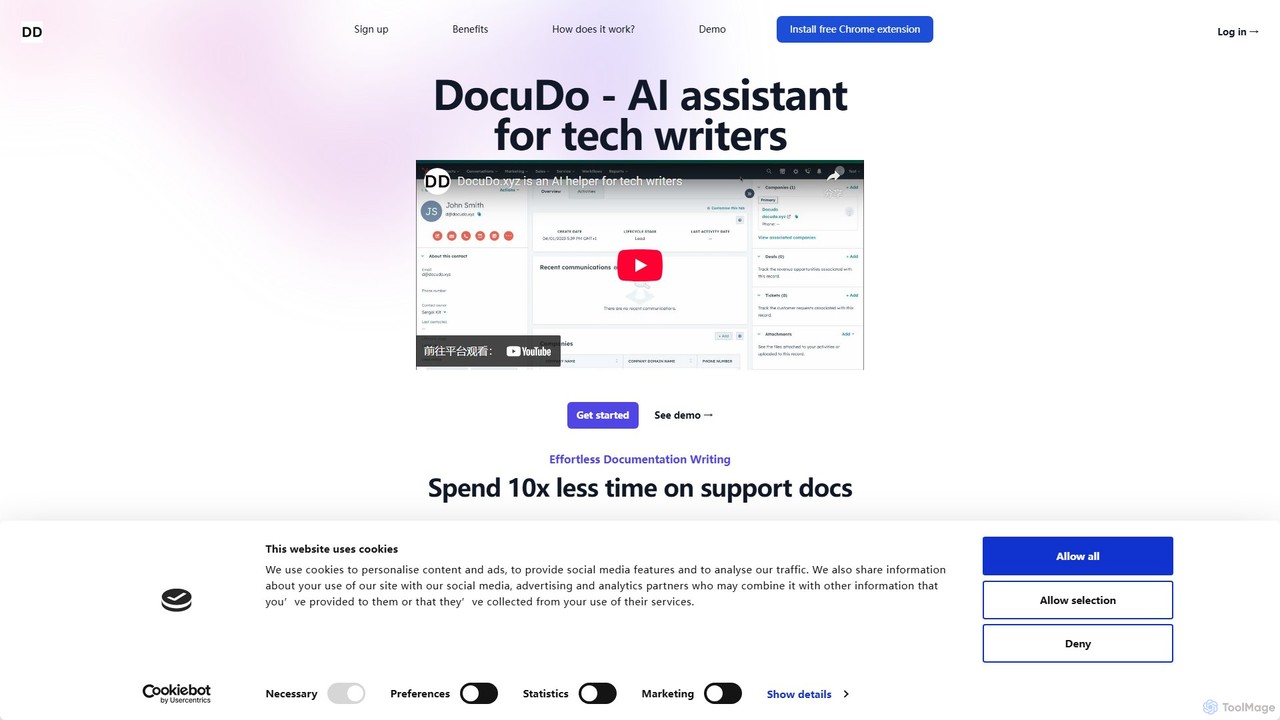
DocuDo
DocuDo is a generative AI platform specifically designed for technical writers. It automates and accelerates the creation of technical documentation, such as API guides, user manuals, and knowledge base articles, by transforming code, specifications, and prompts into clear, structured content.
Code Assistant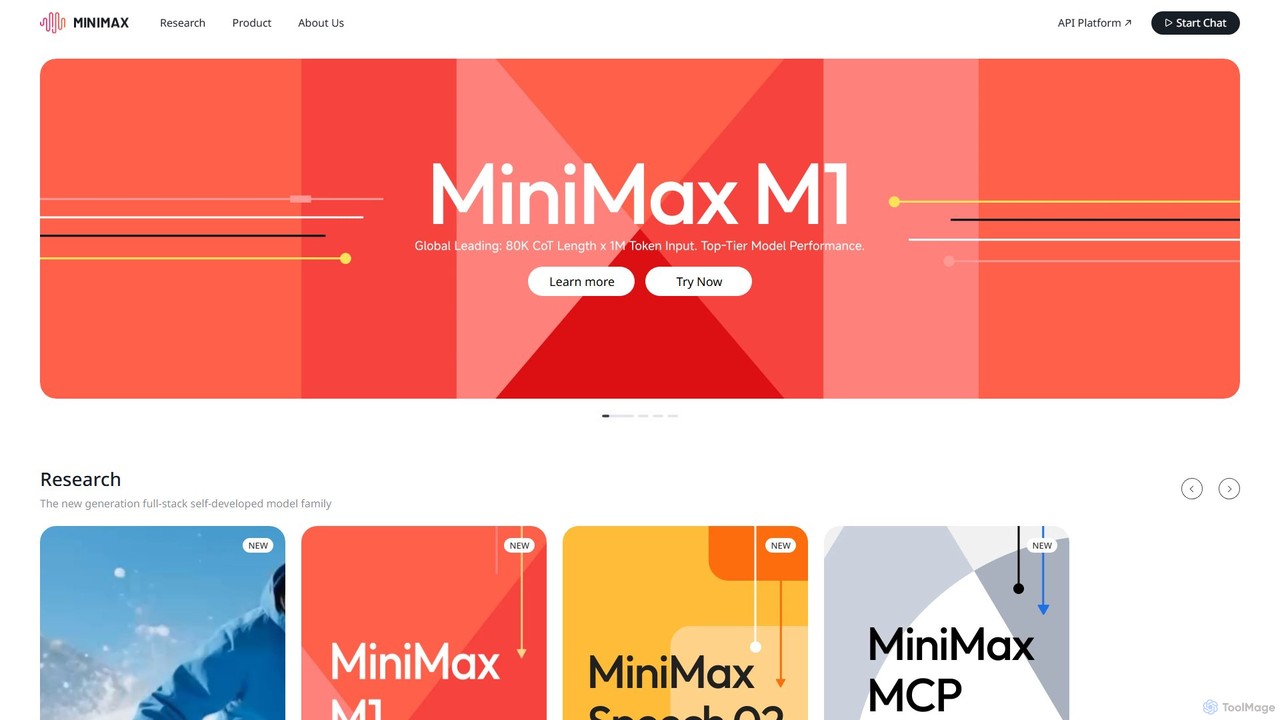
MiniMax
MiniMax is an AI research company providing a full-stack platform of AGI-powered foundation models. It offers state-of-the-art APIs for text (MiniMax-M1 with 1M context), video (Hailuo 02), and speech (Speech 02), alongside a suite of free AI-native applications like MiniMax Chat, Agent, and creative tools. It focuses on high performance, computational efficiency, and cost-effectiveness for both developers and end-users.
Speech Synthesis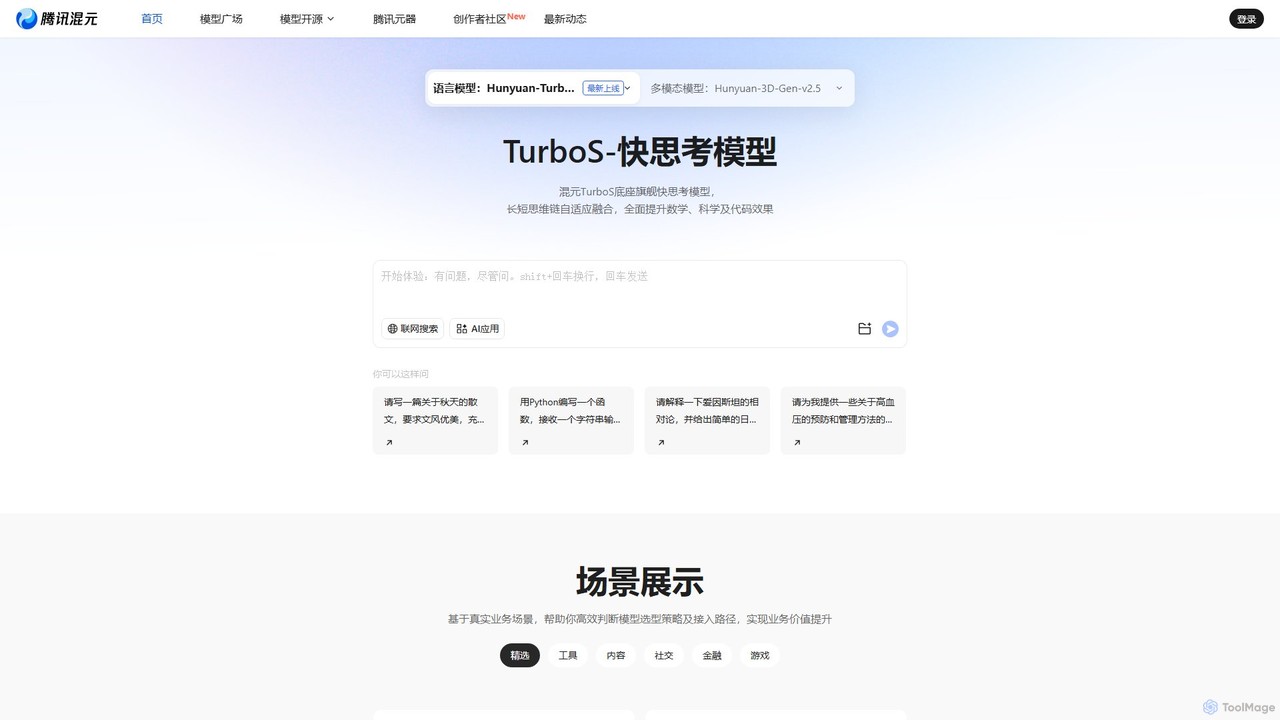
Tencent Hunyuan
Tencent Hunyuan is a powerful, self-developed large language and multimodal AI model from Tencent. It excels in text and code generation, image understanding, and 3D content creation, offering robust API access for developers and deep integration with Tencent's content ecosystem.
Personal AssistantLlama Categories
Llama Embed Widget
Copy this embed code to place the badge on your blog, article, or product site and send readers directly to this ToolMage detail page.

Related AI tools
Llama AI Online
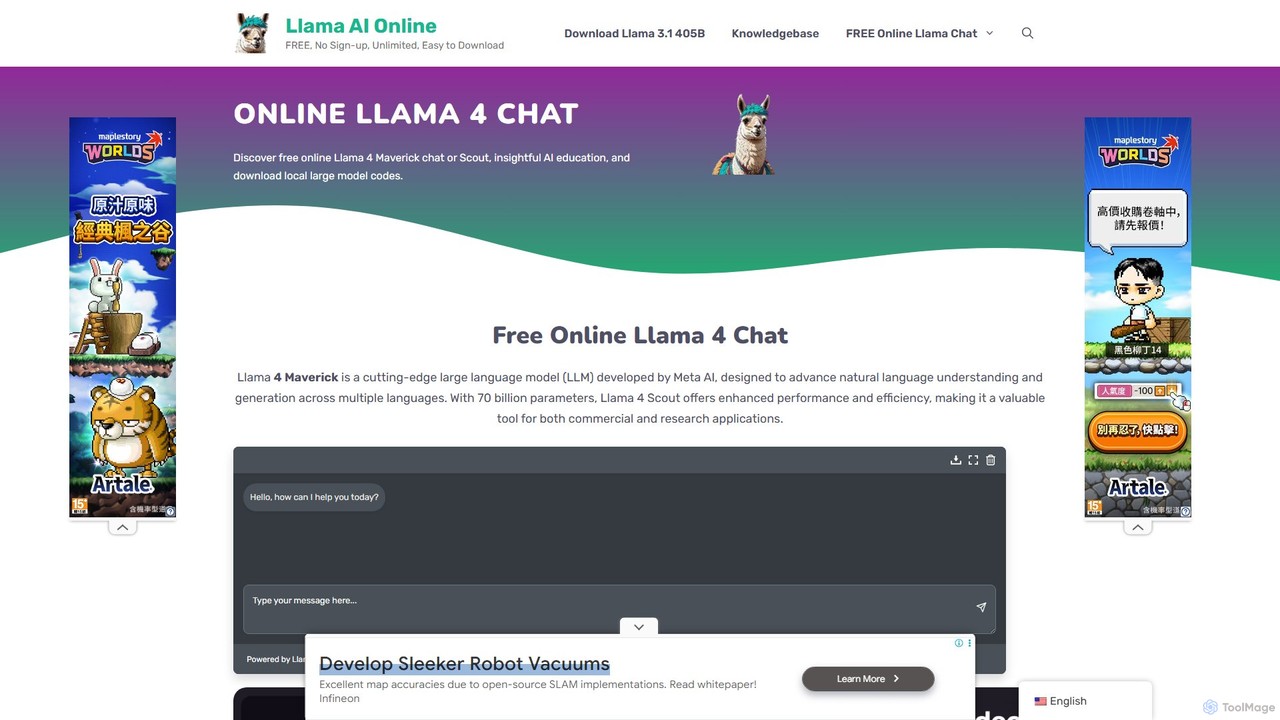
Llama AI Online offers free, web-based access to Meta AI's powerful Llama series of large language models. Users can engage in conversational chat, generate text, write code, and explore advanced AI capabilities without needing powerful hardware. The platform also serves as a knowledge base, providing guides, comparisons, and educational content for both beginners and developers interested in leveraging Llama models for various applications.
Code AssistantQwen
Qwen is a powerful family of open-source large language and multi-modal models from Alibaba Cloud. It excels at a wide range of tasks including conversational AI, state-of-the-art code generation, advanced image creation with precise text rendering, and high-quality multilingual translation, empowering developers and creators worldwide.
Code Assistant6b
6b is a free web-based interface by EleutherAI for testing the GPT-J-6B large language model. Users can input prompts, adjust parameters like temperature and top-p, and instantly generate text. It's an accessible tool for developers, researchers, and writers to experiment with a powerful 6-billion parameter open-source AI without any setup, exploring its capabilities in creative writing, coding, and content generation.
Ai Models
OpenAI
OpenAI is a leading AI research and deployment company dedicated to ensuring that artificial general intelligence (AGI) benefits all of humanity. It develops state-of-the-art models like GPT-5, ChatGPT for conversational AI, Sora for text-to-video, and DALL-E for image generation. Through its robust API platform, OpenAI empowers developers and businesses to integrate powerful AI capabilities into their applications, driving innovation across various industries.
Image Generation
DeepSeek R1
DeepSeek R1 is a revolutionary open-source AI model specializing in advanced reasoning, mathematics, and coding. Built on a Mixture-of-Experts (MoE) architecture and trained with pure reinforcement learning, it delivers state-of-the-art performance comparable to leading proprietary models. It offers exceptional cost-efficiency, an OpenAI-compatible API, and various distilled models for flexible deployment, making it ideal for developers, researchers, and enterprises.
Code Generation
Zyphra
Zyphra is an open-source AI research company developing high-performance, efficient foundational models. They provide state-of-the-art small language models (SLMs), text-to-speech (TTS) systems, and specialized reasoning models for developers and researchers, focusing on democratizing advanced AI for on-device and enterprise applications.
Model Development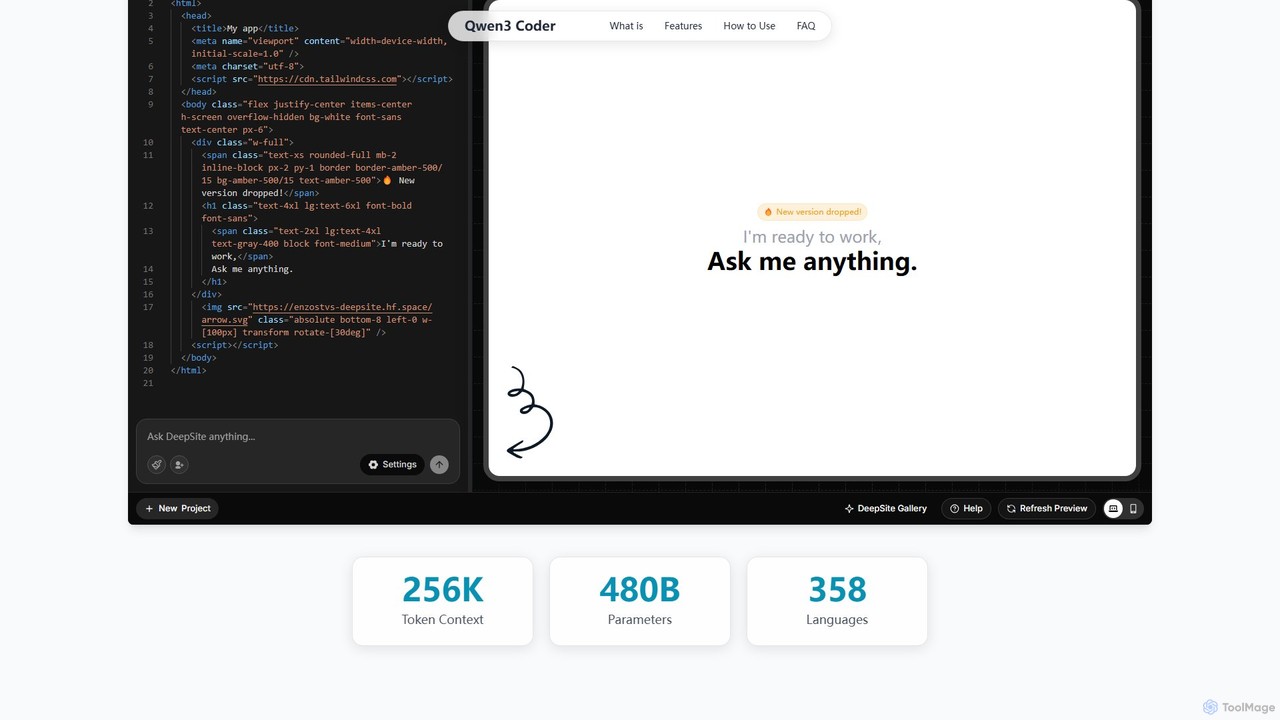
Qwen3 Coder
Qwen3 Coder is a state-of-the-art, open-source large language model by Alibaba Cloud, engineered for advanced code generation, comprehension, and agentic tasks. Featuring a 480B Mixture-of-Experts architecture and trained on 7.5 trillion tokens, it achieves GPT-4 level performance across 358 programming languages. It supports a massive 256K context window and is designed for complex, multi-step software development workflows.
Large Language ModelMiniMax
MiniMax is an AI research company providing a full-stack platform of AGI-powered foundation models. It offers state-of-the-art APIs for text (MiniMax-M1 with 1M context), video (Hailuo 02), and speech (Speech 02), alongside a suite of free AI-native applications like MiniMax Chat, Agent, and creative tools. It focuses on high performance, computational efficiency, and cost-effectiveness for both developers and end-users.
Speech SynthesisTencent Hunyuan
Tencent Hunyuan is a powerful, self-developed large language and multimodal AI model from Tencent. It excels in text and code generation, image understanding, and 3D content creation, offering robust API access for developers and deep integration with Tencent's content ecosystem.
Personal Assistant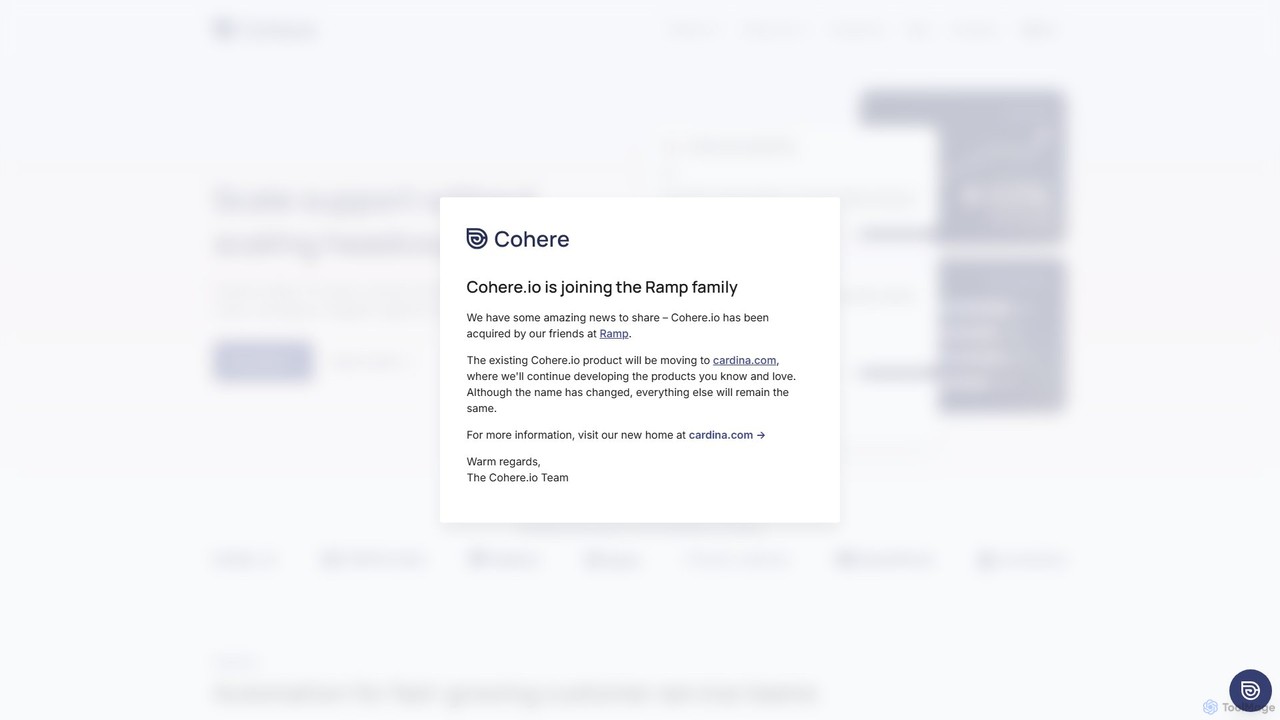
Cohere
Cohere is a secure, enterprise-grade AI platform providing developers and businesses with access to advanced large language models. It specializes in text generation, summarization, semantic search, and retrieval-augmented generation (RAG), with a strong focus on data privacy, customizability through fine-tuning, and flexible deployment options including on-premises and private cloud.
Enterprise Solutions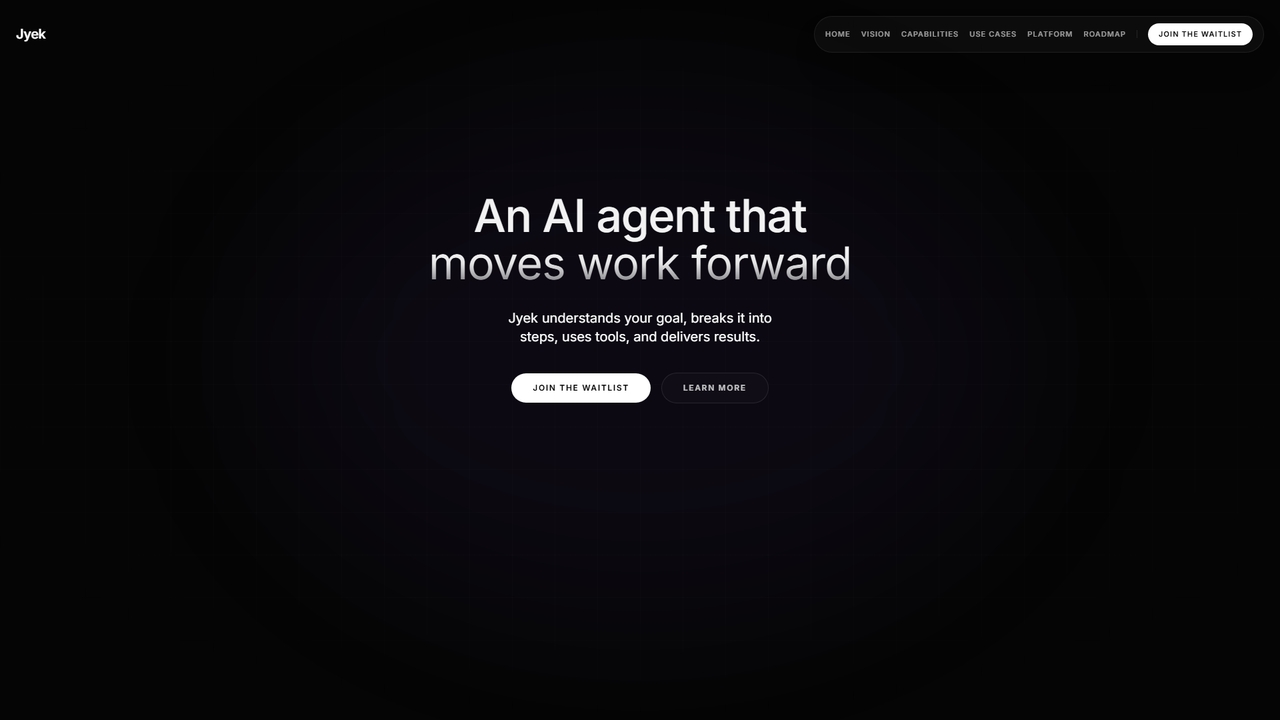
Jyek
Jyek is an AI agent platform that understands objectives, creates execution plans, uses tools, and delivers verifiable results for complex, multi-step tasks.
Automation
TextSynth
TextSynth offers developers powerful, cost-effective access to a suite of AI models, including large language models (LLMs), text-to-image, text-to-speech, and speech-to-text, through a flexible REST API and an interactive playground. It features models like Llama, Mistral, Stable Diffusion, and Whisper, optimized for speed and affordability.
Speech Synthesis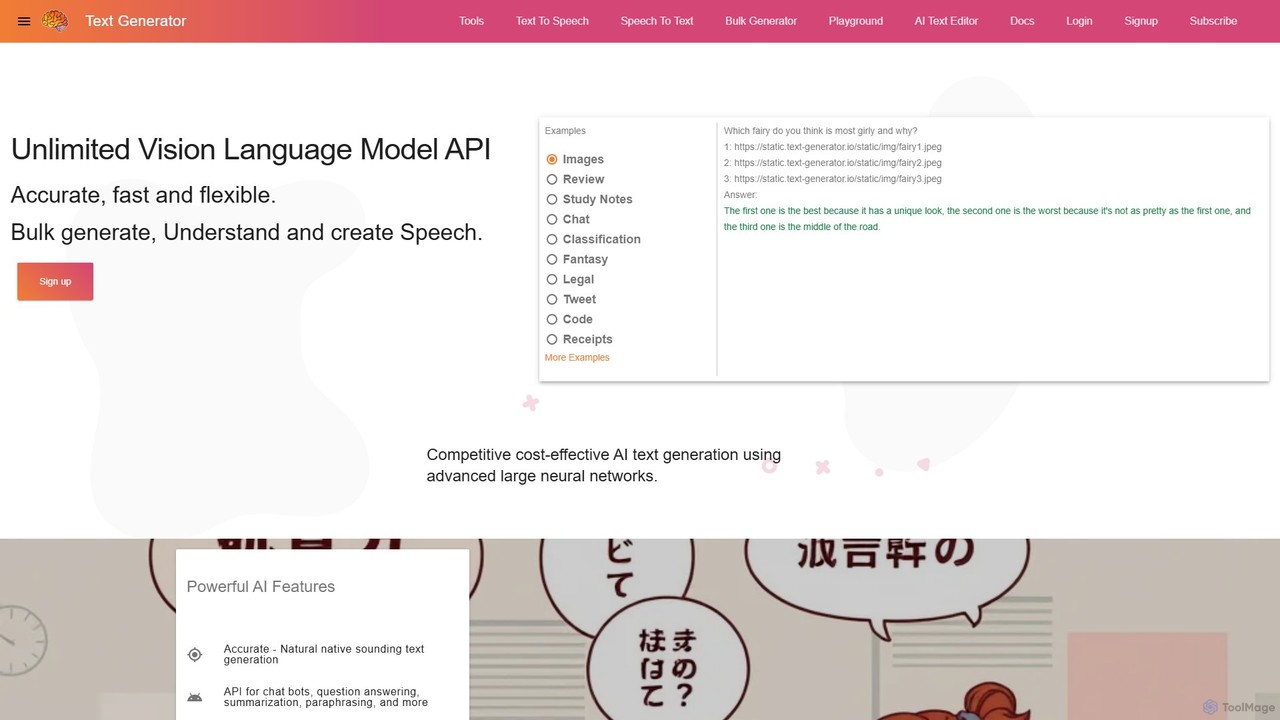
Text Generator
Text Generator is a versatile and highly affordable AI platform offering unlimited text, code, and speech generation. It provides a powerful API, including an OpenAI-compatible endpoint for easy migration, making it a cost-effective solution for developers, marketers, and content creators.
Speech Synthesis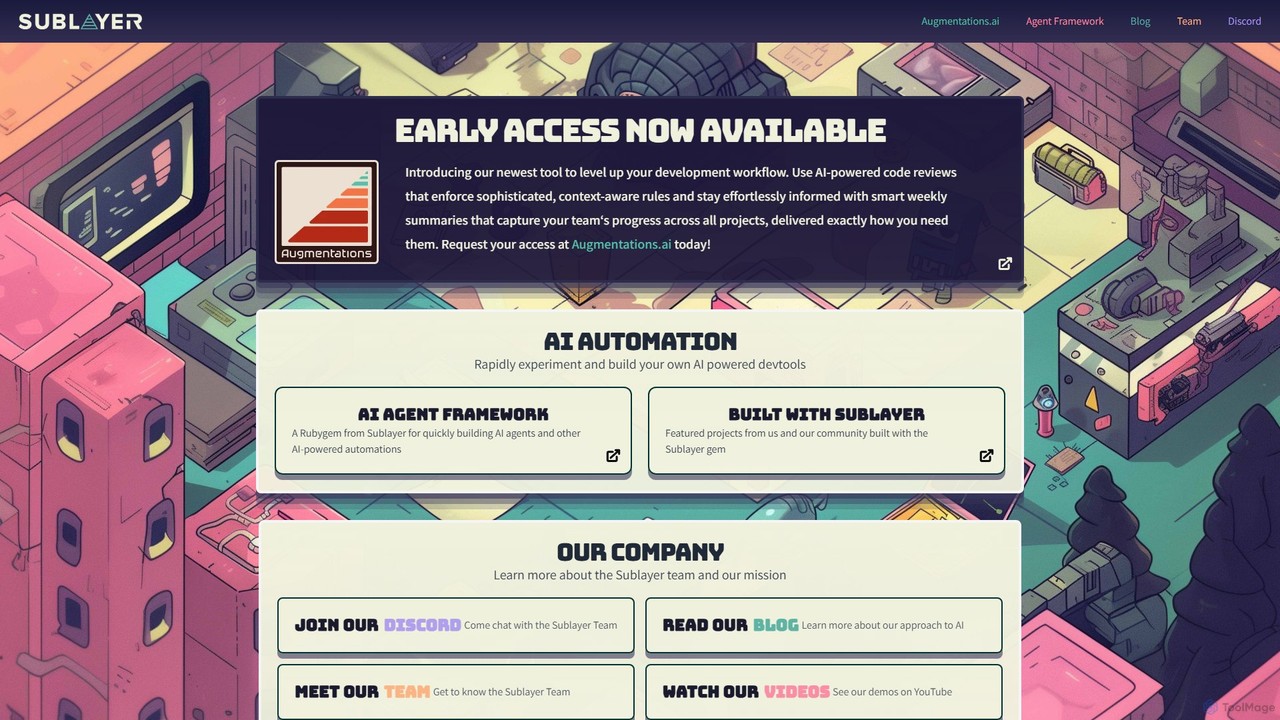
Sublayer
Sublayer is a model-agnostic AI agent framework for Ruby developers. It provides a powerful Rubygem to rapidly build, experiment with, and deploy AI agents and custom developer tools, enabling personalized and context-aware automation for software development workflows.
Code Assistant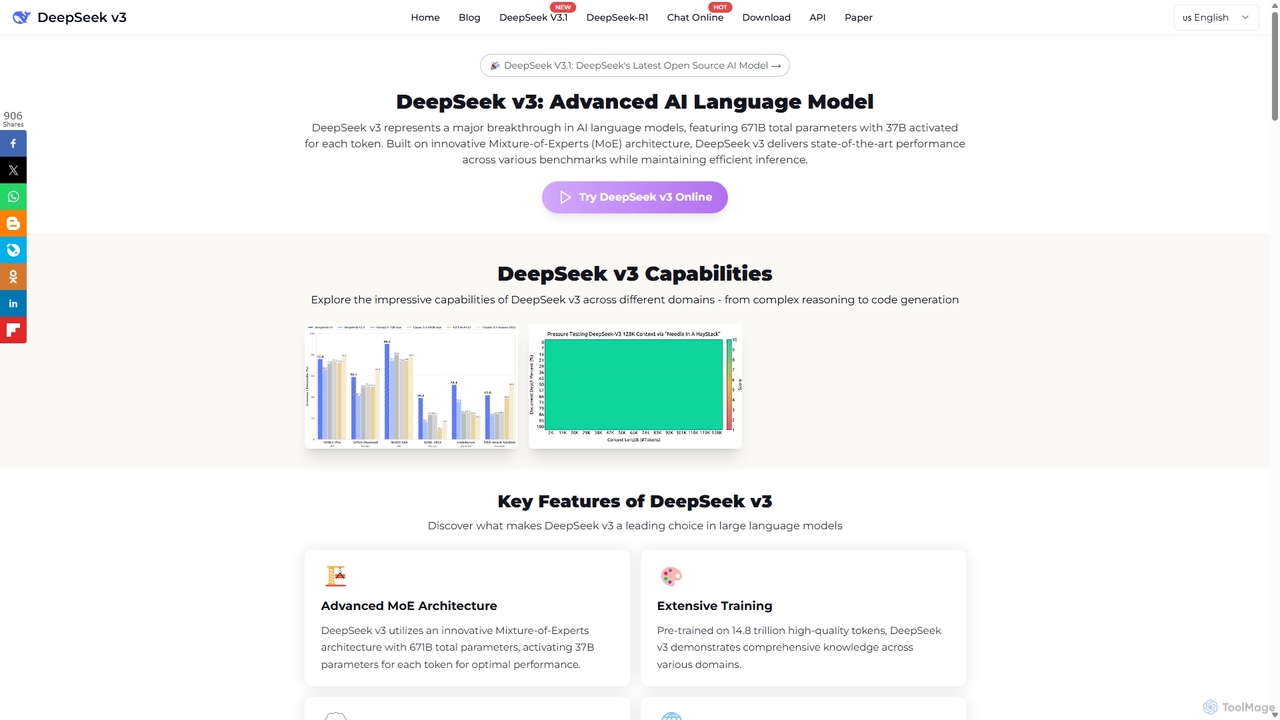
DeepSeek V3
DeepSeek V3 is a state-of-the-art, open-source large language model developed by DeepSeek AI. It excels in complex reasoning, coding, and multilingual tasks, featuring a massive 671B parameter Mixture-of-Experts architecture and a 128K context window. It offers high performance and efficiency, rivaling top proprietary models while being commercially usable under the MIT license.
Code Assistant
Llama Comments (0)
Sign in to comment.
Sign inNo comments yet.